

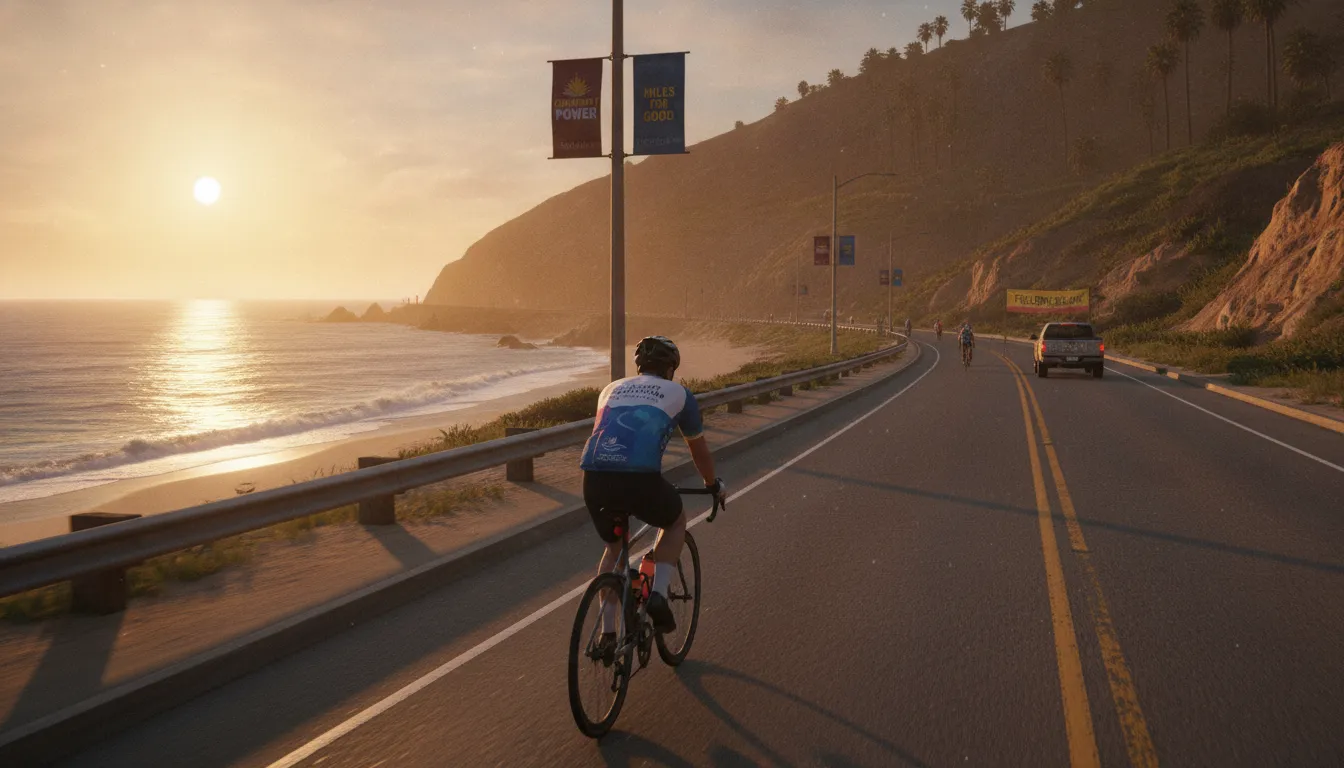
100 Mile Bike Ride Training Guide: Your Complete Century Preparation

A century ride is much like running a full marathon for your body and mind. Preparing for those hundred miles takes months of steady effort and a smart weekly riding schedule. This 100 mile bike ride training guide helps you build the strength and stamina needed for a successful charity event.
Register for a Bike to the Beach Century Ride Today
A 100 mile bike ride training guide focuses on building your mileage over eight to twelve weeks to prepare your body for a long century ride. Most plans include three rides per week, with two short sessions during the week and one long ride on the weekend to build your endurance. You should increase your long ride by five to ten miles each week until you can easily ride at least seventy miles without feeling too tired.
It is also key to practice your fueling and drinking plans during these training rides so you know exactly what to eat on the ride day. Following a steady plan with a short taper period helps you arrive at the start line with the strength needed to finish your hundred miles.
Setting a goal to ride one hundred miles is a bold and exciting move that requires both physical and mental prep. The path begins with understanding why structured training matters for a 100-mile ride. So you can build the strength, confidence, and nutrition habits you will need on event day.
100 Mile Bike Ride Training Guide: Why Train for a Century Ride?
A 100-mile bike ride is a big goal. To do it well, you need to prepare. A century ride takes as much effort as running a full marathon. Good training helps you build the strength you need. It also makes sure you can enjoy the ride from start to finish without too much pain.
Build your base with a simple plan
A 100 mile bike ride training guide helps you add miles in a safe way. Most people need 8 to 12 weeks to get ready. A good plan uses three rides each week. You can do two short rides on work days and one long ride on the weekend. This mix helps your heart and legs get strong while giving you time to rest.
Your goal is to reach a 70-mile ride about two weeks before the event. If you can ride that far, your body can handle the full 100 on ride day. You can use our 12-week dual-purpose training and fundraising plan to stay on track. This plan helps you train and raise funds for the community at the same time.
Stay safe with better bike skills
Training also helps you stay safe. The more you ride, the better you get at handling your bike. You will learn how to shift gears on hills and how to brake in a smooth way. You can also check out our charity bike ride safety tips for first-timers to learn more. These skills are vital when you ride in a group or on new roads.
Our rides are fully supported to help you succeed. We have rest stops every 15 miles with water and food. These stops let you break the big ride into small, easy parts. Following a plan like this fits with CDC goals for staying active and healthy. With the right prep and our support team, you will be ready for the beach finish. If this is your first event, review our first charity bike ride guide for a complete overview of what the day looks like.
Building Your Weekly Training Schedule
Preparing for a 100 mile bike ride training guide takes a clear plan to build strength without getting too tired. Most riders find success with a plan lasting 8 to 12 weeks. If you can ride 30 miles now, an 8-week plan is often enough. Those starting with less fitness should allow 12 weeks to get ready. This time gives your muscles and joints room to adapt to the hard work of long bike rides.
The Three Ride Weekly Rule
Steady work is more vital than high miles in the first weeks. Aim for three rides each week: two short rides during the week and one long ride on the weekend. Weekday rides help keep your base and leg strength. These should last 60 to 90 minutes at a steady pace. Use these short trips to focus on your form and comfort before your weekend miles go up.
The weekend ride is the most vital part of your plan. This is where you build the stamina needed for a full day of riding. You should aim to ride at least 70 miles in training before your event day. Reaching this mark means you have the base to finish the last 30 miles when the crowd and community help you reach the end.
How to Scale Your Mileage
To stay safe from injury, use a slow build. This means you add 5 to 10 miles to your long weekend ride each week. This steady growth lets your body heal and grow stronger. Every three or four weeks, take a recovery week. During this time, cut your total miles by about 40%. This break stops you from doing too much and lets your body gain from your past hard work.
- Start your base (Weeks 1-2): Begin with a long ride of 25 to 30 miles. Your goal is to get used to the bike seat and test your gear.
- Build steady strength (Weeks 3-5): Add 5 to 10 miles to your long ride each week. By week five, try to reach a 45 or 50 mile ride.
- Reach your peak (Weeks 6-10): Keep adding miles until your long ride reaches 70 to 75 miles. This peak should happen about two weeks before your big ride.
- The Taper (Weeks 11-12): In the final 10 to 14 days, cut your work by 50% to 60%. This helps your muscles heal and saves energy for the ride.
- Add cross-training: On days you do not ride, try low-impact work like yoga or walking. This helps your muscles and keeps you loose for long hours on the bike.
Rest and Recovery Balance
Rest days are just as vital as your time on the bike. Your body does not get stronger while you ride. It gets stronger while you rest and heal. Make sure you have at least two full rest days each week to stay fresh. If you feel very sore or tired, do not be afraid to take an extra rest day. A rested rider is less likely to get hurt or need to stop their training.
During your training, you should also test the habits you will use on event day. Use your long rides to try out your cycling nutrition for long rides. Learning how much to eat and drink during a 50-mile ride will make the full 100 miles feel much easier. Our rides offer rest stops every 15 miles. These provide a way to break your ride into small, easy goals.
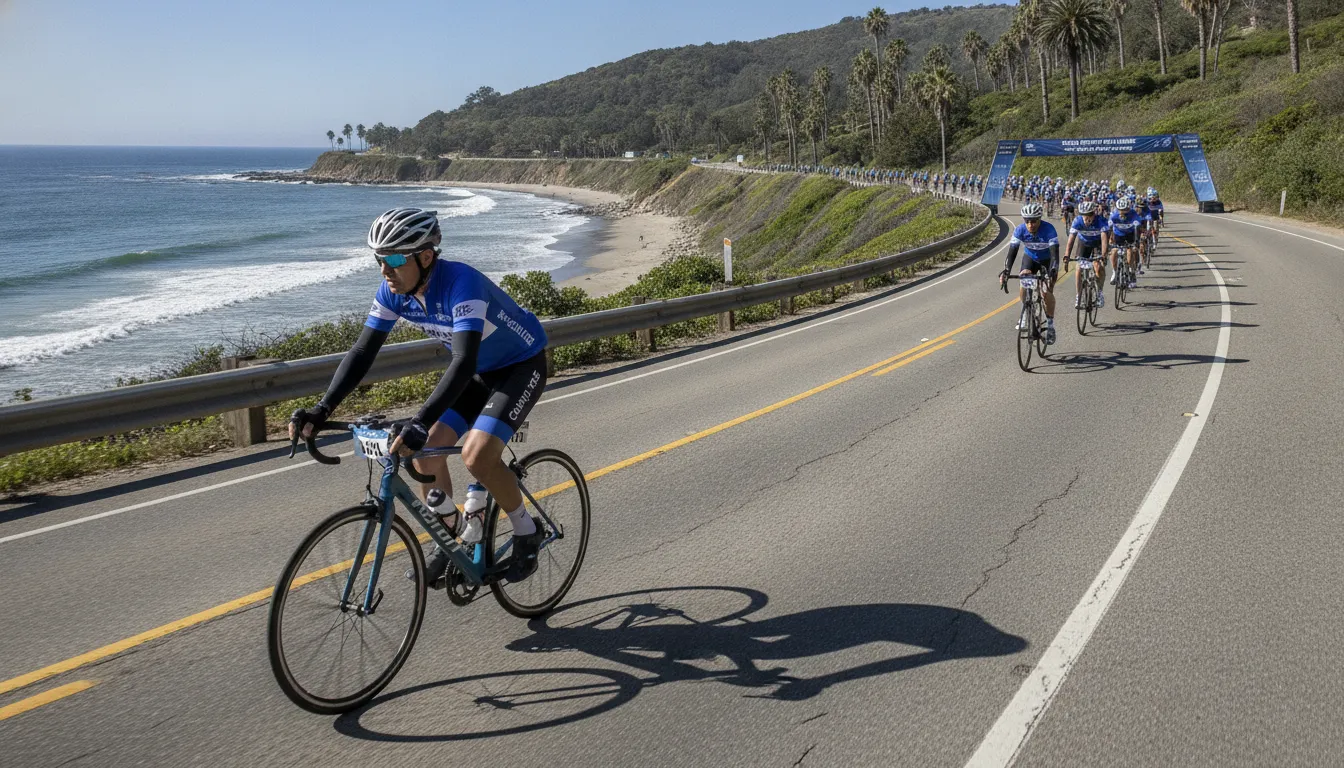
Nutrition and Hydration Strategies for Long Rides
Nutrition is the fuel that keeps your legs moving on a long ride. A century ride is a big task for your body. It is the cycling version of running a marathon. You must plan what you eat and drink to avoid hitting a wall. If you fuel well, you will feel strong and keep your mind sharp. This is a key part of any 100 mile bike ride training guide. Good habits help you enjoy the day and the community around you.
Fueling Your Body Before the Ride
Your prep starts the day before you get on the bike. Eat a dinner high in carbs the night before your big ride. This helps store energy in your muscles for the miles ahead. On the morning of your event, eat a light breakfast about two or three hours before you start. Good choices include oatmeal with fruit, toast with jam, or a banana. These foods give you steady energy without making your stomach feel heavy. Avoid foods that are too fatty or high in fiber right before you ride.
Managing Intake During Your Century
Eating and drinking while you ride is vital for success. You should aim to eat 60 to 90 grams of carbs every hour. This keeps your blood sugar stable and your legs fresh. You also need to drink about 500 to 750 ml of water each hour. To stay balanced, take in 400 to 600 mg of sodium every hour. This helps you replace what you lose through sweat and stops cramps.
Our Bike to the Beach events make this easy for you. We place rest stops about every 15 miles along the route. Each stop has water, sports drinks, and snacks like bars or fruit. You can also find first aid and bike help if you need it. For more depth, read our detailed guide to cycling nutrition for long rides. You can also explore hydration tips for cyclists to fine-tune your plan.
Post-Ride Recovery and Training Prep
Do not wait until the event day to try new foods or drinks. Practice your fueling plan on all your long training rides. This helps you find what snacks sit well in your gut. It also lets you see how much water you really need in different weather. Carrying your food in a jersey pocket or a small bike bag makes it easy to reach while you move.
After you finish a ride, your body needs to heal. Eat a meal with both carbs and protein within one hour of stopping. This helps your muscles recover and builds your strength for the next day. Drink plenty of water even after you are off the bike. Staying on top of your needs will make your training feel better and your big ride more fun.
What Gear Do You Need for a Century Ride?
Having the right tools is key for your training. You do not need the most costly bike to ride a century, but your gear must be safe and work well. A good setup helps you stay comfy and lowers the risk of bike issues during your long ride.
Safety and comfort items
Your helmet is your most vital piece of gear. Bike to the Beach needs all riders to wear a CPSC-approved helmet to stay safe on the road. The CDC says that wearing a helmet is the best way to prevent head injuries while you bike.
Comfort is also a top goal for 100 miles in the saddle. Use padded bike shorts and gloves to protect your body from rubbing and bumps. If you fear pain, you can learn strategies to prevent saddle soreness before your event. Good shorts and a proper bike fit will help you stay focused on the ride. Many riders also benefit from our guide on proper bike fit and comfort tips to make long hours in the saddle more enjoyable.
Simple bike check
Before you start your ride, check your bike to make sure it is ready. Look at your brakes, tires, chain, and gears. Tires should have the right air and no cracks or wear. A well-oiled chain and smooth gears will make your ride easier over long miles.
If you do not own a road bike, choosing the right bike for a charity ride depends on your goals and health. For those who do not have a bike, Bike to the Beach offers rentals. This service gives you a high-quality bike that is already tuned and ready for the big day.
What to carry with you
Even though our events have full support, you should carry a few items. Bring two water bottles, spare tubes, a small pump, and a multi-tool. These tools let you fix small issues fast without waiting for help. Early morning starts also need front and rear bike lights so you can see and be seen.
Bike to the Beach gives you rest stops every 15 miles with snacks and bike help. Our team and support cars are always on the course to help if you have a big problem. Carrying your own basic kit just gives you extra peace of mind during your 100-mile trip. Review our guide to SAG wagon support to understand exactly how our course support teams keep riders safe.
How Do You Prepare Mentally for 100 Miles on a Bike?
A 100-mile ride is as much a mental challenge as a physical one. Your legs may feel strong, but your mind will face moments of doubt. The riders who finish strong are the ones who prepare their minds just as carefully as their bodies.
Break the ride into smaller goals
One hundred miles can feel overwhelming if you think about it all at once. The best strategy is to break the distance into smaller pieces. Bike to the Beach places rest stops every 15 miles, giving you natural checkpoints. Focus on reaching the next stop rather than the finish line. Each 15-mile segment is a win, and those small wins add up. By the time you reach the last rest stop, you will have completed most of the ride without ever feeling the full weight of 100 miles.
Start slow, finish strong
One of the most common mistakes first-time century riders make is starting too fast. The excitement of the start line and the energy of the crowd can push you into a pace you cannot hold. Hold back for the first 20 miles. If you feel like you are holding back too much, you are probably going the right speed. Aim for a conversational pace where you can speak in full sentences without gasping. Once you pass the 50-mile mark and know how your body feels, you can pick up the pace if you have energy to spare.
Ride with others and lean on the community
Group riding saves energy. When you ride close behind another cyclist, you use up to 30 percent less energy fighting the wind. Take turns at the front and enjoy the benefit of drafting. Bike to the Beach is built on community, not just cycling. Ride with friends, join a team, or make new friends on the road. Sharing the miles with others makes the time pass faster and keeps your spirits high. Remember why you are riding: every mile you pedal raises funds and awareness for local autism and disability organizations. That purpose can carry you through the hardest moments on the road. Learn more about why our community rides to connect with the mission behind each mile.
What to Expect on Ride Day
After weeks of training, ride day is finally here. Knowing what to expect removes the guesswork and lets you focus on the road ahead. Bike to the Beach events are designed to make your first century ride as smooth and enjoyable as possible.
| Item | Provided by B2B | Bring yourself |
|---|---|---|
| Rest stops (every 15 miles) | Water, sports drinks, fruit, snacks, first aid | Personal nutrition (gels, bars you have tested) |
| Mechanical support | Roving mechanics, basic repairs, bike swap program | Spare tubes, pump or CO2, multi-tool |
| Safety | Moto Medx medical team, SAG vehicles, EMT presence | CPSC helmet (mandatory), bike lights for early starts |
| Route guidance | GPS files via Ride with GPS, route markings, cue sheets | Cycling computer or phone with route loaded |
| Post-ride | Finisher medal, celebratory meal, beer ticket for fundraisers | Change of clothes, recovery snacks |
Your ride day timeline
For the 100-mile route, expect a 5:00 to 6:00 AM start time, depending on your region. Arrive at least 45 minutes early to park, check in, set up your bike, and use the restroom. Attend the pre-ride safety briefing so you know the route and any course changes. After the start, settle into your pace. Hit every rest stop, even if you do not feel tired. A short five-minute break to refill water, eat a snack, and stretch keeps you strong for the next segment. As the miles pass, the beach finish line gets closer. Cross it, grab your medal, and celebrate a huge achievement. For recovery after the ride, check out our complete bike ride recovery guide. And for more on the support vehicles that keep you safe, read about how SAG wagon support works.
Frequently Asked Questions
How long does it take to train for a 100-mile bike ride?
Most training plans take 8 to 12 weeks to complete. If you already ride about 30 miles a week, an 8-week plan is often enough to prepare your body. If you are starting from zero, a 12-week schedule is better. This longer time helps you build strength safely. You should aim for three rides per week to see the best results without overworking your muscles.
Do I need to ride the full 100 miles before the event?
No, you do not need to finish a full century ride before event day. Most coaches suggest you build up to a single long ride of about 70 to 80 miles. If you can do 70 miles with ease, the extra distance on ride day is much easier to handle. The support at rest stops and the energy of other riders will help you reach the finish line.
What should I eat and drink during a 100-mile bike ride?
You should aim to eat 60 to 90 grams of carbs every hour to keep your energy high. It is also important to drink about 500 to 750 milliliters of water each hour. You can find more details in our detailed guide to cycling nutrition for long rides. Practice your fueling plan on training rides so you know what foods work best for your stomach before the big day.
How do I prevent saddle soreness during long rides?
To stay comfortable, you should use padded cycling shorts and a bit of skin cream. Make sure your bike fits you well. The wrong seat height can cause pain. It also helps to stand up on your pedals for a few seconds every 20 minutes to help your blood flow. You can learn more ways to prevent saddle soreness to keep your rides fun and pain-free.
What happens if I cannot finish the full 100 miles?
You do not need to worry if you cannot finish the whole distance. Bike to the Beach provides support vehicles, often called SAG wagons, that patrol the route. These vehicles can pick you up if you are too tired. They will take you to the next rest stop or the finish line. You can learn how SAG wagons work to feel more sure on the road.
Ready to Ride Your First Century?
You have the plan. You have the training schedule. Now it is time to make it real. Bike to the Beach hosts fully supported charity rides in four regions across the country, with distance options from 25 to 100 miles. Every mile you ride raises funds for local autism and disability organizations in your community. The support is there: rest stops, mechanics, medical teams, and a community of riders cheering you on at every turn. Choose your region, commit to your training, and register today. Your first 100-mile finish line is waiting.