

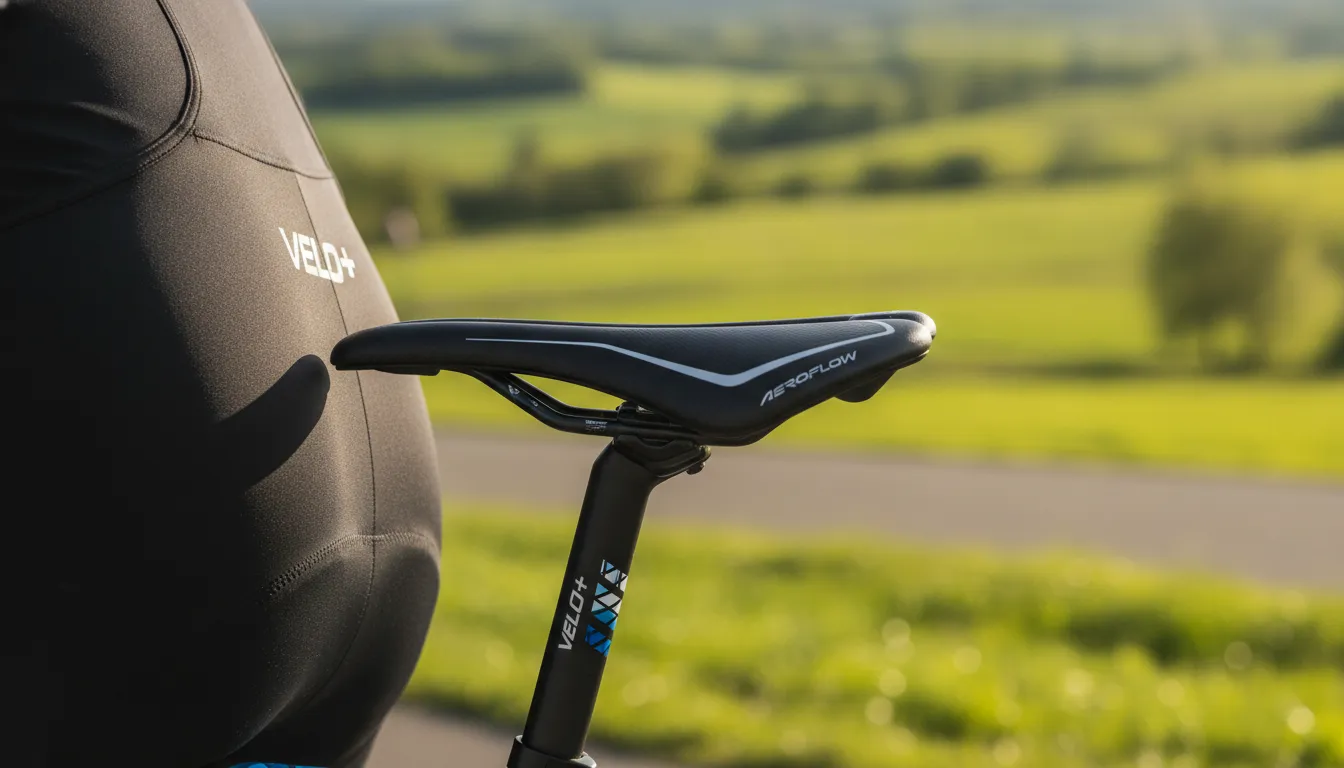
How to Prevent Saddle Soreness: Ultimate Guide
Get our ultimate guide on how to prevent saddle soreness on long distance bike rides. Learn how to adjust bike fit and choose the best gear.
Ignoring a small hot spot during a fifty-mile charity ride can lead to weeks off the bike. These painful skin spots often start as simple rubbing but quickly turn into deep sores that stop even strong cyclists. Learning how to prevent saddle soreness is vital for a good ride.
To learn how to prevent saddle soreness, you must address the pressure, rubbing, and sweat that build up during long hours on the bike seat on every ride. Start by getting a pro bike fit to reduce pressure on skin, and always wear clean, high-quality padded bike shorts without underwear to stop rubbing and skin damage.
Using a thick layer of cream before your ride creates a shield against friction, while showering right after you finish helps keep your skin clear of germs. According to research by the NIH, good hygiene and skin creams are proven ways to stay healthy and comfortable on your bike until you reach the beach finish.
Ready to support local autism programs and test your cycling limits? Register for a Bike to the Beach charity ride today!
While having the right gear is a first step, you also need to know why these painful spots form. You can build a better plan by looking at the forces that lead to skin damage. To stay comfortable, the path begins with learning What Causes Saddle Soreness in Cycling.
What Causes Saddle Soreness in Cycling?
Saddle soreness in cycling is primarily caused by a combination of continuous pressure restricting blood flow to sensitive tissues. Friction from the repetitive pedaling motion chafing the skin, and trapped heat and moisture from sweat softening the skin barrier. Addressing these three factors is key to staying comfortable on long rides.
Saddle soreness can turn a fun ride into a painful chore. To learn how to prevent saddle soreness, you must first know why it happens. Most sores come from a mix of forces near your skin. Knowing these causes helps you stay comfortable on long rides while focusing on your community goals.
Pressure and Blood Flow
Long bouts of pressure are a main cause of skin pain on a bike. When you sit on a saddle for hours, your body weight rests on a small space. This weight presses against your skin and soft tissues. Over time, this force can lead to restricted blood flow in your seat area. Your skin cells need fresh blood to stay healthy. Without it, they do not get enough oxygen. This lack of flow makes the skin weak and easy to hurt. A poor bike fit often makes this pressure worse. If your seat is too high or tilted in the wrong way, you may put too much weight on your soft tissue. This can cause deep aches or sharp pains. You should prevent common riding discomforts before you start a long training plan. Cutting this pressure is a top way to keep your skin safe during a ride.
Friction and Movement
Friction is another big factor that leads to pain. As you pedal, your legs and hips move thousands of times. This constant motion makes your skin rub against your shorts and the saddle. This rubbing can cause small tears or scrapes in the skin. Experts say that reducing friction from pedaling is a key step for any rider. Without a shield, this rubbing quickly turns into a “hot spot” that burns. The wrong clothes can also raise the risk of rubbing. Rough seams or loose cloth can catch on your skin as you move. This is why many riders use shorts with a pad called a chamois. These shorts give you a smooth surface. They help soak up the rubbing and protect your skin from the hard seat.
Heat and Moisture
The state of the air inside your shorts plays a big role in skin health. As you work hard, your body makes heat and sweat. This increased temperature makes the skin more prone to damage. When sweat cannot dry, it stays trapped against your body. This wet skin becomes soft and weak. Soft skin is much easier to tear than dry skin. Tiny germs love warm, damp spots. When sweat stays on your skin, it can lead to blocked pores or skin sores. Keeping good hygiene and wearing clean gear are vital for your safety. By keeping the area dry and cool, you can stop many sores before they even start. Bike to the Beach supports this with extensive support on the road. You can learn more about training for our charity rides to prepare your body well. These breaks give you a chance to cool down and check your comfort.
How to Prevent Saddle Soreness: The Core Pillars
Preventing saddle soreness requires investing in high-quality padded cycling shorts with a proper chamois. Adhering to the golden rule of never wearing underwear beneath them, and testing your gear on shorter rides. These core habits protect your skin from friction and maintain hygiene on long charity endurance events.
Learning how to prevent saddle soreness is a vital skill for any rider. Whether you are training for a 25-mile event or a full ride, your comfort on the bike affects your speed and your joy. A long day in the saddle should feel like a win, not a test of pain. By focusing on a few core pillars of gear and habits, you can keep skin issues away. This lets you focus on the group and the impact of your ride.
Choose the Right Padded Shorts
The first step in any plan to stop soreness is to buy a pair of high-quality cycling shorts. These shorts use a special foam pad called a chamois. This pad sits between your body and the seat to soak up shock and lower pressure. Good shorts also help to move sweat away from your skin. Research shows that wearing the right clothing is one of the best ways to stay safe on the bike.
When you look for shorts, look for a fit that is snug but not too tight. The pad should stay in place while you pedal. If the pad shifts, it can cause new spots of rub and pain. High-quality bib shorts are a great choice for many riders. Bibs use straps over the shoulders instead of a waist band. This keeps the shorts from sliding down during your ride. To prepare for a century ride, you should test your gear on shorter trips first.
The Golden Rule: No Underwear
The golden rule of cycling gear is simple: never wear underwear beneath padded shorts. While it feels odd at first, it is the best way to prevent chafing. Cotton underwear traps moisture right against your skin, causing it to soften and break down under pressure.
Underwear also has seams that sit in the worst spots. These thick lines of cloth can dig into your skin as you move. This leads to friction and can cause a “hot spot” or a sore. Padded shorts are made to sit right against your skin to stop these issues. The smooth cloth and soft pad work to lower the risk of skin harm. Following this simple rule is a key part of how to prevent saddle soreness on any ride.
Focus on Gear Quality and Fit
Poor-quality bike shorts often cause more harm than good. A pad that is too thick or thin increases pressure on soft tissue. Invest in shorts with specific cuts for men and women, ensuring the pad stays in the correct spot for your body shape. You can also get in touch with our team with any gear questions.
A good fit also means the cloth does not bunch up. Any extra folds of fabric will lead to more friction. This friction can lead to skin tears or sores very fast. If your gear is old and the pad has gone flat, it is time for a new pair. New gear will give you the support you need for the miles ahead. High-quality gear is the base of a happy, pain-free ride.
How Does Bike Fit Contribute to Saddle Soreness?
A poor bike fit directly causes saddle soreness by shifting your body weight off sit bones onto sensitive soft tissues. Adjusting your saddle height, leveling your saddle angle. And optimizing handlebar reach are critical adjustments that balance your weight across the bike and eliminate the rocking motion that causes friction.
A poor bike fit is a major cause of pain for many riders. When your bike does not match your body, you may shift your weight in ways that cause harm. Small changes to your setup can help you learn how to prevent saddle soreness by fixing these pressure points. If you plan to follow a structured plan, developing your training strategy is essential to avoid most of the friction that leads to skin damage. A well-fit bike keeps your weight in the right spots so you do not get sore.

Find the right saddle height
One common issue is a seat set too high. Reaching for the pedals makes your hips rock back and forth, creating constant friction between your skin and the seat. Over time, this rubbing causes painful hot spots. Correct seat height allows for a slight bend in your knee at the bottom of each stroke. This helps you stay comfortable on long rides by keeping your body steady.
Adjust handlebar reach and placement
Your handlebars play a big role in how your weight sits on the seat. If the bars are too far away, you may lean too far forward. This tilt puts too much stress on soft tissue in the groin. Research shows that handlebar placement can help reduce pressure and lower the risk of sores. Moving the bars closer or higher can help you sit more upright. This shift moves your weight onto your sit bones, which are built to handle the load.
Level your saddle angle
Your seat angle changes how much pressure you feel. A seat tilting down makes you slide forward, creating extra friction. A seat tilting up presses into soft areas and restricts blood flow. Aim for a level saddle to keep your weight centered. Small tweaks make a big difference after hours on the road.
- Set your saddle height so your leg has a slight bend when the pedal is at its lowest point.
- Ensure your saddle is level from front to back to prevent sliding or extra pressure.
- Adjust your handlebars so you can reach them without straining your back or neck.
- Check that your saddle is not too far forward or back compared to the pedals.
- Test your setup on a short ride and make small changes based on where you feel pressure.
- Visit a local shop for an expert fit to get the best results for your body shape.
Proper bike fit is not just about going fast. It is a key part of staying healthy and avoiding harm. When your bike is set up right, your weight is shared between your feet, hands, and seat. This balance is the best way to stop pain before it starts. If you feel numb or sore after a short ride, your fit is likely the cause. Taking the time to fix these issues now will make your next charity ride much more fun.
Selecting the Right Saddle and Chamois Cream
Eliminating saddle pain on long charity rides depends on choosing a firm, cut-out saddle that supports your sit bones and applying chamois cream as a physical barrier. Chamois cream acts as a protective shield that reduces pedaling friction and contains anti-bacterial properties to protect your skin under hot conditions.
Choosing the right gear is a key step in learning how to prevent saddle soreness. Your bike seat and the skin creams you use can make or break your ride. For long trips, you need items that stop friction and lower pressure on your body. Proper gear helps you enjoy the scenic routes without pain.
Find the best saddle fit
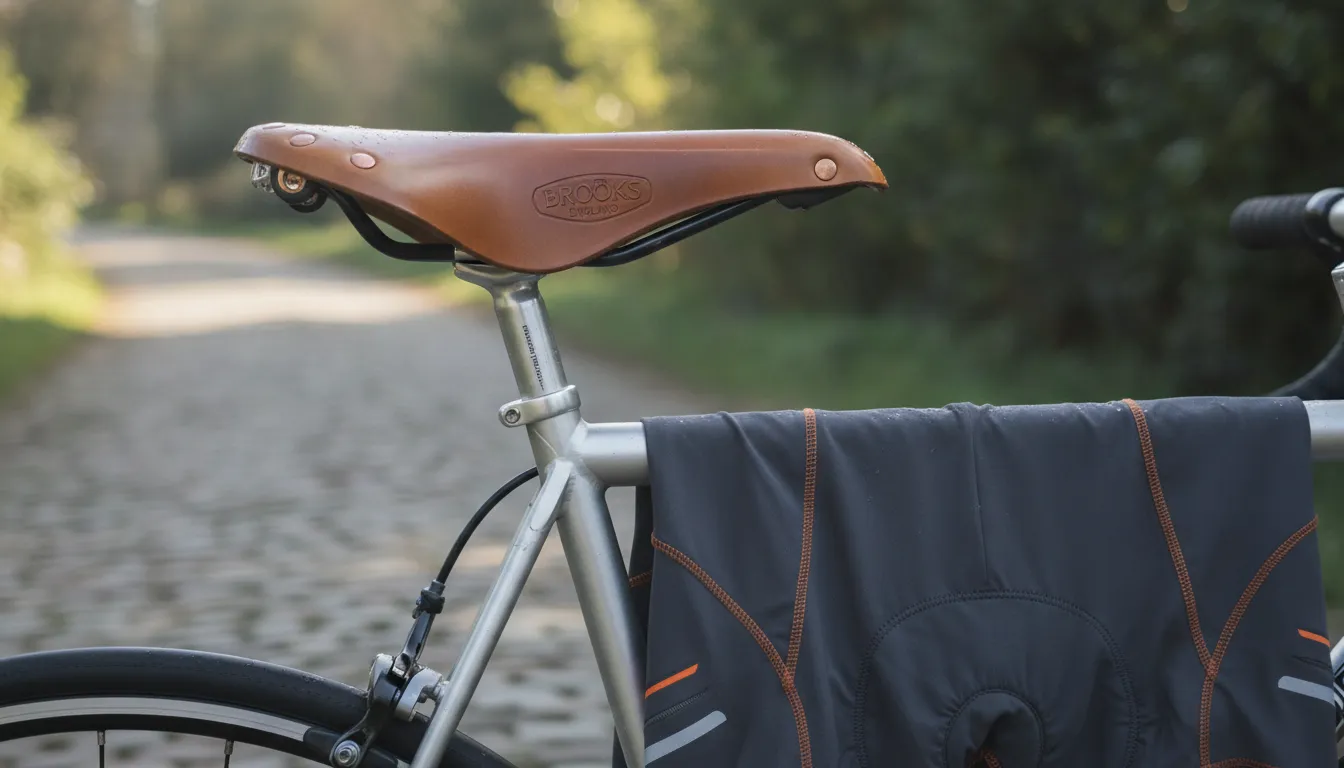
A good seat should support your sit bones without putting too much weight on soft tissue. Many riders think more padding is better, but soft seats can often cause more rubbing on long rides. A firm seat with a cut-out can help lower pressure in tender spots. You should try other shapes to find what works for your body type. Most bike shops can measure your sit bone width.
When you get a new seat, give yourself time to adapt on a few short rides. If pain persists after a week, the width or tilt might be incorrect. Small changes in how your seat sits can dramatically improve comfort, helping you prepare for your long ride.
| Saddle Type | Padding Level | Seat Width | Best For |
|---|---|---|---|
| Racing. | Very Low. | Narrow. | Fast, lean-forward riding. |
| Long Ride. | Medium. | Medium. | Long charity rides. |
| Cruiser. | Very High. | Wide. | Short, upright casual trips. |
| Cut-out. | Varies. | Varies. | Cutting soft tissue pressure. |
Use chamois cream as a barrier
Chamois cream is a thick lotion that you put on your skin or the pad of your shorts. It creates a smooth layer that stops your skin from rubbing against the fabric as you move. Using topical creams is a proven way to care for skin health on the bike. This simple step helps you handle the physical demands of long distance events by stopping hot spots before they start.
Friction from riding is a main cause of skin damage for cyclists. Sweat and heat can also trap moisture, which makes your skin more likely to break or chafe. Chamois cream acts as a shield against these things. Some creams also have anti-bacterial parts to help keep your skin clean. You should apply it a lot before every long ride to keep your skin dry and healthy.
Apply the cream where your skin meets the saddle, or directly onto the chamois pad of your shorts. Use more on hot days or long rides, and keep a travel-sized tube in your kit for mid-ride touch-ups at rest stops.
Crucial Post-Ride Hygiene and Skin Care
Protecting your skin after long cycling events requires stripping off damp bib shorts immediately and showering with mild soap to eliminate bacteria. Always wear a fresh, clean kit for every single ride and avoid performing any hair removal or shaving in the saddle area right before your event.
Your work to stop skin issues does not end when you cross the finish line. If you want to know how to prevent saddle soreness, you must think about what you do after your ride. The skin in your saddle area is under a lot of stress during a long event. Sweat, heat, and rubbing create a place where germs can grow fast. Good care helps you avoid painful bumps and keeps you ready for your next ride.
Strip and shower right away
One of the most vital rules for any rider is to take off your kit as soon as you stop. Do not sit in your damp shorts for a long time. Trapped sweat is a major cause of skin pain and infection.
Germs love the warm, wet cloth against your skin. This can lead to small sores or even larger cysts if you are not careful. Moving from your bike to the shower is a simple step that makes a big change. Research shows that keeping good hygiene and showering right after a ride are key ways to protect your skin (F009).
Once you are out of the shower, make sure you dry off well. Germs need moisture to live. Using a clean, soft towel will help you get rid of any dampness. You should also put on loose, clean clothes to let your skin breathe. This helps your body heal from the stress of the day. Keeping the area dry is a key part of skin care for all cyclists (F025). To protect your health, you must treat post-ride care as part of your training.
Use fresh kit for every ride
Never wear cycling shorts more than once without washing them. Even a short ride leaves salt and oils that scratch your skin and lead to rashes. On your next ride, those salt crystals act like sandpaper, rubbing your skin raw. Always start each day with a fresh, clean pair of shorts washed in mild soap to keep your skin protected.
Be careful with hair removal
Many cyclists choose to shave or wax the skin that touches the saddle. While this can help some people, you must time it well. Never shave or wax just before a big ride or event. These acts can cause small cuts and leave your skin open to germs. They can also lead to inflamed hair follicles.
This issue is called folliculitis. It often starts as a small red bump that feels like a pimple. If sweat and dirt get into these spots, they can turn into a painful infection. This can make it very hard to sit on your bike. If you prefer to remove hair, do it at least two or three days before your ride. This gives your skin enough time to calm down and heal.
Taking care of your skin is just as vital as your bike fit. By doing these easy steps, you can stay healthy and keep the focus on the cause you support. These habits ensure that a simple skin problem does not get in the way of your hard work and goals.
How Do You Recognize and Treat Early-Stage Saddle Sores?
Recognizing early-stage saddle sores involves identifying hot spots or minor skin redness before they progress to bacterial folliculitis or deep infections. Treating early sores requires immediate rest, elevating your legs to improve blood flow, keeping the skin clean and dry, and consulting a professional doctor for any severe cases.
Finding a saddle sore early is the best way to keep it from getting worse. Most sores start with small signs that you can fix before your next big ride. Knowing these stages helps you maintain comfort and avoid pain.
Three stages of saddle sores
Saddle sores progress in three stages. Stage 1 is a simple hot spot or red, tender skin rub. Catching a sore at this early warning sign makes it much easier to treat and resolve quickly.
Stage 2 is folliculitis, occurring when bacteria enter a hair follicle, creating a red pimple or bump. Without care, continued riding forces progress to Stage 3—a deep, painful infection that can keep you off the bike for weeks.
Early care and management
If you find a hot spot, start care right away. Use leg elevation after your ride to improve blood flow and reduce swelling. You should also take time off the bike to let your skin heal, as pushing through pain turns a small rub into a major problem.
Good hygiene is also key for managing and preventing sores. Always shower right after you finish your ride and put on clean clothes. Keeping the skin dry and clean helps stop bacteria from making a sore worse. You can also use skin creams to help the area heal faster.
When to see a doctor
Most early sores resolve with rest. However, if a sore becomes large, hot, or fills with fluid, it may be infected. See a doctor if pain persists or if you develop a fever. A professional can provide antibiotics or treatment for severe cases, getting you back to your cycling training comfort tips.
Your participation drives local impact and changes lives. Sponsor a Bike to the Beach rider or support our charity partners today!
Frequently Asked Questions
How often should I stand out of the saddle on long rides?
You should stand up for about 30 seconds every 10 to 15 minutes to help blood flow and lower pressure. Standing takes the weight off your sit bones and lets your skin breathe. This simple move can stop hot spots from forming and keep your muscles from getting stiff. According to British Cycling, low blood flow and long hours of pressure are main causes of skin pain on the bike.
Does shaving or waxing the saddle area cause more irritation?
Yes, shaving or waxing can increase your risk of skin issues while cycling. Removing hair can lead to ingrown hairs and small cuts. These spots allow bacteria to enter your skin, which can lead to a state called folliculitis. To keep your skin safe, it is best to avoid hair removal right before a long ride. If you must shave, do it a few days early to let the skin heal and stay smooth.
Is it normal for my sit bones to feel sore after a long ride?
It is common for your sit bones to feel tender after many miles, especially if you are new to the sport. This bone pain is different from a skin sore and usually goes away with rest. Proper bike fit and a firm seat can help spread your weight and lower this pain. However, if the pain feels like a sharp rub or a hot spot, it may be the start of a skin sore.
How should I wash my cycling shorts to prevent skin infections?
You should wash your cycling shorts in cool water after every single ride to kill bacteria. Use a mild soap and avoid fabric softeners, as they can ruin the pad. It is vital to make sure the shorts are fully dry before you wear them again. According to medical research, keeping good hygiene and wearing clean clothing are two of the best ways to stop sores from forming.
Are you ready to ride a hundred miles with comfort and style?
Ignoring saddle pain can turn your next long ride into a tough struggle instead of a joyful experience. Taking action today to fix your bike fit prevents discomfort and ensures you have plenty of time to test your gear before the big day. Waiting until the last minute leads to injuries that could keep you away from the community, so start your training now to build your strength.
Ready to make a difference? Contact our team today to register for an upcoming charity ride and support our local autism and disability partners.