

SAG Wagon Cycling: Rider Support Explained
Get SAG wagon cycling guidance, learn when to request support, and see how fully supported charity rides help riders reach the beach safely.
Flat tires and steep hills are less daunting when a mobile support team watches over the course. These special vehicles carry the gear and water needed to keep every rider safe from start to finish.
SAG wagon cycling support gives riders a safe, practical way to step off the route when fatigue, a mechanical problem, illness, or a course cutoff makes continuing unwise. On a fully supported charity ride, the SAG wagon works alongside rest stops, mechanics, medical teams, and route volunteers to help every participant move forward safely.
New riders often have questions about how these teams work. Knowing the role of a support vehicle helps you prepare for your first big event with ease. Learning the answer to the common question, What is a SAG wagon in cycling?, is the first step. The path begins with practical preparation and a clear understanding of the support available on route.
SAG Wagon Cycling: What is a SAG wagon in cycling?
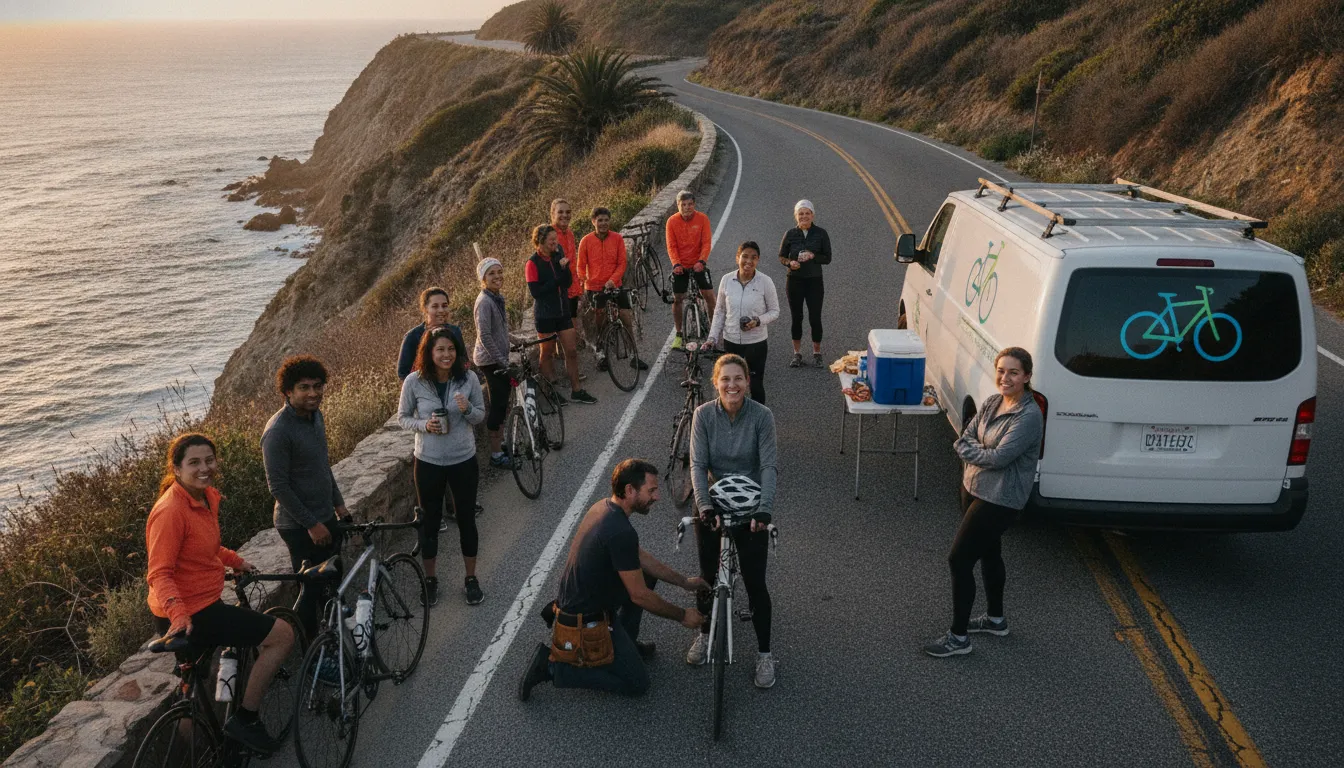
In the world of road cycling and charity rides, a SAG wagon is a key part of the support team. The term SAG stands for “Support and Gear.” These cars follow riders along the course to make sure riders of different experience levels stay safe and have what they need. Often, a support vehicle is a van or SUV. It carries tools, spare parts, water, and food.
For many riders, the sight of a SAG wagon brings a sense of relief. Long rides can be hard on the body and the bike. Having a team nearby to help with a flat tire or a broken chain keeps the ride moving. These cars also offer a lift to riders who are too tired or hurt to finish the path.
The role of support and gear
A SAG wagon does more than just drive behind the group; it acts as a mobile hub for help. Drivers often patrol the route to find riders in trouble. They carry pumps, tubes, and tools for quick fixes. Some even carry extra wheels for faster swaps during a big event.
Food and water are also vital parts of the gear. Drivers may hand out water or small snacks to keep energy levels high. In some cases, they carry items like salt tabs to help riders push through tough hills. Research from Utah State University shows that small tokens matter. They can have a big impact on a rider’s mood and grit during a long day.
SAG wagon vs. broom wagon
While people often use these terms to mean the same thing, they have different roles. A SAG wagon usually moves back and forth along the course to help riders. In contrast, a broom wagon stays at the very back of the pack. Its job is to “sweep” the course and pick up the last riders who fall behind. This ensures no one stays on the road after the event ends.
At Bike to the Beach, our on-course support services focus on being active to fix problems before they stop a rider. We want to make sure you reach the finish line safely. Whether you need a quick repair or a short rest, the support team is there to help. This makes the ride less stressful for riders of different experience levels involved.
When should a rider use SAG support?
Use SAG support when continuing would be unsafe or impractical because of fatigue, illness, injury, a mechanical problem, or a course cutoff. A SAG pickup is a responsible safety choice. It helps the event team account for every rider while getting you and your bicycle to the appropriate support point.
Bike repairs and gear issues
Not every bike problem can be fixed on the side of the road. Even a small tool kit has its limits. If you have a broken spoke or a snapped chain, you may need a bike shop to get back on the road. A support van can carry you and your gear to the next rest stop. Once there, a pro mechanic can look at your bike. Support teams often use large vans or SUVs to transport riders and gear. They step in when a bike is no longer fit to ride. This keeps the roads clear and keeps you moving toward the end of the day.
Physical fatigue and medical needs
Riding a long way is a big test for your body. Even fit riders can face heat stress, cramps, or simple fatigue. It is vital to listen to what your body tells you as you ride. If you feel dizzy or sick, you should stop and wait for a ride. The goal of a charity event is to finish safely and help the cause. Your efforts raise funds for people with autism and other disABILITIES. Pushing too hard through an injury can lead to long-term harm. It can also cause a crash that affects other people on the course. The SAG team works with medical partners to make sure every person gets the care they need.
Safe riding and course timing
Some cases on the road are out of your control. Heavy rain, high winds, or fading light can make the course risky for even the best cyclists. In these moments, ride staff may ask you to hop in the van. They might drive you a few miles to get past a bad spot. Also, many rides have time limits for each rest stop. These cutoffs ensure that support teams can move along the route as a group. If you fall behind the pace, the team will give you a lift to the next stop. This keeps you within the window of on-course support services. It also ensures you reach the finish line party before it ends.
Common times to use SAG support include:
- Your bike has a part that is broken or unsafe to use.
- You feel lightheaded, sick, or have sharp pain that will not go away.
- The weather makes the roads too dangerous to ride safely.
- You have missed a course cutoff time at a rest stop.
- You are too tired to keep a straight line on the road.
How does a SAG pickup work?
A SAG pickup begins when a rider contacts the event support team or a route volunteer identifies someone who needs help. The dispatcher coordinates the nearest support vehicle. The driver then transports the rider and bicycle to a rest stop, repair point, medical team, or the finish, depending on the situation.
How to signal for help
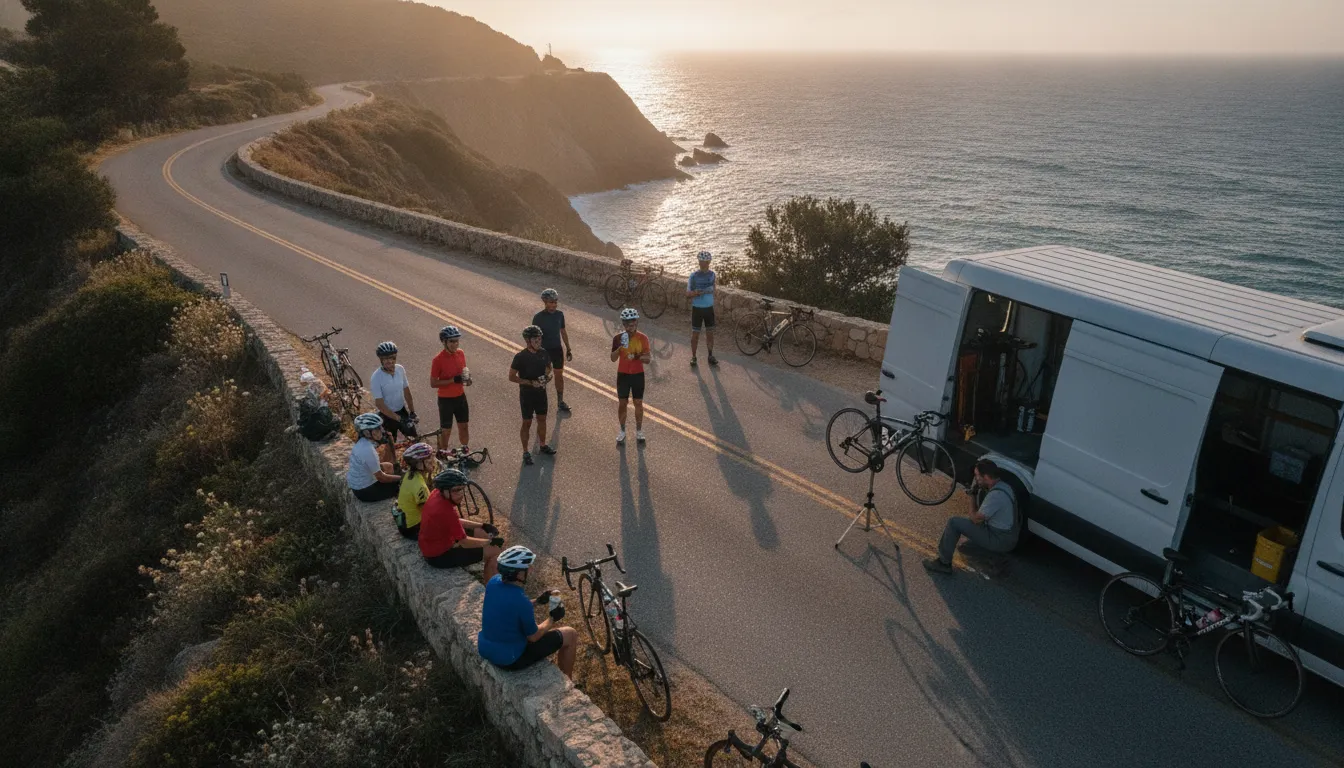
If you need a ride, you must show the driver you need help. Most rides have a simple sign to use. You should pull off the road first. Pick a spot where the driver can see you from far away. Many events ask you to flip your bike over so the wheels face up. This tells the driver you need a special support car to stop for you. Staying in the right spot helps the team find you fast.
Staying safe while you wait
Wait for the car in a safe spot. Do not stand in the road or on the path. Keep your bike and gear close to you. If it is hot, try to find shade. If it is cold, put on a light coat. Most rides have many cars out on the path. You may have to wait for a few minutes, but a driver will find you soon. Use this time to rest and drink some water. Staying calm and safe is your main task.
What to expect during the ride
When the car gets there, the driver will ask how you feel. They need to know if you are hurt or just tired. The driver will help you put your bike on a rack. Most support cars are SUVs or vans that carry gear and people. Once you are in the car, you might go to the next rest stop. You can also ride all the way to the finish line if you need to.
- Pull off the road. Find a flat spot on the side of the path. Stay clear of traffic so you are safe. Make sure cars can see you as they come near.
- Signal the driver. Flip your bike over or use the sign given at the start of the ride. This is the best way to get on-course support services to pull over for you.
- Talk to the staff. When the car stops, tell the driver if you have a health need or a bike problem. Be clear so they can help you as fast as they can.
- Keep your gear. Hold on to your helmet and water bottle. The driver will help you lift your bike onto the rack to keep it safe from harm.
- Wait for the next stop. The driver will take you to a spot with food and water. There, you can rest and choose if you want to keep riding or stay in the car.
SAG wagons and the full rider support network
Cycling a long way can be a tough task. But you are never alone when you join a Bike to the Beach ride. Our team uses a full support net to keep you safe and moving forward. A big part of this plan is the SAG wagon cycling system. These tools make sure every rider gets to the beach with a smile. SAG stands for Support and Gear. These vans follow the group to give help where it is needed most.
Mobile support and the SAG wagon
A SAG wagon is often a small van or a large SUV. It travels along the bike route to watch over every person. These drivers look for riders who might need a hand. If you have a flat tire or a broken chain, the crew can help. They carry tools and spare parts to fix your bike fast. This helps you get back on the road without a long wait. They also carry extra water and food if you run out between stops.
Some riders may feel very tired or have a small ache. If you cannot finish a leg of the ride, the SAG wagon can pick you up. It can give you a ride to the next rest stop. It can even take you all the way to the finish line if you need it. This dedicated support van makes the trip much easier for new riders. It gives you peace of mind so you can focus on the fun of the day. You do not have to worry about being left behind on the road.
The drivers of these vans are part of the local community. They know the roads and the best spots to pull over. They stay in touch with other team members to track how the ride is going. This keeps the whole event safe and on track from start to finish. Having these vans nearby means you can push yourself further than you might on your own. It turns a solo ride into a group effort where help is always close by.
Rest stops and medical care
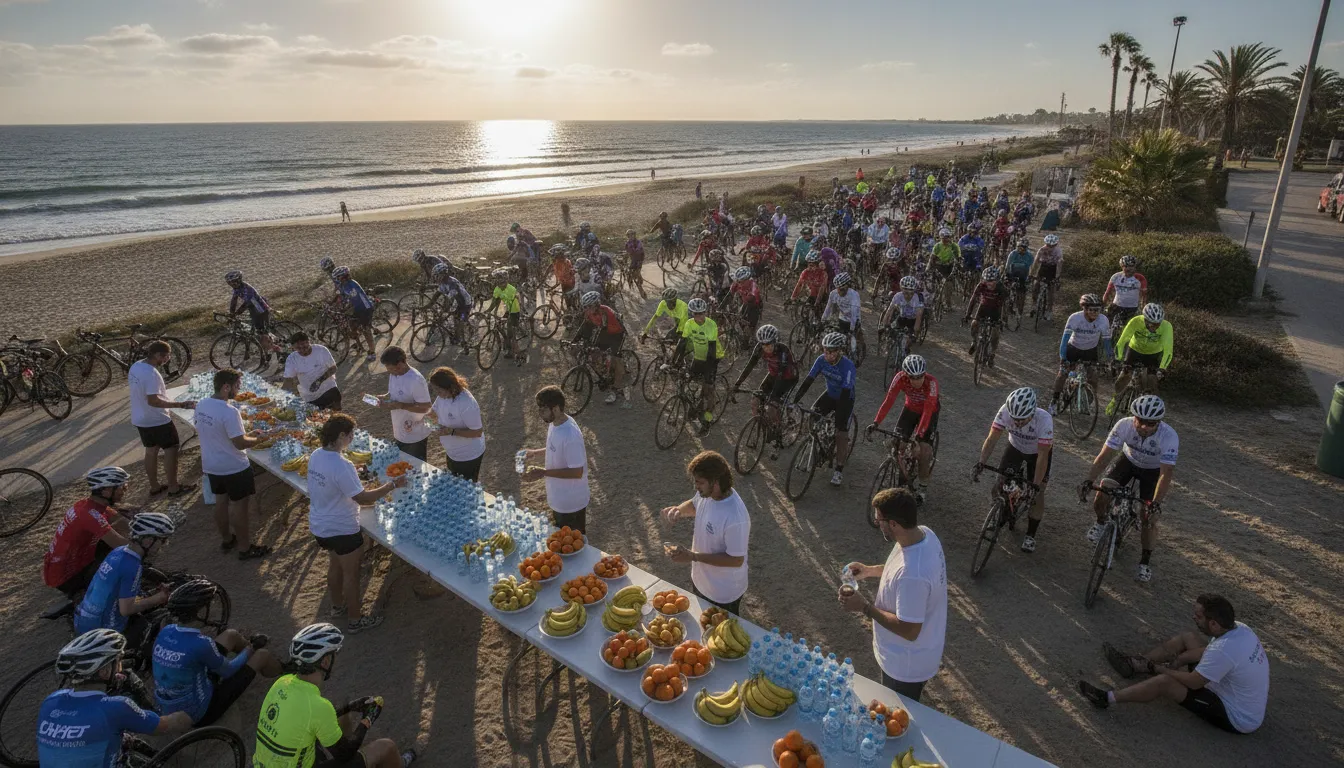
We place rest stops about every 15 miles along the path. These spots are like small oases for riders. Each stop has plenty of water and snacks to keep your energy high. You can take a break, sit in the shade, and chat with other people. These breaks are key for staying strong on a long day in the hot sun. They help you stay fresh so you can reach the beach finish line.
For more serious needs, we have expert medical care on hand. We work with a group called Moto Medx to provide mobile help. These medics use motorbikes to reach you quickly on any part of the course. They can handle small cuts or help if you feel too hot or dizzy. This layer of help is part of our on-course support services. It ensures that every rider is safe no matter where they are on the trail. We want you to feel secure from the first mile to the last.
How the support layers work together
The entire team stays in touch using radios and a central hub. If a rider needs help, the closest van or stop gets a call right away. This fast response is a big part of why our rides work so well. It takes the stress out of long-distance trips. You can enjoy the view and the ride while we handle the hard parts. This model makes the ride open to people of all skill levels.
Our support net is not just about bikes and tools. It is about the people who cheer you on at every turn. From the rest stop crews to the van drivers, everyone is there to help you succeed. This group spirit is what makes our charity events special. We build a safe space where you can reach your goals and help a great cause. Every mile you ride helps provide funds for local autism and disability partners.
| Support | Best used for | What to expect |
|---|---|---|
| SAG Wagon | Bike repairs and tired riders | A van ride or quick bike fix on the road |
| Rest Stops | Food, water, and short breaks | Snacks and drinks every 15 miles |
| Medical Medics | Health checks and small injuries | Fast help from medics on motorbikes |
| Bike Repair Crew | Major bike issues or part swaps | Expert tools and help for your gear |
How to prepare for a ride with SAG support
Related: Read why riders choose Bike to the Beach
Getting ready for a long ride is key, even when you have help on the road. Many charity events use a special support car to keep riders safe. In the world of SAG wagon cycling, these cars or vans provide water, food, and tools. The term stands for Support and Gear. While these teams are ready to help, you still need to do your part. Being ready for the ride makes the day better for you and the other riders.
Build your strength and check your bike
Training is the most key part of your prep. Most rides cover many miles in one day. You should start a training plan at least two months before the event. Ride your bike two or three times a week. Each week, make one ride a bit longer than the last. This helps your muscles and your heart get ready for the work. If you train well, you will feel good throughout the day. You will not have to rely on the support team just because you are tired.
A good bike check can stop most road issues before they start. Look at your tires for any small cuts or glass. Make sure your brakes stop the bike quickly and smoothly. You should also check every bolt to ensure nothing is loose. If you are not sure how to do this, visit a local bike shop. They can perform a full tune-up for you. Starting with a solid bike means you can focus on the view. The event mechanics are there for big issues, not for basic care you could have done at home.
Carry your own basic supplies
Even with on-course support services, you should be on your own a bit. It is a good idea to carry a small seat bag with a few tools. Carrying these items saves time if you have a minor flat. You can fix it yourself and keep moving toward the finish line.
- A spare inner tube that fits your tires
- Tire levers and a small pump or CO2
- A small multi-tool for quick changes
Always bring a phone and your ID for safety on the route. These items ensure you can stay in touch with the team if you get stuck. Being ready for small fixes makes the day go more smoothly. It also keeps the support vehicles free for riders who have bigger problems.
What support can Bike to the Beach riders expect?
Related: Explore the Florida ride
Bike to the Beach combines SAG vehicles with staffed rest stops, roving and stationary mechanical help, route communication, and medical support. These layers work together so riders can refuel, address common bicycle issues, get appropriate care, and continue safely when possible.
Related: Explore the New York ride
Bike to the Beach provides a full support system for every rider. This model makes long trips safe and easy for people of all skill levels. We offer on-course support services that help you from the start line to the beach finish. Our team handles the hard parts so you can focus on the ride and our local mission.
Rest stops and nutrition
You will find rest stops about every 15 miles on our routes. These stops give you a place to take a break and get back your energy. Each stop has water and food to keep you going strong. You can also find basic first aid at these hubs. These stops are key to our fully supported cycling events on the East Coast.
Mechanical and medical aid
We work with pros to keep you moving. Roaming bike mechanics patrol the route to fix flat tires or chain issues. We also have a medical partner to handle health needs on the course. If you do not have a bike, you can get a rental through our partners. This level of care helps everyone join our community and ride with confidence.
The role of the SAG wagon
A dedicated support vehicle follows our riders. In the cycling world, these are often called SAG wagons. SAG stands for Support And Gear. These vehicles move along the course to check on your progress. They can carry extra gear or help if your bike breaks down. A SAG wagon cycling unit may also give you or your bike a ride to the next stop or the finish line.
These vehicles give you peace of mind while you ride. Most are vans or large cars that can carry bikes and people. The term first appeared in the United States in the late 1940s to describe vehicles that followed bike riders (rehook.bike). This support is a core part of how we help you reach the beach and support people with disABILITIES in your area.
See what is included in a fully supported Bike to the Beach ride
Frequently Asked Questions
What does SAG stand for in cycling?
According to BikeIowa, SAG stands for Support And Gear. These vans and trucks travel along the ride route to help cyclists who have gear issues or tired legs. They carry tools, spare parts, and water to keep everyone moving safely. If a rider cannot finish the course, the wagon can carry both the person and their bike to the next stop.
What is the difference between a SAG wagon and a broom wagon?
While both provide aid, they have different roles on the road. A broom wagon is the final truck in a race that “sweeps” up riders who fall behind the time limit. A SAG wagon often roams the entire course to provide active help. In charity rides, SAG support is about safety and comfort for all skill levels rather than keeping a race clock.
Can I request a SAG wagon on demand?
Most group rides do not offer on-demand pickup like a taxi service. SAG vans move through the course in a steady loop to watch over all riders. You may need to wait at a safe spot on the road until a van arrives. On Bike to the Beach rides, support teams use radios to find riders who need help and get to them as fast as they can.
How do you signal for a SAG wagon if you need help?
If you need to stop, pull completely off the road and find a safe area. The known sign for help is to flip your bike upside down so it rests on the seat and handlebars. This tells passing drivers and other riders that you have a gear issue or need a break. Most support teams will stop to check on any rider they see in this position.
Are you ready to join a fully supported bike ride today?
Waiting to sign up for a long bike ride can mean you miss the chance to help local folks who need your support right now. By joining today, you give yourself the time to train with confidence while knowing our dedicated support vehicle team will help you every single mile. You will feel proud at the finish line because you took action to help local partners who provide vital care for people with disABILITIES.
Our team is ready to help you every single step of the way as you prepare for this great challenge. Ready to ride? Register for a Bike to the Beach ride today to book your spot on the ride.