

Bike Ride Recovery Tips: Ultimate Post-Ride Guide
Get expert bike ride recovery tips to bounce back after a long ride. Learn how hydration, nutrition, stretching, and rest optimize your cycling performance.
Completing a hundred mile charity ride is a major physical win that leaves your legs screaming for rest. Proper care in the hours after you cross the finish line ensures you can celebrate your impact without excessive pain.
Ready to ride with us and support the autism community? Register for a Bike to the Beach charity event today!
Essential bike ride recovery tips focus on hydration, fuel, and rest to help the body repair muscle tissue and replenish energy. You should eat protein and carbohydrates within two hours after your ride to maintain a positive balance for muscle repair and recovery. Research shows this combination improves performance the next day compared to eating carbohydrates alone, making timing a vital factor for athletes who want to feel strong. Effective routines also include gentle stretching and active recovery, like a light spin the next day, which help clear waste and ease lingering muscle soreness. Focusing on hydration with electrolytes and ensuring nine hours of deep sleep allows your hormone levels to regulate so your muscles can adapt to stress.
While long term rest is vital, the most important actions happen right after you get off your bike. You can speed up your healing process by following a strict set of steps in the minutes after your ride finishes. Understanding the immediate recovery protocol helps you start healing, and the path begins with a structured post-ride routine.
Bike Ride Recovery Tips: The Golden Hour: Immediate Post-Ride Recovery Protocol
The immediate post-ride recovery protocol starts in the first hour by cooling down with a light five-minute spin. Dry-changing out of damp apparel, elevating your legs above heart level, and drinking an electrolyte-replacement shake. This starts the muscle-rebuilding process right away.
The first sixty minutes after you finish a long ride are the most key for your body. This time is often called the golden hour because your muscles are ready to soak up fuel and start the healing process. If you use this time well, you can avoid a lot of the pain and stiffness that comes after a big event. Taking the right steps now will help you get back on your bike sooner. Following simple bike ride recovery tips can make a big change in how you feel the next day.
Cool Down with a Gentle Spin
When you see the finish line, you may want to stop and sit down right away. But your heart and muscles need a slow shift to rest. Keeping a light, easy movement in your legs for a few minutes helps clear waste products from your muscles. If you stop too fast, blood can pool in your legs. This can lead to heavy limbs or a light head. Try to keep your legs moving for five to ten minutes after you stop. This easy spin keeps your blood flowing and starts the work of muscle repair. Many riders find that bike ride recovery tips like this help them avoid cramps later in the day.
Focus on Physical Comfort
Once you are off the bike, your next goal is to get dry and stay warm. Wet cycling gear can make your body heat drop fast. This puts stress on your heart. Change into clean, dry clothes as soon as you can. This also helps you avoid skin sores from wet fabric. After you change, take a few minutes to lie down and put your feet up. Raising your legs above your heart helps blood move back to your core. This simple move can reduce swelling in your feet and ankles. It is a great way to give your body a break after a hard day of work. You can also get post-ride recovery support from the event team to help you settle in.
Refuel and Drink Fast
Your body loses a lot of water and salt through sweat during a ride. You should start drinking water or a drink with salts as soon as you finish. This helps replace what you lost and keeps your organs working well. It is also vital to eat a snack that has both protein and carbs. Studies show that eating a mix of protein and carbs in the first two hours helps improve your results for the next day. This mix helps your body fix muscle tissue and fill up its fuel tanks. A post-ride snack with about 20 to 30 grams of protein is a smart choice for most riders. Proper fueling in this window helps you keep a positive nitrogen balance. This is needed for muscle growth. Taking these steps in the first hour will help you stay strong and ready for your next big challenge.
What is the Best Way to Hydrate After a Long Bike Ride?
To hydrate effectively after a long bike ride, weigh yourself before and after riding and drink sixteen ounces of fluid for every pound lost. Choose electrolyte-rich sports drinks containing sodium over plain water to restore proper mineral balance and prevent cramping.
Your body loses a lot of fluid through sweat during a long ride. Drinking water is a great start, but it is not the whole story. To help your muscles heal and stay strong, you need a plan that goes beyond plain water. Good pre-ride preparation and recovery guidelines focus on both fluid and salt balance.
Replace Lost Fluids
A core part of recovery is hydration. This process should start while you are still on the bike. It must also continue right after you finish. You must replace the fluids lost through sweat to keep your energy high. If you wait until you feel thirsty, you are already behind on your needs.
One way to track your needs is to weigh yourself before and after a ride. Each pound lost is about 16 ounces of fluid. Try to drink enough over the next few hours to get back to your start weight. This simple step helps you avoid the tired feel and fog that come with fluid loss.
While water is vital, some drinks can help your body recover faster. Research shows that caffeine intake can increase the rate of muscle fuel recovery in endurance athletes. A small cup of coffee might be a helpful part of your post-ride routine. It can help your muscles restock the fuel they spent on the road.
Balance Your Electrolytes
When you sweat, you lose more than just water. Your body also loses salts like sodium and potassium. These minerals help your nerves and muscles work well. Replacing them is as important as water for stopping muscle cramps after long rides. If you only drink plain water, you might dilute the salts left in your blood.
Sodium is the main salt lost in sweat. It helps your body hold onto the water you drink. Look for drinks that have a good mix of salts and a small amount of sugar. The sugar helps your gut soak up the water and salts faster. You can also get these minerals from a salty snack like pretzels or a banana.
For those training for long events, getting your salt levels right is a key skill. Proper training and recovery strategies involve testing what drinks work best for you. This plan keeps your legs fresh and ready for the next day of riding.
Avoid Recovery Blockers
It is tempting to celebrate a finish with a cold beer. However, alcohol can slow down your progress. Avoiding alcohol right after a ride helps you stay hydrated. It also keeps your recovery hormones at the right levels so your muscles can repair themselves. Save the toast for later in the evening after you have fully refilled your tank.
Large amounts of caffeine can also act as a diuretic for some people. This means it makes you pee more often. While it helps with fuel storage, you should balance it with plenty of non-caffeinated drinks. Focus on steady, slow drinking rather than chugging a lot at once. This gives your body time to absorb everything without feeling bloated.
Proper hydration is a major part of staying safe on the road. By following these tips, you ensure your body has what it needs to thrive. A well-hydrated rider is a happy rider who is ready for the beach finish.
What Should You Eat After a Long Ride to Support Recovery?
The ideal recovery meal after a long cycling event combines complex carbohydrates and high-quality protein in a three-to-one ratio within two hours of finishing. This synergistic combination maximizes muscle glycogen replenishment and triggers rapid tissue repair.
Refueling your body after a long ride is just as vital as the miles you log on the road. When you finish a tough event, your muscles are low on energy and need help to heal. Using smart nutrition plans for long rides ensures you stay ready for your next big goal. Science shows that what you eat in the first two hours can change how you feel the next day. A good meal plan helps your body fix itself and get ready for the next ride.
Rebuild with Protein
Your body needs protein to fix the small tears in your muscles that happen during a ride. Aim for about 20 to 30 grams of protein after you hop off the saddle. This amount helps start the process of muscle protein synthesis which is key for getting stronger. Without enough protein, your body may struggle to repair the stress of a long day. This can lead to more soreness and a slower return to your peak form.
Eating protein also helps your body keep a positive nitrogen balance. This state is needed for your muscles to recover well after a long day of work. You can get this from lean meats, eggs, or plant-based options like beans and tofu. Keeping your protein intake high in that two-hour window is one of the best ways to support your health. It makes a big difference in how your legs feel when you wake up the next morning.
Replenish with Complex Carbs
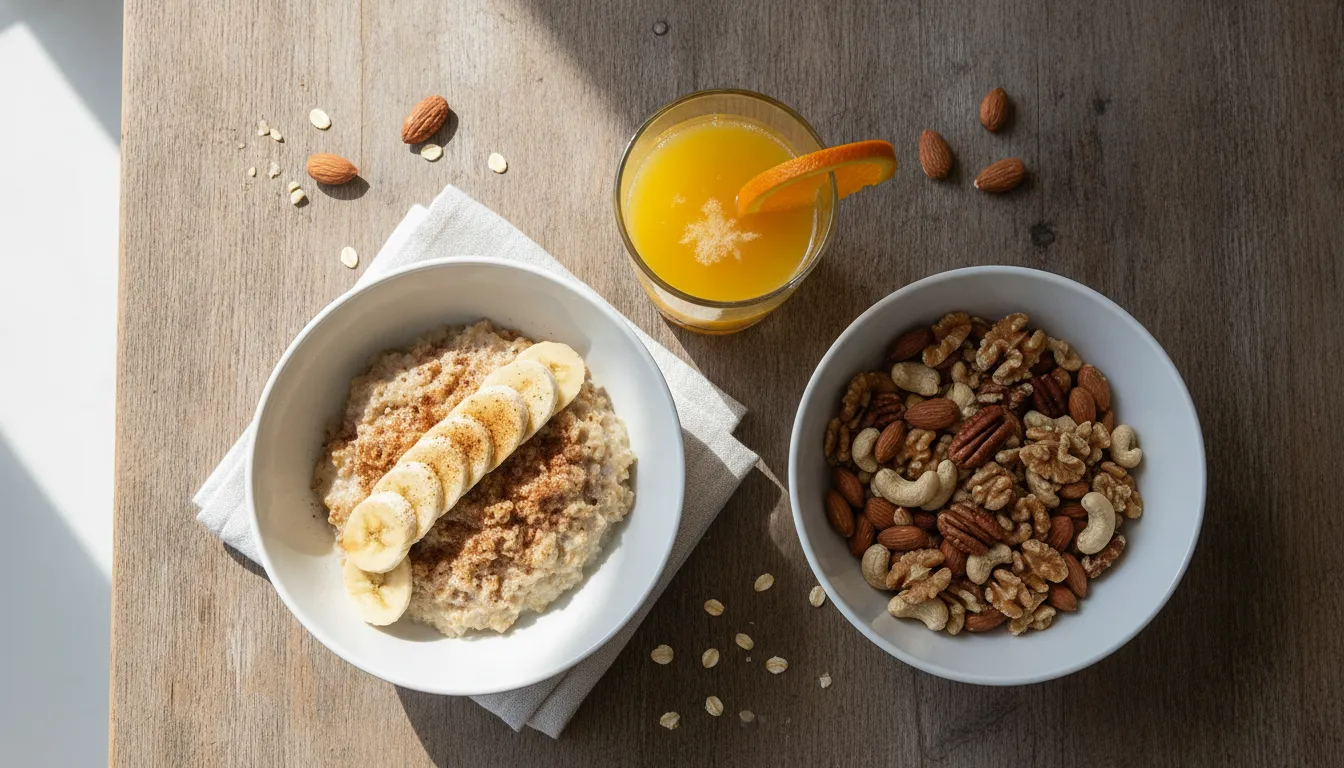
While protein fixes tissue, carbs give you back the fuel you spent. Complex carbs are the best choice to fill your muscle glycogen stores again. These slow-burning fuels help you avoid the crash that often follows a long ride. Choosing foods like oats, brown rice, or sweet potatoes provides a steady stream of energy. Simple sugars might give a quick boost, but complex grains sustain your body for longer periods of time.
Research shows that eating carbs and protein together works better than eating carbs alone. This mix can even boost your ride if you plan to pedal again the next day. It helps the body process the food well. When you pair these two, you rebuild muscle and refill energy at the same time. This dual approach is the gold standard for endurance athletes who want to stay at the top of their game.
Comparing Carbs and Protein
It helps to know how each nutrient works to help you heal. While both are needed, they play very different roles in your post-ride plan. You should use a mix of both in your training and recovery plans to get the best results. Each part of your meal serves a clear goal for your body’s healing process.
| Nutrient Type | Main Role | Body Impact | Best Food Examples |
|---|---|---|---|
| Complex Carbs. | Energy Source. | Fills muscle glycogen. | Oats, brown rice, fruit. |
| Lean Protein. | Muscle Repair. | Fixes muscle fibers. | Chicken, eggs, beans. |
Plan your post-ride meal before you even start your trip. This helps you choose rich foods instead of quick snacks that lack real value. A good meal gives your body the tools it needs to stay healthy and ready for the next community ride. By taking the time to eat right, you honor the effort you put in on the road. You also ensure that you can continue to support local autism partners through your cycling journey.
Muscle Recovery: Mobility, Stretching, and Active Rest
Optimize muscle recovery by incorporating gentle static stretching, foam rolling for tight knots, and wearing compression socks to improve circulation. Engaging in a low-intensity active recovery spin the following day further eases soreness and boosts local blood flow.
After you cross the finish line, your body starts the work of repair. The best bike ride recovery tips involve more than just sitting on the couch. You need to keep your blood moving to help your muscles heal. Using a mix of light movement and care tools will help you feel ready for your next event. Bike to the Beach wants every rider to finish strong and stay healthy.
Keep Your Blood Flowing
Sitting still for too long after a big ride can lead to stiff legs. Your body needs to clear out waste that builds up during hard work. Light movement helps your heart pump blood to your sore spots. This fresh blood brings the fuel your muscles need to grow back stronger. It also helps you feel less tired as you celebrate your win.
Many riders find that staying loose makes the next day much easier. If you stop moving right away, your muscles may tighten up fast. You should aim to stay active but keep the effort very low. This path is one of the best ways to manage training and recovery strategies for long rides. Our team often sees that the most prepared riders are those who focus on the hours after the ride.
The Role of Active Rest
Active rest is not the same as a hard training day. It means doing enough work to get your heart rate up just a bit. You should still feel like you are resting, not working. This balance is key to keeping your body in top shape for your next ride. Many people find that a slow walk in a park is enough to do the trick.
If you skip this step, you might deal with more pain. Muscle soreness often peaks two days after a big event. By moving early, you can help lower this peak and feel better sooner. It is a simple tool that costs nothing but yields great results for your health.
Five Steps to Better Motion
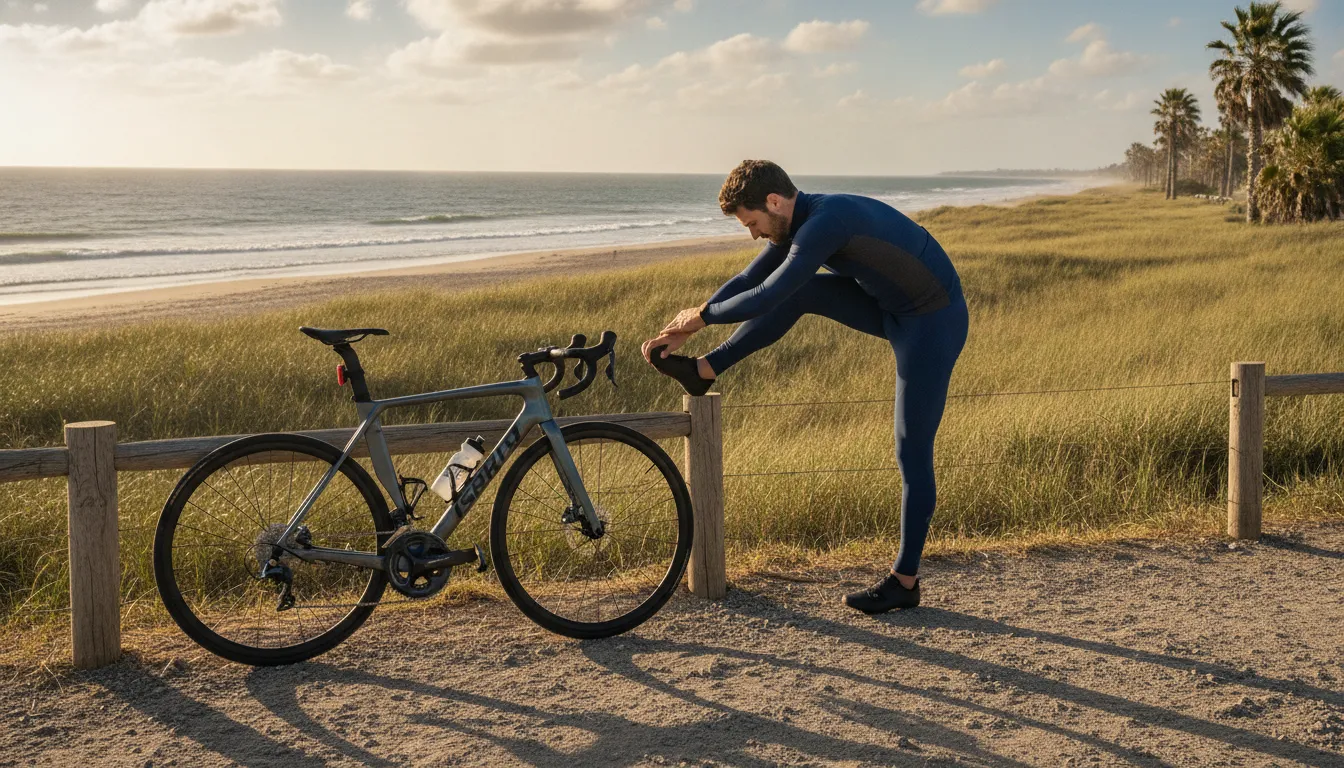
Taking a few simple steps can change how you feel after a long day in the saddle. These methods help your range of motion and lower pain.
- Do some gentle stretching once your muscles are still warm. Focus on your legs and back to help gain better motion.
- Use a foam roller to break up tight spots in your legs. This tool helps blood flow and reduces muscle tightness.
- Put on compression garments to help your legs feel fresh. These tight socks aid blood flow and help you recover faster than rest alone.
- Try a light massage to ease tension in your lower back. This self-care step helps clear out stress from holding your bike posture.
- Plan a light spin for the next day. Research shows that moderate intensity cycling helps heal muscle damage from hard work.
Cross-training can also play a big role in your long-term health. Low-impact work like yoga or swimming can help you stay limber between big events. These habits ensure you keep your mobility high and your risk of injury low. Following these bike ride recovery tips will help you stay on the road for years to come.
Why is Quality Sleep One of the Most Critical Bike Ride Recovery Tips?
Deep sleep is the ultimate biological recovery tool because your body releases key growth hormones during non-REM sleep cycles to rebuild damaged muscle fibers. Aim for seven to nine hours of quality sleep to fully restore performance.
Sleep is a core part of the post-ride recovery process that many people miss. It gives your body the time it needs for muscle repair and hormone control. When you take on a long charity ride, your muscles face stress that only deep rest can fix.
The need for deep sleep
Most riders should aim for seven to nine hours of sleep each night to help their bodies bounce back. This time is when the body does its best work to fix tissues and balance levels. A regular sleep schedule keeps your energy high and your mind sharp for the next day. Good rest is one of the best bike ride recovery tips you can follow to stay strong.
Poor sleep can slow down how fast you heal after a tough ride. Without enough rest, your body may struggle to keep up with the demands of a long event. To get the most out of your work, treat your bed as a key piece of gear. This focus on rest helps you avoid burnout and keeps your progress on track.
Using naps and rest days
Naps can be a great way to add to your total rest time during a heavy week. A short nap of twenty to thirty minutes can help you feel fresh without making you feel groggy. These quick breaks give your heart and muscles a chance to slow down and start the healing process early in the day. It is a simple tool to help you stay at your best.
You must also plan for full rest days in your schedule. These days are not about being lazy but are a needed part of getting faster and stronger. Sleep is a critical and often overlooked part of recovery that helps with muscle repair. Taking a day off allows your body to fully reload its energy stores.
How sleep helps your muscles
During deep sleep, your body releases growth hormones that are vital for muscle health. These hormones help fix the small tears that happen during a long bike ride. Proper rest also helps your body manage sugar levels and keep your focus on the road. Without this time, your muscles may stay sore for longer and your risk of injury could go up.
A good post-ride routine should always end with a full night of rest. This helps you maintain a healthy state where your body can build back better than before. Wearing padded cycling shorts helps with comfort, but only sleep can fix the internal strain from the ride. Make rest a priority to ensure you are ready for every mile of your journey.
Pacing and Support: Safely Preparing for Your Next Bike to the Beach Ride
Safely prepare for a major charity bike event by pacing your effort, using on-course rest stops every fifteen miles for nutrition, and securing professional bike fitting. These physical preparation strategies minimize muscle fatigue and accelerate your post-event recovery.
A long bike ride is a big test for your body. To finish strong and feel good the next day, you must plan your effort from the start. Pacing is one of the most useful bike ride recovery tips you can follow. If you push too hard in the first few miles, your muscles will face deep fatigue later. By using the help we provide on the course, you can save your energy and avoid extra strain.
Use On-Course Support to Manage Effort
Bike to the Beach provides a full support system for every rider. We place rest stops about every 15 miles along the route. These stops are key to your recovery. They offer water, electrolytes, and healthy snacks to keep your fuel levels high. Taking short, frequent breaks at these stops helps reduce the risk of muscle soreness in the hours after the event. It is better to stop for a few minutes often than to grind through the miles without rest.
We also have SAG cars and roving mechanics on the road. These teams are there to handle flat tires or bike issues. Knowing that help is nearby allows you to relax and focus on a steady pace. You do not have to carry heavy tools or worry about being left behind. This peace of mind helps you maintain a smooth rhythm. It is better for your muscles than sudden bursts of speed to catch up.
Gear and Fit for Lower Body Stress
Your gear plays a major role in how you feel after the ride. A proper bike fit is vital to prevent chronic pain and overuse injuries. If your seat is too high or your bars are too low, your back and knees will suffer. A small change in your setup can lead to a much easier day in the saddle. We suggest getting an expert fit before you take on a long charity ride. This helps your body stay in a good, safe spot.
Bike care also impacts your fatigue levels. A clean, oiled chain and the right tire pressure make your bike move with less effort. When your bike works well, you do not have to work as hard to maintain your speed. Comfort is also a safety issue. Using padded cycling shorts can help cut pressure and pain during long rides, which is recommended by experienced cyclists to prevent soreness. This simple choice helps you feel good and cuts the need for a long recovery time.
Community Pacing and Mental Strength
Riding with a group is one of the best ways to stay at a safe pace. At Bike to the Beach, you are part of a community that rides together for a cause. Team riding allows you to share the work and keep a steady speed. It also helps you stay driven when the miles start to feel long. Linking with other riders helps you beat the mental challenges of event prep and post-ride fatigue. When you pace yourself with the group, you ensure a better post-ride recovery support time for everyone.
Looking for your next scenic ride? Discover why we bike and find an event near you today!
Frequently Asked Questions
How long should a recovery ride be?
A recovery ride should often last between thirty and sixty minutes. The goal is to keep your heart rate low and your legs moving without adding stress. You should ride at a slow pace that lets you talk with ease. This short time helps move blood through your muscles to aid repair. It is a tool for rest, not for building speed or power.
Can caffeine speed up glycogen recovery after a ride?
Yes, caffeine can help your body refill its energy stores faster. According to a clinical trial, caffeine intake can increase the rate of muscle glycogen recovery after a hard ride. When you pair coffee with a meal high in carbs, your muscles may reload energy faster. This helps you feel ready for your next big ride sooner than you might otherwise.
Do compression garments help reduce muscle soreness?
Many riders use compression socks or tights to help their legs feel better after a long trip. These tight clothes apply steady pressure to your limbs, which may improve blood flow and reduce swelling. This can help clear away waste and lower muscle pain. While they do not replace good food and sleep, they are a helpful way to boost your comfort during the rest phase.
Why is active recovery better than total rest for cyclists?
Moving your legs at a light pace can be better than sitting still. Low-impact movement like a short walk or easy spin helps your blood carry nutrients to tired tissues. A study shows that moderate-intensity cycling is often better for muscle repair than other forms of rest. This gentle work helps reduce stiffness and makes your recovery feel faster by keeping your body mobile and loose.
Are you ready to sign up for your next big charity bike ride event?
Waiting to plan your ride and recovery can lead to sore muscles and a slow start for your next big goal if you do not act. Start now so you have time to get strong and learn how to rest well after a long day of cycling on the open road. Each day you wait is a day you could be building the habits that lead to a smooth finish and a quick bounce back later. You can find helpful 50-mile cycling guide instructions in our ride resources to help you prep for your first big charity event and start your journey.
Ready to make a difference? Register for your next Bike to the Beach ride today and support local autism partners in your community!