

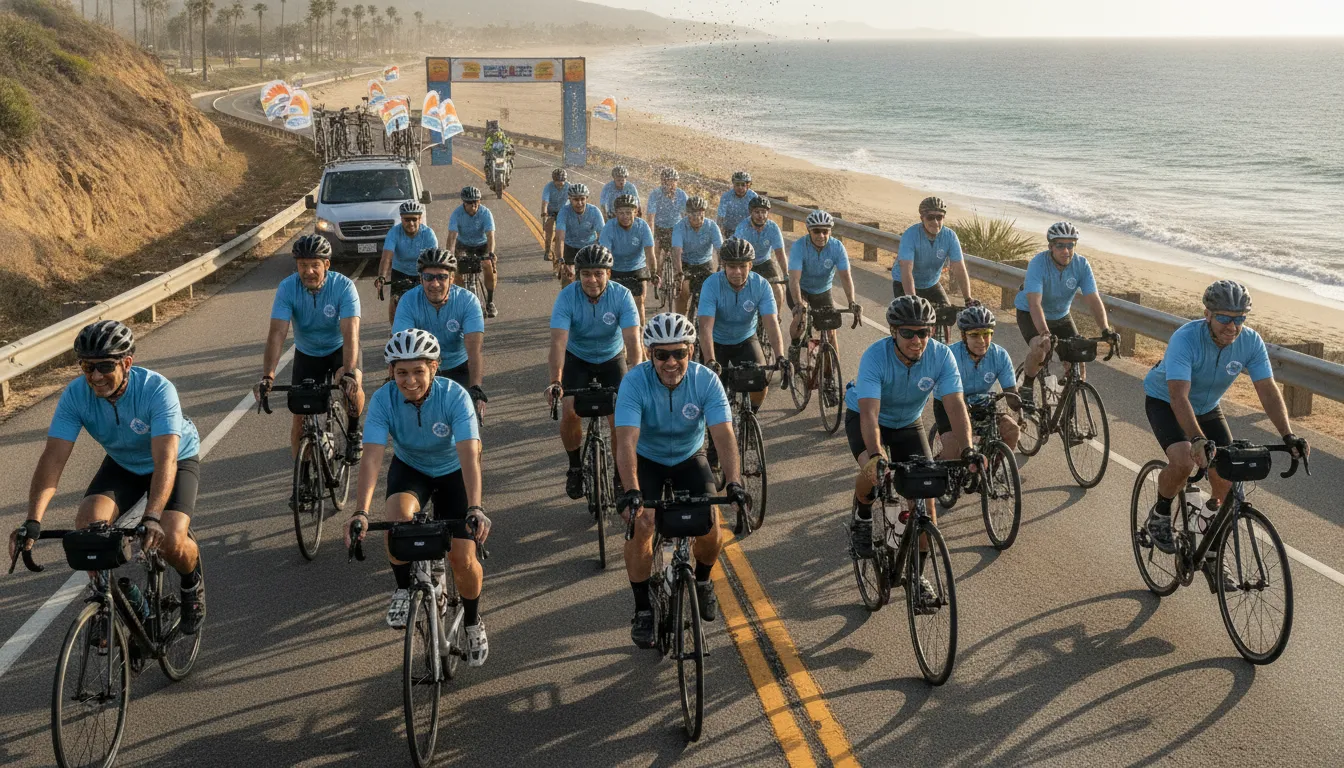
Road Bike vs Hybrid Bike for a Charity Ride
Start your road bike vs hybrid bike comparison, choose the best bike for a charity ride, and register for a fully supported Bike to the Beach event.
Reaching the beach after a meaningful charity ride should feel challenging and rewarding, not like a fight against the wrong equipment. Your road bike vs hybrid bike choice shapes your comfort, confidence, and energy across every mile.
Your bike should help you reach the beach feeling proud, not make every mile a fight. In the road bike vs hybrid bike comparison, road bikes favor speed and efficiency on pavement, while hybrid bikes favor an upright position, steady handling, and approachable comfort. Either can be the best bike for a charity ride when it fits your body, matches your chosen distance, and feels familiar after training rides.
Choose your Bike to the Beach region and start your ride registration.
Deciding which bike to bring to your first charity event involves looking at your training plan and total distance. This practical comparison will help you find the option that best supports your goals.
Road bike vs hybrid bike: the quick comparison
Quick answer: Choose a road bike when efficient speed over a long paved route matters most. Choose a hybrid when upright comfort, stable handling, and confidence matter most.
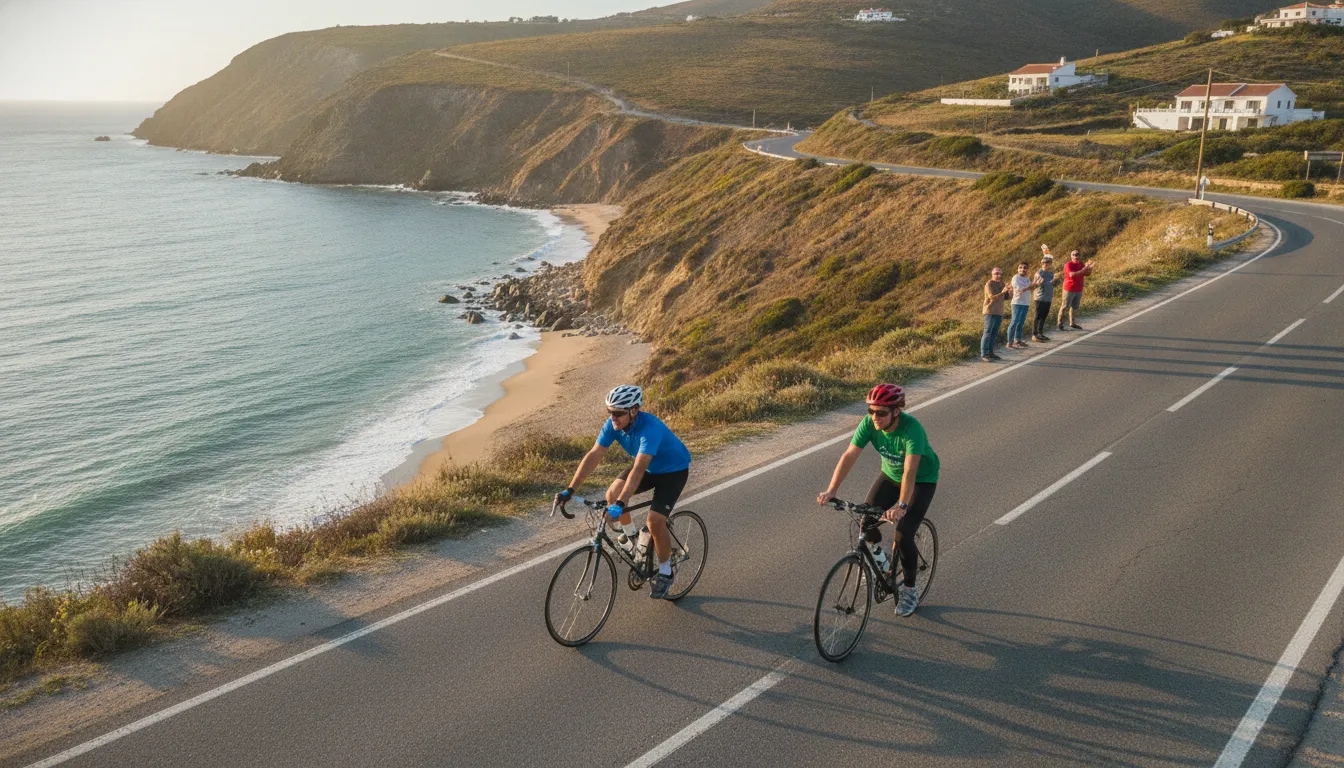
Choosing the right bike for a charity ride is a big part of your race day plan. Most riders pick between a road bike and a hybrid bike. While both bikes work well for long rides, they offer other perks. A road bike is built for speed and long paved paths. A hybrid bike mixes parts from mountain and road bikes to offer more comfort.
Choosing for speed or comfort
A road bike uses thin tires to move fast with less work. These tires are often between 25 mm and 28 mm wide. This thin design helps you stay quick on the road. If you want to finish your 100-mile ride as fast as you can, a road bike is often the best choice. It lets you use less effort to go further.
Hybrid bikes use wider tires, usually from 28 mm to 32 mm. This extra width makes the ride much smoother. They also let you sit in an upright posture. For many new riders, this is choosing the right bike for beginners because it feels stable. You can see traffic better and feel less strain on your back.
The impact of your choice
The bike you pick affects how you feel during a long ride. Studies show that bike comfort comes from the frame, seat, and bars. A proper fit is key to avoiding pain on a 50 or 100-mile ride. Choosing a bike that fits your body helps you enjoy the day more. It also helps you stay active, which gives major health gains over time.
At Bike to the Beach, our rides are fully supported. We provide rest stops and help if your bike breaks down. This means you can focus on the ride, no matter which bike you pick. We also offer equipment and bike rental recommendations to help you get started. The best bike is the one you feel safe and happy riding for many miles. You should spend time training on your bike before the event day to get used to how it feels.
| Feature | Road Bike | Hybrid Bike |
|---|---|---|
| Handlebars | Drop bars for more hand spots | Flat bars for an upright feel |
| Tire Width | Thin (25-28 mm) for speed | Wide (28-32 mm) for comfort |
| Riding Goal | Speed and road ease | Comfort and many uses |
| Best Use | Long paved charity rides | Casual rides and commutes |
| View | Lower, tucked spot | High, upright view of traffic |
In the end, your bike should match your goals. If you want to push your limits and go fast, go with a road bike. If you want a fun ride with a focus on comfort, a hybrid bike is a great tool. Both will get you to the beach finish line to help people with autism and other disABILITIES.
Which bike is more comfortable for a charity ride?
Comfort summary: Hybrids usually feel more natural at first because of their upright position. A properly fitted road bike can be more comfortable over longer distances because it offers several hand positions and efficient pedaling.
When you choose between a road bike vs hybrid bike, comfort is often the top concern. Both bike types can work well for a long day on the road, but they offer different feels. Your choice depends on your goals and how you like to sit on a bike. Since Bike to the Beach offers choosing the right bike for beginners tips, you can find a fit that works for your ride distance.
Body position and view
Hybrid bikes usually put you in an upright pose. This feels natural to most people and gives you a clear view of the road. This stance can reduce strain on your neck and back during shorter trips. Research shows that bicycle comfort comes from how your body parts interact with the frame, seat, and bars. For many new riders, staying upright feels safer and more relaxed.
Road bikes use a more bent-over pose. While this looks fast, it helps you move through the wind with less effort. This position shifts some weight to your arms, which can help your back on long trips. If you are preparing your gear for the ride, think about how long you plan to be in the seat. A pose that feels good for ten miles might feel different at mile fifty.
Hand positions and bars
Road bikes have drop bars that offer three or more hand spots. Being able to move your hands helps stop numbness and keeps your muscles from getting stiff. These bars let you tuck in for speed or sit up a bit more on hills. This choice is a big plus for road bikes versus hybrid bike options during a long day of riding.
Hybrid bikes use flat bars, which are easy to use and offer great control. They put the brake and gear levers right where your hands rest. This setup is very helpful in traffic or when you need to stop often. While you have fewer hand spots, the simple design is often less scary for those new to charity events.
Saddle fit and road feel
The seat is a big part of how a bike feels. Hybrid bikes often have wide, soft seats. But on long rides, too much soft foam can cause skin pain. Road bikes have thin, hard seats that support your sit bones. While they might feel stiff at first, they often stay more comfortable over many hours. Proper seat and bar adjustments are key for comfort on any bike you pick.
Tire size also shifts the ride feel. Road bikes have thin tires that roll fast but can feel every bump. Hybrid bikes use wider tires that hold more air to soak up road shakes. This extra cushion can make a big change on rough roads. No matter which bike you pick, Bike to the Beach provides support cars and rest stops every 15 miles to help you reach the finish line.
How speed and efficiency change over distance
Efficiency summary: A road bike generally saves energy at the same pace on a long paved route. A hybrid can still be the better choice when its stable handling and familiar position help you ride consistently.
Speed and how you use your energy play a big role on long rides. Whether you choose a road bike vs hybrid bike, your gear affects your pace. On a 50 or 100-mile charity ride, saving effort at the start helps you finish strong. Your bike choice should match the distance you plan to cover and your own fitness level.
Tire width and rolling resistance
The tires on your bike change how hard you have to pedal to keep moving. Road bikes use narrow tires that are often 25 mm to 28 mm wide. These small tires have low rolling resistance. This means they glide over the road with very little drag. This helps you gain speed fast and stay at that speed with less work. Hybrid bikes use wider tires that offer a different set of benefits for the rider:
- Higher air volume to soak up bumps and cracks in the road.
- More rubber on the ground for better grip and safety.
- A smoother feel that reduces body fatigue over long hours.
While wider tires are a bit slower, they feel more stable on different paths. You can find help choosing the right bike for beginners to see which tire width fits your comfort needs. Most charity riders find that a slightly wider tire makes a long day in the seat much easier on the body.
Aerodynamics and rider position
The way your body sits on the bike affects how the wind moves around you. Road bikes have a frame shape that makes you lean forward. This low spot helps you cut through the wind like an arrow. Over many miles, this saves a lot of energy. A light frame and thin wheels also help you climb hills with less strain. When the road is flat and the wind is at your back, this position feels very fast.
Hybrid bikes keep you in an upright spot so you can see your surroundings and stay relaxed. This is great for safety and fun, but it makes your body act like a sail. You will catch more wind, which can make you tired on a breezy day. When you look at road bikes versus hybrid bike options, think about how much wind you want to face. For a 100-mile ride, a more aerodynamic spot can save you hours of hard work.
The role of comfort in long-term speed
Speed is not just about the bike parts or how light the frame is. If you are in pain, you will naturally slow down as the day goes on. Research shows that bike comfort depends on the frame, saddle, and your body position. A bike that fits your body well allows you to keep your pace for the whole day. Even a fast bike will feel slow if your back, neck, or wrists begin to hurt.
Some riders believe that comfort and high performance can go together on the road. A well-fit hybrid bike might be faster for a new rider than a road bike that feels stiff and hard to handle. Training and confidence matter more than saving a few grams of weight. At Bike to the Beach, we provide SAG vehicles and rest stops to keep you moving forward. Pick a bike that makes you feel bold and ready to ride for a great cause.
Match your bike to the route and ride distance
Distance summary: Favor a road bike for your longest distance when pace and efficiency matter. Favor a hybrid for a shorter option when control and upright comfort will make the day more enjoyable.
Picking the best tool for your ride is the first step toward a great day. When you look at a road bike vs hybrid bike, you must think about your goals. Are you riding 25 miles or going for a full 100-mile century? Your choice affects how you feel after hours in the seat. Every Bike to the Beach event offers many distances to fit your skill level and gear.
Speed and power for long distances
If you plan to ride 100 miles, a road bike is often the best pick. These bikes are built for speed on paved roads. They use thin tires, usually 25 mm to 28 mm wide. This design helps to lower drag and lets you go faster with less work. Road bikes also have drop bars that give you many hand spots. This choice helps prevent numb hands on long trips.
Speed is key when you have a long way to go. Road bikes use light frames and aero shapes to cut through the wind. Research shows that bicycle comfort comes from a mix of your fit and the bike parts. On a long ride, a good fit helps you stay strong. If you want to go fast, look at road bikes versus hybrid bike options to see which fits your training plan best.
Comfort and ease for shorter routes
For riders doing 25 or 50 miles, a hybrid bike is a great choice. These bikes offer an upright sitting pose. This makes it easier to see the road and enjoy the view. Hybrid bikes use wider tires, often 28 mm to 32 mm. These tires hold more air and soak up bumps from the road. Many new riders find this setup more stable and safe.
A hybrid bike is perfect if you are new to charity rides. You do not need to lean forward in a low pose. Instead, you can sit up straight, which puts less stress on your back and neck. This is helpful for choosing the right bike for beginners who want to focus on the fun and the cause. You can still finish strong while raising funds for autism and other disABILITIES.
Pick the best fit for your goals
The route you pick also matters for your gear. The flat roads in Florida might favor a fast road bike. But if you are riding in New England, you might want the comfort of a hybrid for varied paths. These routes can have mixed terrain that a hybrid bike handles well. No matter what you ride, our team has your back. We give you rest stops every 15 miles and SAG vehicles for help if you have a flat or need a break.
Think about your fitness and how much time you spent training. A road bike helps you finish sooner, but a hybrid keeps you relaxed. Both bikes work well for our fully supported events. The most important part is getting to the beach and helping your local community. Make sure your bike is in good shape before you start. Check your tires and brakes to stay safe on the road. Proper prep makes for a better ride for everyone.
How to choose the best bike for a charity ride
Decision summary: The best bike for a charity ride fits correctly, feels predictable, and supports your event goal. Test both types before deciding, then train on the bike you plan to ride.
Picking the right bike makes your ride safe and fun. Most riders look at a road bike vs hybrid bike based on how they want to feel. A road bike is built for speed on paved paths. A hybrid bike gives you an upright seat that is easy to handle. Since our rides help people with disABILITIES, we want you to feel good from start to finish. Studies show that good bike fit is the best way to stay pain-free on long trips.
Evaluate your ride goals
Think about the distance you want to go on ride day. We offer paths from 25 to 100 miles. A road bike is often best for a long trip because it is light and saves you power. It has thin tires that roll fast on the street. If you want a slow pace and want to see the sights, a hybrid bike is a great pick. These bikes have wide tires that feel steady on the ground. You can find more help on road bikes versus hybrid bike options in our training guides. Pick the bike that fits your goals for the big day.
Test for fit and feel
Do not wait until the day of the ride to try a new bike. Your seat and bars must be in the right spot to stop neck or back aches. Cycling is good for health and adds years to your life, but only if you stay safe. A bike that fits well helps you use your leg power better. It also keeps you from getting tired too soon. Take your bike to a local shop for a fit check before you start your training. This step ensures your body is ready for the long road ahead.
- Look at the bike you own now to see if it is fit for the road.
- Go to a local bike shop to try a few new styles of frames.
- Set your seat height to make sure your legs can move with ease.
- Check your brakes, chain, and tires for any signs of old wear.
- Search for rental deals if you do not want to buy a new bike.
- Look at the route map to see if you need a bike for hills.
You do not need to buy a bike to join our group. We work with shops like Unlimited Biking to help with rentals for our events. Check our site for your local ride to see what is ready for you. We can help you find a bike in New York, DC, or Florida. This helps you get a great bike without a high price. You can also get a ride for your bike to the start line. Our team has more tips on choosing the right bike for beginners to help you feel set. Use these tools to make sure you have a great day on the road.
Prepare your bike and body before event day
Preparation summary: Build distance gradually, practice shifting and braking, and resolve fit issues before event week. A familiar, well-maintained bike is more valuable than a last-minute upgrade.
Getting ready for a long ride takes more than just heart. You need to make sure both your bike and your body can handle the path. This helps you stay safe and have more fun on the road. Good prep work will help you focus on the ride and the cause.
Check your gear and fit
Start with a full check of your bike parts. Look at the tire pressure and test your brakes to stay safe on the route. You do not need to buy a brand new bike to join us. Any bike that is in good shape can get you to the beach finish line.
A good bike fit helps your comfort a lot. Small changes to your seat or bars can stop pain in your neck and back. Research shows that proper bike fit is key for long rides. If you can, get a pro at a shop to help you set up your ride. They can find the best spot for your seat and bars.
Build your training and skills
You should start preparing your gear for the ride at least a few months early. Build up your ride time slowly each week. This lets your legs and heart get used to the hard work. Try to ride on roads that feel like the real event path so you know what to expect.
Learn how to use your gears and brakes in a safe spot first. Practice how to eat and drink while you move. This keeps your energy high for the whole day. You should also learn how to use different hand spots on your bars. This helps rest your arms during the long trip to the beach.
Try to ride in groups before the big day. Group rides help you learn how to signal to other riders. You will also get used to the wind and the sounds of other bikes. These small skills make the event day much smoother for each person around you.
Road bike vs hybrid bike choices
When you look at a road bike vs hybrid bike, think about your own goals. Road bikes are built for speed on smooth paths with thin tires. Hybrid bikes keep you in a more upright spot and feel very stable. Most people find choosing the right bike for beginners is about finding what feels best for their own body.
Do not feel like you must have the fastest or most costly gear. Both bike types are great for our routes and support teams. Focus on how well your bike fits you and if it is in good shape. This work will make your ride a great success for local disABILITIES programs and the community.
Choose a Bike to the Beach ride that fits your goals
Ride-selection summary: Choose the region and distance that challenge you while leaving enough time to train. Bike to the Beach provides a fully supported experience, so you can focus on riding and local community impact.
Compare regional Bike to the Beach rides and choose your distance.
Picking a ride starts with finding a goal that moves you. Bike to the Beach offers a fully supported trip that lets you focus on the road and the cause. Whether you are a casual rider or a top athlete, you can find a route that matches your skill. You can learn more about our mission on our Why We Bike page.
The road bike vs hybrid bike choice
When you prepare for a long ride, your gear is a key factor. The main choice for most people is a road bike vs hybrid bike. Road bikes are built for speed and ease on paved paths. They use thin tires, usually 25 mm to 28 mm wide, to lower drag on the road.
This design helps you go faster with less work on flat ground. If you want to finish a long route fast, a road bike is often the best tool for the job. These bikes also have drop bars that give you many places to put your hands.
Hybrid bikes offer a more upright sit that many new riders find helpful. These bikes use wider tires, often 28 mm to 32 mm, that add more cushion. This extra width helps with comfort on bumpy paths and varied ground.
Research shows that bike comfort comes from how your body works with the seat, frame, and bars. For those who want a relaxed feel over top speed, a hybrid is a great choice. Comfort is often the most vital part of the plan for any new rider.
Picking the right distance for your ride
We offer many distance options to fit your goals. Most of our local events have routes ranging from 25 to 100 miles. A short ride like 25 miles is perfect for those new to charity events.
If you want a bigger test, the 100-mile ride is a common goal for road bike users. Each mile you pedal helps fund local programs for people with autism and other disABILITIES. You can choose a distance that pushes you but still feels safe.
Lean on event support and community
You never have to ride alone at Bike to the Beach. Our rides are fully supported with rest stops every 15 miles. These stops give you water, snacks, and a chance to rest your legs. We also have SAG vans and bike pros to help with flats or repairs.
Our New England rides and other local routes all feature this high level of care. Every rest stop is a chance to meet other riders and share stories. We aim to make sure every rider reaches the beach finish with a smile. By joining us, you become part of a team that pedals for a purpose.
Frequently Asked Questions
FAQ summary: Both road and hybrid bikes can complete a paved charity ride. Your best option depends on fit, comfort, handling confidence, training, and distance.
Which bike is better for long-distance charity rides: road or hybrid?
Road bikes are often the best choice for long charity events because they focus on speed and ease. These bikes have light frames and thin tires that reduce drag. This helps you ride more miles with less work. Canyon says road bikes are built for speed on paved paths in their guide. If you want to finish a 50 or 100-mile ride fast, a road bike is usually the right tool.
Is a road bike or hybrid bike more comfortable for beginners?
Most new riders find hybrid bikes easy because of their straight fit. Hybrid bikes use flat bars and wide tires. These parts provide better balance and a smooth feel on the road. This shape helps reduce stress on your back and neck during your ride. Research in PubMed shows that bike parts like the frame and seat change how you feel. For casual riders, the relaxed fit of a hybrid is often a safer start.
Can I use a hybrid bike for a road-based charity ride?
Yes, you can use a hybrid bike for any Bike to the Beach event. Our rides are fully supported with rest stops and vans to help every rider. These events raise funds for people with autism and other disABILITIES. Hybrid bikes are flexible and offer great sight in traffic. Our focus is on local impact, not just speed. You should choose the bike that makes you feel most sure and safe on the route.
How do I choose between a road bike and a hybrid bike for my first event?
Choosing the right bike depends on your goals and skill level. If you want to ride fast and cover miles with ease, a road bike is the best choice. If you prefer a straight view of the road, a hybrid bike is a better fit. Cycling also offers great health perks. According to the NCBI, active riding provides major life-year gains. The best bike is the one that keeps you riding with a smile.
Ready to choose your regional ride distance and register?
Next step: Pick the bike that helps you train consistently, select a regional route and distance, and give yourself time to prepare for a meaningful ride to the beach.
If you do not act now, you may miss the best training days and feel less ready when the ride date finally arrives. Starting your prep today gives you time to get used to your seat and build your leg strength for the big day. You will feel much more confident at the start line when you know your gear is set. You can find more tips on choosing the right bike for beginners on our blog. Choosing your ride early also helps us plan the best rest stops and support for every rider on the course. Do not let the season pass you by without making a real impact for local families and people with disABILITIES.
Choose your regional Bike to the Beach ride distance and register today.