

Century Ride Training and Fundraising: A 12-Week Dual-Purpose Plan
Schedule your century ride training and fundraising with our 12-week plan balancing bike miles with donor outreach for local autism and disability services.
Riding 100 miles for autism and disability services turns a long bike ride into a local support system. You must build the physical strength to finish the distance while getting the money needed to fund local programs. Doing both ensures your ride has a lasting impact on your neighbors. Contact Bike to the Beach today to learn how you can start your century ride training and fundraising journey.
Century ride training and fundraising should start at least twelve weeks before your event to ensure you are ready for the road and your goals. A 100-mile cycling event, often called a century, is a major strength test that is the same as running a marathon. Follow a plan that builds your weekly mileage by ten percent each week while you share your personal story with possible donors. The average Bike to the Beach rider raises one thousand dollars by reaching out to friends and family through social media and email. This dual approach helps you build the base miles needed for the ride while getting funds for sensory gyms and therapy programs. According to Bike to the Beach, these efforts provide vital services for people with autism and other disABILITIES in your local area.
Preparing for your first 100-mile ride can feel like a huge task. Breaking the work into small steps makes it easy to handle. You will start by setting a steady riding routine and launching your donation page to get early momentum. That process begins with building your base mileage.
| Phase | Weeks | Training Goal | Fundraising Goal |
|---|---|---|---|
| Build Foundation | 1-3 | Base miles: 3-4 rides/week, weekend ride up to 30 miles | $200-300 raised, page set up, first 10 donors contacted |
| Build Momentum | 4-6 | Long ride up to 50 miles, midweek 20-30 miles | $500+ raised, campaign launched, 10+ individual donors |
| Peak & Push | 7-9 | Long ride up to 70 miles, hill repeats, intervals | $750+ raised, corporate matching, active donor updates |
| Taper & Close | 10-12 | Volume cut 40-50%, long rides of 30-40 miles | $1,000+ raised, final push, thank-you notes sent |
How to Build Your Base Mileage and Fundraising Foundation: Century Ride Training and Fundraising Weeks 1-3
Set your riding routine
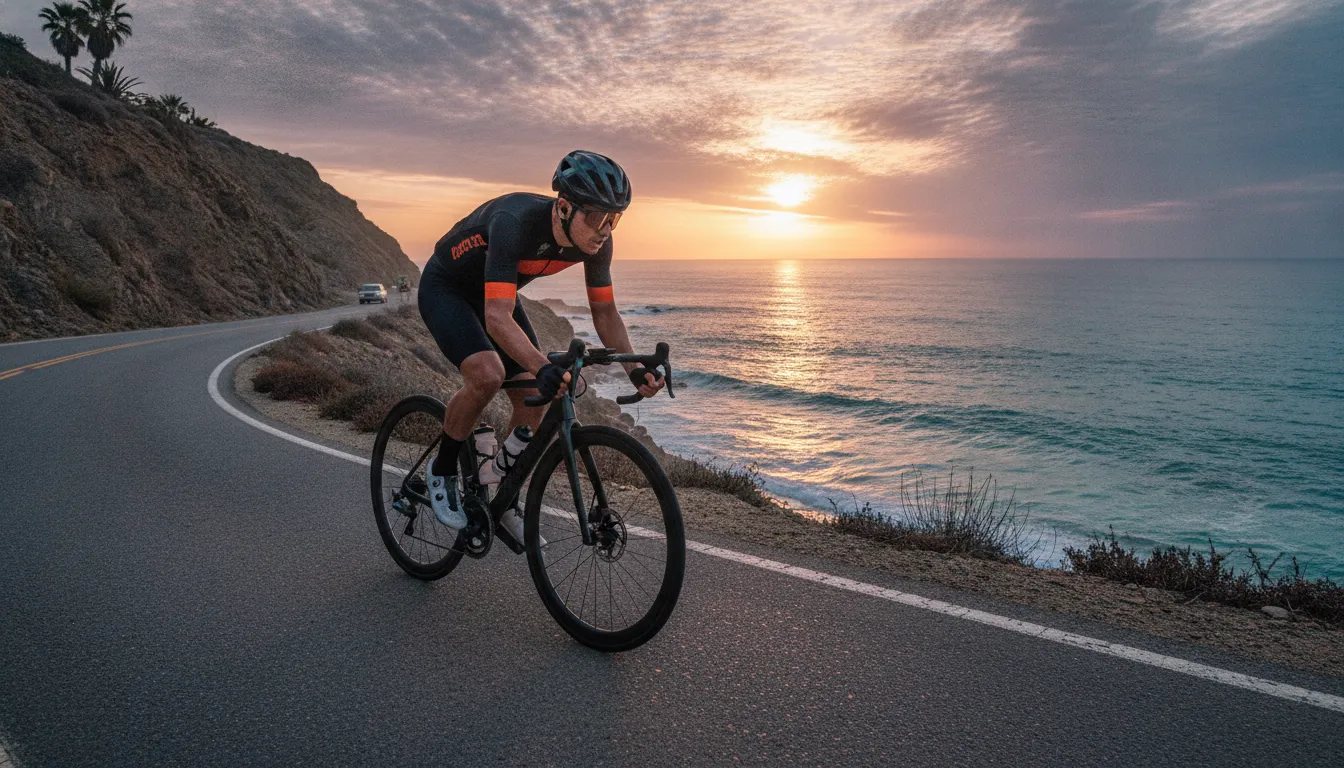
The first three weeks of your century ride training are all about the base. You should aim for three to four rides each week to get your body used to the saddle. Start with short rides of thirty to forty-five minutes on weekdays to build a steady habit. These short rides build fitness and leg endurance. You do not need speed during this phase.
On the weekends, focus on slow, steady distance. Your first long ride might be fifteen miles. By the third week, try to reach thirty miles in a single trip. A good rule of thumb is to build up to seventy percent of your full goal before the big day. Even after months off the bike, twelve weeks provides enough time to build safely and avoid injury.
Launch your charity campaign
Just as you prep your legs, you must start your donor outreach early. Log in and set up your own page to share your story. Tell people why you ride and why this cause matters to you. Sharing your own “why I ride” story is the most effective way to inspire donors.
For your first ten emails, think of your closest friends and family. Tell them that one hundred percent of their gift stays right in their area. Mention how their help builds sensory gyms or pays for local therapy programs in spots like New England or Florida. Research shows that regular cycling improves heart health, but riding for a cause helps the whole community. Your donors will love knowing just where their money goes.
How do you start fundraising while training? Begin by setting up your personal fundraising page and emailing your first ten contacts in the same week you start your base miles. This early start ensures you build momentum on both fronts before either task feels overwhelming. Most successful Bike to the Beach riders report that launching their campaign in week one helped them reach the $1,000 average.
Track your early progress
By the end of week three, you should have a solid start on your dual goals. Aim to have about one hundred and fifty total miles logged in your training app. This base mileage will make the longer rides in the next month feel much easier. It also proves that you are ready for the bigger miles ahead. Keeping a log of your miles can help you stay on track and feel proud of your work.
On the money side, aim to raise between two hundred and three hundred dollars. This clears the basic goal early so you can focus on fitness without fundraising stress. You are not just a rider; you are a key part of a local support network. This early success will give you a big boost as you head into the next phase.
How to Increase Endurance During Century Ride Training and Fundraising: Weeks 4-6
During the second month of your plan, you will move from short spins to steady miles. Your weekend rides should now push toward 50 miles. This distance is a big step in your 100-mile training and fundraising path. It builds the leg strength and focus you will need for the full event. Midweek rides should stay around 20 to 30 miles to keep your legs fresh.
Build your base miles
Riding at least three times weekly builds your endurance. Research confirms steady cycling leads to health gains including better heart health and lower disease risk. Hitting 50 miles on your long ride confirms you have a safe base and are on track. Use these weeks to test your fueling strategy. Drinking water and eating small snacks every hour keeps your energy steady on long rides.
Launch your fundraising outreach
Now that your training is in full swing, it is time to start your campaign. Most riders find that early fundraising outreach is the key to reaching big goals. While the minimum is $250, the normal Bike to the Beach rider raises about $1,000. Start by sending your own emails to your close friends and family. Explain that 100% of funds stay local to fund sensory gyms, therapy programs, and family services for people with autism and other disABILITIES. People are more likely to give when they see how their money helps neighbors and local schools.
What is the best way to ask for donations during training? Share your ride progress photos on social media and include a direct link to your fundraising page. Studies show that donors give 40% more when they see the athlete training hard. A photo from your 50-mile ride with a caption about what the cause means to you can turn a casual follower into a donor.
Share your training progress
Donors love to follow your path to the finish line. Use social media to share photos from your long weekend rides. Personal stories are the best way to build a successful bicycle fundraiser. Aim for a small goal first, like raising $500 from at least 10 donors. This often earns you an event jersey. Share a 50-mile ride update to show your network your progress and make them feel like part of the team.
Weeks 7-9: Peak Training Miles and Active Donor Outreach for Century Ride Training and Fundraising
The middle of your century ride training and fundraising journey is the peak phase. This is where physical training and community outreach merge to build real momentum. These three weeks are about testing your limits on the bike while you double down on your goal to help the local community.
Hitting the seventy mile benchmark
In week nine, your long Saturday ride will reach 70 miles. If you can comfortably ride 70 miles in training, you are ready to finish the full century on event day. For many, a full century ride takes between five and seven hours of active riding. Use these peak rides to test your pace and your gear before the big day arrives.
Midweek training now adds more intensity to build your speed and lung power. You should include hill repeats and tempo intervals to prepare for headwinds or inclines that might occur on the route. Regular cycling is a powerful tool for your health, as research shows it can lower the risk of many chronic diseases and improve heart health over time. These harder efforts build the stamina to finish strong.
Activating your donor network
As your miles go up, so should your fundraising outreach to friends and family. Share a 70-mile ride photo to show your effort. This is the right time to ask your employer about matching gift programs. Many companies will double your impact with one request.
How do you keep donors engaged during peak training? Send a short update after your longest ride with a photo and a specific dollar amount needed to hit your goal. Donors who receive progress updates give an average of 25% more than those who only hear from you at the start and end of your campaign. Use this momentum to push past the $750 mark.
When you talk to donors, focus on the local impact of their gift. At Bike to the Beach, 100% of the funds you raise go to local partners who support people with autism and other disABILITIES. Your efforts help fund tangible services like sensory gyms, therapy programs, and family support systems in your own region. By week nine, aim to have at least $750 raised as you move toward the average participant total of $1,000.
Refining your event day plan
Use these peak weeks to practice your fueling and hydration. Riding 100 miles is the cycling equivalent of a marathon in terms of how many calories you burn. You need to know which snacks and drinks work best for your body during a five-hour effort. Take notes after your 70-mile ride about how you felt so you can make small changes to your plan for the final weeks of training.
Weeks 10-12: How to Taper Your Training and Close Your Fundraising
The final three weeks of your century ride training and fundraising plan are all about rest and focus. You have put in the hard miles on the bike and reached out to your community. Now it is time to let your body heal and finish your push for a great cause. This home stretch ensures you arrive at the start line with fresh legs and a full heart.
Smart tapering for your century
In weeks 10 and 11, you should cut the total miles you ride by 40% to 50%. Your long weekend rides should drop to about 30 or 40 miles. Keep your effort high during your shorter midweek rides to stay sharp, but do not try to set new records. This drop in volume gives your muscles time to repair and lets your body store energy for the event.
Regular cycling leads to steady gains in cardiovascular fitness and health. By sticking to your 12-week plan, you have built the engine needed to finish the full distance. Research notes that the more time you give yourself to train, the better you will feel on the day of the ride. Use this time to rest well and sleep more so you are ready to roll.
The final fundraising push
Use these last weeks to reach your money goals. Send a “last chance” email to your friends and family with a clear deadline. Remind them that every dollar stays local to help people with autism and other disabilities. You can also check if your job offers corporate matching gifts. This is an easy way to double your total with just a few clicks.
A successful bicycle fundraiser thrives on personal thank-you notes. Take a moment to thank every donor on social media. Many riders aim for the $1,000 Champion Club tier to earn the yellow jersey. If you have a group at work, talk to your team about starting corporate teams to boost your impact next year. This helps build a sense of community while raising vital funds for local services.
Gear prep and plans check
Use your extra free time to get your gear in order. Take your bike to a local shop for a full tune-up to prevent flats or chain issues. Check your tires, brakes, and gears one last time. You should also pack your bag with the food and drinks you used during your long training rides. Do not try new gels or bars on the morning of the event.
Keep in mind that a 100-mile ride takes a lot of time and effort. Some riders might finish in six hours, but others may take 10 to 12 hours or more to reach the beach. Knowing this helps you plan your ride-day needs for water and snacks. Make sure you confirm how you will get to the start line and where you will meet your friends at the finish. Check the training resources page for route-specific details for your region. Being ready now will keep your stress low when the ride starts.
What Nutrition, Hydration, and Recovery Supports Century Ride Training and Fundraising?
Riding 100 miles is a big task. It is the cycling match of running a full marathon in terms of the energy you use. To finish your ride, you must plan how to fuel your body. Balancing 100-mile bike ride training with your daily life takes care and effort. You will need a good mix of food and water to keep your legs moving and your mind sharp.
Fueling your long training rides
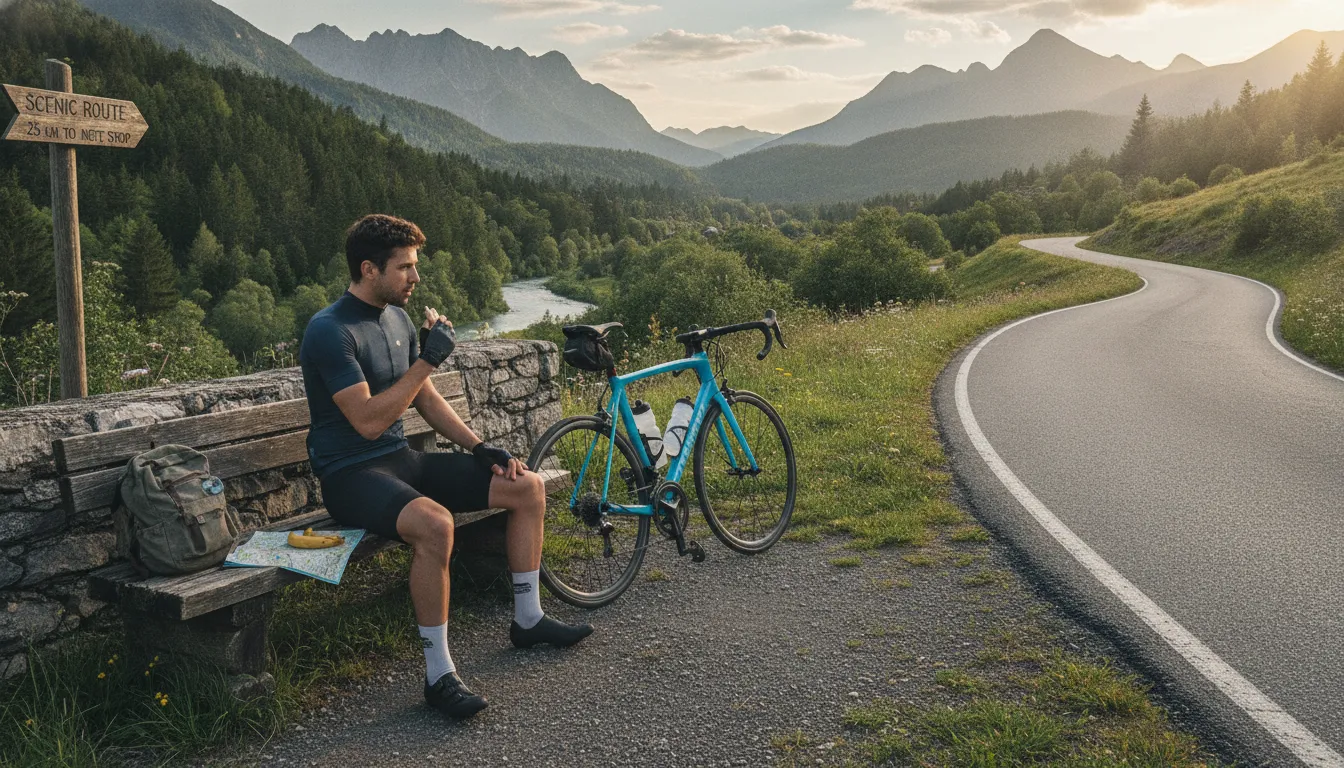
Start your fueling the day before a long ride. Eat a meal rich in carbs to fill your energy stores. For breakfast on the day of your ride, try to eat about two hours before you start. Good choices include oatmeal, toast, or a banana. These foods give you a steady stream of energy without making you feel heavy or slow on the bike.
During your ride, your body needs a steady supply of carbs. Aim for 60 to 90 grams of carbs every hour. You can use gels or bars, but real food is also a great choice. Many riders love a classic PB&J or a simple banana. During Bike to the Beach events, you will find rest stops every 15 miles with plenty of snacks and water to help you reach the end.
What should you eat and drink during a century training ride? Aim for 60 to 90 grams of carbohydrates per hour through a mix of sports drinks, gels, and real food like bananas or PB&J sandwiches. Drink one bottle of water with electrolytes every hour. The Bike to the Beach event provides rest stops every 15 miles with snacks and hydration, so test your fueling strategy during your 50-mile and 70-mile training rides.
Water needs and mid-ride food
Water is not enough when you sweat for hours. You must also replace the salts your body loses. Use a drink with electrolytes to stay wet and avoid cramps. Take small sips often rather than big gulps once in a while. This keeps your gut happy and helps you keep a steady pace during your century ride training and fundraising efforts.
Cycling offers huge health perks for your heart and lungs. Research shows that often cycling is linked to better cardiovascular fitness and a lower risk of early death. Keeping your body well-fueled helps you enjoy these gains while you train. If you drink and eat well, you will feel much stronger in the final miles of your ride.
Recovery and rest for peak results
Recovery starts as soon as you stop pedaling. Try to eat a snack with protein and carbs within 30 minutes of stopping. This helps your muscles heal and grow back stronger. A good post-ride recovery routine has three steps:
- Eat a recovery snack with protein and carbs within 30 minutes.
- Stretch major muscle groups, especially your quads and hamstrings.
- Use a foam roller to release tight spots in your legs.
Sleep is your most powerful tool for recovery. Aim for seven to nine hours of rest each night. This is when your body does its best work to fix tissue and reset your mind. Proper rest also helps you stay focused on your training and your fundraising goals. Taking care of your body will make your path to the beach much smoother and more fun.
Event Day: From Start Line to Beach Finish
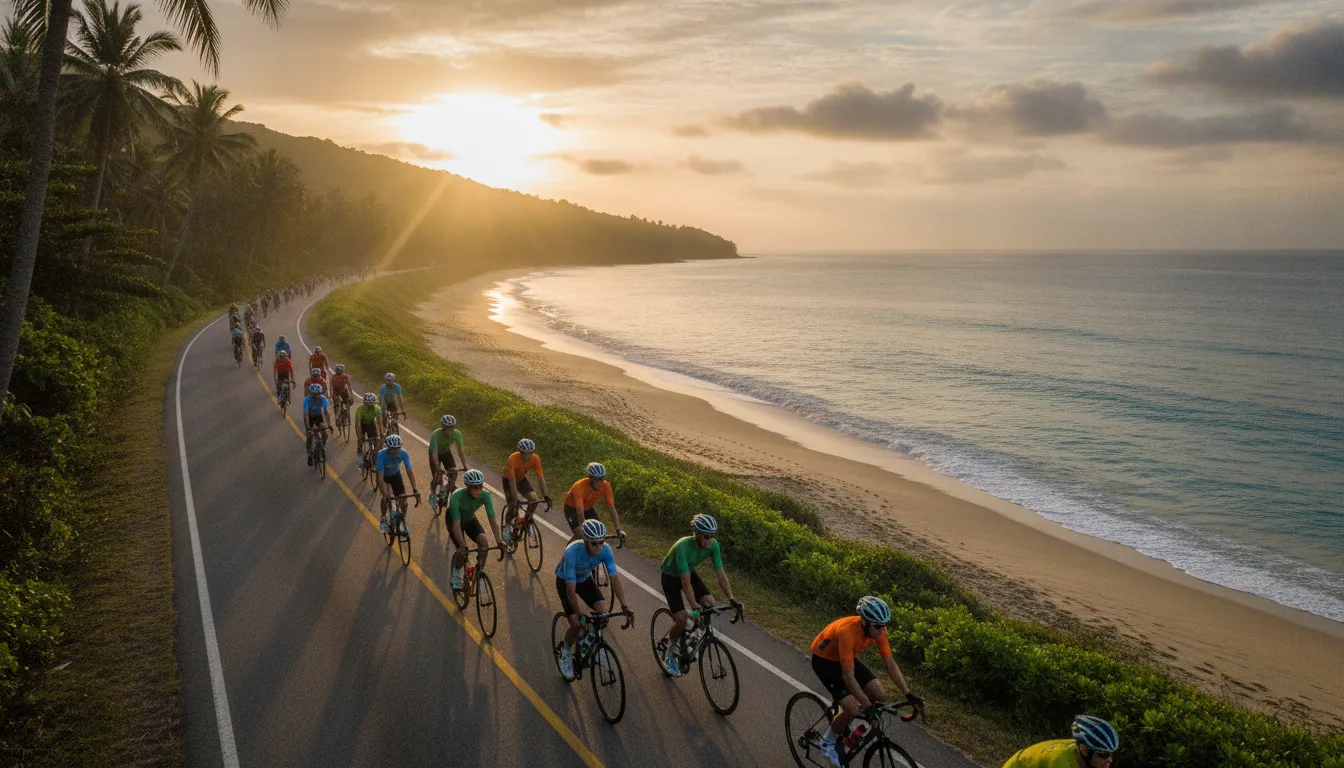
The day of your ride starts very early in the morning. Most 100-mile riders arrive by 5:00 AM to check in and get their gear ready. After weeks of century ride training and fundraising, you are at the start line at last. You will join many people who want to help their neighbors. The spirit is high as the sun comes up over the city. The energy builds as you start your journey to the beach.
Support on the road
You do not have to ride alone on this long trip. Bike to the Beach sets up rest stops about every 15 miles. These stops have food, cold water, and snacks to keep you going. You can grab a bagel, some fruit, or an energy bar to stay fueled for the next leg. You can also find health aid and bike fixers at these spots. If you need a break or have a flat tire, SAG trucks and roving fixers will be on the road to help you. These crews are there to make sure you stay safe and keep moving forward.
Navigation and health
Staying on the right path is easy with a phone or bike gear. We use a tool called Ride with GPS to mark the route for you. You can load the maps onto your gear before you start. This helps you focus on your pace and the views without worrying about navigation. Each ride region has its own route, whether you join the DC/MD/VA ride, the New England ride, or the Florida ride. Often riding helps build heart health and keeps you strong as you ride through the day.
Local views and the finish line
Each ride has its own views that make it special. For riders in the DC area, the path goes over the Bay Bridge. It is a rare chance to see the bay from your bike as you cross the span. No matter where you ride, the goal is the same: the beach finish. For many, 100 miles takes about 5 to 7 hours of riding. Some take more time if there is wind or hills, but the goal is to finish, not to be fast.
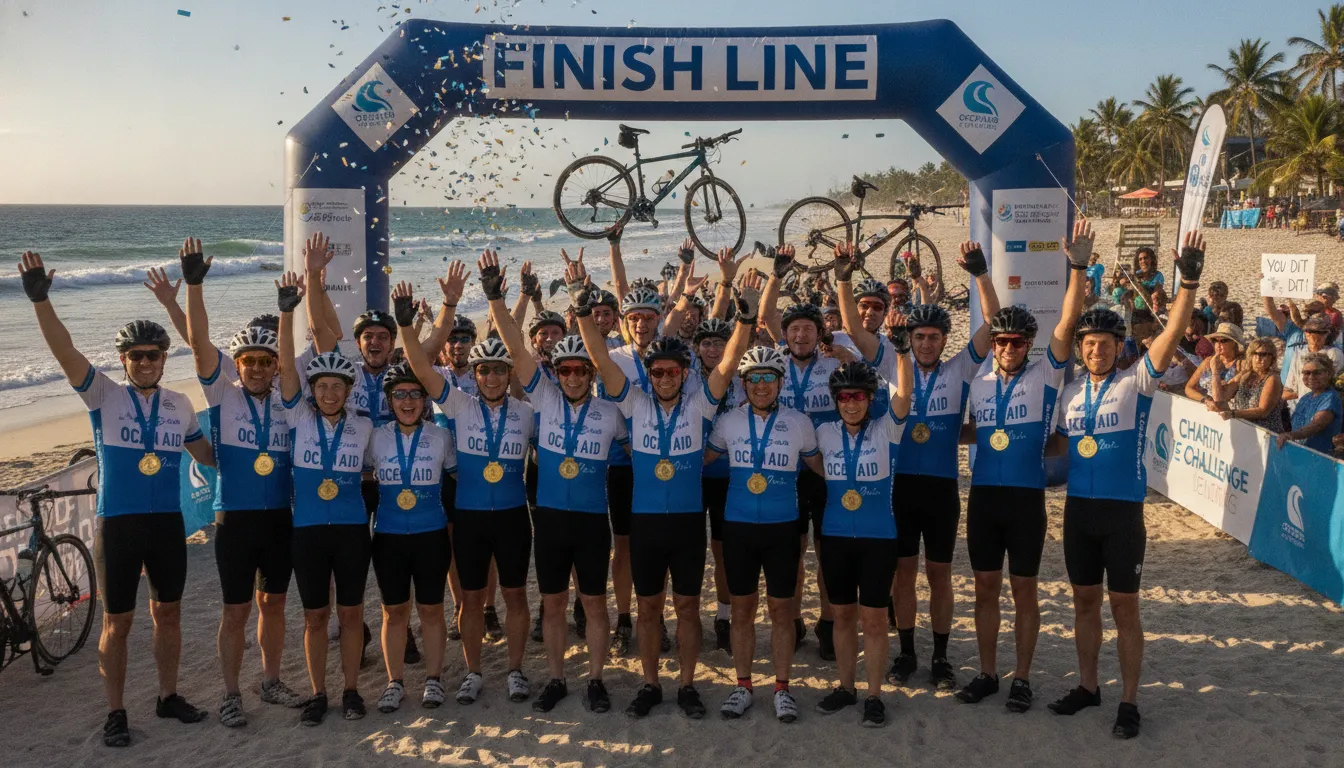
The beach finish is a big party with your fellow riders. When you cross the line, you get a medal and a hot meal. You also get a beer ticket to toast your win with friends and loved ones. This party is the best part of training for your ride. You can feel proud because your hard work helps local families. The money you raised stays in your town to help people with autism and other needs. It is a day of joy, pride, and shared success for all folks there.
Frequently Asked Questions
How long does it take to train for a century ride?
Training for a 100-mile ride usually takes about twelve weeks if you have some cycling experience. According to the Best Buddies Challenge, beginning riders should ideally start their prep at least four months before the event. A twelve-week plan allows you to build your base mileage slowly and safely. This timeframe helps you avoid injury while ensuring you can comfortably reach the 70-mile mark before the actual event day.
How do I raise money for a charity bike ride?
The best way to raise funds is to share your personal story and explain why the cause matters to you. Bike to the Beach riders raise an average of $1,000 by talking to donors early and showing local impact. Read more fundraising tips for charity bike rides to build your strategy. Using a personal fundraising page, reaching out to your email list, and posting updates on social media are the three most effective methods. Start in your first week of training for the best results.
Should I train and fundraise at the same time?
Yes, training and fundraising work best when done together. The 12-week plan in this guide pairs each training phase with a fundraising milestone. Starting both early prevents either task from becoming overwhelming in the final weeks. Riders who follow a dual-purpose plan report less stress and higher fundraising totals than those who train first and fundraise later.
What happens if I cannot reach my fundraising minimum?
Bike to the Beach provides resources to help you meet your goal, including fundraising templates, social media kits, and one-on-one support from the team. Contact the Bike to the Beach team for personalized help with your fundraising strategy. Many riders who think they will fall short end up exceeding their goal by reaching out to just five more people in their network.
What should I eat before and during the century ride?
The night before your ride, eat a carbohydrate-rich meal like pasta or rice. On the morning of the event, eat a light breakfast two hours before the start, such as oatmeal or toast with peanut butter. During the ride, consume 60 to 90 grams of carbohydrates per hour through a combination of sports drinks, energy gels, and real food. Bike to the Beach provides rest stops every 15 miles with a variety of snacks and hydration.
Do I need to ride with a group or team?
You can ride solo or join a team. Many riders prefer to join friends, coworkers, or local cycling clubs to share the experience. Bike to the Beach supports both individual riders and corporate teams. Teams often raise more funds because members share each other’s fundraising pages and encourage their networks to donate. Learn more about corporate sponsorship and team opportunities.
Ready to Start Your Century Ride Training and Fundraising Journey?
You now have a complete 12-week plan that balances century ride training and fundraising. Each phase pairs a cycling milestone with a donor outreach goal. The riders who succeed are the ones who start early, share their story, and lean on the Bike to the Beach community for support. Whether you ride in DMV, New England, New York, or Florida, this plan works for your distance and goal.
Contact Bike to the Beach today to register for your century ride and start making a difference for individuals with autism and other disABILITIES in your local community.