

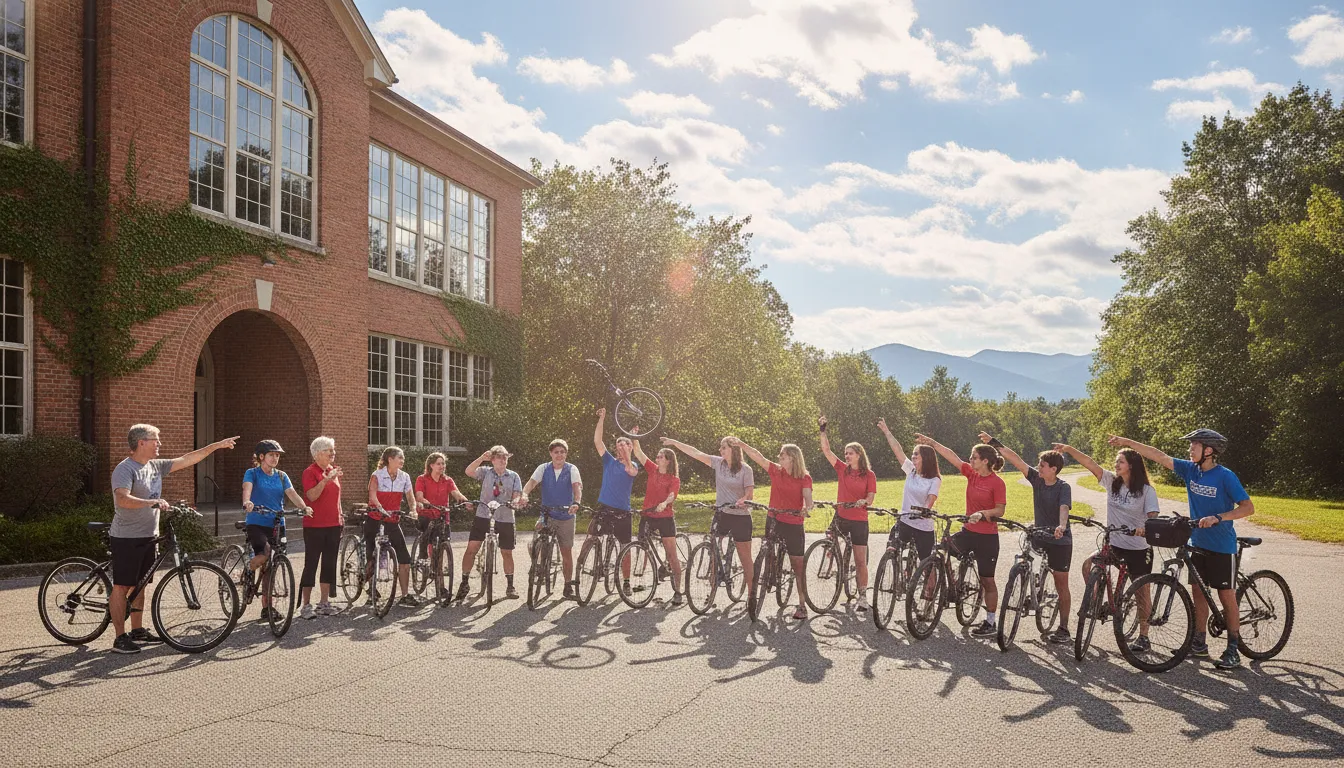
School Bike Fundraiser Planning Guide for Schools
Use this school bike fundraiser planning guide to organize permissions, adult roles, inclusive participation, donor updates, and a clear PTA or club timeline.

A school bike fundraiser can be more than a one-day ride. With the right plan, it gives students several meaningful ways to contribute while helping adults protect school requirements. Communicate clearly with families, and keep the event welcoming for different abilities and experience levels.
A school bike fundraiser planning guide should help your PTA or student club confirm permissions, assign accountable adults, and offer riding and non-riding roles. It should also explain the cause, donation process, and event timeline.
Explore Bike to the Beach charity ride opportunities for your school community
Start by defining what a successful fundraiser needs to accomplish for your school, your students, and the people who support them. That shared purpose makes it easier to make practical choices about participation, promotion, donor updates, and the responsibilities that keep the day organized.
What Makes a School Bike Fundraiser Planning Guide Work?
A successful school bike fundraiser gives students and families a clear way to participate in a shared challenge while supporting a chosen cause. A bike-a-thon can connect participation, completed distance, or team goals with pledges or donations, giving the school community more than a one-time sales campaign. The goal is not to make every rider follow the same route or reach the same mileage. It is to build a format that students, families, staff, and volunteers can understand and support.
Start with the school community you want to serve
The first planning decision is audience. Is the fundraiser designed for the whole school, one grade, a student club, or a PTA-led group? The answer affects how you explain participation, who coordinates communication, and how much structure families will need. Students might ride, form teams, invite donors, help with setup, or encourage classmates. Parents and staff may help organize the event or support students from the sidelines.
Keep the purpose visible, too. Choose the cause before promotion and explain it in language that students and families can repeat accurately. A focused purpose helps a ride feel like a community project rather than just another school activity.
Choose a format before you promote it
Schools and groups can adapt the route, pledge model, and participation options to fit their audience and support capacity. The ride might take place on campus, follow a neighborhood route, happen at a park, or be part of a larger supported cycling event. Those choices create very different planning jobs, so a PTA or club should decide the setting before announcing the fundraiser.
Also decide whether the event will center on individual participation, teams, distance, or another shared goal. The format should be simple enough for families to understand and flexible enough to welcome different experience levels. For a broader overview of routes, pledge models, and event logistics, use this general bike-a-thon planning guide. This guide adds the school-specific lens: approvals, adult responsibilities, inclusive participation, classroom communication, and the practical decisions that need to happen before the first announcement.
Which Permissions and Safety Details Should You Confirm First?
Before a school bike fundraiser appears on a classroom calendar or family newsletter, confirm who has authority to approve it and what conditions apply. The right process will vary by school, district, venue, route, and event format. Treat the list below as a planning conversation, not legal advice or a universal rulebook. Record each answer, the person who gave it, and any follow-up deadline.
- Confirm school and district approval. Ask whether the school, district, or state has policies that affect fundraising activities. The CDC recommends checking the school handbook or website, attending a PTA or wellness meeting, or asking a teacher when the rules aren’t clear. Confirm whether a PTA, administrator, wellness committee, or another group must approve the fundraiser before promotion. Review the CDC’s school fundraising guidance.
- Confirm the venue and route. Identify who controls the campus, park, neighborhood streets, or other riding space, then ask what permission, reservation, traffic coordination, or facility rules apply. For a route, examine traffic volume, vehicle speeds, intersections, bike lanes, sidewalks, and construction. Safe Routes to School guidance favors low-traffic streets, slower speeds, fewer intersections, bike lanes, and sidewalks without roadway construction. Use the Safe Routes route-selection guidance as a discussion tool, not as a substitute for local review.
- Confirm insurance and risk procedures. Ask the school, PTA, venue, and any participating organizer which insurance, waivers, incident-reporting, or risk-management requirements apply. Don’t assume an independent school ride has the same coverage or operational support as a larger supported charity event. Put the confirmed requirements and responsible owner in writing.
- Confirm transportation and supervision. Decide how students, bikes, equipment, and chaperones will arrive and leave. Clarify adult-to-student supervision expectations with the school, including check-in, route coverage, restroom or water access, dismissal, and what happens if a participant stops early. Assign named adults rather than relying on general volunteer availability.
- Confirm emergency contacts and response plans. Establish who carries the roster, emergency contact information, first-aid supplies, and communication devices. Ask how staff should respond to injury, a missing participant, mechanical trouble, or a change in conditions. Keep emergency instructions available to the adults who need them, while limiting access to private information.
- Confirm helmets, equipment, and accessibility. Set expectations for bike condition, fit, helmets, adaptive equipment, and participation alternatives. The CDC says properly fitted bicycle helmets can reduce the risk of head and brain injuries in a crash and recommends that bicyclists wear them every time they ride. Confirm how the school wants this guidance communicated, and plan meaningful non-rider, relay, or virtual roles where appropriate. See the CDC’s bicycle safety guidance.
- Confirm privacy, weather, and fundraising rules. Ask what consent is needed for photos, names, student stories, online donation pages, and family contact information. Decide who can access rosters and fundraising records. Finally, agree on weather thresholds, postponement or cancellation messages, transportation changes, donation handling, and any restrictions on collection methods before inviting families to participate.
Only after these answers are documented should you publish the event details. If a school partner or supported ride organizer has its own checklist, use that document alongside the school’s approval process.
How Should PTAs and Student Clubs Divide Adult Roles?
The clearest school bike fundraiser planning guide gives adults responsibility for approval, safety, money, privacy, and final decisions while students lead age-appropriate outreach and participation. That division keeps student leadership meaningful without asking students to carry duties that belong with an accountable adult. For an independent school event, confirm each assignment with the school, district, venue, and event partners. Bike to the Beach does not automatically provide these roles for events organized independently.
Start by naming one event lead and then assign specific owners. The organizer should tell participants what counts toward the fundraiser, set a reporting deadline, and identify one person to collect totals. Keep donations in a separate ledger so mileage and money remain easy to reconcile. These simple controls prevent confusion when several classrooms, clubs, or teams are involved.
| Role | Owns | Student contribution |
|---|---|---|
| Event lead | Overall plan, decisions, approvals, timeline, and coordination among every role. | Help shape the event goal, suggest activities, and report questions from classmates. |
| School liaison | Communication with administrators, teachers, the PTA, district contacts, and families; confirms school procedures. | Share staff-approved messages through clubs, classrooms, and student networks. |
| Route and safety lead | Route review, permissions, safety briefing, adult coverage, weather decisions, and emergency procedures. | Identify accessibility needs, follow the briefing, and model safe group behavior. |
| Fundraising and data owner | Defines what counts, tracks distance or participation, collects totals by the deadline, and maintains the separate donation ledger. | Keep personal or team records accurately and submit information on time. |
| Communications lead | Approved family updates, donor messaging, privacy-conscious stories, and consistent event information. | Draft questions, stories, or thank-you notes for adult review before sharing. |
| Volunteer coordinator | Recruits and briefs adults for setup, route support, checkpoints, and closeout. | Help identify willing adults and explain where classmates want to contribute. |
| Day-of check-in lead | Roster check-in, safety briefing logistics, start and finish records, and confirmation that participants are accounted for. | Welcome peers, direct them to the right area, and flag questions to an adult. |
On event day, use a visible sequence: check-in, safety briefing, start, checkpoint, finish, and closeout. Afterward, the team should retain the roster, distance records, incident notes, and volunteer feedback in one secure location. Students can help celebrate the community effort, but an adult should own the final record and follow-up.
How Can Every Student Participate, With or Without a Bike?
A school fundraiser works best when participation isn’t treated as a test of speed, endurance, or access to equipment. Build several ways to contribute from the start, then explain each option clearly so students and families can choose what fits their interests, abilities, schedules, and support needs.
Offer more than one way to ride
Distance bands can make the event feel achievable for students with substantially different experience levels. Instead of assigning one route to everyone, consider age- or experience-based distances, a short course, and a longer challenge. If the event uses laps, count completed laps within each approved band so a shorter ride still represents a meaningful contribution. The goal is to recognize participation and effort, not to create a single leaderboard that rewards only the strongest cyclist. Explore inclusive charity events for more ideas about flexible participation.
Relay teams can also broaden access. A group might divide the riding across several students, with each person contributing for an agreed portion of the event. For students who cannot attend in person. A virtual option could allow movement or fundraising to happen in a location and format approved by the school and event organizer. Bike to the Beach lists individual, traditional team, relay, corporate team, and virtual participation formats. So schools considering a supported ride can ask which options are available for their event.
Recognize every contribution
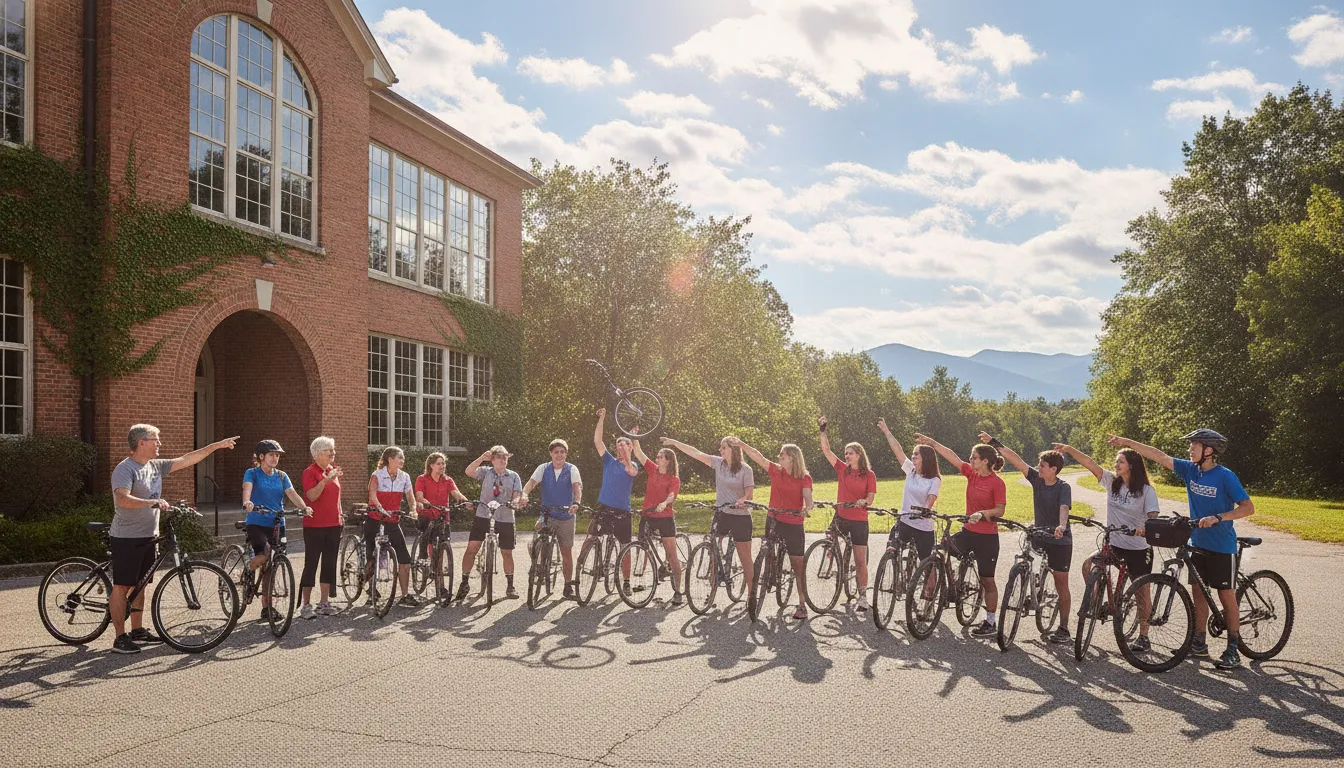
Non-riders can be essential to the fundraiser. Offer roles such as sharing the cause with family and friends, welcoming participants, preparing supplies. Helping with check-in, cheering, supporting a rest stop, assisting with approved route logistics, recording laps, or thanking donors. Assign these jobs with adult oversight and confirm that each role fits the school’s supervision, privacy, and accessibility practices.
Use recognition categories that reflect the whole community: dependable teammate, thoughtful fundraiser, encouraging cheerleader, volunteer helper, creative storyteller, or consistent participant. Avoid making speed, mileage, or total dollars the only measures of success. Recognition can be verbal, classroom-based, team-based, or private, depending on what students and families prefer.
Make communication accessible and specific
Share participation choices in plain language, repeat them across school-approved channels, and invite families to ask for clarification without having to disclose personal information publicly. Explain the expected activity, available support, meeting points, timing, what students should bring, and who to contact with questions. Confirm accommodations, transportation, communication supports, and sensory or mobility considerations with the school and event organizer before promotion. Group travel may offer practical support, but any route or supervision plan should be reviewed for the specific setting rather than assumed to be universally safe.
When students see that riding, fundraising, service, encouragement, and virtual participation all count, the fundraiser becomes a shared community effort. That is the foundation of a school bike fundraiser planning guide that welcomes more students without lowering expectations for thoughtful preparation.
How Do You Promote the Fundraiser at School?
Promotion works best as a sequence, not a single announcement. Start by giving staff, families, and student leaders the same approved fact sheet. It should explain the fundraiser’s purpose, the confirmed event date if one has been set, who can participate, and exactly how donations are made. If the date, location, registration process, or donation page is still pending, say so plainly and wait to promote that detail until it is confirmed.
Use the school-approved communication channels available to your community. Ask classroom teachers, club advisors, or the school office whether they can share a short announcement. Then provide a family-ready message for the channels the school authorizes, such as a newsletter or direct family communication. Don’t assume that a particular app, email list, website, or announcement system is available. The school should decide where and how the message is distributed.
Give every audience one clear next step
- Classrooms: Explain the cause, participation choices, and the donation process in student-friendly language. Invite students to bring questions home rather than pressuring anyone to participate.
- Clubs and student leaders: Ask students to share the mission in their own words, invite classmates, and point families to student fundraising ideas. Organizer-provided templates can help participants tell a consistent mission story without requiring them to write from scratch.
- Families: State what riders, walkers, virtual participants, volunteers, and non-riders can do. Include the confirmed date, participation instructions, cause, and donation link, but omit any unconfirmed details.
- Community partners: Contact approved local businesses, family organizations, and community groups with a concise request to share, sponsor, volunteer, or participate. Confirm the school’s rules before inviting outside partners.
Build reminders into the plan after the initial launch. A calendar listing can establish visibility, while a reminder near the registration or donation deadline can reach families who missed the first message. Keep each reminder useful rather than repetitive: highlight a team milestone, a volunteer need, a participation option, or a simple way to donate. Repeated reminders and partner outreach are established promotion tactics for school and community bike events.
Finally, make recruitment personal and welcoming. Student leaders can invite classmates one-to-one or in small groups, while adults remain accountable for accurate information and respectful follow-up. For practical outreach language, use this guide to recruit student ride participants. Every message should help a family understand the purpose, the choice in how to participate. And the next action without implying that cycling ability or fundraising capacity determines belonging.
What Should Donors See Before and After the Ride?
Donors should understand what they are supporting, how their contribution works, and what they can expect from the school community. Keep the message specific and easy to verify. A flat donation is one agreed amount, regardless of how far a participant rides. A per-mile pledge changes with verified distance, so it requires clear tracking rules before the ride begins. Tell families which model the fundraiser uses, how distance will be recorded, and when final totals will be reported.
Build one pledge or donation page that answers the practical questions in one place:
- What cause or program is being supported?
- Who is riding, or which class, club, or team is participating?
- What is the event format and when will it happen?
- What participation options are available?
- How does a donor submit a flat gift or fulfill a distance-based pledge?
- Who can donors contact with questions?
For additional guidance on structure and donor requests, review these charity donation page tips. Use plain language rather than implying that every student must ride, fundraise publicly, or share personal information.
Student stories can make the purpose more relatable, but privacy comes first. Ask for permission before using a student’s name, photo, diagnosis, classroom details, or personal experience. Offer alternatives, such as a first name only, a group story, or an adult-written description of why the school chose the cause. Avoid pity-based language and describe autism and disability communities with respect. If the fundraiser supports Bike to the Beach, explain that its charity cycling raises funds and awareness for local autism and disability organizations. Without promising a specific outcome for an individual student or school.
Set a predictable update cadence. Before the ride, share the purpose, participation choices, and donation instructions. During the campaign, provide occasional progress updates that have been approved by the school. After the ride, thank donors, confirm the completed event and final distance information when available, and explain the next reporting step. Bike to the Beach provides fundraising templates, webinars, peer-to-peer sharing tools, and team fundraising pages that can help participating groups communicate consistently.
Keep the records as clear as the messages. Maintain a distance record separately from the donation ledger, with one named owner, a stated reporting deadline, and a clear definition of what counts. That separation makes it easier to reconcile pledges, correct errors, protect private information, and send an accurate thank-you. Post-event communication should reinforce donor trust and celebrate the effort of riders, non-riders, families, volunteers, and school staff together.
What Is a Simple School Bike Fundraiser Timeline?
Use this eight-week outline as a planning template, not a universal school policy or event schedule. Each school should confirm its own approval process, district deadlines, venue rules, supervision plan, privacy requirements, and event-specific details before inviting students or families to participate. The sequence follows a simple principle: secure the plan first, then promote it, then close the loop.
- Weeks 8-7: Build the team and request approval. Name an adult event lead, school liaison, and initial volunteer group. Clarify the purpose of the fundraiser, the intended participants, and whether the format will be on campus, on an approved route, or connected to a supported ride. Submit the concept through the school’s appropriate channel before registration or promotion. The Walk, Bike & Roll to School planning guide also treats team formation and school buy-in as early planning steps.
- Weeks 6-5: Set the route, roles, and operating plan. Choose participation options that match the riders and support available. Confirm the venue or route, checkpoints, adult coverage, transportation, emergency contacts, weather procedures, and accessibility considerations with the relevant school or event contacts. Assign owners for registration, donations, communications, check-in, route support, and closeout. Decide how distance or participation will be recorded, what counts, when totals are due, and who will collect them.
- Weeks 4-3: Prepare promotion and open registration. Once the school has approved the plan and the practical details are confirmed, create one accurate message for classrooms, clubs, staff, families, and community partners. Explain the participation choices, cause, event details, and donation process without adding unconfirmed dates, prices, or requirements. Give student leaders useful outreach jobs, such as sharing approved copy or inviting classmates, while an adult reviews public-facing information. Use calendars, announcements, and repeated reminders rather than relying on a single launch.
- Weeks 2-1: Remind participants and check readiness. Send a concise reminder with the confirmed meeting location, schedule, participation instructions, contact information, and any items families need to verify. Review the roster, volunteer assignments, route materials, check-in process, donation tracking, and backup plans. Provide consistent guidance about equipment and participation, and make sure the team knows who handles questions or changes.
- Event week: Run a clear, flexible day-of process. Reconfirm the plan with staff and volunteers, then use a simple sequence: check-in, briefing, start, checkpoint or progress check, finish, and closeout. Keep the event lead available for decisions and account for participants before ending the day. If conditions change, follow the school’s approved procedures rather than improvising a new policy.
- After the event: Reconcile, thank, and learn. Collect final participation or distance records and donation information according to the agreed process. Save the roster, records, incident notes, and volunteer feedback in one secure location. Thank riders, families, staff, volunteers, and donors with an accurate update about what happened and what comes next. Schedule a short review while details are fresh, so the next school bike fundraiser starts with a stronger plan.
Explore a supported Bike to the Beach ride for your school community
Frequently Asked Questions
What permissions should a school confirm before promoting the fundraiser?
Ask the school or district about fundraising procedures, campus use, supervision, transportation, insurance, privacy, accessibility, weather plans, and emergency contacts. Confirm the route and venue before registration or promotion, since local requirements can differ.
How should a school choose the route and distance options?
Start with the riders and adult support the organizers can realistically manage. Offer practical distance choices, map checkpoints, and identify volunteers. For route guidance, favor low-traffic streets, slower speeds, and fewer intersections where appropriate, as recommended by Safe Routes to School guidance.
How can students participate if they cannot ride a bicycle?
Include relay or virtual participation when appropriate, plus roles such as cheering, welcoming riders, helping with setup, sharing the campaign, or supporting check-in. Distance bands and lap-based recognition can value different abilities without making speed the measure of success.
What should a pledge page and tracking plan include?
State the cause, rider or team, goal, event details, and donation action in one place. Before collecting pledges, explain what counts as distance, set a reporting deadline, name one collection owner, and keep donation records separate from mileage records.
When should the PTA or club start communicating with families?
Begin after school approval and the core plan are confirmed. Share simple, accurate messages through approved classroom, club, calendar, and family channels. Explain participation options, the cause, and how to donate, then send reminders and a thank-you update after the event.
Ready to Explore a Supported Charity Ride?
A school bike fundraiser can give students, families, and staff a shared way to ride, fundraise, or contribute behind the scenes. If your PTA or student club is considering a regional event, explore Bike to the Beach supported charity rides and registration options to find a practical next step for your school community.