

How to Recruit Team Charity Bike Ride Members
Learn how to recruit team charity bike ride members with outreach templates, inclusive invitations, respectful follow-up, and practical team-building ideas.

Recruiting a charity bike ride team starts by helping people picture themselves in the experience. To recruit team charity bike ride members, share your reason for riding. Explain participation clearly and make the next step simple. Coworkers, friends, relatives, neighbors, and community contacts may have different cycling backgrounds. A welcoming invitation can give each person a place on the team.
Register for a Bike to the Beach charity ride and start your team Choose a regional ride, invite your people, and take the first step together.
The most effective charity ride recruitment plan uses personal invitations, clear details, and respectful follow-up. Tell people why the cause matters. Share confirmed participation information. Offer a simple response. Then build belonging through team communication, encouragement, and recognition of different contributions.
Recruitment is not only about filling a roster. It helps people connect their motivation to a shared community goal. The sections below show how to find teammates, write a useful invitation, follow up without pressure, and keep new riders engaged after they say yes.
Why Recruit a Team for a Charity Bike Ride?
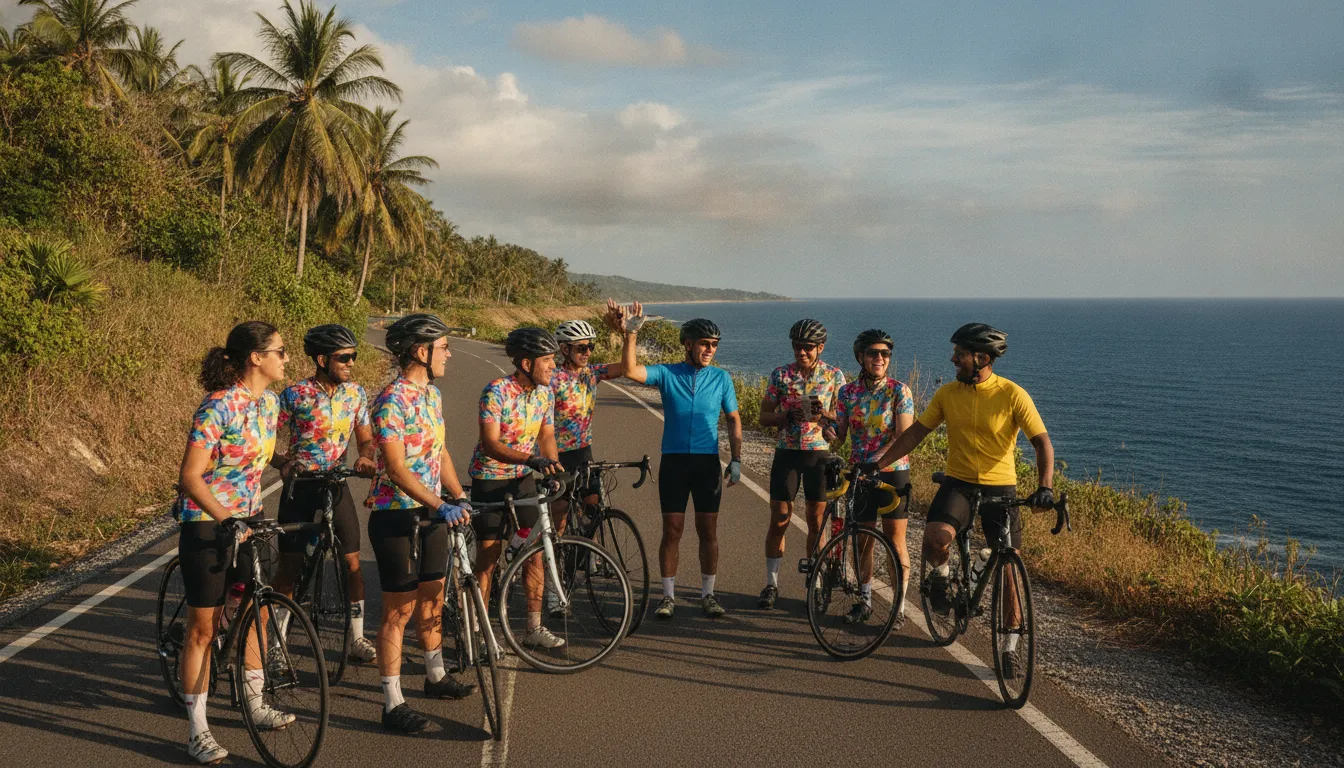
A Bike to the Beach team makes a charity bike ride more approachable by combining social support, flexible participation, and a shared reason to ride. Experienced cyclists, first-time riders, and people motivated by local autism and disability inclusion can contribute in different ways without being measured only by speed or fundraising totals.
Bike to the Beach teams make charity rides more approachable by combining social support, flexible participation, and a shared reason to ride. Experienced cyclists and first-time riders can contribute in different ways. Some people enjoy riding. Others want to support local organizations or spend time with friends. A strong team welcomes each motivation.
Start your recruitment message with your own connection. Explain why you chose this ride and what you hope the team will accomplish together. Avoid vague language such as “it will be fun” when you can offer a specific picture. Mention a group training ride, a shared fundraising goal, a beach finish, or a day spent supporting local community impact.
Teams can also lower the intimidation factor. Bike to the Beach offers distance options ranging from 25 to 100 miles, so prospective riders can consider a challenge that fits their experience and comfort level. Do not assume that every teammate needs to ride the same distance or maintain the same pace. Clarifying that early can help a capable but uncertain cyclist see participation as realistic.
Finally, remember that team culture begins before event day. A group chat, team name, occasional ride, or casual planning meetup can turn separate registrations into a connected group. The goal is not the biggest roster at any cost. It is a team where people understand the purpose, know how to get help, and feel that their contribution matters.
For a broader overview of shared training and team participation, link prospective captains to the guide on building a successful charity bike ride team. Use this article for the recruitment work that happens before the team is fully formed.
Who Should You Ask to Join a Charity Bike Ride Team?
A charity bike ride team should invite people who connect with the mission. Enjoy a shared challenge, want a community activity, or can introduce the ride to a wider group. Start with coworkers, friends, relatives, neighbors, and former teammates, then ask trusted clubs, schools, workplaces, and civic groups to share the opportunity.
Start with people who already trust you. Then ask connectors to introduce the ride to groups you do not reach directly. A personal message can open the conversation. Community organizations can help interested people find one another.
Begin with your everyday network
Make a private list of coworkers, friends, family members, neighbors, former teammates, and local contacts. Note the reason each person might connect with the invitation. A coworker may enjoy workplace wellness activities. A friend may want a new fitness goal. A family member may care about autism or disability services. Personalizing the reason for the ask is more effective than sending the same announcement to everyone.
Give people room to decline. A respectful invitation should feel like an opportunity, not a test of friendship. If someone cannot ride, they may still share the fundraiser, introduce you to a community group, volunteer, or encourage a teammate. Keep the relationship more important than the immediate registration.
Look beyond individual riders
One group conversation can produce several potential teammates. Ask a local cycling club whether members want to form a team or join yours. Contact a workplace wellness leader, employee resource group, school parent group, civic association, or community organizer. Provide a short summary that the group leader can forward without rewriting the entire message.
When approaching an organization, explain what you are asking for. You may want riders, a team introduction, a share in a newsletter, or a short presentation at an existing meeting. Do not imply a formal partnership or benefit unless the event organizer has confirmed it. Accurate expectations help preserve trust with both the organization and prospective riders.
Make participation feel possible
Explain the choices that are confirmed for the ride. Mention the available distance options, the type of support riders can expect, and where people can find official registration information. Avoid promising transportation, prizes, fundraising outcomes, or special accommodations unless those details are documented for the specific event.
Use inclusive language that focuses on access and choice rather than assumptions about ability. A person who is new to charity rides may need a clear starting point. An experienced cyclist may want a longer challenge. Both can belong on the same team when the invitation makes flexibility visible.
How Can You Recruit Team Charity Bike Ride Members?
To recruit team charity bike ride members, define your reason for riding, list likely prospects. Send a personal invitation, provide a shareable message, and follow up once with practical help. This five-step sequence keeps outreach organized while respecting each person’s time, experience, comfort level, and right to decline.
A five-step recruitment sequence helps a team captain move from personal outreach to a connected group without overwhelming prospective riders. The sequence below is designed for coworkers, friends, and community contacts. Adjust the timing to the event calendar and use only details confirmed by the official registration page.
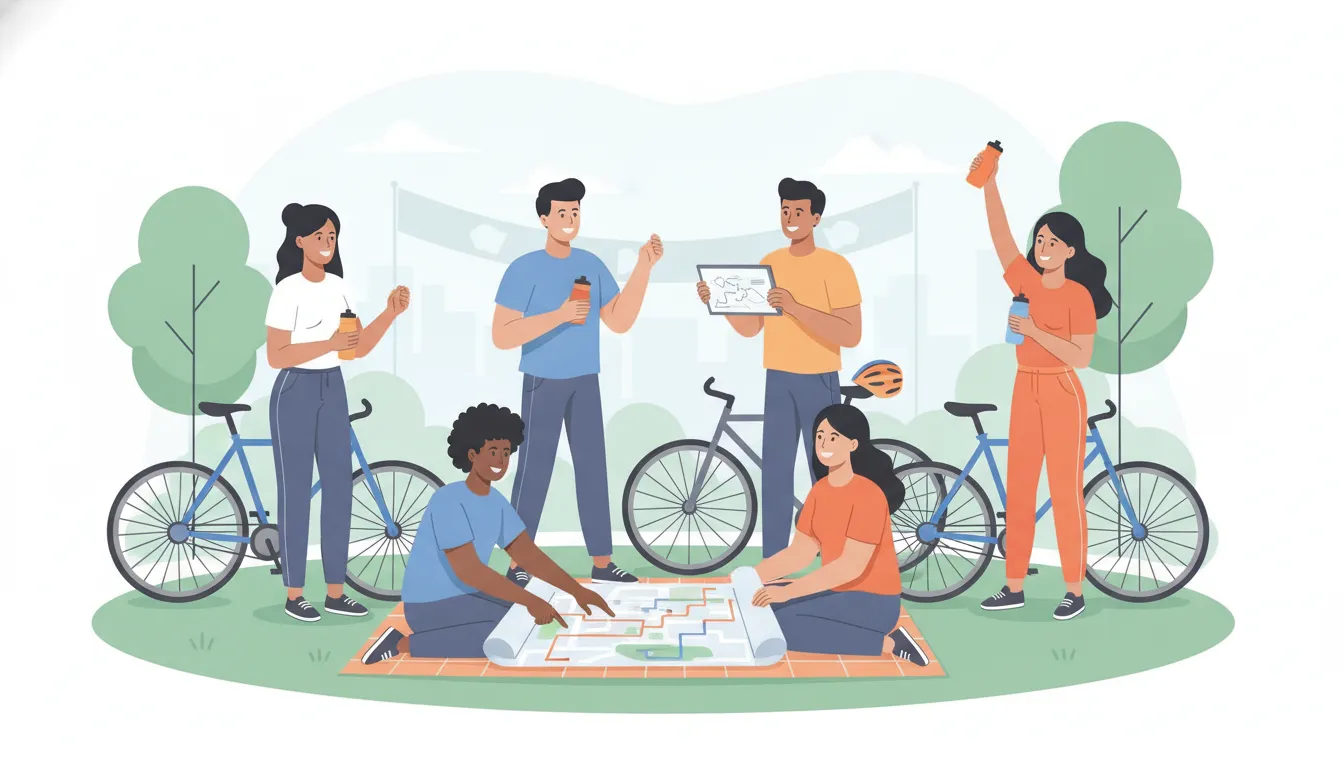
- Define the why. Write one or two sentences explaining why you are riding and what local impact makes the event meaningful to you. This gives every later message a human center.
- Make a short personal list. Choose ten to fifteen people who may connect with the mission, enjoy a shared challenge, or know others who would be interested. Start with direct messages or conversations.
- Send a clear invitation. Include the ride name, region, confirmed distance information, team purpose, and one next action. Avoid sending a large block of logistics before explaining why you are asking.
- Give interested people a way to share. Provide a short group message that teammates can forward to friends, coworkers, clubs, or community groups. Make it easy for them to describe the opportunity accurately.
- Follow up once with help. Remind interested people of the next step, answer one practical question, and offer to resend the registration link. Then respect their answer and thank them for considering the team.
Direct message template
“I am putting together a team for a Bike to the Beach charity ride because supporting local autism and disability organizations matters to me. Would you consider riding with us? There are distance options, so you can explore a challenge that fits your experience. I can send the registration link and answer questions. No pressure if the timing is not right, but I would love to have you with us.”
Group message template
“Our team is preparing for a Bike to the Beach charity ride, and we are welcoming friends, coworkers, and community members. We are riding to support local autism and disability organizations while taking on a shared challenge. If you are curious about joining, message me and I will send the official registration details. You do not need to be an experienced charity rider to start the conversation.”
Keep a simple record of outreach status: invited, interested, needs details, registered, declined, or do not contact again. This is not a sales funnel. It helps you avoid forgetting a question or repeatedly messaging someone who already answered.
What Should a Charity Ride Team Invitation Include?
A charity ride team invitation should include the personal reason for riding, the event and region, confirmed participation choices, the local community impact, and one direct next step. Keep the first message brief and useful. Offer more details about dates, distances, fundraising, or accessibility only from official event information.
Build a charity ride invitation around five elements: personal reason, ride details, participation choices, community impact, and one direct next step. This structure gives people enough information to decide whether they want to learn more without burying the human reason behind the invitation.
| Part | What to include | Example |
|---|---|---|
| Personal reason | Explain why you are riding and why the cause matters to you. | “I want to support local autism and disability organizations through a shared event.” |
| Ride details | Name the event and region in plain language. | “It is a supported charity bike ride with a destination finish.” |
| Participation choices | Share confirmed distance options and point to official details. | “There are options for different experience levels, so you can review what fits you.” |
| Community impact | Connect participation with local nonprofit support without exaggerating outcomes. | “The ride supports local partners serving people and families in the community.” |
| Next step | Ask one direct question and provide one official link. | “Would you like the registration details?” |
Ready-to-adapt invitation
“I am putting together a team for a Bike to the Beach charity ride, and I would love for you to join us. I am participating because I care about local support for people and families affected by autism and other disABILITIES. I want to share the challenge with a welcoming group. Would you be interested in riding with us? Reply if you want the official registration details, and I will help you find the right starting point.”
Change the language to sound like you. A note that reflects a real relationship is more useful than a polished script that feels distant. If the person asks about dates, distances, fundraising, transportation, or accessibility, answer from the official event information or direct them to the appropriate event page.
How Can You Recruit Team Charity Bike Ride Members After They Say Yes?
After someone registers, recruit team charity bike ride members into an active community through a personal welcome, clear communication, practical help, and recognition. Introduce new riders, share confirmed updates, offer optional connection points, and value encouragement or outreach alongside riding and fundraising. Consistent contact builds belonging without creating pressure.
Keep new riders engaged with a shared team identity, predictable check-ins, practical help, and recognition that values effort beyond athletic performance. These habits make it easier for first-time participants to ask questions and help experienced riders contribute without taking over.
Welcome every new member
Send a personal welcome when someone joins. Introduce them in the team chat, invite them to share what brought them to the ride, and explain where official updates will appear. If the team is large, pair new riders with a designated point of contact who can answer basic questions. Do not assume that a person who registered already understands every next step.
Create simple connection points
Schedule an occasional group ride, virtual check-in, or casual coffee meetup. If calendars are difficult, send a brief weekly message that asks how preparation is going, shares one confirmed reminder, and invites questions. The objective is connection, not constant messaging. Give people an easy way to mute a chat or receive only important updates.
Help with fundraising without pressure
Offer to sit with a new rider while they write a personal fundraising story, choose a photo, and send a first message. Explain that a personal note to a small group of people can be a reasonable starting point. For more fundraising-specific guidance, link to the Bike to the Beach fundraiser guide. Keep this article focused on recruiting and team engagement rather than repeating a complete fundraising plan.
Recognize progress
Celebrate a first registration, a completed training ride, an encouraging message, a first donation, or a teammate who introduces a new rider. Recognition does not need to be expensive or competitive. A thoughtful group message can show that the team values consistency, kindness, and follow-through as much as speed or fundraising totals.
Use the team’s shared purpose as a steady reminder. Bike to the Beach connects participant fundraising with local autism and disability organizations. The miles and conversations can support tangible community work. Explain that connection accurately, without making promises about a particular program or outcome unless the organization has confirmed it.
Which Incentives Help Recruit Team Charity Bike Ride Members?
The most useful incentives for recruiting team charity bike ride members reduce uncertainty and strengthen belonging. A shared team identity, flexible participation, one clear registration link, practical answers, and recognition for different contributions can make joining easier. Avoid promising prizes, discounts, gear, or special benefits unless the event organizer confirms them.
The strongest team incentives are accurate, inclusive, and easy to join: a welcoming identity, flexible participation, practical support, and meaningful recognition. These ideas can increase interest without promising an unconfirmed prize, discount, piece of gear, or special event benefit.
Make the team feel real
Choose a team name together, create a shared introduction, or invite members to suggest a simple ride-day tradition. A team identity gives prospective recruits something concrete to join. It can also help people from different parts of your network connect before they meet in person.
Remove practical friction
Give each person one clear registration link, a short summary of what is confirmed, and a contact for questions. Explain that riders can review distance choices rather than assuming everyone will take on the same challenge. If a person is interested but not ready, offer to answer one question or reconnect at a time they choose.
Recognize different contributions
Thank the person who recruits a friend, welcomes a new member, shares a fundraiser, attends a group ride, or checks in on someone who is nervous. If a teammate cannot ride but helps spread the word, recognize that support honestly. A community-first team gives people multiple ways to contribute.
For practical ideas that are specifically about raising funds in a small group, direct readers to fundraising ideas for small groups. For preparation questions, the beginner charity bike ride training plan is a more appropriate resource than adding unrelated advice here.
Join a Bike to the Beach team and turn a shared invitation into community action Review the official regional ride details, share the opportunity, and choose the next step that fits your team.
Frequently Asked Questions
How do you recruit team members for a charity bike ride?
Start with personal invitations to coworkers, friends, family, and neighbors. Explain why you are riding, share the confirmed participation details, and provide one official registration link. Then ask interested teammates to share a short message with their own networks. Follow up once with practical help, and respect each person’s answer.
Who should you ask to join a charity bike ride team?
Ask people who connect with the mission, enjoy a shared challenge, want a community activity, or can introduce you to a relevant group. Include experienced cyclists, casual riders, and people who are curious about a first charity ride. You can also contact cycling clubs, workplace groups, schools, neighborhood associations, and service organizations.
Can someone join an existing team instead of starting one?
Often, the simplest route is to ask the event organizer or a team captain about available registration options. If you know someone already participating, request the team’s official name and registration instructions. Do not guess at team rules or requirements. Use the event’s current registration information so your invitation stays accurate.
What should you do if someone is interested but hesitant?
Ask what information would help them decide. They may want to understand the distance, schedule, fundraising process, or team culture. Answer one question at a time, share the official source, and offer a low-pressure next step. If the timing is not right, thank them and leave the relationship open without repeated reminders.
How do you keep recruitment inclusive?
Describe choices clearly, avoid assumptions about fitness or ability, and make room for different reasons to participate. Celebrate support, encouragement, outreach, and first-time involvement, not only speed or fundraising totals. Use respectful language about autism and disABILITIES, and confirm event-specific accessibility information with the organizer before making a promise.
Ready to Register Your Team?
Recruiting a charity ride team starts with one honest invitation. Share why the ride matters, make participation feel possible, and give people a welcoming way to join. From there, consistent communication can turn separate riders into a community that trains, fundraises, and supports local impact together.
Register for a Bike to the Beach charity ride with your team Find your regional event details and take the next step together.