

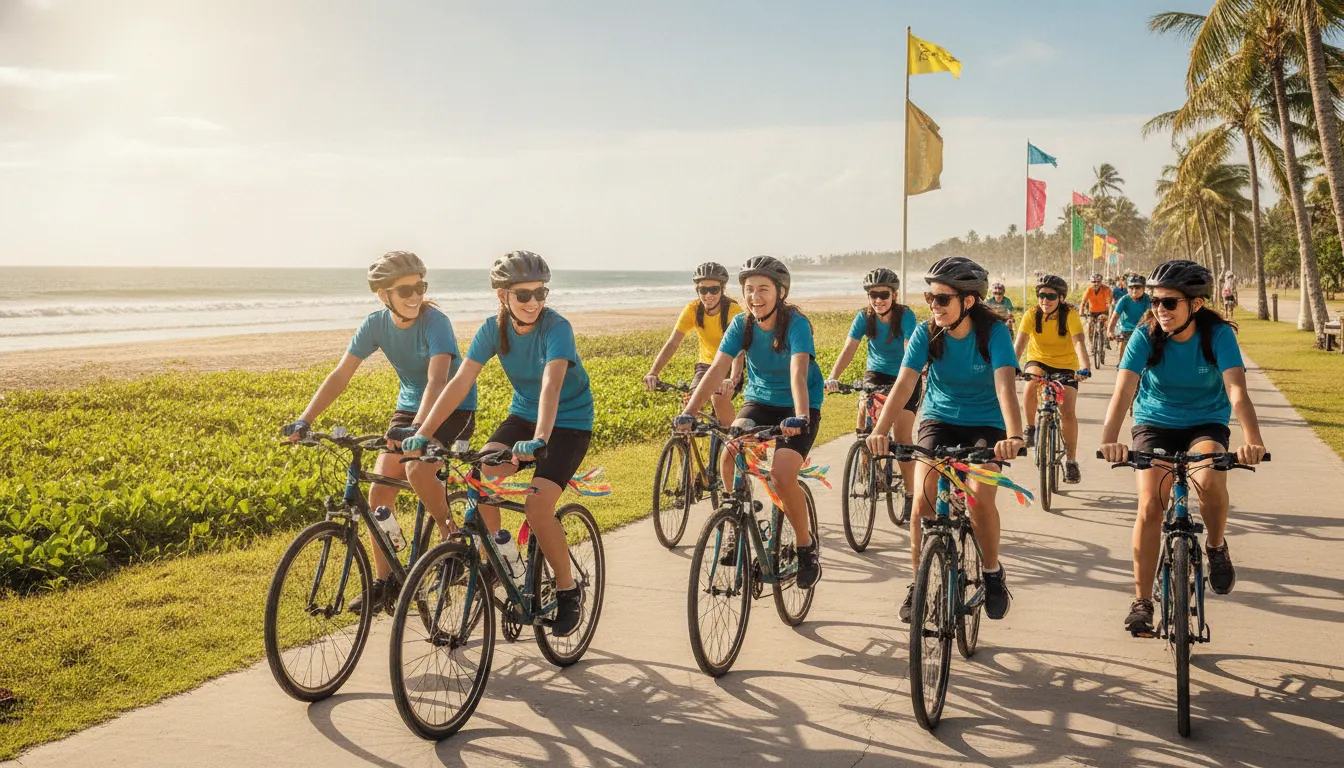
Fundraising Ideas for Students: A Teen Charity Ride Guide
Start today. Get fundraising ideas for students, school clubs, and youth volunteers for charity bike rides that build leadership and local impact.
A school fundraiser works best when it fits the calendar, gives students a clear role, and connects everyday effort to a shared community goal. A charity bike ride can bring those pieces together, whether a student rides with friends, organizes a club team, or supports the event as a youth volunteer.
The most effective fundraising ideas for students are simple, age-appropriate activities that use school networks, family connections, and peer-to-peer outreach. Students can set a realistic goal, invite sponsors through a personal fundraising page, and build momentum with a class challenge, team event, or small service project.
Bike to the Beach combines cycling, fitness, and charitable giving to raise funds and awareness for local autism and disability organizations. With ride distances starting at about 25 miles, student groups can choose a meaningful challenge while keeping safety, training, and adult support in view. The right plan starts by matching the fundraiser to the school year, the students’ ages, and the time your group can commit.
Register for the DMV charity ride today
Fundraising Ideas for Students That Fit a School Year
The best student fundraisers are easy to explain, flexible around classes and activities, and connected to a cause students care about. Age-appropriate projects can give middle and high school students a meaningful way to support their community while building communication, teamwork, and leadership skills. A charity bike ride can bring those pieces together, especially when students set a shared goal and invite classmates, families, and neighbors to participate.
Try one idea or combine several throughout the school year:
| Fundraising Idea | Best For | Time Commitment | Skills Students Practice |
|---|---|---|---|
| Peer-to-peer fundraising page | Any student with family and friends to reach | Low weekly effort | Communication, goal setting, storytelling |
| Bake sale or snack table | A club meeting, sports game, or school event | One to two sessions | Planning, teamwork, money handling |
| Classroom or school challenge | Whole grade, homeroom, or club competition | Ongoing through the year | Collaboration, motivation, celebration |
| Penny drive | A multi-week, low-effort collection | Weeks of small daily actions | Consistency, record keeping, patience |
| Art or talent show | Creative students in one big campus event | Several weeks to plan | Creativity, stage presence, event logistics |
| Sponsored reading or athletics challenge | Students tracking a measurable personal goal | Weeks of practice | Discipline, endurance, self-motivation |
- Peer-to-peer fundraising: Each student creates a personal fundraising page and reaches out to family members, friends, teammates, and neighbors. This approach makes it easy for students to share why the cause matters to them and ask for support in their own voice. Use these peer-to-peer fundraising tactics to help students get started.
- Bake sales and snack tables: Invite families to contribute baked goods, then hold a clearly scheduled sale during a school event, sports game, or club meeting. Offer allergy-aware options and follow school policies for food preparation and sales.
- Classroom or school challenges: Turn fundraising into a friendly competition between homerooms, grades, or clubs. Track progress toward a shared goal, celebrate participation, and recognize creativity or teamwork rather than only the group that raises the most.
- Penny drives: Place labeled collection containers in approved classrooms or common areas. Students can add coins throughout the week, while teachers or club leaders provide regular updates and secure the donations according to school procedures.
- Art or talent shows: Give students a stage to share music, performances, photography, crafts, or artwork. Charge a modest admission fee, invite optional donations, or auction student-created pieces with permission.
- Sponsored reading or athletics challenges: Students can collect pledges for books read, laps completed, practice miles, or another measurable goal. Keep the challenge inclusive by offering options for different abilities and interests.
A charity ride can serve as the shared finish line for these efforts. Bike to the Beach events offer distances starting at about 25 miles. Giving student groups an achievable athletic challenge while they raise funds and awareness for local autism and disability organizations. Participants raise about $1,000 on average, compared with a $250 minimum, although every contribution and every student effort matters.
Before launching, ask students which idea feels exciting and manageable, confirm school requirements, and set a transparent goal. When the fundraiser reflects students’ interests and stays realistic alongside schoolwork, it becomes more than a one-day event. It becomes a student-led project with a clear community purpose.
How a School Club or Team Organizes a Charity Ride Fundraiser
A charity bike ride gives a school club, athletic team, or student organization a shared goal that combines movement, teamwork, and community impact. The strongest fundraising ideas for students are organized enough to keep everyone involved without placing the whole project on one student. Use this step-by-step plan to turn a ride into a practical, inclusive team fundraiser.
- Set a team goal and agree on the purpose. Decide what you want to accomplish, such as raising a specific amount, recruiting a target number of riders, or supporting autism and disability organizations in your community. Break the team goal into individual page goals so each student has a clear, manageable target. Share where the money goes and how the fundraiser supports the cause. Clear goals and donor transparency help students communicate with confidence.
- Choose the ride date, distance, and participation plan. Look at the event calendar, school schedule, exams, tournaments, and family commitments before choosing a date. Select a distance that welcomes different experience levels. Bike to the Beach events offer multiple distances, including options starting around 25 miles, which can make participation more accessible for student groups. Decide whether students will ride together, form smaller pace groups, or include non-riding volunteers.
- Get school approval and complete facility forms early. Ask a faculty adviser, activities director, or athletic department about school policies, fundraising rules, transportation, and supervision. If you will use a gym, meeting room, field, or other facility for a kickoff or training session, complete the required forms and confirm any fees. Some student organization guidance recommends handling facility requests at least 15 days before the proposed use date, so build that lead time into your plan. Your school administration can also provide guidance on managing the fundraiser.
- Form the team and divide the work. Invite classmates, teammates, coaches, teachers, and parents to participate at the level that works for them. Assign practical roles, such as team captain, registration coordinator, communications lead, fundraising tracker, safety contact, and ride-day volunteer coordinator. Shared ownership keeps the project moving and gives students meaningful opportunities to practice leadership, communication, and organization.
- Create individual fundraising pages and invite support. Give every participating student a simple explanation of the cause, the team goal, and the ride. Students can send personalized messages to relatives, friends, neighbors, and school supporters through approved channels. Encourage each person to share why they joined rather than copying the same request. Link to the individual fundraising page so supporters can give directly, then celebrate progress with regular team updates.
- Build momentum with small team activities. Host a brief kickoff, group training ride, classroom announcement, or friendly fundraising challenge that fits school policies. Make room for students who cannot ride by offering roles in outreach, event setup, photography, check-in, or cheering. After the event, thank donors and teammates, report the result, and discuss what the group learned. That reflection can make the next school fundraiser easier to organize.
Teen Fundraising and Ride-Participation Tips That Build Confidence
A charity bike ride can give teens a clear goal, a supportive team, and a practical way to turn their energy into local impact. The experience does not require every rider to have the same fitness level or fundraising style. Students can choose a realistic challenge, prepare with guidance, and build confidence one step at a time.
Choose a distance and training plan that fit
- Start with the right distance. Bike to the Beach events offer multiple ride options, including distances as short as about 25 miles. That accessible starting point can help student groups include riders with different experience levels. Review the regional event details with a parent, teacher, or team leader, then choose a distance that feels challenging without being overwhelming.
- Train gradually. Begin with comfortable rides and add distance over several weeks. Practice on a variety of terrain, schedule rest days, and learn how your body responds to longer efforts. A short group ride can also help teammates compare pace, check equipment, and make adjustments before event day.
- Make safety part of the plan. Wear a properly fitted helmet, use a bike that has been inspected, follow traffic and event rules, and carry water. Teens should tell an adult where they will be riding and who to contact if plans change. On the event route, stay aware of surroundings and communicate clearly with the group.
- Pace for the finish. Start at a steady speed instead of trying to match the fastest rider. Drink regularly, eat the snacks recommended by your ride leader, and take supported rest breaks when needed. The goal is to complete a meaningful challenge together, not to prove that everyone must ride at the same pace.
Bring your fundraising page to the people who know you
Some of the most practical fundraising ideas for students begin with a personal message to family members, friends, neighbors, teachers, and teammates. Create a fundraising page with a clear goal, explain why you chose the ride, and share what the event supports. A short video, photo, or training update can make the request feel personal without pressuring anyone to give.
Ask supporters to share your page with people in their own networks, and thank every donor promptly. Students can also set a small weekly target, organize a school or team challenge, or invite classmates to sponsor a training milestone. Keep records of donations and communicate honestly about the purpose of the campaign. These conversations develop communication and leadership skills while helping teens practice community advocacy.
Students can see this approach in action through this example of students riding from Boston to Newport. Service learning, including student-led charitable fundraising, is associated with stronger civic engagement among high school students, and youth volunteering is positively linked with psychosocial development in adolescents. Those benefits grow when teens have real responsibility, dependable adult support, and room to participate in ways that fit their abilities.
How Students Earn Community Service Hours Through Fundraising
Fundraising for a charity bike ride can be more than one of many fundraising ideas for students. When a student plans outreach, communicates with donors, tracks progress, and helps a team reach its goal, the work can become a meaningful service-learning experience. Service learning connects classroom ideas with community-based action, and research has linked this kind of project with stronger civic engagement among high school students. Research on high school service learning supports that connection.
Confirm how your school counts service hours
Before starting, students should ask a teacher, counselor, club advisor, or service-hours coordinator what qualifies. Some schools count time spent contacting supporters, organizing a campaign, attending approved planning meetings, or volunteering at the event. Others may require a supervisor’s signature, a time log, a project description, or proof that the activity was completed for an eligible nonprofit. Get the requirements in writing and record your dates, tasks, and hours as you go. Fundraising totals can show impact, but they do not automatically replace the documentation your school requires.
Build leadership experience while serving a cause
A student-led campaign creates practical opportunities to lead. One student might set the fundraising goal, another might coordinate a school club, and others might write updates, thank supporters, or organize team reminders. These responsibilities strengthen communication, planning, public speaking, and collaboration skills. They also give students specific examples to discuss on a resume, scholarship application. Or college application instead of simply listing “volunteering.” Describe the action you took, the team you supported, and the result you helped achieve.
Bike to the Beach gives students a way to connect those skills with local impact. The organization raises funds and awareness for local autism and disability organizations. So students can explain who benefits from their work and why the cause matters to their community. Consistent, purposeful service also supports adolescent development, and it gives students concrete experiences to discuss on college and scholarship applications. That does not make every campaign a guaranteed resume boost, but it shows why regular, meaningful service can matter beyond a single event.
Students who want to contribute beyond fundraising can review Bike to the Beach’s volunteer opportunities. Whether the assignment is approved for service hours depends on the student’s school, so confirm the rules first. Then serve with clear goals, accurate records, and respect for the people and organizations the ride supports.
How Parents and Teachers Can Help Teens Fundraise
Teens bring the energy and ideas, while adults can remove practical barriers that make participation difficult. Parents and teachers do not need to take over the fundraiser. Their best role is to create a safe, organized structure and give students room to lead. Together, they can turn fundraising ideas for students into a welcoming school and community effort.
Make participation easier and safer
- Coordinate transportation. Help students get to planning meetings, school events, and the ride itself. A shared schedule or carpool plan can make participation possible for families with different work and activity commitments.
- Secure permission early. Ask the school, club advisor, or administration about approval requirements before announcing a fundraiser. Schools may have rules for facility use, announcements, collecting money, and student supervision. School administration can often provide resources and guidance for managing fundraising activities successfully, so involve the right contact at the start.
- Build in safety oversight. Confirm that students have responsible adult supervision, clear meeting locations, emergency contacts, and a realistic plan for any in-person activity. Safety should support inclusion, not prevent students with different abilities or experience levels from participating.
Support the students’ plan without replacing it
Teachers can give a brief classroom announcement, share an approved fundraiser through a school newsletter, or invite a club to participate. Parents can help teens practice explaining the cause, set up a fundraising page, and identify appropriate family and community contacts. If a local business offers a matching gift, an adult can help the student confirm the terms and communicate the opportunity clearly.
Students should help choose the goal and decide how to invite support. A clear, achievable target gives the group direction, while donor transparency builds trust. Explain what the funds support, how donations are handled, and where people can find more information. These are core student fundraising best practices identified by the University of Montana Billings: set clear goals and be transparent with donors about where funds are going (fundraising best practices).
Finally, encourage students to involve a school club, team, or service organization when it fits their interests. A group can divide responsibilities among outreach, communications, logistics, and encouragement. That teamwork helps more students contribute, including those who cannot ride or who prefer behind-the-scenes roles. Parents and teachers provide the framework; students provide the leadership.
Getting Started on Your School Charity Ride Fundraiser
The best fundraising ideas for students turn a shared interest into a clear, manageable plan. A school charity ride fundraiser does both: students work together toward a meaningful cause. Build practical leadership skills, and take on an athletic challenge that can include different experience levels. Bike to the Beach events offer distances starting at about 25 miles, giving student groups an approachable way to participate while still working toward a memorable goal.
Start by choosing a team captain or small planning group, then set a fundraising target that feels motivating and realistic. Bike to the Beach participants raise an average of about $1,000, while the minimum fundraising requirement is about $250. Those figures can help your group understand what is possible, but the most important first step is making a plan that fits your school community. Decide how many riders you hope to recruit, identify an adult advisor, and give everyone a simple timeline for registration, outreach, and training.
Next, create a personal fundraising page for each participating student. A page gives students one place to explain why they are riding, share the team goal, and invite family members, friends, teachers, and neighbors to support them. Encourage students to tell a personal, respectful story about why community support for autism and disability organizations matters to them. You can explore more guidance on how to build an effective campaign with peer-to-peer fundraising and expand your reach through family and school networks.
There are roles for students who want to ride and students who prefer to help behind the scenes. Check out Bike to the Beach volunteer opportunities to find ways to support an event, welcome participants, or help with logistics. When your team is ready. Invite students and families to take the next step toward youth participation by joining a regional ride and turning your school’s ideas into community impact.
Register for the DMV charity ride and invite your student group today
Frequently Asked Questions
What are good fundraiser ideas for students?
Start with simple, school-friendly activities such as a peer-to-peer fundraising page, a classroom or club challenge, a bake sale, a car wash, or a themed spirit day. Students can also ask family members, friends, teachers, and local businesses to sponsor their ride. The strongest plan usually combines one group event with personal outreach so every student can participate in a way that fits their schedule and comfort level.
How can a school club organize a charity bike ride fundraiser?
Choose a student lead and an adult adviser, set a realistic fundraising goal, confirm the ride details, and divide responsibilities among outreach, event planning, promotion, and ride-day support. Create a shared timeline for announcements and donations, then use a central fundraising page so the team can track progress. Keep the message focused on the local autism and disability organizations supported by the event.
Can teens participate if they are new to cycling?
Yes. Students do not need to be experienced cyclists to join a community ride. Choose a distance that matches the group, build comfort gradually through practice rides, and review helmet, hydration, traffic, and buddy-system expectations with parents or teachers. Bike to the Beach events offer multiple distances, including options starting at about 25 miles, so groups can select an appropriate challenge.
How can students make fundraising safe and manageable?
Use adult-approved communication channels, protect personal information, and have a parent, teacher, or club leader review donation requests before they are shared. Set weekly goals instead of relying on last-minute appeals, thank every donor, and ask for help when an activity involves transportation, money handling, food, or public spaces. A clear team plan keeps fundraising positive while giving students meaningful ownership.
Ready to Register for a Charity Bike Ride?
Give your student, school club, or family a meaningful way to turn fundraising ideas for students into community action. Register for a Bike to the Beach charity ride, choose a goal that fits your group, and start fundraising with support from the people around you. Register for the DMV ride and take the next step together.