

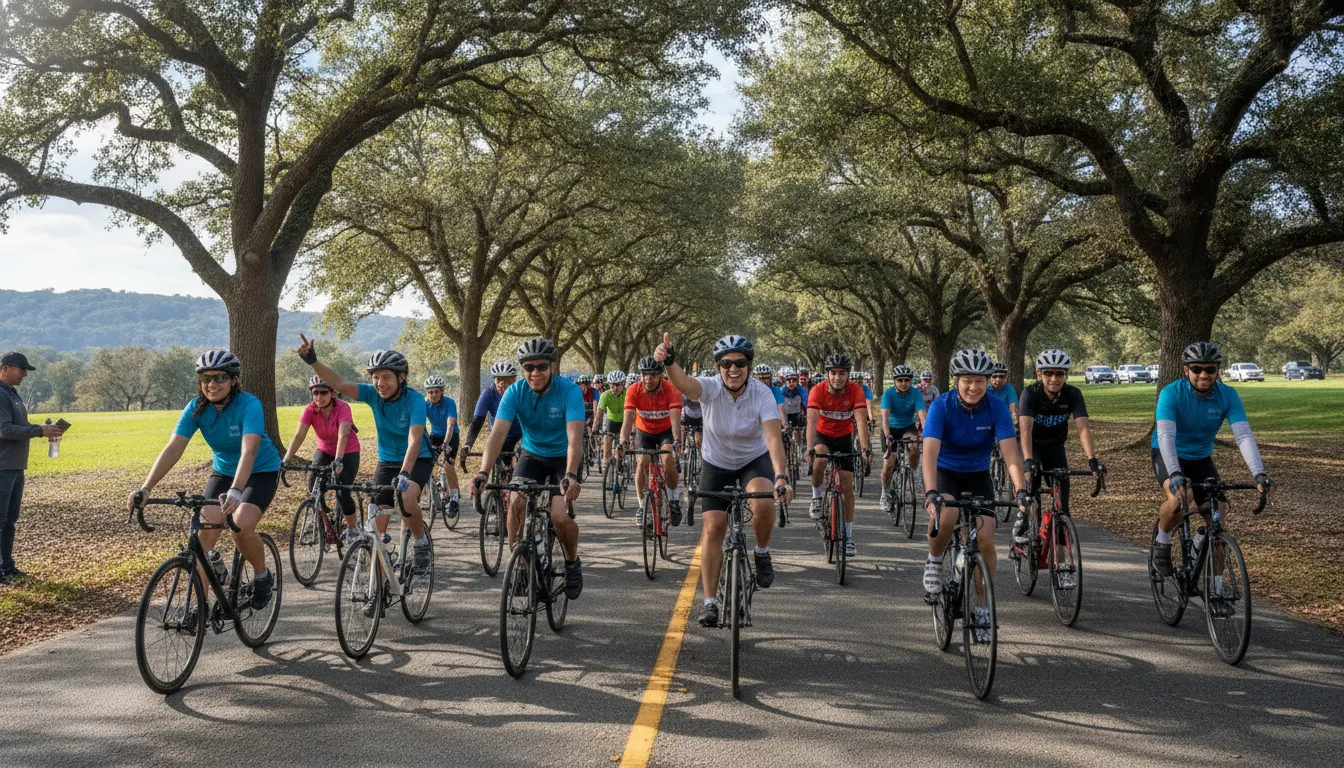
Bike a Thon Fundraiser: A Practical Organizer Guide
Plan a bike a thon fundraiser with pledge pages, safe routes, distance tracking, incentives, promotion, and event-day logistics for schools and community teams.

A bike-a-thon turns a familiar community activity into a shared opportunity to move, connect, and support a local cause. For schools and community groups, the strongest events are not built around a complicated platform or a perfect athletic course.
They start with a simple plan: define the purpose, make participation accessible, communicate expectations early, and give every rider a way to contribute.
A bike a thon fundraiser typically connects donations to participation or distance, such as a pledge for every mile ridden, although organizers can also offer flat donations or a hybrid option. The best model depends on your riders, route, audience, and tracking capacity.
From choosing the fundraising structure to assigning volunteers and planning event-day support, each decision should make the experience easier for riders and donors to understand. Start by clarifying what the event is, who it serves, and how your group will turn participation into local impact.
What Is a Bike a Thon Fundraiser, and Who Is It For?
A bike a thon fundraiser is a cycling event that turns rider participation, completed distance, or team goals into donations for a selected cause. Schools, nonprofits, workplaces, and community groups can adapt the route, pledge model, and participation options to fit their audience and support capacity.
A bike a thon fundraiser is a community event where participants ride bicycles to support a chosen cause. Friends, family members, coworkers, and local supporters contribute through pledges or donations.
The ride can happen on a school campus, along a neighborhood route, at a park, or as part of a larger supported cycling event. The key is the connection between participation and purpose. Riders take on a distance or activity goal. The organizer creates a clear way for that effort to generate charitable support.
Most events use one of two fundraising models. With a per-mile pledge, a donor promises a set amount for every mile a rider completes. For example, a supporter might pledge $1 per mile, with the final amount based on the rider’s verified distance.
A flat donation is simpler. The donor gives one agreed amount regardless of how far the participant rides. Organizers can offer both options, allowing donors to choose the format that feels most comfortable while keeping the collection process easy to explain.
Distance-based pledges require clear tracking. Participants need the route, mileage goal, and process for confirming results. An event page, pledge form, or team tracker can prevent confusion. Careful pledge collection and distance tracking are part of a well-run bike-a-thon. They are not details to postpone. Community bike-a-thon events often use pledges connected to participant distance.
Why schools and community groups choose this format
Schools can use a bike-a-thon to connect fundraising with movement and participation instead of relying on food sales. The Centers for Disease Control and Prevention identifies physical-activity fundraisers as one option schools can consider alongside non-food fundraising activities. That guidance also recommends working with community groups or local businesses to sponsor physical-activity events.
The same model works for nonprofits, youth groups, workplaces, and community teams. Some people ride, while others volunteer, sponsor a participant, or share the event. That flexibility welcomes beginners and experienced cyclists alike.
For organizers, the goal is not simply to put bicycles on a route. Build a clear participation experience. Explain where the money goes, and make local impact visible. Use this guide to organize a successful bicycle fundraiser. For mission context, see why Bike to the Beach rides support local communities.
How Do You Set a Bike a Thon Fundraiser Goal?
Set a bike a thon fundraiser goal by choosing the beneficiary, estimating riders and distance options. Budgeting event costs, selecting a pledge model, and defining how progress will be reported. A realistic goal with clear rules helps schools and community groups build trust while keeping the event manageable.
A clear fundraising model gives participants an easy way to understand what they are supporting and how their effort translates into impact. Before choosing a pledge format, agree on the beneficiary, the event scope, and the level of transparency your school or community group can maintain.
- Choose the beneficiary and define the purpose. Start with the local organization, program, or community need the ride will support. Confirm that the beneficiary is comfortable being named in event materials, and explain the connection in plain language. If you are organizing through a school, a physical-activity fundraiser such as a bike-a-thon can support fundraising goals without relying on food sales. The CDC recommends considering physical-activity and non-food fundraising options as part of a healthy school environment.
- Set a goal that matches the event. Estimate how many riders you can realistically recruit, the distance options you can support, and the time available for fundraising. Then choose a total goal that is easy to explain and track. You can also set team or classroom goals so the overall target feels achievable at every level. Avoid presenting an optimistic projection as a promise. A modest, well-supported goal is more useful than a large number that participants cannot see themselves reaching.
- Build the budget before announcing the target. List expected costs such as permits, insurance, route support, water, first aid, signage, registration materials, payment processing, and contingency supplies. Decide which expenses the fundraiser will cover and whether a sponsor can underwrite specific items. Keep fundraising revenue and event expenses separate in your records so the final donation amount is easy to explain.
- Select a pledge model that fits your audience. Per-mile pledges connect donations to the distance each rider completes, while flat donations keep the process simpler for donors. A hybrid model can let families, businesses, and individual supporters choose the option that works best for them. Whatever you select, write the rules before registration opens: what counts as a completed mile, when pledges are collected, and how incomplete rides are handled.
- Make registration simple and inclusive. Collect only the information you need for safety, communication, team assignment, and donation tracking. Offer clear distance or participation options where possible, and state the event date, meeting point, costs, fundraising expectations, and contact person in one place. Share the same information with riders, volunteers, and donors so no group has to guess what happens next.
- Track money and progress transparently. Use one shared record for registrations, pledge commitments, payments received, expenses, and donations sent to the beneficiary. Assign a person to reconcile the record regularly, not only after the event. Report progress using confirmed totals, label outstanding pledges clearly, and provide a simple final summary. For more planning guidance, use this resource to organize a successful bicycle fundraiser.
When the purpose and process are visible, people can participate with confidence. The goal becomes a shared plan for local support.
How Should You Plan the Route, Distance, and Safety Details?
Plan the route around the riders you can safely support. Offer practical distance choices, confirm permissions, map checkpoints, assign named volunteers, and prepare weather and accessibility procedures before registration opens. Clear route information lets participants choose an appropriate challenge and gives families confidence in the event-day plan.
A well-planned route makes a bike-a-thon easier to join, easier to supervise, and more enjoyable for everyone from first-time riders to experienced cyclists. Start by deciding what your group can safely support, then build the event around that decision rather than choosing a distance first and solving the logistics later.
Offer a distance that matches your community
Consider a shorter loop, a moderate route, and an optional longer challenge if your space, staffing, and rider experience allow it. A loop or out-and-back course can simplify supervision and gives participants a clear finish point. Review the charity bike ride distance guide as you compare options. For a school event, age, ability, bike experience, and available riding time should shape the choices. A community event may also include a stationary-bike or skills component so people can participate without completing the full route.
Confirm permissions before announcing the course
Map the proposed route. Identify every property, road, trail, or facility involved. Confirm permission with the school, park, property owners, and relevant authorities before publishing the route or accepting registrations. Check whether you need traffic support, permits, insurance documentation, or emergency-services coordination. Keep a written record of approvals, contacts, and conditions. Never assume an ordinary group-ride route is approved for an organized fundraiser.
Design event-day checkpoints
Choose a start and finish area with safe bike access and room for check-in. Leave space for families and spectators without blocking riders. At check-in, confirm attendance, explain the course, distribute identification materials, and show riders where to get help. Place rest stops where riders may need water, shade, mechanical assistance, or a chance to regroup. Bike to the Beach’s supported-ride model illustrates the value of mechanics, SAG support, rest stops, and flexible distance options. Staff your event according to its route and risk level.
Assign people, not just tasks
Create a simple roster for route marshals, check-in, rest stops, first-aid coordination, rider communication, and finish-line support. Give every volunteer a location, shift time, contact method, and escalation plan. Share the route, weather policy, emergency contacts, and riding expectations with participants, volunteers, and donors. Clear communication is a core part of a well-organized fundraiser.
Set a weather and accessibility plan before event day. Decide when conditions require postponement, cancellation, or a shorter course. Explain how updates will reach families. For a larger supported event model, review the New York regional ride experience. Check that restrooms, check-in, parking, surfaces, and viewing areas are accessible. A safe bike-a-thon fundraiser lets people adapt participation. It should not make anyone feel like an afterthought. If a local business wants to support the ride, direct its team to Bike to the Beach sponsorship information.
How Do Pledge Pages and Distance Tracking Work?
Pledge pages should identify the cause, rider or team, goal, event details, and donation action in one place. Track distance with rules agreed in advance, one designated owner, start and finish records, and a separate payment ledger. This keeps per-mile pledges accurate and makes final reporting easier.
The right fundraising model should make giving easy for donors and progress easy for organizers to verify. A bike-a-thon commonly connects donations to participation or distance, but a flat gift can be just as effective when riders have different routes, abilities, or fundraising audiences. Choose the structure before registration opens, explain it in plain language, and use one shared record for riders, teams, and donors.
| Model | How it works | Best fit | Tracking need |
|---|---|---|---|
| Per-mile pledge | A donor gives a set amount for each mile the rider completes. | Events with defined routes and reliable distance reporting. | Record each rider’s completed miles, then calculate the final gift. |
| Flat donation | A donor gives one amount regardless of the distance completed. | Mixed-ability groups, flexible routes, and simple donor outreach. | Track the donation and rider participation, without recalculating by mile. |
| Team page | Several riders collect gifts through one team identity and shared goal. | Schools, workplaces, clubs, and community groups. | Assign every gift to a rider while displaying the team total separately. |
| Hybrid model | Riders accept per-mile pledges, flat gifts, or both. | Inclusive events serving donors with different preferences. | Keep pledge type, donor, rider, distance, and amount in separate fields. |
Per-mile pledges connect effort to giving, but they require verified distance. Flat gifts simplify collection. Team pages make progress visible, and a hybrid model offers flexibility when rules are written before outreach begins.
A simple distance-tracking workflow
- Set the distance rules. Define eligible routes, how partial distances are handled, and whether indoor or alternate rides count.
- Assign a tracking owner. One organizer should maintain the official rider list and resolve discrepancies.
- Capture start and finish data. Use check-in and finish forms, route checkpoints, or a consistent rider report. Do not rely on donor estimates.
- Reconcile pledges. Match each per-mile commitment to the verified distance, confirm the amount with the donor, and record payment status.
- Share progress responsibly. Publish team totals or milestones only after the underlying entries have been reviewed.
Clear communication with participants, volunteers, and donors protects trust. Send the pledge rules before event day, provide a contact for questions, and share a final accounting timeline after the ride. Community organizations that want to participate in the broader event network can also review the service provider partner program.
What Incentives and Promotion Ideas Increase Participation?
Participation grows when people can see the purpose, understand the goal, and choose a meaningful role. Use team milestones, accessible recognition, partner outreach, school or community calendars, and repeated reminders. Make sharing easy with accurate copy that explains the date, participation options, cause, and donation process.
Participation grows when people know what they are working toward, can see progress, and have more than one way to get involved. For a school, community group, or nonprofit, build promotion around the shared experience rather than treating fundraising as a one-time request for donations.
Make progress visible and rewarding
Set a few clear milestones for riders and teams. Recognition might include a shout-out in the school newsletter, a photo on the organization’s social channels, a certificate, or a small team award. Incentives can motivate participants when they recognize fundraising milestones, but they do not need to be expensive or competitive. Milestone recognition and prizes are common incentive ideas for bike-a-thons, and non-cash acknowledgements can keep the focus on the cause.
Consider awards for categories such as most participants recruited, strongest team spirit, best personal improvement, or most creative fundraising approach. Include options for different ages and abilities so a new rider, a family team, and an experienced cyclist all have a meaningful way to contribute.
Use teams, partners, and local businesses
Team challenges give participants a reason to invite friends, classmates, coworkers, and neighbors. Create a simple weekly update showing registration, miles, or fundraising milestones. A classroom-versus-classroom challenge or neighborhood-versus-neighborhood goal can add energy without making individual totals the only measure of success.
Local businesses can extend the event’s reach while connecting their support to a visible community effort. The CDC recommends working with community groups or local businesses to sponsor physical-activity fundraising events. Ask nearby businesses to sponsor a rest stop, match donations for a defined period, provide a participant perk, or contribute an in-kind item. Confirm exactly what the business is providing and how it will be acknowledged before promotion begins.
Plan a promotion mix, not one announcement
Start with a short email. Explain the purpose, date, participation options, and registration or donation process. Organizers can also point supporters to the Bike to the Beach contact page when a question needs a direct answer. Follow it with reminders tied to team formation, a milestone deadline, the final registration week, and the event-day countdown. Give teachers, team captains, volunteers, and partner organizations ready-to-share copy so every message stays accurate.
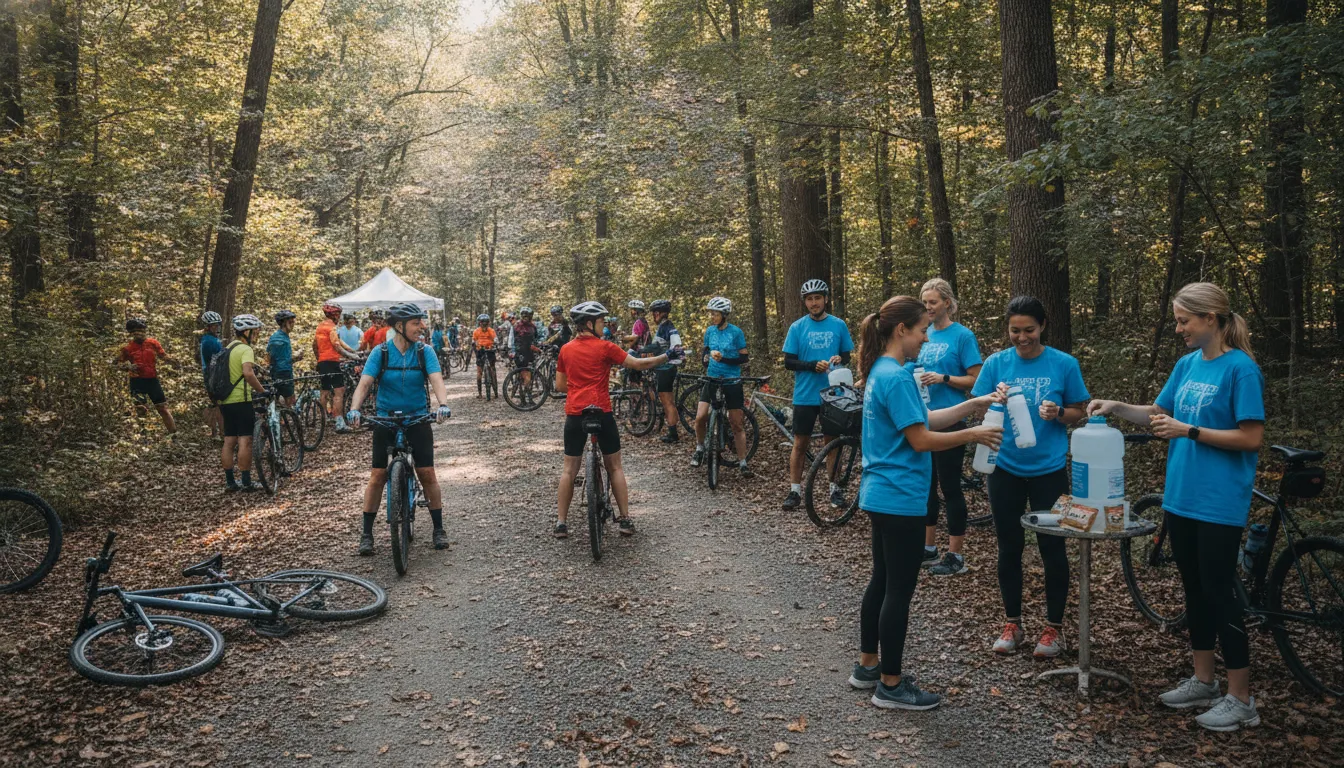
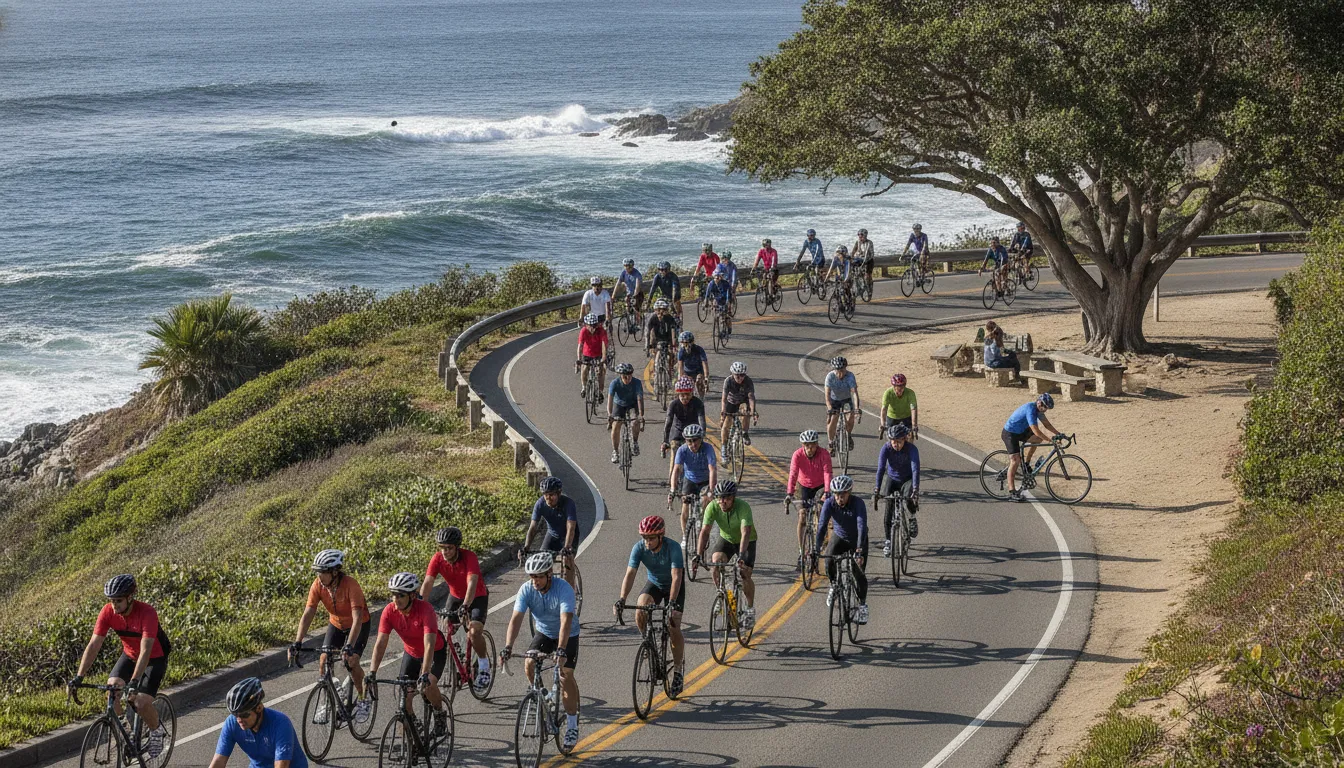
Use social media for faces and progress: introduce teams, share training moments, highlight business partners, and post concise updates. Sponsors looking to support the effort can review Bike to the Beach sponsorship opportunities. Add the event to school, town, nonprofit, and regional community calendars. Then ask partner organizations to amplify the same core message through their newsletters and social channels. For more practical outreach ideas, review these creative fundraising ideas for your ride.
What Happens on Bike-a-Thon Event Day?
On event day, organizers should run a clear check-in, safety briefing, route start, checkpoint, finish, and closeout process. Assign an event lead and named volunteers, keep emergency and weather procedures available, and give riders consistent instructions for distance reporting, support, and finishing.
A smooth event day gives every participant a clear place to be, a safe way to ride, and a reliable way to stay connected. Assign one event lead to make decisions, then give each volunteer a specific role rather than asking everyone to manage everything. Keep the run of show visible to staff and share the essential details with riders, families, donors, and school or community partners before the event. Groups comparing regional formats can review the DC, Maryland, and Virginia ride details for another supported-event example.
- Open check-in and confirm the roster. Welcome riders as they arrive, verify registrations or waivers according to your organization’s process, distribute numbers or tracking materials, and direct participants to the appropriate distance group. Have a clear process for late arrivals and a visible location for questions.
- Hold a short safety briefing. Review the route, expected riding behavior, hand signals, intersections, rest locations, emergency procedures, and who to contact for help. Explain how riders will record distance and remind everyone that choosing a shorter option is a successful way to participate.
- Start in an organized way. Release riders in manageable groups if the route or starting area is crowded. Confirm that route marshals, support drivers, rest-stop volunteers, and first-aid contacts are in position before the first group leaves.
- Track participation and distance. Use the method you selected in advance, such as a route log, rider check-in points, GPS submission, or a simple team captain report. Record completed distance promptly so pledge totals remain transparent and families can see progress.
- Keep support and communications active. Staff rest stops with water and basic supplies appropriate to the event. A supported-ride model may also include mechanics, SAG support, and flexible distance options, but your plan should match your route, budget, and available partners. Give volunteers one communication channel and a backup contact method, and establish regular check-ins with the event lead.
- Manage the finish. Record each rider’s arrival, confirm that everyone has returned or is accounted for, and direct participants to the celebration or pickup area. Recognize effort, teamwork, and milestones without making speed the only measure of success.
- Update donors while the event is happening. Share verified progress, participant stories, and finish-line moments through the channels your organization already uses. Avoid publishing personal information or photos without the required permission. After the final distance is confirmed, tell donors when and how final pledge totals will be reconciled.
- Activate the weather and route contingency. Set a decision time for unsafe heat, storms, flooding, poor air quality, or route closures. Prepare a shortened route, delayed start, indoor activity, rescheduling plan, or cancellation message. Communicate the decision consistently to riders, families, volunteers, and donors, and prioritize participant safety over completing the original schedule.
After the last rider is accounted for, save the roster, distance records, incident notes, and volunteer feedback in one place. Those records make donor follow-up easier and give your school, nonprofit, or community group a practical starting point for the next bike-a-thon fundraiser.
How Can a Bike-a-Thon Build Local Impact Beyond One Ride?
Extend local impact by closing the loop with riders, donors, volunteers, and beneficiary organizations. Reconcile funds, share verified participation and outcome information with permission, thank partners, and record lessons for the next event. The result is a stronger community relationship, not just a one-day fundraiser.
The finish line is not the end of the work. A thoughtful organizer uses the days after a bike-a-thon to close the financial loop. Recognize the people who made the event possible, and turn one strong community effort into a repeatable tradition.
Close the loop with participants and donors
Start with prompt, personal thanks. Send participants, volunteers, donors, route partners, and local sponsors a clear message that names the contribution each group made. A rider may have recruited a team, a volunteer may have kept check-in moving, and a business may have provided a rest-stop resource. Specific appreciation makes the event feel like a shared effort rather than a transaction.
Reconcile pledges while the details are still fresh. Confirm distance records, follow up on outstanding per-mile commitments, document flat donations, and keep a simple record of what was received. If the final total changes during reconciliation, communicate the update plainly. Accurate reporting protects trust and gives next year’s organizers a reliable starting point.
Share impact without speaking for the community
Prepare a short impact update with facts you can verify. Include participation, funds received, volunteer involvement, and how proceeds will support selected local autism or disability organizations. Ask each partner what they are comfortable sharing about their work. A quote, photo, or program detail should be shared with permission and in the partner’s own terms.
Keep the focus on people, access, and community participation, not pity. The strongest update explains why the partnership matters and how supporters are connected to local work. It should not invent outcomes, promise a specific result, or treat disabled people as symbols of inspiration. When there is not yet a measurable program update, say so and explain when the next update will be available.
Turn lessons into an annual playbook
Schedule a brief debrief with organizers and partners. Record what worked, where communication broke down, which route or distance options were accessible, how volunteers were deployed, and what participants asked for. Save the final timeline, contact list, safety checklist, pledge process, sponsor notes, and post-event message in one shared folder.
Then assign owners and dates for the next cycle. A repeatable playbook can make room for new riders while preserving the relationships that give the event its local character. Over time, the ride becomes more than an annual fundraiser. It becomes a dependable point of connection among schools, families, businesses, riders, volunteers, and the local organizations doing disability and autism work year-round.
Join a Bike to the Beach regional ride and put your community fundraising plan into action.
Frequently Asked Questions
How does a bike-a-thon fundraiser work?
Participants invite friends, family, and community supporters to make pledges based on miles ridden, laps completed, or a flat participation amount. Organizers set the goal, provide a simple way to donate, track results, and communicate how funds support the chosen local cause.
What should organizers include on a pledge page?
Each page should explain the event, identify the beneficiary, introduce the rider or team, state the fundraising goal, and provide a clear donation link. Include the event date, distance or participation details, and a short sharing message so supporters can act without needing more information.
How can a school or community group track distance fairly?
Choose one method before registration, such as a marked route, lap count, approved cycling app, or honor-system mileage log. Tell riders what counts, set a reporting deadline, and assign one person to collect totals. Keep a separate record for donations so mileage and money remain easy to reconcile.
What are practical ways to promote the event?
Give participants ready-to-share email and social copy, then combine their personal outreach with school newsletters, community calendars, local businesses, and partner organizations. Repeat the key details at planned milestones, including registration, the final week, and event-day reminders. Clear communication helps participants, volunteers, and donors know what to expect.
What incentives can encourage participation without a large budget?
Use milestone recognition, team awards, classroom or group challenges, and public thank-yous. Recognition can reward participation, consistent outreach, or distance completed.
Ready to Turn Your Plan Into a Community Ride?
A well-organized bike-a-thon can bring students, families, local businesses, and neighbors together around an active event with meaningful local impact. If you are ready to take the next step, register for a regional Bike to the Beach charity ride. You will have a clear ride experience to build around as your group shapes its goals, invites participants, and creates momentum for the cause.