

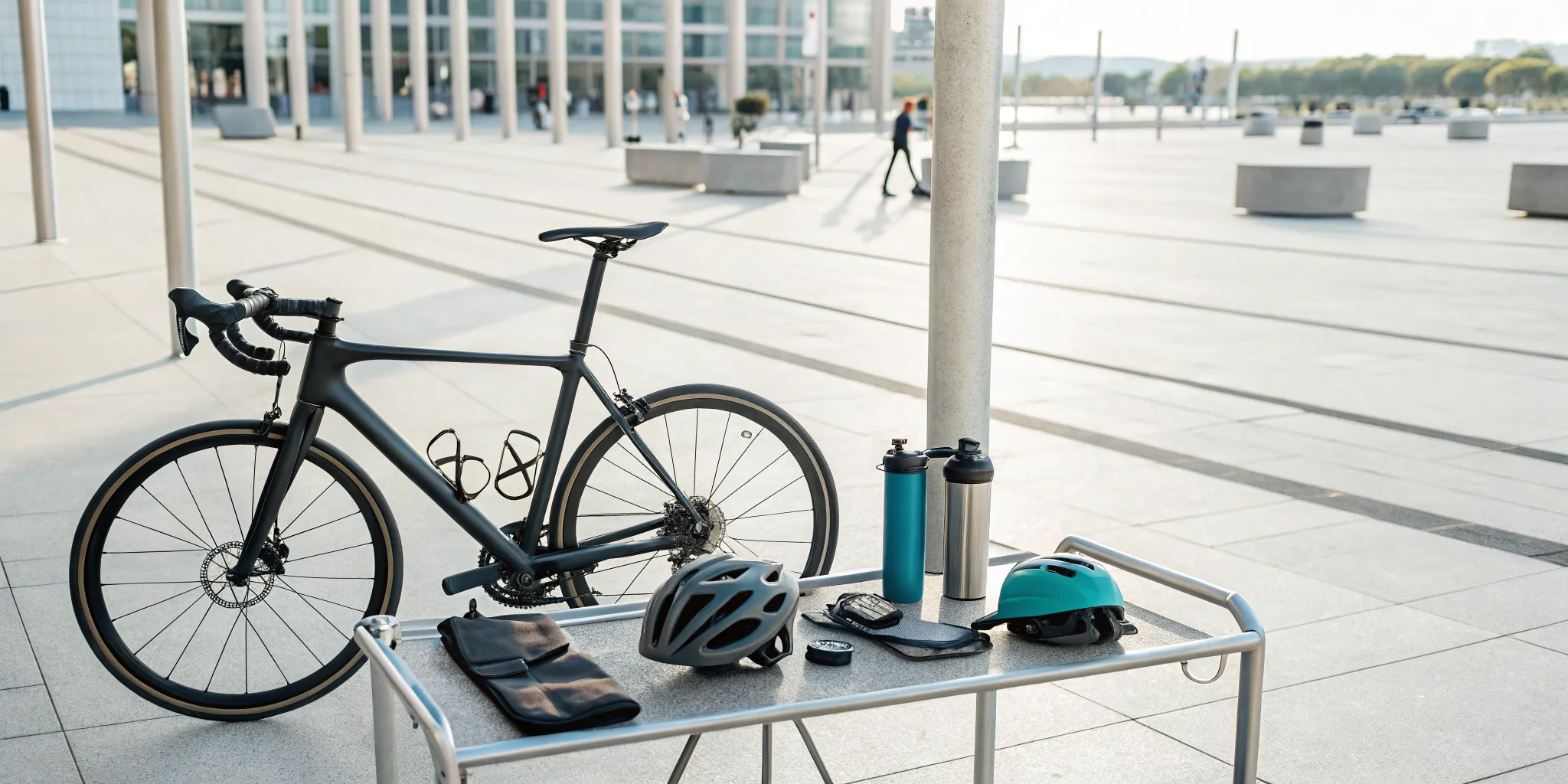
How Much Is It to Rent a Bike for a Charity Ride?
Find out how much is it to rent a bike for your fundraising event, plus tips on choosing the right road bike rental and making your charity ride stress-free.

Our Bike to the Beach community is built on one simple idea: everyone belongs. We welcome riders of all levels, but we know not having the right equipment can feel like a huge barrier. That’s where a road bike rental for a fundraising event changes the game, making it possible for anyone with the heart to ride to join us. This journey is about your passion, not what bike you own. We’ll cover all the details, including answering “how much is it to rent a bike?”, ensuring nothing stands between you and the finish line.
Key Takeaways
- Focus on the ride, not the bike purchase: Renting is a practical way to participate in a charity ride without a big investment. It provides a safe, high-quality bike so you can concentrate on your training, fundraising, and the event experience itself.
- Book early and confirm the details: Secure your rental well in advance, especially through official event partners, to get the right size and best options. Always clarify the pickup and drop-off logistics to ensure a smooth, stress-free event day.
- Do a quick check before you pedal: Before starting, take a moment to check your rental’s brakes and tire pressure. Make sure the saddle is adjusted for comfort and know where to find mechanical support along the route so you can ride with confidence.
Why Rent a Bike for Your Charity Ride?
So, you’re ready to join a community making a real difference, but one question is holding you back: what about the bike? If you don’t own a road bike or yours has been collecting dust, you’re not alone. The great news is that you don’t need to make a big purchase to participate. Renting a bike is a simple, stress-free solution that lets you focus on what truly matters: your training, your fundraising, and the incredible experience of riding for a cause.
For many of our riders, renting is the key that makes their first Bike to the Beach journey possible. It removes a huge barrier and provides the confidence of riding a safe, well-maintained bike that’s perfect for the distance. Think of it as your ticket to the starting line, allowing you to be part of a community dedicated to supporting autism and disABILITY awareness. It’s all about making the ride accessible, so you can show up and ride with purpose. Let’s explore why renting might be the perfect fit for you.
Ride a Dream Bike Without the Hefty Price Tag
A quality road bike is an investment, and it’s not one you need to make just for a single event. Renting gives you access to a fantastic, event-ready bike without the hefty price tag. This is an ideal option if you’re new to cycling, aren’t sure what kind of bike you’d want long-term, or simply prefer to keep things simple. You get all the benefits of a high-performance machine, like a lightweight frame and smooth gears, for a fraction of the cost of buying. It’s a smart, flexible choice that lets you invest your energy into fundraising and preparing for an amazing day on the road.
Experience a Top-Tier Bike, No Strings Attached
Have you ever wanted to try a carbon-frame road bike? Or maybe you’re curious how a different style of bike feels over a long distance? Renting is your chance to ride a high-quality bike without any long-term commitment. You can choose from different models to find one that suits your comfort and performance needs for the ride. You get to use the bike when you need it and return it when you’re done. This approach is perfect for riders whose own bikes might not be suited for a century ride or for anyone who wants to ensure they have the best possible equipment for the event.
Show Up and Ride: Skip the Pre-Race Tune-Up
Getting your bike ready for a long-distance ride involves more than just pumping up the tires. It requires tune-ups, safety checks, and potential repairs that take time and money. When you rent, you can skip all of that. Rental bikes from our partners are professionally maintained and inspected, so you can trust that your ride is in top condition. You don’t have to worry about adjusting brakes, lubricating the chain, or fixing a wobbly wheel. This peace of mind is invaluable, letting you focus on your personal preparation and getting excited for the ride ahead.
Less Stress, More Riding: Simplify Your Event Day
One of the biggest hassles of any cycling event can be getting your bike to the starting line and home from the finish. Renting solves this problem completely. Our official rental partners offer incredibly convenient pickup and drop-off right at the event. You can simply collect your reserved bike at the start of your New England ride and hand it back to the rental team once you cross the finish line. No bike racks, no disassembly, and no cramming a bike into your car. It’s a seamless experience that makes your event day logistics smooth, simple, and stress-free.
What Kind of Road Bike Should You Rent?
Deciding to rent a bike is a great first step. Now, let’s find the right one for you. Choosing a rental isn’t about finding the fanciest bike, but the one that best suits your needs for the ride. Focus on a few key areas: the frame, the gears and brakes, and the overall fit. Getting these right will help you have a comfortable, confident, and memorable ride to the beach.
Carbon or Aluminum: Which Frame is Right for You?
Most rental road bikes will have either a carbon or aluminum frame. Carbon frames are lighter and absorb road vibrations well, making them great for long-distance comfort. This can make a real difference in how you feel toward the end of the ride. Aluminum frames are a bit heavier but are very durable and often more affordable to rent. For a long charity ride, the smoothness of carbon is a huge plus, but a well-fitting aluminum bike is also a fantastic and reliable option. Think about your budget and how much long-distance comfort matters to you.
Choosing Gears and Brakes for a Confident Ride
Next, think about the parts that help you go and stop. A bike with a wide range of gears will be your best friend on a route with varied terrain, helping you climb hills more easily and cruise on flat sections. Just as important are reliable brakes. You need to feel confident that you can slow down safely, especially on descents or when riding with others. When you book your rental, ask about the bike’s components. A quality gearing system and brakes that are in top condition are non-negotiable for a safe and enjoyable ride.
Nail the Fit for a More Comfortable Ride
A bike that fits you properly is the key to a great day. An ill-fitting bike can cause discomfort and fatigue, which is the last thing you want. A good bike fit isn’t just about your height; it ensures you’re in an efficient and comfortable riding position. When you rent, the shop staff will help you find the right size frame and can adjust the saddle height and handlebars for you. Be sure to provide your height when you book, and don’t hesitate to ask for adjustments when you pick up the bike. Your comfort is essential for finishing strong.
Exploring Other Rental Options: E-Bikes, Tandems, and More
While a traditional road bike is a popular choice, it’s definitely not your only one. The most important thing is that you feel comfortable and excited for the ride. Electric bikes, or e-bikes, are a fantastic option if you’d like a little extra assistance. They provide a gentle boost that can make hills feel flatter and long distances more manageable, ensuring you have the energy to enjoy every moment. If you’re looking to share the experience, why not try a tandem bike? It’s a fun way for partners or friends to pedal together and work as a team. The goal is to find the right equipment that empowers you to join our community and ride with purpose. It’s all about participation, and these options make it easier for everyone to be a part of the day.
What Makes a Rental Bike Safe?
While performance and comfort are important, nothing matters more than safety. A well-maintained bike is the foundation for a worry-free ride. Before you head out, do a quick check. Squeeze the brake levers to make sure they feel firm and responsive. Look at the tires to ensure they have good tread and are properly inflated. A quick visual inspection of the frame is also a good idea. Reputable rental shops keep their bikes in great shape, but it’s always smart to double-check. A safe bike is your ticket to an amazing Bike to the Beach experience.
Traditional Bike Rentals vs. City Bike-Sharing Programs
When you start looking for a bike rental, you’ll likely come across two main options: traditional bike shops and city bike-sharing programs. While both put you on two wheels, they serve very different purposes. Think of a bike-share program, like Citi Bike in New York or Bluebikes in Boston, as a public transit option for short, quick trips across town. You grab a bike from a docking station and drop it off at another one near your destination. They’re fantastic for getting from point A to point B without a car.
A traditional bike rental from a dedicated shop, on the other hand, is designed for a more extended, personalized experience. You rent a specific bike for a set period—like a full day or a weekend—for a specific purpose, such as a long-distance charity ride. For an event like Bike to the Beach, understanding this distinction is key. One option is built for endurance and comfort over many miles, while the other is designed for convenience over a few city blocks. Let’s break down which one is the right tool for your ride day.
When to Choose a Traditional Bike Shop for an Event
For a long-distance charity ride, a traditional bike shop is your best bet, hands down. These shops provide high-quality road bikes that are built for endurance, comfort, and performance over dozens or even 100 miles. Renting from a shop is a practical way to participate in a charity ride without the major investment of buying a new bike. You get a safe, professionally maintained bicycle, allowing you to focus on your training, fundraising, and the incredible event experience. Plus, rental shops—especially our official partners—ensure you get the right size bike and often provide event-day perks like delivery to the start line and pickup at the finish. A bike-share bike simply isn’t designed to handle the distance or provide the comfort you’ll need.
How Bike-Sharing Programs Work (and When to Use Them)
Bike-sharing programs are an amazing resource for urban mobility. They’re designed for quick, spontaneous trips to get you around a city. The process is simple: you use an app to unlock a bike from a network of docking stations, ride it to your destination, and then return it to any other station in the system. These bikes are heavy-duty, built to withstand constant public use, and typically have only a few gears. They are perfect for replacing a short taxi ride, running errands, or commuting the last mile from the train station to your office. However, their weight, limited gearing, and one-size-fits-most design make them unsuitable for a long-distance event that demands efficiency and comfort.
Common Pricing Models: Day Passes and Memberships
The pricing structure of bike-share programs also highlights why they aren’t a fit for a day-long ride. Most programs offer options like a single-ride fee, a day pass, or a monthly/annual membership. A day pass might sound like a good deal, but it typically includes unlimited rides of only 30 to 45 minutes each. If you keep a bike out longer than that on a single trip, you’ll start racking up expensive overage fees. This model is designed to keep the bikes in circulation for many users throughout the day, not for one person to use for several hours straight. For the continuous, hours-long effort of a charity ride, this pricing model would become incredibly costly and impractical.
How to Book Your Road Bike Rental
Once you’ve decided to rent a bike, the next step is finding the right one and locking it in for ride day. The process is usually simple, but a little planning goes a long way in making sure you get a great bike without any logistical headaches. Following these steps will help you secure your rental with confidence, so you can focus on training and fundraising.
Check for Official Event Rental Partners First
Your first and best stop is often the event organizer. Many charity rides, including Bike to the Beach, partner with local bike shops to make renting easy and affordable for participants. These official partners are familiar with the event, understand the route, and often provide special packages or streamlined logistics. Check the event’s website or your registration materials for information on rental partners. For our New England ride, for example, we work with shops that know our community and can get you set up for success. Starting here can save you a lot of time and ensure your rental experience is perfectly synced with the event.
Look Local: How to Research Nearby Bike Shops
If the event doesn’t have an official partner, or if you want to explore other options, your local bike community is the next place to look. A quick online search for “road bike rentals near me” or “[event city] bike rentals” will give you a list of local shops. Look for shops that specifically mention event or performance rentals, as they are more likely to have high-quality road bikes and understand the needs of charity riders. Some companies, like Unlimited Biking, even specialize in providing rentals for large cycling events, making them a reliable choice.
Check Online Reviews and Customer Ratings
Before you commit to a rental, take a few minutes to see what other cyclists have to say. A quick scan of online reviews can tell you a lot about a shop’s reputation, the quality of their bikes, and their customer service. Look for shops with consistently high ratings on platforms like Google Maps or Yelp, and pay special attention to comments about bike maintenance and staff helpfulness. Positive feedback from the cycling community is a strong signal that you’ve found a reliable partner who will provide a safe, well-maintained bike for your ride.
Confirm Seasonal Hours and Availability
Here’s a simple but crucial tip: always confirm a shop’s hours before you go. Bike shops often adjust their operating times with the seasons, sometimes closing earlier in the fall and winter. Since our rides happen throughout the year, from the sunny roads of our Florida event to the crisp air of a New England morning, this step is key. A quick visit to the shop’s website or a phone call can save you from arriving at a closed door. It’s a small check that prevents last-minute stress and ensures your rental pickup is smooth and easy.
What to Expect When You Book Online
When you find a shop you like, it’s time to book. Plan to reserve your bike well in advance, as popular events can cause rentals to sell out quickly. The booking process is typically done online and is fairly straightforward. You’ll need to provide your height and inseam measurement to ensure a proper fit, so have those numbers ready. You will also select your rental dates and provide payment information. Before you book your bike, make sure you are officially registered for your Bike to the Beach ride, so you have all the correct dates and locations confirmed.
Confirm Your Pickup and Drop-Off Details
This might be the most important detail to confirm before you pay. Rental logistics can vary widely, and you want to choose the option that makes your ride day as smooth as possible. Some of the most convenient rental services will bring your bike to the start line for you and pick it up at the finish line. This eliminates the stress of transporting the bike yourself. Other shops may require you to pick up the bike from their location a day or two before the event and return it afterward. Be sure you understand the plan and that it works for you, so you can focus on the ride and why we bike in the first place.
Ask About Shop Policies and Extra Services
You’ve found a great bike and confirmed the logistics—you’re almost ready to roll! Before you finalize your booking, take a moment to ask about the shop’s policies and any extra services. It’s wise to clarify their cancellation policy in case your plans change. Also, check what accessories are included, such as a helmet, pedals, or water bottle cages. Knowing what’s provided helps you pack smarter. For instance, if you need to bring your own water bottles, you can always grab some from the Bike to the Beach shop. Finally, ask about their policy for on-road mechanical issues. While our support vehicles are always on the route to help, knowing if your rental includes a small repair kit can give you extra peace of mind for your ride.
How Much Does It Cost to Rent a Bike? Policies & Fees Explained
Renting a bike should be a straightforward part of your event preparation, not a source of stress. To make sure everything goes smoothly, it’s smart to get clear on the costs and rules before you commit. A little bit of research upfront can save you from last-minute surprises and let you focus on what really matters: the ride and the community you’re supporting. Asking the right questions about what’s included, what’s not, and what the policies are for damage or late returns will give you peace of mind. Let’s walk through the key details to look for so you can book your rental with total confidence.
Typical Rental Costs: Daily, Weekly, and Hourly Rates
Let’s talk numbers. The cost to rent a bike can vary quite a bit depending on the bike’s quality and where you rent it, but it’s almost always more affordable than buying new. For a full-day rental, which is perfect for an event like our DC ride, you can generally expect to pay between $40 and $85. A standard, reliable hybrid or aluminum road bike will usually be on the lower end of that range, while a high-performance carbon road bike or an e-bike might cost closer to $85 or more. If you only need the bike for a few hours, some shops offer shorter rental periods, often starting around $25 for three hours. It’s a small price for the peace of mind and convenience of having a great bike ready for you at the starting line.
What’s Included in Your Rental Rate?
When you see a price for a bike rental, your first question should be, “What exactly does that cover?” Most rental rates include the bike for the duration of the event, but the extras can vary. For example, many shops provide a helmet with every rental, which is great because a helmet is required for all our rides. You might also find that a water bottle cage and a lock are part of the standard package. Don’t assume anything, though. It’s always best to ask for a complete list of what’s included so you can plan accordingly for your Bike to the Beach ride.
Beyond the Basics: What Else Might Be Included?
Some rental shops really go the extra mile to make sure you have everything you need for a successful ride. Beyond the bike and helmet, it’s common for a rental package to include a lock, a small repair kit with a spare tube and tire levers, and sometimes even a small bag for your essentials. While our rides are fully supported with mechanics and SAG vehicles, having your own basic repair kit can offer extra peace of mind. These thoughtful extras add a ton of value, letting you focus on the incredible community and the reason why we bike. Always ask what’s included so you know exactly what to expect on ride day.
How to Spot Hidden Fees and Extra Charges
No one likes unexpected fees. To avoid them, be proactive and ask about potential extra charges that might not be obvious. Common additions include taxes, delivery and pickup fees, or charges for late returns. It’s also important to clarify what isn’t included. For instance, some companies don’t provide spare tubes, so it’s a good idea to carry your own or know how to contact the event’s support team if you get a flat. A simple question like, “Are there any other costs I should be aware of?” can help you get a complete picture of the total price and focus on the real reason why we bike.
What Happens if the Bike Gets Damaged? Understanding the Policy
Before you finalize your booking, take a moment to understand the rental company’s policies on damage, loss, or theft. Most shops will have you sign an agreement that outlines your responsibilities. Some may offer an optional damage waiver or insurance for an additional fee, which can cover accidental damage and give you extra peace of mind. Pay close attention to specific clauses, as some agreements may include rules like forbidding racing on the rented equipment. Knowing these details upfront helps you understand your liability and ensures there are no misunderstandings if something unexpected happens on the road.
Understanding Fees for Loss, Theft, or Improper Returns
It’s also smart to ask what happens if the bike is lost, stolen, or returned improperly. While nobody plans for these things, knowing the policy upfront prevents any potential stress down the road. Most rental agreements will clearly state the replacement cost for the bike, which can be substantial—often running over a thousand dollars for a quality road bike. They might also have smaller fees for things like leaving the bike in an unauthorized location instead of the designated drop-off spot. Taking a moment to read this part of the agreement helps you understand your responsibilities, so you can take care of your rental with confidence and keep your focus on the incredible experience of the ride and why we bike together.
Can You Use Your Rental in a Race or Event?
One common myth is that you need a specific, high-end bike to participate in a charity ride. That’s simply not true for our events. All bikes are welcome at Bike to the Beach, from road bikes to hybrids. The most important thing is that your bike is safe and comfortable for you. However, it’s still a good idea to check if the rental company has any restrictions on using their bikes for organized events. Most are happy to rent for charity rides, but being transparent ensures everyone is on the same page. Our New England ride and all our other events are about the journey and the community, not the gear.
Common Bike Rental Mistakes and How to Avoid Them
Renting a bike should make your event day easier, not add extra stress. A little planning goes a long way in making sure your rental experience is smooth from start to finish. By sidestepping a few common slip-ups, you can focus on what really matters: enjoying the ride and supporting an incredible cause. Here are four key things to keep in mind to ensure you have the right bike ready for you on event day.
Book in Advance to Get the Bike You Want
This might be the most important tip of all. Charity rides are popular events, and rental bikes, especially in specific sizes or models, get reserved quickly. To avoid the scramble of last-minute searching, be sure to book your bike rental well in advance. Securing your bike early gives you peace of mind and guarantees you’ll have a quality ride waiting for you. This is especially true if you’re participating in a major event like one of our New England rides. Check with the event’s official rental partner first, as they often sell out weeks before the ride. Planning ahead means one less thing to worry about as you train and fundraise.
Know Your Correct Bike Size—Don’t Guess
Riding a bike that’s the wrong size is more than just uncomfortable; it can lead to soreness, inefficient pedaling, and an overall unpleasant experience. When you book your rental, take a moment to look at the size options and height ranges to pick the right bike for you. Most rental companies provide a clear sizing chart based on your height. If you’re between sizes or unsure, don’t hesitate to call the shop and ask for their recommendation. A properly fitted bike will make you feel more confident and comfortable over every mile, allowing you to enjoy the journey from the start line to the beach.
Pack Your Own Pedals, Shoes, and Helmet
While the rental company provides the bike, a few key accessories are up to you. Safety and comfort are personal, so always bring your own helmet. You know it fits you perfectly and meets your safety standards. If you use cycling shoes that clip into your pedals, remember to bring your own pedals, too. Most rental shops are happy to install them for you. This small step ensures you can ride with the same efficiency and comfort you’re used to. If you need to grab a new helmet, you can find some great options in the Bike to the Beach shop.
Does Your Rental Include a Repair Kit?
Even with a well-maintained rental, flat tires can happen. It’s always smart to be prepared. Before you ride off, ask the rental company if a small repair kit with a spare tube, tire levers, and an inflator is included with your bike. While Bike to the Beach events are fully supported with mechanical help along the route, having your own kit gives you the ability to handle a minor issue quickly and get back on the road. Knowing you have a backup plan lets you ride with confidence. You can learn more about why we bike and the community that supports every rider.
Before You Ride: Your Rental Bike Checklist
You’ve booked your rental, and the big day is almost here. Taking a few minutes to prepare before you pedal off will make your ride smoother, safer, and a lot more fun. Think of this as your final to-do list before you join the starting line excitement. A little prep goes a long way in making sure your focus stays on the ride, the community, and the incredible reason why we bike.
Running through these simple steps will give you confidence, whether you’re a seasoned cyclist or clipping in for your first charity ride. It’s all about making sure you and your bike are ready for a fantastic day on the road. This isn’t about being a pro cyclist; it’s about being prepared so you can fully soak in the experience. From the energy at the starting line to the cheers at the finish, you want to be present for every moment. This checklist helps you handle the small details ahead of time, so when you’re on the route, your only job is to pedal, connect with fellow riders, and enjoy the beautiful scenery on your way to the beach.
Perform a Quick Pre-Ride Safety Check
Before you leave the rental shop or the starting line, give your bike a quick once-over. You don’t need to be a mechanic to spot the basics. Squeeze both brake levers to make sure they feel firm and responsive. Give the tires a firm press to check for proper inflation; they should feel solid, not squishy. If you can, lift the back wheel and pedal with your hand to shift through a few gears, ensuring they change smoothly. This simple check takes less than a minute and is the first step toward a safe and enjoyable ride.
Dial In Your Fit: Adjust the Saddle and Handlebars
Comfort is key, especially on a long ride. Your rental shop should help you get a great initial fit, but it’s good to know what feels right for you. When you sit on the bike with your heel on the pedal, your leg should be almost completely straight at the bottom of the pedal stroke. This gives you a slight, comfortable bend in your knee when you’re actually pedaling. Your handlebars should be positioned so you can reach them without straining your back, neck, or arms. Don’t be shy about asking for adjustments; a comfortable fit prevents soreness and helps you ride more efficiently.
What to Pack on Event Day
While every Bike to the Beach ride is fully supported with stocked rest stops, it’s smart to carry a few personal items. We’ll have plenty of water and snacks along the route, but you should still bring at least one water bottle to stay hydrated between stops. It’s also a good idea to pack any personal must-haves, like your favorite energy gel, sunscreen, your phone, and an ID. You can find great ride-day gear like water bottles and jerseys in our official Bike to the Beach shop. Having your essentials on hand means you can relax and enjoy the journey.
Where to Find Mechanical Support on the Route
One of the best parts of a Bike to the Beach ride is knowing that you’re never alone. If you get a flat tire or run into a mechanical issue, we’ve got your back. Our routes are fully supported by mechanics at rest stops and Support and Gear (SAG) vehicles that patrol the course. You can find detailed support information on each event page, like the one for our New England ride. So, if you hear a strange noise or something feels off, just pull over safely and flag down one of our support teams. Your job is to pedal; we’ll handle the rest.
Related Articles
- Bike Rental for a Charity Ride: A Complete Guide
- Cycle Routes for Charity: The Ultimate Guide
- Ride for a Cause: A Charity Cycling Event for Disabilities
CONTACT US
Frequently Asked Questions
Do I really need to rent a road bike, or can I just use my hybrid or mountain bike? You can absolutely ride whatever bike you are comfortable and safe on. We welcome all types of bikes at our events. The main reason people choose to rent a road bike is for comfort over long distances. Road bikes are lighter and designed to be more efficient on pavement, which can make a 50 or 100-mile ride feel much more manageable and enjoyable.
What’s a typical price range for renting a bike for the event? The cost can vary depending on the location and the type of bike you choose, such as an aluminum or carbon frame. Generally, you can expect to pay between $100 and $200 for an event rental. This price often includes convenient delivery to the start line and pickup from the finish, which saves you a lot of logistical hassle. It’s best to check directly with our official rental partners for exact pricing.
What happens if I get a flat tire or have a mechanical issue with my rental during the ride? You are never on your own during a Bike to the Beach ride. Our routes are fully supported with mechanics at rest stops and Support and Gear (SAG) vehicles patrolling the course. If you have any trouble with your bike, rental or not, just pull over safely and our team will be there to help you get back on the road.
Do I need special shoes or pedals if I rent a bike? You don’t need any special gear to ride. Most rental bikes come with standard flat pedals that work perfectly with regular athletic shoes. If you are a more experienced rider and prefer to use cycling shoes that clip in, you should bring your own pedals. Most rental shops are happy to swap them onto your rental bike for you.
I’m a very casual rider. Is a high-performance rental bike too much for me? Not at all. Think of a quality rental bike as a tool to make your ride more comfortable, not more complicated. These bikes are lighter and shift gears more smoothly, which actually makes them easier and more enjoyable to ride, especially for someone new to long distances. The goal is to give you a reliable and comfortable ride so you can focus on the experience, not on fighting your equipment.