

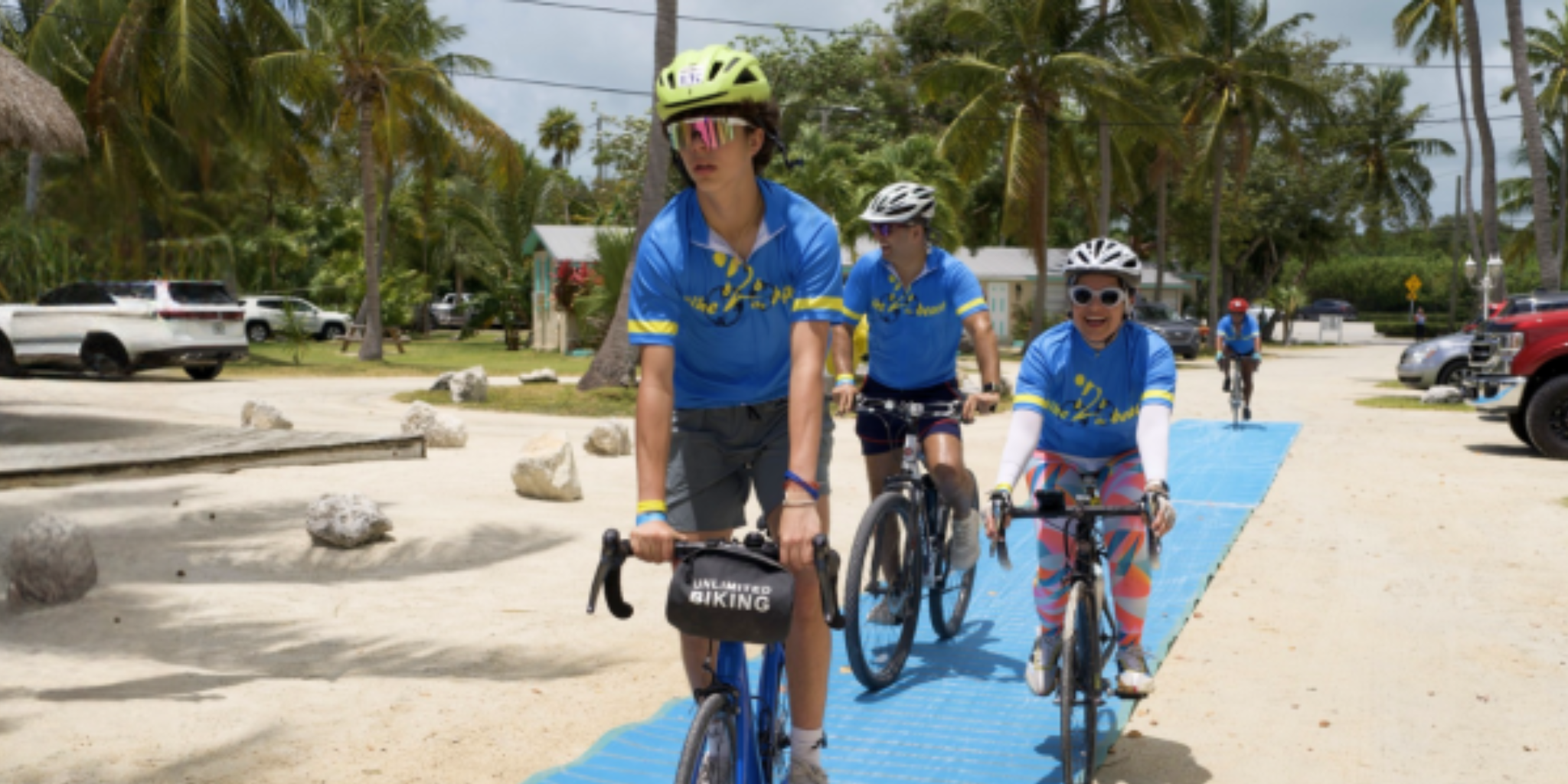
How to Rent a Bike for Your Next Charity Ride
Find out how a bike rental charity can help you join a charity ride with ease. Get practical tips for renting the right bike and making your ride count.

You’re ready to ride for a cause you believe in. The passion is there, but maybe the perfect bike isn’t. Don’t let that stop you. A charity ride is about community impact, not expensive equipment. A great bike rental charity program removes that one big barrier, so you can focus on what’s important: your mission. Instead of worrying about logistics, you can pour your energy into fundraising and sharing your story. It ensures your journey is all about the cause, letting you fully embrace the powerful experience of riding for change.
Key Takeaways
- Focus on the cause, not the gear: Renting a bike is a practical and affordable choice that removes the barriers of cost, maintenance, and travel, letting you put your energy into what matters most: your training and fundraising.
- Book early and confirm the details: Reserve your bike as soon as you register for the event to get the best selection, and be sure to clarify the pickup and return logistics with the rental shop for a stress-free ride day.
- Prioritize a proper fit and a final check: Work with the rental shop to get a bike that is correctly sized for you, which is crucial for comfort, and always perform a quick safety check of the tires, brakes, and gears before you ride.
Why Rent a Bike for Your Charity Ride?
Thinking about joining a charity ride but don’t have a bike? That’s a common thought, and it shouldn’t stop you. You absolutely don’t need to own a high-end road bike to be part of the Bike to the Beach community. In fact, renting a bike is an excellent and popular choice for many of our riders, from first-timers to seasoned cyclists who are traveling for the event. It’s a simple, practical way to get you to the starting line without the commitment of a big purchase. For many, the idea of buying a bike is the biggest hurdle to signing up. Renting removes that barrier completely, making our rides more accessible and ensuring that anyone who wants to support our mission can join the journey.
This approach allows you to test the waters of distance cycling in a fully supported, fun environment. You get all the excitement and fulfillment of the event without the pressure of a long-term investment in gear. It levels the playing field, so your passion for the cause is the only prerequisite you need. By choosing to rent, you can channel your resources and energy into what truly matters: your training, your fundraising, and the incredible experience of riding alongside a community dedicated to making a difference. Let’s explore why renting might be the perfect fit for you.
Renting vs. Buying: A Smarter Choice for Your Ride
Let’s be direct: a quality road bike is a significant investment, often costing thousands of dollars. If you’re new to cycling or aren’t ready for that financial commitment, renting is a fantastic solution. For a fraction of the cost of buying, you can use a great bike for the event and return it when you’re done. This gives you the flexibility to participate without a long-term obligation. It’s the perfect way to try out distance cycling and see if it’s for you. By renting, you can invest your energy into why we bike in the first place: supporting our local autism and disability communities.
Ride a Pro-Level Bike Without the Price Tag
Worried that your old mountain bike won’t cut it for a 100-mile ride? That’s a common concern, and renting solves it completely. Bike rental shops offer well-maintained, modern road bikes designed for distance and efficiency. This means you get to ride a high-performance machine that’s perfectly suited for the event, giving you a safer and more enjoyable experience. You don’t have to wonder if your equipment is up to the task. Instead, you can confidently join one of our New England rides knowing you have reliable, professional-grade gear to carry you to the finish line. It’s all about removing barriers so anyone can participate.
No Tune-Ups, No Clutter: The Perks of Renting
One of the best parts about renting is that you get all the benefits of a great bike with none of the responsibilities. Bike ownership comes with the ongoing tasks of tune-ups, repairs, cleaning, and finding a place to store it. When you rent, the shop takes care of all the maintenance for you. You’ll receive a bike that’s in top condition, professionally inspected, and ready to ride, giving you valuable peace of mind on event day. After you cross the finish line, you simply return it. No need to find space in your garage or worry about your next tune-up. You can find more helpful tips on The Bike to the Beach Blog to prepare for your ride.
Traveling for Your Ride? Renting Makes It Easy
If you’re traveling to join one of our rides, renting a bike locally is a game-changer. Trying to fly with your own bike is a major hassle. It involves finding a bike box, partially disassembling and reassembling your bike, paying expensive baggage fees, and risking shipping damage. Renting allows you to skip all of that stress. You can reserve a bike online and pick it up when you arrive in town. This is an especially great option for our destination events, like the Florida rides. It simplifies your travel logistics so you can arrive relaxed, refreshed, and ready to make a difference.
Exploring the World of Bike Charities
When you join a charity ride, you become part of a much larger ecosystem of giving that revolves around the simple power of a bicycle. While Bike to the Beach is focused on empowering local autism and disability communities, it’s inspiring to see the many different ways organizations use bikes to create positive change. From providing essential transportation to growing the sport of cycling, these charities showcase the incredible versatility of two wheels. Understanding this landscape not only enriches your own experience as a rider but also connects you to a global movement of people making a difference, one bike at a time. It’s a powerful reminder that every ride, no matter the cause, contributes to a culture of health, mobility, and community support.
The Impact of Giving on Two Wheels
At its core, every bike charity is about creating connections—linking people to opportunities, to their communities, and to each other. The impact of this work is twofold. First, these organizations are instrumental in growing the cycling community by making it more accessible and inclusive. They break down barriers that might prevent someone from participating, whether it’s the cost of a bike or a lack of confidence. Second, and just as powerfully, many bike charities focus on providing essential transportation. For countless individuals, a bicycle isn’t just for recreation; it’s a critical tool that connects them to education, employment, and healthcare, offering a tangible path toward independence and a brighter future.
Growing the Cycling Community
One of the most direct ways bike charities make an impact is by bringing more people into the cycling world. Organizations like the former non-profit Bicycle Angels were founded on this very idea, lending road bikes to people who wanted to participate in charity events but didn’t have the right equipment. This approach removes a huge barrier to entry, ensuring that passion for a cause is the only prerequisite for joining. It fosters a more inclusive and diverse community of riders, where everyone feels welcome to contribute. This spirit is exactly what fuels our rides, from the scenic routes in the DC, Maryland, and Virginia area to the shores of New York.
Providing Essential Transportation
Beyond the world of charity events, bicycles serve a fundamental role as a vehicle for opportunity. Groups like the Silicon Valley Bicycle Exchange refurbish donated bikes and give them to community members who need reliable transportation. On a global scale, organizations such as World Bicycle Relief provide specially designed, heavy-duty bicycles to people in developing countries, helping them get to school, visit health clinics, and deliver goods to market. These initiatives demonstrate the profound impact a bicycle can have, transforming it from a simple machine into a tool for economic empowerment, independence, and access to essential services for people around the world.
Types of Bike Charities and How They Work
Just as there are many reasons to ride, there are many ways for bike charities to operate. Each organization develops a unique model tailored to the community it serves and the specific problems it aims to solve. Some focus on lending high-performance gear for fundraising events, while others are dedicated to collecting, repairing, and distributing bikes to those in need. There are also global organizations working on large-scale mobility solutions and local non-profits managing community bike-share programs. Understanding these different approaches reveals the creativity and resourcefulness within the cycling community and highlights the many avenues available for getting involved and making a difference.
Free Bike Loans for Fundraisers
The model of lending bikes for charity events is a game-changer for fundraisers. By providing free access to quality road bikes, organizations make it possible for anyone to sign up and start raising money for a cause they care about, regardless of whether they own a suitable bike. This approach directly supports the fundraising efforts of other non-profits, creating a ripple effect of positive impact. It ensures that the focus remains on the mission, allowing participants to channel their energy into training and advocacy. This spirit of removing obstacles is central to why we bike—it’s about empowering people to support their communities.
Donation and Refurbishment Programs
A popular and effective model for bike charities involves collecting used bicycles from the community, repairing them, and donating them to individuals in need. These programs are often powered by dedicated volunteers who generously give their time and mechanical skills to bring old bikes back to life. This hands-on approach not only provides essential transportation but also promotes sustainability by keeping bikes out of landfills. It’s a perfect example of a community coming together to support its own, using shared resources and collective action to create tangible, positive change for neighbors who can benefit most from the gift of mobility.
Global Aid Organizations
While many bike charities focus on local impact, others operate on a global scale to address systemic transportation challenges in developing nations. These large-scale organizations often partner with international aid groups and local governments to distribute thousands of bikes in targeted regions. Their work is typically focused on providing durable, purpose-built bicycles that can withstand rough terrain and carry heavy loads, empowering students, healthcare workers, and entrepreneurs. This approach highlights the universal power of the bicycle as a tool for progress, capable of transforming lives and communities by conquering the challenge of distance.
Non-Profit Community Bike Shares
A more modern approach to bike-based charity is the non-profit bike-share model. Organizations like PikeRide in Colorado Springs operate local bike-share systems as a public service, providing affordable and accessible transportation for residents and visitors alike. By running as a non-profit, they can prioritize community needs over profits, offering subsidized memberships and placing stations in underserved neighborhoods. This model uses technology and a service-oriented approach to make cycling a convenient and integrated part of a city’s transportation network, promoting health, reducing traffic congestion, and ensuring equitable access to mobility for everyone.
How Do Bike Rentals Work for Charity Events?
Renting a bike for a charity ride is a fantastic way to join the fun without the commitment of owning a high-performance bicycle. The process is usually simple, but a little planning goes a long way in making sure your ride day is smooth, comfortable, and focused on the mission. Most local bike shops are familiar with big community events and often have streamlined processes for participants, so don’t hesitate to ask questions.
The key is to think through the logistics ahead of time. You’ll want to book your bike well in advance, see if any local partners offer discounts, and get crystal clear on the pickup and drop-off plan. If you’re riding with a group, coordinating your rentals can make things even easier for everyone. Getting these details sorted out early means you can spend less time worrying about gear and more time connecting with the community and focusing on why we bike. From finding the right fit to understanding the rental agreement, a little preparation ensures you can roll up to the start line feeling confident and ready to make a difference. Let’s walk through the steps to get you set up for success.
Secure Your Ride: Why You Should Book Early
Procrastination is not your friend when it comes to bike rentals. Popular charity rides draw a lot of participants, and rental bikes, especially in specific sizes, can get booked up quickly. The best time to reserve your bike is right after you register for your ride. This gives you the best selection and peace of mind. Many rental services require you to pick up your bike the day before the event, which is actually a huge plus. This gives you a chance to take it for a short spin, make sure the seat height is right, and get a feel for the brakes and gears. A last-minute pickup on ride morning can add unnecessary stress to an already early start.
How to Find Discounts for Charity Bike Rentals
It’s always worth asking if your rental shop offers a discount for charity ride participants. Many local businesses love to support community causes and may offer a special rate for riders. Some organizations even have official partnerships that make renting easier and more affordable. For example, some fitness studios or cycling groups create special programs to help local charities raise money. At Bike to the Beach, we’re proud to work with incredible community sponsors, so be sure to check if any of them have deals for our riders. A quick phone call or email to a local shop is all it takes to see if you can save a little on your rental.
Making Pickup and Return a Breeze
Logistics are everything, especially for a point-to-point ride that starts in one place and ends in another. Before you book, confirm the exact pickup and return details with the rental company. Will you need to pick it up from their shop? Do they offer delivery to the start line? What’s the plan for getting the bike back to them after you cross the finish line? Some companies offer special event services, like transporting the bike from the finish line for you, but this is rarely a default option. Understanding the full plan will help you arrange your transportation and avoid any ride-day surprises. If you have questions about logistics for a specific Bike to the Beach ride, just ask.
Riding with a Team? How to Rent Together
Riding with a team is one of the best parts of a charity event, and renting as a group can make the experience even better. Designate one person, like your team captain, to reach out to a local bike shop and inquire about a group rental. Not only might you get a group discount, but you can also coordinate your pickup and return times to make it easier on everyone. This approach helps remove a major barrier to entry for teammates who don’t own a suitable bike, making it easier for them to join the team and contribute to your fundraising goals. When everyone has reliable gear, the whole team can focus on riding together and celebrating at the finish line.
How to Choose the Right Bike Rental Service
Finding the right bike rental can make all the difference on ride day. A great rental service provides more than just a bike; they offer peace of mind, quality equipment, and the support you need to cross the finish line with a smile. When you’re riding for a cause, the last thing you want to worry about is your gear. By asking the right questions and doing a little research, you can find a local shop that sets you up for success and makes your charity ride experience smooth and memorable. Let’s walk through the key things to look for.
What to Look for in a Quality Rental Bike
Your safety and enjoyment depend on a reliable bike. When you’re looking at rental options, don’t be shy about asking about their fleet. A reputable shop will be proud to tell you about their bike maintenance schedule and the quality of their equipment. It’s essential to find a service that provides well-maintained bikes to ensure your ride is safe and fun. Ask if they perform a safety check on every bike before it goes out. A well-cared-for bike from a trusted brand means you can focus on pedaling and soaking in the experience, not on whether your brakes are working.
What’s Included in Your Bike Rental Fee?
No one likes surprise fees, so get clear on the total cost upfront. Be sure to clarify what the rental price includes. Does it come with a helmet, a lock, or a flat repair kit? These small essentials can add up if they aren’t part of the package. Many local bike shops are community-minded and may offer special pricing or packages for charity events. It’s always worth asking if they have a discount for Bike to the Beach riders or if they are an official service provider partner. This can sometimes save you money and simplify your logistics.
Know the Rules: Pickup and Return Policies
Logistics can make or break your ride-day morning. Most rental services will require you to pick up your bike the day before the event, which is actually a huge advantage. This gives you time to get familiar with the bike, adjust the seat height, and take it for a quick spin. Confirm the exact pickup and return times and locations. Will you need to bring it back to the shop, or do they offer a convenient drop-off near the finish line? Understanding the event logistics ahead of time helps you plan your schedule and ensures a stress-free start to your ride.
What Are Other Riders Saying?
A shop’s reputation can tell you a lot about the experience you’ll have. Before you book, take a few minutes to read online reviews and testimonials. Past riders can offer honest insight into a rental service’s reliability and customer support. Look for comments about the condition of the bikes and the helpfulness of the staff. A shop with glowing reviews is likely to provide excellent service and support you if any issues come up. Choosing a well-regarded local business means you’re not just renting a bike; you’re gaining a support team for your ride.
What Type of Bike Should You Rent?
Choosing the right bike is a key step in preparing for your ride. The best bike for you depends on your experience, comfort, and personal goals for the day. Whether you’re aiming for a personal best or simply want to enjoy the scenic route with your community, there’s a rental option that will fit your needs perfectly. Let’s look at a few common types of bikes you can rent for your Bike to the Beach ride.
Is a Road Bike Right for Your Charity Ride?
If you’re an experienced cyclist or someone who wants to focus on speed and efficiency, a road bike is an excellent choice. These bikes are lightweight and built with thinner tires and a forward-leaning riding position to help you cut through the wind and cover long distances on paved roads with less effort. Renting a road bike is a great way to use high-performance equipment without the investment. Because they are designed for pavement, they are ideal for a fully supported, long-distance charity ride. Just be sure you’re comfortable with the more aggressive posture before committing to it for the entire day.
Need Comfort? Consider a Hybrid Bike
A hybrid bike is a fantastic all-around option, especially for new riders or anyone who prioritizes comfort. As the name suggests, it combines features from road and mountain bikes. You’ll get a more upright and relaxed riding position, wider tires for better stability, and a comfortable saddle. This setup is much more forgiving on your back and shoulders over a long ride. While our routes are paved, a hybrid’s versatility makes it a dependable and enjoyable choice. Renting allows you to try different types of bikes, and a hybrid is a safe bet for a fun, comfortable ride from start to finish.
Could an E-Bike Help You Cross the Finish Line?
E-bikes are a game-changer for making cycling accessible to everyone. An e-bike is a standard bicycle equipped with a small motor to provide a pedal-assisted push when you need it. It’s not a motorcycle; you still have to pedal, but the motor gives you an extra bit of power to get up hills or keep pace with your team. This is a perfect option if you’re worried about the distance, recovering from an injury, or just want to conserve energy to fully enjoy the experience. E-bikes ensure that anyone who shares our commitment to the cause can join the ride and cross the finish line with a smile.
Don’t Skip This Step: Why Bike Fit Is Crucial
No matter which type of bike you choose, the single most important factor is getting the right fit. The right bike can make or break your charity ride experience, and a poor fit can lead to discomfort, pain, or even injury. When you rent, the shop staff should help you adjust the saddle height, handlebar position, and other components to match your body. A proper bike fit ensures you can pedal efficiently and comfortably for miles. Don’t be shy about asking for adjustments. A well-fitted bike will feel like a natural extension of your body, letting you focus on the ride and the community around you.
How to Prepare for Your Ride Day
With your rental bike secured, it’s time to focus on the final preparations for a great ride. A little planning goes a long way toward ensuring you feel confident, safe, and ready to enjoy every mile of your journey. Taking a few simple steps before the event will help you manage any pre-ride jitters and focus on what truly matters: the community, the cause, and the incredible experience ahead. Think of it as a final checklist to set yourself up for success.
Get to Know Your Rental Before the Big Day
One of the best things you can do is pick up your rental bike the day before the ride. This gives you a chance to get acquainted with it without the pressure of the early morning start line. Take a few minutes to adjust the seat to the right height, test the brakes, and run through the gears. Every bike feels a little different, and this extra time helps you build muscle memory. Getting comfortable beforehand means you can start your Bike to the Beach ride feeling relaxed and in control.
Your Pre-Ride Safety Gear Checklist
Safety is always the top priority. Before you ride, make sure you have all the essential gear ready to go. While your rental may come with some basics, it’s your responsibility to ensure you’re fully equipped.
Here’s what you should have:
- A properly fitted helmet: This is non-negotiable for protecting your head.
- Protective glasses: They shield your eyes from sun, wind, and debris.
- Cycling gloves: These improve your grip and add comfort for your hands over long distances.
- Reflectors and lights: Even for a daytime ride, lights make you more visible to others.
Having the right cycling apparel and accessories not only keeps you safe but also makes the ride more comfortable and enjoyable.
The 5-Minute Pre-Ride Bike Check
You don’t need to be a bike mechanic to do a quick, effective safety check. Before you head out, take two minutes to look over your rental. First, check the tire pressure; they should feel firm to the touch. Squeeze both brake levers to make sure they engage properly and feel responsive. Finally, lift the back wheel and pedal with your hand to see if the chain moves smoothly through the gears. This simple once-over can catch any minor issues before they become a problem on the road, giving you peace of mind as you start your ride.
Go for a Quick Practice Ride
After you’ve picked up your bike and checked your gear, take it for a short practice spin around the block. A 10-minute ride is all you need to confirm that everything feels right. This is your chance to make any final seat adjustments and get a real feel for how the bike handles. It helps eliminate any surprises on ride day, so you can feel totally prepared and ready to focus on the finish line. This quick test ride solidifies your confidence and ensures you and your rental bike are ready to roll together.
Your Game Plan for a Smooth Rental Experience
Once you’ve found the perfect rental bike, it’s time to sort out the day-of details. Thinking through the logistics now will save you from any last-minute stress, freeing you up to focus on the ride and the incredible community you’re supporting. A little preparation ensures a smooth, fun, and impactful experience from the start line to the beach. Let’s walk through the key steps to make sure you’re all set for the big day.
Finalize Your Pickup and Return Plan
Timing is everything when it comes to your rental. Most rental services and events, including our Bike to the Beach rides, require you to pick up your bike the day before the event. This is a huge advantage, as it gives you time to get comfortable, make any final seat adjustments, and attach your own gear without rushing on ride morning. Confirm the exact pickup location and hours with the rental shop. Also, ask about the return process. Will you drop the bike off at the finish line, or will you need to bring it back to the shop? Knowing the plan ahead of time makes the post-ride celebration that much sweeter.
What to Pack for Your Charity Ride
While the bike is the star of the show, your personal gear is just as important for a comfortable ride. First and foremost, you must have a helmet. It’s non-negotiable for safety. Beyond that, you’ll want to pack a few key items to bring with you.
- Water bottles: Make sure they fit the bottle cages on your rental bike.
- Padded bike shorts: These make a world of difference for long-distance comfort.
- Your pedals or saddle: If you prefer using your own, bring them to the pickup.
- Nutrition: Pack your favorite snacks and hydration mixes.
Many rental packages include a flat repair kit, but it’s always a good idea to confirm. You can also find great ride day gear at our official Bike to the Beach shop.
How Will You Transport Your Rental Bike?
Getting your rental bike to the start line is a key piece of the puzzle. If you pick it up the day before, you’ll need a safe place to store it overnight, like a hotel room or a friend’s garage. You’ll also need a plan for getting it to the event. Does your car have a bike rack, or can the bike fit inside? If not, you may need to coordinate with a teammate or arrange for a larger vehicle. This is where the convenience of renting really shines; you only have to think about short-term transport and storage, not a long-term commitment. It’s all part of the journey and the story of why we bike.
Keep the Rental Shop’s Number Handy
Being prepared helps you ride with confidence. Before you leave the rental shop, save their phone number in your contacts. Ask them what their on-road support policy is in case you run into a mechanical issue that’s beyond a simple fix. While Bike to the Beach is a fully supported ride with mechanics and support vehicles along the route, it’s always smart to have a backup plan. Keep the event’s main contact information handy as well. Having this information ready means you can handle any unexpected bumps in the road and get back to enjoying the ride. For any registration questions, you can always find help through our tech support page.
Bike Rental Myths, Busted!
Let’s clear up a few common misconceptions about renting a bike for a charity ride. Understanding the reality behind these myths can help you make a confident decision and simplify your event preparation, letting you focus on the ride and the community you’re supporting.
Myth #1: “Buying a bike is always cheaper.”
While it might seem like a better long-term investment, buying a bike isn’t always the most budget-friendly choice for a single event. When you factor in the initial cost, plus maintenance and accessories, the numbers add up quickly. For comparison, renting a quality bike for a day or weekend is a fraction of the purchase price. In fact, while renting might cost between $50 and $150, buying a new bike can easily run from $1,000 to over $10,000. If you’re not ready for that commitment or don’t plan to cycle regularly, renting is a smart and economical way to participate.
Myth #2: “You can just pick up your rental on ride day.”
Waiting until the morning of the ride to get your bike is a recipe for stress. Most rental services and event organizers have specific pickup schedules to ensure everything runs smoothly. In many cases, events require you to pick up your rental bike the day before the ride. This gives you crucial time to get familiar with the bike, make any final adjustments to the seat height, and attach your own gear like water bottles or a bike computer. Always confirm the pickup logistics with your rental provider well in advance so you can arrive at the starting line feeling prepared and relaxed.
Myth #3: “Rental bikes are low quality.”
It’s easy to worry that a rental bike won’t perform as well as one you own, but reputable rental companies pride themselves on their fleets. Many services that partner with charity events understand that a positive riding experience is key to a successful fundraiser. They provide well-maintained, high-quality bikes suited for the event’s terrain and distance. Organizations have found that providing a quality bike loan can remove a major barrier to fundraising for participants. These companies want you to have a great, safe ride, and their equipment reflects that commitment.
How to Support Bike Charities (Even Without Riding)
The energy of a charity ride extends far beyond the cyclists. It’s a community-wide effort, and you don’t need to pedal 100 miles to be a vital part of the mission. Whether you’re cheering from the sidelines or helping behind the scenes, your support is what fuels the entire event. There are so many meaningful ways to contribute that don’t involve a bike at all. If you’re passionate about supporting local autism and disability communities but aren’t ready to ride, your time, skills, and generosity can still make a massive impact. Every successful ride is powered by a dedicated network of supporters who believe in the cause. Let’s explore a few powerful ways you can get involved and be part of the movement.
Volunteering Your Time and Skills
Volunteers are the heart and soul of any charity ride. They’re the friendly faces at the registration table, the encouraging voices at the rest stops, and the cheering crowd at the finish line. Events like Bike to the Beach simply couldn’t happen without them. By offering your time, you can make a significant impact on the success of the ride and the experience of every participant. Whether you’re helping with setup, managing a water station, or handing out medals, you’re directly contributing to a day of purpose and celebration. It’s a fantastic way to immerse yourself in the event’s energy and see the community in action. If you want to get involved, contact us to learn about volunteer opportunities.
Donating Used Bicycles and Parts
One of the biggest barriers for new riders is not having the right equipment. You can help solve that problem by donating a used bicycle or parts to an organization that refurbishes them for others. Charities like the Silicon Valley Bicycle Exchange accept donations and give them a new life, often providing them to community members or lending them to people participating in fundraisers. While Bike to the Beach doesn’t accept bike donations directly, supporting a local bike co-op is an incredible way to grow the cycling community and empower future riders to join causes they care about. Your old bike could be the key that allows someone else to start their own charity ride journey.
Making a Financial Donation
A financial contribution is one of the most direct and powerful ways to support the mission. Every dollar helps fund the programs and services that our local partners provide to families impacted by autism and other disabilities. What makes Bike to the Beach special is that the funds you raise stay right in your community. When you donate to a ride in New England or Florida, you’re strengthening local organizations that serve your neighbors. Your donation, no matter the size, helps facilitate a ride that raises crucial funds and awareness. It’s a clear, tangible way to stand with your community and support the powerful reason why we bike.
What to Do with an Unwanted Bicycle
Have an old bike collecting dust in your garage? Before you haul it to the curb, consider giving it a new purpose. An unwanted bicycle doesn’t have to end up in a landfill. With a little effort, you can turn it into a valuable resource for someone in your community or ensure it’s disposed of responsibly. Whether it’s a kid’s bike that’s been outgrown or a road bike you’ve since upgraded, that old set of wheels has the potential to make a real difference. It’s a simple way to declutter your space while contributing to a good cause or a healthier planet.
Donating to a Local Charity
The best thing you can do with a bike you no longer need is to donate it. Many local charities and bike co-ops accept used bicycles, fix them up, and give them to people who need reliable transportation or want to get into cycling. Donating your bike is a fantastic way to pay it forward, as it can remove a major financial barrier for someone who wants to participate in a charity ride or simply needs a way to get to work. A quick online search for a “bike co-op” or “bicycle donation program” in your area can help you find a great local organization that will put your old bike to good use.
Finding a Recycling Center
If your bike is truly at the end of its life and beyond repair, recycling is the most responsible option. Bicycles are made of metal and other materials that can be recovered and reused, keeping them out of the waste stream. Many local recycling centers or scrap metal facilities have programs for accepting old bikes. According to World Bicycle Relief, a global bicycle charity, recycling ensures that your old bike is disposed of in an environmentally friendly way. Check with your local waste management service to find the best way to recycle your bike and its parts in your community.
Connect Your Ride to Your Fundraising Goal
Your charity ride is more than just a physical challenge; it’s a powerful platform for creating change. While you’re training your body for the miles ahead, it’s just as important to prepare your fundraising strategy. This is where the heart of the event truly lies. Every dollar you raise directly supports local autism and disability communities, making your fundraising efforts a core part of the experience. When you connect your personal story to your fundraising, you do more than just ask for donations; you invite people into your journey and give them a chance to be part of a mission that matters.
Think of your fundraising page as the story of your ride. It’s where your physical commitment and your personal passion meet. This is your space to share what this cause means to you and why you’ve chosen to dedicate your time and energy to it. Even the practical details, like renting a bike, can become a compelling part of your narrative. It shows your resourcefulness and dedication to participating, proving that you don’t need to be a seasoned cyclist with expensive gear to make a difference. Your commitment is what inspires people. Let’s explore how you can effectively share your story and turn your ride into a successful fundraising journey that creates lasting local impact.
Tell Your Story: Why This Ride Matters
Your “why” is the heart of your fundraiser. It’s the personal story that connects you to this cause and inspires others to contribute. Take some time to think about what motivated you to sign up. Are you riding for a family member, a friend, or to support the incredible work of our local partners? Your reason is powerful, so don’t hesitate to share it. Even the decision to rent a bike can be a compelling part of your narrative. It shows you’re dedicated to participating and making a difference, even if you don’t own a road bike. Sharing this detail makes your commitment clear and your story even more relatable. Your personal connection is what makes this more than just a bike ride; it’s a statement of support. You can find more inspiration by reading about why we bike.
How to Ask for Donations Authentically
Once you know your “why,” it’s time to share it. Weaving your personal story into your fundraising requests transforms a simple ask for money into a heartfelt invitation. When you update your fundraising page, write from the heart. Explain what this ride means to you and who you’re riding for. Use your social media posts and emails to share snippets of your journey, from training rides to why you chose this cause. When people understand your personal investment, they feel more connected to the mission. Instead of just donating to an organization, they’re supporting you and your effort to make a tangible impact in your community. This personal touch helps build momentum and encourages your network to rally behind you.
Get Your Community Involved in Your Ride
Think beyond your immediate circle of friends and family. Your local community is full of potential supporters who want to make a difference right where they live. Reach out to local businesses, restaurants, or shops you frequent and ask if they’d be willing to sponsor your ride. Many companies also have corporate matching programs that can double your donations. Frame your request as a partnership. By supporting you, they are investing in their own community and gaining visibility as a socially responsible business. You can offer to wear their logo on your jersey or give them a shout-out on social media. This approach aligns perfectly with our mission to keep funds local and strengthen community ties. Learn more about how businesses can become a sponsor.
Create Connections on the Course
Your fundraising efforts culminate on ride day, but the community you’ve built will last much longer. Keep your donors involved by sharing updates as the event gets closer. On the day of the ride, post photos from the starting line, rest stops, and the finish line celebration. Let them see the energy and spirit they helped create. After the ride, send a heartfelt thank you to every single person who contributed. Share your final fundraising total and remind them of the incredible local impact they’ve made possible. By closing the loop, you make your supporters feel valued and part of the team. They didn’t just give money; they fueled a movement, and they were with you every mile of the way to the beach.
Related Articles
- Cycle Routes for Charity: The Ultimate Guide
- Bike Fundraising Events: Your Step-by-Step Guide
- Ride for a Cause: A Charity Cycling Event for Disabilities
- Bike to the Beach Blog: Events, Sponsors, Community Impact
Frequently Asked Questions
What if I have a bike, but I’m not sure it’s good enough for a long-distance ride? That’s a very common question. While you can technically ride any bike, using one designed for distance, like a road or hybrid bike, will make your experience much safer and more enjoyable. Renting gives you access to a professionally maintained, high-performance bike that’s perfectly suited for the route. This way, you can focus on the ride itself, not on whether your old bike can handle the miles.
How far in advance should I reserve my rental bike? You should book your rental as soon as you register for the ride. For popular events like ours, quality rental bikes in common sizes get reserved very quickly. Booking early guarantees you get the right bike for your height and riding style, and it’s one less thing to worry about as you focus on your training and fundraising.
What happens if my rental bike has a mechanical problem during the ride? First, know that reputable rental shops maintain their bikes meticulously to prevent issues. Before you leave the shop, save their contact number. If a problem does occur, Bike to the Beach is a fully supported ride with support vehicles and mechanics along the route who can help with most common issues, like a flat tire. You will not be left stranded.
What essentials should I expect with my rental, and what do I need to bring myself? This varies by shop, so you should always ask. Most rentals will include the bike and sometimes a flat repair kit. You will almost always need to provide your own helmet, water bottles, and cycling apparel like padded shorts. If you have your own pedals or a specific saddle you love, most shops are happy to install them for you when you pick up the bike.
I’m new to cycling. What type of bike should I rent to be comfortable? For new riders or those who prioritize comfort over speed, a hybrid bike is a fantastic choice. It offers a more upright riding position, which is easier on your back and shoulders, and provides great stability. If you’re concerned about the distance, consider an e-bike. It provides a pedal-assisted boost that can help you conquer hills and keep pace, ensuring you have a fun and positive experience.