

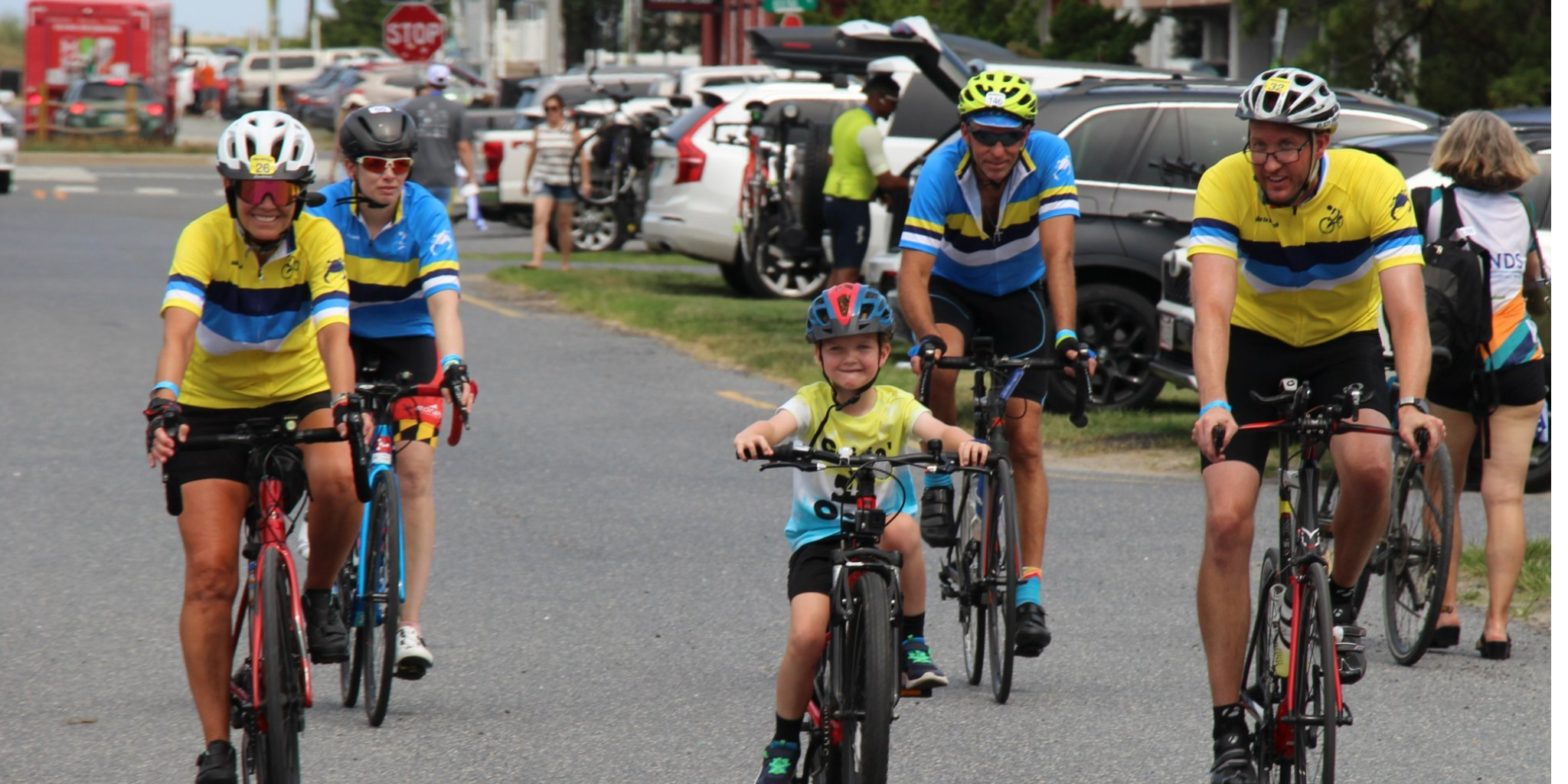
The Complete Guide to Fundraising for Charity Cycling
Plan your next event with these 8 actionable steps for fundraising for charity cycling and create a memorable, community-driven bicycle fundraiser.

A bike ride fundraiser offers something other events can’t: a unique blend of adventure, endurance, and community spirit. It’s an event that attracts everyone, from serious cyclists to families looking for a fun day out. The energy of a bikeathon fundraiser is infectious, creating incredible memories and powerful photo opportunities. If you want to rally support for your cause, this guide is for you. We’ll share our best event planning tips for cyclists and cover the essentials of fundraising for charity cycling, helping you create a standout event that inspires generosity.
For event logistics, see our bike-a-thon fundraiser organizer guide.
Key Takeaways
- Start with a solid plan by setting clear goals and handling logistics early: A successful ride depends on a specific fundraising target, a safe route, and a reliable volunteer team. Securing permits and planning logistics well in advance creates a smooth experience for everyone.
- Empower your riders to become fundraising champions: Give participants the tools they need to succeed, including easy-to-use fundraising pages and social media templates. Encouraging them to share their personal connection to the cause is the most effective way to inspire donations.
- Create an unforgettable experience to keep people coming back: Go beyond the ride itself with creative themes, engaging activities, and a fun post-ride celebration. A focus on safety and listening to participant feedback builds a loyal community that returns year after year.
What Is a Bikeathon Fundraiser?
A bicycle fundraiser is a powerful way to combine a physical challenge with community impact. Think of it like a walkathon or a charity run, but on two wheels. Participants sign up to ride a specific route and raise money for a cause they care about. It’s an incredible opportunity to get active, connect with like-minded people, and make a tangible difference. More than just a bike ride, it’s a moving community of individuals pedaling toward a common goal, creating a unique energy you can feel from the starting line to the finish.
These events are designed to be inclusive, welcoming cyclists of all skill levels, from seasoned riders to families looking for a fun weekend activity. The focus isn’t on speed or competition; it’s on participation and collective effort. You’ll find people on road bikes, hybrids, and even tandems, all sharing the same path. Each person contributes by riding and fundraising, creating a ripple effect of support that extends far beyond the finish line. At Bike to the Beach, every mile you pedal helps fund local programs for autism and other disABILITIES, showing exactly why we bike. It’s a perfect example of how a simple bike ride can transform into a significant force for good in your own community.
The Growing Impact of Charity Cycling
How Big is the Movement?
Charity bike rides have become a serious force for good, and the numbers are pretty amazing. This isn’t just a niche hobby; it’s a powerful movement. To give you an idea of the scale, dozens of rides across the country now raise over $1 million each. Some events generate staggering amounts, like the Pan-Mass Challenge, which brought in an incredible $63 million for cancer research in a single weekend. This trend of cause-related cycling shows the massive potential that unfolds when a community gets behind a mission on two wheels. It’s proof that pedaling together can generate real, substantial support for the causes that matter most.
But the impact goes way beyond the dollar signs. What makes these events so special is the unique blend of personal challenge and collective purpose. You get to be active, push your limits, and connect with hundreds of other people who care about the same things you do. It’s a powerful feeling to be part of something bigger than yourself, where every person—from the cyclists to the volunteers and donors—is contributing to a shared goal. Events like our ride from DC to Maryland are built on this idea, turning individual effort into a wave of community action. It’s about finding adventure and pedaling with a purpose, all while making a tangible difference right where you live.
How Your Bike Ride Raises Money
The heart of a bicycle fundraiser is its peer-to-peer model. When you register, you’re not just signing up to ride; you’re becoming an advocate for the cause. Most events have a registration fee that covers event costs and a fundraising minimum, which is a commitment to raise a certain amount of money. This structure ensures that your effort directly supports the mission. You’ll get a personal fundraising page to share with friends, family, and colleagues. They can donate directly to your page, cheering you on as you get closer to your goal. It’s a team effort where your community helps you make an impact.
Choose Your Charity Ride Style
Charity bike rides come in many forms, but they all share the same spirit of purpose-driven movement. The most common is a destination ride, where everyone follows a planned, supported route from a starting point to a celebratory finish line. These events, like our rides to the beach, create an amazing sense of shared accomplishment. Some organizations also offer virtual rides, allowing you to participate from anywhere by tracking your own miles. Choosing a bike ride over a more common 5K run helps your cause stand out and offers a unique, memorable experience for everyone involved.
Virtual and Alternative Ride Formats
Life is busy, and not everyone can make it to a specific event on a specific day. That’s where virtual rides come in. This flexible format lets anyone, anywhere, join your cause. Participants can ride on their own schedule—on a local bike path, a stationary bike at home, or even by logging miles over a week or a month. They still get a personal fundraising page and become part of the community, just without the travel. It’s a fantastic way to include people who live far away or have conflicting schedules. This approach ensures that everyone who wants to contribute has a way to participate, embodying the true spirit of purpose-driven movement. You can also get creative with hybrid models, where local riders follow a suggested route on their own time, meeting up for a casual finish-line celebration.
Set Clear Goals for Your Bike Ride Fundraiser
Every successful fundraiser starts with a clear destination in mind. Before you plan the route or recruit riders, you need to know what you’re working toward. Setting clear, specific goals gives your event direction and provides a powerful source of motivation for you, your team, and your participants. It transforms a simple bike ride into a shared mission that everyone can get behind.
Think of your goals as the blueprint for your event. They should be specific and measurable, covering a few key areas. The most obvious is your financial target: how much money do you want to raise? But great goals go further. Consider setting targets for participation, like recruiting 100 riders or signing up 15 corporate teams. You might also have awareness goals, such as getting featured in a local news outlet or reaching a certain number of people on social media. Defining these targets from the start helps you focus your energy where it matters most.
These goals are more than just numbers on a page; they are the “why” behind every pedal stroke and every dollar raised. They give your riders a compelling story to share when they ask for donations and help your community understand the tangible impact they can make. A clear objective helps you measure your success and build momentum, creating a sense of shared accomplishment as you hit key milestones. Taking the time to define your targets and connect them to a meaningful cause will build a strong foundation for everything that follows.
How Much Do You Want to Raise?
First, decide what success looks like for your event. Are you aiming to raise a specific amount of money, like $10,000 for a local program? Or is your goal to bring 50 new supporters into your community? A specific, measurable fundraising target gives everyone a finish line to strive for. Many charity rides, including ours, set a fundraising minimum for each participant. This is the base amount each rider commits to raising. It’s a great way to break down a large overall goal into manageable pieces, empowering every individual to see their direct contribution to the collective effort.
Find a Cause That Inspires Your Community
The most powerful fundraisers are fueled by passion. Choosing a cause that resonates with you and your community creates a genuine connection that inspires action. While you can create an event from scratch, the easiest way to make an impact is to join an organized ride hosted by a nonprofit. This lets you focus on riding and fundraising while the organization handles the logistics. At Bike to the Beach, our rides support local autism and disability partners in your area. When you join one of our New England rides, for example, the funds you raise stay right in your community, helping families and individuals close to home.
Supporting a Wide Range of Causes
While our passion at Bike to the Beach is supporting the autism and disability community, the bicycle fundraiser model is incredibly flexible. You can adapt it to champion almost any cause, from funding local animal shelters to supporting arts education or environmental conservation. The real magic happens when you bring people together for a shared purpose, and a bike ride offers a healthy, engaging way to create that connection. It’s a platform for advocacy that gets your community moving—literally and figuratively—for the issues they care about. This unique experience helps your mission stand out from typical fundraisers and gives every participant a powerful story to share, which is the core of why we bike.
Your Event Planning Checklist for a Successful Ride
Once you have your goals in place, it’s time to build the foundation for your event. The logistics you handle now will directly shape the experience for your riders, volunteers, and donors on event day. A well-planned ride feels seamless, safe, and fun, allowing everyone to focus on the mission. From choosing a scenic route to assembling a reliable team, these next steps are where your vision starts to become a reality. Let’s walk through the key elements of a successful ride plan.
Select a Safe and Scenic Route
Your route is the centerpiece of your event, so choose one that is both inspiring and safe. Think about whether you want a point-to-point ride, like our charity rides to the beach, or a looped course in a park. A great way to welcome cyclists of all abilities is to offer different distances, giving everyone a chance to participate. Before finalizing your choice, ride the route yourself. Check for potential hazards, heavy traffic, and road conditions. Make sure you have permission to use any private trails or roads and plan where you’ll place rest stops with water and supplies. A safe, well-marked, and beautiful course makes for an unforgettable experience.
Secure the Necessary Permits and Insurance
This step is all about making your event official and protecting everyone involved. Nearly all public events require permits from local authorities, so contact your city or county officials early to understand the process. You may need permits for road closures, park usage, or public gatherings. At the same time, you’ll need to secure event insurance. This is non-negotiable, as it covers liability for your organization, participants, and volunteers. While organizing an independent ride takes more effort than joining an established one, handling these details properly ensures a safe and legitimate event that builds trust in your community.
Choose Your Date and Plan Your Timeline
Choosing the right date is key to maximizing participation. Check the community calendar for conflicting events like festivals or other large fundraisers, and consider the season and typical weather patterns. Once your date is set, work backward to create a planning timeline. You’ll want to start promoting your bikeathon at least three to four months in advance to give riders plenty of time to register, train, and fundraise. Your timeline should include key deadlines for securing sponsors, ordering supplies like T-shirts, and recruiting volunteers. A clear timeline keeps your team on track and helps build steady momentum leading up to ride day.
Build a Strong Volunteer Team
A charity ride is powered by its people, and a dedicated volunteer team is your greatest asset. Start by identifying all the roles you’ll need to fill, from pre-event planning and promotion to day-of tasks like rider check-in, managing rest stops, and cheering at the finish line. Reach out to local community groups, schools, and corporate partners to recruit enthusiastic helpers. Make sure every volunteer knows their specific responsibilities and feels valued as part of the team. Your volunteers are not just helping hands; they are ambassadors for your cause who help create a positive and supportive atmosphere for everyone.
How to Empower Your Riders to Fundraise
Your riders are the heart and soul of your fundraising efforts. Their passion for the cause is what inspires friends, family, and community members to give. The most successful charity rides don’t just sign up participants; they empower them as active fundraisers. Your role is to give them the tools, confidence, and support they need to share their stories and reach their goals.
When people feel equipped and motivated, they can turn their personal cycling challenge into a powerful movement for your cause. The key is to make fundraising feel approachable, personal, and impactful. By providing clear guidance and easy-to-use resources, you can help every rider, from first-timers to seasoned pros, become a fundraising champion.
Share Peer-to-Peer Fundraising Strategies
Peer-to-peer fundraising is a simple but powerful model where participants share individual fundraising pages with their personal networks. It’s about friends asking friends for support, which makes the connection to the cause feel genuine and direct. Start by encouraging your riders to personalize their approach. The most compelling reason for someone to donate is hearing the personal story of why we bike.
Provide your riders with simple email and social media templates they can customize. Suggest they kickstart their own page with a self-donation to show their commitment. Remind them that every donation, no matter the size, contributes to the collective goal and makes a real difference.
Set Up Fundraising Pages Immediately
The moment you register for the ride is the best time to set up your personal fundraising page. Don’t wait! The sooner your page is live, the more time you have to connect with potential donors and build momentum. Think of your page as your personal mission hub. Use it to share your story—why are you riding? Who are you riding for? Add photos and post regular updates on your training and fundraising progress. This personal touch helps your friends and family feel connected to your journey and the cause. Our platform makes it simple to get started, but if you ever need a hand, our tech support team is here to help you out.
Encourage Employer Matching Gifts
Here’s a fundraising strategy that many people overlook: employer matching gifts. A lot of companies have programs that match their employees’ charitable donations, effectively doubling the impact of a gift at no extra cost to the donor. Encourage your supporters to ask their HR department if their company offers a matching gift program. It’s a simple question that can make a huge difference for your fundraising goal. This is also a great way to get your workplace involved. If your company is looking for more ways to support the community, they might even be interested in becoming an official event sponsor.
Host Mini-Fundraising Events
Take your fundraising offline by hosting a small event. This is a fantastic way to engage your local community and share your passion in person. Play to your strengths and interests. If you’re a great baker, host a bake sale. If you love trivia, organize a charity trivia night at a local pub. Other ideas include a car wash, a garage sale where proceeds go to your ride, or even a simple dinner party with friends where you share your story. These mini-events create a fun, social atmosphere for giving and help you reach people who may not be active on social media. For more inspiration, check out our blog for stories from other riders.
Use Modern Payment Methods
When you’re collecting donations in person at your mini-events or just talking about your ride with friends, be ready for the fact that many people don’t carry cash anymore. Make it incredibly easy for them to donate on the spot by using modern payment methods. You can create a QR code that links directly to your personal fundraising page—people can scan it with their phones and donate in seconds. You can also accept donations through apps like Venmo or PayPal, and then transfer the funds to your fundraising page yourself. The easier you make it to give, the more support you’re likely to receive for your Florida ride or any of our other events.
Maximize Donations by Covering Fees
Here’s a pro-tip for making sure every dollar goes as far as possible. Most online fundraising platforms have a small transaction fee to cover credit card processing costs. It’s a standard part of online giving. Many platforms, including ours, give donors the option to cover this small fee in addition to their donation. When you’re sharing your page, you can gently mention this option. It ensures that 100% of their intended donation goes directly to supporting the mission. It’s a small gesture that shows a deep commitment to the cause and reinforces why we bike: to make the biggest impact possible for individuals with autism and other disABILITIES.
Encourage Social Media Fundraising
Social media is an incredible tool for spreading the word far beyond a rider’s immediate circle. Make it easy for your participants to share their journey online. Create a unique event hashtag and provide a toolkit with shareable graphics, photos, and key messages about your cause. This ensures consistent branding and makes posting quick and simple.
Encourage riders to post regular updates on their training and fundraising progress. A photo from a weekend training ride or a thank-you post for a recent donor can keep their network engaged. Suggest they use features like Instagram Stories or Facebook Live to share their story in a more personal way and make a direct appeal for support for their charity ride.
Design Fundraising Pages That Tell a Story
A rider’s fundraising page is their digital home base for the event. It’s where their story lives and where donations happen, so it needs to be engaging and easy to use. The best fundraising platforms allow riders to customize their pages. Encourage them to replace the default text with their personal story and upload a clear, friendly photo of themselves. A personalized page builds a stronger connection with potential donors.
Ensure the page clearly displays their fundraising goal and a progress bar, which can motivate people to help them reach the finish line. The donation process should be simple, secure, and mobile-friendly. If riders need help, direct them to a clear resource page for tech support to make the process seamless.
Provide Rider Preparation Resources
Helping your riders feel confident and prepared for the physical challenge is just as important as helping them fundraise. For many, a charity ride is their first endurance event, and the thought of cycling a long distance can be intimidating. By providing clear, accessible resources on training, gear, and nutrition, you demystify the process and show them that they have a supportive community behind them every step of the way. This support not only ensures a safer and more enjoyable ride day but also strengthens the bond between your participants and your cause, making them feel truly cared for as part of the team.
Offer Training Plans and Support
A structured training plan can make all the difference, turning a daunting goal into a series of achievable steps. Provide your riders with sample training plans for different skill levels, from beginner to advanced. Encourage them to find a training plan that fits their schedule and to start small. The key is consistency, not intensity. Remind them to fit training into their daily life, like cycling to work or taking a longer, scenic route on the weekend. Offering group training rides is another fantastic way to build community and keep motivation high. When riders train together, they build camaraderie that lasts all the way to the finish line.
Share Essential Gear and Bike Prep Tips
Nothing ruins a ride faster than a mechanical issue or uncomfortable gear. Help your riders avoid common pitfalls by providing an essential gear checklist. Emphasize that they don’t need the most expensive equipment, just reliable gear that works for them. Before the event, every rider should get their bike serviced by a professional to ensure it’s in safe, working order. When it comes to clothing, comfort is key. Advise them to wear comfortable, moisture-wicking clothes and to always check the recommended packing list. Having the right gear, like a helmet and padded shorts, makes the ride safer and much more enjoyable.
Provide Nutrition and Hydration Guidance
Proper fueling is crucial for endurance. Many first-time riders underestimate how much energy cycling burns. Provide simple guidelines on what to eat and drink before, during, and after a ride. For one-day rides, energy gels and snacks can be effective, but it’s vital to practice using them during training to see how your body reacts. It’s also important to let riders know what to expect on event day. At Bike to the Beach, our routes are fully supported with rest stops that are stocked with water, sports drinks, and plenty of food. Highlighting this benefit shows riders that you’ll be there to support their nutrition and hydration needs from start to finish.
Find and Secure Local Sponsors
Empower your riders to think beyond individual donations by approaching local businesses. Many small businesses are deeply invested in their communities and are looking for meaningful ways to give back. Encourage participants to reach out to places they already support, like their favorite coffee shop, gym, or local bike store.
Provide a simple letter template they can adapt to explain the event, the cause, and the benefits of sponsorship. This could include placing the business’s logo on their team jersey or event signage. Offering different sponsorship levels makes it accessible for businesses of all sizes to contribute. This approach not only raises more funds but also strengthens community ties and helps you find your next great event sponsor.
Creative Ideas for an Unforgettable Bike Ride Fundraiser
A successful charity ride is about more than just the miles. It’s about creating a shared experience that connects people to your cause and to each other. When you add fun, creative elements to your event, you give participants more reasons to show up, fundraise with passion, and come back year after year. These ideas help transform a simple bike ride into a memorable community celebration that people will be talking about long after they cross the finish line.
Think about what makes an event special. It’s the small details, the moments of connection, and the feeling that you’re part of something bigger than yourself. By incorporating themes, challenges, and celebrations, you build a stronger sense of community and give everyone a chance to contribute in their own way. These touches don’t just make the day more enjoyable; they also create powerful stories and visuals that you can share to attract future riders, donors, and sponsors.
Add Fun with Themes and Costumes
A great theme can instantly make your ride more engaging and festive. Encourage riders and teams to get creative with costumes and bike decorations that align with your chosen theme. You could try a superhero ride, a retro 80s theme, or something that ties directly into your cause. Themes create incredible photo opportunities that light up social media and show potential participants how much fun your event is.
Since many charity events are walks or runs, a bike ride already helps you stand out. Adding a theme makes it even more distinct. Consider offering awards for the best individual costume, best team theme, and most creative bike decoration. This friendly competition inspires participation and helps build camaraderie among riders before they even start pedaling.
Challenge Your Riders and Reward Milestones
Not everyone is ready for a 100-mile ride, and that’s perfectly okay. By offering multiple distance options, you make your event accessible to cyclists of all skill levels, from families with young kids to seasoned athletes. This inclusive approach allows more people to join and support your cause. At Bike to the Beach, we offer several route lengths for this very reason, ensuring everyone has a way to participate.
You can also motivate your participants by setting fundraising challenges with milestone rewards. When riders hit certain fundraising goals, they can earn exclusive event gear like a custom jersey, water bottle, or hat. This approach gamifies the fundraising process and gives people tangible goals to work toward. It’s a fantastic way to recognize their hard work and show your appreciation for their commitment to the mission you all share.
Keep the Energy High with Activities and Entertainment
Keep the energy high from the starting line to the finish with engaging activities along the route. Well-stocked and cheerful rest stops are essential, but you can make them even better with music, photo backdrops, or even a bubble machine. These small touches give riders a mental and physical break while creating a fun, supportive atmosphere that keeps them going.
Think about entertainment at the start and finish lines, too. A local DJ or band can create a celebratory vibe that gets everyone excited. You could also partner with local businesses to offer pre-ride coffee or post-ride snacks. These collaborations not only enhance the rider experience but also deepen your event’s connection to the local community, creating a win-win for everyone involved.
Finish Strong with a Post-Ride Celebration
The ride might be over, but the celebration is just beginning. The finish line should feel like a huge accomplishment, so plan a post-ride party to honor everyone’s hard work. A finish line festival with food trucks, music, and family-friendly games is the perfect way to thank your riders, volunteers, and donors. It gives everyone a chance to connect, share stories from the road, and celebrate what you’ve achieved together.
This celebration is also a prime opportunity for your sponsors and community partners to engage with participants. By creating a fun and relaxed environment, you provide real value to the organizations that support your event. A memorable finish line experience ensures everyone leaves on a high note and looks forward to joining you again next year.
How to Market Your Charity Cycling Event
Once your ride has a solid plan, it’s time to share your story and invite people to join you. Marketing your fundraiser is all about building a community around your cause. It’s your chance to connect with riders, volunteers, and donors by showing them the incredible impact they can make. A great marketing strategy doesn’t just fill registration spots; it creates a movement that people are excited to be a part of, from the first promotional post to the finish line celebration.
Your goal is to make it easy for people to find you, get excited about your mission, and sign up to participate. By spreading the word effectively, you’ll attract a dedicated group of supporters who are ready to pedal for a purpose and help you reach your fundraising goals. Let’s get into how you can build that buzz and get your community rolling.
Start Building Buzz in Your Community
Start promoting your bikeathon as early as possible to give people plenty of time to get excited, sign up, and start fundraising. Use every channel available to you: set up a simple event page on your website, send out announcements to your email list, and start posting on social media. Don’t forget the power of physical promotion, either. Simple flyers at local coffee shops, community centers, and libraries can catch the eye of potential participants. Make sure all your materials clearly feature a link or QR code that takes people directly to your registration page. The fewer clicks it takes to sign up, the better.
Team Up with Local Cycling Groups
You don’t have to build your audience from scratch. Connect with people who are already passionate about cycling by partnering with local groups and businesses. Reach out to area bike shops, fitness centers, and cycling clubs to see if they’ll help spread the word. Many are happy to support a great cause that aligns with their customers’ interests. You can also connect with community organizations and local businesses to explore sponsorship opportunities. These partnerships build credibility and extend your reach into new networks, bringing in riders and supporters who are already active in your community.
Craft Your Message and Promotional Materials
Your message is the heart of your marketing. It should be clear, compelling, and focused on the “why” behind your ride. What cause are you supporting? Who will benefit from the funds you raise? Share powerful stories and statistics that connect people emotionally to your mission. Create a simple digital toolkit for your registered riders with sample social media posts, images, and email templates they can use for their own fundraising. This empowers them to become your best ambassadors. Your messaging should consistently reflect the purpose and passion that inspired you to organize the ride in the first place, just like our community shares why we bike.
Spread the Word on Social Media
Social media is a powerful tool for creating a sense of community and excitement around your event. Create a unique hashtag for your ride and encourage everyone to use it. Share photos from your route, introduce your volunteer team, and post regular updates on fundraising progress to keep the momentum going. Spotlight your riders and their personal stories to inspire others and show the real-world impact of your cause. Make it easy for participants to share their personal fundraising pages on their own social channels, and be sure to thank donors and partners publicly. This creates a positive, interactive environment that makes everyone feel like part of the team.
Prioritizing a Smooth and Safe Event
A successful charity ride is a safe one. When your participants feel supported, they can focus on the ride and the reason they’re fundraising. Putting solid systems in place for registration and on-the-road safety builds trust and ensures everyone has a positive experience. A smooth event is one people will want to return to year after year, helping build a strong community around your cause.
Set Up a Hassle-Free Registration Process
Your registration process is the first interaction with your event, so make it simple. Use an online platform where participants can register and sign waivers in a few clicks, and be sure to collect emergency contacts. A clear system helps your team stay organized and makes a great first impression. If you need help managing your details, you can always reach out for tech support to keep things running smoothly.
Put Safety First with a Solid First-Aid Plan
Nothing is more important than your participants’ well-being. Plan safety measures with care, starting with a marked route and clear rules, like wearing a helmet. Have volunteers with first-aid training at rest stops and a designated medical tent. Support and Gear (SAG) vehicles are also essential for on-route assistance. When riders know you have their back, they can pedal with confidence. This focus on support is a core part of why we bike.
Be Prepared: How to Plan for Any Weather
Weather is unpredictable, so a contingency plan is a must. Decide how you’ll handle conditions like heavy rain or extreme heat, which could mean a rain date or a modified route. Communicate this plan clearly on your event website and through email updates. When participants know you’re prepared, it builds confidence and shows you value their safety. You can see examples of this on our New England ride page.
Your Guide to Event Day Logistics
Great day-of coordination brings your plan to life. Arrive early to set up check-in stations and rest stops. Create an efficient check-in process to get riders their bibs and packets, confirming waivers are signed. Before the ride, hold a briefing to go over the route and safety reminders. Make sure every volunteer knows their role. Smooth logistics create a positive energy for the entire day. If you’re interested in helping out, you can always contact us to learn about volunteer opportunities.
Common Bikeathon Challenges (And How to Solve Them)
Every great event comes with a few hurdles. The key is to anticipate them so you can focus on the fun, not the friction. From tangled logistics to keeping riders motivated, here’s how to handle the most common challenges in bicycle fundraising and ensure your event is a success.
Challenge: Overcoming Planning Hurdles
The ride doesn’t end at the finish line. Think through the entire experience, including how riders and their bikes will get home safely. A detailed logistics plan is the foundation for a smooth event. Consider everything from support vehicles and rest stop placements to clear route markings. Proper planning prevents day-of headaches and shows participants you’ve got their backs. When riders feel supported and safe, they can focus on what matters: the ride and the cause.
Challenge: Getting the Word Out
Getting the word out requires creativity and community outreach. Since a bikeathon is a unique fundraiser, you can position your event to stand out from a typical charity walk or run. Encourage riders to be rolling billboards with signs on their bikes explaining the cause. Ask local coffee shops, libraries, and bike stores to display posters. Building relationships with local businesses helps with promotion and can lead to sponsorships, creating a network of support around your event.
Challenge: Keeping Your Riders Engaged
Fundraising is a marathon, not a sprint. Keep riders motivated by giving them the tools they need to succeed, like easy-to-use personal fundraising pages and email templates. Regular communication is also key. Send encouraging messages with fundraising tips, share progress updates, and highlight rider stories. And don’t forget the power of a simple thank you. Acknowledging their hard work after the event helps build a loyal community that will be excited to ride with you again next year.
Challenge: Handling Fundraising Minimums
Fundraising minimums can feel intimidating, so clear communication is essential. Be upfront about the registration fee and the separate fundraising goal. Explain that these minimums enable the event to make a significant impact on your cause. Most riders are motivated by the mission and appreciate understanding how their efforts translate into real support. Transparency builds trust and ensures everyone is on the same page, working toward a shared fundraising goal.
Measure Your Impact and Plan Your Next Event
Once the last cyclist crosses the finish line and the celebration winds down, your work isn’t quite over. This is your chance to turn a great event into a lasting tradition. Taking time to review your performance, listen to your community, and plan ahead will set you up for an even more impactful ride next year. Think of it as the final, crucial leg of the journey, one that ensures your fundraiser continues to grow and support your cause.
How to Track Your Fundraising Success
Start by looking at your results. Did you hit your fundraising target? More importantly, how did you get there? Dive into the data to see which fundraising channels were most effective and which teams or individuals brought in the most donations. Identifying what went well helps you create a repeatable strategy. Maybe your social media campaign was a huge hit, or perhaps a few key corporate sponsors made all the difference. Understanding these successes is the first step to building on them for your next event.
Collect Feedback to Improve Your Next Ride
Your community is your greatest asset, so find out what they thought about the ride. Send a simple post-event survey to riders, volunteers, and donors asking for their honest feedback. What did they love? What could be improved? This input is invaluable for refining the experience. Just as important is showing your gratitude. A heartfelt and personal thank-you message goes a long way in making people feel valued and excited to return. Acknowledging everyone’s contribution reinforces the community spirit that makes these events so special.
Strengthen Your Community Post-Event
The ride is done and the money is counted, but the work of building your community is just hitting its stride. The energy from event day is a powerful force, and now is the time to channel it into lasting relationships. This follow-through is what separates a one-time event from a sustainable movement. By communicating your gratitude and sharing the tangible results of everyone’s hard work, you close the loop and give every participant, volunteer, and donor a reason to stay connected. This is how you build a loyal base of supporters who are already excited for next year’s ride.
Thank Your Volunteers and Partners
Your volunteers and partners are the backbone of your event, and a sincere thank you is the most important follow-up you can do. A heartfelt and personal thank-you message goes a long way in making people feel valued and excited to return. Go beyond a generic email blast. Send personalized notes, give them a public shout-out on your social media channels, and highlight the specific contributions they made. When people feel seen and appreciated, they don’t just feel good; they feel like an essential part of the team. This simple act of gratitude is your best tool for building a dedicated crew that will show up for you year after year. It’s how you find your next great service provider partner.
Follow Up with Donors and Share Results
Your donors and sponsors are invested in your mission, and it’s your job to show them the return on that investment. Tell your sponsors how the ride went and share how their money will help the charity. Send a final impact report to all supporters that includes the total amount raised, vibrant photos from the event, and a clear story of what their contributions will accomplish. Sharing the impact of their contributions reinforces the connection between donors and the cause, making them more likely to support future events. This transparency shows respect for their generosity and proves that their support is about more than just a dollar amount—it’s about the real-world change you’re creating together, which is exactly why we bike.
Keep the Momentum Going for Next Year
Don’t let the energy fade. Use the post-ride buzz to start building excitement for next year. Share photos, videos, and stories from the event on your website and social media channels. Highlight the total amount raised and celebrate the collective impact your community made. Bikeathons make fantastic annual fundraisers, and a smart strategy will help you make each year’s ride more successful than the last. Announce the date for your next event as soon as you can, and open an early-bird registration to keep your dedicated supporters engaged and ready to ride again.
Related Articles
- How to Plan a Successful Corporate Team Charity Ride
- Cycle Routes for Charity: The Ultimate Guide
- Bike Fundraising Events: Your Step-by-Step Guide
Frequently Asked Questions
What if I’m not a serious cyclist? Can I still organize or join a charity ride? Absolutely. Charity bike rides are all about community and participation, not speed or experience. Most events, including ours, offer multiple route distances to welcome everyone from families on their first ride to seasoned cyclists. The focus is on the shared goal of supporting a cause. If you’re organizing, this inclusive mindset is key to attracting a wide range of participants. If you’re riding, just know you’ll be in great company with people of all skill levels.
How do I choose the right fundraising minimum for my riders? Setting a fundraising minimum can feel tricky, but the goal is to find a balance between making a real impact and keeping the event accessible. A good starting point is to calculate your event’s basic costs per rider and then add the amount you want to go directly to the cause. Look at what similar charity events in your area require. It’s better to set a realistic, achievable goal that empowers your riders rather than an intimidating one that might discourage them from signing up.
What’s the single most important thing to get right for a first-time event? If you have to focus on one thing, make it the rider experience. This covers everything from a safe, well-marked route to cheerful volunteers and well-stocked rest stops. When your participants feel supported, safe, and appreciated, they can focus on the ride and the mission. A positive experience is what turns a first-time rider into a lifelong supporter who comes back year after year.
I’m worried about asking my friends and family for money. Do you have any advice? This is a completely normal feeling, but try to reframe your thinking. You aren’t asking for money for yourself; you are inviting people to join you in supporting a cause you care about deeply. The most effective way to fundraise is to share your personal story. Explain why this cause matters to you and what their support will help accomplish. People give to people, and your passion is the most powerful tool you have.
Is it better to start my own ride or join an established one like Bike to the Beach? Starting your own ride gives you complete creative control, but it also means handling all the logistics, from securing permits and insurance to planning the route. Joining an established event like Bike to the Beach allows you to focus on the fun parts: riding, building a team, and fundraising for a cause you love. The organization handles all the background work, so you can plug into a well-supported event with a built-in community from day one.