

Nonprofit Sponsorship Renewal Strategy Guide
Build a nonprofit sponsorship renewal strategy around shared goals, impact reporting, steady stewardship, sponsor feedback, and clear next steps for renewal.
Renewal is not a single conversation at the end of an event season. It is the result of steady stewardship: shared expectations, timely updates, honest impact reporting, and enough space for a sponsor to say what is working and what needs to change.
A nonprofit sponsorship renewal strategy is a practical plan for helping an existing partnership stay useful, aligned, and ready for its next chapter. It connects sponsor goals with nonprofit outcomes, documents what the partnership delivered, and turns feedback into clear next steps rather than treating renewal as an automatic yes.
Start a nonprofit sponsorship conversation with Bike to the Beach
That lifecycle perspective matters because strong partnerships need ongoing governance, not just an agreement and a logo placement. A peer-reviewed study of nonprofit partnerships offers a useful framework for assessing how relationships are sustained over time. Start by defining what renewal is meant to protect, improve, and make possible for the communities your organization serves.
What Is a Nonprofit Sponsorship Renewal Strategy?
A nonprofit sponsorship renewal strategy is a planned process for helping current sponsors understand the partnership’s value, strengthening the relationship through renewal conversations, and inviting continued support. It connects stewardship, shared goals, impact updates, feedback, and timely renewal decisions. The focus is not simply on asking for another contribution. It is on making the partnership useful, clear, and aligned for both the nonprofit and the sponsor.
Renewal begins after an existing sponsorship is active. Your team follows through on agreed benefits, shares relevant progress, checks whether the partnership still fits the sponsor’s priorities, and creates space for an honest conversation about what should continue or change. A renewal plan may also identify risks early, such as an unclear decision-maker, benefits that no longer fit, or a sponsor whose business priorities have shifted.
This work is different from sponsor acquisition and package creation. Acquisition is about finding and approaching organizations that may be a good fit. Package creation defines the benefits and opportunities you offer before a sponsor commits. Renewal strategy starts with a relationship already in motion and asks how to steward it responsibly over time. If you are still building the initial offer, see this guide to build an event sponsorship package. If you are setting expectations with an existing partner, a nonprofit partnership agreement can help document the working relationship.
A lifecycle perspective is useful here. Peer-reviewed research on nonprofit partnerships describes assessing partnerships across a partnering life cycle, which supports treating renewal as an ongoing relationship process rather than a single annual transaction (read the partnership lifecycle study). In practice, that means your renewal strategy should begin well before the renewal request, with consistent stewardship and credible communication about shared work.
How Can Shared Goals Strengthen a Renewal Plan?
A renewal conversation should begin with alignment, not an ask. Before discussing next year’s budget, revisit what the sponsor hoped to accomplish, what the nonprofit set out to deliver, and what the partnership made possible for the people and communities you serve. A partnership lifecycle approach can help both sides assess whether the relationship remains sustainable, rather than treating renewal as an automatic annual transaction (research on nonprofit partnership sustainability).
Ask the sponsor to describe its current priorities in plain language. Those priorities may include employee engagement, community visibility, customer connection, or support for a cause that matches the company’s values. Then compare them with the nonprofit’s current outcomes and mission. A company focused on environmental sustainability, for example, may be a stronger fit for a conservation effort than for a partnership with no meaningful connection to that goal. The point is not to force a perfect match. It is to identify genuine overlap and be honest about gaps.
Review the audience value on both sides. Who did the partnership reach? Which communities did the nonprofit serve? What did the sponsor contribute beyond funding, such as volunteers, expertise, equipment, or promotion? Also ask what the sponsor expected to receive and whether those responsibilities were clear. If a commitment was missed, name it early and agree on how to address it.
Use the discussion to separate mission fit from wishful thinking. A sponsor may value the cause but need a different activation model, audience, or reporting rhythm. The nonprofit may need clearer boundaries around brand use, accessibility, or staff capacity. Document sponsor partnership expectations so the next term reflects the responsibilities, outcomes, and communication practices both parties can realistically support.
End with a shared question: what would make the next partnership period useful, credible, and aligned for everyone involved? That answer gives the renewal conversation a stronger foundation than a standard package or a repeated request.
How Can a Stewardship Cadence Prevent Surprises?
A reliable stewardship rhythm keeps the partnership visible between major asks. It also gives both teams a chance to adjust when event plans, audience needs, or organizational capacity change. Research on nonprofit fundraising resilience describes organizations developing alternative approaches when normal revenue conditions shift, which is a useful reminder to build flexibility into your own plan. Read the nonprofit resilience research for broader context.
- Before the event, confirm the shared plan. Assign one owner on each side and review the sponsor’s goals, agreed benefits, key messages, accessibility needs, and approval process. Confirm what the nonprofit will deliver, what the sponsor will provide, and where a decision is still open. A short written recap prevents assumptions from becoming last-minute surprises.
- During the event, communicate what is happening. Share practical updates through the agreed channel, especially when a schedule, activation, recognition detail, or partner responsibility changes. Keep the focus on useful information rather than sending noise. If an issue affects the sponsor’s experience, name it promptly, explain the next step, and record who owns the follow-up.
- After the event, close the loop while details are fresh. Thank the sponsor specifically, gather observations from staff and volunteers, and collect the evidence needed for an honest impact conversation. Include what was delivered, what participants experienced, and what could be improved. Your guide to follow up after a charity ride can help shape the post-event relationship work.
- Between events, keep the relationship active. Share relevant progress rather than waiting until renewal season. Bring the right internal voices into the conversation, including board members when they can contribute meaningfully. See how to involve nonprofit boards in fundraising without making the sponsor repeat information to multiple people.
This cadence makes renewal a continuation of good partnership management, not a surprise request for another commitment.
How Can Fulfillment Become a Clear Impact Story?
A fulfillment report should help a sponsor see the connection between its support and the people, programs, and places it helped reach. It does not need to claim that one contribution caused every outcome. Instead, show the chain of evidence honestly: what the partnership made possible, who participated, what partners observed, and what you are still learning.
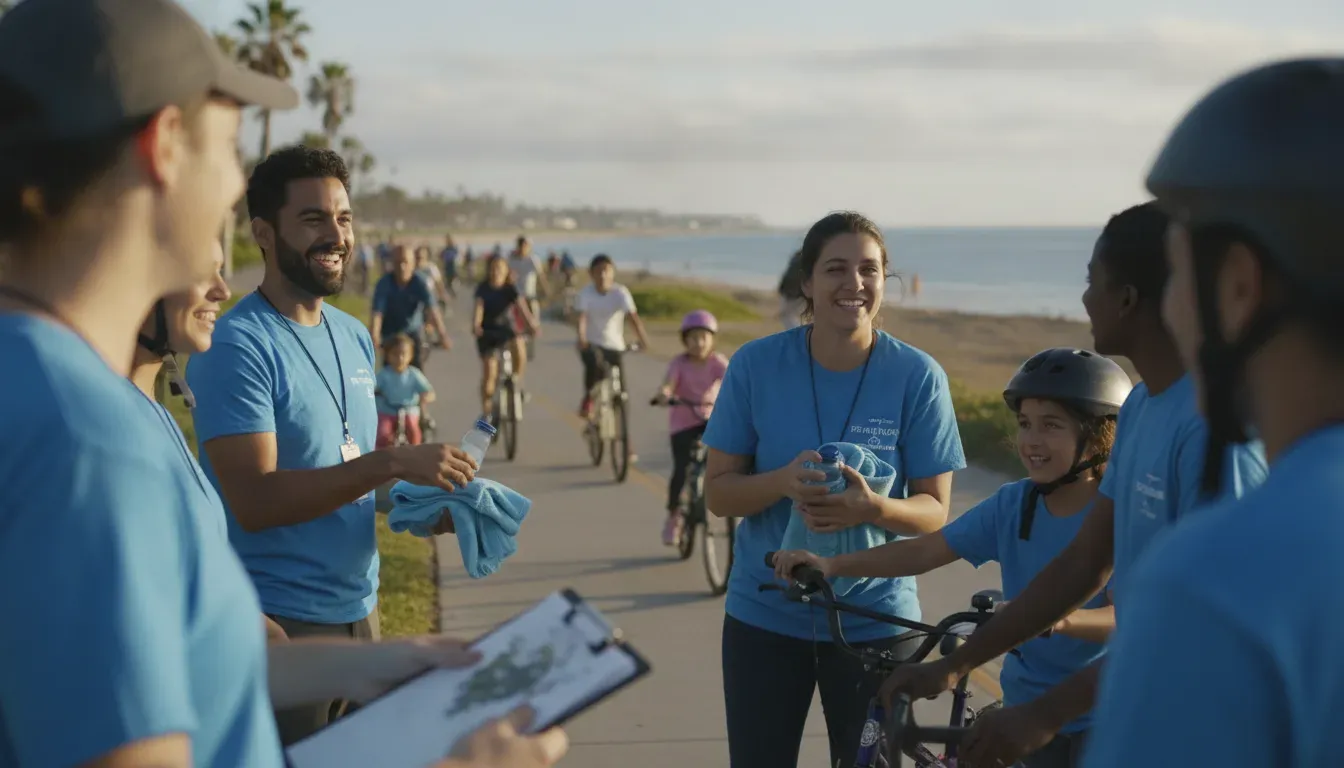
Build the report around five kinds of evidence
- Outputs: Describe the activities completed, funds distributed, programs supported, or equipment provided. Keep the language specific, and separate confirmed outputs from goals.
- Partner evidence: Include a short statement, case study, or staff observation from the local organization involved. Bike to the Beach documentation may include partner testimonials, program photos or video, participant statements, and beneficiary-staff feedback.
- Human stories: Give people space to describe their own experiences. With permission, a participant or family story can add meaning that a spreadsheet cannot. Use respectful language and avoid presenting people with autism or disabilities as symbols of gratitude.
- Visual proof: Add relevant photos from programs or community activities, with consent and descriptive captions. A clear caption should explain what readers are seeing without overstating its significance.
- Limits and next steps: Name what the report does not measure yet, then explain how you plan to improve collection or follow-up. Transparency makes the next renewal conversation more credible.
Adaptability matters when circumstances change. An academic study of nonprofit fundraisers during the COVID-19 pandemic describes organizations developing alternative ways to generate income after revenue dropped. That context supports planning for flexibility, not claiming a particular sponsorship result. Read the resilience study for that broader perspective.
For a practical structure, use these nonprofit sponsorship impact reports as a starting point, then tailor the questions to the sponsor’s shared goals and the evidence your partners can verify.
How Should You Review Benefits and Improve the Partnership?
A renewal conversation should examine more than whether promised benefits were delivered. It should ask whether the partnership still supports the sponsor’s priorities, gives the nonprofit useful resources, and creates a clear experience for the communities both organizations serve. Reviewing the relationship together makes it easier to adjust the next cycle with honesty and purpose.
Use the review below as a conversation guide. Before the meeting, gather the agreement, activation notes, attendance or engagement records, approved stories, and feedback from the people who managed the partnership. If the original offer needs refinement, the guide to how to build an event sponsorship package can help connect benefits to partner goals without treating every sponsor the same.
| Sponsor need | Nonprofit response | Evidence to collect | Renewal question |
|---|---|---|---|
| Employee engagement and team connection. | Offer clear ways for employees to ride, volunteer, fundraise, or participate as a group. | Participation notes, team feedback, volunteer observations, and approved photos. | Which activities felt most meaningful, and what would make participation easier next time? |
| Visible community alignment. | Explain the local mission, partner role, and limits of what the sponsorship supported. | Partner updates, program stories, testimonials, and links to published impact information. | What community outcome would you like to understand more clearly? |
| Reliable recognition and communication. | Confirm approved acknowledgments, deadlines, contacts, and decision responsibilities. | Delivery checklist, communications log, event materials, and sponsor feedback. | Where did communication work well, and where should the process change? |
| Deeper community participation. | Explore ways to engage nonprofit partners in fundraising with appropriate support. | Partner feedback, fundraiser activity, participation stories, and documented next steps. | Would a broader community role strengthen the partnership’s purpose? |
Close the review by recording the changes both sides accept. A strong nonprofit sponsorship renewal strategy does not promise everything; it creates a shared, workable plan for the next season.
When Should a Nonprofit Start the Renewal Conversation?
There is no universal number of days before an agreement ends when every nonprofit should ask for renewal. A stronger nonprofit sponsorship renewal strategy watches for signals that the partnership is ready for a useful conversation.
Start when you have a clear story about what was delivered, when the sponsor has shared feedback, or when either organization is planning its next season or budget. Other useful triggers include a change in the sponsor’s marketing priorities, a new nonprofit program, an upcoming event milestone, or a benefit that no longer fits the audience. Do not wait for the final administrative deadline if the partnership needs decisions, approvals, or revised expectations.
Renewal is also different from acquisition. A renewal conversation begins with an existing relationship: review what both sides intended, what happened, and what should change. Acquisition starts by determining whether a prospective sponsor is a fit and introducing the opportunity. If you are still building a prospect list, use this guide to find new corporate nonprofit sponsors; do not treat a new-business pitch as a substitute for stewardship.
Use a simple agenda for the renewal meeting
- Reconnect with shared goals: Confirm what the sponsor hoped to accomplish and what your nonprofit needed from the partnership.
- Review the year: Discuss completed benefits, participation, community touchpoints, and the evidence or stories that make the work tangible. Name gaps plainly rather than hiding them.
- Invite feedback: Ask what was useful, what felt difficult, and what the sponsor would change. Listen for shifts in audience, timing, staff capacity, or brand priorities.
- Shape the next term: Agree on the outcomes, responsibilities, benefits, communication cadence, and decision-makers that should guide the next cycle.
- Confirm next steps: Set owners and dates for a revised proposal, internal approvals, and the renewal decision.
The goal is not to pressure a sponsor into repeating last year’s arrangement. It is to create enough clarity for both organizations to decide whether the relationship remains aligned and, if it does, how to make the next season stronger.
How Does Bike to the Beach Connect Sponsorship With Local Impact?
A sponsorship renewal is stronger when the relationship remains connected to the people and places it is meant to support. Bike to the Beach takes a regional, community-first approach: fundraising is tied to local rides, and funds raised in a region stay there to support vetted local organizations serving people with autism and disabilities. That gives sponsors a clear starting point for a renewal conversation. Instead of presenting a broad promise, show how the partnership aligns with direct services, local accessibility, and needs identified by community organizations.
The relationship also extends beyond a single ride day. Sponsors can connect with riders, families, caregivers, advocates, employees, and partner organizations through year-round engagement. That broader community makes stewardship more meaningful. Share partner updates, invite thoughtful feedback, and identify useful ways employees can participate without turning people served by the programs into marketing symbols. The goal is a durable partnership built around shared purpose, not a one-time visibility exchange.
Transparency matters just as much as enthusiasm. A credible renewal update can include partner testimonials, case studies, photos or video of funded programs, and participant or staff feedback when permission and context are clear. It should also explain what the available evidence does not yet show. For example, do not imply that every long-term outcome, demographic detail, cost-per-person measure, or third-party validation is currently tracked. Clear limits make the information more trustworthy.
For a practical structure, use these principles when preparing nonprofit sponsorship impact reports. Then invite aligned companies to review corporate sponsorship opportunities and discuss how renewal can support the next season of local work.
Review Bike to the Beach sponsorship opportunities for your next partnership
Frequently Asked Questions
How do nonprofit sponsorship renewals work?
A renewal is a planned conversation about continuing, refining, or expanding an existing partnership. Review what the sponsor hoped to achieve, what the nonprofit delivered, what changed, and what both teams want next. Use the discussion to confirm responsibilities, benefits, timing, and measures of progress rather than treating renewal as an automatic repeat of last year’s agreement.
How can a nonprofit renew a sponsorship successfully?
Start with stewardship before the renewal request. Share timely updates, acknowledge the sponsor’s support, document completed commitments, and invite honest feedback. Then bring a focused proposal that connects the sponsor’s current objectives with the nonprofit’s upcoming needs. Be clear about what will stay the same, what should improve, and how the partnership can remain useful and mission-aligned.
What should a nonprofit include in a sponsorship fulfillment report?
Include the agreed benefits, dates and channels used, audience or participation information when available, photographs or links that document delivery, and a concise account of community impact. Separate confirmed outputs from stories or longer-term outcomes that cannot yet be measured. Note any missed commitments, explain why they occurred, and recommend specific next steps.
When should a nonprofit start a sponsorship renewal conversation?
Begin when you have enough evidence to discuss the current partnership and enough time to shape the next one. Useful triggers include completing a major event, delivering a progress update, receiving sponsor feedback, or learning that the sponsor’s priorities have changed. Do not wait until an internal budget deadline leaves no room to review results, solve problems, or agree on improvements.
How Can You Keep the Partnership Moving Forward?
A thoughtful renewal conversation can connect shared goals, clear stewardship, and meaningful community impact. If your organization is exploring a purpose-aligned partnership, start a conversation about how your support could help strengthen local impact.