
Peer-to-Peer Fundraising for Nonprofit Partners
Learn how nonprofit partners can recruit fundraisers, equip ambassadors, share stories, celebrate milestones, and steward supporters after a campaign.
Peer-to-peer fundraising gives nonprofit partners a practical way to turn a community of supporters into a network of fundraisers. Instead of asking one organization to reach every donor alone, the model equips participants to invite friends, family members, coworkers, and neighbors into the mission through personal appeals. For a nonprofit partner, the opportunity is not only to raise more. It is to build a wider circle of people who understand the work and want to stay involved.
Explore becoming a Bike to the Beach service provider partner and connect your mission with a community-driven fundraising experience.
What is peer-to-peer fundraising for nonprofit partners?
Peer-to-peer fundraising is a campaign model in which supporters raise money for a nonprofit through their own fundraising pages, messages, and personal networks. The nonprofit provides the mission, structure, tools, and support. Each participant adds the trust of a personal connection, helping the organization reach people it may not reach through its own channels.
For Bike to the Beach nonprofit partners, this approach fits a local fundraising model. A ride creates a shared reason to participate, while each rider or team can explain why the local mission matters to them. The result is a campaign that combines physical participation, personal storytelling, and community impact.
| Campaign stage | Partner responsibility | Supporter experience |
|---|---|---|
| Recruitment | Invite the right people and explain the mission | Chooses whether and how to participate |
| Activation | Provide a clear start, tools, and encouragement | Creates a page and makes a first ask |
| Momentum | Recognize progress and remove barriers | Shares updates and invites more supporters |
| Stewardship | Report impact and continue the relationship | Sees what the campaign made possible |
How should a nonprofit recruit peer fundraisers?
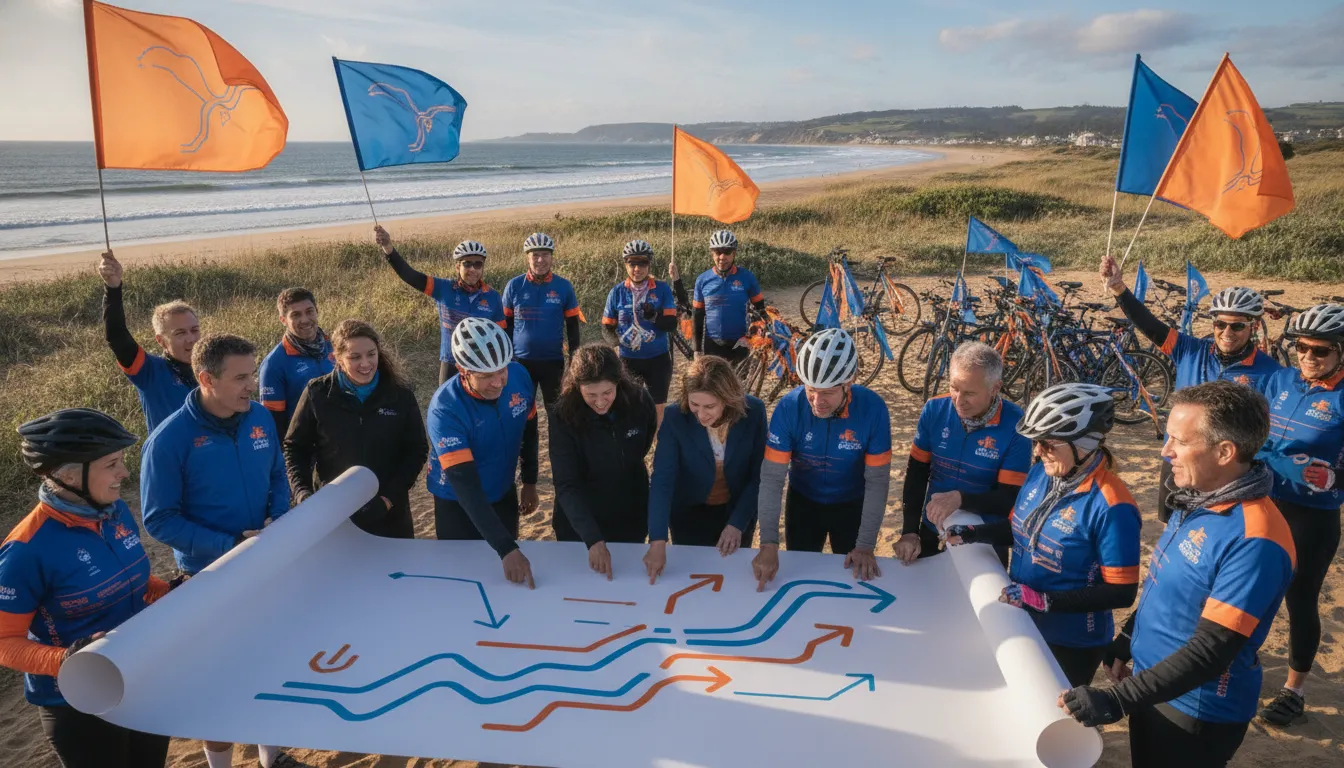
Nonprofits recruit stronger peer fundraisers when they invite people based on connection, not just athletic ability or prior fundraising experience. Start with groups that already care about the mission, such as families, volunteers, board members, service providers, schools, faith communities, local businesses, and returning event participants. Give each group a reason to join and a simple next step.
Build a focused recruitment list
- Past donors who may be ready to take a more active role.
- Volunteers who already understand the nonprofit’s work.
- Families and advocates who can speak from lived experience.
- Corporate or employee groups seeking a community activity.
- Schools, clubs, and civic groups with an established network.
- Previous riders and team captains who can model participation.
Segment the invitation instead of sending one generic message to everyone. A board member may respond to a leadership role. A workplace team may value employee engagement. A family advocate may want to share a personal connection. The core campaign can stay consistent while the invitation reflects what each audience already cares about.
What support do peer fundraisers need before launch?
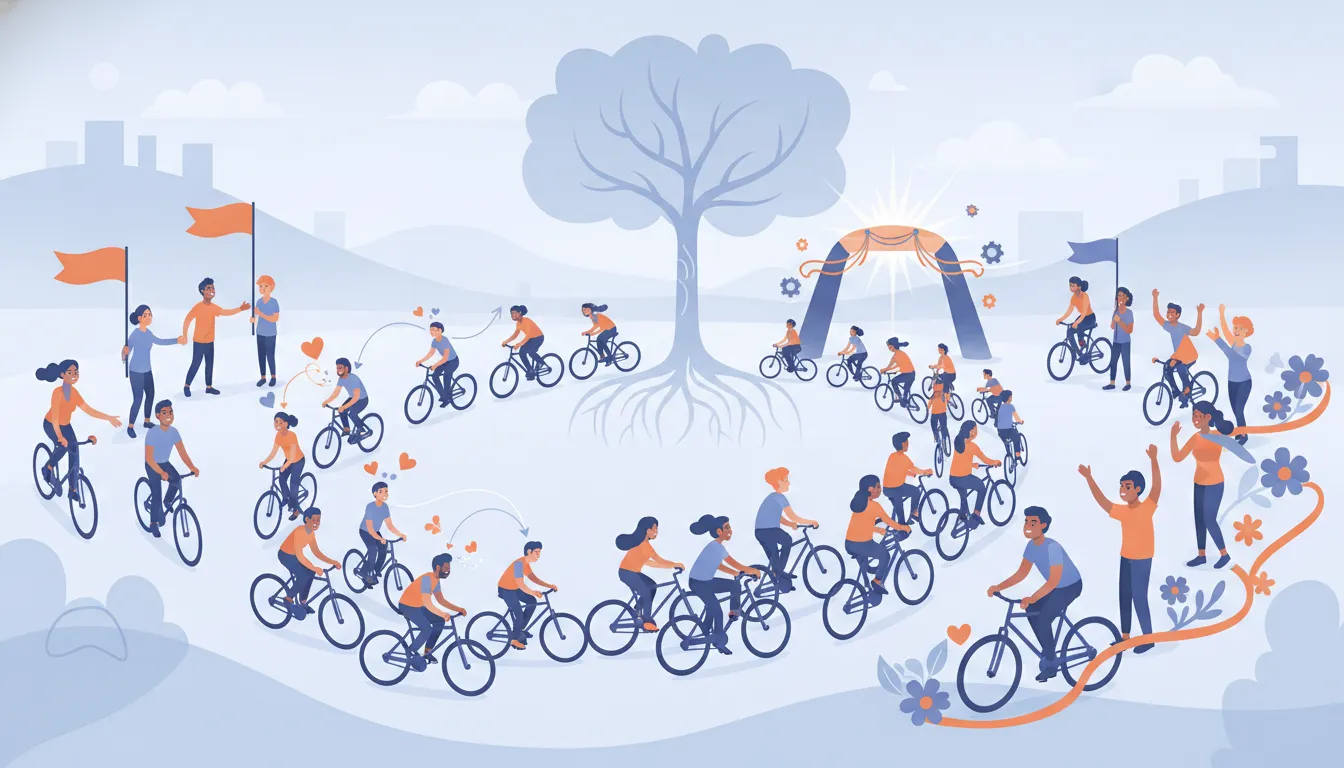
Peer fundraisers need a low-friction starting point, a clear explanation of the mission, and confidence that they can ask for support without sounding scripted. Before launch, give participants a short orientation, a page setup checklist, sample messages, story prompts, and one named person or team to contact when they need help.
Create an ambassador toolkit
A useful toolkit should help a supporter take action in the same session. Include:
- A one-paragraph explanation of the nonprofit and the campaign.
- Three story prompts: why I care, why this campaign matters now, and how a gift helps.
- Sample email, text, and social media messages that participants can personalize.
- Suggested first-week actions, such as making a personal gift and contacting five people.
- Answers to common questions about the event, donations, and the local impact.
- A progress check showing where to find help and how milestones will be recognized.
Keep the language flexible. Supporters should not have to copy a polished organizational statement when a natural sentence would be more credible. The nonprofit can provide guardrails around accuracy and respectful language while allowing each person to sound like themselves.
Find more practical fundraising guidance from Bike to the Beach for ideas your partner team can adapt to its campaign.
How can storytelling make peer-to-peer fundraising more authentic?
Authentic storytelling connects a supporter to a specific reason for participating, rather than asking donors to react to a broad slogan. Invite fundraisers to explain a personal connection, a moment that changed their perspective, or the local service they want to strengthen. A short, honest story is usually more useful than a dramatic story that does not reflect the speaker’s experience.
Use a simple story framework
- Connection: What brought me to this cause or community?
- Need: What local challenge or opportunity does the nonprofit address?
- Action: What am I doing, and why am I asking you to join me?
- Impact: What kind of local support can this campaign help make possible?
Story coaching should protect dignity and agency. For autism and disability-focused work, avoid pity-based or savior language. Focus on access, inclusion, family support, direct services, and community participation. A nonprofit partner can review sample messages for accuracy without erasing the personal voice that makes peer fundraising work.
Which milestones should nonprofit partners celebrate?
Milestone communication keeps a peer-to-peer campaign active between the first invitation and the event. Celebrate behaviors as well as dollar totals, including page creation, a first gift, a first personal ask, a new team member, a halfway point, and a final campaign goal. Recognition should make progress visible and show each fundraiser that their effort matters.
- Early activation: Welcome new fundraisers and celebrate completed pages.
- First action: Thank participants for making an initial gift or sending their first message.
- Team growth: Highlight captains and groups that bring new people into the campaign.
- Progress points: Share updates when the campaign reaches meaningful milestones.
- Final stretch: Give supporters a specific next action instead of a vague reminder.
- Finish line: Recognize the full community, including donors, volunteers, partners, and fundraisers.
Use more than a leaderboard. A leaderboard can motivate some participants, but it can also make newer or smaller fundraisers feel invisible. Mix public recognition with personal check-ins, team celebrations, and stories about the collective result. The goal is sustained participation, not pressure to compete.
How should a nonprofit partner steward supporters after the campaign?
Post-event stewardship turns a one-time peer-to-peer fundraiser into a longer relationship. Thank supporters promptly, explain what their participation helped advance, share a verified campaign result, and offer a relevant next step. A thoughtful follow-up recognizes the work of fundraisers and donors while giving the nonprofit a chance to learn what made participation easier or harder.
A practical post-event sequence
- Within a few days: Thank fundraisers and donors for the specific role they played.
- After results are confirmed: Share the amount raised, participation highlights, and any important context.
- When impact is available: Connect the campaign to local programs or services without overstating what one event achieved.
- After reflection: Ask participants what they would repeat, change, or need next time.
- Before the next opportunity: Invite supporters into a fitting next action, such as volunteering, donating, joining another ride, or sharing the mission.
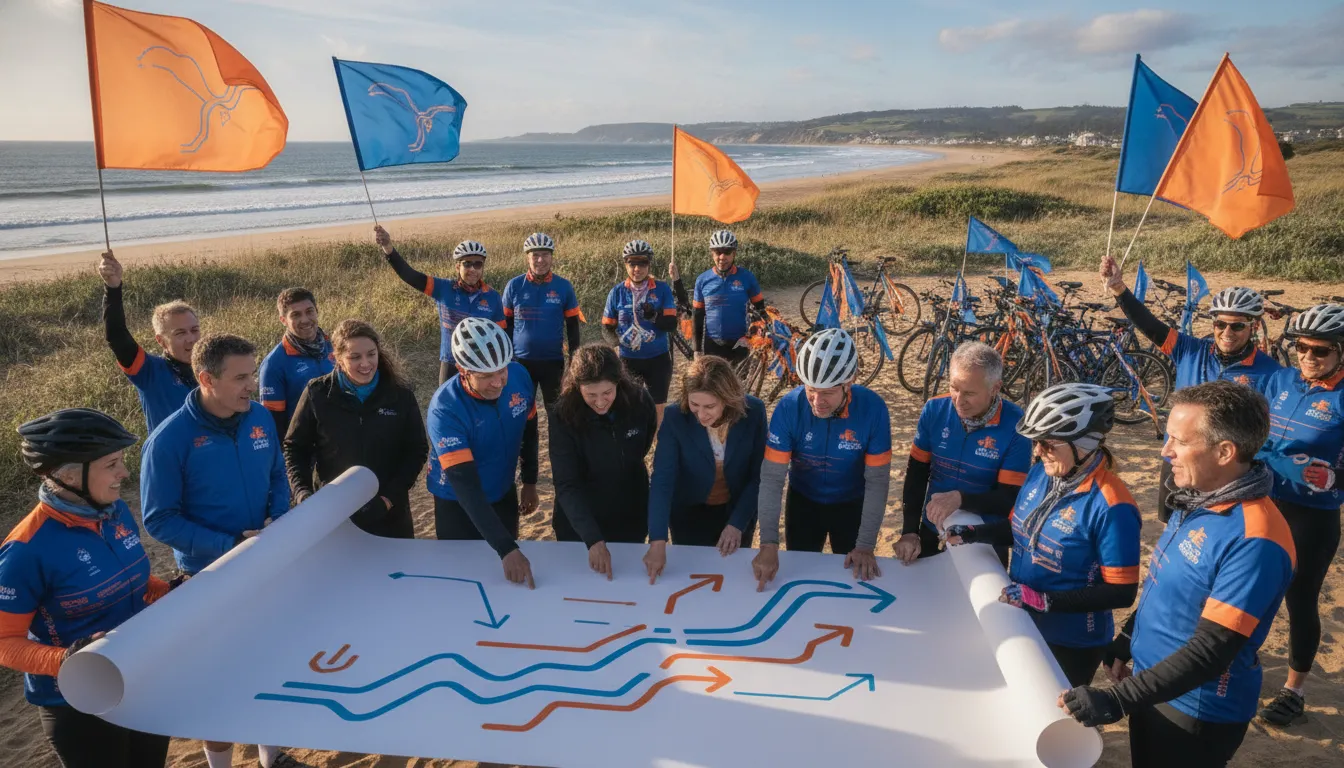
Keep a simple record of who participated, how they engaged, and what they asked for. That information can improve the next recruitment plan without treating supporters as a list of transactions. When a nonprofit shares impact clearly and follows up with respect, fundraisers are more likely to see themselves as continuing partners.
Become a Bike to the Beach service provider partner and build a local fundraising connection with a community-first ride experience.
Peer-to-peer fundraising FAQs
What is the difference between peer-to-peer fundraising and direct fundraising?
In direct fundraising, the nonprofit usually makes the appeal to its own audience. In peer-to-peer fundraising, supporters make appeals through their personal networks while the nonprofit provides the campaign structure, tools, guidance, and impact message.
Who makes a good peer-to-peer fundraiser?
A good peer-to-peer fundraiser is someone who cares about the mission and is willing to invite others to participate. They do not need to be an experienced cyclist or professional fundraiser. A genuine connection, a clear reason to act, and consistent support can matter more than audience size.
How can a nonprofit help fundraisers who are new to asking for donations?
Give new fundraisers a short orientation, a page setup checklist, story prompts, sample messages, and a first-week plan. Celebrate early actions such as creating a page and sending a first message, then offer personal help when a participant gets stuck.
What should peer-to-peer fundraising stories include?
Strong stories usually explain the speaker’s connection to the cause, the local need they want to support, the action they are taking, and the invitation they are making. Stories should be truthful, respectful, and written in the fundraiser’s natural voice.
How does a nonprofit keep peer-to-peer supporters engaged after an event?
Thank supporters promptly, report confirmed results, share relevant local impact, ask for feedback, and invite them to a next step that matches their interests. Stewardship works best when it recognizes the full contribution, not only the largest gift.