
Nonprofit Partnership Agreements: Key Terms for Strong Community Collaborations
Learn what a nonprofit partnership agreement should cover, from shared goals and funding to data, safeguarding, evaluation, and a practical exit plan.
A nonprofit partnership agreement can turn a promising conversation into a workable collaboration. It gives each organization a shared reference for what the partners are trying to do, who will do what, how resources and information will be handled, and what happens if plans change. For autism and disability nonprofits, schools, service providers, and corporate or community partners, the aim is not paperwork for its own sake. It is clarity that protects the relationship and the people the work is meant to serve.
Explore a partnership pathway with Bike to the Beach
What Is a Nonprofit Partnership Agreement?
A nonprofit partnership agreement is a written record of the understanding between two or more organizations working toward a shared purpose. Depending on the collaboration, it may be called a memorandum of understanding, a letter of agreement, a service agreement, or a partnership agreement. The name matters less than whether the document accurately describes the arrangement and the responsibilities each party is accepting.
Not every collaboration needs a long contract. A one-time event with a small, clearly defined contribution may need a concise written confirmation. A recurring program involving funding, personal information, participants, staff, students, or public-facing commitments usually calls for more careful review. The partners should choose a format that matches the actual work and ask qualified counsel to review terms when legal obligations, regulated information, or significant risk are involved.
For a nonprofit working with a school, a service provider, a company, or another community organization, a useful agreement answers a simple question: if the people carrying out the work changed tomorrow, could they understand what was promised and what to do next?
Why Put the Collaboration in Writing?
Goodwill helps partners get started, but it does not resolve practical questions by itself. People may have different assumptions about who is responsible for outreach, when funds are transferred, which organization responds to an incident, or whether a partner may use another organization’s name. Writing down the shared understanding gives everyone a chance to spot those differences before they become disputes.
A written plan can also make a collaboration easier to maintain through staff transitions. It helps new team members see the purpose, key contacts, approval steps, and boundaries without relying on scattered emails or someone’s memory. The Tennessee Nonprofit Association’s guidance on partnership agreements is one reference for nonprofit organizations considering these arrangements. Use it as a starting point, not as a substitute for advice about your own agreement.
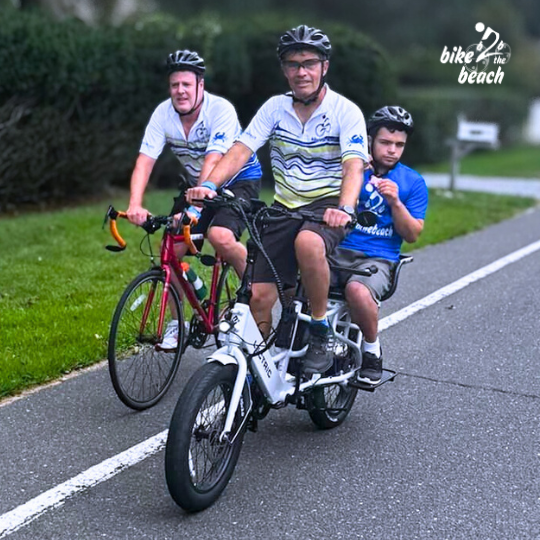
For partners supporting autism and disability communities, clear terms can also keep the focus on participants. An agreement can set expectations for accessible communications, safety procedures, privacy, and how concerns are escalated. Those details are part of responsible program design, not administrative extras. A charity ride or other public event, for example, may involve separate planning for registration, volunteers, transportation, rest areas, and participant support. The partners should identify which organization owns each decision and how participants will get accurate information. Learn more about the context of a charity bike ride for autism when considering how an event-based collaboration connects a cause with community participation.
Which Terms Should a Partnership Agreement Cover?
The right provisions depend on the project. Use the following list to start a conversation, then tailor it to the people, activities, and risks involved. Avoid copying a template without checking that it fits the actual work.
1. Shared purpose, scope, and goals
State why the partners are working together and what the collaboration will and will not do. Describe the program, service, event, or project in plain language. Note the intended participants, service area if relevant, key dates, and any major limits. A specific scope prevents a partner from assuming that a commitment covers activities that were never discussed.
Translate broad aims into a small number of observable objectives. For example, partners might agree to hold a set number of planning meetings, deliver a defined activity, or review participant feedback at an agreed point. Do not promise outcomes beyond the partners’ control. The goal is a shared direction and a practical way to check progress, not an unsupported guarantee.
2. Roles, decision rights, and points of contact
Describe each party’s responsibilities. Identify who plans, staffs, promotes, approves, pays for, and documents each part of the work. Name a primary contact and a backup for each organization, and say how the partners will resolve routine questions. For decisions that affect scope, safety, spending, or public statements, specify who must approve a change.
Distinguish collaboration from authority. One organization should not be assumed to supervise another partner’s employees, control its operations, or speak on its behalf unless the arrangement expressly says so and the parties have reviewed the implications. If volunteers, contractors, or school staff are involved, clarify who recruits, trains, schedules, and supports them.
3. Funding, in-kind support, and financial records
List each contribution in a way that is easy to verify. This can include a cash amount, a payment schedule, donated space or equipment, staff time, or other agreed support. State what the funds may be used for, who manages them, what documentation is expected, and how the partners will handle underspending or a proposed budget change.
Be precise about fundraising. Clarify which organization collects donations, how funds are acknowledged, who pays transaction or event costs, and what each party may say about where money goes. If funds are restricted or collected on another organization’s behalf, have the arrangement reviewed for applicable accounting, tax, charitable-solicitation, and other requirements. Do not describe a contribution as tax-deductible or promise a specific allocation unless the responsible organization has confirmed the language. If the collaboration includes a public fundraising activity, agree who owns the campaign page, donor questions, receipts, and follow-up. The partners can also clarify whether either party may invite supporters to participate in future activities. For ideas about designing that broader activity, see this guide to bike fundraising events and the guide to community-building fundraising; the agreement should define only the commitments relevant to the project at hand.
4. Participant information, privacy, and data access
Decide before collecting information what is actually needed to deliver and evaluate the project. Spell out which partner gathers it, why, where it is stored, who can access it, how it is shared, how long it is kept, and how it is securely disposed of when no longer needed. Limit collection to the minimum necessary for the agreed purpose.
Names, contact details, health-related details, disability information, photographs, and school records can carry particular sensitivities. Do not assume that a general partnership agreement alone supplies every required consent or permission. Identify the applicable privacy rules and consent process with qualified advisors, especially when children, students, or sensitive information are involved. Set a process for reporting a suspected loss or improper disclosure and for notifying the appropriate people.
5. Branding, communications, and public recognition
Agree how each organization’s name, logo, photographs, and descriptions may be used. Identify who approves materials, how much review time is needed, and whether approval is required for social posts, press releases, fundraising appeals, signage, or participant stories. Explain how sponsors and other contributors will be acknowledged, if that is part of the project.
Keep public claims consistent with the actual arrangement. Partners should agree on a short description of the collaboration, the impact they can accurately report, and a contact for media questions. Include a way to correct or remove inaccurate materials. If a participant story or image will be used, secure the relevant permission separately and respect a person’s choice not to participate.
6. Safeguarding, safety, and incident response
When a project involves children, disabled participants, students, or other people who may need additional support, describe the safeguards the partners will use. Depending on the activity, this may include staff and volunteer screening, training, supervision, boundaries for one-to-one interactions, emergency contacts, and a clear process for raising concerns. Assign responsibility for each step rather than relying on a general statement that everyone will keep participants safe.
Set out how partners will respond to an injury, safeguarding concern, complaint, or other serious incident. Include the immediate point of contact, the information that should be shared, who makes required notifications, and how the parties will coordinate while respecting privacy and applicable reporting duties. Each organization should confirm its own policies and legal obligations; an agreement should not suggest that one partner can waive another’s responsibilities.
7. Accessibility and inclusion
Make accessibility a shared planning responsibility. Ask what participants need to take part, and decide how the partners will receive and respond to accommodation requests. Depending on the program, consider the physical setting, transportation, communication formats, sensory environment, schedule, registration process, and staff or volunteer preparation.
Assign the work and budget where possible. For instance, identify who checks the venue, who provides information in accessible formats, and who is the contact for access questions. Avoid treating one accommodation as a universal solution. The people participating are important sources of information about barriers, and the partners should provide a respectful way to raise concerns before and during the activity.
8. Evaluation, reporting, and learning
Agree what success will mean and how the partners will learn whether the work is serving its purpose. Choose a few measures that match the project: completion of agreed activities, participation, accessibility feedback, referrals made, or another appropriate indicator. Define who gathers information, when the partners review it, and what can be shared publicly.
Use proportionate reporting. A small community program may not need an elaborate dashboard, while a funded or recurring collaboration may need a regular written update. Separate what the partners directly delivered from longer-term community outcomes they cannot attribute to one project alone. Decide how feedback will shape the next cycle, and avoid collecting personal data simply because it might be interesting later.
9. Duration, changes, and ending the agreement
Include the start date, end date, and any renewal or review point. Explain how either party can propose a change and how the parties will approve it in writing. A regular check-in can surface workload, budget, or access problems early, while there is still time to adjust the plan.
Also plan for a responsible exit. State how much notice is expected when either party needs to end the arrangement, how the partners will handle unfinished activities or unspent funds, and what happens to records, equipment, and public materials. Include a process for an urgent pause when safety, legal compliance, or participant welfare is at issue. The details should reflect the actual relationship and receive legal review as appropriate.

How Can Partners Match the Agreement to the Collaboration?
A helpful agreement is neither a vague handshake nor a boilerplate document. Scale it to the work. The comparison below can help partners identify the level of detail to discuss; it is not a legal classification, and a project’s actual risks may call for additional terms.
| Collaboration type | Typical points to document | Questions to resolve early |
|---|---|---|
| One-time, low-risk activity | Purpose, date, contacts, responsibilities, contributions, publicity approvals | Who handles setup, participant questions, cancellations, and basic expenses? |
| Recurring program or referral relationship | Scope, staffing, decision-making, accessibility, information sharing, evaluation, renewal | Who serves participants, what information moves between partners, and how is quality reviewed? |
| Funded project or sponsored activity | Budget, payment timing, restrictions, reporting, recognition, records, change control | Who holds and accounts for funds, what evidence is required, and how are changes approved? |
| Work involving children, students, or sensitive data | Safeguarding, consent, supervision, privacy, incident response, access to records | Which policies and legal duties apply, and who responds if a concern arises? |
These categories can overlap. A recurring sponsored event involving students, for example, may need all of the listed subjects. If the agreement touches employment, intellectual property, insurance, liability, regulated services, or personal information, ask the right professional to review the specific terms rather than relying on this overview.
How Should Partners Draft and Review the Agreement?
Start with a conversation among the people who will do the work, not just the senior leaders who approve it. Ask each partner what it expects, what it can contribute, and what constraints it needs to respect. Share a draft early enough for the organizations to consult staff, participants, families, or advisors as appropriate.
- Write a one-paragraph purpose. State the need the collaboration addresses and the activity the partners intend to deliver.
- Map the work. List major tasks, owners, deadlines, approvals, and handoffs. Mark any step that currently has no clear owner.
- Identify sensitive points. Review funding, information, consent, safety, accessibility, branding, and public claims before the project begins.
- Set a review rhythm. Choose a meeting or reporting cadence that fits the project, and identify who will record decisions and follow-up actions.
- Plan for change. Specify how to revise scope, pause work, resolve disagreement, or close the collaboration responsibly.
- Confirm authority and sign-off. Each organization should verify that the person signing is authorized and that any needed internal or professional review is complete.
Use plain language and define terms that may mean different things to different partners. Attach a budget, work plan, or safeguarding protocol when those documents carry operational detail; identify them in the agreement and keep versions consistent. Avoid promises that conflict with a partner’s existing policies or that no one has the authority or resources to deliver.
During review, ask each party to explain the document back in its own words. If partners disagree about a clause, identify the real concern behind the wording, such as risk, capacity, control, or uncertainty, and resolve that issue directly. The goal is an agreement the people doing the work can follow, not simply a signed document.
Consider a simple example: a school and nonprofit plan a weekend activity. The school may expect the nonprofit to supervise volunteers, while the nonprofit may believe the school is responsible for on-site supervision. Both expectations can sound reasonable until an activity is underway. A task list that names the lead for recruitment, training, arrival, supervision, accessibility requests, incident reporting, and communications brings the mismatch into view early. The same exercise works for a business contributing funds or a service provider offering staff time. Write down the handoffs as well as the headline commitments.
Keep a signed copy with the current budget, schedule, and relevant procedures. When the partners revise a plan, date the update and make sure the people doing the work receive it. A short record of review decisions can help the agreement remain a living guide rather than a file that nobody checks after signing.
What Should a Final Review Checklist Include?
Before signing, confirm that the agreement makes these points easy to find:
- The purpose, scope, participants, location, and dates are clear.
- Each task has an owner, a point of contact, and an approval route.
- Cash and in-kind contributions, restrictions, records, and reporting are described.
- Information collection, access, sharing, retention, consent, and incident response have been addressed.
- Brand use, publicity, participant stories, and public impact claims have approval rules.
- Safeguarding, safety, accessibility, and accommodation responsibilities are assigned.
- The partners know how progress will be reviewed and what happens when plans change.
- Duration, renewal, termination, outstanding commitments, and document review are covered.
- Appropriate organizational, financial, privacy, and legal reviews have taken place.
For a clearer picture of how Bike to the Beach works with communities, readers can review its organization overview, its community impact stories, and its sponsorship opportunities. Organizations considering a service-provider relationship can also explore the service provider partner pathway. These pages describe distinct ways to connect; an agreement should still be shaped around the specific collaboration and its parties.
Discuss a community partnership with Bike to the Beach
Frequently Asked Questions
Is a memorandum of understanding the same as a partnership agreement?
The labels are not used consistently. Some organizations use a memorandum of understanding for a statement of shared intent, while others use it for commitments they expect to follow. Read the terms, not just the title, and ask qualified counsel whether the document creates the obligations the parties intend.
Does every nonprofit collaboration need a formal contract?
No single format fits every collaboration. A brief written confirmation may be enough for a limited, low-risk activity, while recurring work, funding, sensitive information, or participant safety may call for more detailed terms and professional review. The partners should document the commitments and safeguards that apply to their actual project.
Who should draft the agreement?
The partners can begin with a shared outline or a draft from one organization, but everyone responsible for carrying out the work should review it. Each party should verify internal approval and seek legal, financial, privacy, or safeguarding advice when the arrangement warrants it.
What if a partner wants to change the plan after signing?
Use the agreement’s change process. Record the proposed change, its effect on responsibilities, timing, costs, information, access, or safety, and obtain the required approvals before proceeding. If the document has no change process, pause and agree in writing on one before expanding the work.
How often should partners review an agreement?
Review it at the interval set by the partners and whenever a material change occurs, such as a new activity, funding source, data practice, contact person, or participant group. A brief scheduled check-in can confirm that the written terms still match what is happening in practice.
Ready to explore a community partnership?
Explore partnership options with Bike to the Beach and start a conversation about the right pathway for your organization.
A clear agreement cannot guarantee that every challenge will be avoided, but it can give partners a practical way to make decisions, protect participants, and keep shared work aligned with its purpose.