

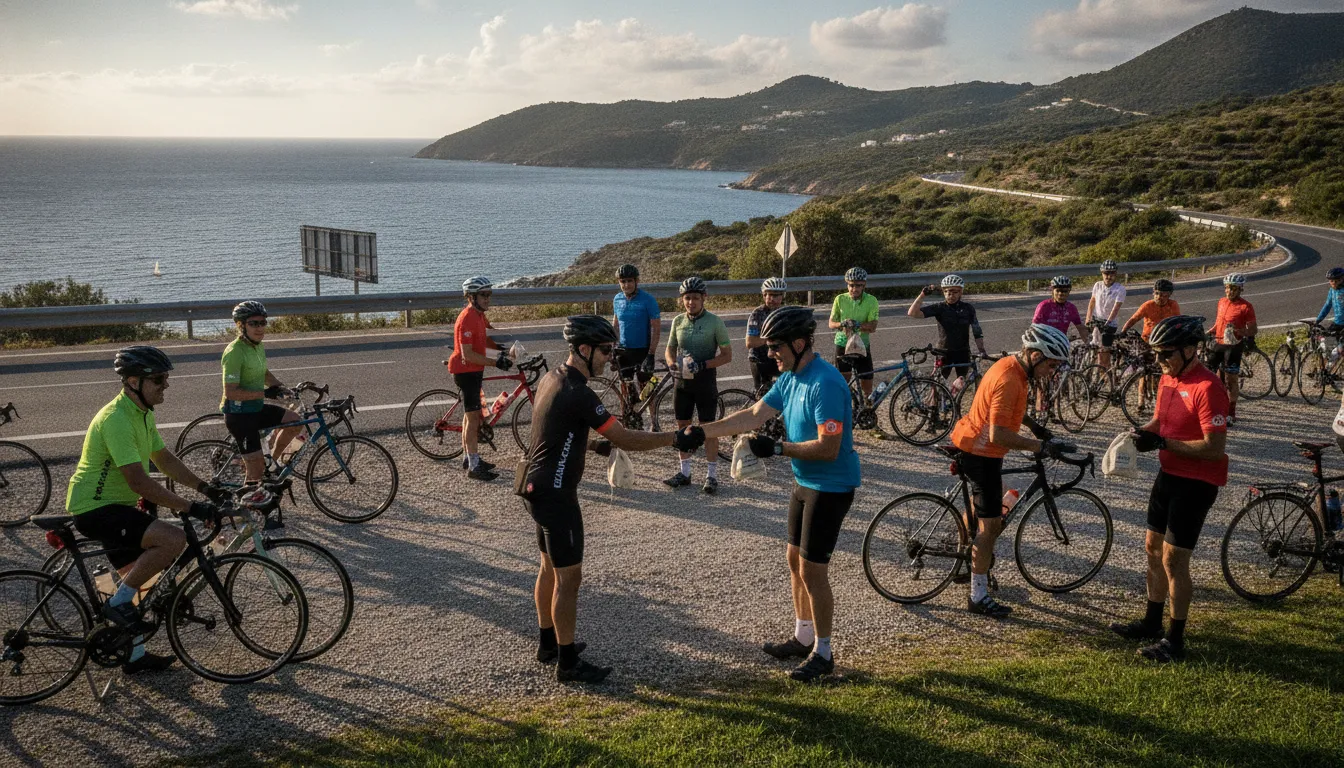
Donor Retention After a Charity Bike Ride
Build donor retention after a charity bike ride with timely thanks, impact updates, recurring giving, segmentation, and next-event invitations that build trust.

A charity bike ride may end at the finish line, but the relationship with each supporter is only beginning. Riders and nonprofit partners have a valuable opportunity to turn post-event gratitude into clear updates, useful choices, and an ongoing sense of community.
Donor retention is the practice of helping previous supporters stay connected and give again through timely thanks, credible impact updates, relevant invitations, and respectful communication. For a ride program, that means treating the event as one step in a year-round relationship, not a single transaction.
Explore the New England charity ride and stay connected to local impact
What Is Donor Retention After a Charity Bike Ride?
Donor retention is the practice of helping people who supported one ride remain connected to the mission and choose to give again. It measures how many previous donors continue giving over time, rather than treating each donation as a one-time transaction. In a post-event setting, that means the relationship does not end when the rider crosses the finish line or the fundraising page closes.
A thank-you is an important first step, but retention also depends on showing supporters why their participation matters and how they can stay involved. For first-acknowledgment examples, see these charity ride donor thank-you letters.
How does the donor lifecycle work after the event?
Think of retention as a series of connected moments:
- Giving: A supporter donates through a rider, team, company, or nonprofit campaign.
- Recognition: The organization and fundraiser thank the donor and acknowledge the role their gift played.
- Understanding impact: The donor receives clear, respectful updates about the mission and the people or communities supported.
- Returning to engage: The donor gives again, joins another ride, shares the cause, volunteers, or takes another meaningful action.
This lifecycle matters because retained donors may give repeatedly throughout their relationship with a nonprofit, according to donor-retention guidance from Double the Donation. The next action will not look the same for everyone. One person may want to support another rider, while someone else may prefer an impact update or an invitation to participate locally. Strong donor retention creates those paths without pressure.
When Should Riders and Nonprofits Thank Donors?
Thoughtful timing can make gratitude feel personal rather than automatic. This flexible two-touch framework gives riders and nonprofit partners a practical starting point after a charity bike ride, while leaving room for donor preferences and verified details.
-
Send the first thank-you within 48 hours
Start while the ride and fundraising effort are still fresh. Double the Donation’s donor-retention guidance recommends a first thank-you within 48 hours. Keep it personal, name what the support made possible, and avoid turning the note into another ask.
Nonprofit partners can give riders an approved template with room to personalize. Mention the team or peer-to-peer page when relevant so the donor knows the message is not generic. See these charity ride donor thank-you letters for examples.
-
Follow with a second acknowledgment five to seven days later
Return with a fuller expression of appreciation five to seven days later. Use a mailed letter or personal email, depending on the donor’s relationship with the rider and nonprofit.
Connect the follow-up to the mission with one verified community detail, partner story, or event moment. Focus on what the donor helped make possible, not pressure to give again, and avoid repeating the first message.
-
Use another authentic thank-you touch when appropriate
If a short video or personal note fits the donor’s preferences, offer it as an optional complement to the first or second acknowledgment, not as a requirement.
How Can Impact Updates Turn a Finished Ride Into an Ongoing Relationship?
The finish line is a natural moment to celebrate, but it should not be the last meaningful contact a supporter receives. An impact update helps riders and donors see how their effort continues after event day. It answers the question behind many gifts: what did this make possible?
That connection matters for donor retention. A strong update is not a generic report or another broad appeal. It is a clear, verified bridge between the ride, the funds raised, and the local organizations doing the work.
Start with what can be verified
Bike to the Beach’s local funding model gives supporters a meaningful foundation: funds stay in the region where they are collected and are distributed to vetted partner organizations. Explain that connection with a verified partner story or program example, without promising an outcome that has not been measured.
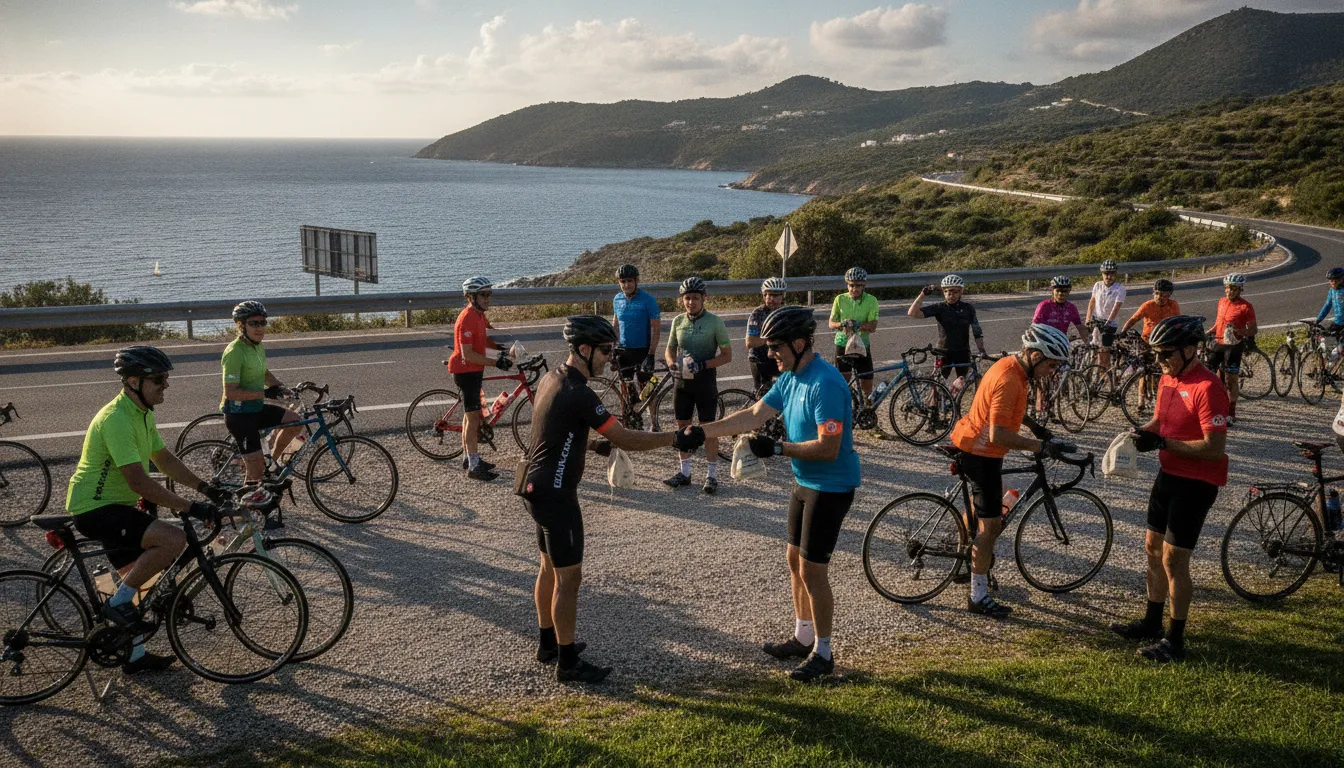
Use evidence that brings the work closer
Numbers are only one part of an impact story. With permission and context, nonprofit partners can add staff feedback, a participant statement, a case study, or appropriate program photos and video. These details help supporters understand the mission without reducing anyone to a fundraising result.
Keep the update focused. Name the partner or program, explain the connection to the ride, and distinguish completed work from future plans. A short note can be enough when it is specific and supported. For a more structured approach, use this charity ride impact report template to organize verified fundraising information, partner outcomes, local impact, and next steps.
Invite continued connection without pressure
Close by giving supporters a relevant way to stay involved. That could mean reading a partner update, watching a short video, sharing the story, or learning about a future regional ride. The invitation should follow the evidence, respect communication preferences, and leave room for supporters to choose their next step. When people can see the continuing relationship between their participation and local impact, the ride becomes more than a single transaction.
How Can Recurring Giving and Other Choices Support Retention?
Donor retention does not require every supporter to make the same commitment. A recurring gift can provide a regular revenue source that helps a nonprofit plan ahead. But it should be presented as one useful option rather than the expected next step. Some people may prefer a single annual gift, a workplace contribution, a matching opportunity, or a way to participate without making another donation.
That choice matters after a charity ride. A rider may want to return next year, a virtual participant may prefer a flexible way to stay connected, and a corporate team may be looking for a shared service or sponsorship opportunity. Bike to the Beach can keep the relationship open by offering relevant paths into its year-round community, rather than treating the finish line as a final transaction.
| Option | Who it may fit | Respectful follow-up |
|---|---|---|
| Recurring giving | Supporters who want a predictable, ongoing contribution | Explain how regular support helps with planning, then make it easy to start, change, or stop. |
| Annual or occasional giving | Donors who prefer to choose when and how often they give | Share a timely local impact update without assuming another gift is due. |
| Matching challenge | Donors and workplace teams motivated by a defined campaign | Invite participation with clear timing and terms. The donor matching challenge guide can help explain the approach. |
| Community involvement | Riders, families, volunteers, and supporters who want connection beyond donating | Offer a relevant event, volunteer role, partner story, or return-rider pathway based on stated interests. |
These invitations work best when they reflect the supporter’s past action and communication preferences. A rider may want continuity with a familiar team, while a partner or corporate group may prefer year-round volunteering or sponsorship. Make the next step visible, optional, and connected to local impact.
How Should You Segment Donors Without Making Communication Feel Mechanical?
Respectful segmentation starts with a simple question: what has this person chosen to do, and what have they told you they care about? A rider, an individual donor, a corporate team, and a virtual participant may all support the same ride, but their next helpful message will not be identical. Segmenting audiences can support personalized donor retention when it makes communication more relevant rather than more frequent.
Use information people have willingly provided, and keep the categories practical. Useful consent-based segments may include:
- Connection to the ride: rider, donor, partner, corporate team, or virtual participant.
- Geography: the region connected to the person or team, when known and appropriate.
- Stated interests: local impact, adaptive recreation, family support, volunteering, cycling, or future events.
These labels should guide the message, not define the person. A virtual participant may be deeply connected to the mission. A corporate team may want a year-round volunteer opportunity rather than another donation request. Someone who gave once may prefer updates about local partner work and never want a ride invitation. Let their actions and preferences lead.
Use context without making assumptions
Two first-time donors may need different follow-up. Use the channel and context they chose, not guesses about generosity, age, or commitment. A social donor might receive a note connected to the post they saw, while a mailed donor may appreciate a personal letter or printed update. Both deserve genuine thanks and a clear next step.
After the ride, offer a few tailored paths: a reflection and return invitation for riders, verified impact for donors, results and collaboration options for partners, and volunteer or regional-event opportunities for corporate teams. Keep each invitation easy to decline, and honor preferences promptly.
Connect segmentation to the original fundraising experience. This online fundraising follow-up guide offers related campaign guidance. The goal is relevant, considerate outreach, not automated warmth.
Which Donor Retention Metrics Should a Ride Team Track?
A simple dashboard can show whether one-time gifts are becoming ongoing relationships. Track who returned, who is new, and where follow-up may be needed without reducing supporters to scores.
Start with the basic retention rate
The standard formula is simple: divide the number of prior donors who gave again during the current period by the total number of donors in the prior period. Then multiply by 100. For example, if 200 people donated last year and 80 of those same people donated this year, the retention rate is 40%.
Define the time period consistently so the trend remains meaningful. A ride team can review year-over-year retention for annual events and use shorter windows for campaign planning. Double the Donation explains the basic donor retention formula.
Separate new, repeat, lapsed, and returning donors
One overall percentage can hide important differences. Track these groups separately:
- New donors: people making their first recorded gift. Their next-gift rate shows whether the post-ride experience gives them a reason to stay connected.
- Repeat donors: people who gave before and gave again during the period. This is the core group represented in the basic retention calculation.
- Lapsed donors: previous donors who did not give during the period. Lapse means a donor has stopped giving, but it does not necessarily mean the relationship is permanently over.
- Returning donors: people who give again after a lapse. Tracking this group helps the team assess re-engagement efforts without confusing them with uninterrupted repeat giving.
Compare retention by consent-based segments such as rider, donor, corporate team, region, or acquisition channel. This segmentation guidance supports more relevant communication.
Use goals to learn, not to chase a vanity number
Pair the retention rate with action measures: new donors who give again, lapsed donors who return, and responses to impact updates or next-event invitations. Set a goal, review what happened, and adapt the next touchpoint. Focus on improving your own baseline while building respectful, lasting connections around local impact.
How Do You Invite Donors Back Into the Community?
A post-event invitation should offer a door back into the mission, not assume that every donor wants to ride again. Some may prefer volunteering, joining a corporate team, sharing a local impact story, or receiving occasional updates. A thoughtful donor retention approach makes room for each choice.
Match the invitation to the person and the region
Start with what the supporter has permitted you to use. A rider in New England may appreciate an invitation to join the New England ride, while a workplace donor may prefer a team update or volunteer opportunity. If no location or interest is known, use broader language and let the supporter choose. Region-aware communication should never pretend to know more than it does.
Keep the next-event invitation specific but low pressure. Explain what participation could look like, then make it clear that riding is one option rather than the definition of belonging. A donor who cannot ride might support a partner, volunteer, encourage a friend, or follow verified local-impact stories.
Build community beyond the next registration
Volunteer and partner engagement can give supporters a role between rides. Invite them to volunteer with Bike to the Beach or learn more about the local work their fundraising supports. Corporate and nonprofit partners can also discuss future participation.
Finally, make follow-up permission-based. Offer clear preference choices, respect unsubscribes, and avoid treating silence as interest. The goal is not to maximize messages. It is to help each supporter find an appropriate next step in a community that remains open after event day.
Explore a regional ride when you are ready to stay connected
Frequently Asked Questions
How do I calculate donor retention after a charity ride?
Compare the donors from the previous period who gave again with the total number of donors in the previous period, then multiply by 100. For example, if 120 of 400 prior donors give again, retention is 30 percent. Keep new donors separate from returning donors so the result shows whether existing relationships are continuing. This basic formula is a useful starting point.
When should we thank donors after the event?
Send the first personal acknowledgment as soon as practical, ideally within 48 hours of the gift. Follow with a second touch five to seven days later, such as a mailed note or a more detailed update. The exact cadence can flex by audience, but prompt appreciation should come before an event invitation or another fundraising request.
What should an impact update include?
Show how support advances the mission through a verified partner story, a specific program example, or appropriate photos, video, or staff feedback. Explain what the organization can confirm, rather than promising an outcome that has not been measured. Clear evidence helps donors understand what their support makes possible.
How can we invite donors back without making them feel pressured?
Offer a relevant next step and let supporters choose how they want to participate. Depending on their consent and interests, that might be a recurring gift, volunteering, a matching opportunity, or a future ride. Match event invitations to geography and prior engagement, make the action easy to understand, and continue providing useful updates even when someone does not respond.
Ready to Keep the Community Moving?
A regional ride can give riders, donors, and nonprofit partners a meaningful way to stay connected beyond one event. Match your next step to your goals, location, and capacity.
Join the Bike to the Beach community through a New England charity ride
Questions about getting involved? Visit the Bike to the Beach contact page for current details.