

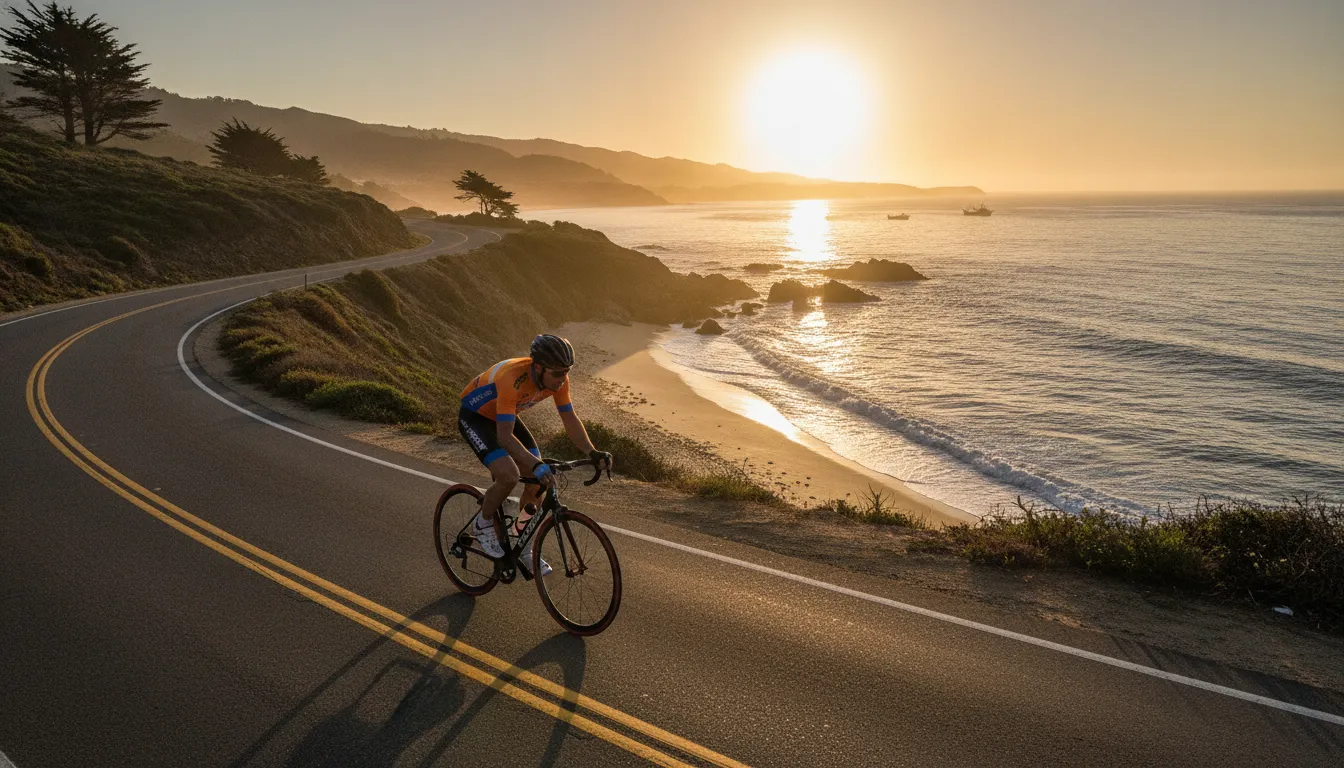
How to Train for a Century Bike Ride: A Beginner’s Guide
Learn how to train for a century bike ride with a beginner-friendly step-by-step plan: base miles, weekly milestones, rest weeks, and ride-day support.

A 100-mile ride can look intimidating on paper, but the distance becomes manageable when you break it into consistent weekly rides, gradual mileage increases, and planned recovery. You do not need to start as an elite cyclist. You need enough time to build endurance, learn what your body needs, and practice the habits that make a long day feel steady rather than overwhelming.
To learn how to train for a century bike ride, begin with comfortable base miles, add distance slowly, schedule recovery weeks, and practice fueling and hydration during longer rides. A century is 100 miles, so consistent preparation matters more than trying to prove your fitness in one exhausting workout. Beginners should build base mileage before adding high-intensity intervals, according to this cycling century training plan.
Register for a Bike to the Beach charity ride and give your century training plan a real event to point toward.
With that foundation in place, the next practical question is timing. A realistic training window gives your body room to adapt while leaving space for rest, adjustments, and the occasional week when life gets in the way.
How Long Does It Take to Train for a Century Bike Ride?
For most beginners, training for a century bike ride takes about 8 to 16 weeks. A century is a 100-mile ride, so the right timeline depends on how comfortably you ride now. How many days you can train, and whether you are starting with an established base of miles. If you are new to longer rides, plan on 12 to 16 weeks, or roughly three to four months, of consistent preparation.
A beginner-focused century training plan from Bicycling magazine also recommends that newer riders start 16 to 20 weeks out: see the century training guidance.
That may sound like a long commitment, but it does not mean riding 100 miles every week. Most plans combine shorter weekday rides with one gradually longer ride each week. The goal is to help your body become comfortable spending more time on the bike while giving you enough recovery between efforts.
Beginners should build base mileage before adding demanding intervals or speed work, which helps reduce unnecessary fatigue and supports a safer progression.
What changes the timeline?
You may need closer to 16 weeks if you are returning to cycling, managing a busy schedule, or currently riding only short distances. Someone who already rides regularly may be ready in 8 to 12 weeks.
Be honest about your starting point. A steady plan that fits your life is more useful than an ambitious schedule that leaves you exhausted after two weeks.
| Starting point | Typical timeline | Best weekly habit |
|---|---|---|
| New to cycling | 14 to 16 weeks | Three short easy rides plus one longer weekend ride |
| Occasional rider | 10 to 12 weeks | Consistent easy miles with one gradually longer ride each week |
| Regular riders with a base | 8 to 10 weeks | Maintain base, then add a longer ride plus modest tempo effort |
Consistency matters more than perfection. If you miss a ride, resume the plan without trying to cram extra miles into the next session. Increase your weekly distance gradually, keep most rides comfortable, and use rest days to let your body adapt.
The aim is not to prove that you can suffer through training. It is to arrive on event day prepared to enjoy the miles, the community, and the purpose behind the ride.
A 100-mile goal is not the only way to participate. Bike to the Beach riders can choose 25-, 50-, 62-, or 70-mile routes to build confidence and find a distance that matches their experience. Choosing a shorter ride is still a meaningful accomplishment and can be a smart step toward a future century.
Start With Base Miles Before You Build Speed
Before you chase faster average speeds, teach your body to stay comfortable on the bike for longer periods. Base training means riding consistently at an easy, conversational effort. You should be able to speak in complete sentences without feeling as if every mile is a test.
That pace may seem too gentle at first, but it builds the aerobic endurance you will rely on when the ride is measured in hours rather than minutes.
Beginners should establish comfortable base mileage before adding high-intensity intervals. This order helps limit unnecessary fatigue and gives your muscles and connective tissues time to adjust to repeated riding.
A century is 100 miles, so the goal is not to prove you can ride hard on one weekend. The goal is to make regular riding feel manageable, then extend the duration gradually.
What a base-building routine includes
- Consistent easy rides: Ride several times each week at a conversational effort. Short rides still count when they help you maintain a dependable routine.
- One gradually longer ride: Add time or distance to one weekly ride while keeping the effort controlled. Increase weekly volume by no more than about 10 to 15 percent so your muscular and skeletal systems have room to adapt.
- Recovery: Include rest or very easy days instead of turning every ride into a hard workout. Consistency depends on arriving at the next ride ready to pedal.
- Fuel practice: Carbohydrates are the primary fuel source for endurance exercise. On longer rides, practice eating the foods, gels, or drinks you expect to use on event day. Training your digestion alongside your legs can help you avoid an energy crash.
- Hydration practice: Use your base rides to learn how much fluid you need in different conditions. Our cycling hydration guide for long charity rides can help you build a practical plan.
Keep intensity in reserve during this phase. If an easy ride repeatedly becomes a race. You lose the main benefit of base work and make it harder to build the volume needed for a long-distance goal.
Once steady miles feel familiar, you can add targeted faster efforts without abandoning the easy riding that supports them.
Sources: beginner century training guidance and Mayo Clinic endurance-fueling guidance.
How to Train for a Century Bike Ride, Week by Week
A 100-mile ride is a meaningful goal, but beginners do not need to start by riding enormous distances. Give yourself 3 to 4 months of consistent training, then build gradually so your muscles, joints, and confidence can adapt.
This 16-week progression is a framework, not a test. If you are new to cycling, adjust the starting mileage to your current fitness and speak with a healthcare professional before beginning a demanding program.
- Weeks 1-4: Build your base. Ride three times during the week at an easy, conversational effort, keeping each ride short enough that you finish feeling capable of doing more. Add one relaxed weekend ride, extending it a little at a time. Keep at least one full rest day after a demanding ride, and use the final week as a lighter week if fatigue is accumulating. Beginners should establish comfortable base mileage before adding hard intervals, according to the century training guidance from Bicycling magazine.
- Weeks 5-9: Extend the long ride. Keep the three weekday rides consistent, and make the weekend ride the focus of this phase. Add distance in small steps rather than making a sudden jump. As a practical ceiling, aim to increase total weekly volume by no more than 10 to 15 percent, which gives your body time to adapt. Include a lighter recovery week around the middle of this phase, reducing distance while keeping easy movement in your routine. Start practicing the food and fluids you expect to use on ride day during the longer outings.
- Weeks 10-12: Reach your peak. Continue with mostly comfortable riding, adding only modest intensity if you are recovering well. Progress the longest weekend ride toward roughly 70 to 80 miles, but do not treat that distance as a requirement to prove yourself. A strong, steady ride with controlled effort is more useful than an exhausting attempt that disrupts the next two weeks. Schedule an easier week or extra rest days if soreness, unusual fatigue, or persistent pain appears. The goal is to arrive at the final phase healthy, not merely to collect one impressive training number.
- Weeks 13-16: Taper and arrive ready. Reduce weekly volume during the final weeks while keeping a few short, easy rides to maintain familiarity with the bike. Avoid chasing new mileage or hard efforts. Rest more as the event approaches, and make the final several days intentionally quiet. A taper period allows full recovery before the century, a principle supported by research on periodized cycling training: PubMed study on tapering and training structure. Rest is not lost progress. Muscles adapt during off-ride recovery, so respect rest days and use them to prepare your equipment, nutrition, and mindset.
Use the plan as a guide while listening to your body. Consistency matters more than forcing every milestone on a fixed date, and a shorter supported ride can be a smart goal if your schedule or recovery requires it.
Rest Weeks Are Where Your Body Adapts
It is easy to feel uneasy when a training plan tells you to ride less. If your goal is 100 miles, every quiet day can look like lost progress.
In reality, recovery is part of the work. The miles challenge your muscles and cardiovascular system, while rest gives your body time to repair and respond.
Muscles adapt during the off-ride recovery period, which is why rest days deserve the same respect as long rides. Mayo Clinic notes that proper recovery allows muscles time to repair after strenuous training. Skipping that recovery can leave you carrying fatigue into the next session instead of building useful endurance.
Schedule recovery before you need it
For many beginners, a simple rhythm works well: train for three or four weeks, then take one recovery week. During that week, reduce your total riding volume by about 30% to 40%.
Keep one or two short, easy rides if they feel good, but shorten the distance and remove hard intervals. Take complete rest days when your body asks for them.
A recovery week does not mean doing nothing. You can use the extra time to check your bike, prepare meals, sleep more consistently, or review what felt comfortable and what created discomfort. Gentle walking or mobility work may also feel helpful, but it should not become another demanding workout.
Know the difference between normal fatigue and a warning
Some tiredness after a long ride is expected. Persistent soreness, declining performance, unusual irritability, poor sleep, or pain that changes how you pedal deserves attention. Monitoring exercise intensity helps you stay in the right training zones and avoid overtraining, according to Mayo Clinic’s exercise-intensity guidance. If pain persists or feels sharp, stop and consult a qualified health professional.
Rest is not falling behind. It is how the training becomes part of you, helping you return to the next block ready to ride steadily and confidently.
Ride-Day Support and Safety for Long Charity Rides
A fully supported charity ride changes the experience of attempting 100 miles. You still need to train, pace yourself, and pay attention to your body, but you are not expected to solve every problem alone.
Bike to the Beach provides rest stops about every 15 miles, professional mechanical support, SAG vehicles, and medical support through its ride-day partners. That safety net makes a century more approachable for newer riders.
Rest stops give you regular opportunities to refill, eat, cool down, and check how you are feeling. SAG vehicles can help when a rider needs assistance away from a rest stop, while mechanical support is there for common issues that should not end your day.
Use those resources early. A small problem, such as a soft tire or unusual shifting, is easier to address before it becomes a larger one.
Prepare your bike before the start
Support is not a substitute for basic preparation. During training, practice checking tire pressure, inspecting your brakes, and lubricating your chain. These simple maintenance habits keep a long ride running smoothly and reduce the chance of a mid-ride problem. Learn how to use your pump and repair a flat, even if you expect to ask the mechanics for help on event day.
Your position on the bike matters just as much as the bike’s condition. A proper fit can reduce the risk of saddle discomfort, neck pain, and knee pain during long training rides. Review these bike fit essentials for a comfortable long ride well before the event, then test any adjustment on shorter rides before taking it into a century.
Plan for heat, hydration, and group riding
Heat and humidity affect how much fluid you need, and long summer rides carry a greater risk of heat-related illness. The CDC guidance for athletes in the heat recommends taking those conditions seriously.
Drink consistently rather than waiting until you feel depleted, use the rest stops to cool down, and adjust your plan to the day’s weather. Practice your strategy during training with the foods and drinks you expect to use. This cycling hydration guide can help you build that plan.
Finally, practice riding predictably around others. Learn to signal hazards, hold your line, leave space, and communicate before slowing or turning. Group-riding skills such as signaling and smooth pacelines help increase safety on charity centuries, according to pre-ride guidance from Washington University in St. Louis. With preparation, support, and a willingness to ask for help, ride day can feel like a shared challenge instead of an intimidating solo effort.
How Hard Should a Century Actually Feel?
A century ride should feel challenging, but it should not feel like an all-day race. For most riders, the goal is to finish 100 miles with enough energy to keep making steady progress, enjoy the community, and arrive safely. That means learning to control your effort early, before excitement and adrenaline make the first miles feel deceptively easy.
For beginners, the simplest guide is the talk test. On most training miles, you should be able to speak in short, comfortable sentences without gasping. This easy conversational pace builds your aerobic foundation while keeping fatigue manageable.
Monitoring intensity helps you stay in appropriate training zones and avoid overtraining, especially as your weekly mileage increases. Mayo Clinic’s exercise-intensity guidance offers a useful overview of how effort levels relate to training.
Use the 75% rule for long rides
A common endurance heuristic is the 75% rule: keep most long rides at or below roughly 75% of your maximum effort. You do not need to calculate a perfect number to use it.
If you are repeatedly breathing hard, losing the ability to talk, or pushing to stay with a faster group, back off. A slightly slower pace now usually creates a better ride later, when hills, wind, heat, and accumulated fatigue begin to matter.
Keep hard efforts limited
You may also hear the 80/20 rule. It suggests that about 80% of training should be easy, with roughly 20% reserved for harder efforts such as climbs, intervals, or a faster group ride.
Treat this as a flexible guideline, not a test you have to pass. New riders should prioritize consistent easy miles first, then add intensity only when recovery is reliable.
As the event approaches, feeling slightly restless can be a good sign. A taper reduces training load before the final ride so your body has time to recover fully. Research on cycling training supports including a taper period before the event. Learn more about tapering and training structure.
On ride day, start conservatively. A century should feel controlled for the first several hours, not heroic in the first thirty minutes.
Register for a Bike to the Beach charity ride and earn every hard-won mile alongside a supportive cycling community.
Frequently Asked Questions
How long does it take to train for a century bike ride?
Most beginners should allow at least three to four months of consistent training, although your starting fitness, available time, and riding experience may change the timeline. Begin with comfortable base miles, add distance gradually, and schedule recovery before increasing the load again.
A shorter plan may work for an experienced cyclist, but rushing from occasional rides to 100 miles increases the chance of excessive fatigue or overuse problems. Bicycling’s century training guide notes that newer riders often need 16 to 20 weeks of preparation.
How hard is a century bike ride?
A century is demanding because you are riding 100 miles, but it should not feel like an all-out effort from the start. The goal is to settle into a sustainable pace, eat and drink regularly, and manage discomfort before it becomes a problem.
With gradual training, a properly fitted bike, and planned rest, many beginners can make the distance attainable. If pain becomes sharp or changes your normal movement, stop and address it rather than trying to push through.
What is the 75% rule in cycling?
The 75% rule is a simple pacing guideline: aim to complete roughly the first three-quarters of a long ride at a controlled effort. Leaving energy for the final section.
It is not a strict formula or a replacement for listening to your body. You should still adjust for hills, heat, wind, stops, and how you feel that day. Starting conservatively is usually easier than trying to recover after riding too hard early.
Should I ride the full 100 miles in training before the event?
Usually, no. You can build confidence and endurance with progressively longer rides without duplicating the full event distance. Use those rides to practice pacing, hydration, food, equipment, and responding to fatigue. A final long ride followed by a taper can leave you fresher for event day. Check your event’s support plan and choose a distance that matches your preparation if you are not ready for the full century.
Ready to Put Your Century Training Into Action?
A clear training plan gives you a practical way to build confidence, prepare for the distance, and enjoy the ride with a supportive community. When you are ready to choose your challenge and take the next step, register for a Bike to the Beach charity ride. Your new training plan can help turn the goal of riding 100 miles into a meaningful day on the road.