

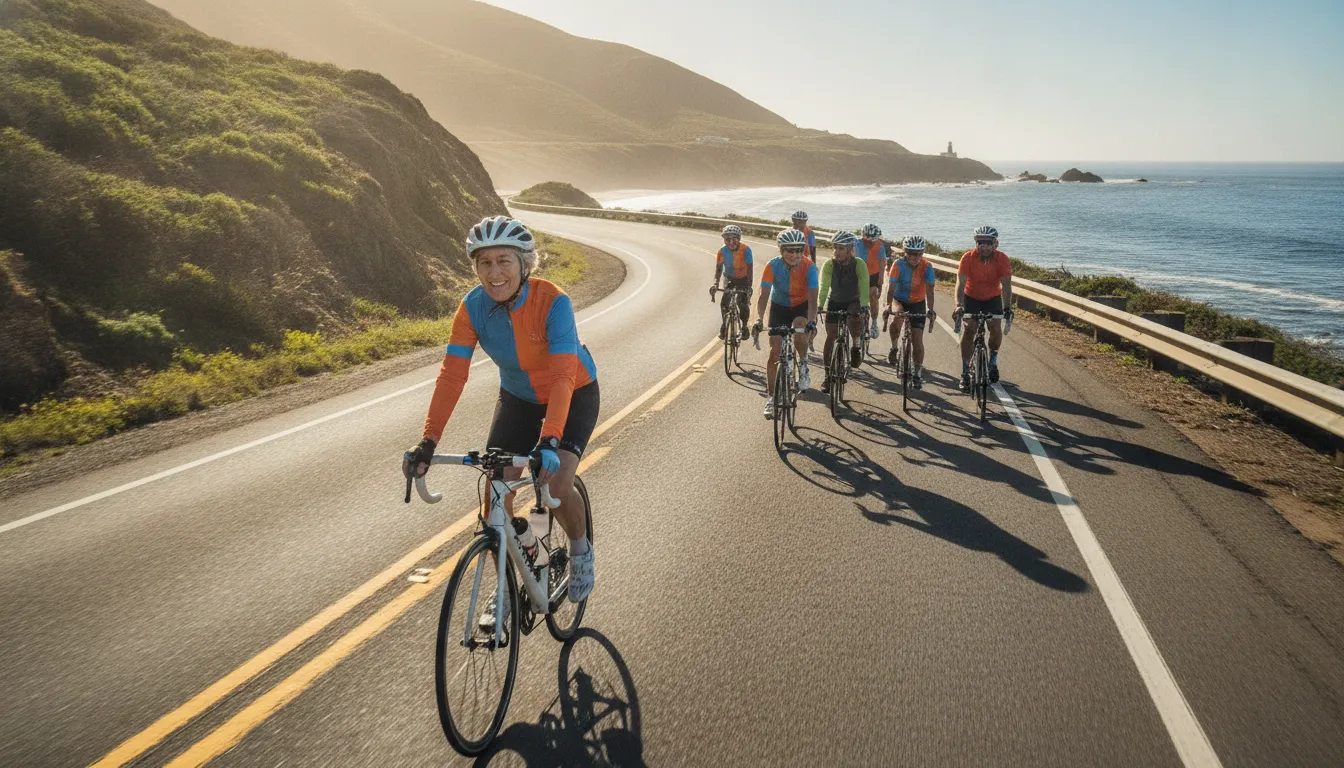
Charity Bike Ride Training Plan for Older Adults
Use an adaptable charity bike ride training plan for older adults with gradual riding, recovery, strength, flexible pacing, and practical safety guidance.

Training for a charity ride should build confidence. It should not pressure you to chase someone else’s pace or distance. For older adults, the best starting point is a plan that respects your routine. It should leave room for recovery and adapt when life, weather, or your body calls for it.
A charity bike ride training plan for older adults should combine gradual riding, easy or rest days, appropriate strength work, and flexible pacing. Choose a manageable route or relay option and increase your riding carefully. Ask a qualified healthcare professional for guidance before starting or substantially changing exercise if you have health concerns or questions about readiness.
The goal is steady preparation for a meaningful community experience. It is not a rigid test of endurance. Start by looking honestly at your current riding habits, recovery, and the support that will help you enjoy the event.
Explore Bike to the Beach charity rides and find a meaningful way to participate
What Makes This Charity Bike Ride Training Plan for Older Adults Different?
A broad charity ride plan can assume that every rider is working toward the same finish line. A beginner plan may focus on getting comfortable on a bicycle. A century plan is built around completing 100 miles. Those resources can be useful. They may not answer every question an older or returning rider has.
How should effort change when recovery takes longer? How can training adapt to fatigue, pain, heat, illness, or a busy week? What is the right goal if completing the full route is not the best choice?
This charity bike ride training plan for older adults starts with those questions. It is a framework rather than a rigid calendar. You choose a manageable route and begin from your current riding ability. Then you increase riding time gradually. Rest or easy days are part of the plan, not signs that you are falling behind.
Appropriate strength work and recovery also matter. Preparation is about arriving with confidence and consistency. It is not about proving that you can train like a competitive cyclist.
It adapts to the rider, not just the distance
Bike to the Beach offers multiple route distances, including shorter options for newer riders and longer options for experienced cyclists. Regional examples include 32, 62, and 100 miles in Florida. DC, Maryland, and Virginia examples include 25, 50, 70, and 100 miles. These options are choices, not requirements. Select the challenge that fits your starting point and personal goals.
Relay teams can also split a ride distance. Participants can contribute without completing the full route individually.
It values pacing and recovery over speed
Bike to the Beach supports self-paced riding and GPS navigation. Training can therefore emphasize effort management and steady participation instead of speed. That differs from a fixed, phase-based century plan. One competing 12-week program is organized around building a base and increasing intensity.
A fixed schedule may suit someone pursuing a specific 100-mile goal. This approach leaves room to repeat a week, shorten a ride, or take additional recovery when your body or circumstances call for it.
The purpose stays bigger than the mileage. You are preparing to join a supportive community and help raise funds and awareness for local autism and disability organizations. Use this guide to choose a ride distance that matches your readiness.
How Can Older Adults Check Their Starting Point?
Before adding training time, take an honest look at what your body and schedule can support today. This isn’t a pass-or-fail test. It is a starting snapshot that can help you choose a manageable goal and recognize when the plan needs to slow down.
Review your current riding
Think about your recent activity, not your best ride from years ago. How often have you been on a bike? How long can you ride comfortably before fatigue changes your posture or focus? Notice whether you can pedal, steer, brake, and look around without feeling unsteady.
If you haven’t ridden recently, start with a short, easy outing in a familiar area. It can tell you more than an ambitious first day.
Pay attention to comfort as well as distance. Check whether the saddle, handlebars, and reach allow a relaxed position. Your feet should feel secure. You should be able to control the bike without straining your shoulders, hands, hips, or back.
A professional bike-fit check may be useful if discomfort continues or your position feels difficult to manage. General guidance for older cyclists also emphasizes bike fit, gradual progression, reset days, and adaptation. Learn more about gradual progression and adaptation for older cyclists.
Consider balance, fatigue, and real life
Balance is part of readiness. Consider how you feel when starting, stopping, turning, riding at low speed, or getting on and off the bike. Practice those movements in a safe, low-traffic setting. Do not test them for the first time on a group ride.
Then look beyond the bike. Sleep, work, caregiving, travel, heat, illness, and other responsibilities can affect how consistently you train. A useful baseline includes your daytime energy and how long it takes to feel normal after activity.
If a ride leaves you unusually drained, or if pain persists instead of settling with rest, treat that information as a reason to adjust. This approach supports gradual riding, recovery, and appropriate strength work. It also leaves room for changes in fatigue, pain, illness, heat, or life demands.
Know when to ask for healthcare guidance
Speak with a qualified healthcare professional before beginning or substantially changing exercise if you have a chronic condition. Recently had surgery, have concerning symptoms, have questions about medications, or aren’t sure you’re ready.
A clinician can help you understand what level of activity is appropriate for your situation. This article offers general preparation guidance, not a diagnosis or individualized exercise prescription. If symptoms are severe or sudden, stop and seek urgent care.
Starting with a clear baseline and the right guidance can make your training more confident, flexible, and sustainable.
How Should You Build Riding Time and Distance Gradually?
A useful progression responds to how your body handles the work. It does not follow a fixed mileage rule. Start with a ride duration and route that feel manageable today. Build consistency before asking for more time, more distance, or more demanding terrain.
- Choose a realistic starting point. Begin with riding you can complete while maintaining control, comfortable breathing, and enough energy to finish without forcing the final miles. Consider time in the saddle, not just distance. Hills, wind, or frequent stops can make a short route more demanding than a longer, flatter route. Match your target to the route you intend to choose.
- Establish a ride, easy, and rest rhythm. Plan a riding day, followed by an easy day or rest day as needed. An easy day might mean a shorter, gentler spin, walking, mobility work, or no structured exercise. Recovery is part of the plan. If a week feels unusually difficult, repeat the workload or scale it back.
- Increase one challenge at a time. After several comfortable sessions, adjust one variable modestly. Add a little riding time, select a slightly longer route, include a gradual climb, or practice a steady effort. Avoid increasing everything in the same week. Keep the effort self-paced. GPS navigation can help you understand the route without turning every ride into a race.
- Practice the demands of your selected distance. As your event approaches, let some rides resemble the conditions you expect. Consider duration, terrain, and planned breaks. You do not need to complete the full event distance repeatedly. Relay teams can split a distance when completing the full route individually is not the right fit. Use the weekly cycling routine guide for more structure.
- Use recovery as feedback. Notice how you feel later that day and the next morning. Persistent or worsening pain, unusual fatigue, illness, or concerning symptoms are reasons to pause and seek guidance. If you have a chronic condition, recent surgery, medication questions, or uncertainty about readiness, speak with a qualified healthcare professional. A flexible plan can help you prepare, but it cannot guarantee a particular result.
The goal is a sustainable build that leaves you feeling capable and supported. Select the challenge that fits your readiness. Give yourself permission to adjust as your body and circumstances provide new information.
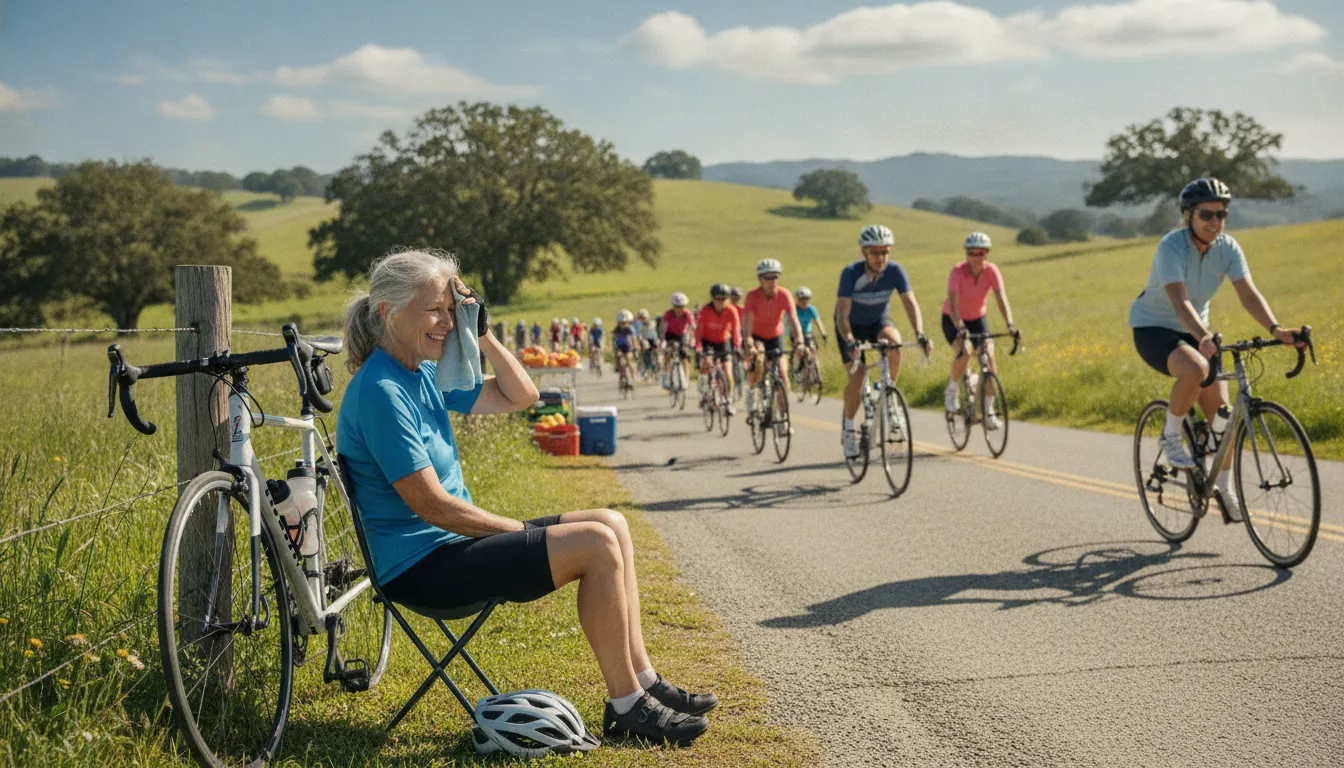
What Strength, Mobility, and Recovery Habits Support Riding?
Riding comfort depends on more than time in the saddle. A simple mix of strength, mobility, rest, and basic fueling can help you feel prepared. The right routine will vary with your experience, health, schedule, and chosen ride distance.
Build useful strength and mobility
General strength work can support movements that also show up on the bike. These include standing, stepping, lifting, and maintaining a steady position. Consider manageable exercises for your legs, hips, core, back, and upper body. Use resistance and range of motion that feel appropriate for you.
You might also include gentle mobility work for areas that become stiff during riding. These may include the hips, shoulders, ankles, and upper back.
This does not need to look like an intense gym program. A short, repeatable routine is more useful than a demanding plan you cannot maintain. If a movement causes pain or feels unstable, leave it out and ask a qualified professional for individual guidance.
Bike comfort matters, too. A properly adjusted saddle, handlebars, and contact points can help you stay relaxed. They can also help you notice when fatigue is changing your position.
Plan recovery as part of training
Rest or easy days give you room to respond to fatigue, illness, heat, travel, and other life demands. You do not have to force a scheduled ride when your body is asking for a pause. An easier spin, a walk, or a complete rest day may be the better choice.
Bike to the Beach supports self-paced riding. Your preparation can emphasize steady effort and confidence instead of speed.
After riding, drink fluids and eat a balanced meal or snack that works for your usual routine. Pay attention to how your energy and comfort change over the next several hours. Then adjust your next session if needed. For more guidance, see these post-ride recovery tips.
Think of these habits as tools, not tests. A flexible approach helps you keep preparing. It also respects the signals and circumstances that make your plan personal to you.
How Do You Choose a Ride Distance and Prepare for Event-Day Support?
Choose the distance that fits your current riding, preparation time, and preferred participation. A manageable goal is more useful than an impressive number. Bike to the Beach offers shorter options for newer riders and longer options for experienced cyclists.
Regional examples include 32, 62, and 100 miles in Florida. DC, Maryland, and Virginia examples include 25, 50, 70, and 100 miles. These examples show a range of choices. They do not require every rider to complete the longest route.
Use the choose a ride distance guide to compare options. Then match your training time to the distance you select. If a full route does not fit your goals, a relay team can split the distance.
| Approach | Who it may suit | Planning focus |
|---|---|---|
| Shorter route | Newer or returning riders | Build time. Practice pacing. |
| Longer route | Riders with an endurance base | Extend distance. Rehearse rest. |
| Relay team | Participants sharing a challenge | Coordinate each segment. |
Plan around support, not speed
Event-day support gives you a framework for sensible decisions. It does not replace preparation. Rest stops are positioned about every 15 miles. They provide hydration, sports drinks, electrolytes, fruit, snacks, sunscreen, first aid, and basic medications.
Treat these stops as opportunities to pause, drink, eat as appropriate for you, and check how you feel.
Mechanical support includes minor adjustments, flat and brake repairs, roving and stationary mechanics, and transport or bike-swap support for major issues. SAG vehicles can transport riders and bikes. Sweep operations and alternative transportation also support rider safety.
Before leaving home, use a CPSC-approved helmet and a bike in safe working condition. Attend the pre-ride safety briefing. Follow route marshals and event instructions, and keep emergency contacts accessible.
When Should You Pause Training or Ask a Healthcare Professional?
A flexible training plan should make room for changing energy, health, and daily demands. If a ride leaves you unusually fatigued, causes pain that does not settle, or feels harder than expected, pause and reassess. You might take an easy day, shorten the next ride, or return to a manageable level.
Illness, extreme heat, poor sleep, and major changes in routine are also reasonable reasons to adjust your plan.
Ask a qualified healthcare professional for guidance before beginning or substantially changing exercise if you have a chronic condition. Recently had surgery, have concerning symptoms, have questions about medication effects, or are unsure whether you are ready. Bring practical details to that conversation, such as the type of riding you hope to do and what you noticed during recent activity.
A clinician can help you understand what is appropriate for your circumstances. This general plan is not a personal medical prescription.
Stop training and seek urgent care for severe or sudden symptoms. Do not try to diagnose the cause yourself. If symptoms are milder but recurring, worsening, or affecting your confidence, make an appointment before resuming harder or longer rides.
Medical guidance is only one part of readiness. Your plan should also reflect your comfort on the bike, ability to recover, and willingness to choose a shorter route or relay team.
Explore Bike to the Beach charity rides and find a manageable participation option
Frequently Asked Questions
Is it too late to start training for a charity ride as an older adult?
It is not automatically too late, but your starting point matters more than your age. Begin with comfortable, manageable rides and notice how your body responds during the ride and afterward. Build consistency before adding time or distance, and include easy or rest days. If you have a chronic condition, recently had surgery, have concerning symptoms, have medication questions. Or feel unsure about readiness, speak with a qualified healthcare professional before starting or substantially changing exercise.
How can I adapt the plan if my energy or available time changes?
Keep the purpose of each session, not a rigid mileage target. On a busy or low-energy week, shorten the ride, choose an easier effort, or take an extra recovery day. When you feel ready, resume gradually rather than trying to make up missed training. Adjust for fatigue, pain, illness, heat, and other life demands. Self-paced riding is supported at Bike to the Beach, so steady preparation and effort management matter more than competing with another rider.
How do I choose a distance that fits my preparation?
Choose the shortest route that feels like a meaningful but manageable challenge. Then scale your riding time and distance toward that option. Bike to the Beach offers multiple route distances, including shorter choices for newer riders and longer choices for experienced cyclists. Regional examples include 32, 62, and 100 miles in Florida, plus 25, 50, 70, and 100 miles in DC, Maryland, and Virginia. These are options, not requirements. Relay teams can also split a ride distance.
What support is available if I need a break during the event?
Event support is designed to help riders manage the day safely. Rest stops are positioned about every 15 miles and offer hydration, snacks, sunscreen, and first aid. Mechanical support can address common bike problems. SAG vehicles can transport riders and bikes when needed. Learn the event briefing and support procedures before starting, and tell staff promptly if you need help.
Ready to Find Your Ride?
With adaptable preparation, you can build confidence at a pace that respects your body, experience, and chosen distance. A local charity ride can also connect your effort with a community-first mission supporting autistic people and people with disabilities. Choose a manageable regional event, then take the next step with Bike to the Beach.