

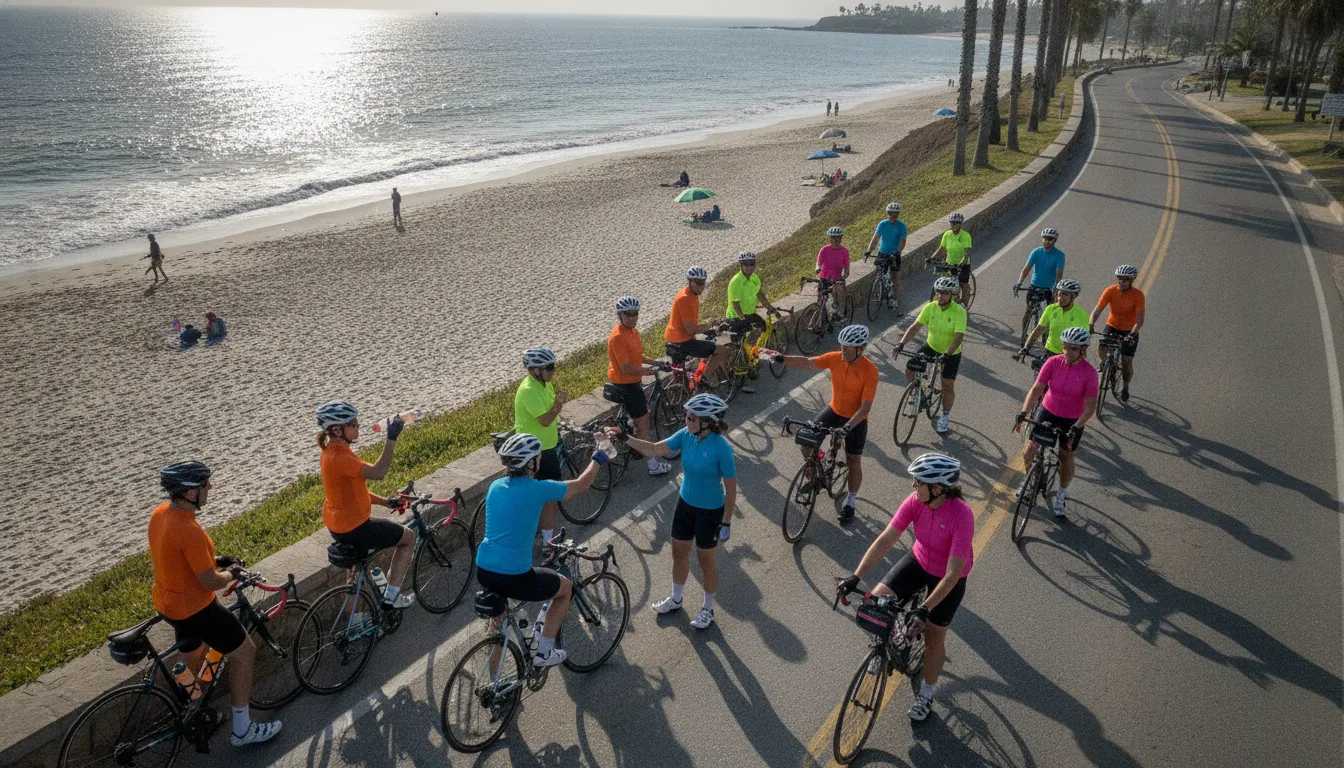
Cycling Hydration Guide for Long Charity Rides
Get the cycling hydration plan you need for a long charity ride, from timing and electrolytes to how Bike to the Beach keeps you fueled at rest stops.
Losing just two percent of your body weight to sweat can ruin a carefully planned charity ride. When dehydration sets in, your muscles stiffen and your power drops. Staying hydrated on the road is the only way to protect your performance and reach the finish line safely.
Register for your New England charity ride today
Cycling hydration is the planned replacement of water and minerals lost through sweat to keep your body running at its best during a long ride. To ride safely and keep your muscles strong, you must drink water and vital electrolytes instead of waiting until you feel thirsty. Research in the Journal of the International Society of Sports Nutrition shows that riders must drink on a set schedule to prevent severe dehydration. Aim for 17 to 25 ounces of fluid every hour, and add sodium on any ride that lasts more than 90 minutes. This proactive approach keeps your heart rate stable, prevents painful cramps, and ensures you have the strength to cross the finish line.
How do you build a personal hydration plan that works for your next big event? Start with why your body needs it. In the next section, Why Hydration Matters on a Long Charity Ride. We will look at how water loss affects your body on the road and why a proactive plan keeps you riding strong to the beach finish.
Why Hydration Matters on a Long Charity Ride
Riding a bike for many miles is a big challenge. Unlike a fast race, our rides are about community, safety, and finishing together to raise funds for the autism and disABILITY community. To keep your body strong and safe on the road, you must focus on cycling hydration. Proper fluid intake is the key to keeping your pace and enjoying the route from start to finish.
The physical cost of fluid loss
When you pedal for hours, you lose water through your sweat. Even a small drop in body water hurts. A study on cycling hydration shows that losing just 1 to 2 percent of your body mass impairs muscle power, strength, and endurance. If you do not replace these fluids, your heart must work much harder to pump blood to your muscles.
Losing 2 percent of your body weight can lead to cramps and heat strain. It makes it hard to cool down. To avoid a mid-ride crash, you must drink before you feel weak.
Why you cannot rely on thirst alone
Many riders think they only need to drink when they feel thirsty. But thirst is a late sign of fluid loss. A study on cycling hydration shows that drinking only when thirsty often leads to losing 1 to 3 percent of your body weight. By the time your brain tells you to drink, you are already dehydrated.
On a hot day, this lag can ruin your ride. Your sweat rate can rise quickly; it is hard to catch up once you fall behind. A set plan for drinking helps you stay in a safe middle ground. You should sip fluids every ten to fifteen minutes to keep your body in balance.
Hydration as a safety plan for charity rides
Our rides are open to all skill levels, from beginners to long-time riders. Because safety is our main goal, we do not want riders to take risks. Proper drinking is a key part of your safety plan. It helps you stay alert and focused on the road so you can ride with confidence.
We design our events to support your needs. Bike to the Beach sets up frequent hydration and support stops along the route. If you need help, our teams provide SAG vehicles and hydration support. Staying hydrated keeps you safe, letting you focus on raising funds for our local partners.
How Much Should You Drink While Cycling?
Finding your perfect cycling hydration plan is not hard, but each rider loses fluid at their own rate. Drinking the right amount of fluid keeps your muscles working and your mind sharp during a long day on the road. If you do not drink enough, you risk fatigue, cramps, and getting too hot. But drinking too much can also cause health problems, such as a drop in blood sodium levels.
Hourly fluid targets
For most rides, a good baseline is to drink 500 to 750 milliliters of fluid per hour. This is about 17 to 25 ounces, or roughly one standard bike bottle every sixty minutes. If you are going out for a quick spin under sixty minutes in cool weather, plain water is all you need to bring. But on longer rides, your body needs more support to stay strong.
When you plan a long ride, steady drinking is key to riding with a smile. If you plan to ride a long way, read our guide to the New England charity bike ride. It shows how support stops are spaced along the route. Learning how to drink on your training rides makes these rest stops the perfect place to refill and check in.
Adjusting for heat and effort
Your fluid needs will change based on the weather and how hard you push. In mild weather, sticking to the standard range of 500 to 700 milliliters per hour is a safe bet. But when the heat rises above 25 degrees, you must drink more. In warm climates, you should aim to drink at least 900 milliliters or more every hour to match your fluid loss.
When you ride in hot weather, you cannot rely only on your thirst. Research shows that a set plan to match fluid loss can improve cycling performance in heat. Drinking only when you feel thirsty is often not enough. This is because a set plan keeps your heart rate stable and helps your body sweat and cool down.
Calculating your individual sweat rate
Because sweat rates differ from person to person, using another rider’s plan is rarely the best choice. Some people sweat a lot, while others lose very little water on a long ride. A simple way to find your unique fluid loss is to weigh yourself before and after a practice ride. This field test will give you a clear target for your hourly drinking needs.
To do this, weigh yourself without clothes before a one-hour training ride. Ride at your target pace, and do not drink or use the restroom during the test. Weigh yourself again right after you finish, as each kilogram of lost weight equals about one liter of sweat. Knowing this number helps you develop individual hydration strategies to stay safe.
When to Hydrate on a Long Ride
To finish a long ride feeling strong, you need a smart plan. Waiting until you feel dry is a mistake. Your body needs water long before you spin your pedals.
Proactive hydration planning
A good ride starts with training your body to absorb water. You should build your cycling hydration plan weeks before the event. You can test your plan during your long practice runs. To find out how much water you lose, you can use a simple sweat test. Weigh yourself before and after a hard test ride. Each pound you lose equals about a pint of sweat. This test helps you find your own sweat rate so you know what to drink.
When you prepare for the big day, you can practice your plan on local routes. This is helpful before you rely on hydration and support stops during the big event.
Step-by-step hydration timeline
A set timeline keeps your fluids in balance. Use these four steps to time your drinks on a long ride:
- Drink before the start: Drink 500 to 750 milliliters of water two to three hours before you roll. This gives your body time to absorb the fluids and pass any excess water.
- Top off your tank: Sip about 500 milliliters of water in the final hour before the start. This ensures you start the ride fully hydrated.
- Sip on a schedule: Do not rely on thirst to tell you when to drink. Thirst is often a late sign of fluid loss. Instead, take a few sips of water or sports drink every 10 to 15 minutes. Start doing this within the first 15 minutes of your ride to stay ahead of fluid loss.
- Rebuild after the ride: Weigh yourself after you finish. Drink 125% to 150% of the fluid weight you lost. Make sure to consume sodium and food with your water to help your body recover.
The hydration middle ground
For safety and speed, charity riders should use a set plan rather than drinking only when they feel thirsty. Trusting your thirst is a poor choice. It often leads to mild dehydration during long, hard efforts. A bad plan can also cause you to drink too much plain water too fast. This can dilute your blood and cause severe health risks.
Your goal is to find a healthy hydration middle ground. You want to avoid the bad effects of losing too much water. At the same time, you must not drink too much water too fast, which can also make you sick. Staying in this middle zone keeps your heart rate stable and helps your body sweat to stay cool. It keeps you safe so you can enjoy the road and support the cause.
Register for your next charity ride and start fundraising for the autism community
Electrolytes: Water Is Not Always Enough
Why plain water is not enough
Your body loses both water and key salts when you sweat on a ride. These salts are called electrolytes, and they help your muscles work. Sodium is the main mineral you lose in your sweat. In fact, you can lose 500 to 1,500 milligrams of sodium in every liter of sweat. Losing just two percent of your body weight through sweat can hurt your power and endurance.
To find your sweat rate, weigh yourself before and after a practice ride. Each kilogram of weight you lose equals about one liter of sweat. If you only drink plain water on long rides, you do not replace this lost salt. This dilution can cause your muscles to cramp and reduce your pace. Adding minerals to your bottles can help with fluid absorption compared to plain water.
The danger of hyponatremia
Drinking too much plain water without salt can lead to a serious medical issue. This condition is called hyponatremia, or low blood sodium. It happens when you drink more water than you sweat out, which dilutes the salt in your blood. Early signs include headaches, confusion, and muscle weakness. You may also feel dizzy or tired if you lose too much sodium. Research shows that maintaining proper electrolyte balance is crucial to avoid this risk on long events. To stay safe, you should never try to hydrate with pure water alone on long hot days. You must aim for a safe middle ground to prevent both dehydration and overhydration. This balance is key to a fun and safe ride.
How to balance your sodium intake
You should add electrolytes to your bottles on any ride that lasts over 90 minutes. For rides over two hours or in hot weather, target 500 to 700 milligrams of sodium per hour. This dose helps your body hold onto fluids and keeps your heart rate stable. It also stops your blood pressure from dropping during hard efforts. You do not have to carry all this gear with you on your bike. You can find these sports drinks, mixes, and salty snacks at our hydration and support stops. Using these regular stops to refill your bottles will help keep your energy high. It will ensure you finish your ride strong at the beach.
| Feature | Plain Water | Electrolyte Drink |
|---|---|---|
| Best Ride Length | Under 60 minutes | Over 90 minutes |
| Sodium Content | None | 500 to 700 milligrams per hour |
| Fluid Absorption | Standard speed | Fast absorption in the gut |
| Overhydration Risk | Higher risk of low blood sodium | Low risk when used as directed |
Common Cycling Hydration Mistakes to Avoid
Many riders face troubles on long rides because of simple errors in their drinking habits. Having access to SAG vehicles and hydration support can help you stay on track, but you must still know what mistakes to avoid. Three main errors can ruin your ride: waiting to drink until you feel thirsty, missing minerals like sodium, and drinking too much water too fast.
The mistake of drinking only when thirsty
Many cyclists think they should only drink when their body signals thirst. But thirst is not a good guide during a long, hard ride. Research shows that drinking only when thirsty often leads to a loss of 1% to 3% of your body weight. This loss of fluid degrades performance, as shown in this study on cycling hydration.
You must drink on a set schedule instead of waiting for your throat to feel dry. Your needs will change based on the weather, such as heat and humidity. If you do not adapt to the hot weather, you can get sick. Plan to take small sips every ten to fifteen minutes to stay ahead of your fluid losses.
Relying on plain water without electrolytes
Drinking only plain water is fine for short trips. But on long charity rides, relying only on water is a major error. When you sweat, you lose both water and vital minerals like sodium. In fact, sodium is lost in the highest amount of all the minerals in your sweat. This loss can range from 500 to 1,500 milligrams of sodium per liter of sweat.
If you only drink plain water, you dilute your blood. This dilution can cause muscle cramps, fatigue, and brain fog. Adding electrolyte powder to your bottle helps your body absorb the fluid much better. For any ride longer than ninety minutes, you should mix an electrolyte drink into your plan. Keeping a proper balance of electrolytes is crucial to prevent hyponatremia, mainly during long events.
Overhydration and drinking too fast
Some riders try to prevent thirst by drinking massive amounts of water in a short time. This is also an unsafe mistake. Overhydration is unsafe because it can lead to a condition called hyponatremia. This happens when the sodium levels in your blood become too low because of too much fluid. It can cause headaches, confusion, and in bad cases, it can lead to a medical crisis.
To stay safe, you must find a middle ground between too little fluid and too much. A clinical review in PMC notes that both water loss and overhydration degrade performance and carry high health risks. You should not chug a whole bottle of water at once. Instead, drink steady, small amounts throughout your ride to help your body manage the fluid safely.
How Bike to the Beach Keeps Every Rider Hydrated
A long charity ride is a great way to support the autism and disABILITY community. But a ride that spans 25 to 100 miles needs a smart plan for safety and health. That is why Bike to the Beach builds a full network of on-course help for every rider. Our goal is to make cycling hydration simple, so you can focus on the road and your fundraising impact.
Frequent support and rest stops
We set up fully supported rest stops every 15 miles along the entire route. These spots are key checkpoints where you can get off your seat to stretch and check in with staff. They are also the best places to refill your water bottles and grab quick snacks. Having these scheduled stops helps you stay on top of your needs before dehydration sets in.
At each stop, our team provides key items to help you recover:
- Cold water to refill your bottles
- Sports drinks for electrolyte replacement
- Fresh fruit and salty snacks to restore your energy
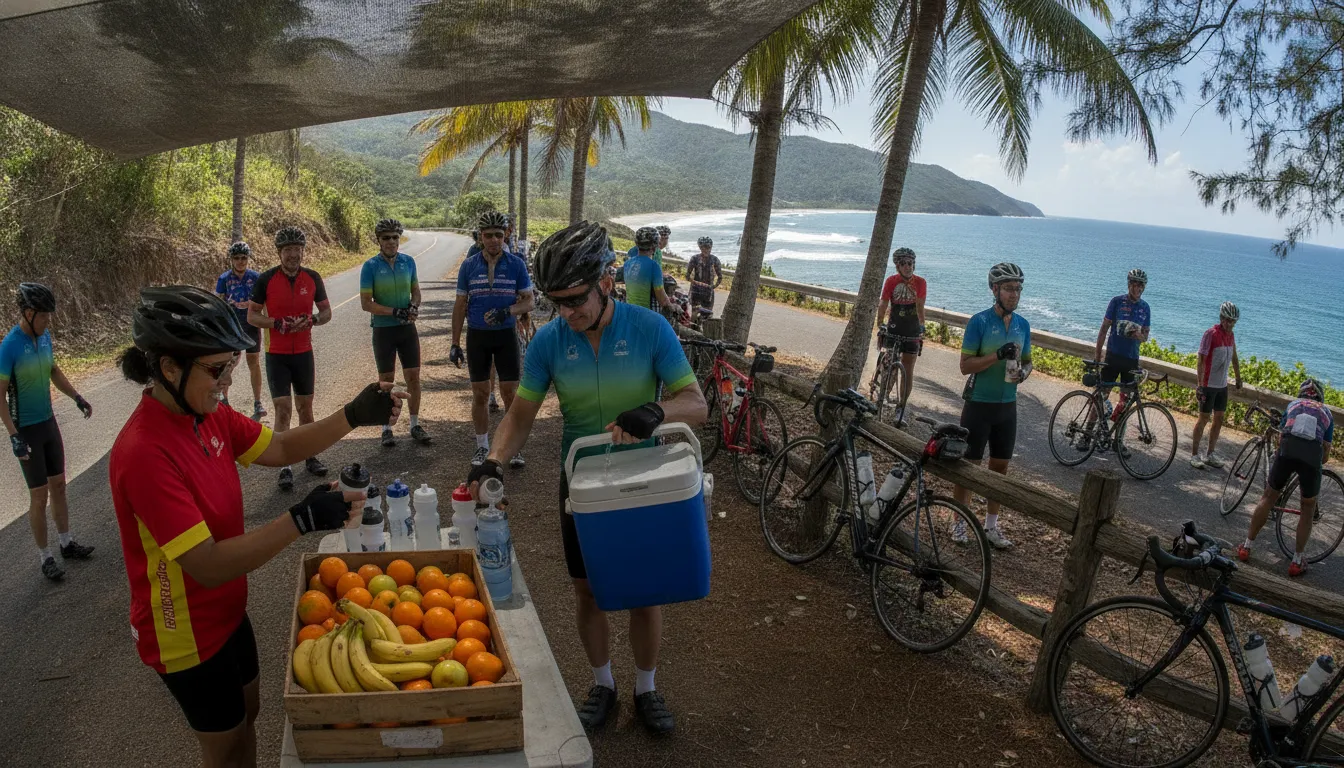
These items make it easy to follow a set plan rather than waiting until you feel thirsty. If you are in our New England event, use our hydration and support stops to plan your pace.
On-course support vehicles
Safety is our main focus. That is why Support and Gear (SAG) vans drive along our routes. These vans carry extra water, ice, and sports drinks to restock our stops. They also help riders who need a break or a lift to the next station. No matter your skill level, these teams are there to keep you safe.
Our rides span 25 to 100 miles to welcome all ability levels, including adaptive athletes. Our SAG vehicles and hydration support ensure that everyone has what they need to finish. If you run out of water between stops, you can wave down a support van. They will give you cold fluids and help you get back on track.
Weather and climate planning
Bike to the Beach hosts rides in many parts of the country, which means climates vary. A ride in the hot Florida sun needs a new plan than a cool morning in New England. Your sweat rate can change fast when temperature and humidity rise. That is why you must adapt your fluid plan to match the local weather.
In hot weather, your body works harder to stay cool. Research shows that hydration needs change based on the heat and humidity around you. For our South Florida ride, you may need to drink much more than you would in the north. Our team keeps a close eye on the local weather to help you adjust your plan on ride day.
Register for your Bike to the Beach charity ride today
Frequently Asked Questions
How much water should I drink on a long bike ride?
Most riders need about 17 to 25 ounces of fluid every hour. In high heat, you may need more than 30 ounces per hour. Do not just drink when you are thirsty. According to a study on PubMed, planned drinking that matches your sweat rate improves your speed. It is best to take small sips every ten to fifteen minutes.
What are the signs of dehydration while cycling?
Early signs of fluid loss on a bike include dry mouth and feeling very thirsty. You might also feel dizzy, tired, or get a bad headache. Your body may stop sweating as much, and your heart rate can go up. If you feel these signs, you must stop to drink and rest. According to a study on PMC, large fluid losses hurt your speed and can cause real illness.
Why are electrolytes important for long bike rides?
Electrolytes like sodium help your body absorb water and keep your muscles working well. When you sweat, you lose both water and salt. If you only drink plain water on a long ride, you can dilute your blood. This can lead to a dangerous state called hyponatremia. To stay safe, drink fluids with added sodium on any ride that lasts more than ninety minutes.
How do rest stops help cyclists stay hydrated?
On a Bike to the Beach ride, you will find support stops about every fifteen miles. These rest stops are great places to refill your water bottles and get electrolyte drinks. You can also eat salty snacks to replace lost salt. If you feel too tired or hot, support vehicles can help you. These stops make it easy to follow your hydration plan and ride safely.
Ready to Put Your Cycling Hydration Plan to the Test?
Waiting until the morning of your event to think about your water and salt intake will surely hold you back on the road. If you do not plan your daily cycling hydration now, you risk painful muscle cramps, loss of power, and serious safety issues on the road. Since our fully supported charity ride is coming up quickly, starting your hydration training today gives your body the time it needs to perform well.
Ready to make a big impact on the local autism community while taking on an amazing charity ride with our team? Register for your New England charity ride today and start making a difference in your local area.