

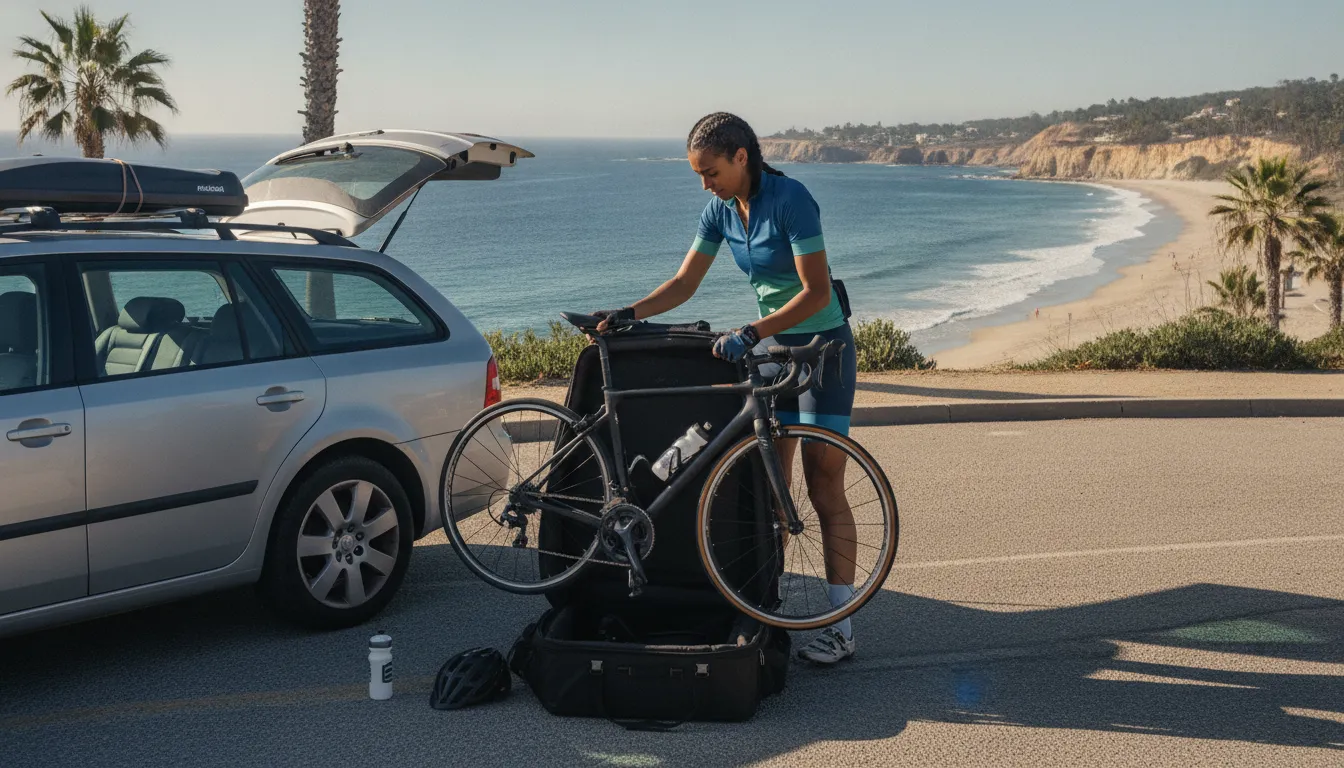
How to Travel to a Charity Bike Ride With Your Bike
Learn how to travel to a charity bike ride with your bike, including transport, packing, arrival buffers, lodging, and companion planning.

Traveling to a charity ride is easier when your bike, arrival plan, and weekend plans work as one itinerary. Preparation can prevent rushed assembly, missed check-in, or a companion wondering where to go after the start.
To learn how to travel to a charity bike ride with your bike, choose the right transport method. Confirm current carrier or event rules. Protect and inspect your bike. Allow time for arrival and packet pickup. Coordinate lodging, transfers, and non-rider plans.
Bike to the Beach events vary by region, distance, and start and finish location. Event transportation, bike handling, gear-bag storage, hotels, and rider support may be available. Confirm those details for your specific ride. Start by making the decisions that shape your trip.
For a regional example, review the Bike to the Beach New England ride page, then confirm the current travel details for the event you plan to join.
Explore Bike to the Beach charity rides and find the event that fits your plans.
What Should You Decide Before Traveling to a Charity Bike Ride?
Start with the event’s shape, not the airline ticket or hotel reservation. Regional charity rides can use different start and finish locations, route distances, formats, and transportation plans. Review current event information first. A route that begins in one city and finishes in another requires a different plan from a loop ride. This matters when your bike, luggage, and companions all need to move with you.
Choose the distance and participation format first
Bike to the Beach offers multiple route distances. Choose a challenge that fits your experience, schedule, and travel plans. A shorter route may change your arrival and recovery needs. Teams, relay participants, individual riders, and virtual participants may also plan differently. Decide how you will participate before arranging transportation.
Decide how your bike will reach the start
Driving is often simple when you need flexibility for a bike case, tools, clothing, and recovery supplies. Flying or public transportation may suit a longer trip. Check the carrier’s current bicycle rules before booking. Confirm case or box dimensions, fees, reservations, and handling. Do not assume one policy applies across every carrier or route.
You may be able to use event transportation, a rental bike, or bike transport. These possibilities are event-specific. Confirm availability, pickup instructions, timing, and pricing with the event team before relying on them.
Plan the days around ride morning
For a multi-day trip, leave time for local transfers, lodging check-in, bike assembly, inspection, packet pickup, route review, and delays. A late arrival can turn a manageable checklist into a stressful evening. Ask where you can store the assembled bike securely.
If someone is traveling with you but not riding, decide how that person will reach the start or finish. Identify safe spectator access and a communication plan. Confirm these arrangements because access, transfers, and finish-line logistics vary by event. Early planning helps everyone enjoy the community experience, not just the miles.
Which Transport Option Is Best for Your Bike and Trip?
The best choice depends on distance, budget, and your comfort handling the bike. It also depends on what you need at the start and finish. If you are learning how to travel to a charity bike ride with your bike, compare the entire journey. Include transfers, storage, assembly time, and the return home.
| Option. | Best fit. | Plan for. | Confirm first. |
|---|---|---|---|
| Drive. | Regional trips, flexible schedules, or riders traveling with family. | Interior or exterior bike protection, parking, fuel, and a secure place to store the bike. | Event parking, start and finish access, and whether a separate return plan is needed. |
| Fly. | Long-distance travel when driving would add too much time. | A case or box, careful packing, local transfers, assembly, and a mechanical inspection. | Carrier bicycle rules, case dimensions, reservations, fees, and handling requirements. |
| Rail or bus. | Travelers who want to avoid driving or a flight. | Station transfers, stairs, connection time, and the bike’s packed size. | Carrier bicycle rules, luggage limits, reservations, fees, and handling requirements. |
| Rental bike. | Riders traveling light or unable to transport their own bike. | Correct frame and equipment, pickup timing, fit adjustments, and a test ride. | Whether rental bikes are available for the specific event and location. |
| Event transportation. | Riders who want an organized option between event locations. | Departure timing, pickup location, gear handling, and a backup plan. | Whether return transportation or bike transport is offered, plus current instructions and pricing. |
Driving gives you control
Driving is often simple for a manageable regional trip. You can bring tools, clothing, nutrition, and spare equipment without carrier restrictions. Protect the bike from shifting luggage and weather. Decide where it will stay overnight. If the event is point-to-point, map both locations before booking lodging or assuming your vehicle will be nearby.
Flying or taking public transit requires more verification
Airlines, rail operators, and bus companies do not share one universal bicycle policy. Check current rules before booking. Confirm reservations, case dimensions, fees, and handling instructions. Build in time to move, assemble, and inspect the bike after arrival.
Consider a rental or event option
A rental bike can remove the burden of transporting a case, but availability and fit depend on the event and location. Ask about sizing, pedals, helmet requirements, pickup, and return timing. Event transportation may also help with a point-to-point ride. Confirm current instructions rather than assuming every ride offers the same service.
Whichever option you choose, leave a contingency plan. Keep confirmation details, the event contact, and essential repair items accessible, and make sure your transport plan works for both the bike and the rider.
How Do You Pack and Prepare a Bike for Travel?
- Choose the right container for the trip. Decide between a hard case, soft bike case, or sturdy bike box based on your bicycle, transport mode, storage space, and comfort with reassembly. A case that works well for air travel may be inconvenient in a small rental car or hotel room. Before packing, read the case manufacturer’s instructions. Check your carrier’s current bicycle rules, dimensions, fees, reservations, and handling requirements. Policies can change, so do not assume one carrier’s process applies everywhere.
- Photograph the bike and gather your tools. Take a few clear photos before removing parts so you have a reference for cable routing, saddle height, handlebar position, and wheel placement. Pack the tools needed for your specific bike, such as the correct hex keys, a pedal wrench, and a torque wrench if appropriate, plus tire levers, a pump, spare tubes or tubeless supplies, and any small parts removed during packing. Keep these items together rather than scattering them through checked luggage.
- Protect contact points and delicate components. Remove only the parts required by the case or box instructions. Use padding around the frame, fork, rear derailleur, handlebars, and other exposed areas. Secure loose components so they cannot rub against the frame or shift into the wheels. Do not force a part into place or over-tighten hardware. If you are unsure how to remove or reinstall a component, ask a qualified bicycle shop to pack it or demonstrate the process.
- Label the container and create a recovery plan. Add your name, phone number, and travel details to the case or box, and place a second identification card inside. Keep photos of the packed bike and note any identifying features. Carry essential ride-day items, including your helmet and basic repair supplies, separately when practical. Confirm how you will move the container from the station, airport, or hotel to the event location before departure.
- Reassemble the bike with time to spare. After arrival, inspect the frame, wheels, tires, brakes, shifting, and cockpit before riding. Check that every fastener is secure and that wheels and pedals are installed correctly. Take a short, easy test ride in a safe area, then address any unusual noise, rubbing, looseness, or shifting problem. If the bike took a hard impact or you are not confident in the inspection, use a professional shop check before ride morning.
- Finish with the safety check. The bike should be in safe working condition, and riders should have a CPSC-approved helmet. Lights and mirrors may be useful for early starts, depending on the route and current event guidance. Pack the bike so it arrives ready for the ride, not merely ready to roll out of the case. That extra inspection protects your travel investment and gives you a calmer start to the weekend.
Explore Bike to the Beach rides and build your travel plan.
How Early Should You Arrive and Where Should You Stay?
For a multi-day charity ride, arriving the night before is often more comfortable than trying to reach the start on ride morning. Build a realistic buffer around your travel time, local transfers, bike assembly or inspection, check-in, packet pickup, route review, and unexpected delays. Your goal is not simply to reach town. It is to arrive with enough energy and time to solve a luggage, mechanical, or transportation problem without turning it into a crisis.
Plan the arrival window around your bike
After you arrive, allow time to unpack and assemble the bike according to the case or box manufacturer’s instructions. Check the wheels, brakes, shifting, tires, and any parts that were removed for travel. If you are not comfortable inspecting or adjusting the bike yourself, research a local bike shop before leaving home and ask about appointment availability. A short test ride can reveal a loose component or setup issue while there is still time to fix it.
Leave room for event check-in and packet pickup, then review the route and your plan for getting to the start. Bike to the Beach events can have different regional formats, start locations, and transportation arrangements. So confirm the current event materials rather than assuming that one ride works like another.
Ask practical questions before booking lodging
When comparing hotels or other accommodations, ask whether you can store the bike securely inside the room or in an approved storage area. Also confirm early breakfast options, access to the start, checkout timing, parking or local transfer details, and whether a late checkout is possible after the ride. Do not assume a property will accept a bike indoors or provide a cycling-specific service unless staff confirms it.
Bike to the Beach may identify official hotel partners with group rates, extended-stay options, or bike storage and security arrangements. These benefits are event-specific. Verify current partner terms, booking instructions, and availability for your regional ride before paying.
Event logistics may also include gear-bag transport, secure storage, showers, changing areas, and restrooms, but these amenities are not guaranteed at every event. Confirm what is included, where bags must be dropped off, and how you will collect them. Planning these details early leaves ride morning focused on a safe, supported start rather than last-minute logistics.
How Can Non-Rider Companions Plan the Weekend?
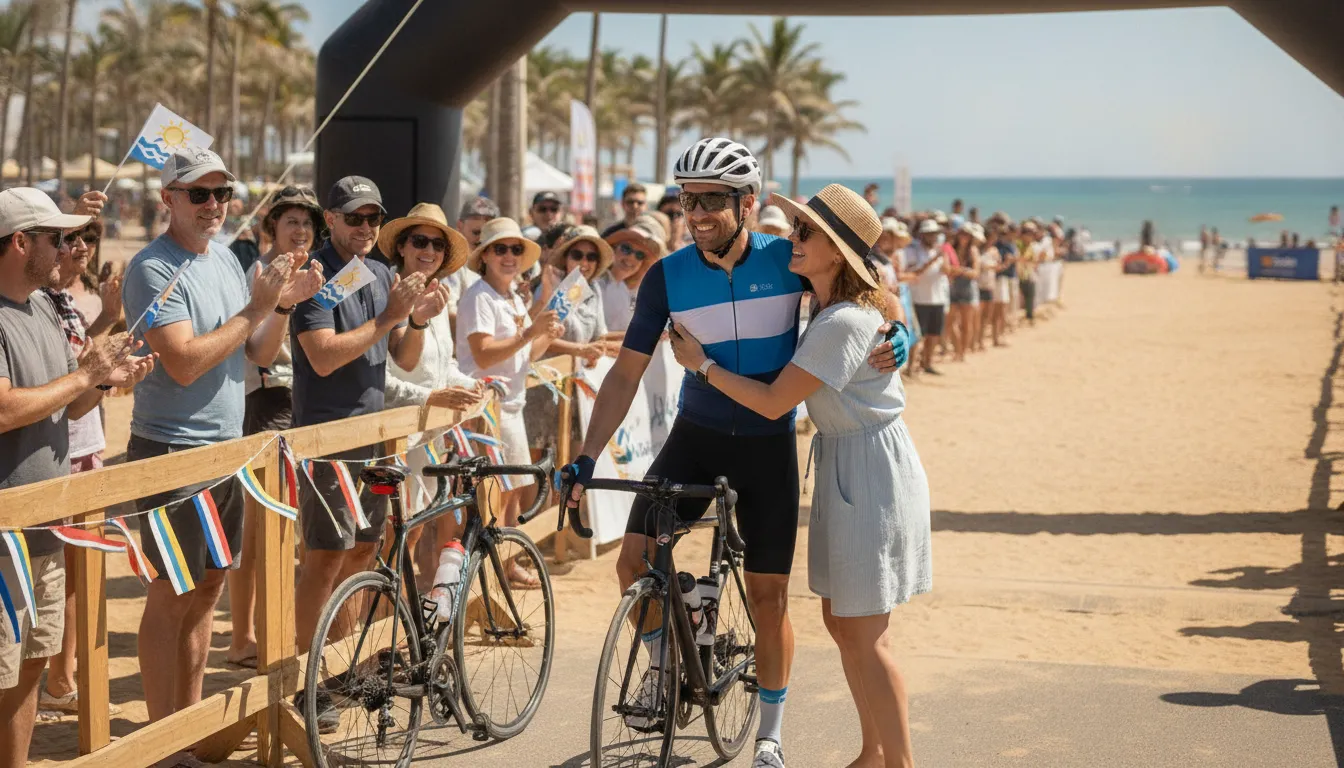
A companion does not need to ride to be part of the weekend. Start by mapping the rider’s full itinerary, then build a separate plan for the person traveling with them. The key questions are simple: Where does the rider start? Where will the companion stay? How will each person reach the finish? When and where can they reconnect?
Coordinate start and finish transfers
Many point-to-point charity rides require more than one transportation decision. A rider may need a way to reach the start, while a companion may want to stay near the finish or travel between locations during the day. Bike to the Beach may offer return transportation from the beach to the start, bike transport, or other event transportation. Availability, pickup locations, departure times, and pricing can vary by regional event. Confirm those details before booking lodging or assuming a companion can ride along.
Ask the event team whether spectators can access the finish area, where they should enter, and whether parking or drop-off rules apply. Finish-line access may be limited by venue operations. If the companion plans to meet the rider there, agree on a backup meeting point and a realistic arrival window rather than relying on a last-minute phone call.
Plan communication and meals
Cell service, battery life, and changing ride conditions can make live coordination difficult. Share the route, event contact information, lodging address, and planned check-in points. A fully charged phone, portable battery, and one agreed communication window can reduce uncertainty. Riders may also receive support on the course, including rest stops with hydration, snacks, sunscreen, first aid, and basic supplies. Review the event’s current materials, and see what to expect from charity ride rest stops so the companion can plan meals without assuming every item will be available at the finish.
For meals, identify options near the lodging and finish venue before ride morning. Include a plan for dietary needs, an early breakfast, and a post-ride meal. Do not assume the companion can access the rider-only food or gear areas.
Choose a participation format that fits
The rider and companion can also choose a format that matches their time and travel plans. Bike to the Beach supports individual riders, relay teams, corporate teams, and virtual participation. A relay or virtual option may allow someone to take part in the mission without completing the full route. Whichever format you choose, confirm current start, finish, spectator, and transportation instructions with the event team before making nonrefundable plans.
How to Travel to a Charity Bike Ride With Your Bike Without Last-Minute Stress?
General travel planning can help you choose a case, build in extra time, and decide whether to drive, fly, use public transit, or arrange a rental bike. Event logistics are different. They can vary by region and may change from one ride to the next. So confirm the details with the current event page or event team before you book nonrefundable travel.
Ask specifically whether return transportation is available from the finish to the start, whether bikes can travel on that service, and where and when pickup occurs. Confirm whether the ride offers more than one departure time, and whether there is a separate reservation or fee. Do not assume that transportation will accommodate an oversized bike case or an assembled bicycle.
Parking also needs an event-specific answer. Confirm the approved parking location at both the start and finish, whether overnight parking is permitted and how you will get between your lodging, parking area, and ride venue. If gear-bag transport or secure storage is offered, ask where bags are dropped off, what identification is required, and when they will be available after the ride.
For lodging, ask about official hotel partners, group rates, extended stays, bike storage, and the distance to the start. Confirm whether the hotel can support an early departure and whether local transfers are available. Review start and finish locations carefully, especially when a region has multiple starts or route options.
Finally, verify the current safety requirements. Bike to the Beach lists a CPSC-approved helmet and a bicycle in safe working condition as requirements. Ask whether lights, mirrors, route navigation, or any other equipment is recommended for your ride. Keep the event team’s contact information with your travel documents so you know whom to reach if a flight, bike shipment, or local transfer is delayed.
Before you book, confirm each item below.
- Bike transport, return transportation, pickup instructions, and departure times.
- Start and finish locations, parking rules, and local transfers.
- Gear-bag handling, storage, showers, changing areas, and restroom access.
- Hotel partners, bike storage, early check-in or checkout, and cancellation terms.
- Helmet, bike-condition, lighting, navigation, and other current safety requirements.
- The correct event contact for travel, bike handling, and ride-day questions.
With the main logistics confirmed, you can choose a regional ride and make the rest of the weekend easier to manage.
Explore Bike to the Beach regional rides and plan your trip.
Frequently Asked Questions
Can I fly with my bike to a charity ride?
Yes, but check your airline’s current bicycle rules before booking. Confirm case or box dimensions, fees, reservations, packing requirements, and handling instructions. Plan time after arrival to collect the bike, assemble it, inspect it, and resolve any travel damage before ride morning.
Can I rent a bike instead of transporting my own?
Possibly. Bike rental availability and requirements depend on the event and location, so confirm current options with the event team before registering. Ask about the available bike type, sizing, pickup and return timing, equipment included, and whether the rental works with your planned route distance.
How will I get back after finishing the ride?
Plan your return transportation before ride day. Some events may offer transportation from the beach to the start, bike transport, gear-bag handling, or multiple departure times, but availability, instructions, and pricing vary by event. Confirm the current details on the applicable event page.
How early should I arrive before the ride?
Arrive early enough to absorb travel delays, check in, assemble and inspect your bike, collect any required materials, review the route, and settle into your lodging. A buffer is especially useful when you are flying, using public transit, or traveling with a bike case.
What should non-riding companions plan for?
Build a plan around lodging, local transfers, start and finish access, meals, safe spectator locations, and a reliable communication method. Companion access and finish-line logistics can vary, so confirm them with the event team rather than assuming the rider’s transportation plan will cover everyone.
Ready to Choose Your Ride?
A clear travel plan can make the weekend feel more manageable for you and anyone coming along. Review the current regional ride options, confirm the logistics for your area, and choose an event that fits your bike and companion plans.
Get started by exploring Bike to the Beach charity rides and register when your travel details are ready.