

Event Insurance for Nonprofits: Questions to Ask
Event insurance for nonprofits: key questions about venues, volunteers, weather, vendors, and exclusions to take to a qualified insurance professional.
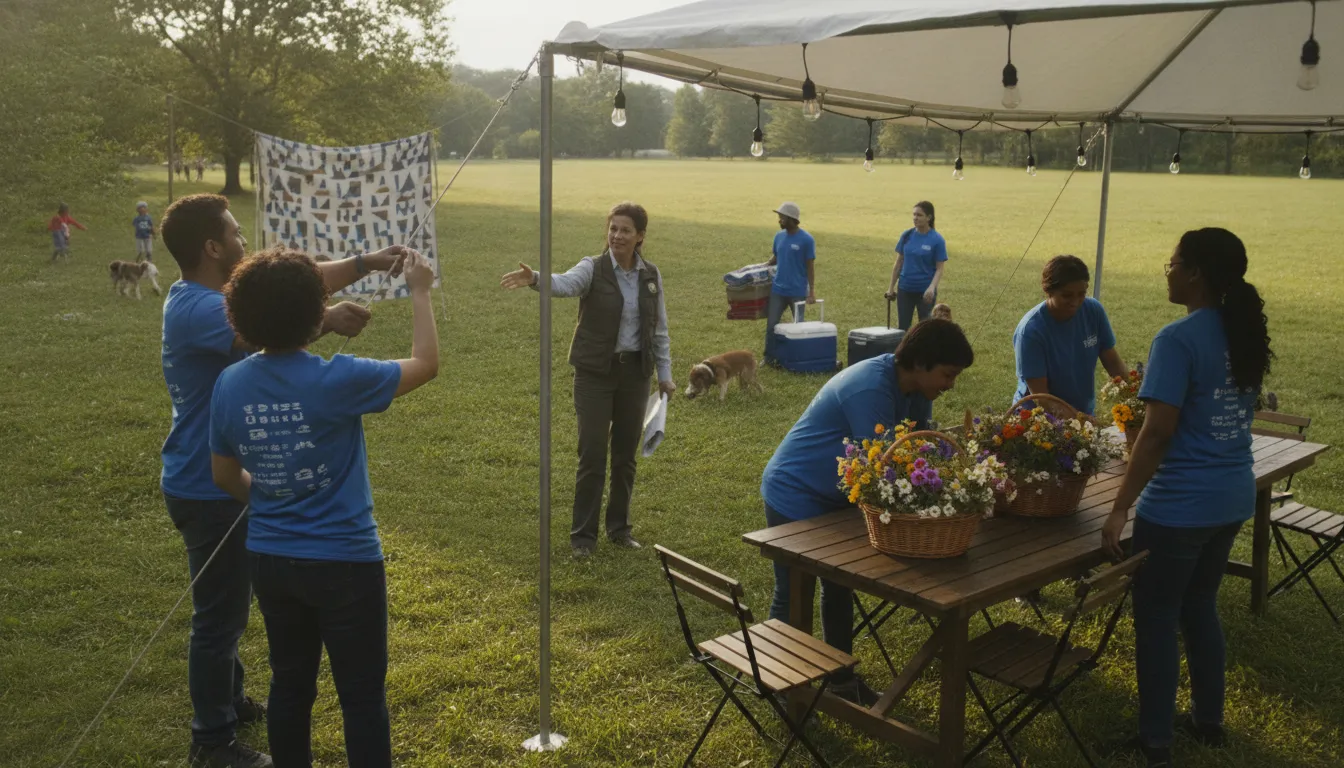
A charity event can bring together a venue, volunteers, participants, vendors, equipment, and a schedule that may change. Before those moving parts become commitments, organizers can gather the details and take them to a qualified insurance professional.
Event insurance for nonprofits is best approached as a conversation about how an event’s specific activities, people, location, and timing relate to the organization’s insurance arrangements. Ask a qualified insurance professional to explain relevant terms and options; no single answer applies to every event.
Connect with the Bike to the Beach community and discover how local events bring people together.
Start by describing the event as it will actually run, including setup, activities, and who is involved. That gives the discussion a practical foundation without assuming what any policy includes or what coverage an organizer needs. This guide offers questions to bring to a professional, not legal or insurance advice.
What event insurance for nonprofits means in event planning
For a nonprofit, an event can bring staff, volunteers, participants, vendors, and community partners together around a shared purpose. Event insurance for nonprofits is best approached as a planning conversation about the particular event. Not as one universal category with a standard answer for every organization or gathering.
A charity ride, a community festival, and a small indoor fundraiser have different activities and arrangements. Even two events with the same name can differ in location, attendance, timing, and who is doing what. Those details may matter when an organization asks a qualified insurance professional to review its situation. The point is to describe the event accurately and get advice for that specific context, rather than assume a policy or prior event automatically applies.
Before that conversation, organizers can write down the event’s purpose and a straightforward outline of how it will run. Include the setting, activities, expected participants, the people and organizations involved, and any important changes from past events. This is not an insurance assessment; it is a way to help an adviser understand what the nonprofit is planning.
Useful questions to bring to a qualified insurance professional include:
- Which details about this event do you need to evaluate our situation?
- How should we describe the roles of our staff, volunteers, participants, and outside organizations?
- Are there event documents or agreements you would like to review?
- What should we confirm directly with the venue or other organizations involved?
Answers depend on the organization’s circumstances and the applicable documents. Do not treat a general article, another nonprofit’s arrangements, or a previous event as a decision about your own coverage. Ask the professional to explain any policy-specific terms and what they mean for the event you are planning. If a contract or legal obligation needs interpretation, consult a qualified legal professional.
Keeping this discussion connected to the event’s purpose also helps the planning team stay focused: the goal is to bring people together for meaningful community impact while making informed decisions about the specific event. This section offers planning prompts only. It does not recommend coverage, interpret a policy, or provide legal advice.
Start with the venue and event footprint
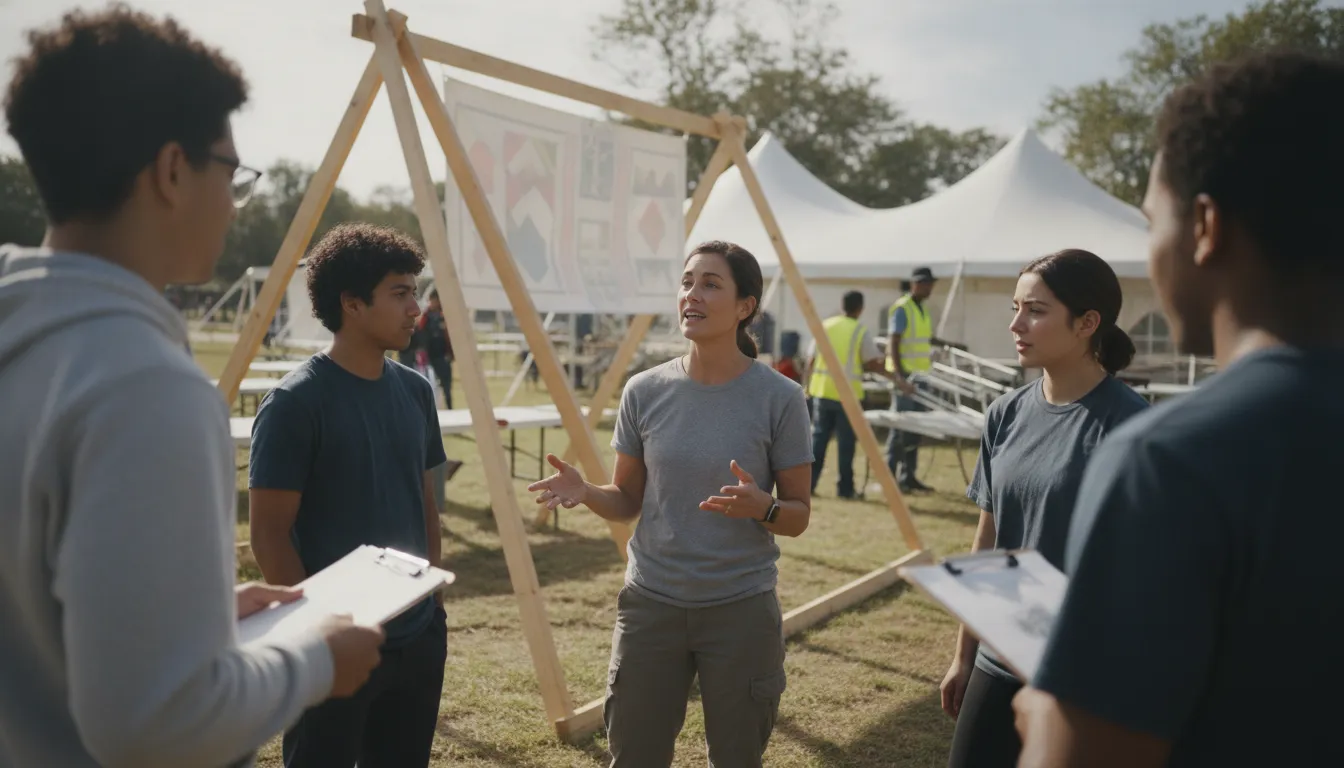
Before discussing insurance, give the venue contact and a qualified insurance professional a clear picture of what you are organizing. A one-site reception, a street fair, and a charity ride have different locations, activities, schedules, and moving parts. Those details help the people advising you understand the event; they do not, by themselves, answer what any policy covers.
Start with the place. Is the event indoors, outdoors, or split between spaces? Will participants, staff, or vendors use areas that are open to the public, shared with other groups, or controlled by a venue? Ask the venue what event information, agreements, or documentation it wants, and share those requests with your broker. Do not assume that paperwork used for another venue or event will apply here.
For events that move across a site or route, map the footprint rather than naming only the start and finish. Note where activities take place, where people gather, and whether the planned route or layout may change. For a ride or other multi-location gathering, charity ride event planning can help frame the operational conversation. Give your adviser a current plan and explain which parts are confirmed versus still being finalized.
Include the full schedule, not just the public event hours. When do setup and breakdown begin? Will anyone enter the site before or remain after the event? Are there rehearsals, load-in periods, or post-event cleanup? Ask whether the dates and times you provide should include these activities, and what details the broker needs to understand the event timeline.
Make a list of property and equipment that will be brought in, rented, borrowed, or supplied by the venue. This might include tents, tables, sound equipment, barriers, temporary structures, or vehicles. Record who owns each item, who will deliver and set it up, who will operate it, and when it will leave. Ask the venue and broker which contracts, inventories, or vendor details they want to review. These are information-gathering questions, not assumptions about responsibility or coverage.
A useful planning packet can include a site map, route map if relevant, event schedule, venue agreement, rental list, and brief activity description. Ask your broker what else would help them assess your specific event, and ask the venue contact to clarify any event-use terms you do not understand. Take questions about policy language to a qualified professional rather than relying on a checklist or another organization’s arrangements.
Ask how different people and roles are treated
A nonprofit event brings together people with different responsibilities, from registered participants and spectators to volunteers, paid staff, contractors, and vendor teams. Give a qualified insurance professional a clear picture of who will be there and what each group will do. Do not assume that a policy treats every person or role the same way.
Before that conversation, make a simple role list. For each group, note its event duties, who coordinates the work, and whether people are acting on behalf of your organization or another organization. For example, a charity ride might involve route marshals, rest-stop volunteers, medical personnel, a contracted equipment provider, and participants traveling at different distances. These are prompts to describe your own event, not conclusions about insurance.
Ask the professional questions such as:
- How should we describe volunteers, employees, contractors, vendors, participants, and spectators when discussing this event?
- Are there different details or documents you need for people supplied by a partner organization or service provider?
- Which activities should we identify separately, such as cycling, setting up equipment, serving food, transporting supplies, or providing medical support?
- What should we clarify about supervision, training, participant registration, or the boundaries of each person’s role?
- Are there particular names, agreements, or event materials you need to review to answer our questions?
Describe what people will actually do, rather than relying on broad labels like “volunteer” or “vendor.” Include when they arrive. Where they work, what equipment or vehicles they use, and who directs them. If duties change on event day, ask how to keep the professional informed and whether updated information is needed. Keep copies of relevant agreements, role descriptions, schedules, and participant instructions together so you can refer to the same facts during the discussion.
People planning a ride can also review Bike to the Beach’s event volunteer opportunities for examples of how volunteer participation supports an event. For preparedness beyond insurance questions, Ready.gov offers general guidance on organizing emergency response, communicating procedures, and coordinating with emergency services: business emergency planning. Use those materials for planning context, not as answers about insurance.
Coverage depends on the policy and event details. Ask a qualified insurance professional to explain how the people, roles, and activities you have described are addressed. Do not infer an answer from a job title or a general checklist.
Plan questions around weather and event changes
Outdoor events can face rapidly changing conditions, from heat to flooding. The National Weather Service provides guidance on weather hazards and safety planning. Use it as a starting point for identifying which conditions could affect your site, route, schedule, or participants: NWS weather safety information.
Then turn those scenarios into a conversation with your event team and a qualified insurance professional. The goal is to understand who makes operational decisions, how changes will be communicated, and what policy terms may or may not address. Do not assume that a cancellation or postponement scenario is covered. The answer depends on the specific policy and circumstances.
Before event day, clarify:
- Who has authority to pause, relocate, postpone, or cancel the event, and what conditions or information inform that decision?
- Who monitors forecasts and official alerts, and how will updates reach staff, volunteers, participants, vendors, the venue, and partners?
- What are the practical triggers for changing the plan, such as unsafe heat, flooding near the site, or severe weather affecting travel?
- If the event changes, which expenses, commitments, or arrangements need immediate attention, and who is responsible for contacting each party?
- What should organizers ask an insurance professional about postponement, cancellation, interruption, notice requirements, documentation, and any relevant policy exclusions or conditions?
Write down the agreed roles and communication sequence, including who sends the final update and where people should look for it. Keep a record of the information used to make the decision and the steps taken to notify affected groups. These details help the team act consistently when plans shift, and give an adviser concrete circumstances to review.
Ask the qualified professional to explain any relevant terms in plain language and to identify what cannot be determined without reviewing the policy. For legal interpretation of venue agreements or other contracts, consult qualified counsel. This is a planning checklist, not insurance or legal advice; do not treat general weather guidance as a promise about policy response.
Coordinate vendors, equipment, and transportation
A successful event often depends on people and assets your nonprofit does not manage every day. Make a simple inventory of outside partners, rented items, vehicles, and setup tasks, then share it with your venue contact and qualified insurance professional. The goal is to give them accurate details and learn what documents or follow-up questions apply to your specific arrangements.
Start with each vendor or sponsor. What service are they providing, where will they work, and during which event hours? Who is responsible for delivery, setup, operation, and removal? Ask the venue or event lead whether vendor agreements need to include particular details, and ask your insurance professional what information they need about each provider. Keep written agreements, confirmations, and contact details together so the event team can find them easily.
For equipment, record what the nonprofit owns, borrows, or rents. Include who supplies it, who transports it, who sets it up, and who will operate it. This can cover staging, sound equipment, tents, tables, generators, activity equipment, or other items that shape the event. Ask the rental company about operating instructions, delivery and pickup windows, and what to do if equipment arrives damaged or does not work. Ask your adviser whether any equipment details or agreements are relevant to your planning conversation.
Transportation deserves its own review. List vehicles used to move participants, staff, volunteers, supplies, or rented equipment, and note who owns or rents each one and who will drive. Ask the person coordinating transportation for the vehicle details, driver arrangements, route and timing, and any written terms. Then ask your qualified insurance professional which of those facts they need to assess your organization’s situation. Do not assume an arrangement is addressed simply because a vehicle belongs to a volunteer or vendor.
Before event day, confirm who has the current vendor contacts and documents, who can make setup decisions. And who will handle a late delivery, equipment issue, or change in transportation. If the event includes a public gathering, CISA’s physical security resources offer general preparation context, not insurance advice. For inspiration as you shape an event plan, explore these fundraising event ideas for nonprofits.
Keep the questions grounded in your event’s actual vendors, equipment, and movement of people or supplies. A qualified insurance professional can explain how your specific documents and arrangements relate to your organization; this checklist is not a coverage determination.
Review exclusions and conditions with a qualified professional
Policy wording can be difficult to apply to a real event, and a phrase that sounds straightforward may depend on definitions or circumstances elsewhere in the document. Rather than deciding what a clause means on your own, ask a qualified insurance professional or broker to walk through the terms in relation to your specific plans. Share the event schedule, activities, locations, and the people or organizations involved so the discussion has useful context.
Use these questions to organize the conversation:
| Topic | Question to ask | Details to have ready |
|---|---|---|
| Exclusions | Which exclusions or limitations could be relevant to the activities, venue, equipment, transportation, or event format? | Activity descriptions, venue details, equipment and route plans. |
| Conditions and timing | What conditions, dates, notice windows, or reporting deadlines should our team understand? | Event schedule, setup and breakdown times, decision contacts. |
| People and activities | Are the organization, event, locations, activities, and other parties described accurately in the documents? | Role list, agreements, names of participating organizations. |
| Records and reporting | If plans change or an incident occurs, whom should we contact and what information should we keep? | Relevant policy documents, event records, contact process. |
Ask the professional to point to relevant policy language and explain how it applies to the event details you provided. Request the guidance in writing, including follow-up steps or any information they still need. Written answers can help staff, board members, and event leads understand the advice consistently; they do not replace the professional’s interpretation of the policy.
When the event plan changes, return to the adviser with the updated details:
- Describe what changed, such as a new venue, activity, schedule, or participating organization.
- Ask whether the earlier explanation still applies to the updated plan.
- Record any new information the professional requests and the next steps they explain.
This checklist is a starting point for a conversation, not an interpretation of insurance terms or a recommendation about what coverage to buy. For contract or legal interpretation, consult a qualified legal professional.
Connect with the Bike to the Beach community and explore local events
Frequently Asked Questions
What information should I bring to an insurance professional?
Bring the event date, location, schedule, expected attendance, activities, setup and breakdown plans, and a list of the people and organizations involved. Include venue agreements, permits, vendor contracts, transportation details, and any requirements you have received. Ask the professional which documents and details they need to assess your specific event.
Does our existing nonprofit policy cover a one-day event?
Do not assume that an existing policy applies to a particular event. Ask your insurance professional to review the policy alongside the event location, activities, dates, and agreements, and to explain any relevant conditions or exclusions in writing.
What should I ask about volunteers and participants?
Ask how the policy addresses the different roles at your event, including participants, volunteers, employees, vendors, and contractors. Describe what each group will do, where they will be, and whether any activities involve special equipment or transportation. Have the professional explain what the policy says for those circumstances rather than inferring who is covered.
How much does event insurance for nonprofits cost?
There is no reliable price to assume for every nonprofit event. Ask a qualified insurance professional for an event-specific estimate and what details affect it, such as the activities, attendance, location, and duration. Compare explanations of the proposed terms, not just a quoted amount, and ask for answers to your coverage questions in writing.
Ready to connect with the local event community?
Planning a nonprofit community event can start with a conversation. Connecting with people interested in local events may help you find a useful place to begin in your area. Contact us through the Bike to the Beach community page to learn more about local events and ways to get involved.