

Fundraising Event Ideas for Nonprofits: 15 Formats
Explore fundraising event ideas for nonprofits with 15 practical formats, audience-fit guidance, and a clear plan for meaningful local community impact.

Choosing among fundraising event ideas for nonprofits starts with the people you want to involve. The best format is not always the biggest or most elaborate. It is the experience your supporters can understand, access, enjoy, and connect to your mission. In this guide, you will find 15 options and a practical way to choose among them.
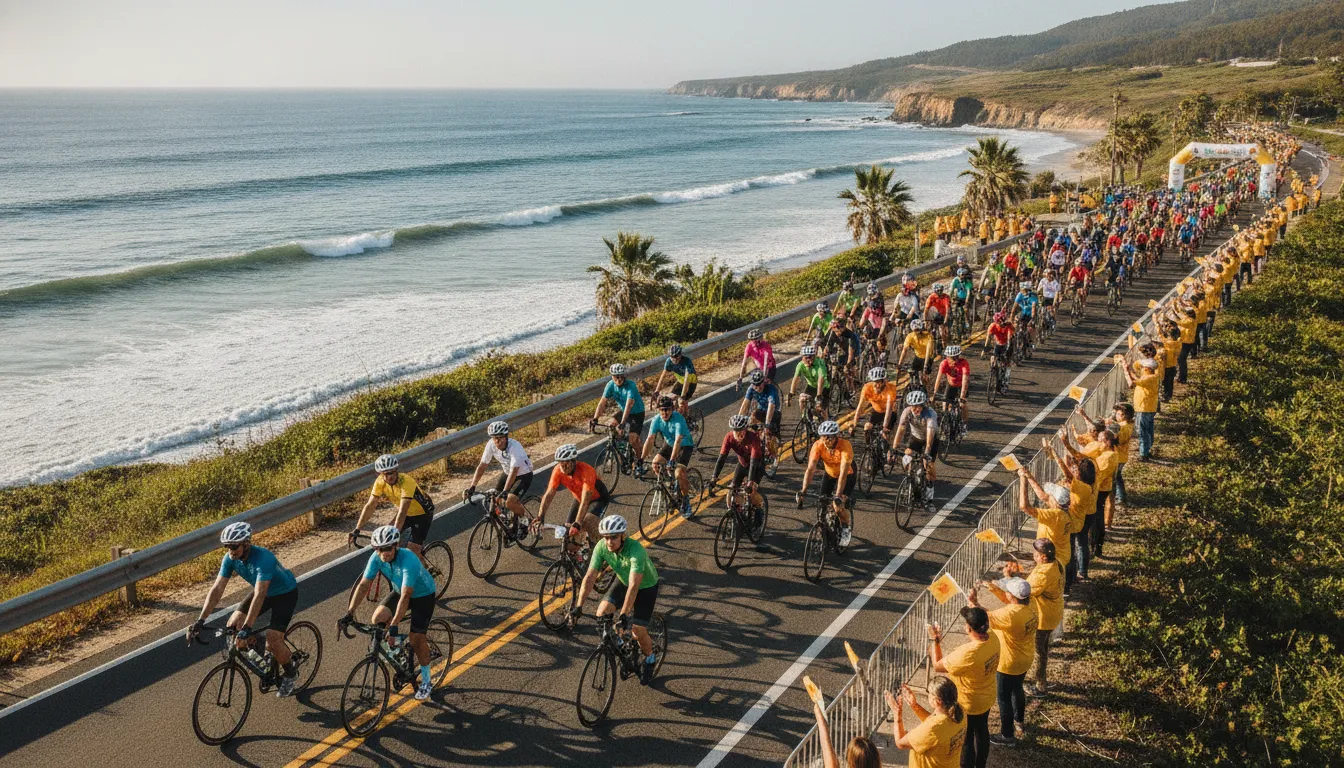
Register your nonprofit group for a Bike to the Beach charity ride and turn a shared challenge into local community impact.
This guide presents 15 proven formats, from charity rides and walkathons to community festivals, workshops, and sponsor-backed team events. Each idea includes how it works, who it fits best, and the main planning tradeoff to consider before you commit. For more mission context, explore why Bike to the Beach rides for local impact and review the organization’s fundraising resources for participants and teams.
How Do You Choose the Right Fundraising Event?
The best fundraising event for a nonprofit matches its audience, mission, capacity, and community goals. Start by comparing participation barriers and planning demands. Then choose a format that gives supporters a clear action and a specific reason to take it.
Start with audience fit
Consider your supporters’ ages, interests, schedules, abilities, geography, and comfort with public participation. A school community may respond to a student-led event, while a company network may prefer a team challenge. If supporters live in different regions, a virtual or hybrid option can make participation more practical.
Match the idea to your capacity
List the work behind the event, including permits, space, equipment, volunteers, registration, promotion, safety, payment processing, and cleanup. Compare that list with your staff and volunteer capacity. A peer-to-peer challenge may need less event-day labor than a large gathering. An established ride partner may provide route support that your nonprofit would otherwise need to build.
Design for more than one way to participate
Accessibility is part of event design, not a last-minute accommodation. Offer active, seated, virtual, volunteer, team, and donation-only roles when they make sense. Explain the venue, route, schedule, cost, and support options early. Flexible participation helps more people contribute without making the event feel less focused.
Make the cause connection specific
Tell supporters what their participation helps make possible. Use respectful, concrete language about the local need and the organizations or programs involved. A clear connection gives the event meaning without relying on pressure, pity, or exaggerated promises.

| Event format | Best fit | Main planning need |
|---|---|---|
| Charity bike ride | Cyclists and teams | Route, safety, and support |
| Walkathon or run | Families and schools | Permits, volunteers, and weather backup |
| Peer-to-peer challenge | Online ambassadors | Fundraising pages and coaching |
| Community festival | Neighborhood audiences | Venue, vendors, and activities |
| Workshop fundraiser | Skill-focused supporters | Instructor, materials, and access |
What Are the Best Fundraising Event Ideas for Nonprofits?
The best fundraising event ideas for nonprofits are practical formats that connect a clear activity with an easy next step for giving. The first five ideas are active or challenge-based events that can create a strong shared experience while reaching different participation styles and ability levels.
1. Charity bike ride
A charity bike ride asks participants to register, raise donations through individual or team pages, and complete a planned route or distance. It fits cycling enthusiasts, corporate teams, families, and supporters who want a physical challenge with a clear community purpose. The main tradeoff is logistics. Routes, safety, rest stops, weather plans, transportation, and volunteer coverage require careful coordination. Partnering with an established ride can reduce that burden. Nonprofits considering an employee-focused version can review this guide to a company charity bike ride.
2. Walkathon or run
Walkathons and runathons are familiar, visible, and easy to explain. Offer more than one distance or pace so beginners and experienced participants can share the event. This format works well for schools, families, neighborhood groups, and organizations with a broad local audience. Plan for permits, route safety, hydration, volunteers, and poor weather. A walk or run is most effective when the registration process and personal fundraising tools are simple.
3. Peer-to-peer challenge
In a peer-to-peer challenge, the nonprofit sets the goal and provides a fundraising toolkit while supporters create pages and invite friends, relatives, and coworkers to give. The activity could involve miles, acts of service, creative tasks, or a measurable personal commitment. It suits organizations with active ambassadors and a strong online community. Provide sample messages, a clear deadline, progress milestones, and regular encouragement so participants do not feel they are fundraising alone.
4. Virtual or hybrid challenge
A virtual challenge lets supporters participate from home or wherever they live. A hybrid event combines an in-person gathering with remote participation. Both formats can welcome people with scheduling, transportation, geographic, or sensory constraints. The tradeoff is that virtual participants may feel disconnected from the group. Use live check-ins, shared milestones, participant stories, team pages, and a closing celebration to create a sense of belonging.
5. Dance-a-thon
A dance-a-thon invites people to collect pledges and keep moving for a defined period. It works for schools, youth groups, families, and supporters who prefer a playful activity over a timed race. Provide seated and low-impact options, manage sound and space carefully, and plan supervision for younger participants. The goal is broad participation, not rewarding only the people who can stay active the longest.
Which Fundraising Event Ideas for Nonprofits Create Local Energy?
Community-based fundraising events create local energy by giving neighbors, schools, businesses, and nonprofit supporters a reason to gather around a visible purpose. They work best when local partners contribute skills, supplies, space, entertainment, or promotion, and when the event shows how participation supports people in the region.
6. Community festival or BBQ
A neighborhood festival can combine food, music, games, vendors, and easy donation opportunities in one afternoon. It fits nonprofits with an active volunteer base and a recognizable local presence. Choose a venue with accessible paths, seating, restrooms, shade, and a weather backup. Ask businesses to sponsor food or activity stations, then give partners appropriate recognition. Keep the mission visible through a short welcome, local impact information, or a participant story.
7. Garden or home tour
A ticketed garden or home tour turns local character into a memorable experience. It suits environmental organizations, preservation groups, neighborhood associations, and nonprofits with supporters interested in design or gardening. Recruit hosts early, confirm permission and insurance needs, and plan parking, restrooms, walking distances, accessibility, and weather contingencies. Add value with local experts, plant sales, or short talks at selected stops.
8. Auction or raffle
An auction or raffle can anchor a larger gathering or serve as a focused fundraising night. It is a good fit for nonprofits with relationships among restaurants, artists, retailers, and experience-based businesses. Secure donated items early, set transparent rules, and organize checkout before promotion begins. Themed packages often feel more useful than a random collection of goods. Check applicable local requirements before launching a raffle or other regulated activity.
9. Gala or talent showcase
A gala creates a formal setting for donor recognition, dinner, storytelling, and a live appeal. A talent showcase is a more participatory alternative that invites local performers to share the stage. Both need a clear run of show, accessible venue, speaker plan, and technical preparation. Keep the program moving and let the cause remain central. A local partner introduction or participant story can create emotional clarity without using pity-based language.
10. School or student-led event
Students can lead a fun run, dance-a-thon, art sale, talent show, or service-centered event while families and community partners provide support. This format gives young organizers meaningful ownership and can bring new households into the nonprofit’s network. Assign adult supervisors, define roles, and offer flexible participation. Nonprofits that want more youth-focused options can also explore these student fundraising ideas.
Which Fundraising Event Ideas for Nonprofits Are Easy to Start?
The easiest fundraising event ideas for nonprofits usually use existing relationships, skills, spaces, or digital channels instead of requiring a large production. A smaller footprint does not mean a smaller purpose. It means the organization can focus its time on supporter experience, clear communication, and a trustworthy explanation of local impact.
11. Matching-gift campaign
Invite a board member, major donor, local business, or group of sponsors to match gifts made during a defined period. The campaign can be an online giving day, a short livestream, or a small gathering with a progress goal. Confirm the match in writing, state the terms clearly, and make the giving process simple. This format depends more on securing a credible matching partner than on producing a large event.
12. Social media challenge
Create a repeatable action supporters can complete at home, such as a movement goal, creative prompt, or community-minded task. Give participants a simple registration or donation link, a shareable image, and sample language for inviting friends. Offer no-cost participation and optional giving levels. Recognize team recruitment, participation, and creativity, not only the person who raises the most money.
13. Skills or workshop fundraiser
Ask an instructor or knowledgeable supporter to lead a class on cooking, photography, crafts, budgeting, gardening, or basic repair. Charge admission, invite an optional higher donation, and provide a take-home resource when appropriate. This format uses an existing supporter asset, so it can cost less than booked entertainment. Confirm materials, room setup, accessibility, insurance, and cancellation policies before promotion.
14. Service or community workday
Organize volunteers around a visible project, such as park cleanup, meal preparation, neighborhood beautification, or care-package assembly. Participants can raise pledges before the workday, while local businesses contribute supplies. This format suits place-based organizations with a specific project and a reliable volunteer coordinator. Plan transportation, safety, supervision, tools, and a weather backup. Share the result afterward so supporters can see what their work accomplished.
15. Sponsor-backed team event
Invite companies to sponsor teams for a walk, ride, relay, service project, or skills challenge. Sponsors may underwrite costs, recruit employees, match fundraising, or provide supplies. Offer several participation levels so a family team, small business, and larger employer can all join. A cycling-centered nonprofit can use these sponsorship strategies for a charity ride as a starting point. Organizations seeking a broader partnership can also review Bike to the Beach’s service provider partner options.
How Can You Turn an Event Idea Into a Fundraising Plan?
A promising idea becomes fundable when the purpose, logistics, and supporter experience are designed together. Use this six-step process before announcing the event. It helps a nonprofit test feasibility early, set honest expectations, and give every participant a clear way to take part.
- Set a specific goal. Define the amount you hope to raise, the participation goal, and what success means beyond revenue. A goal tied to a clear community outcome is easier to explain.
- Choose the audience and format. Match the event to supporter interests, abilities, location, and schedule. Do not choose a format only because it worked for another organization.
- Build the operating plan. Assign owners for venue, permits, safety, registration, volunteers, sponsors, communication, payment processing, and cleanup. Put important deadlines on one shared calendar.
- Price access thoughtfully. Separate registration fees, donations, sponsorships, and optional add-ons. Consider free volunteer roles, team options, virtual participation, and different giving levels.
- Give supporters a fundraising toolkit. Provide a personal page, sample email, social captions, images, deadline reminders, and an explanation of the local impact. Make it easy for a first-time fundraiser to take the next step.
- Follow up and learn. Thank participants promptly, share results, collect feedback, and record attendance, costs, donations, volunteer hours, and questions. That information makes the next event easier to plan.
For additional examples and planning guidance, browse the Bike to the Beach blog and compare the event structure with the needs of your own supporters.
Find a Bike to the Beach ride for your nonprofit group when a supported regional charity ride fits your audience and fundraising goals.
Frequently Asked Questions
What are the most profitable fundraising events?
There is no single most profitable format for every nonprofit. Peer-to-peer challenges, walkathons, sponsor-backed team events, auctions, and ticketed community experiences can all work well. Compare expected participation, staffing, venue, platform, promotion, and expense requirements instead of choosing based on gross revenue alone.
What are some easy fundraising ideas for nonprofits?
Start with a social media challenge, matching-gift campaign, virtual event, or skills-based workshop. These options can reduce venue and equipment needs while giving supporters flexible ways to participate. Set one clear action, simplify the donation process, and communicate consistently before and after the campaign.
What are some ideas for a small fundraising event?
A small nonprofit can host a neighborhood service day, talent showcase, garden tour, dinner, workshop, or peer-to-peer challenge. Choose an idea that uses existing skills, spaces, and relationships. A focused audience and manageable plan can create a personal experience without the expense of a large production.
How can a nonprofit make a fundraising event accessible?
Offer more than one way to participate, such as in-person, virtual, seated, active, volunteer, and donation-only options. Communicate route, venue, schedule, cost, and support details early. Ask participants what they need, and treat accessibility as part of the event plan from the beginning.
Ready to Turn Your Next Event Into Shared Impact?
If your nonprofit wants a fundraising format that brings people together around a meaningful cause. A regional charity ride can offer a clear way to participate, fundraise, and build community.
Bike to the Beach connects nonprofit partners and supporters through destination rides in multiple regions. Funds raised support local autism and disability organizations.
Register your nonprofit group for a Bike to the Beach charity ride and explore how your team can partner through a shared cycling experience.