

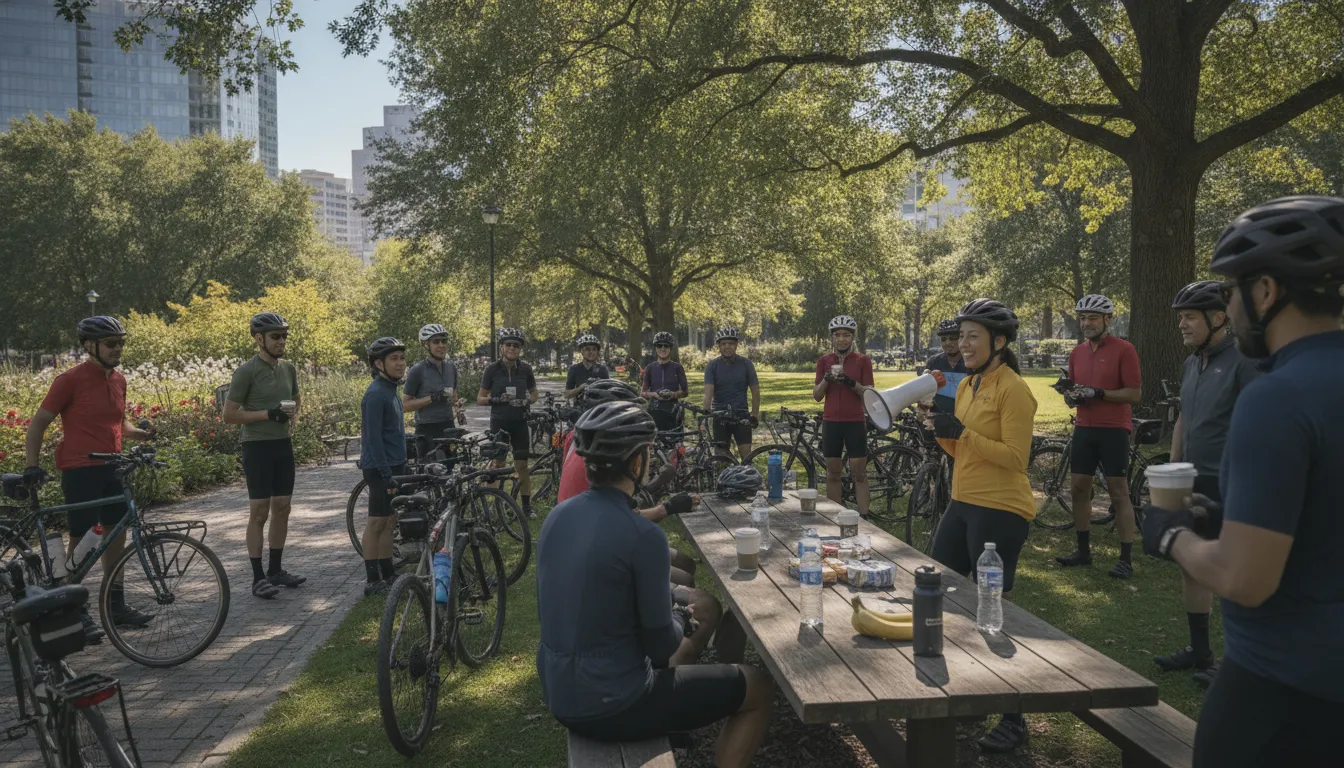
Charity Bike Ride Team Kickoff Event Guide
Plan a charity bike ride team kickoff event with a two-week checklist, clear roles, inclusive participation ideas, realistic goals, and follow-up steps.

A strong team kickoff does more than fill a calendar invite. It turns a shared interest in riding and giving back into clear ownership, realistic commitments, and a welcoming first step for every participant.
A charity bike ride team kickoff event should help people understand the mission. Choose how they will participate, set an initial team goal, and leave with one specific action to complete. The best kickoff gives captains, coworkers, community members, and nonprofit teammates enough structure to move forward without making the ride feel exclusive or overwhelming.
Register your team for a Bike to the Beach charity ride and use the kickoff to connect participation with local impact.
With that purpose in place, the meeting can focus on more than introductions. It can create the shared finish line that keeps communication, fundraising, training, and inclusion moving together.
What Should a Charity Bike Ride Team Kickoff Event Accomplish?
A kickoff event should turn shared enthusiasm into a clear, workable plan. By the end of the meeting, everyone should understand why the ride matters, how the team will participate, what success means for the group, and which action belongs to whom next. The goal is not to leave with a vague promise to “get started.” It is to leave with enough clarity that each person can take the next step confidently.
Start with the purpose behind the miles. Bike to the Beach brings together cycling, fitness, and charitable giving through supported rides from urban centers to beach destinations. It is also a community, not just an event, with individual, corporate, relay, and virtual ways to participate across regional rides. A kickoff gives your team space to connect that broader mission to its own reason for riding, whether that is building connection at work, supporting local services, or taking on a personal challenge with friends.
That purpose should lead to a few specific team outcomes. For example, decide which participation format fits the group, set a preliminary rider or fundraising goal, and identify the audience you want your story to reach. Keep the impact local and accurate. Funds raised stay in the region where they are collected and support vetted organizations providing direct autism and disability services. Avoid promising a particular result for every campaign. Instead, discuss how the team can communicate about community impact with dignity and care.
A kickoff is different from recruiting teammates. Recruitment asks, “Who wants to join?” The kickoff asks, “Now that we are forming this team, how will we move together?” Invite people who have already expressed interest, along with the team’s essential organizers. If you are building a workplace group, learn more about corporate team building as you shape an experience that welcomes different roles and riding backgrounds.
It is also not a substitute for ongoing fundraising management. Fundraising tools, templates, webinars, and team resources can support the campaign after launch, but the kickoff should establish ownership first. Name a captain, communications lead, fundraising point person, logistics contact, inclusion advocate, and route or training coordinator. Then record each person’s first action and the date of the next check-in. A successful kickoff ends with visible accountability, not another meeting to schedule someday.
How Do You Plan the Two Weeks Before the Kickoff?
A strong kickoff feels welcoming because the important decisions have already been made easy to discuss. Use the two weeks before your charity bike ride team kickoff event to clarify who the gathering is for. Remove participation barriers, and give people a simple first step. The goal is not to create a perfect event. It is to make sure everyone arrives knowing why the team is riding and how they can take part.
- Choose the audience and format. Decide whether you are inviting coworkers, a cycling club, families, nonprofit supporters, or a mix of people. Then choose an in-person, virtual, or hybrid format that fits the group. A short gathering during a workday may suit a workplace team, while an evening meeting may work better for families and community members. Keep the format focused enough that attendees can ask questions and make commitments.
- Send a clear invitation. Invite people early enough to protect the meeting time, and explain what they will leave with: a shared mission, participation options, assigned roles, and immediate next steps. Include the meeting length, location or video link, accessibility information, and a contact person for questions. Avoid implying that everyone must ride the same distance or participate in the same way.
- Confirm access and participation options. Ask privately whether attendees need accommodations, interpretation, captioning, a quiet space, flexible timing, or another form of support. Share the available choices, such as individual riding, relay participation, or virtual involvement, without making assumptions about anyone’s ability or experience. Bike to the Beach supports individual, corporate, relay, and virtual participation, so your invitation can welcome different ways to join the community.
- Prepare a short mission explanation. Write two or three sentences that connect the physical challenge to local impact. Explain that Bike to the Beach combines cycling, fitness, and charitable giving, with funds raised staying in the region and supporting vetted partners providing direct autism and disability services. Use respectful, agency-centered language. Do not rely on pity, overly personal stories, or promises about a specific fundraising result.
- Draft the agenda and assign a facilitator. Plan a simple sequence: welcome, mission, participation choices, team goals, roles, questions, and commitments. Give each topic a time limit so the meeting does not become an unfocused brainstorm. Assign one facilitator to guide the conversation and one person to capture decisions, names, and follow-up actions.
- Gather links and materials. Prepare the registration or event information, team communication channel, role descriptions, accessibility notes, and any fundraising resources attendees will need afterward. The charity ride organizer guide can provide broader planning context. Keep the handout or follow-up email concise, with one clear action for each participant.
On the day before the kickoff, confirm attendance, test the meeting technology if needed, and send the agenda again. Arriving organized gives the group more room for the part that matters most: building a team around shared purpose.
What Belongs on the Kickoff Meeting Agenda?
A useful kickoff turns good intentions into shared ownership. The exact timing can change based on whether your group is a workplace, cycling club, nonprofit, or circle of friends . Every meeting should answer three questions: Why are we riding, how can people participate, and what happens next?
- Welcome and purpose | 5 minutes. Open with a friendly welcome and name the meeting’s finish line. By the end, participants should understand the ride, choose a way to take part, know their first action, and leave with clear owners for team needs. Invite introductions that include each person’s connection to the team or cause, without requiring anyone to share personal details.
- Connect the ride to the local mission | 8 minutes. Explain why the team is gathering and how the campaign supports the region where funds are raised. Bike to the Beach directs funds to vetted local partners providing direct autism and disability services. Depending on the region, that work may include therapy resources, adaptive recreation, social inclusion, or family support. Keep the focus on dignity, agency, and tangible community impact rather than pity or promises.
- Review participation choices | 10 minutes. Describe the options available to your group, then ask what support people need to choose confidently. Some may want a longer ride, while others may prefer a shorter distance, relay, team, or virtual option. Newer riders should feel as welcome as experienced cyclists. Leave time for questions about training, accessibility, transportation, equipment, and communication, and capture items that require a follow-up answer.
- Orient the team to fundraising | 10 minutes. Show the basic path from creating a participant page to inviting supporters and tracking progress. Bike to the Beach provides peer-to-peer tools, templates, webinars, and team fundraising resources. A team can also review nonprofit fundraising event ideas for approaches that fit its network. Set an initial action, such as drafting a personal story or making a first outreach list, without guaranteeing a particular response or result.
- Assign roles and team norms | 10 minutes. Name owners for captain duties, communication, fundraising coordination, logistics, inclusion and access needs, and route or training support. Agree on where updates will live, how often the team will communicate, how decisions will be made, and how members can ask for help. One person can hold more than one role on a small team, but every responsibility needs a visible owner.
- Set individual commitments | 5 minutes. Ask each participant to state one specific next step and when they will complete it. Examples include registering, inviting two teammates, scheduling a training ride, or opening a fundraising page. Record commitments in a shared place so the team can support progress rather than rely on memory.
- Questions and close | 7 minutes. Answer what you can, assign an owner and deadline for unanswered questions, and recap the first checkpoint. Close by restating the shared purpose and sending the agenda, role list, resources, and next meeting details. The goal is not to finish every planning task. It is to leave with momentum, clarity, and a team that knows how to move together.
Which Roles Keep a Charity Ride Team Moving?
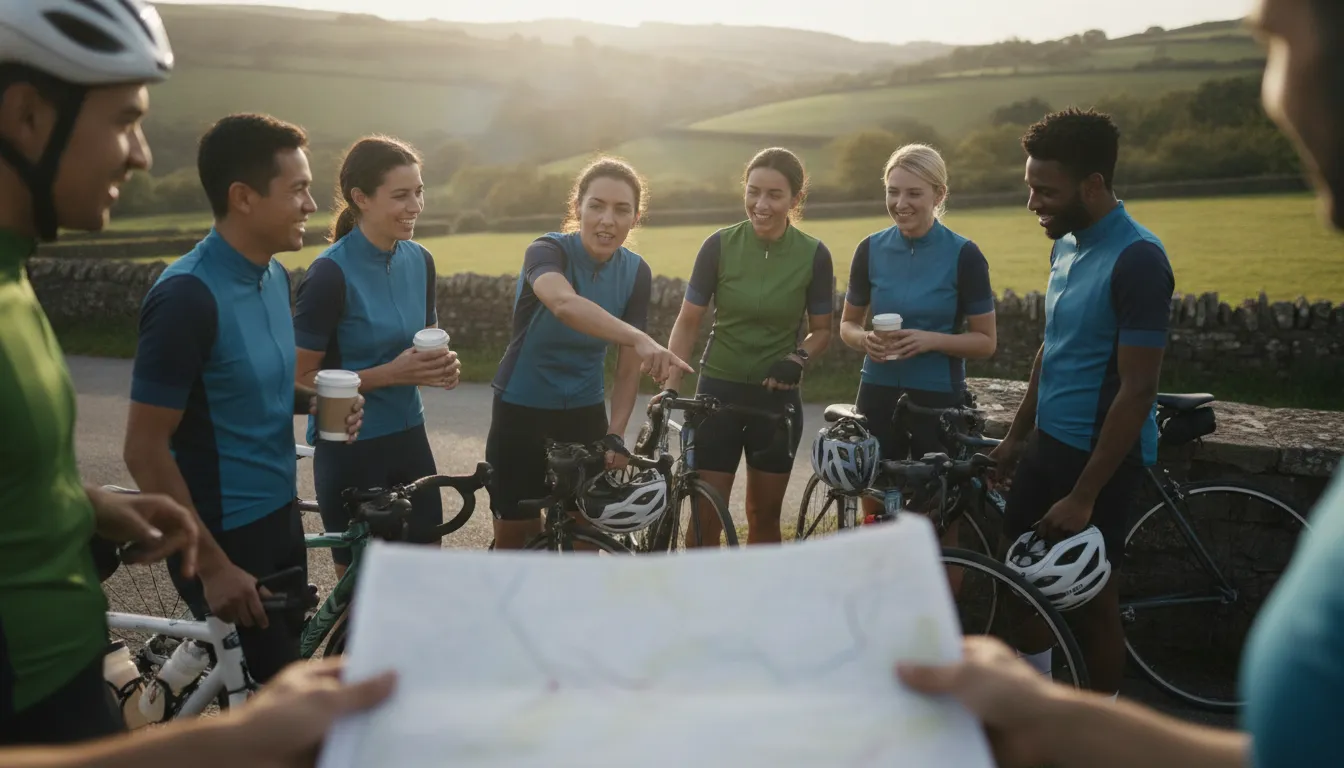
A strong kickoff gives every important task a clear owner without making one person carry the whole experience. Think of the team as a small project group: each lead knows what they will decide, what they will communicate, and who can step in when they are unavailable. That structure helps a workplace, community group, or nonprofit move from enthusiasm to action.
Bike to the Beach supports individual, corporate, relay, and virtual participation, so role design can flex around the way your group joins. Use the kickoff to confirm the team’s preferred format, then assign coverage before anyone leaves the meeting. The goal is not hierarchy. It is making sure riders, fundraisers, and supporters know where to turn.
| Role | Primary ownership | Handoff and backup |
|---|---|---|
| Team captain | Sets the shared purpose, confirms decisions, keeps the two-week launch plan moving, and checks that each lead has what they need. | Publishes a simple decision log. Name a co-captain who can host meetings and make routine decisions when needed. |
| Communications liaison | Creates the team channel, shares deadlines, welcomes new participants, and keeps riders, managers, families, or nonprofit partners informed. | Give the captain access to the channel and store key messages in one shared location. A deputy can send updates if the liaison is away. |
| Fundraising lead | Introduces the fundraising tools, helps people choose an authentic story, and points teammates toward templates and peer-to-peer resources. | Coordinate with communications before sending campaign messages. Pair this lead with a backup who can answer basic questions and track progress. |
| Logistics and access lead | Collects questions about meeting locations, transportation, equipment, participation format, and access needs. Escalate event-specific questions to the appropriate ride contact. | Keep a private, need-to-know list for access requests. The captain should know the status without exposing personal details to the full team. |
| Training or ride-readiness lead | Helps riders select realistic preparation steps, shares check-in opportunities, and makes space for different experience levels and distances. | Recruit a second rider to share preparation ideas. This role supports readiness, but it should not become medical or professional coaching. |
Close the kickoff by having each lead state their first action, deadline, and backup. For ongoing fundraising ownership, teams can later use the team fundraising captain guide. At launch, however, clarity matters more than volume: five people with defined handoffs can create a smoother start than one enthusiastic organizer doing everything.
How Can Teams Set a Goal That Feels Motivating and Realistic?
A strong team goal gives people a clear reason to show up without turning the kickoff into a pressure session. Start by asking what your group wants to accomplish together. That might mean bringing more riders from a workplace, filling a relay team, welcoming virtual participants, or creating a shared challenge for a cycling club. Choose a number that reflects your team’s capacity, then leave room for people to participate at different experience levels.
Next, set a fundraising goal that is specific and transparent. Use the current requirements for your selected regional ride, then translate that expectation into a team goal that feels concrete, such as a total amount divided across the expected number of participants. Make clear that any fundraising requirement is separate from the registration fee. Regional requirements can change, so confirm the current rules before announcing a team number.
Build the goal around milestones, not one final number
A single end-of-campaign target can feel distant. Add two or three checkpoints that help the team recognize progress:
- Participation milestone: Confirm a first group of riders, relay members, or virtual participants by an agreed date.
- Fundraising milestone: Set an early team total, then a midpoint target and a final target. Make each one visible to the group.
- Process milestone: Decide when every participant will create or update a fundraising page, make a first outreach, or attend the next team check-in.
Process milestones matter because they focus the team on actions it can control. Bike to the Beach provides peer-to-peer tools, templates, webinars, and team fundraising support, so point new participants toward donation page tips for bike riders when they are ready to shape their personal pages. Keep the kickoff focused on choosing the plan, not on covering every fundraising tactic.
Connect the number to local impact
Finish the goal conversation with a short local-impact statement. Explain that funds raised remain in the region where they are collected and support vetted partners providing direct autism and disability services. Depending on the region, that work may include therapy resources, adaptive recreation, social inclusion, or family support. Avoid promising a specific outcome your team cannot verify. Instead, write a statement that connects your effort to the broader purpose: “Our team is riding to help strengthen local services and create more opportunities for people with autism and disabilities.”
When the goal is visible, measurable, and connected to people rather than just a scoreboard, it can motivate experienced riders, newer participants, and supporters alike.
How Do You Make the Kickoff Inclusive for Every Rider?
An inclusive kickoff gives people more than a warm welcome. It gives them clear choices, useful information, and a real voice in how they participate. Start by making it plain that the team does not have one “right” rider profile. Bike to the Beach supports individual, corporate, relay, and virtual participation, so a team can build around different schedules, comfort levels, and goals.
Explain the available participation paths without ranking them. A newer cyclist may want a shorter distance and a gradual training plan, while another teammate may prefer a relay or a virtual challenge. Experienced riders can take on a longer route without making that the standard everyone else must meet. Share the beginner’s charity ride training plan as one resource, not as a test of commitment.
Ask about access needs before the meeting
Do not wait for someone to disclose a need in front of the group. Include a private, optional question in the invitation, such as, “What would help you participate fully in this kickoff and the team?” Ask about mobility, sensory, communication, dietary, scheduling, and technology needs. Follow up privately when appropriate, and explain what you can adjust. If you cannot provide something, say so early and work with the person on another option rather than making an assumption about what they can or cannot do.
Choose a venue that is physically accessible, easy to reach, and comfortable for conversation. If the kickoff is in person, consider seating, lighting, sound, restroom access, parking, and a quiet space. Offer a reliable virtual option when possible, with materials shared in advance. Use a clear agenda, describe activities before they begin, and make participation possible through speaking, chat, or written follow-up. These small choices help people contribute without having to negotiate the format in real time.
Use language that centers people and agency
When discussing the cause, talk about autistic people and people with disabilities as people with goals, preferences, expertise, and agency. Avoid pity-based language or presenting anyone as a reason for others to feel heroic. Explain that funds raised stay in the region where collected and support vetted partners providing direct autism and disability services. Keep examples specific, such as therapy resources, adaptive recreation, social inclusion, or family support, without promising an outcome your team cannot verify.
Finally, make psychological safety part of the kickoff. Invite questions, do not pressure anyone to share personal experiences, and let riders revise their participation choice as they learn more. Inclusion is not a special segment of the agenda. It is the way the team designs every decision from the first conversation.
What Should Happen After the Kickoff?
A successful kickoff creates momentum, but the next two weeks turn that momentum into shared action. Keep the follow-up visible, specific, and easy to complete. Every teammate should know what happens next, who owns it, and where to ask questions.
Days 1-3: Capture the decisions
Send a short recap while the meeting is still fresh. Include the team purpose, agreed participation format, key dates, role assignments, and the next check-in. List open questions separately rather than burying them in a long message. Assign an owner and a due date to each question, even when the answer will come from the event organizer.
Complete registration for the people who are ready to commit. If some teammates need more time, record their status without turning the recap into a public pressure list. A clear, private follow-up can protect trust while keeping the team moving.
Days 4-7: Build the team’s starting point
Set up the team page and confirm that its name, description, and purpose reflect the group accurately. Invite teammates to review the page before sharing it broadly. The page should make it simple for supporters to understand why the team is participating and how to contribute.
Choose one or two first fundraising actions, such as sending a personal announcement or contacting a small group of likely supporters. Bike to the Beach provides peer-to-peer tools, templates, webinars, and team fundraising resources, so direct people to the resources that match their immediate need. Avoid launching every idea at once. Early consistency is more useful than a crowded plan.
For additional guidance on the fundraising work that follows the launch, use this team fundraising captain guide as a reference, not as a replacement for your kickoff recap.
Days 8-14: Check in and recognize progress
Schedule a brief check-in before the kickoff ends, then use it to review actions rather than repeat the original meeting. Ask what has been completed, what feels unclear, and what support would make the next step easier. Document questions in a shared location so answers remain available to the whole team.
Celebrate small commitments: a completed registration, a first message sent, a teammate who recruited a colleague, or someone who volunteered for a role. Recognition does not need to focus on fundraising totals. It can reinforce reliability, inclusion, and the idea that the ride is a community effort. Close the two-week period with three concrete priorities for the next phase and a date for the next check-in.
Register for the DMV charity ride and take the next step with your team.
Frequently Asked Questions
Who should attend a charity bike ride team kickoff event?
Invite the people who will shape the team experience: the captain, workplace or community liaison, fundraising lead, logistics and training owners, and anyone responsible for inclusion or access needs. Riders, prospective participants, and supportive non-riders can also attend, so the team hears the plan together and can choose a meaningful role.
What should our team decide before the kickoff ends?
Leave with clear ownership, a communication channel, participation options, an initial fundraising goal, and the next two or three actions for each person. Confirm who will follow up with absent members and when the team will regroup. A kickoff is successful when enthusiasm becomes a shared, visible plan.
How can we make the kickoff welcoming to newer riders?
Explain the available ways to participate without treating cycling experience as a requirement for belonging. Discuss varied distances, relay or virtual participation, training support, and non-riding roles. Ask privately about access needs, offer multiple ways to contribute, and make questions welcome throughout the meeting.
What fundraising tools should we show at the kickoff?
Demonstrate the participant or team fundraising page, donation-sharing options, and any searchable rider or team directory available for the ride. Bike to the Beach also provides peer-to-peer tools, templates, webinars, and team fundraising support. Keep the demonstration practical, then have each participant choose one first outreach action.
How soon should we follow up after the kickoff?
Send a concise recap promptly while decisions are fresh. Include the role list, agreed goal, participation choices, resource links, action owners, and the next check-in. Follow up individually with people who need help registering, selecting a role, understanding fundraising tools, or identifying an accessible way to participate.
Ready to turn your kickoff into action?
A clear team plan gives every captain, rider, and supporter a practical next step. When your group is ready to move from discussion to participation, register your team for a Bike to the Beach charity ride. Bring your kickoff commitments with you, then keep the momentum going through shared training, fundraising, and communication.