

Volunteering Opportunities for Autism and Disability
Explore volunteering opportunities supporting autism and disability communities through year-round roles for families, schools, and local groups.
Helping autism and disability communities can take many forms, and meaningful service does not require a particular skill, schedule, or level of physical ability. The best place to begin is by listening to what an organization actually needs, then choosing a role that fits your interests, energy, access needs, and availability.
Volunteering opportunities in autism and disability communities may include year-round community support, event assistance. Family or school group service, flexible behind-the-scenes work, and other roles shaped by the organization’s needs. You do not have to fundraise, ride, speak publicly, or work directly with participants to contribute.
Explore volunteer opportunities with Bike to the Beach
Bike to the Beach brings together cycling, charitable giving, and community connection while supporting local autism and disability organizations. Its work is one example of how service can extend beyond a single event day. Start by looking at the range of roles available and considering which kind of participation would feel useful, respectful, and sustainable for you.
What are volunteering opportunities in autism and disability communities?
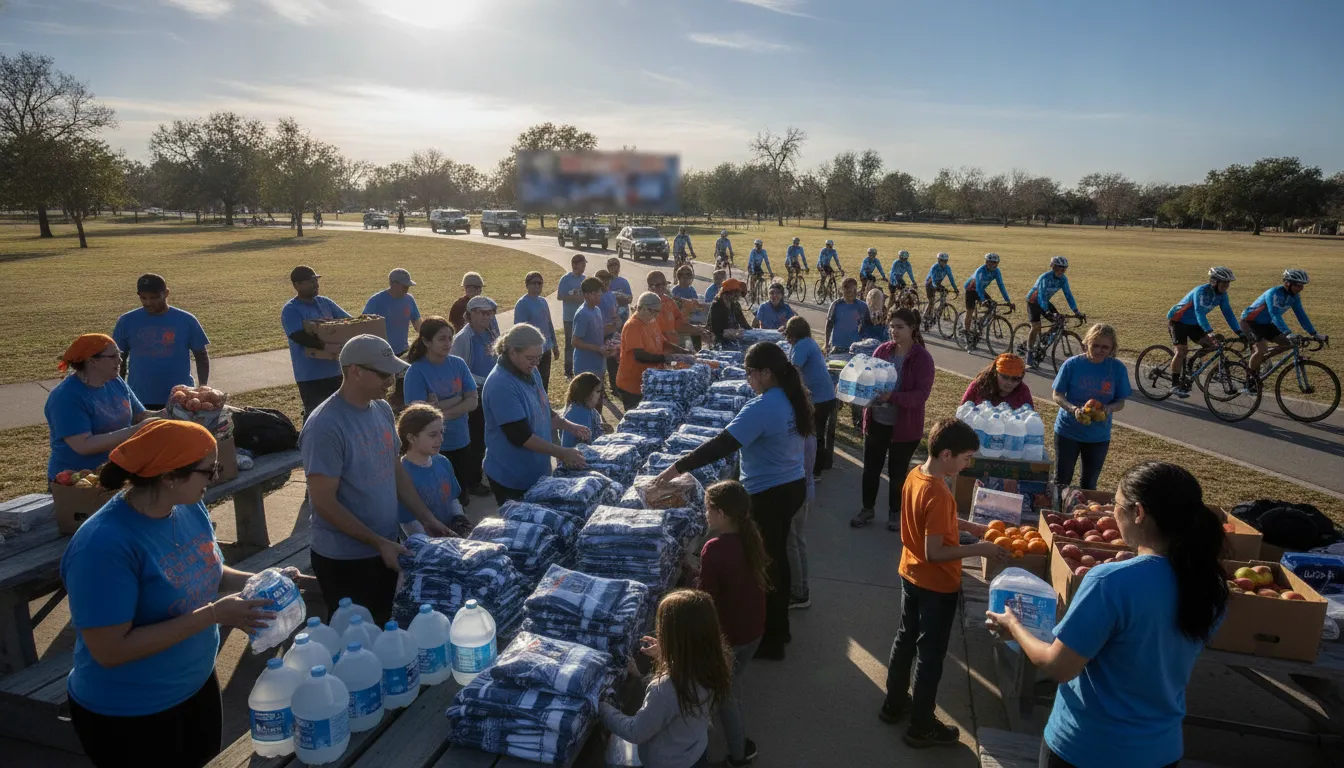
Volunteering opportunities in autism and disability communities can look very different depending on the organization, the season, and the kind of support people need. Some roles are year-round, such as helping with community outreach, preparing materials, welcoming new participants, or contributing a professional skill. Others are event-based, including setting up a route, supporting a rest stop, assisting with transportation, or helping participants feel welcomed on the day.
The most meaningful starting point is not assuming what a community needs. It is listening to the organization and its partners. Ask which tasks are currently useful, what training is provided, and how the role can be made accessible for your schedule, energy level, communication style, or mobility. Volunteering should be a partnership that respects the leadership, preferences, and expertise of autistic and disabled people.
Year-round service and event-based volunteering
Year-round service creates steady support between major events. You might help share information, connect neighbors with an organization, support inclusive recreation, or take on a behind-the-scenes task that keeps programs moving. These roles can be a good fit if you prefer a predictable schedule or want to build a longer relationship with a local organization.
Event-based service offers a focused way to contribute. Bike to the Beach combines cycling, fitness, charitable giving, and community events to support local autism and disability organizations. Volunteers may help with practical event needs while riders and teams raise funds and awareness. The organization describes itself as a community, not just an event, so event-day service can be one entry point into a broader network of people working toward inclusion.
Direct and behind-the-scenes roles both matter
Some volunteers enjoy welcoming families, guiding participants, or supporting an activity in person. Others make an important contribution through logistics, communications, photography, organizing supplies, data entry, or coordination. Neither path is more meaningful. The right role is one that matches your skills and boundaries while meeting a genuine need.
Local impact can include support for educational, therapeutic, recreational, family-support, and community-inclusion programs. If you are ready to explore a flexible way to help, start by choosing a role that matches your schedule, interests, and access needs.
Which volunteering opportunities fit different skills and schedules?
The best role is one that fits your interests, availability, access needs, and comfort level. You do not need to be a cyclist, a professional fundraiser, or an experienced event worker to contribute. Organizations may offer different roles at different times of year, so ask what is currently needed before you make plans.
| Role type. | Good fit for. | Ask before you commit. |
|---|---|---|
| Direct service. | People who enjoy welcoming or supporting programs. | Training, supervision, boundaries, and access. |
| Behind the scenes. | People who prefer focused tasks or limited public interaction. | Task scope, tools, deadline, and point of contact. |
| Skills based. | People offering writing, design, technology, finance, or logistics. | Whether the skill solves a current need and what deliverable is expected. |
| Event or remote support. | People seeking occasional, flexible, or project-based service. | Schedule, location, equipment, accessibility, and cancellation process. |
Direct service and community-facing roles
If you enjoy meeting people, direct service may be a natural fit. Depending on the organization, that could mean welcoming participants, supporting a family activity, helping at a community program, or assisting with an outreach event. These roles can be rewarding, but they may require specific training, supervision, age limits, or comfort with a busy environment. Ask how the organization defines the role and what support is available before signing up.
Behind-the-scenes and skills-based help
Important work also happens away from the spotlight. Volunteers may help prepare materials, organize supplies, make phone calls, enter information, photograph an event, translate, design content, or support communications. If you have professional or personal skills in technology, writing, logistics, accessibility, finance, marketing, or administration, tell the organization what you can do. A focused project can be a better fit than a recurring shift when your schedule changes often.
Fundraising, advocacy, and event logistics
Some people prefer inviting friends to support a cause, sharing accurate information, or helping with community outreach. Others are happiest solving practical problems at an event. Bike to the Beach describes volunteer support roles that can include rest stops, mechanical support, SAG vehicles, medical partnership, rental coordination, and transportation. These examples show how many kinds of work help an organized ride run safely and smoothly. They do not mean every event offers every role, so confirm the local needs and expectations.
Remote, flexible, and occasional roles
Remote and flexible volunteering can make participation possible across different locations, work schedules, and physical experience levels. You might complete a short research task, share an approved campaign, join a virtual challenge, or help with planning from home. Event participation can include riders, relay teams, virtual challenges, and volunteer roles, but availability varies by organization and region. When you inquire, be specific: explain how many hours you have, whether you need remote options, and whether you are looking for a one-time or recurring commitment. The clearer the match, the more useful the experience is for everyone involved.
How can families and school groups volunteer together?
Shared service can help children, teens, caregivers, and educators connect around a cause without assuming everyone has the same interests, energy, communication style, or access needs. The strongest group volunteering plans start by listening to the organization, then matching each person with a role that feels useful and manageable.
- Choose roles that fit the group’s ages and interests. Younger children might help assemble materials, create appreciation notes, or sort supplies with close adult guidance. Older students may prefer check-in support, outreach, event logistics, or a supervised service project. Adults can handle transportation, communication, setup, and tasks that require additional responsibility. No one should have to ride, fundraise, speak publicly, or work directly with participants to contribute meaningfully.
- Assign one adult coordinator. A family or school group should name a point person to communicate with the host organization, confirm timing, collect questions, and share instructions with the group. Ask in advance about age requirements, supervision, training, clothing, transportation, breaks, and what happens if a volunteer needs to step away. Clear coordination protects the organization’s time and gives families a more confident starting point.
- Plan for access before the activity begins. Ask what accommodations are available and explain the group’s needs without sharing more personal information than necessary. Consider sensory load, mobility, communication, food allergies, bathroom access, quiet spaces, flexible participation, and visual or written directions. Build in choices rather than treating one format as the standard. An inclusive plan makes room for someone to observe first, take a shorter shift, or contribute behind the scenes.
- Set expectations around privacy and respect. Get the required permission before taking or sharing photos of children or community members. Do not post names, stories, diagnoses, or personal details without explicit consent. Encourage students and family members to follow the host organization’s guidance, use person-respecting language, and avoid presenting autistic or disabled people as projects to be fixed. The goal is partnership, not a performance of helping.
- Reflect and decide what comes next. Afterward, ask what the group noticed, what felt accessible, and what the organization said it needed. Invite participants to describe the experience in their own words, then record practical improvements for next time. A one-time activity can be meaningful, but reflection may reveal a better recurring role or another way to support the community throughout the year. Families and schools can also join the Bike to the Beach community to explore ways to stay connected.
How do you choose a meaningful volunteer opportunity?
A meaningful role starts with a good match, not the most visible assignment. Before signing up, consider what the organization actually needs and what you can offer consistently. The best volunteering opportunities respect the people and communities being served while giving volunteers clear, supported ways to contribute.
Start with mission fit and actual need
Read the organization’s mission and ask how the role connects to it. If you care about autism and disability communities, look for work that supports inclusion, family resources, education, recreation, advocacy, or other goals you genuinely value. Then ask a direct question: “What kind of support would be most useful right now?” The answer may not be the role you expected. An organization may need behind-the-scenes help, event logistics, outreach, or reliable recurring assistance more than another one-time sign-up.
Check the practical expectations
Request the details before you commit:
- How much time is required, and is the schedule recurring or flexible?
- What training or preparation is provided?
- Will a volunteer lead or staff member be available for questions?
- What accessibility accommodations, transportation options, and physical requirements should you plan for?
- What safety procedures apply, especially when working at events or with children?
- How will the organization share feedback or explain what the work supported?
These questions are not a burden. Clear answers help the organization plan responsibly and help you choose a role you can perform well. They also make it easier to include family members, classmates, coworkers, or friends with different communication styles, mobility needs, energy levels, and comfort with public-facing work.
Look for respectful partnership
Pay attention to the language an organization uses. Strong volunteer programs avoid treating autistic or disabled people as passive recipients or using personal stories as inspiration without context. They recognize individual preferences, protect privacy, and value the leadership and expertise of people within the community. You should feel comfortable asking how participants help shape the work and how volunteers are expected to interact respectfully.
Finally, choose a starting point you can sustain. That might be a single event, a recurring shift, a skills-based project, or flexible community support. Meaning grows when your time responds to a real need and your commitment is clear, prepared, and accountable.
What can volunteers do beyond one event day?
One of the most useful volunteering opportunities may be the one that continues after the first event. A single shift can introduce you to an organization, but year-round support builds familiarity and reliability. Ask the volunteer coordinator whether there are recurring roles, seasonal projects, or occasional tasks that help the organization keep serving its community.
Build a steady relationship
Recurring support might include preparing materials, helping with communications, welcoming new volunteers, organizing supplies, or assisting with community outreach. If you have a professional skill, offer it only after the organization identifies a real need and agrees on a clear scope. A short, well-defined project is often more useful than an open-ended offer that staff must manage without a plan.
Support the people who make the work possible
Volunteers can also thank donors, help share an approved impact update, invite others to learn about the mission, or provide feedback about accessibility. These contributions should follow the organization’s guidance. Do not share a participant’s name, diagnosis, photo, or story without explicit permission, and do not turn another person’s experience into promotional content without consent.
For readers interested in cycling events, Bike to the Beach has a separate resource explaining what to expect when volunteering at a charity bike ride. That page covers the event-day context. This broader guide focuses on the many ways people can stay involved before and after an event, including non-riding roles.
After each project, ask what worked, what should change, and what the organization needs next. That simple follow-up can turn a one-time experience into a respectful, sustainable relationship.
How can volunteering support local autism and disability impact?
Volunteering is most meaningful when it strengthens work led with the community, not when it assumes outsiders know what people need. Before choosing a role, learn how the organization describes its mission, who guides its programs, and what support is currently useful. This approach respects autistic and disabled people as people with agency, preferences, and expertise.
Bike to the Beach combines cycling, charitable giving, and community events to raise funds and awareness for local autism and disability organizations. Its direct funding model describes funds raised as staying within the region where they are collected and going to vetted local partners. That local connection gives volunteers a practical way to understand where their time, introductions, event help, or outreach may fit.
Ask for evidence, then protect dignity
If an organization shares an impact story, ask whether the partner approved the wording and whether the people shown or named gave permission. Keep documented results separate from future goals. A volunteer can describe the work completed, the role they supported, and the partner’s own approved update without promising a result the organization has not measured.
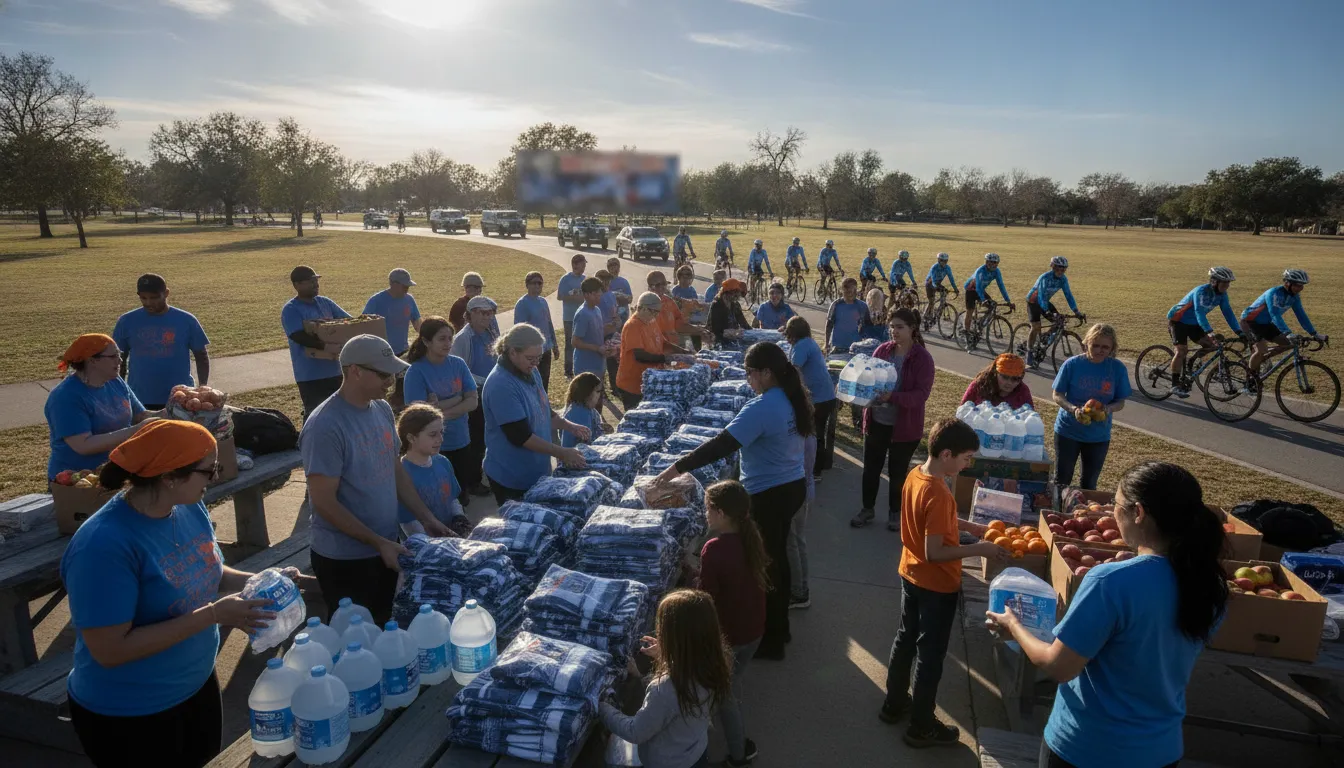
Local impact can include educational, therapeutic, recreational, family-support, and community-inclusion programs. Not every volunteer will interact with a program participant, and that is okay. Sorting supplies, supporting access, coordinating transportation, welcoming people, or helping a partner communicate its needs can all contribute when the role is requested and well supported.
To understand the organization behind these efforts, read more about how Bike to the Beach works with local partners. Then ask yourself what you can do consistently, what you need to participate fully, and how you will listen when the community’s priorities change.
How do you get started with volunteering opportunities?
You do not need a perfect plan before contacting an organization. Start with a short list of causes, places, and role types that interest you. Then use these steps to move from interest to a realistic commitment:
- Choose a focus. Decide whether you want to support autism and disability services, inclusive recreation, family support, education, events, or a related community need.
- Search for a host organization. Look at local nonprofits, schools, community centers, event organizers, and volunteer directories. Read the organization’s current volunteer information rather than assuming an old listing is still active.
- Ask practical questions. Confirm the role, time commitment, training, supervision, age requirements, access features, transportation, and cancellation process. Ask what the organization needs most right now.
- Start with a manageable role. A short project or occasional shift can help you understand the work before you commit to a recurring schedule. Be honest about your availability.
- Follow through and reflect. Arrive prepared, follow privacy and safety guidance, thank the host team, and share constructive feedback. If the role is not a fit, ask whether another form of service would be more useful.
If you want to explore a community connected to local charity rides and year-round engagement, learn more about the Bike to the Beach community. Choose the path that fits your interests and access needs.
Find a volunteer role that fits your interests
Frequently Asked Questions
What are some easy volunteering opportunities for beginners?
Start with a clearly defined task that matches your schedule, such as preparing materials. Helping with event setup, writing appreciation notes, organizing supplies, or supporting an approved outreach project. Ask the host organization what it needs, what training is available, and how much supervision the role requires. Easy should mean well supported, not unimportant.
Do volunteers have to work directly with autistic or disabled people?
No. Some people prefer direct service, while others contribute through logistics, communications, accessibility planning, fundraising support, transportation, or skills-based projects. The right role depends on the organization’s needs and your interests, boundaries, and access requirements. A behind-the-scenes role can be essential to a program’s success.
How can a family or school group find a suitable opportunity?
Choose one adult coordinator, contact the organization early, and ask about age requirements, supervision, training, transportation, breaks, accessibility, and privacy expectations. Match tasks to participants’ ages and interests. Build in choices so someone can observe, take a shorter shift, or work behind the scenes without being singled out.
How do I ask about accessibility before signing up?
Ask specific, respectful questions about physical access, sensory load, communication, quiet spaces, food, bathrooms, transportation, breaks, and emergency procedures. Share only the personal information needed to plan the role. A good organization will explain what it can provide, what it cannot provide, and whether another role may be a better fit.
How can I make volunteering more than a one-time activity?
Ask about recurring shifts, seasonal projects, remote tasks, skills-based help, or follow-up opportunities. After you volunteer, request feedback and learn what the organization needs next. A sustainable commitment can be occasional, as long as the expectation is clear and you follow through consistently.
Find a volunteering opportunity that fits
Meaningful service begins with curiosity, listening, and a role you can sustain. Whether you prefer event support, family or school group service, a recurring project, or behind-the-scenes help, your contribution can strengthen community work when it follows the organization’s needs.
Start exploring volunteer opportunities with Bike to the Beach.