

Volunteer Autism Event: Your Guide to Making an Impact
Find out how to volunteer autism event roles, what to expect, and how your support creates a welcoming, inclusive experience for every participant.

Volunteering is about connection—a shared purpose and the feeling of being part of something bigger than yourself. When you volunteer for an autism event, like a charity bike ride, you become the heart of the experience. It’s the energy you feel seeing a rider cross the finish line and the friendships you build with fellow volunteers. You help create a safe, celebratory atmosphere where every participant feels seen and supported. Your efforts directly strengthen your local community, creating a positive impact you can see and feel firsthand.
Key Takeaways
- Find a role that fits your strengths: Whether you love being in the middle of the action on event day or prefer contributing your skills behind the scenes, there is a volunteer opportunity for every personality and schedule.
- A positive attitude is your best qualification: You don’t need to be an expert on autism to make a difference. The most valuable skills are strong communication, patience, and a willingness to learn, and all necessary training is provided to help you feel prepared.
- Your time creates direct community impact: Volunteers make it possible for participants and families to have a safe and supportive experience, while also helping to raise funds that stay in your local region to strengthen autism and disability services.
What Roles Can You Fill as an Autism Event Volunteer?
When you think of volunteering, you might picture one specific role, but the truth is that community events have opportunities for every personality, skill set, and schedule. Whether you’re a people person who loves being in the middle of the action or someone who prefers to contribute your talents behind the scenes, there’s a place for you. Your time and energy are what make these events possible, creating a welcoming space for every participant and family. Let’s look at a few of the ways you can get involved.
Help Out on the Day of the Event
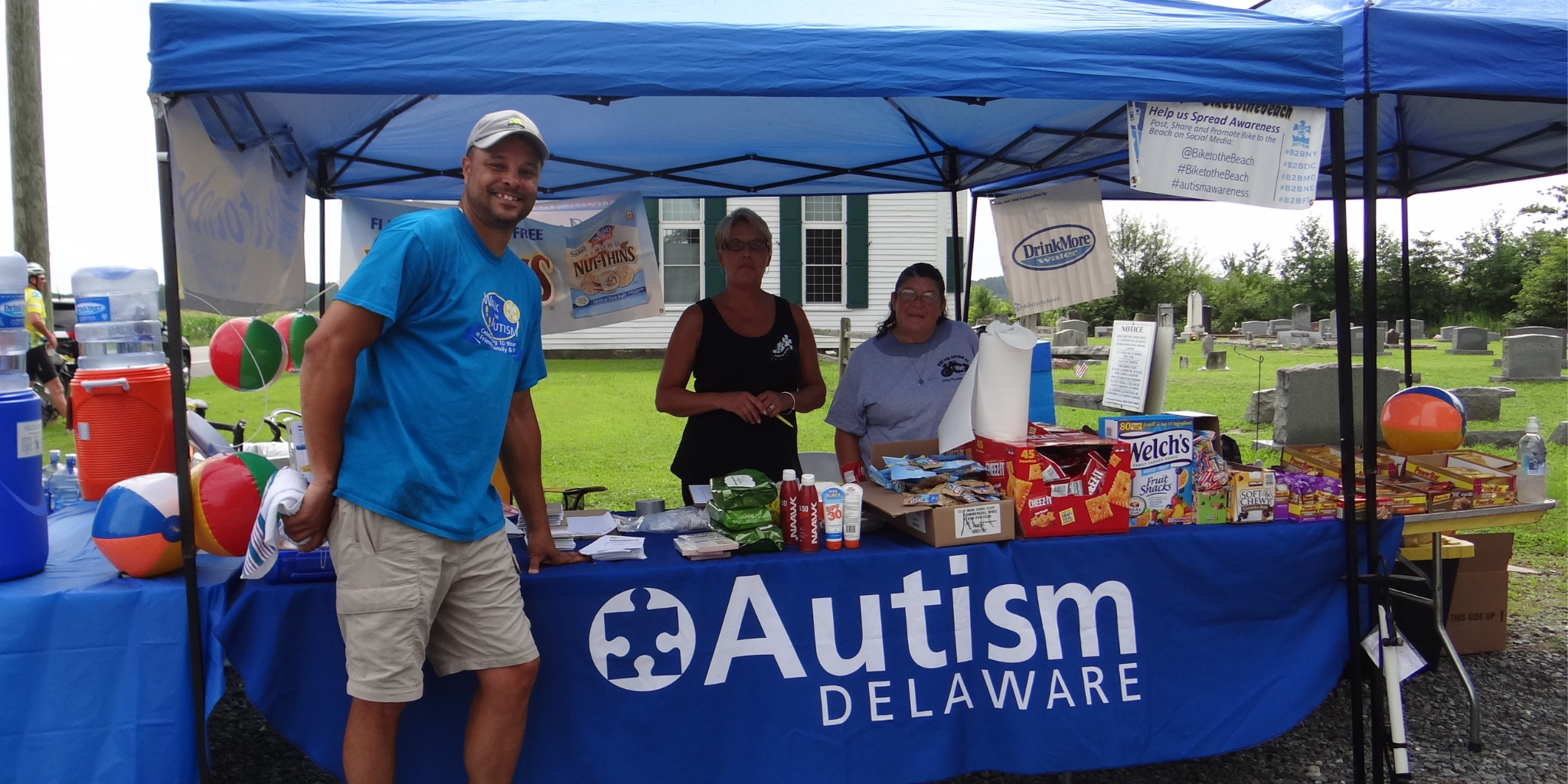
This is where the energy is! Day-of volunteers are the friendly faces who bring an event to life. You could be greeting participants at the registration table, managing a rest stop with snacks and water, or cheering riders on as they cross the finish line. These roles are perfect if you love interacting with people and seeing the direct impact of your work. By helping create a positive atmosphere, you’re doing more than just handing out a water bottle. You’re helping build a supportive environment where individuals can practice social interactions, reduce feelings of isolation, and build confidence. Our charity bike rides are filled with these moments of connection.
Help Prepare Before the Big Day
Not all heroes wear capes, and not all volunteers work on event day. A successful event requires weeks or even months of planning, and that’s where behind-the-scenes volunteers shine. You can use your unique skills to make a hands-on impact before the big day arrives. If you’re organized, you can help with administrative tasks like preparing registration packets. If you’re a great communicator, you might help with outreach calls. These contributions are essential to making sure everything runs smoothly. Your time and talent are what build the foundation for a successful and memorable community experience.
Lend Your Professional Skills
Your professional talents are incredibly valuable to community organizations. Are you a marketer, a graphic designer, an accountant, or a project manager? Nonprofits often operate with lean teams and can benefit immensely from your expertise. Contributing your skills is a powerful way to make a lasting impact beyond a single event. As organizations like the Autism Inspired Academy note, a strong community is built when everyone contributes what they do best. By lending your professional knowledge, you help organizations like ours operate more effectively, reach more people, and ultimately, provide better support for families. This kind of support allows us to become a better service provider partner for the entire disability community.
Provide Hands-On Support
Sometimes, the most important thing you can offer is simply your presence. Providing hands-on support means being there in the moment to help create a welcoming and encouraging environment for everyone. As the Spectrum Autism Support Group highlights, this can range from helping at events to taking on a leadership role within the organization. At a charity ride, this might look like managing a water station, offering a smile and words of encouragement to a tired cyclist, or helping a family navigate the finish line festival. These simple, direct actions are what transform an event into a true community celebration. Your hands-on help ensures that every participant feels safe, celebrated, and part of a supportive network.
Spread the Word and Raise Funds
Want to help spread the word? Fundraising and outreach volunteers are community ambassadors who help an event grow its reach and impact. This could involve sharing information on social media, distributing flyers at local businesses, or helping a fundraising team connect with potential donors. Engaging in these efforts not only supports the event financially but also helps raise awareness about autism in the community. It’s a powerful way to turn your passion into action and invite more people to join the cause. This type of volunteering is flexible and can often be done from home, making it a great fit for busy schedules.
Beyond Event Day: More Ways to Support the Autism Community
The energy of an event is incredible, but the need for support in the autism and disability community is year-round. Your passion and skills can make a difference long after the finish line is packed away. Staying involved creates a steady current of support that helps local nonprofits thrive and serve more families. Whether you have professional expertise to share, a network to rally, or just a few minutes to spare, there are meaningful ways to contribute that fit your life and extend your impact.
Offer Strategic Guidance
Join a Board or Advisory Committee
If you have leadership experience and a deep belief in a nonprofit’s mission, consider offering your strategic guidance. Organizations often need dedicated individuals to join their Board of Directors or an advisory committee. In these roles, you take on important responsibilities, helping guide the organization’s direction, financial health, and long-term strategy to better serve individuals with autism and their families. This is a significant commitment, but it’s one of the most impactful ways to apply your professional skills to a cause you care about, shaping its future and ensuring its sustainability for years to come.
Become a Community Partner
Local businesses and service providers are the backbone of a strong community. By becoming a community partner, your organization can form a powerful alliance with a nonprofit. This goes beyond a simple donation; it’s a collaborative relationship that creates mutual benefits. Your business gains visibility and strengthens its local roots, while the nonprofit receives vital support and resources. At Bike to the Beach, we work closely with service provider partners to connect them with families in the community, creating a network of trust and support that benefits everyone involved.
Contribute in Other Ways
Host a Fundraiser or Supply Drive
You don’t need to be part of a formal committee to make a big impact. Hosting your own fundraiser or supply drive is a fantastic way to rally your personal network for a cause. This can be as simple as an office bake sale, a neighborhood car wash, or a birthday fundraiser on social media. You can also organize a drive to collect specific items that a local organization needs, like art supplies, sensory tools, or office materials. These grassroots efforts raise crucial funds and resources while also spreading awareness in a personal and engaging way.
Write a Positive Review
Have five minutes? You have enough time to make a difference. One of the quickest and most effective ways to support a nonprofit is by writing a positive review on a platform like GreatNonprofits or Google. Your authentic testimonial acts as a powerful endorsement, helping the organization build credibility and trust online. A strong profile with positive reviews can attract new donors, volunteers, and families seeking services. It’s a simple, free action that amplifies a nonprofit’s reach and helps more people discover their important work in the community.
Volunteering for Your Group or Business
Volunteering together is a powerful way to strengthen connections, whether it’s with your colleagues, family, or friends. Working toward a shared goal outside of your usual environment builds camaraderie and creates lasting memories. When your group volunteers for a cause like autism awareness, you’re not just giving back—you’re building a stronger team and fostering a culture of community engagement. It’s an opportunity to see each other in a new light and unite around a purpose that matters.
Team-Building for Corporate Groups
Looking for a team-building activity with real purpose? Volunteering is a perfect fit. Getting your employees involved with a local nonprofit is a fantastic way to meet corporate social responsibility (CSR) goals while fostering teamwork and morale. Whether you’re managing a rest stop at a charity ride or helping with event setup, you’re working together to solve problems and support a common mission. Many companies choose to become a sponsor, which provides a great framework for employee engagement and shows your company’s commitment to the local community in a very visible and active way.
Getting Involved as a Parent or Caregiver
For parents and caregivers of individuals with autism, volunteering with a relevant nonprofit can be an incredibly rewarding experience. It offers a unique opportunity to connect with other families who understand your journey, creating a built-in support system. By getting involved, you can contribute directly to the community that supports your child, whether it’s through a parent group or by helping at events. Many people find that their reason to get involved is deeply personal, which you can see in the stories of why we bike. This shared purpose can be empowering, turning personal experience into positive action and community strength.
How to Find Autism Volunteer Roles Near You
Ready to find a volunteer role that fits your schedule and passion? Finding the right opportunity is the first step toward making a real difference. Whether you want to help out at a single event or get involved more regularly, there are plenty of ways to connect with organizations that need your support. The key is knowing where to look. Think of it as finding your team, a group of people united by a shared goal. From local community groups to larger charity events, your perfect role is out there. Here are a few simple ways to find it and get started.
Start with Local Autism Organizations
One of the best ways to get involved is by reaching out directly to local autism and disability organizations in your area. These groups are deeply connected to the community and often have a variety of volunteer programs that need dedicated people like you. Engaging with these organizations provides a direct path to contribute to your community while supporting individuals and families. Bike to the Beach partners with incredible local nonprofits in Florida, the DC, Maryland, and Virginia area, New England, and New York, giving you a great place to start your search.
Find Opportunities on Volunteer Websites
If you want to browse a wider range of opportunities, online volunteer platforms are a fantastic resource. Websites like VolunteerMatch, Idealist, and even local community boards can connect you with events and programs tailored to your interests and skills. These platforms are an excellent way to discover different types of roles, from one-day events to ongoing commitments. You can filter by cause, location, and the type of work you want to do, making it easy to find an opportunity that aligns with your goals. It’s a great way to learn about new organizations and find a role that truly inspires you.
What’s the Sign-Up Process Like?
Once you find an opportunity, the sign-up process is your next step. It’s more than just filling out a form; it’s a way for the organization to get to know you and ensure it’s a great fit for everyone. Some organizations may ask you to participate in brief practical exercises or scenario-based conversations to help reinforce learning and build your confidence. They are looking for volunteers who have strong communication skills and a genuine commitment to their mission. Don’t be intimidated by this. The process is designed to prepare you for a positive and impactful experience, ensuring you feel ready and equipped to support the community on event day.
Using a Volunteer Interest Form
Think of a volunteer interest form as your first, no-pressure handshake with an organization. Completing a Volunteer Interest Form is a straightforward way to express your willingness to help. It’s not a contract or a firm commitment; it’s simply you raising your hand to say, “I’m here, and I’d like to learn more.” Organizations use this form to match your skills and interests with available opportunities, ensuring you find a role that truly resonates with you. Whether you’re a logistics whiz, a natural cheerleader, or have a knack for organization, this is your chance to share that. It helps us understand how you’d best fit into our community and ensures we can connect you with a role where you’ll feel both valued and effective.
Signing Up for Volunteer Newsletters
Maybe your schedule is unpredictable, or you’re not ready to commit just yet. That’s perfectly fine. By signing up for volunteer newsletters, you can stay informed about upcoming events and opportunities without any pressure. This is a great way to keep your finger on the pulse of the community and find out how you can contribute your time and skills when the moment is right for you. You’ll be the first to know when new roles open up for our rides or when we need extra hands for a specific task. It’s a low-effort way to stay connected to a cause you care about, ensuring you won’t miss a chance to make an impact. Staying up-to-date with our blog and news is another great way to stay in the loop.
What Makes a Great Autism Event Volunteer?
You don’t need a long list of qualifications to be an incredible volunteer. The most important things you can bring are a positive attitude and a genuine desire to support your community. When you show up with an open mind and a willingness to help, you’re already well on your way to making a real difference. That said, a few key skills can help you feel more confident in your role and contribute to the welcoming, inclusive atmosphere that makes community events so special.
Think of these less as requirements and more as tools for your volunteer toolkit. They are skills that help you connect with participants, adapt to the energy of a live event, and work together with your fellow volunteers. Whether you’re a seasoned volunteer or signing up for the first time, focusing on strong communication, a basic understanding of autism, and a flexible mindset will prepare you for a meaningful and successful experience. Remember, organizations like Bike to the Beach provide orientation and support, so you’ll have a team behind you every step of the way. Your role is simply to show up ready to learn, engage, and be a friendly face for everyone you meet. These skills aren’t about being perfect; they’re about being present and prepared to contribute to a day filled with purpose and connection.
Communicating with Kindness and Clarity
At its heart, volunteering is about connection. Strong communication skills are the foundation for building that connection with participants, their families, and other volunteers. This goes beyond just talking; it’s about active listening, being approachable, and making people feel seen and heard. Excellent verbal and written communication is essential for interacting with everyone in a way that feels supportive and respectful.
A friendly greeting, clear directions to the check-in table, or patient listening can completely shape someone’s experience. It’s about creating a space where people feel comfortable asking for help and confident participating. The goal is to be a warm, welcoming presence that adds to the positive energy of the day. These interactions are a huge part of why we bike and build community together.
Learning the Basics About Autism
You absolutely do not need to be an expert on autism to be an effective and compassionate volunteer. What matters most is having an open mind and a willingness to learn. Having a foundational understanding of autism is crucial because it helps you interact with participants in a more thoughtful and respectful way. It prepares you to appreciate different communication styles, be mindful of sensory sensitivities, and recognize that everyone experiences the world differently.
Events like ours are designed to be inclusive spaces where autistic individuals can practice social interactions and have fun in a supportive environment. As a volunteer, you play a key role in maintaining that atmosphere. Taking a little time to learn can make a big difference in helping everyone feel safe, understood, and celebrated for who they are.
Staying Flexible and Ready for Anything
Event days are dynamic, energetic, and full of moving parts. That’s why flexibility is one of a volunteer’s greatest assets. Your role might shift throughout the day; you could start by helping set up a rest stop, then move to cheering on riders, and end the day handing out medals at the finish line. Being able to adapt with a can-do attitude ensures the event runs smoothly for everyone.
Volunteers often engage in a variety of tasks, so having some physical stamina is also helpful. This doesn’t mean you need to be an athlete, but you should be prepared for an active day. You might be on your feet for a few hours, helping lift boxes of T-shirts, or walking around the event site. Being ready to jump in where you’re needed most is what makes our charity bike rides possible.
How to Get Ready: Your Volunteer Training
Jumping into a new volunteer role can feel like a big step, but we’re here to make sure you feel confident and ready for event day. You don’t need any special experience to be an incredible volunteer. We provide all the training and resources you need to understand your role, support our community, and have a great time while doing it. Our goal is to prepare you for a fun, safe, and impactful experience where you can focus on what matters most: creating a welcoming space for every participant.
Join the Pre-Event Orientation
Before the event, you’ll be invited to a pre-event orientation. These sessions are essential for helping you understand your role and the flow of the day. We’ll give you a complete overview of the event, introduce you to key team members, and walk you through your specific responsibilities. It’s also a great chance to ask questions, get your official volunteer gear, and meet other volunteers who share your passion for the cause. This orientation ensures everyone is on the same page and ready to work together to make the day a success for our riders and their families.
Building Your Autism Awareness
Understanding autism is key to creating an inclusive and supportive environment for our community. As part of your preparation, we provide training that covers helpful information on different communication styles, sensory sensitivities, and social interactions. This isn’t about becoming an expert overnight; it’s about building empathy and awareness so you can interact with confidence and kindness. A little understanding goes a long way in helping every participant feel seen and respected. This training helps connect your volunteer work directly to why we bike and our shared mission of creating a community of belonging.
Know the Safety and Emergency Protocols
Your safety and the safety of our participants are our top priorities. During your training, we’ll make sure you are familiar with our safety protocols and emergency plans. This includes knowing where first aid stations are located, how to communicate with event staff, and the steps to take if a situation arises. Our team has a clear and effective plan in place for every scenario, from minor scrapes to weather concerns. By reviewing it together, we can ensure that everyone feels secure and prepared, allowing you to focus on enjoying the positive energy of the event.
Preparing to Support Autistic Individuals
You don’t need to be an expert on autism to be an amazing volunteer. The most important thing you can bring is a positive attitude and a willingness to learn. By keeping a few key ideas in mind, you can help create a welcoming, supportive, and fun environment for every single participant. It’s all about showing up with an open mind and a kind heart. Let’s walk through a few simple ways you can prepare to support our community.
Understanding and Respecting Sensory Needs
Many individuals with autism experience the world through a different sensory lens. Things like loud music, bright lights, strong smells, or crowded spaces can feel overwhelming. As a volunteer, one of the best things you can do is simply be mindful of the sensory environment. This might mean helping someone find a quieter spot to rest, speaking in a calm voice, or asking before giving a high-five. Your awareness can make a huge difference in helping someone feel comfortable and able to enjoy the day. To learn more, you can explore resources on creating supportive environments.
Leading with Patience and Adaptability
Events are full of energy, and sometimes plans change. That’s where your patience and adaptability become superpowers. Supporting individuals on the autism spectrum often means being ready to go with the flow. Someone might need a little extra time at a rest stop, or they may need to communicate in a way that’s different from what you expect. The best approach is to be a calm, reassuring presence. Instead of rushing, take a breath and offer support without pressure. This flexibility helps create a space where everyone feels safe and respected, which is central to why we bike in the first place.
How to Recognize Different Communication Styles
Communication is about connection, and it comes in many forms. It’s helpful to remember that some individuals with autism may have unique communication styles. Some may be non-verbal and use gestures or a device to communicate, while others might be very direct. The key is to listen with more than just your ears. Pay attention to body language and be patient as someone finds their words. Speak clearly, avoid confusing slang, and always presume competence. Your commitment to understanding different perspectives and adapting your own style shows respect and helps build genuine connections with participants and their families.
What to Expect on Event Day
The energy on event day is incredible. It’s a day filled with excitement, determination, and a powerful sense of community. As a volunteer, you are at the very center of this experience, helping to make it a safe, fun, and memorable day for every single participant. From the starting line to the beachside finish, your role is essential to bringing the event to life. You’ll be surrounded by people who share a commitment to supporting the local autism and disABILITY community, and you’ll see the direct impact of your efforts in the smiles of riders and their families. Get ready for an inspiring day where your contribution truly matters.
What Will Your Schedule Look Like?
On the day of the ride, you can expect a structured and well-organized schedule. Every volunteer role is important, so your time commitment is key to a smooth event. You’ll likely start your shift with a brief orientation to meet your team lead, get your assignment, and review your responsibilities for the day. Whether you’re managing a rest stop, helping with check-in, or cheering at the finish line, you’ll have a specific time slot and a clear role to play. Arriving on time and ready to go ensures that every rider gets the support they need, exactly when they need it. Your reliability helps make our charity bike rides a success from start to finish.
Connecting with Participants and Their Families
One of the best parts of volunteering is connecting with the people who make up the Bike to the Beach community. You’ll have the chance to interact with riders of all abilities, their families, and fellow volunteers. Your role is to be a friendly, encouraging presence for everyone. A simple “You’re doing great!” or a high-five can make a huge difference for a cyclist tackling a long ride. By engaging with participants, you help create a supportive environment where everyone feels comfortable and celebrated. You become a vital part of a space where people can connect, share their stories, and build confidence in a welcoming setting.
How to Create a Welcoming, Supportive Space
As a volunteer, you help set the tone for the entire event. Your positive attitude and willingness to help are what create a truly inclusive atmosphere. Simple actions, like guiding a family to the registration table or answering a question with a smile, contribute to a space where everyone feels like they belong. The goal is to foster positive interactions that make participants feel seen, safe, and supported. By being an adaptable and patient team player, you ensure that the event is not just a bike ride, but a powerful community gathering. You can find more stories about our community on The Bike to the Beach Blog.
Why Volunteers Are Essential for Charity Bike Rides
Charity bike rides are powered by people. While the cyclists are the ones pedaling the miles, it’s the volunteers who make the entire experience possible from start to finish. At Bike to the Beach, our volunteers are the heart of the event, creating the safe, supportive, and celebratory atmosphere that keeps our community coming back year after year. They are the friendly faces at check-in, the cheering squads at rest stops, and the dedicated hands behind the scenes. Without them, the ride simply couldn’t happen. Every role, big or small, directly contributes to our mission of supporting local autism and disABILITY communities.
Ensuring Rider Safety and Support on the Course
One of the most visible and vital roles for volunteers is providing on-course support. As riders make their way to the beach, they depend on a network of people to guide and encourage them. Volunteers manage rest stops, handing out water and snacks to keep cyclists fueled and hydrated. They also serve as route marshals, ensuring everyone stays on the correct path and safely manages intersections. This presence creates a secure and encouraging environment for cyclists of all abilities. By offering a high-five or a simple “You’ve got this!”, volunteers build a supportive space that reduces anxiety and helps every rider feel confident on their journey to the finish line.
Welcoming Riders at Registration
The event day experience begins long before the first pedal stroke. Volunteers are the first people participants meet, managing registration tables, handing out rider packets, and answering last-minute questions. This role is all about creating a warm and welcoming atmosphere. Having excellent communication skills and a genuine desire to engage with the community helps set a positive and inclusive tone for the entire day. When riders and their families arrive feeling seen and supported, it transforms the event from a simple bike ride into a true community celebration where everyone feels they belong.
Powering Fundraising in Your Community
Volunteering isn’t limited to the day of the ride. Much of the important work happens behind the scenes, especially with fundraising. Volunteers can play a huge part in helping us connect with local communities by coordinating fundraising initiatives. This can involve reaching out to local businesses to become a sponsor or helping our nonprofit partners mobilize their networks. This type of involvement is a fantastic way to build professional skills while making a tangible impact. Because all funds raised stay in the region, these efforts directly strengthen the local autism and disABILITY organizations that serve families year-round.
The Impact You’ll Make as a Volunteer
When you volunteer at a Bike to the Beach event, you’re doing more than just handing out water or checking in riders. You are the heart of the event, creating an atmosphere of support, connection, and celebration. Your time and energy directly contribute to a day where every single person feels seen, valued, and part of a community that cares.
The impact of our volunteers is felt long after the finish line. By showing up, you help us raise crucial funds and awareness that strengthen local autism and disability organizations year-round. You become a key part of a movement that ensures support stays right here in our community, helping families get the resources they need. Every high-five, every cheer, and every task you complete helps build a more inclusive world.
Fostering a Sense of Inclusion and Fun
Your presence as a volunteer helps create a safe and supportive space where individuals with autism can thrive. For many participants, our events are a chance to practice social interactions, build confidence, and connect with others in a welcoming environment. By helping manage activities and engaging with riders and families, you reduce feelings of isolation and make it possible for everyone to feel like they belong. You are an essential part of why we bike, turning a simple bike ride into a powerful experience of community and acceptance for all.
Building a Stronger Autism Community
Bike to the Beach events are designed to bring people together. Volunteers are the glue that connects riders, families, local nonprofits, and sponsors, creating a strong network of support. Our model ensures that the funds and awareness raised at each ride stay in the region, directly benefiting your neighbors. When you volunteer at a New England ride, for example, you’re helping to mobilize an entire community. You become a visible advocate, showing what’s possible when people unite for a common cause and invest in the well-being of their own community.
Helping Families Enjoy the Day, Worry-Free
For parents and caregivers, a large community event can sometimes feel overwhelming. Volunteers change that. By handling logistics, managing rest stops, and providing encouragement along the route, you take the pressure off families. This allows them to simply be present and enjoy the day with their loved ones. You also help them connect with local service provider partners who are on-site to share information about therapies, educational programs, and support groups. Your work ensures the event is not just fun but also a valuable resource for families navigating their journey.
Where to Find Ongoing Support and Resources
Volunteering is more than a one-day commitment; it’s an open door to a community that offers connection and growth long after the event ends. At Bike to the Beach, we see our volunteers as essential members of our community, and we are committed to providing a space where you can learn, connect, and continue making an impact. Whether you’re looking for mentorship, educational opportunities, or lasting friendships, your volunteer journey is just the beginning.
Find a Mentor to Guide You
One of the best parts of joining a community event is the people you meet. Experienced volunteers, team captains, and community leaders are often happy to share their knowledge and guide newcomers. This mentorship creates a supportive environment where everyone can thrive. For autistic individuals, engaging in group activities provides a fantastic way to practice social interactions and build confidence. The personal stories and connections formed are what truly define the Bike to the Beach experience. Don’t hesitate to ask questions and connect with those around you; you’ll find a network of people ready to support you.
Continue Learning with Educational Resources
Volunteering is a hands-on way to learn. As you get involved, you’ll gain practical experience that deepens your understanding and skills in supporting autistic individuals and their families. Many organizations, including our local partners, offer training materials, workshops, and informational sessions to help you feel prepared and effective in your role. We believe that an informed volunteer is an empowered one. You can also find helpful articles and insights on The Bike to the Beach Blog, which offers another great way to stay engaged and continue learning about our community and mission.
Make Lasting Connections in Your Community
The relationships you build while volunteering can last a lifetime. Working alongside others who share your passion for community and inclusion creates powerful bonds. For everyone involved, volunteering is an excellent way to develop soft skills, explore new interests, and even build a resume. These events bring together people from all walks of life, creating a rich and diverse network. By joining one of our local rides, you’re not just supporting a cause; you’re becoming part of a dedicated local community that shows up for one another year after year.
Related Articles
- Top 5 Autism Fundraising Events to Volunteer At
- Corporate Volunteer Opportunities Autism: A How-To Guide
- How to Plan Corporate Fundraising Events for AutismCopy linkFind any service
Frequently Asked Questions
Do I need to be a cyclist or know a lot about biking to volunteer? Absolutely not! While our event is a bike ride, our volunteers have all sorts of roles that don’t require any cycling knowledge. You could be welcoming riders at the finish line, managing a rest stop, or helping with registration. We need enthusiastic people to support our community, and your passion for the cause is what matters most.
I don’t have any experience working with individuals with autism. Is that okay? Yes, that’s completely fine. You don’t need to be an expert. We provide all volunteers with training that covers helpful information on creating a supportive and inclusive environment. The most important things you can bring are an open mind, a positive attitude, and a willingness to learn.
What kind of time commitment is expected from a volunteer? The time commitment can be very flexible. Many of our event-day roles are for specific shifts, usually lasting a few hours. We also have opportunities for people who want to help with planning and outreach in the weeks leading up to the ride. We’ll work with you to find a role that fits your schedule.
Can my friends, family, or coworkers volunteer with me as a group? We love when people volunteer together! It’s a fantastic way to build connections and share a meaningful experience. We have plenty of roles that are perfect for groups, like managing a rest stop or being part of the finish line celebration crew. Just let us know you’re a group when you sign up.
What if I want to help but I’m not available on the day of the ride? There are still so many ways to contribute. A successful event requires a lot of preparation, from organizing registration packets to spreading the word in the community. You can also support our mission by helping with fundraising efforts. These behind-the-scenes roles are essential to making the event happen.