
Corporate Guide to Volunteer Opportunities for Autism
Find the best volunteer opportunities autism organizations offer for companies. Support your community and engage your team with meaningful local impact.

The most powerful community support happens right in your own backyard. While national causes are important, you want to see the direct results of your efforts where your team lives and works. Supporting local autism and disability organizations allows you to do just that. Your team’s time and talent can help a local nonprofit host a community event, provide job training for autistic adults, or expand essential family services. Meaningful corporate volunteer opportunities for autism are all about this local connection and tangible support. This guide will show you how your company can become a vital partner in strengthening your community from the inside out.
Key Takeaways
- Connect locally and build support internally: Start by researching autism organizations in your area to understand their needs. At the same time, rally your team by identifying passionate employees who can help champion the initiative and align your goals with your company’s mission.
- Leverage your team’s diverse talents: Your company can contribute in many ways, so find what fits best. You can offer skills-based support where employees use their professional expertise for mentorship or operational help, or provide general volunteering at community events.
- Aim for a long-term partnership for lasting impact: Moving beyond a single volunteer day creates a stronger relationship with your nonprofit partner. A sustainable program provides more meaningful support for the community, boosts employee engagement, and reinforces your company’s commitment to social responsibility.
What Do Corporate Volunteer Programs for Autism Look Like?
When your company is ready to support the autism community, you’ll discover that volunteer opportunities are as diverse as your team itself. It’s about so much more than writing a check; it’s about showing up, sharing your team’s time and talent, and creating a real connection with your local community. Finding the right fit means exploring different types of programs and deciding what kind of impact your employees are excited to make. This is a chance to put your company’s values into action in a tangible way that everyone can see and feel.
Engaging in corporate volunteering does wonders for team morale and culture. It gets people out from behind their desks, working together toward a common goal that isn’t tied to a bottom line. This shared experience strengthens relationships between colleagues and deepens their connection to your company’s mission. Whether your team is full of marketing pros, HR experts, or just passionate people who want to lend a hand, there’s a meaningful role for them. Some programs focus on direct support for autistic individuals, while others help incredible organizations run smoothly behind the scenes. The best corporate volunteer programs are built on a genuine desire to contribute, creating a positive, memorable experience for your employees and the community partner you support.
Finding the Right Type of Program for Your Team
Corporate volunteer programs for autism can range from hands-on event support to helping organizations get the word out. For example, some nonprofits need volunteers to help share informational materials that connect families with vital community resources. Other programs focus on direct mentorship. A great example is Hire Autism, which connects business professionals with autistic adults to help them prepare for and find success in the job market. This kind of engagement allows your team to share their professional experience in a truly meaningful way. From helping maintain the grounds at a school to cheering on participants at a charity event, there are countless ways for your company to get involved.
Ongoing Programs vs. One-Time Events
A one-day volunteer event can be a great team-building activity, but the real impact comes from building a lasting relationship. When you move beyond a single event, you create a stronger connection with your nonprofit partner and show a genuine commitment to their mission. An ongoing program provides more consistent and meaningful support for the community, which in turn deepens employee engagement and reinforces your company’s dedication to social responsibility. This sustained effort allows your team to see the long-term results of their work and builds a true sense of shared purpose. It transforms your involvement from a one-time gesture into a core part of your company’s identity and community sponsorship.
Examples of Volunteer Programs
The best part about corporate volunteering is that there’s no one-size-fits-all approach. You can find an opportunity that perfectly matches your team’s skills, interests, and availability. The goal is to find a role where your employees feel energized and can make a tangible contribution.
Here are just a few examples of what that can look like:
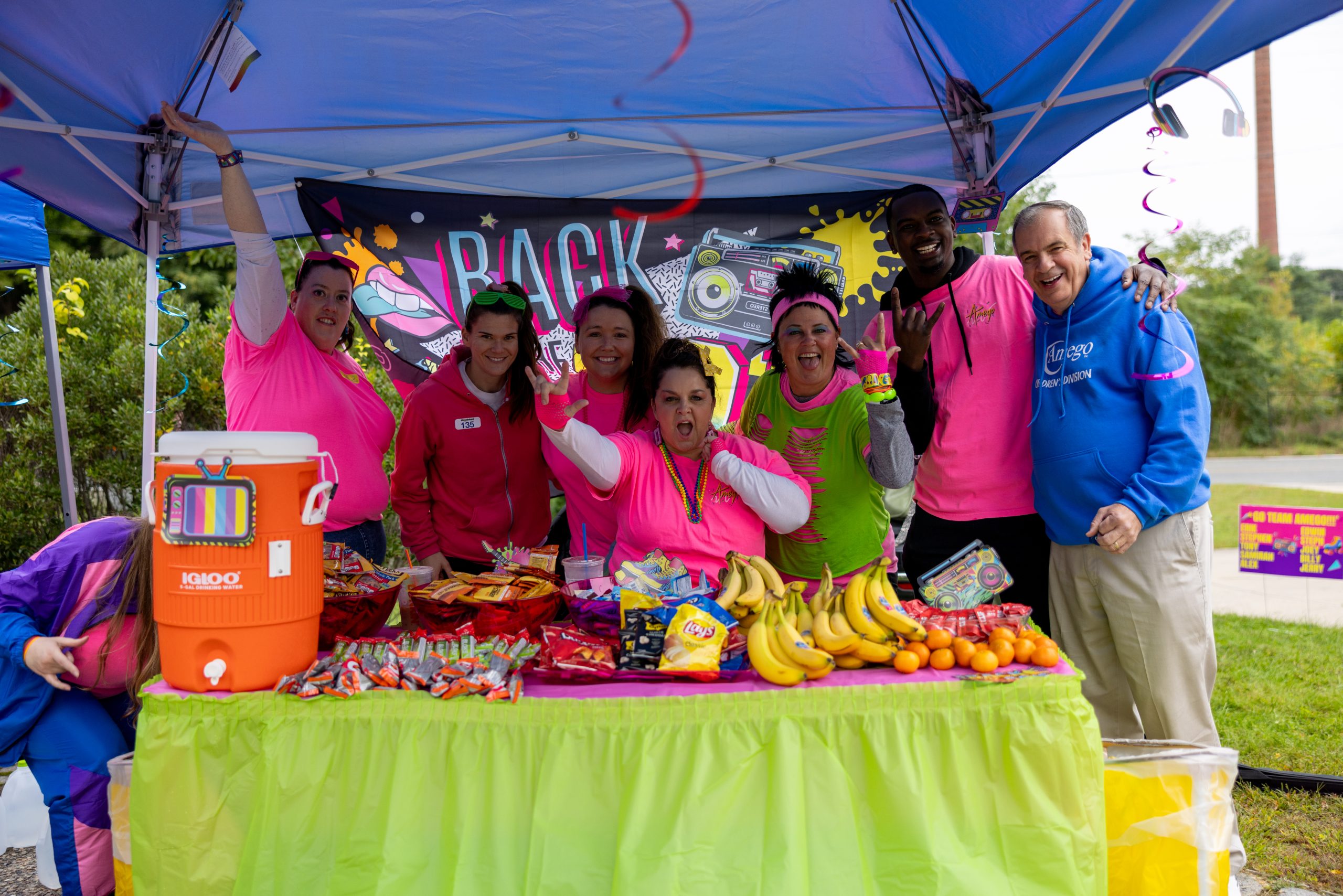
- Event-Day Support: Many organizations rely on volunteers for their biggest events. Your team could staff a water station at a charity run, help with setup and breakdown, or cheer on participants at the finish line of a community ride.
- Skills-Based Mentorship: Your employees can use their professional talents to make a difference. For instance, they could mentor autistic adults on job readiness skills, help a nonprofit with its marketing strategy, or provide tech support.
- Community Outreach: Help local organizations connect families with the services they need. This could involve distributing informational materials at community centers or helping manage a resource fair.
- Advocacy and Fundraising: Form a corporate team to participate in a fundraising event. This not only raises critical funds but also builds camaraderie as your team works together toward a common goal.
Skills-Based vs. Hands-On: What’s the Difference?
It’s helpful to think about volunteering in two main categories: skills-based and general. Skills-based volunteering is when your employees use their professional expertise to support a nonprofit’s mission. Think of your HR team helping with mock interviews, your finance department offering bookkeeping advice, or your marketing team helping a small nonprofit with its social media strategy. This approach leverages the talent you already have. General volunteering is just as critical and includes activities that don’t require a specific professional background. This could mean staffing a water station at a charity bike ride, helping set up for a fundraising gala, or assembling community care packages. Both types of volunteering are incredibly valuable and give your team different ways to make a difference.
How Can Your Company Get Started?
Ready to turn your company’s good intentions into meaningful action? Getting a corporate volunteer program off the ground is more straightforward than you might think. It starts with connecting to your local community, building enthusiasm within your team, and aligning your efforts with your company’s mission. By following a few key steps, you can create a program that makes a real, sustainable impact for individuals with autism and their families while giving your employees a powerful sense of purpose.
Connect with Local Autism Organizations
The first step is to connect with the experts on the ground. Local autism organizations are the heart of the community, and they know exactly what kind of support is needed most. Start by researching nonprofits in your area that serve the autism and disability communities. Groups like the Organization for Autism Research often need volunteers to help distribute resources and information. This is a simple yet powerful way for your team to get involved and learn more about local needs.
Many national organizations also have local chapters and offer structured corporate partnerships that can help you get started with fundraising and awareness campaigns. At Bike to the Beach, we partner with local service providers in each of our ride locations, ensuring that the funds and support you generate stay directly within your community.
Start with a Volunteer Interest Form
Once you’ve identified a few organizations that resonate with your team, the best way to open the door is by filling out their volunteer interest form. This isn’t a formal commitment; it’s simply a way to introduce your company and express your desire to help. These forms are designed to be a starting point for a conversation, allowing the nonprofit to understand your team’s size, general availability, and any specific skills you’d like to offer. It’s the most efficient way for them to see if your company is a good match for their current needs. For example, organizations like Easter Seals Greater Houston use these forms to match volunteers with meaningful opportunities that align with their mission.
Subscribe to Newsletters for Updates
Building a relationship with a nonprofit partner is an ongoing process, and one of the easiest ways to stay connected is by subscribing to their newsletter. This keeps you in the loop on upcoming events, new initiatives, and urgent volunteer needs without requiring constant check-ins. Think of it as your direct line to the organization’s pulse, ensuring you’re among the first to know when a perfect opportunity arises for your team. It’s a low-effort, high-impact way to remain engaged and informed, so when your company is ready to act, you’ll have a clear picture of where you can make the biggest difference. This simple step helps you stay prepared to engage with initiatives that fit your company’s goals throughout the year.
Get Your Team Excited to Participate
A successful volunteer program is powered by passionate people. To build momentum, start from within. Identify employees who have a personal connection to autism or disability advocacy and invite them to help shape the initiative. Creating a space for these team members to share their stories can foster a powerful culture of understanding and acceptance.
You can also build support through workplace giving campaigns, which allow employees to contribute directly to local families affected by autism. These initiatives not only raise critical funds but also strengthen team morale by uniting everyone around a shared cause. When your team feels personally connected to the mission, their engagement and enthusiasm will drive the program forward.
Engage Your Corporate Social Responsibility (CSR) Team
To make your volunteer program sustainable, it’s essential to connect it with your company’s broader mission. Your Corporate Social Responsibility (CSR) department is the perfect partner for this. Corporate volunteerism is a cornerstone of modern CSR, and aligning with your company’s official strategy can provide the resources, structure, and visibility needed for long-term success.
Work with your CSR team to integrate autism-focused volunteer opportunities into existing programs. This could mean featuring a local nonprofit in your annual giving campaign or making an event like Bike to the Beach an official team-building activity. Companies can also become a sponsor to deepen their impact, which enhances brand reputation and demonstrates a genuine commitment to community well-being.
What Skills Does Your Team Need?
While a passion for the cause is the most important ingredient for any volunteer, certain skills can help your team make an even bigger impact. When you’re building a corporate volunteer team, think about how your employees’ existing talents can align with the needs of a nonprofit partner. This isn’t about creating an exclusive club; it’s about matching the right people to the right tasks so everyone can contribute meaningfully.
Many organizations that support the autism community look for volunteers who can help with professional development, event planning, and operational tasks. By identifying employees with relevant experience, you can offer specialized support that goes beyond general help. This approach, often called skills-based volunteering, allows your team members to use their professional expertise in a new and fulfilling way. It also provides immense value to nonprofit organizations that may have limited resources. The key is to build a well-rounded team with a mix of professional skills and a shared commitment to making a difference.
Use Your Team’s Professional Skills for Good
When assembling your volunteer group, look for individuals with backgrounds in business, management, or human resources (HR). These professional skills are highly valuable to autism-focused nonprofits. For example, an employee with management experience can help coordinate a fundraising event, while someone from HR can offer fantastic support in job coaching or resume-building workshops for autistic adults.
Beyond specific job titles, seek out team members who are excellent communicators and natural leaders. The ideal volunteer is someone who is successful in their own career and wants to serve as a positive role model. A genuine commitment to the organization’s mission is the foundation for everything else. When your employees can apply their professional talents to a cause they care about, the experience becomes more rewarding for them and more impactful for the community.
How to Communicate Effectively and Inclusively
Clear, patient, and empathetic communication is essential for any volunteer role, especially when supporting the autism and disability community. Volunteers should be comfortable using common online tools like Google Docs and video calls to stay connected with the nonprofit and the individuals they support. More importantly, they should focus on being active listeners who can build rapport and understand the unique needs and preferences of others.
Effective communication is a two-way street. It’s about sharing information clearly and creating a comfortable space for others to share their thoughts. Encourage your team to ask questions, listen without judgment, and adapt their communication style when needed. This approach helps build trust and ensures that everyone feels respected and heard, which is the cornerstone of a positive volunteer experience. You can find helpful resources online that offer guidance on respectful disability language.
Prepare Your Team for Success
A successful volunteer partnership is built on clear expectations and consistent commitment. Many organizations hope to find volunteers who can dedicate a few hours each week for a set period, as this allows them to build stable relationships and see projects through to completion. While experience in leadership or management is a plus, the most important qualities are a strong work ethic and a genuine desire to help others achieve their goals.
Before you launch a program, talk with your nonprofit partner to understand their needs and define what a successful engagement looks like. This ensures your team is prepared for the time commitment and the type of work involved. By setting your team up for success from the start, you create a sustainable partnership that benefits your employees and the community. It’s this kind of dedicated action that fuels the Bike to the Beach mission and creates lasting change.
What Kinds of Volunteer Activities Make an Impact?
When your company decides to volunteer, you’ll find a wide range of opportunities available. The most impactful programs match your team’s skills and interests with a nonprofit’s real-world needs. From hands-on help at community events to sharing your professional expertise, there are so many ways to contribute. Let’s look at a few key areas where corporate volunteers can make a meaningful difference for the autism and disability community.
Support Events and Fundraising Efforts
Events are the lifeblood of many community organizations, and they require a ton of people power to succeed. This is where corporate teams can truly shine. At Bike to the Beach, we handle the major logistics so families and teams can focus on the ride and their fundraising goals. Volunteers help make that happen by staffing rest stops, managing check-in tables, and cheering on riders at the finish line. Your team can also form a corporate ride team to fundraise together, creating a powerful team-building experience while supporting local autism and disability nonprofits. This direct involvement helps organizations raise critical funds and host inclusive, memorable events for the entire community.
Event Day Support (Setup, Snacks, Registration)
For teams that thrive on energy and action, providing hands-on support at a community event is a perfect fit. Many nonprofits rely on volunteers to ensure their fundraising events run smoothly. This could involve anything from setting up tables and decorations before guests arrive to managing the registration desk, handing out snacks and water, or helping with clean-up. These roles are the backbone of any successful event, and they offer a fantastic opportunity for your employees to work together outside the office. It’s a tangible way to contribute, allowing your team to see the direct impact of their efforts as they help create a welcoming and positive experience for families and participants.
Community Outreach at Resource Fairs
If your team has great communicators, they can be powerful ambassadors for a local nonprofit. Many organizations participate in resource fairs to connect with the community, share information about their services, and raise awareness. Volunteers are often needed to help staff a booth, hand out brochures, and talk to attendees about the organization’s mission. This is a vital role that helps families discover essential resources and support systems. It’s a great fit for employees who are passionate about the cause and enjoy engaging with people. By representing a nonprofit partner, your team helps strengthen the community network and ensures more people know where to turn for help, which is a core part of our mission as we connect with local service providers.
Share Your Career Skills Through Mentorship
One of the most direct ways to make an impact is by sharing your professional skills. Many autistic adults face barriers to employment, and your team can help bridge that gap. Organizations are often looking for volunteers with business, management, or HR experience to provide one-on-one support. You can help by mentoring job seekers, reviewing resumes and cover letters, or conducting mock interviews to build confidence. This type of skills-based volunteering offers a tangible way to support individuals in their career journeys, promote workplace inclusion, and empower autistic adults to secure meaningful employment. It’s a powerful way to use your team’s expertise for good.
Lend a Hand with Operations and Admin Tasks
Nonprofits often operate with lean teams, and behind-the-scenes support can be a game-changer. Donating your team’s time for administrative or operational tasks frees up nonprofit staff to focus on their core mission of serving the community. This could involve anything from data entry and graphic design to helping plan outreach campaigns or organize supplies for a program. Many organizations welcome corporate groups for coordinated projects that tackle these essential needs. By providing this foundational support, your company helps create the fun, inclusive experiences that strengthen local communities and ensure families get the resources they need. It’s the kind of work that makes everything else possible.
Provide Direct Support and Facility Improvement
For teams that thrive on hands-on work, direct support offers a powerful way to see your impact in real time. This type of volunteering gets your employees out of the office and into the community, working side-by-side with the people a nonprofit serves. It’s about rolling up your sleeves and contributing to the daily life and environment of an organization. These experiences not only provide critical help to your community partner but also create lasting memories and strengthen bonds among your team members. From assisting with daily activities to improving physical spaces, your company can leave a tangible mark.
Assisting with Activities (Arts, Crafts, Games)
Imagine your team helping lead a craft session, organizing a field day, or assisting with a cooking class. Many local organizations need volunteers to help with fun and engaging activities like sports, games, and parties. This kind of direct interaction is incredibly rewarding for everyone involved. It gives your employees a chance to connect with individuals in a relaxed, positive setting while providing much-needed support for the organization’s staff. It’s a fantastic way to break out of the corporate routine and contribute your team’s energy and enthusiasm to create a joyful experience for others in your community.
Hands-On Campus Projects (Painting, Gardening)
If your team loves a good project, helping with facility improvements can be a perfect fit. Many organizations that serve the autism and disability community have campuses or centers that need regular upkeep. Your company can organize a volunteer day to help keep the grounds and outdoor areas looking beautiful by planting flowers, painting a common room, or working on other campus projects. This type of work provides a visible, lasting contribution that improves the daily environment for the children and adults an organization serves. It’s also an excellent team-building activity that allows colleagues to work together toward a shared, tangible goal.
Offer Remote and Supply-Based Volunteering
Meaningful contributions aren’t limited to in-person activities. For companies with remote employees or teams with packed schedules, virtual and supply-based volunteering offers flexible yet impactful ways to support the community. These opportunities allow your entire team to get involved, regardless of their location or availability. By thinking creatively, you can mobilize your company’s resources to meet essential needs from anywhere. This approach ensures that everyone who wants to participate can find a way to contribute that fits their work-life dynamic, making your volunteer program more inclusive and sustainable.
Help From Home with Remote Tasks
Many nonprofits have crucial operational needs that can be handled from anywhere. As the Autism Society of Texas notes, some volunteer jobs can be done entirely from home. Your team could help with tasks like writing thank-you notes to donors, performing data entry, creating social media content, or researching community resources. This behind-the-scenes work is vital for keeping an organization running smoothly and allows staff to focus more of their time on direct service. Offering remote volunteer options makes it easy for employees to contribute their skills during a lunch break or a quiet afternoon, providing essential support without requiring travel.
Organize a Supply Drive
A supply drive is one of the simplest and most effective ways to rally your entire company around a cause. Local organizations often have a wish list of items they need for their daily programs. Your team can organize a drive to gather and donate basic supplies and learning tools that children and adults use every day, from art supplies and sensory toys to office essentials. This is an inclusive activity that everyone can participate in, whether they contribute items or help organize the collection. It’s a straightforward way to meet a direct need and show your community partner that your company is invested in their mission.
How to Find the Right Nonprofit Partner
Finding the right nonprofit partner is like finding a great teammate. You want an organization whose goals align with yours and with whom you can build a strong, lasting relationship. A successful partnership is built on shared values and mutual respect. When your company and a nonprofit are on the same page, you can create a much bigger impact together. Here’s how to find the perfect match for your team.
What to Look for in a Nonprofit Partner
The best place to start is in your own community. Local organizations have a direct connection to the families they serve and a deep understanding of their needs. A simple online search for “autism nonprofits near me” is a great first step. Look for groups with a clear mission and transparent goals. Many organizations, like the Organization for Autism Research, actively seek volunteers for everything from community outreach to event support. Exploring their websites will give you a feel for their work and show you exactly how your team can get involved.
Find a Partner Whose Mission Matches Yours
Once you have a shortlist, it’s time to think about alignment. A meaningful partnership goes beyond a one-time volunteer day; it’s about connecting your company’s values with the nonprofit’s mission. Think about what your team does best. Are you experts in tech, marketing, or project management? Consider how those skills can support their goals. Organizations like Autism Speaks often form corporate partnerships to advance research or create more inclusive workplaces. By understanding what a nonprofit truly needs, you can build a collaboration that creates lasting, positive change for everyone.
Start Small and Build the Relationship
You don’t have to launch a massive initiative on day one. In fact, it’s often better to start small, as building trust takes time. Reach out to an organization and ask about their most immediate needs. Maybe they need a few extra hands at an upcoming fundraiser or help with an administrative project. Some groups, like the Turning Pointe Autism Foundation, encourage companies to connect with their staff to create tailored volunteer opportunities. This approach allows your team to get to know the organization, laying the groundwork for a strong, long-term partnership that can grow over time.
How Can Your Employees Get Involved?
Ready to channel your team’s energy into action? Creating opportunities for employees to volunteer is one of the most direct ways to support the autism community. It builds team morale, fosters a culture of giving, and makes a tangible difference right in your local area. Whether your team members want to contribute individually or as a group, there’s a path for everyone. Here are a few powerful ways to get started and connect your company’s passion with a clear purpose.
Support Employees Who Volunteer Solo
Not everyone can join a group event, and that’s perfectly fine. Individual volunteering empowers employees to contribute their unique skills and time in a way that fits their schedule. This could mean a marketing professional helping a local nonprofit with their social media, or a project manager helping organize an outreach campaign. It can also be as simple as helping distribute informational resources in the community. Every person who gets involved contributes to our mission of creating more inclusive communities. Encourage your team to find roles that align with their professional expertise or personal passions, allowing them to serve as positive role models and advocates.
Start an Autism-Focused Employee Resource Group (ERG)
An Employee Resource Group focused on disability awareness and inclusion can be a game-changer for your company culture. An ERG provides a dedicated space for employees with disabilities and their allies to connect, share experiences, and drive positive change from within. This group can become the engine for your company’s engagement, organizing educational lunch-and-learns, leading fundraising campaigns, and identifying volunteer opportunities. By bringing staff together, an ERG can champion a corporate partnership with an organization like Bike to the Beach, creating a sustained and meaningful relationship that goes beyond a single event and helps accelerate cultural change.
Plan a Team Volunteer Day
There’s incredible energy in volunteering together as a team. Organizing a group volunteer day is a fantastic way to build camaraderie while making a visible impact. Many nonprofits welcome corporate teams for coordinated volunteer activities, from helping at events to supporting operational needs. At Bike to the Beach, our rides are powered by volunteers who manage rest stops, cheer on riders at the finish line, and help with event setup. A group volunteer day offers a hands-on experience that connects your employees directly with the community they’re supporting. It’s a perfect team-building activity that leaves everyone feeling inspired, connected, and proud of their collective effort.
Encourage Volunteer-Led Initiatives
Beyond company-organized events, some of the most powerful initiatives come directly from your team. Empowering employees to spearhead their own volunteer projects creates a deep sense of ownership and taps into their unique passions. Create a simple framework that allows team members to propose ideas, whether it’s supporting a small local organization they care about or organizing a fundraiser for a specific need. This approach helps you identify internal champions who have a personal connection to the cause and are motivated to rally their colleagues. When your volunteer program is driven by the genuine enthusiasm of your employees, it becomes more authentic, sustainable, and deeply woven into your company culture.
Why Corporate Volunteering Matters
Corporate volunteering is more than a box to check in your annual report. It’s a powerful way to build connections, drive meaningful change, and create a positive ripple effect that benefits everyone involved. When your company partners with a cause, you’re not just donating time or resources; you’re investing in the health of your community, the well-being of your employees, and the strength of your own organization. It’s a strategic action that aligns your company’s values with tangible community impact.
At Bike to the Beach, we see this impact firsthand. Corporate teams bring incredible energy and support to our events, helping us create a safe, fun, and fully supported experience for every rider. This partnership creates a win-win-win scenario. The autism and disability community gains dedicated allies and critical resources. Your employees find a shared sense of purpose and connection. And your company builds a reputation as a genuine community partner, committed to making a difference right where you live and work. It’s about showing up, working together, and creating something bigger than any one of us could achieve alone.
How It Benefits the Autism Community
When your team volunteers, you provide direct, hands-on support that local nonprofits rely on. Corporate partnerships help fund essential programs, research, and services that support autistic individuals and their families every day. At Bike to the Beach, this support is especially critical because every dollar raised stays in the local community. Your team’s involvement helps us partner with local autism and disability organizations, giving them the resources they need to serve families in your area. This model ensures that your efforts have a clear, visible, and lasting impact on the people and places you care about most. It’s a powerful way to understand why we bike and join our mission.
How It Benefits Your Employees
Volunteering doesn’t just uplift communities, it also creates measurable benefits for your team. Working together for a cause builds camaraderie, strengthens communication, and fosters a shared sense of accomplishment that translates back to the workplace. It gives employees a chance to apply their skills in a new context and connect with colleagues outside of their usual roles. This shared purpose is a major driver of engagement and loyalty. In fact, studies show that strong corporate volunteer programs can significantly increase employee retention. When people feel proud of where they work and see their company making a positive impact, they are more motivated, connected, and likely to stay for the long haul.
Opportunities for Formal Recognition and Awards
Beyond the personal satisfaction of making a difference, corporate volunteering also opens the door to formal recognition for your team’s hard work. Many nonprofits celebrate their corporate partners and top volunteers with awards, and national programs like the President’s Volunteer Service Award offer a way to honor dedicated individuals. For an employee, this kind of acknowledgment is a powerful source of pride and a great addition to their professional profile. For your company, these accolades are proof of your commitment to the community, strengthening your reputation and helping you attract people who share your values. It’s a tangible way to celebrate your collective impact, whether that’s being named a top fundraising team or being recognized as a leading corporate sponsor at a community event.
How It Benefits Your Company
Engaging in community service is a powerful way to demonstrate your company’s values in action. Corporate volunteerism connects your business directly with the community, building trust and strengthening your brand’s reputation. It shows customers, partners, and potential hires that you are invested in more than just the bottom line. This commitment can set you apart from competitors and attract top talent who are looking for purpose-driven work. By aligning with a cause, you create authentic stories that resonate with your audience and support your long-term company goals. If your company is ready to make a local impact, you can learn how to become a sponsor and join our community.
How to Create a Sustainable Volunteer Program
A one-day volunteer event is a fantastic start, but creating a sustainable program turns that initial energy into lasting change. A long-term approach builds deeper relationships with the community, offers more meaningful experiences for your employees, and creates a bigger impact for the autism and disability community. It transforms volunteering from a single event into a core part of your company’s culture and identity.
Sustainable programs are built on a foundation of clear goals, consistent measurement, and true partnership. When you commit to a cause for the long haul, you show your community and your team that your investment is genuine. This approach allows you to grow alongside your nonprofit partner, adapting to their needs and finding new ways to contribute your team’s unique skills and resources over time.
Set Clear Goals and Expectations
Before you jump in, take a moment to define what success looks like for your team and your community partner. A strong volunteer program is a key part of any Corporate Social Responsibility (CSR) strategy, so it’s important to be intentional. Start by asking a few key questions: What impact do we want to have? What do our employees hope to gain from the experience? How does this initiative align with our company’s mission and values?
Setting clear expectations from the beginning helps everyone stay on the same page. Communicate the time commitment, the types of activities involved, and the goals you’re working toward. This ensures that your employees feel prepared and motivated, and it helps your nonprofit partner understand exactly how your team can best support their work.
Clarify Time Commitments and Flexibility
One of the most important conversations to have with a potential nonprofit partner is about time. Be realistic about what your team can offer. While some organizations need volunteers who can commit to a few hours each week, others have one-time event needs that are perfect for a corporate team day. The key is to be upfront. Talk with your partner to understand their needs and be clear about your team’s availability. This honest communication prevents misunderstandings and helps you create a sustainable partnership that works for everyone. Matching your capacity with their needs from the start sets everyone up for a positive and impactful experience.
Measure Your Impact (and Celebrate It)
To understand the true value of your volunteer program, you need to measure its impact. While many companies encourage volunteering, most don’t track the outcomes of their investment. Measurement goes beyond just counting volunteer hours or dollars raised. It’s about understanding the story behind the numbers. How did your team’s efforts directly support the nonprofit’s mission? How did the experience affect employee morale, teamwork, and job satisfaction?
Consider tracking both quantitative and qualitative data. You can survey employees about their experience, gather testimonials from the nonprofit, and track metrics related to employee engagement and retention. Sharing these results helps demonstrate the program’s value to leadership and inspires more employees to get involved. It proves that giving back is not just good for the community; it’s good for business, too.
Build a Lasting Partnership
The most impactful corporate volunteer programs are built on long-term partnerships, not one-off events. When you commit to a nonprofit year after year, you build trust and a deep understanding of their needs. This allows you to move beyond general support and find creative ways to contribute your company’s unique skills and resources. A lasting relationship creates a powerful cycle of mutual support and shared success.
Think of your first volunteer day as the start of a conversation. After the event, connect with the nonprofit to discuss what went well and where you can help next. Maybe your marketing team can offer pro-bono support, or your finance department can host a financial literacy workshop. By becoming a dedicated community partner, you can help organizations create lasting change while offering your employees ongoing, meaningful ways to contribute.
What to Know Before You Start
Jumping into a new volunteer partnership is exciting, but a little preparation goes a long way in creating a positive experience for everyone. Taking the time to learn, set clear expectations, and anticipate challenges ensures your team’s efforts are respectful, effective, and sustainable. When your team feels confident and prepared, they can focus on what truly matters: making a meaningful connection and a real difference in the community.
What to Know Before You Start
Jumping into a new volunteer partnership is exciting, but a little preparation goes a long way in creating a positive experience for everyone. Taking the time to learn, set clear expectations, and anticipate challenges ensures your team’s efforts are respectful, effective, and sustainable. When your team feels confident and prepared, they can focus on what truly matters: making a meaningful connection and a real difference in the community.
Understanding Volunteer Requirements
Before you and your team sign up, it’s helpful to know about the common requirements for volunteering. Most organizations have straightforward guidelines designed to create a safe and supportive environment for everyone involved. These steps are usually simple and ensure that every volunteer is set up for a positive and impactful experience from day one. Think of them less as hurdles and more as the foundation for a successful and rewarding partnership that keeps the community’s well-being at the forefront.
Age and Background Checks
Most organizations have age guidelines in place to ensure a safe and positive experience for all participants. Generally, volunteers need to be at least 16 years old to help out on their own. For younger enthusiasts between 13 and 15, many groups welcome their energy and passion as long as they’re accompanied by an adult. For volunteers who are 18 and older, a standard background check is often part of the process. This is a routine safety measure that helps protect the entire community, especially the children and families being supported, ensuring that events are a secure and welcoming space for everyone.
No Special Skills Needed: Training is Provided
One of the biggest myths about volunteering is that you need to be an expert to make a difference. The truth is, your positive attitude and willingness to help are the only real prerequisites. Most community organizations, especially for event-based roles, don’t expect you to have any special skills. They provide all the training and materials you’ll need to feel confident and prepared. At our Bike to the Beach events, for example, we give all our volunteers a clear orientation so they know exactly what to do, whether they’re managing a rest stop or cheering at the finish line. Your passion for the cause is your greatest asset, and we’ll make sure you have everything else you need for a fantastic experience.
Learn About Autism and Disability Etiquette
The foundation of any successful partnership is respect. Before your first volunteer day, take time to learn about the community you’ll be supporting. Understanding disability etiquette helps create a welcoming and inclusive environment. This includes using respectful language, like asking individuals about their preference for person-first or identity-first language, and focusing on abilities rather than limitations. By engaging in community events, autistic individuals can practice social skills and feel more included. Your team’s understanding and awareness can make these interactions more positive and impactful for everyone involved. It’s not about being perfect, but about being open to learning and leading with kindness.
Provide Pre-Volunteer Training and Resources
Prepare your employees by giving them the tools and information they need to feel confident. Start by sharing the nonprofit’s mission and explaining the specific goals of your volunteer project. The ideal volunteer has a commitment to the mission and a desire to serve as a positive role model. When your team understands the “why” behind their work, their engagement will be much deeper. Provide clear instructions, define roles, and make sure everyone knows who to ask if they have questions. Remember, there are many ways to contribute, from hands-on event support to skills-based volunteering. Matching the right skills to the right tasks sets everyone up for a rewarding experience.
Prepare for Potential Roadblocks
Being proactive about potential hurdles can prevent misunderstandings and keep your program on track. One common challenge is a lack of clear goals. Research shows that while employee volunteering drives business value, many companies don’t measure the outcomes of their efforts. To avoid this, work with your nonprofit partner to set simple, measurable goals for your volunteer activities. Another key area is internal culture. When you create a volunteer program, your autistic colleagues and those with a direct connection to autism will feel the benefit of increased understanding and acceptance in the workplace. This creates a positive ripple effect that extends far beyond a single volunteer day.
Ready to Make a Difference?
If your team is inspired to get involved, the great news is there are many ways to channel that energy into meaningful action. Finding the right fit depends on your company’s culture and your team’s passions. From skills-based mentorship to hands-on community events, there’s an opportunity for every organization to contribute.
Your team’s professional skills are incredibly valuable. Organizations like Hire Autism actively seek volunteers to help autistic adults find jobs and prepare for interviews. If you have people with experience in HR, management, or business, this is a powerful way to use their expertise to directly support someone’s career journey. For a more hands-on approach, a group like ACEing Autism connects volunteers with children on the autism spectrum through tennis, helping them build confidence and social skills in a fun, active environment.
You can also make an impact by helping to spread awareness. The Organization for Autism Research (OAR) has volunteer roles focused on distributing resources and information, helping to build a more informed and supportive community right where you live and work. Beyond direct volunteering, many organizations offer structured corporate partnerships to support research and expand services. You can also explore workplace giving programs that directly support local families, showing how collective action can create significant change.
These are just a few examples of how your company can get involved. The first step is often starting a conversation and exploring what aligns with your team’s passion and your company’s mission. Whether it’s mentoring, fundraising, or volunteering at a community event, your team has the power to create a more inclusive world.
Related Articles
- How to Plan Corporate Fundraising Events for Autism
- Our Non-Profits Are Spreading Joy. Even While Social Distancing – Bike to the Beach Rides
- Become A Sponsor – Bike to the Beach
Frequently Asked Questions
My company wants to help, but we don’t know where to begin. What’s the first step? The best way to start is by looking right in your own backyard. Begin by researching local autism and disability nonprofits in your area to see what their specific needs are. A simple conversation with a local organization can give you a clear idea of where your team can make the most immediate impact, whether it’s helping at an event or supporting an administrative project. Starting small allows you to build a genuine relationship and grow from there.
What if our team doesn’t have specialized skills like HR or marketing? Can we still make a difference? Absolutely. While professional skills are valuable, the most important asset any volunteer can bring is a positive attitude and a willingness to help. Many nonprofits need general support for events, like staffing a check-in table or cheering on participants. These roles are essential for creating a welcoming and successful community event. Your team’s time and energy are incredibly valuable, regardless of your professional backgrounds.
How can we show our leadership that a volunteer program is a worthwhile investment? A strong volunteer program benefits the company just as much as the community. It builds teamwork, improves employee morale, and strengthens your company’s reputation as a positive force in the community. You can point to studies that show how corporate volunteering increases employee engagement and retention. When your team feels proud of the company’s values in action, they become more connected to their work and to each other.
Do our employees need special training before volunteering with the autism community? While formal training isn’t always required, a foundation of respect and understanding is key. Before your first volunteer day, encourage your team to learn about disability etiquette and respectful communication. The goal isn’t to be an expert, but to be open, kind, and willing to listen. Many organizations provide a brief orientation for their volunteers to ensure everyone feels comfortable and prepared to create a positive, inclusive environment.
How much of a time commitment is typically expected from a corporate volunteer team? The time commitment can be very flexible and depends on the partnership you build. Some companies organize a single volunteer day each year, while others develop ongoing relationships that involve a few hours each month. The best approach is to have an open conversation with your nonprofit partner about their needs and your team’s capacity. Consistency is often more impactful than intensity, so even a small, regular commitment can make a huge difference over time.