

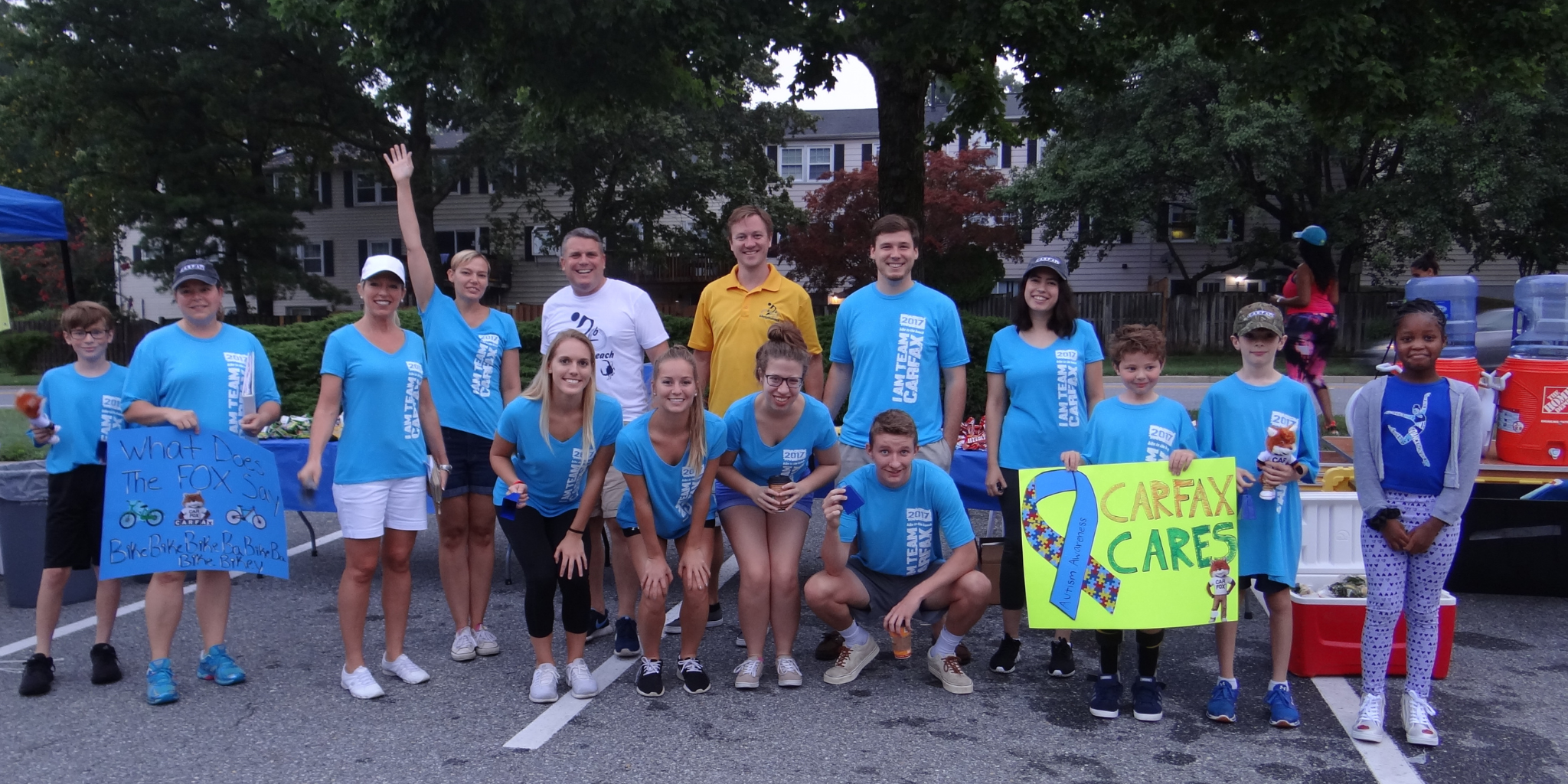
Your Guide to Being a Fundraising Event Volunteer
Find the top autism fundraising events where you can make a difference as a fundraising event volunteer and help build a stronger, more inclusive community.

You feel the pull to get involved—to do more than just donate. You want to be part of the energy that truly changes lives. Becoming a fundraising event volunteer is your chance to step into the heart of the action. It’s an opportunity to connect with passionate, like-minded people and build real relationships while working toward a shared goal. Your time and energy help create joyful, inclusive events that strengthen the network of support for individuals and families. Ready to find your team? We’ve gathered some incredible autism fundraising events waiting for your help.
Key Takeaways
- Find the right volunteer role: Discover opportunities by connecting with local autism organizations, searching community websites, and checking social media for events in your area.
- Create a direct community impact: Your time and energy help build a supportive, joyful atmosphere for families while also allowing you to form meaningful connections and gain a sense of purpose.
- Have an amazing experience: Prepare by learning about the organization’s mission, bringing a positive attitude, and making a genuine effort to engage with participants and other volunteers.
Find Your Perfect Volunteer Role at These Autism Fundraisers
Ready to make a difference? Volunteering at an autism fundraising event is one of the most direct and rewarding ways to support your community. It’s a chance to connect with incredible people, share your skills, and be part of something bigger than yourself. Here are some fantastic events where your time and energy can create a real, lasting impact.
Cycle for a Cause with Bike to the Beach
Bike to the Beach is more than just a bike ride; it’s a moving community dedicated to making a local impact. These fully supported charity rides are designed for cyclists of all levels, from seasoned pros to first-time riders. Each event follows a scenic route that ends with a celebration at a nearby beach. What makes Bike to the Beach special is its commitment to local communities. The funds you help raise stay right in your region, supporting local autism and disability organizations. As a volunteer, you can help with everything from managing rest stops to cheering on riders at the finish line, all while supporting local nonprofit partners in your area.
Walk with Purpose at an Autism Speaks Walk
As the world’s largest autism fundraising event, the Autism Speaks Walk is an incredible display of community strength and solidarity. These walks take place in towns and cities across the country, bringing together thousands of participants to raise awareness and funds. The atmosphere is full of energy, hope, and connection. For volunteers, it’s an opportunity to be part of a massive, well-organized effort that makes a national impact. You can help with registration, guide walkers along the route, or manage activity stations. It’s a powerful way to stand with the autism community and contribute to a cause that touches millions of families.
Lace Up for the Flutie 5K for Autism
The Flutie Foundation offers a variety of ways to get involved, ensuring there’s a perfect fit for every volunteer. Their signature event, the Flutie 5K for Autism, brings communities together for runs and walks that are fun for the whole family. Beyond the 5K, the foundation also hosts other events, like galas and team running challenges. This variety gives volunteers a chance to use different skills, whether you’re helping set up for a race or assisting with a formal event. By volunteering, you support the foundation’s mission to help people and families with autism live life to the fullest.
Tee Off for a Cause with Els for Autism
If you enjoy golf or have a knack for event planning, volunteering with Els for Autism could be a perfect match. The foundation encourages volunteers to organize their own fundraisers, known as Affiliate Events, with Els for Autism as a benefiting charity. These often take the form of golf tournaments, but can also include other community gatherings. Volunteers are essential to the success of these events, helping with everything from planning and promotion to day-of execution. It’s a fantastic opportunity to take a leadership role, rally your network, and create a successful fundraiser that supports innovative autism programs and services.
Find a Fundraising Walk or Run in Your Neighborhood
Beyond the major national events, countless local walks, runs, and community gatherings happen right in your own neighborhood. Many local autism centers, schools, and family support groups host their own events to raise funds and build community. These smaller events offer a wonderful opportunity to connect on a personal level with the families and individuals you’re supporting. A quick online search for “autism charity walk near me” or checking with local disability organizations can help you find an event. Volunteering locally is a powerful way to strengthen your community from the inside out and see the direct impact of your efforts.
What Does a Fundraising Event Volunteer Do?
Volunteering is the heart and soul of any great community event. It’s a chance to contribute your time and energy to a cause you care about, meet new people, and see the direct impact of your efforts. Whether you’re a natural leader, a behind-the-scenes organizer, or someone who just loves to cheer people on, there’s a role for you. Every task, big or small, helps create a safe, supportive, and unforgettable experience for participants and their families. Not sure where you’d fit best? Here are some of the most common and crucial volunteer roles you’ll find at autism fundraising events.
Be the First Friendly Face: Help with Setup and Check-In
First impressions matter, and volunteers at registration are the first friendly faces participants see. This role is perfect for organized, welcoming individuals who love making people feel comfortable. You’ll help get the event space ready by arranging tables, putting up signs, and organizing materials. As participants arrive, you’ll check them in, hand out event packets, and answer any questions they have. Your positive energy sets the tone for the entire day, ensuring everyone starts the event feeling supported and excited. Providing great guest support is key to making sure the event runs smoothly from the very beginning.
Cheer on Participants as a Course Marshal
If you love being in the middle of the action, being a course marshal might be the perfect fit. Course marshals are stationed along the event route, whether it’s a 5K, a walk, or a 100-mile bike ride. Your job is to guide participants, point them in the right direction, and offer tons of encouragement. You’re a safety monitor and a cheerleader all in one, making sure everyone stays on track and feels motivated to keep going. This role is vital for creating fun, inclusive experiences where every participant, regardless of their ability level, feels safe and celebrated from start to finish.
Fuel the Fun at a Refreshment Station
Every participant needs a place to refuel, and refreshment stations are hubs of positive energy. As a volunteer here, you’ll hand out water, snacks, and other refreshments to keep everyone hydrated and energized. But it’s more than just passing out granola bars; you’re providing a much-needed mental break and a friendly smile. This role is essential for supporting families and making sure everyone has the fuel they need to cross the finish line. You’ll help run fun events for families by turning a simple rest stop into a memorable and encouraging part of their day.
Assist with Fundraising and Donations
A huge part of any charity event is, of course, the fundraising. If you’re detail-oriented and want to help maximize the event’s impact, you can offer support behind the scenes. This might involve helping at a donation table, assisting with a silent auction, or providing information to attendees about how their contributions make a difference. Many events rely on a volunteer-run fundraiser model, where every dollar counts. By helping with these crucial tasks, you ensure that the organization can continue its important work and that the generosity of the community is channeled effectively.
Bring the Energy: Lead Fun Activities
Do you have a knack for getting people excited? Volunteers who lead activities are essential for building a fun and festive atmosphere. You could lead a pre-race stretch, help run a kids’ activity zone, or get the crowd pumped up at the finish line celebration. These roles are all about engagement and making the event more than just a race; it’s a community gathering. Organizing a community-level event’s fun activities helps foster connection among participants and families while also promoting greater awareness for the cause. Your enthusiasm can be contagious and leave a lasting positive impression on everyone involved.
Go Beyond the Event Day: Skill-Based Volunteering
Your impact doesn’t have to be limited to a single day. Many organizations need support year-round, and your professional skills can be an incredible asset. Think about what you do best—whether it’s graphic design, writing, project management, or accounting—and consider offering those talents. Nonprofits often operate with lean teams and tight budgets, so a skilled volunteer can make a huge difference. This type of contribution allows you to apply your expertise in a meaningful way, helping organizations strengthen their foundation so they can better serve the community. It’s a powerful way to give back that leverages your unique strengths.
Use Your Professional Skills
If you have a specific professional skill, you can provide immense value to a nonprofit. For example, volunteers with web or graphic design experience can help an organization improve its donation page to make it more user-friendly and effective. If you’re a great writer, you could help draft grant proposals or create compelling content for their social media channels. Many companies also encourage this kind of community involvement through volunteer grant programs, where they donate money to a nonprofit in exchange for your logged volunteer hours. It’s a fantastic way to multiply your impact without spending an extra dime.
Become a Fundraiser Yourself
Ready to take your support to the next level? Becoming a fundraiser yourself is one of the most direct ways to fuel the mission of an organization you care about. You don’t need to be a professional event planner or have a massive network to get started. It’s all about sharing your passion and inviting others to join you in making a difference. By stepping into a fundraising role, you become a true advocate for the cause, extending the organization’s reach far beyond its existing community. Whether you join an established campaign or create your own, your efforts can rally incredible support.
Launch a Peer-to-Peer Campaign
Peer-to-peer fundraising is all about leveraging your personal network to raise money for a cause. It’s the model that powers events like Bike to the Beach, where every rider shares their personal story and asks friends and family for donations. Organizations make it easy by providing you with a personal fundraising page and tools to share your progress. You can encourage donations by explaining why the cause matters to you. Many campaigns also offer fun rewards like t-shirts or event perks to thank you for your efforts and keep you motivated as you work toward your goal.
Organize Your Own Fundraising Activity
If you have an idea for a fun community event, consider channeling that energy into a fundraiser. You could organize a bake sale, a charity car wash, a trivia night at a local pub, or even a small walk in your neighborhood. Many organizations welcome these community-led initiatives, sometimes called “Affiliate Events.” You can plan your own fundraiser and designate a local autism organization as the beneficiary. This is a great way to take a leadership role, bring your community together, and create a unique event that reflects what you and your network are passionate about.
Why Your Time as a Volunteer Matters
Volunteering at an autism fundraising event is about more than just donating your time. It’s an opportunity to be part of a powerful, positive force in your community. When you volunteer, you’re not just helping an event run smoothly; you’re creating an environment of support, celebration, and inclusion. Your energy and effort directly contribute to raising critical funds and awareness, making a tangible difference for local families and individuals. It’s a chance to connect with a cause, meet incredible people, and see the immediate impact of your actions.
Help Families Create Lasting Memories
One of the most rewarding parts of volunteering is helping create a joyful and welcoming space for families. For many, these events are more than just fundraisers; they are a chance to connect with others who share similar experiences in a supportive atmosphere. As a volunteer, you might be the friendly face that greets a family at registration, the encouraging voice cheering on a participant, or the helpful hand at a rest stop. Your presence helps transform a simple event into a memorable celebration, bringing moments of happiness and connection to everyone involved.
You’ll Build Your Own Community
Volunteering is a fantastic way to build relationships with people who share your passion for making a difference. You’ll work alongside dedicated individuals, connect with participants and their families, and become part of a vibrant community network. These events bring together people from all walks of life, united by a common purpose. The connections you make can last long after the event is over, strengthening the local support system for individuals with autism and other disabilities. It’s an opportunity to find your people and be part of a team that truly cares.
Grow Your Skills and Feel Great Doing It
Giving your time also gives back to you. Volunteering can help you develop valuable skills in communication, teamwork, and event coordination. It’s also incredibly beneficial for your own well-being. Contributing to a cause you believe in provides a deep sense of purpose and fulfillment. Knowing that your efforts, whether big or small, are helping provide essential resources and support to your community is a powerful feeling. You’ll leave the event not just with new skills, but with a renewed sense of connection and accomplishment.
See the Direct Impact of Your Help
When you volunteer with a community-focused organization, you can be confident that your efforts are making a difference right where you live. At Bike to the Beach, for example, every dollar raised and every hour volunteered directly supports local autism and disability partners in your region. You are a key part of our mission to empower local communities. Instead of supporting a distant national office, you’re helping your neighbors access the resources they need. This direct, local impact is what makes community fundraising so powerful.
Maximizing Your Fundraising Impact
Volunteering your time is an incredible gift, but your impact doesn’t have to stop there. Many volunteers also become passionate fundraisers, helping to generate the financial support that keeps vital programs running. Whether you’re sharing a donation page on social media or encouraging your network to give, you can play a huge role in the event’s success. With a few simple strategies, you can turn your enthusiasm into tangible support and help your chosen cause reach its goals. Here’s how to make every fundraising effort count.
Leverage Corporate Giving Programs
Your workplace could be one of your most powerful fundraising tools. Many companies are eager to support their employees’ charitable efforts and have programs in place to make it easy. These initiatives are often underutilized, but they can significantly increase the amount of money you raise without any extra cost to you or your donors. Before you start your next fundraising push, take a few minutes to check your company’s intranet or talk to your HR department. You might be surprised by the opportunities available to you.
Ask About Matching Gifts
One of the most common forms of corporate giving is a matching gift program. When an employee donates to an eligible nonprofit, the company will donate an equal amount, effectively doubling the donation. Some companies even offer a 2:1 match. Encourage your donors to see if their employers offer this benefit; it’s a simple way to make their generosity go even further. Many organizations, including Bike to the Beach, have tools on their donation pages to help you check for matching gift eligibility.
Track Hours for Volunteer Grants
Did you know your volunteer hours can translate directly into a corporate donation? Many companies offer volunteer grant programs, where they provide a monetary grant to a nonprofit after an employee volunteers a certain number of hours. This is a fantastic way to honor the time you dedicate to a cause. Be sure to track your hours carefully and submit them according to your company’s policy. Your time is valuable, and this is a great way to make it count twice.
Tips for a Successful Online Campaign
If you’re participating in an event like a charity ride or walk, you’ll likely have a personal fundraising page. This is your digital home base for telling your story, sharing updates, and collecting donations. Making your page engaging and easy to use is key to hitting your fundraising goals. A well-crafted page not only makes it simple for people to donate but also helps them feel more connected to your journey and the cause you’re supporting. Here are a few tips to optimize your page for success.
Create a Mobile-Friendly Donation Page
Most people will access your fundraising page from their phones, so a mobile-friendly design is non-negotiable. When people can donate easily with just a few taps, they’re much more likely to follow through. Thankfully, most modern fundraising platforms are already optimized for mobile use. When you join an event, your personal page will be designed to work seamlessly on any device, ensuring a smooth and secure donation process for your supporters, no matter how they access it.
Suggest Donation Amounts
Sometimes, the biggest barrier to donating is simply not knowing how much to give. You can make the decision easier by providing suggested donation amounts on your page. Tying these amounts to a specific impact can be even more effective. For example, you could explain that a $25 donation provides art supplies for a therapy session or a $50 donation funds a support group meeting. This helps donors understand exactly how their contribution makes a difference and guides them toward a specific giving level.
Show Progress with a Fundraising Thermometer
Everyone loves a good visual, and a fundraising thermometer is a classic for a reason. This simple graphic shows how much you’ve raised and how close you are to your goal. It creates a sense of momentum and urgency, encouraging people to donate to help you reach the top. As the thermometer fills up, it provides social proof that others are supporting your cause, which can motivate new donors to join in. It’s a powerful tool for keeping your community engaged and excited about your progress.
Understanding the Rules of Fundraising
When you decide to raise money for a cause you care about, you’re taking on an important responsibility. Acting with integrity and transparency is key to building trust with your donors and honoring the charity you’re supporting. While you don’t need to be a legal expert, it’s helpful to understand some basic guidelines that govern fundraising. Knowing the difference between fundraising “on behalf of” versus “in aid of” a charity, and familiarizing yourself with best practices, will ensure your efforts are both effective and ethical.
Know Your Legal Responsibilities
The way you fundraise determines your relationship with the charity and the rules you need to follow. The distinction often comes down to whether you are an official representative of the organization or an independent supporter. Both are incredibly valuable ways to contribute, but they come with slightly different expectations. Understanding your role helps you communicate clearly with donors and ensures that the funds you raise are handled properly and transparently from start to finish.
Fundraising ‘On Behalf Of’ a Charity
When you fundraise “on behalf of” a charity, you are acting as an official agent of that organization. This is common for participants in established events, like riders in a Bike to the Beach event who use the organization’s platform to collect donations. In this case, you must follow the charity’s guidelines, use their approved materials, and be clear that you are representing them. The funds are typically collected directly by the charity, which simplifies the process and provides donors with immediate tax receipts.
Fundraising ‘In Aid Of’ a Charity
Fundraising “in aid of” a charity means you are organizing your own independent event or activity, with the proceeds going to your chosen nonprofit. For example, you might host a bake sale or a community car wash. In this scenario, you are not an official representative of the charity. It’s important to provide clear information that the event is your own initiative, but that the funds will be donated to the specific organization. You are responsible for collecting and handling the money before passing it on to the charity.
Follow the Code of Fundraising Practice
No matter how you choose to fundraise, honesty and transparency are paramount. Always be clear about which charity you’re supporting and how the funds will be used. If you’re part of an official event, the organization should provide you with clear information and support to ensure you can fundraise confidently and correctly. The goal is to make sure every donor feels respected, informed, and secure in their decision to give. Following a clear code of conduct protects you, the donor, and the charity you’re working so hard to support.
Does Fundraising Count as Service Hours?
Many students and members of civic groups need to track volunteer hours, and it’s common to wonder if fundraising activities qualify. The answer is often yes, but it depends on the specific requirements of your school or organization. Generally, the time you spend actively planning and executing a fundraising event—like organizing logistics, setting up, or managing a donation table—can be counted as service hours. However, the simple act of asking for donations online may not qualify. Always check with your program coordinator to confirm their policy before you begin.
Choosing a Transparent and Trustworthy Charity
When you invest your time, energy, and money into a cause, you want to be sure your contributions are making a real impact. Choosing a charity that is transparent, credible, and effective is the most important step you can take. A trustworthy organization will be open about its mission, finances, and the results of its work. Taking the time to do a little research upfront ensures that your hard work and your donors’ generosity will be put to the best possible use, creating meaningful change in the community you care about.
Look for Financial Transparency
A reputable charity will be open about how it uses donations. Look for an organization that makes its financial information, including annual reports and tax forms, easily accessible on its website. This information can tell you how much of its budget goes directly to programs and services versus administrative and fundraising costs. While every nonprofit has overhead expenses, a high percentage of funds dedicated to programs is a strong indicator of financial efficiency and a commitment to the mission.
Understanding the 80/20 Rule
In the fundraising world, you might hear about the “80/20 rule,” also known as the Pareto Principle. This concept suggests that, often, 80% of results come from 20% of efforts. For fundraising, this can mean that a significant portion of donations (around 80%) comes from a smaller group of dedicated donors (about 20%). While this is more of a strategic observation than a measure of a charity’s quality, understanding this principle can help you appreciate the importance of building a strong, committed community of supporters around a cause.
How Charities Use Your Donations
The most important question is: how will your donation be used? Look for charities that clearly communicate the impact of their work. They should be able to explain how contributions are used to fund specific programs, support families, or advance research. At Bike to the Beach, for example, we are committed to a local fundraising model, meaning the money raised in a region stays in that region. This ensures that your efforts directly support community partners and make a tangible difference for your neighbors.
Verify Credibility with Charity Watchdogs
If you want an objective assessment of a charity, third-party watchdog organizations are an excellent resource. Websites like Charity Navigator, GuideStar, and CharityWatch provide in-depth ratings and reviews of nonprofits based on their financial health, accountability, and transparency. These platforms analyze a charity’s public records and provide an easy-to-understand score, helping you make an informed decision. Before you commit to volunteering or fundraising, take a few minutes to check the ratings of the organization to ensure it aligns with your standards for credibility and impact.
How to Find a Fundraising Event Volunteer Role Near You
Ready to lend a hand but not sure where to start? Finding the right volunteer opportunity is all about connecting your passion with a local need. The great news is that communities are full of organizations that rely on dedicated volunteers to make their events successful. From large-scale walks to local school fundraisers, there are countless ways to get involved. The key is knowing where to look. Here are four simple strategies to help you find a volunteer role that fits your schedule and allows you to make a real difference for families impacted by autism.
Start with Local Autism Organizations
Your first stop should be the organizations working directly with the autism community every day. These groups have a deep understanding of local needs and are almost always looking for volunteers to support their programs and events. Start by searching for local chapters of national organizations; for example, the Autism Society has an affiliate network that can help you find a group in your area.
Beyond national affiliates, look for independent, community-based nonprofits. A quick online search for “autism support groups near me” or “disability services in [your city]” can reveal incredible local organizations. Check their websites for a “Get Involved” or “Volunteer” page, where they’ll post current needs for everything from event setup to fundraising support.
Check Online Volunteer Platforms
Expand your search by using online platforms designed to connect volunteers with causes they care about. Websites like VolunteerMatch and Idealist allow you to filter opportunities by location, cause, and type of work, making it easy to find autism-related events that need help. These sites are great for discovering fundraisers you might not have found through a direct search.
Don’t forget to check local resources, too. Many cities and counties have their own online community calendars or volunteer portals that list upcoming events. These are often managed by local news outlets, libraries, or municipal governments. A quick browse can uncover everything from charity 5Ks to community fairs that benefit local autism and disability programs.
Look for Opportunities on Social Media
Social media is a powerful tool for community connection. Start by following the local autism and disability organizations you’ve found on platforms like Facebook and Instagram. They regularly post calls for volunteers for upcoming fundraisers and events. Engaging with their content is a great way to stay informed and be the first to know when they need support.
You can also join local community groups on Facebook. Search for groups related to your town, neighborhood, or parenting, as members often share information about local causes. You’ll frequently see posts from people looking for volunteers to help with a school fundraiser or a community walk that supports a cause close to their hearts. It’s a fantastic, grassroots way to find meaningful opportunities.
Ask Your School or Community Center
Your own neighborhood is a great place to find ways to contribute. Schools, in particular, are often hubs of community activity and fundraising. Reach out to your local elementary or high school to see if they have partnerships with disability organizations or host their own inclusive events. Many schools have clubs or parent-teacher associations that organize fundraisers and are always looking for an extra set of hands.
Community centers, libraries, and local recreational departments are also excellent resources. They often host inclusive programs and events that rely on volunteer support. By getting involved at this level, you can help create a welcoming environment for all families while making a direct impact right where you live. It’s a powerful way to strengthen your community from the inside out.
Make the Most of Your Volunteer Day
Ready to make the most of your time giving back? Volunteering should be as fulfilling for you as it is helpful for the cause. A little preparation and the right mindset can transform a good volunteer shift into an incredible, memorable experience. Whether you’re greeting participants at the starting line or handing out water at a rest stop, these simple tips will help you show up with confidence, connect with the community, and have a fantastic time.
Understand the Mission and Your Role
Before you arrive for your shift, take a few minutes to understand the organization’s mission and why the event matters. Knowing the purpose behind the day helps you connect your tasks, big or small, to the larger goal. At Bike to the Beach, every volunteer role, from event setup to fundraising coordination, directly supports our local autism and disability partners. When you understand why we bike, you can share that purpose with participants and feel a deeper connection to the community you’re serving.
Show Up Ready to Engage
Your energy is contagious. A warm smile, an encouraging word, and a can-do attitude create a welcoming atmosphere for everyone. Participants, especially those facing personal challenges, feed off the positive environment you help build. Remember that your help, no matter how big or small, makes a real difference in providing joy and connection. When you show up ready to engage and support others, you not only lift spirits but also make the experience more fun and rewarding for yourself and the entire volunteer team.
Take Time to Connect with Others
Don’t be afraid to introduce yourself. Volunteering is a powerful way to build meaningful relationships and strengthen your community. Take the time to learn the names of other volunteers and chat with participants when you have a moment. Engaging with others helps the organization achieve its goals and creates more opportunities for people with autism to feel seen and supported. You’ll leave the day with new friends and a stronger sense of belonging to a cause that truly matters.
Keep the Connection Going After the Event
If you had a great experience, let it be the start of something more. Your involvement doesn’t have to end when your shift is over. Consider signing up for the organization’s newsletter, following them on social media, or looking for future events. Many organizations have a variety of ways to contribute throughout the year. Staying connected allows you to see the long-term impact of your efforts and continue supporting a community you care about. You can always contact us to find more ways to get involved.
Related Articles
- How to Plan Corporate Fundraising Events for Autism
- Peer to Peer Fundraising for Autism: A Starter Guide
Frequently Asked Questions
Do I need any special skills or experience to volunteer? Not at all. The most important qualifications are a positive attitude and a desire to help. Most event roles are designed for anyone to step into, and organizers will provide any specific instructions you need on the day of the event. Your enthusiasm and willingness to contribute are what truly make a difference.
What is the typical time commitment for an event volunteer? It really varies, which means you can likely find something that fits your schedule. Some roles may last for the entire event, while others are broken into shorter shifts of just a few hours. When you sign up, you can usually see the different time slots available and choose the one that works best for you.
Can I volunteer with my family, friends, or coworkers? Yes, and it’s highly encouraged. Volunteering as a group is a fantastic way to connect with each other while supporting a great cause. Most organizations are happy to place groups together. Just be sure to reach out to the volunteer coordinator ahead of time so they can find the perfect role for your team.
I’m not a cyclist. Can I still volunteer for an event like Bike to the Beach? Absolutely. Events like ours rely on a huge team of volunteers who aren’t riding. We need energetic people to manage rest stops, cheer at the finish line, help with registration, and assist with the post-ride celebration. Your support on the ground is essential to creating a safe and memorable experience for every participant.
What should I bring with me for my volunteer shift? It’s always a good idea to wear comfortable shoes and dress in layers, as the weather can change throughout the day. Bringing a reusable water bottle, sunscreen, and a hat is also smart. Most importantly, bring a positive and flexible attitude, ready to help wherever you’re needed most.