

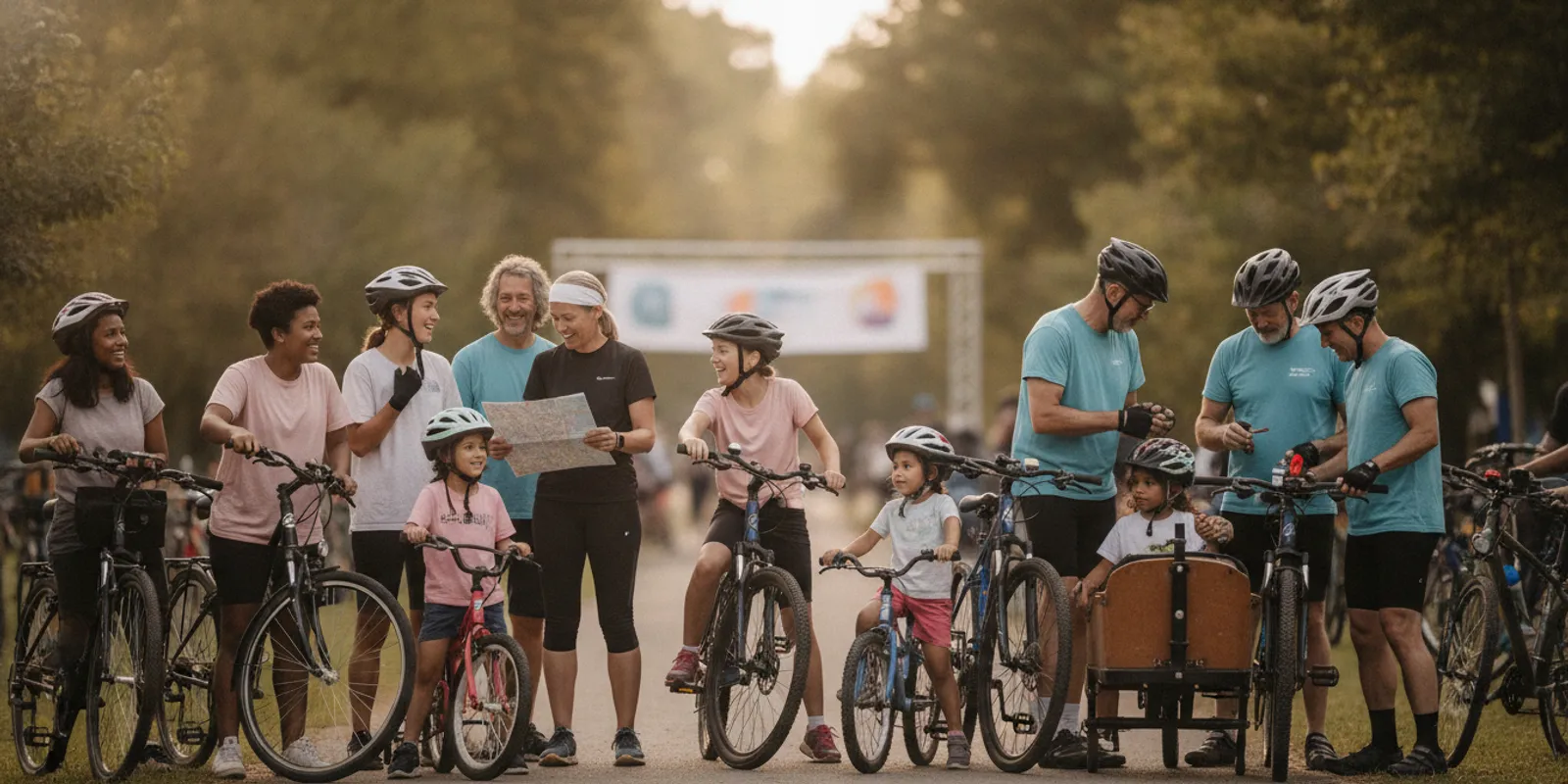
School Fundraising Ideas
Explore school fundraising ideas through the lens of an inclusive charity ride team, with practical ways for students, families, and supporters to join.
School fundraising ideas can give students, families, and educators a shared way to support a cause. For communities looking beyond a one-day sale or classroom activity, a charity bike ride can connect a team challenge with local autism and disability organizations. The right fit depends on your school community, the event rules, and the ways people can participate.
Ask about joining a Bike to the Beach ride team
What makes a school fundraiser a good fit?
Start with the people who will take part. A useful activity fits the school calendar, volunteer capacity, age range, access needs, and the time families can give. It should also be easy to explain: what happens, who can join, what the fundraising supports, and how participants can ask questions.
Before choosing a format, invite a small group of students, caregivers, and staff to consider:
- Can students participate in ways that suit their ages and abilities?
- Can families join without specialized skills or costly supplies?
- Are there ways to contribute for people who cannot attend in person?
- Can organizers describe the purpose and beneficiary accurately?
- Do date, venue, supervision, permissions, and transportation work?
The Los Angeles County Office of Education’s school fundraising ideas resource includes academic activities, arts events, workshops, and classes. Treat a list like this as inspiration, then check local school policy and choose what suits your community.
Which activities can bring a school community together?
There is no universal best choice. A short event may be simpler to coordinate; an activity spread over several days can offer more flexible participation. A team ride is a different kind of commitment, with preparation and event logistics to consider. Compare formats before settling on one.
| Format | What participants do | Planning needs | Potential fit |
|---|---|---|---|
| Arts showcase | Share artwork, music, or performances | Space, setup, supervision, accessible viewing | Celebrating student creativity is the priority |
| Read-a-thon | Set a reading goal and invite supporters | Dates, simple tracking, varied reading levels | A flexible, multi-day activity is useful |
| Community workshop | Join a skill-sharing session | Suitable instructor, registration, accessible space | Families or staff can contribute a skill |
| Charity ride team | Prepare, fundraise, and ride or support a team | Eligibility, distance, route, travel, supervision | The group wants an active shared challenge |
A quick survey can help reveal whether families prefer an on-campus activity, a multi-day challenge, or an outdoor team event. Keep the question practical: ask about preferred timing, likely roles, access considerations, and what information people need before committing. Do not treat responses as promises to attend or donate.
How can a school plan the activity without overloading volunteers?
Make a small plan before announcing the fundraiser. Agree on a clear purpose and identify who can approve the activity. Then estimate the tasks involved and assign an owner to each one. A short checklist helps organizers see gaps before they become urgent.
- Define the purpose. State what the activity supports and how the school or team will describe its connection to the cause. Use only confirmed information.
- Choose a manageable format. Match the time commitment and complexity to the number of organizers available. A simple activity executed well can be more welcoming than an ambitious plan with unclear roles.
- Confirm policies and permissions. Ask about school fundraising rules, facility use, supervision, photography, food, and any off-campus requirements.
- Set roles and a schedule. Name people to handle communications, registration, supplies, volunteer coordination, and money or reporting. Include deadlines for decisions, not just event day.
- Share participation choices. Explain what people can do and how to ask questions. Avoid suggesting that every family must give money or attend.
- Close the loop. Thank participants and share confirmed results, using figures organizers can substantiate.
For a small example, imagine a school team considering a weekend ride. One organizer can first gather the current event rules and route options; another can ask school staff about supervision and travel; a third can prepare a clear family information sheet. The group should decide whether the requirements fit before making a public invitation. If the plan does not fit this year’s calendar or resources, choosing a simpler activity is a responsible outcome, not a failure.
Turn that example into a one-page decision record. Note the proposed date range, the person responsible for each question, and the date by which an answer is needed. Mark open issues clearly rather than letting a tentative assumption become part of the invitation. If a route, age rule, or transportation plan remains unresolved, the team can pause recruitment while it checks. This is especially helpful when several school groups are involved and families may hear about the activity through different channels.
How can a charity bike ride become a school team fundraiser?
A charity ride can bring students, caregivers, educators, alumni, and other supporters together around a shared goal. Bike to the Beach organizes regional charity rides that support local autism and disability organizations. A school community can explore whether a team makes sense by reviewing event details, asking about eligibility, and choosing an appropriate way to take part. Learn about the broader Bike to the Beach community and its mission and local impact.
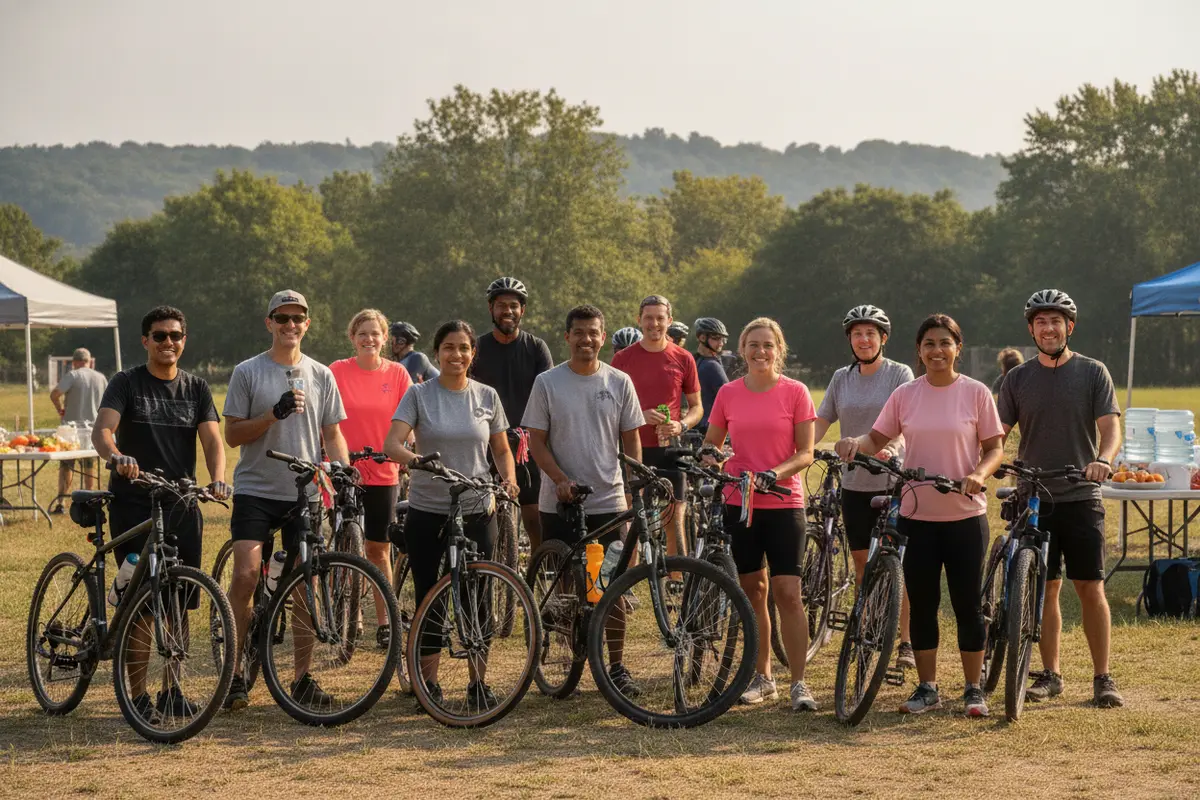
Before inviting families, gather answers to these questions:
- Which route and distance? Review the event’s current route details and consider what the group is prepared to do. Do not assume every ride offers the same distances.
- Who may register? Confirm age requirements, waivers, guardian participation, and supervision expectations directly with the event organizer.
- What support is available? Check the ride’s current information for rest stops, route guidance, mechanical assistance, medical support, and transportation. Confirm event-specific details rather than relying on a general description.
- How will travel work? Consider reaching the start, returning after the finish, and transporting bicycles. Make these arrangements clear before participants commit.
- What fundraising information applies? Review the current registration materials before setting expectations about fundraising targets or timelines.
Bike to the Beach describes supported rides, but arrangements vary by region and event. Start with the official charity ride participation options, then follow through to the specific event information. Riders can also explore the cycling routes guide as a general introduction to route planning, while remembering that event instructions take precedence.
It can help to separate the team decision into three stages. First, determine whether the event and its participation rules fit the age range and calendar. Second, estimate the practical commitment: preparation rides, travel, adult supervision, and communications. Third, invite people with a concise explanation of both the commitment and the available alternatives. A family should not have to infer whether a student can join or what support is expected from a general event description. Put those questions to the organizer before sharing a firm plan.
How should a team read ride information before event day?
Route information is more useful when the team reads it together and turns it into practical decisions. Begin with the official route map and event instructions, not an image shared in an old message. Check the publication or event date so you know you are looking at the current version.
- Find the start and finish. Identify where participants check in, where the ride begins, and where the route ends. Confirm whether those locations affect drop-off, parking, or return travel.
- Trace the route in order. Follow the marked path rather than assuming a straight line between towns. Look for turns, road names, crossings, and any sections that may need extra attention.
- Read distance and elevation information. Use the event’s stated route details to judge whether the ride suits the group’s preparation. A map alone may not explain all changes or route options.
- Locate support points. Note rest stops and other support locations when they are shown. Ask the organizer what each point provides and what participants should carry themselves.
- Check navigation instructions. Confirm whether riders should use a paper cue sheet, a navigation app, event signage, or another method. Test access to any digital instructions before leaving home.
- Make a question list. If a turn, distance, closure, or support detail is unclear, send the question to the event contact. Do not infer that an ambiguous map means a road is closed or that a route is unchanged.
For example, if a family sees a rest stop on the map but cannot tell whether it is before or after a long stretch, the team should ask the organizer rather than make assumptions about water or supplies. If a rider’s device displays a different route from the current event map, use the event’s latest instructions and request clarification. These small checks can prevent a team from passing along outdated or incomplete details.
For route-specific questions, the support and contact page provides a way to reach the organization. General ride descriptions are a starting point; final decisions should rely on the current event materials.
A team can make this review more concrete with a simple route-markup exercise. Print the current map or open it on a shared screen, then label the start, finish, likely check-in point, and every support marker. Ask each rider to point out one location they want clarified. Record the question and who will send it. Avoid drawing a new route or circulating altered maps as if they were official; use notes for internal discussion and point everyone back to the organizer’s current instructions.
Next, connect each map detail to a real decision. A start location affects the departure time and the plan for arriving with a bicycle. A finish location affects who will meet riders and how everyone gets home. A support marker prompts questions about what is available there and what riders should bring. A turn or crossing may call for careful attention to event directions. Thinking this way keeps map reading practical, without treating the map as a substitute for official guidance.
How can organizers make participation inclusive?
Inclusion begins during planning. Share the invitation early, ask what barriers might affect participation, and name a contact person for questions. Offer more than one role where possible: riding, fundraising, sharing approved information, cheering, or helping the team communicate. For a ride, confirm current event options instead of assuming that one distance or format fits everyone.
Use direct, respectful language about disability and access. Do not make a person’s story a condition of joining or fundraising. When sharing photographs or personal stories, follow school consent practices and respect each person’s choice about what may be shared. If someone raises an access need, pass the question to the event organizer and seek a specific answer before promising an accommodation.
Practical inclusion also means planning for different levels of time and experience. A caregiver may be able to share the invitation but not attend; a student may want to support the team without riding; an educator may help with a meeting but not event-day logistics. State that these contributions are welcome without implying that they are interchangeable with a registration or donation.
Make participation options specific in the invitation. For instance, describe who can ride, who can help with communications, and whether cheering is permitted at designated areas. If you do not yet know whether a particular role is available, say that you are checking rather than promising it. Provide one named school contact for general questions and direct event-rule questions to the organizer. This gives families a clear next step without asking them to disclose private information publicly.
How should the school communicate the fundraiser?
A useful family message answers the basic questions at a glance: what the activity supports, who can participate, when and where it happens, what people need to do, and where to ask about access or logistics. Keep updates consistent across school-approved channels. If event details change, send a correction rather than assuming that everyone saw a new map or message.
A one-page information sheet can include the confirmed event link, sign-up deadline, route or activity overview, age and supervision requirements, travel notes, volunteer contacts, and a reminder that participation is optional. Separate confirmed facts from items still being checked. This helps families make informed decisions without reading a long chain of messages.
Consider drafting the message in two passes. In the first, write the essentials in plain language: purpose, date, location, participant steps, and a contact for questions. In the second, check every detail against the current school and event materials. Remove claims about route support, fundraising expectations, age eligibility, or beneficiary services that have not been confirmed. Keep the final note brief enough to scan, and link to the event’s own details for information that may change.
Afterward, thank participants and report what happened. Share attendance or fundraising totals only after they are confirmed. If funds support a partner organization, use its approved description and official information. Avoid promising that a particular amount supports a specific service unless that connection has been verified.
Frequently Asked Questions
What are easy school fundraising ideas to start with?
A read-a-thon, arts showcase, or small workshop can be a practical starting point because each can be adapted to school schedules and resources. Confirm school policies and volunteer capacity before setting a date.
Can a school community join a charity bike ride?
Potentially, if the event’s registration, eligibility, route, and supervision requirements suit the group. Check the current regional ride information and ask the organizer about any student or family-specific questions.
How can families support a team if they cannot attend?
Offer ways to help outside event day, such as sharing an approved team page, helping with communications, or cheering where permitted. Make clear that support is welcome but not required.
How do we explain where funds go?
Use confirmed information from the event organizer or beneficiary. State the relationship accurately, and do not imply that a specific amount reaches a particular program unless that has been verified.
Contact Bike to the Beach about team participation
Bring your school community to the ride
When a school team has a clear purpose, current event information, and welcoming ways to take part, a charity ride can become a meaningful shared experience. Review the details together, ask questions early, and choose the participation plan that works for your community.