

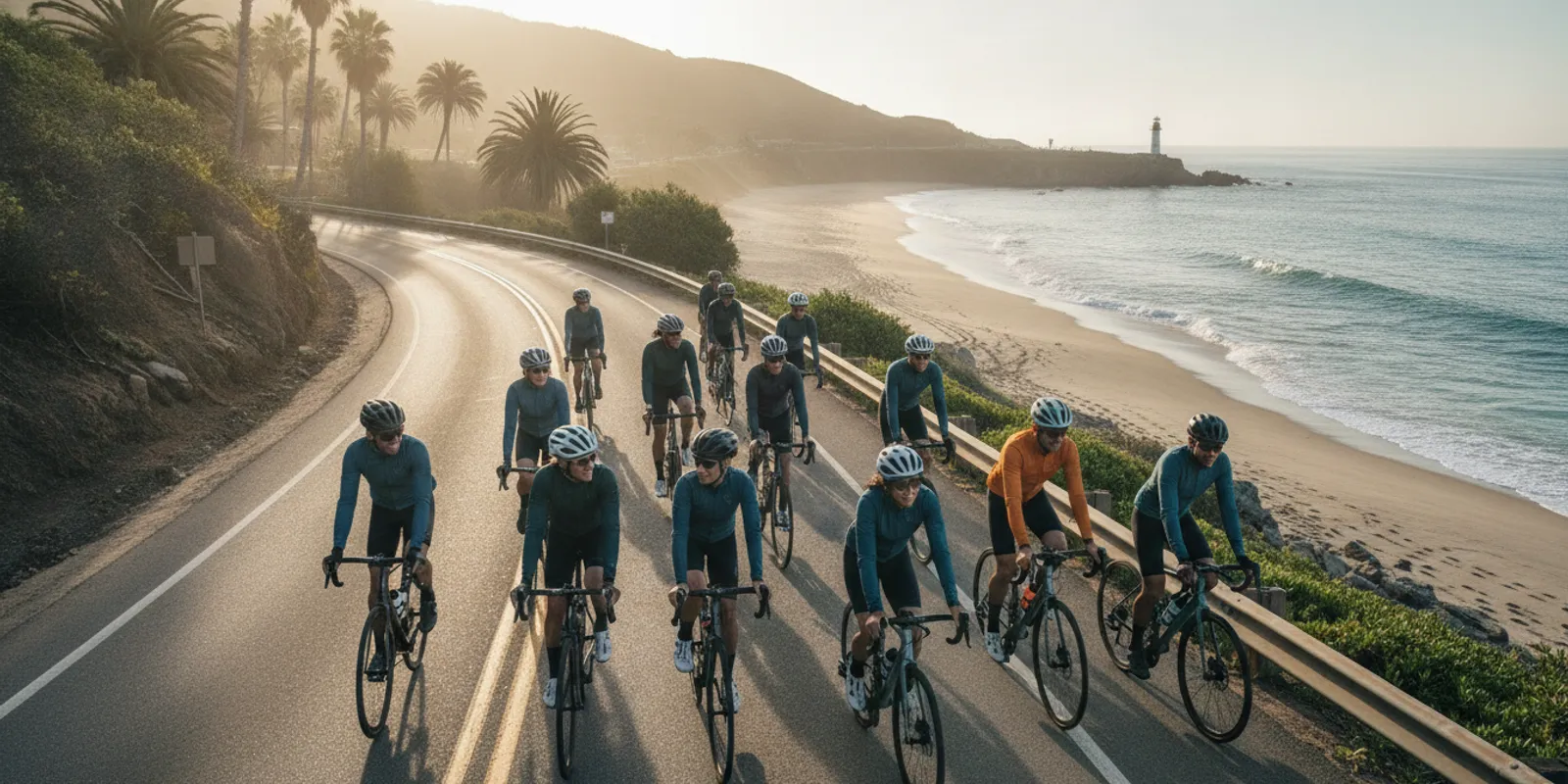
Bike Ride: Find the Right Way to Ride for a Cause
Find a bike ride that fits your goals and experience. Compare formats, plan training, and prepare to ride for local autism and disability communities.
A bike ride can be a way to spend time outdoors, build confidence, and support a cause at the same time. If you are considering a charity bike ride, start by matching the route and event format to your experience, schedule, and reason for riding. The right choice is one you can prepare for and enjoy, whether that means a shorter route, a team, a relay, or a longer distance.
Ask about joining a Bike to the Beach ride
What kind of bike ride fits your goals?
Before choosing an event, decide what you want from the experience. You might want a personal fitness challenge, a social day with friends, or a meaningful way to support local autism and disability organizations. Those goals can point to different distances and participation options. A useful choice balances the ride you hope to complete with the preparation time you actually have.
Consider distance, terrain, start location, support, and the time you can set aside to prepare. If you are new to group rides or long distances, a shorter option can be a sensible first step. Compare available charity ride routes and ask yourself what kind of day feels achievable. Would you enjoy riding steadily with a group? Would you rather split the distance with teammates? Would a flexible virtual challenge suit your calendar better?
| Option | May fit you if | What to plan |
|---|---|---|
| Shorter distance | You are newer to event riding or want a manageable first goal | Ride regularly and check route details |
| Longer distance | You already ride consistently and want an endurance challenge | Build distance gradually; plan food, water, and recovery |
| Relay team | You want to share the route with others | Coordinate handoffs, travel, and each rider’s segment |
| Virtual challenge | You cannot attend in person or need a flexible schedule | Check how progress is tracked and submitted |
Bike to the Beach offers regional charity rides and participation options that include individual distances, relay teams, corporate teams, and a virtual challenge. Check the details for the current route and available choices; they vary by region and event. If sharing the experience matters most, a team format may suit you better than choosing the longest route. If your main goal is endurance, choose a distance that leaves room for preparation without crowding out work, family, and rest.
How can you choose a comfortable distance?
Think about your recent riding, not only the distance you hope to complete. A realistic choice leaves room to train, adapt if life gets busy, and arrive feeling prepared. Consider your longest recent ride, how often you can ride each week, how you felt afterward, and whether you have experience riding with a group.
- Start with your baseline. Note your usual ride length and recovery. If a ride leaves you unusually tired for several days, that is useful information when choosing a goal.
- Set a practical target. Look at your normal week. Choose an event that allows you to increase riding gradually rather than relying on a sudden burst of training.
- Check the event format. Start points, available distances, and support may differ. Read the specific event information instead of assuming every regional ride works the same way.
- Leave room for change. If the event permits distance changes, learn the policy before registering. Do not assume you can switch later.
For example, imagine that you usually take a relaxed weekend ride and can add one short ride during the week. A shorter event option may give you a clear goal while letting you build a consistent routine. Another rider may already cycle several times a week and be comfortable spending longer hours in the saddle. That rider might consider a longer distance, but should still practice pacing, eating, drinking, and using equipment before the event.
If you are between two options, compare the preparation each one demands. Write down the available weekly time, the longest ride you have done recently, and what event support includes. Then choose the option that can fit those facts with some flexibility. Consult a qualified health professional about personal health concerns. You can also review a beginner’s guide to riding for a cause.
What should you look for in an organized charity ride?
Events differ in what they provide. Read the event information carefully so you know what is included and what you need to bring or arrange. Look for route length and profile, start and finish locations, check-in timing, rest stops, mechanical help, medical support, transportation, and rider rules. Check whether you need lodging, a way to reach the start, or a plan to get home after the finish.
Bike to the Beach describes its rides as supported events, with rest stops, mechanical support, SAG vehicles, a medical partnership, and options for return and bike transportation. Confirm which services apply to the specific ride you are considering. Support can reduce some planning burdens, but you still need suitable equipment, must follow event instructions, and should ride within your abilities.
Make a question list before you register. Where do I check in? What is the finish process? How do I get back from the finish? What should I carry myself? How does the event communicate route changes? Which services are available on my chosen distance? Clear answers help you uncover practical details early rather than on ride morning.

Also consider the community behind the event. Bike to the Beach brings riders together around local autism and disability organizations, with fundraising directed to local partners. Its stories about mission and impact can help you understand the community focus. For regional details, explore the DC, Maryland, and Virginia ride, the Florida ride, the New York ride, or the New England ride.
How do you prepare for a bike ride?
A useful preparation plan is steady and specific. You do not need to make every ride long or intense. Practice regularly, increase your time or distance gradually, and include easier rides so you can adapt. Fit your plan to your starting point and event date rather than copying someone else’s schedule.
- Set a weekly rhythm. Choose rides you can keep consistently. Put them on your calendar alongside recovery time.
- Build endurance slowly. Extend one ride over time while keeping other rides comfortable. Avoid cramming missed sessions into one day.
- Practice group skills. Ride with other cyclists when possible, signal clearly, leave space, and learn to handle stops and turns. Follow event directions.
- Test your setup. Use training rides to check your saddle, clothing, helmet, lights, and carrying system. Address discomfort or equipment problems early.
- Practice breaks and fueling. Try the food and drink you expect to use on longer rides. Do not rely on an untested routine on event day.
- Ease off before the event. Arrive rested instead of trying to make up missed training at the last minute.
Make the plan fit the calendar you actually have. If three rides fit in a typical week, decide which will be short and easy and which one will gradually become longer. If weekends are your only available time, be consistent and avoid sudden increases in distance. A simple log can record the date, duration or distance, weather, how the ride felt, and one adjustment for next time. Those notes may show that your saddle needs attention, a bottle is hard to reach, or your early pace felt too ambitious.
Try a short route before adding distance. Choose a familiar, low-stress place where you can focus on comfort and handling. Then practice a longer outing with the clothing and items you plan to bring. A route can feel very different when you add traffic, hills, weather, or several hours in the saddle. Treat practice as a chance to learn, not a test you must pass.
For a longer-distance event, review a beginner’s century ride training guide or the 50-mile training guide. These are starting points, not medical advice or a substitute for a plan suited to your fitness and health. If you are just beginning, the 50-mile ride guide can help explain what that distance involves.
What should you bring on ride day?
Use the event’s official checklist first. Needs depend on weather, distance, route, and support. A basic list can help you identify gaps before ride morning:
- A properly fitted helmet and a bike in safe working condition
- Water and personal nutrition you have practiced using
- Weather-appropriate clothing, including a layer if conditions may change
- Identification, phone, and required event materials
- Basic repair items appropriate to your bike and skill level
- Necessary medication and emergency contact information
Check tire pressure, brakes, and shifting before leaving home. If you need to arrange equipment, see the guide on renting a bike for a long ride. Make sure the fit and controls feel familiar before event day. Lay out clothing and essentials the night before, charge your phone and lights if needed, and confirm the start location and check-in time.
Think through the sequence of the day. Eat what you normally tolerate before a ride, arrive with time to check in, and listen for event instructions. At a rest stop, take a moment to drink, eat if needed, and check how you feel. Keep your phone accessible and know how event staff want riders to request help. If the weather changes, use the event’s guidance rather than pressing on simply to meet a personal target.
A small pre-ride review can prevent avoidable stress. The evening before, confirm your route information and travel plan. In the morning, check the bike once more and keep essentials together. If something feels wrong with the bike, ask for help before starting instead of hoping the issue disappears on the road.
How can a charity bike ride connect to local impact?
Fundraising is one way to connect a personal challenge with a community cause. Start by explaining why you chose the ride, who it supports, and what participation means to you. A short, personal message can be clearer than a generic request. Share progress with friends or coworkers and invite them to follow your training or cheer you on.
Bike to the Beach’s model centers on local autism and disability organizations. The organization describes fundraising as supporting local partner organizations and services in their communities. If you want to learn about the wider community and different ways to take part, visit the Bike to the Beach community hub. Participation can involve riding, joining a team, volunteering, supporting a rider, or learning more about the mission.
You do not need a complicated message to make the cause understandable. Explain what you are doing, why the community matters to you, and how someone can follow or support your effort. You might say that you are taking on a cycling challenge in support of local autism and disability organizations, then point people to the event information. Avoid promising a specific outcome unless it is documented. Clear, modest language respects both the work of local organizations and the people they serve.
Some riders find it helpful to connect the training journey to fundraising updates. For instance, you could share a short note after a weekend ride about what you learned, mention the event and its local mission, and invite people to ask questions. A team can share responsibility for communication too: one member can post a training update, another can explain the event format, and a third can share information about the cause. Keep the focus on a genuine invitation rather than pressure.
Research on e-bike use has examined potential physical activity benefits and barriers to active transportation. Read Increasing Active Transportation Through E-Bike Use for research context; it does not assess a specific charity event. For your own participation, choose a format and route that suit your circumstances.
How can you compare your options before deciding?
Make a simple side-by-side comparison instead of relying on the event name or distance alone. Write down what matters most, then mark each option against the same questions: Can I reach the start? Can I train for the distance? Is there a team or relay format? Do I understand the support available? Does the cause and community feel meaningful to me?
For example, a rider with limited weekday time might prefer a shorter route that can be prepared for through consistent weekend rides. A group of friends with different fitness levels might investigate a relay, so each person has a defined segment and the team coordinates transportation. A rider who is traveling or cannot attend in person might look for a virtual option, then confirm tracking rules and how to participate with others remotely. These are not rankings of one format over another; they are ways to match the event to real constraints.
Before making a final choice, note any unanswered questions. If the route, available distance, schedule, or support details are unclear, check the official event information or contact the organization. Small uncertainties are easier to solve before registration than in the final week. Choosing a ride should feel like a considered commitment, not a guess.
Talk with Bike to the Beach about your ride options
Frequently Asked Questions
Do I need to be an experienced cyclist to join a charity ride?
Not necessarily. Events may offer different distances and ways to participate. Choose an option that matches your current riding, review the event requirements, and allow enough time to prepare. If you have a health concern, ask a qualified health professional about activity that is appropriate for you.
Can I take part without riding the full distance alone?
Some events offer relay or team formats, and Bike to the Beach lists relay teams among its participation options. Check the specific event page to confirm its format, distances, and coordination requirements. Agree in advance who rides each segment and how the team will manage handoffs and travel.
What if I do not have a bike?
Check whether rental coordination is available and confirm timing, fit, and pickup details. Bike to the Beach lists bike rental coordination among its support services, but availability and process should be verified for the ride you choose. Test the rental bike before event day so its fit and controls are familiar.
How should I decide whether I am ready for a long ride?
Compare the distance with your recent riding and available training time. Build up gradually, practice with your equipment, and review the event’s route and support information. Seek advice from a qualified health professional if you have health concerns or are unsure what activity is appropriate for you.
Ready to choose your bike ride?
Connect with Bike to the Beach about taking part
Choose an event and format that fit your goals, check the details, and make a steady plan for getting ready. A well-chosen bike ride can be a rewarding challenge and a meaningful way to show up for a local community.