

New England Cycling Routes for Charity Ride Training
Schedule your coastal ride prep now. Explore the best New England cycling routes for charity training with 30, 60, and 100-mile options and a beachside finish.
Training for a coastal charity ride is about more than collecting miles. Wind off the water, rolling roads, changing surfaces, and long stretches between familiar landmarks all shape how your legs and focus feel on ride day. The right practice routes can make that experience feel challenging, scenic, and manageable.
The best New England cycling routes for Boston-to-Newport preparation combine coastal exposure, steady endurance miles, and flexible distance options. Build from shorter rail-trail rides, then extend your route until you can handle the distance and conditions that match your chosen ride.
Bike to the Beach brings riders together for a fully supported experience, with fundraising that stays local to support autism and disability programs across New England. Start by understanding why coastal roads are such a useful match for the ride itself.
Register for the Bike to the Beach New England ride
Why Coastal Roads Are the Best Training Ground for the Boston-to-Newport Ride
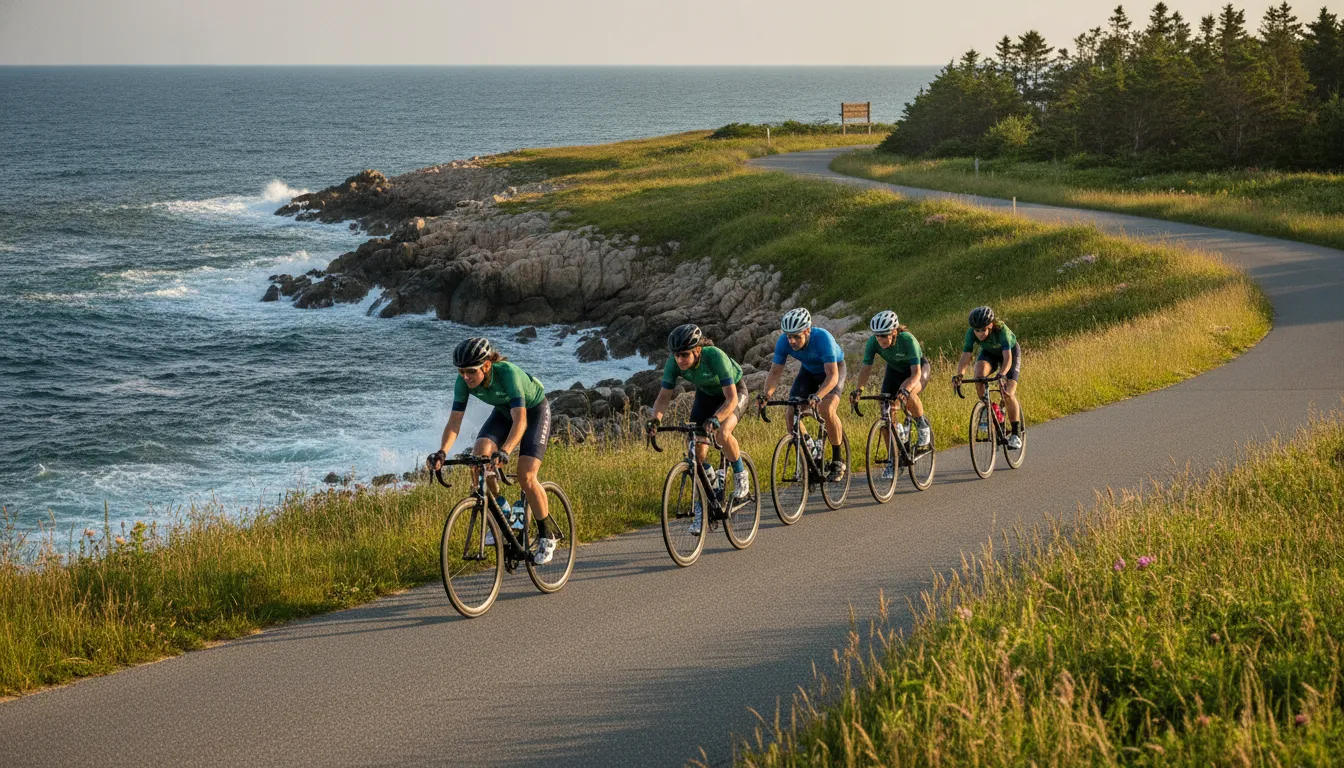
Training on coastal New England roads gives you more than a scenic backdrop. It helps you practice the changing conditions that make a point-to-point ride feel different from a flat, predictable loop. Sea breezes can test your pacing, rolling hills build strength without requiring a mountain route. And frequent seaside turns teach you to stay attentive while your legs are carrying you farther.
Those skills matter for the Bike to the Beach New England ride, a single-day, fully supported event from Boston to Newport. Riders can choose a 30-, 60-, or 100-mile route, with rest stops every 15 miles and a beachside finish. The distance options make the ride accessible to different experience levels, but each route rewards steady preparation. Coastal training lets you rehearse the physical and mental rhythm of riding for hours while adjusting to wind, terrain, and changing scenery.
Wind is one of the best reasons to include exposed roads in your preparation. A headwind can make a familiar distance feel longer, while a crosswind asks you to hold a controlled line and conserve energy. You do not need to chase difficult conditions every time, but occasional rides near the water can teach you when to ease your effort. When to stay with your group, and how to avoid spending your energy too early.
Rolling coastal terrain also builds useful strength. Short rises encourage you to shift before your cadence falls apart, then settle into a sustainable effort at the top. Repeating that pattern helps you learn the difference between working hard and racing every hill. On event day, that discipline can leave more in reserve for the miles ahead and the final approach to Newport.
There is a community reason to choose this challenge, too. One hundred percent of rider fundraising stays in New England to support local autism and disability programs. Every training mile can connect your personal goal to a broader local impact, whether you ride with longtime cyclists, new riders, friends, or family. Use these New England cycling routes as a starting point, then build a coastal routine that makes the ride feel familiar before you reach the starting line.
What Makes a Great New England Cycling Route for Ride Training?
The best training route is not simply the prettiest road or the longest trail. It is a route that lets you build endurance with confidence, repeat key sections, and practice the conditions you may face on event day. For charity ride preparation, look for a route that combines a manageable distance with predictable surfaces, useful scenery, and enough variety to keep your training purposeful.
Safety should come first. A review of cycling infrastructure found that designs such as separated bike lanes and dedicated cycling paths are associated with fewer cycling injuries. That does not make any route risk-free, but it is a strong reason to favor protected or low-conflict infrastructure when you have a choice. Read the cycling infrastructure safety research for the evidence behind that approach.
- Safe infrastructure: Prioritize separated lanes, dedicated multi-use paths, well-marked shoulders, and crossings with good visibility. If a route requires busy intersections, preview them before your first long ride and choose quieter alternatives where possible.
- A distance ladder: Choose New England cycling routes that can grow with you. A short loop may be ideal for an early weekday ride. While connected trails or repeated laps can help you progress toward longer weekend distances without committing to an unfamiliar century route.
- Coastal exposure: Routes near the ocean, bays, or large lakes can help you practice riding with wind, changing temperatures, and open stretches that feel different from sheltered inland roads. That variety makes training more realistic and helps you learn how your pace responds to the elements.
- Reliable surfaces: Smooth pavement or well-maintained packed paths reduce unnecessary fatigue and make it easier to focus on cadence, posture, and fueling. Check for construction, potholes, seasonal closures, and shared-path rules before you go.
- Simple navigation: Build each route in Ride with GPS or another trusted mapping tool, then use turn-by-turn directions on your phone or cycling computer. Download the route before leaving, especially in coastal or rural areas where service can drop.
- Low-traffic conditions: Early starts, off-peak days, and roads with generous sightlines can make a major difference. A quieter route gives you more room to settle into a steady effort, signal clearly, and ride with your training group.
Finally, choose routes you can return to. Familiarity makes it easier to measure progress, adjust distance, and notice when wind or fatigue changes your effort. The right route should challenge you while still making you want to ride it again next week.
Boston Cycling Training Routes for Endurance and Hill Climbing
For Boston cycling training, start with a route that makes it easy to accumulate steady miles without turning every ride into a navigation project. The Minuteman Bikeway is a strong foundation. This 10-mile paved rail trail runs from Bedford through Lexington and Arlington to Cambridge’s Alewife area, giving riders a relaxed, low-traffic setting for building consistency. (Learn more about the Minuteman Bikeway.)
Use it for base mileage, cadence work, and comfortable efforts where you can focus on staying smooth. An out-and-back gives you 20 miles, and adding a short connector or neighborhood loop can turn the same familiar trail into a longer training day. The bikeway is also a Rail-Trail Hall of Fame inductee, so it offers both a practical surface for training and a memorable local route to revisit.
Build endurance on the flats first
Flat rail-trail miles are especially useful early in a training cycle. Keep your effort easy enough to speak in complete sentences, and use the ride to practice the habits that make longer days manageable: regular drinking. Eating before you feel depleted, and shifting gears before your legs are tired. If 20 miles feels comfortable, add five to 10 miles the following week rather than making a dramatic jump.
Another simple approach is to ride the Minuteman twice in one week with different goals. Make one outing an easy endurance ride. On the second, add a few controlled increases in pace while keeping your form relaxed. Familiar terrain makes it easier to notice improvement without relying on a hard effort every time.
Add rolling hills for climbing strength
Rail trails should not be your entire plan if your goal includes a longer point-to-point ride. Pair flat mileage with rolling hill loops around the Boston area, progressing from short rises to longer, repeated climbs. The Boston-to-Newport route climbs as it moves away from the city toward the coast. So hill practice helps you manage the early work before the ride settles into its coastal miles.
On a hill session, stay seated for most climbs and choose a gear that lets you keep a steady cadence. Repeat a familiar loop two or three times, then add another repetition in a later week. Save all-out efforts for occasional testing. Most training should leave you ready to ride again, not worn down for several days.
For a longer-distance progression, use this base-and-hills approach as you prepare on New England cycling routes. Familiar flat miles build confidence, while measured climbing work prepares your legs for the changes in terrain that make a Boston-to-Newport training day productive.
Coastal Cape Cod and Shining Sea Rides That Build Event-Day Muscle
Coastal training is valuable because it asks you to manage more than distance. Wind can change the effort from one mile to the next, open stretches expose your pacing. And changing views make it easier to stay engaged during a long ride. Two standout New England cycling routes on Cape Cod let you practice those demands on paved rail trails: the Cape Cod Rail Trail and the Shining Sea Bikeway.
Use the Cape Cod Rail Trail to build steady mileage
The Cape Cod Rail Trail covers about 25 to 26 miles through six Cape Cod towns. It is a paved, multi-use trail, making it a practical choice when your priority is spending several hours in the saddle without constantly navigating traffic. The trail has a 15 MPH speed limit, so treat the ride as a controlled endurance session rather than a race. That pace can help you focus on even effort, relaxed handling, regular drinking, and eating before you feel depleted.
Free parking is available at several trailhead locations, which makes it easier to plan an out-and-back or divide the route into manageable training segments. Before you leave, check the current access and parking details, then decide where you will turn around. A planned turnaround keeps a longer ride from becoming an unplanned test of your reserves.
Practice seaside conditions on the Shining Sea Bikeway
In Falmouth, the Shining Sea Bikeway runs 10.7 miles between Woods Hole and North Falmouth. The route follows the coast and includes overlooks toward Buzzards Bay, giving you a chance to practice riding in the kind of open. Seaside setting that can make event-day conditions feel different from an inland loop.
Use this route for more than scenery. Notice how wind affects your cadence and how exposed sections change your perceived effort. Practice holding a sustainable pace instead of chasing a target speed. If you ride with a group, take short, organized pulls and communicate before slowing or stopping. Those small habits make a meaningful difference when you are sharing a long event day with other riders.
Stack the routes for a longer coastal training day
At 10.7 miles plus 25 to 26 miles, the two routes represent roughly 36 miles of trail mileage before any additional connector miles or extensions. You can use one route for a focused weekday ride, then combine portions of both for a 30 to 40-plus-mile weekend session. That progression builds endurance while keeping the training environment consistent: paved surfaces, open coastal exposure, and opportunities to rehearse fueling and pacing.
Start with the distance you can complete comfortably, then add mileage gradually. The goal is not to empty the tank on every ride. It is to finish with enough control to recover, return the following week, and keep building toward your event distance.
Choose the Best New England Cycling Routes by Distance: 30, 60, or 100 Miles
The most useful training route is the one that matches your current fitness and your event-day goal. Bike to the Beach’s New England ride offers 30-, 60-, and 100-mile options, so your practice rides should build toward the distance you plan to complete. Start with a route that feels manageable, then add mileage gradually while keeping your effort controlled.
Use this comparison to choose a starting point and combine familiar trails into a repeatable training loop. The distances below reflect the customer event guide, while the trail combinations are practical ways to build mileage on scenic, mostly multi-use paths. Check current conditions, access rules, and surface changes before every ride.
| Target distance | Best for | Suggested trail stack | Preparation approach |
|---|---|---|---|
| 30 miles | Beginners or recreational riders | One out-and-back on the Cape Cod Rail Trail, or a Shining Sea Bikeway out-and-back plus a local connector | Build consistently for about one to two months. Focus on comfort, cadence, fueling, and finishing without an all-out effort. |
| 60 miles | Intermediate riders ready for a half-tour | Combine a full Cape Cod Rail Trail outing with a Shining Sea out-and-back, or repeat a shorter coastal loop | Extend one weekly ride at a time. Practice eating and drinking while moving, and include some rolling terrain before attempting the full distance. |
| 100 miles | Advanced riders training for a century | Stack Cape Cod Rail Trail and Shining Sea mileage, then add repeated loops or connected local roads to reach 100 miles | Use a structured long-ride progression. Practice pacing, rest-stop timing, equipment checks, and the nutrition plan you expect to use on event day. |
The Cape Cod Rail Trail contributes roughly 25 to 26 paved miles through six towns. While the Shining Sea Bikeway adds 10.7 miles between Woods Hole and North Falmouth. Riding each as an out-and-back creates a useful foundation, but it does not automatically equal a 100-mile day. Treat the trails as building blocks, and add distance in measured increments rather than forcing a single giant jump.
If you are new to longer rides, follow the best New England cycling routes with an eight-week progression. Riders targeting the century can use the pacing guidance to prepare on New England cycling routes. For event logistics and the official route choices, review the New England cycling routes guide, then keep your training focused on distance, comfort, and steady progress.
How to Plan a Weekly New England Training Ride That Sticks
The most effective training plan is one you can repeat when work, family, and weather compete for your attention. Instead of waiting for a perfect day, give each ride a clear purpose and keep the weekly structure simple. A few consistent weekday rides can build your base, while one longer weekend outing prepares your body for hours in the saddle and changing coastal conditions.
What can a realistic training week look like?
Use this flexible sample week as a starting point. Adjust the duration to your current fitness, and leave at least one full rest day between demanding efforts.
- Monday: Rest, mobility work, or an easy walk.
- Tuesday: Base ride for 45 to 60 minutes at a conversational pace. Focus on smooth pedaling and steady effort.
- Wednesday: Optional short ride of 30 to 45 minutes. Practice fueling, shifting, and riding comfortably on familiar roads or trails.
- Thursday: Base or hill-focused ride for 45 to 75 minutes. Add a few gradual climbs if your route allows, but avoid turning every ride into a race.
- Saturday or Sunday: Long coastal ride, starting at a manageable distance and adding mileage gradually. Build toward the 30-, 60-, or 100-mile event option that matches your goal.
If your schedule is tight, two weekday rides plus the weekend ride can still create meaningful progress. The eight-week beginner training plan shows how to fit purposeful sessions into a crowded week, while century riders should review the 100-mile pacing plan before extending their long rides.
How should you fuel and stay safe?
Eat and drink before you feel depleted. Carry water on every ride, and bring a practical source of carbohydrate for longer sessions. Test the foods and drinks you plan to use on event day during training, rather than trying something new on a 60- or 100-mile ride. The cycling hydration guide can help you build a hydration routine that fits distance, heat, and effort.
Check your bike, tires, lights, and weather before heading out. Wear a properly fitted helmet, use visible clothing or lights when conditions are dim, and tell someone your route. On busy sections of New England cycling routes, ride predictably, follow local traffic rules, and choose separated paths when available. A consistent plan should make you stronger without making you reckless.
Register for the Bike to the Beach New England ride today
Frequently Asked Questions
What is the best bike path in New England?
There is no single best path for every rider. For accessible paved mileage, try the Cape Cod Rail Trail. A 25- to 26-mile route through six Cape Cod towns with a posted 15 MPH speed limit and dawn-to-dusk access (Mass.gov). The Shining Sea Bikeway offers 10.7 miles beside the water, while the Minuteman Bikeway provides a manageable 10-mile Boston-area rail-trail foundation.
Where is the longest paved bike path in New England?
“Longest” depends on whether you mean a single continuous paved trail or a connected route network, so confirm current conditions before planning a destination ride. For charity-ride preparation. A linked sequence of shorter trails can be more useful than one very long path because it lets you build distance gradually and practice navigation, fueling, and pacing.
Are there coastal training routes in New England for charity rides?
Yes. The Shining Sea Bikeway in Falmouth follows the coast from Woods Hole to North Falmouth and includes Buzzards Bay overlooks (Town of Falmouth). Cape Cod routes also provide repeated opportunities to practice wind exposure, steady pacing, and riding near the ocean. Check local rules, weather, parking, and trail conditions before each ride.
What makes a New England cycling route ideal for charity ride preparation?
Choose a route with a safe surface, clear navigation, optional distance extensions, and access to water or planned rest points. Dedicated trails and separated bike lanes are associated with fewer cycling injuries, according to a review of cycling infrastructure research (National Institutes of Health). Then add longer loops as your endurance improves.
How do I choose the best New England cycling routes for coastal riding?
Match the route to your current distance, then progress toward the mileage you expect to ride. Start with a short, familiar loop, add a coastal segment, and schedule one longer ride each week. Review wind, elevation, traffic crossings, surface type, and turnaround points in advance so your training builds confidence as well as fitness.
You have the routes. Now you have a reason to train for them. The Bike to the Beach New England ride rolls from Boston to Newport on September 19. With 30, 60, and 100-mile routes, full ride support, rest stops every 15 miles, and a beachside finish. Every dollar you raise stays in New England, funding local autism and disability programs for the families and riders you ride beside.
Register for the Bike to the Beach New England ride today
Pick your distance, build your coastal training plan, and turn a summer of scenic miles into a finish line at the beach. Whether you log your first ten miles on the Shining Sea Bikeway or push toward a 100-mile century. The Bike to the Beach community will help you every pedal of the way.