

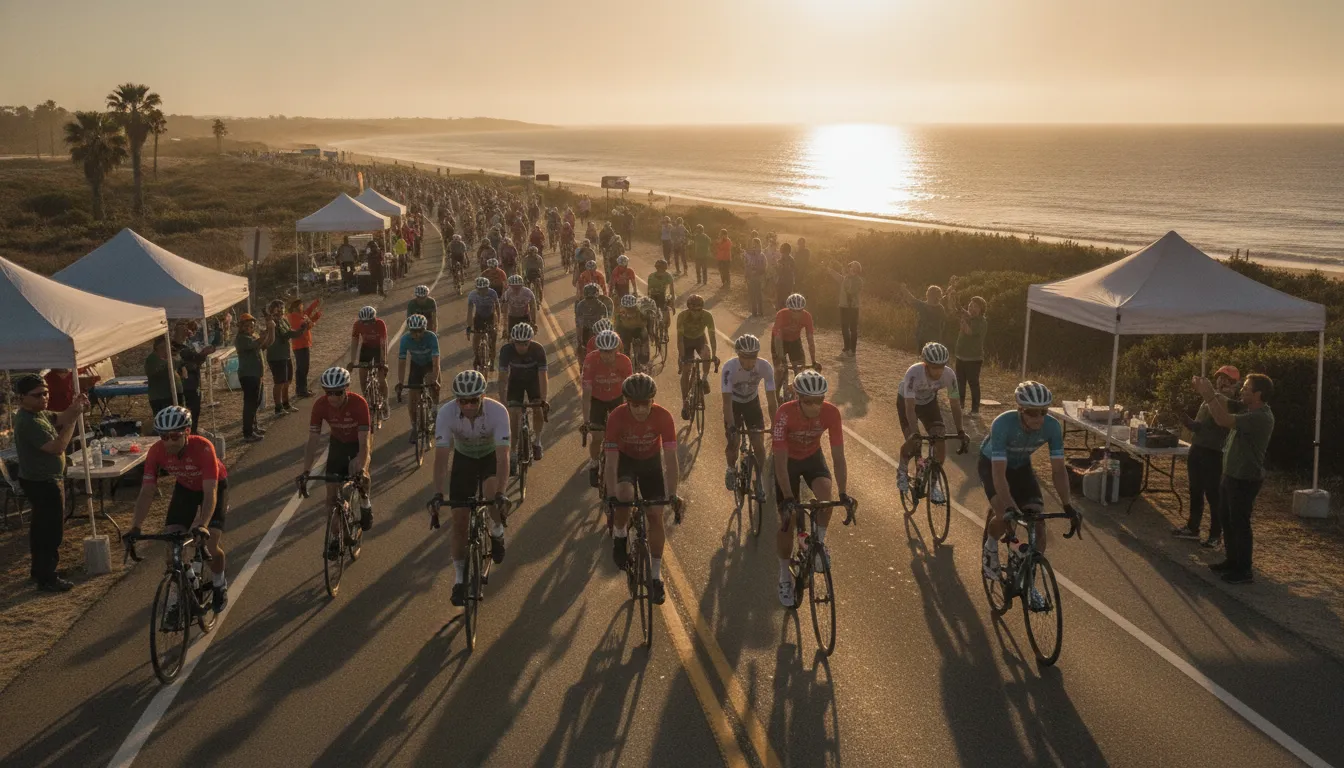
A 100 Mile Bike Ride Training Plan to Get You to the Finish
Ready to ride your first century without bonking? Learn how a 100 mile bike ride training plan sets up your in-ride pacing, fueling, and rest-stop rhythm.
Cruising past the mile eighty mark with strong legs takes a smart pacing strategy. When you line up for a long charity ride, managing your effort from the very start makes all the difference.
Register for your charity ride distance today and put your pacing plan into action on a fully supported route.
A 100 mile bike ride training plan builds your strength over several weeks, but using a smart pacing strategy on ride day is what helps you finish strong. According to research in PubMed, starting too fast leads to early fatigue, so keeping a controlled, easy pace is key. To keep your energy high, you should eat carbs often, drink water, and take short rests instead of riding until your muscles are completely exhausted. Supported rides like Bike to the Beach make this simple by placing rest stops with food, water, and bike repairs every fifteen miles of the route. By keeping your early effort low and using these helpful stops, you can easily complete your first century ride and enjoy the finish line.
If you want to ride a century and still have energy to celebrate at the beach, you need a pacing plan. To help you prepare, let’s answer the big question first: what does pacing your first century really mean? Understanding that single skill puts every mile of your day within reach.
What Does Pacing Your First Century Really Mean?
When you sign up for a 100-mile charity ride, your first thought is often about your fitness. But fitness is only part of the story, and your ride-day success relies heavily on how you use your energy. Riding 100 miles is not about holding one fixed speed from the start to the beach finish. True pacing is the skill of managing your effort and leg speed across the entire route to ensure you finish strong.
Effort versus fixed intensity
Many new riders try to hold a single speed or power target for the whole day. But a rigid pace is often harmful on a long course. A study published in PubMed shows that strict, even pacing is not always the best way to handle long distance events. Instead, you should let your power vary by using parabolic pacing to match the hills, wind, and your own fatigue.
By letting your effort rise and fall over the miles, you can keep your muscles from burning out early. Push harder on climbs, but ease off on downhill sections to recover. This fluid approach helps you do more overall work than holding one flat pace all day.
The challenge of a century ride
Pacing is much more vital for 100 miles than for short weekend rides. On a short 20-mile spin, you can make pacing mistakes and still finish with ease because your body has enough stored fuel. A century ride is a different challenge that tests your endurance over five or more hours. If you start too fast, you will deplete your glycogen stores, spike your blood lactate levels, and hit a wall long before the finish line.
Pacing is a mental game. While a structured 100 mile bike ride training plan prepares your body, pacing is how you use that training on ride day. You must listen to your body, ride with the group, and keep your heart rate in a safe zone. Plan your energy to match your own ability and the exact profile of the route.
Leg speed and cadence
Focus on your cadence, or how fast your pedals spin, to manage your effort. Slow spinning in a heavy gear drains your muscles. To protect your legs, keep a light, fast spin of 80 to 90 pedal turns per minute. This shifts the work to your heart and lungs, which recover much faster.
At a Bike to the Beach event, you will find full support, including rest stops and mechanical help. But you are still the one turning the pedals. By focusing on your effort and spinning a light gear, you can enjoy the scenic route and celebrate at the beach finish.
Why Should You Start Slow and Find Your Sustainable Zone?
A long ride is won or lost in the first ten miles. Many riders feel fresh at the start line. This high energy makes them push too hard and leads to a fast lactate spike.
The danger of a fast start
When you start a long ride, you must manage your energy. If you ride too fast early on, you will run out of fuel. A study published in PubMed shows that starting too fast causes a quick rise in blood lactate levels. This fast rise leads to fatigue. It can end your day early, so you must hold back when your legs feel strong.
To build a smart plan for your ride, you should follow a solid 100 mile bike ride training guide. The guide will help. It teaches you how to pace yourself on each part of the road. Even pacing is not always the best way to ride a century. Instead, you should adjust your effort based on the wind, hills, and how you feel.
Finding your effort zone
You can track your pacing by how hard you feel you are working. This is your rate of perceived exertion, or RPE. It measures your effort. You should spend most of your ride in a sustainable zone where you can still talk to other riders. Use the table below to stay in your best zone.
| Zone | RPE Level | Heart-Rate Feel | Pace Feel |
|---|---|---|---|
| Conversational / Easy | RPE 3 to 4 | Slow and steady beat | Very easy to talk to friends |
| Sustainable | RPE 5 to 6 | Warm but controlled beat | Can speak in full sentences |
| Tempo | RPE 7 to 8 | High and fast beat | Can only say a few words |
| Hard | RPE 9 to 10 | Very high and gasping beat | Too hard to speak at all |
Refueling in the recovery window
Pacing does not end when you cross the finish line. Recovery matters. To get the most from your hard work, you need to eat the right foods soon after your ride. Experts from the Mayo Clinic say that you should restore both carb and protein stores within a two-hour window.
This meal will help repair your muscles and restore your energy. Good choices include chocolate milk, a turkey sandwich, or a fruit smoothie with protein powder. Taking care of your body keeps you strong. It also makes you ready for your next big ride.
How Long Does It Take to Bike 100 Miles?
Riding one hundred miles is a major milestone for any cyclist. If you are planning for your first century, you likely want to know how much time you will spend on the road. For most riders, you can expect to spend at least five hours in the saddle. But your total time on the road will be longer once you add in breaks, traffic, and rest stops.
Average ride times and speed ranges
A rider’s speed sets their time in the saddle. Casual cyclists often hold a pace of twelve to fourteen miles per hour. At this pace, the ride takes seven to eight hours of pure pedaling. Active riders might hold fifteen to seventeen miles per hour, which cuts the time to about six hours. Stronger riders can push past eighteen miles per hour and finish in under five and a half hours. If you are using a century ride training plan, you will learn how to build the strength needed for these speeds.
Key factors that affect your pace
Many outside factors will slow down or speed up your ride. Wind is a major force on open roads, as a strong headwind can add hours to your trip. Terrain also plays a big role because climbing steep hills drains your strength much faster than flat routes. Group riding also makes a big difference. Riding in a line allows you to draft behind other cyclists, which saves strength and boosts your speed.
How fully supported events change your timeline
When you ride in a charity event, your total time is not just about pedaling. Fully supported rides feature rest stops every fifteen miles to help you refuel and rest. Stopping for ten to fifteen minutes at each station adds up. These stops are key to your health, but they can add over an hour to your overall day. Also, bike mechanics and support vans are on the route if you face any issues. While these services keep you safe, they can also affect your day’s plan. Taking your time at each stop ensures you do not burn out too early.
To keep a good pace across the whole day, you must manage your effort. A study on PubMed shows that starting too fast leads to a quick rise in blood lactate. This fast start causes early fatigue and can ruin your ride. Saving your strength early on ensures you have the power to finish the full distance. Rest stops are perfect places to check your pacing, drink water, and eat light snacks.
How Should You Time Your Fueling to Stay Strong?
Pacing your body on a long ride is about more than just your legs. You must also feed your muscles before they run out of fuel. If you wait until you feel hungry, it is often too late. Your body can only store enough energy for about an hour of hard work.
Carbs for Long Rides
When you ride a bike for hours, your body relies on glycogen for fuel. This is the sugar stored in your liver and muscles. Your body has a limited supply of glycogen, which usually lasts for about 60 to 90 minutes. Once this store runs dry, your legs will feel heavy and you will slow down. To prevent this, you must eat carbs often during your ride.
According to the Mayo Clinic, you should aim for 30 to 60 grams of carbs each hour after your first hour on the road. If you are pushing hard or riding in tough wind, you may need to raise this to 90 grams. This steady flow of sugar keeps your muscles moving and protects your pace. It is best to start eating early rather than waiting until you feel tired.
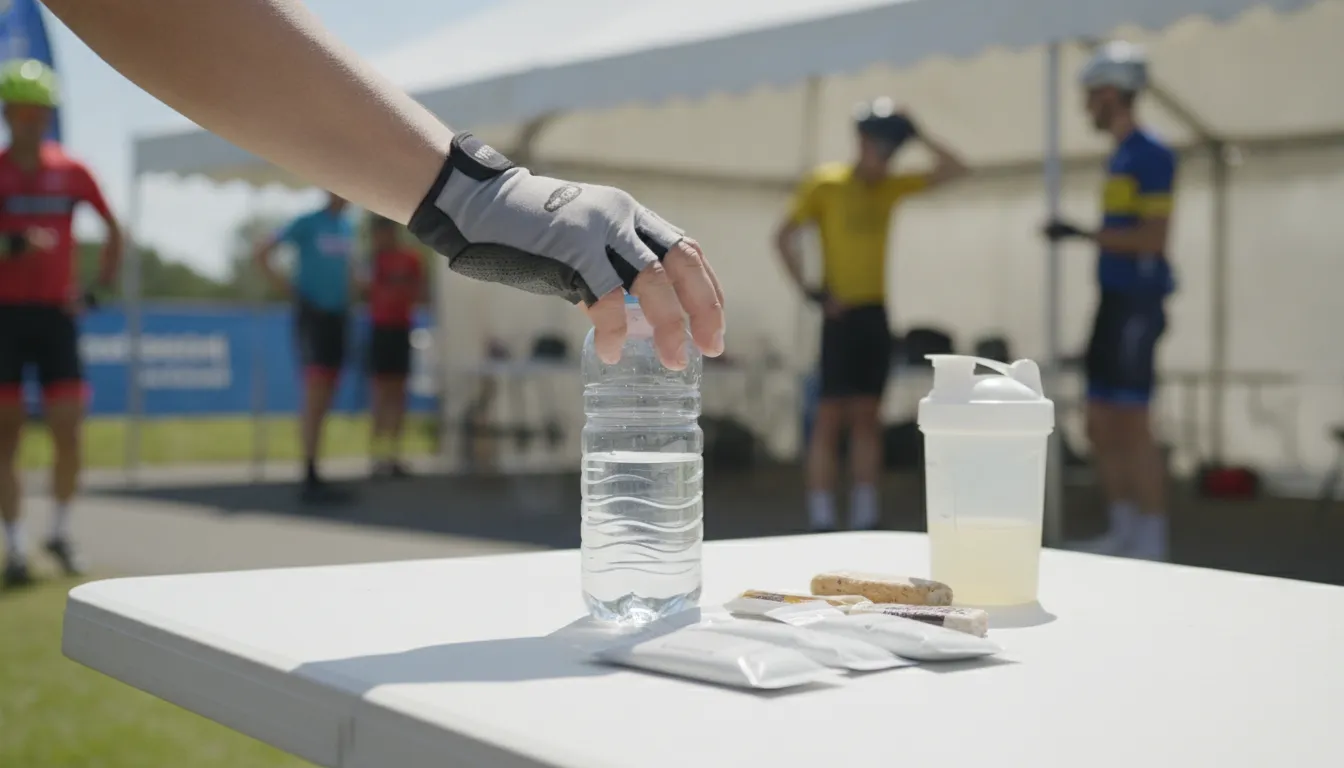
Your fuel can come from sports drinks, gels, or real food like bananas and fig bars. Many riders use a mix of liquid and solid foods to keep their stomach settled. Sports drinks are great because they give you both water and carbs at the same time. If you want more tips on how to prepare, check out our 100 mile bike ride training guide.
Fueling at Rest Stops
On a supported charity ride, you do not have to carry all of this food on your back. Bike to the Beach events feature fully stocked rest stops about every 15 miles. These stops are perfect landmarks to structure your fueling rhythm. You can use them to divide your ride into short, manageable parts.
At each stop, focus on drinking water and eating simple foods that are easy to digest. Here is a simple routine to follow when you pull into a stop:
- Drink a cup of water or a sports drink to replace lost fluids.
- Grab a small snack with fast carbs, such as fruit or a chew.
- Avoid heavy or greasy foods that can upset your stomach.
- Limit your stop time to ten minutes to keep your muscles from getting stiff.
Once you leave the stop, go back to taking small sips of water and small bites of food every 15 to 20 minutes. This rhythm ensures that your body has a constant stream of energy. By staying ahead of your hunger, you will keep your legs spinning and cross the finish line with a smile.
How Do Fully Supported Rest Stops Reset Your Pace?
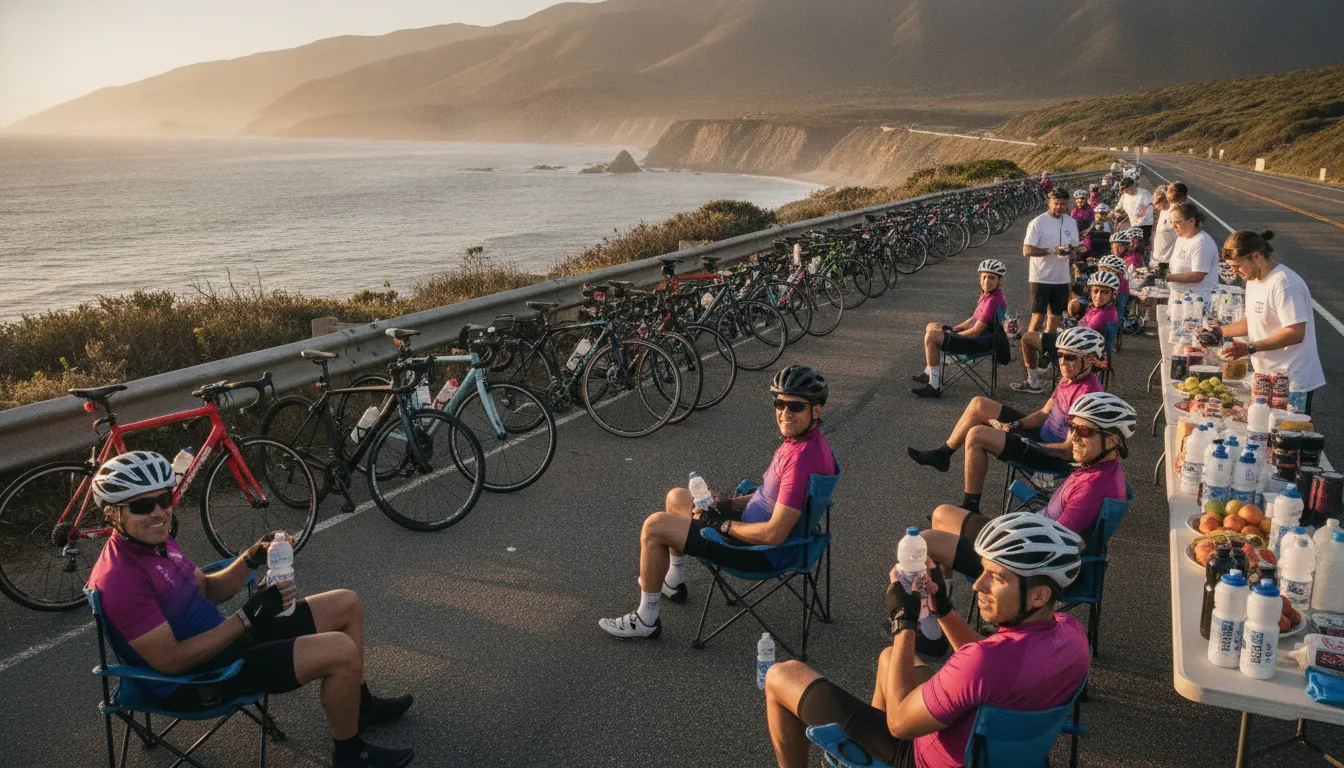
Riding a full century can feel like a daunting task, but you do not have to carry the burden alone. On our rides, you gain access to fully supported routes that make the long road easy to handle. With rest stops located about every 15 miles, you can break the distance into short, doable steps. This support turns a massive physical test into a series of small, friendly segments where you can rest and refuel.
The pacing benefits of scheduled breaks
Stopping at regular times is a great pacing tool that protects your muscles. If you ride without a break, you risk a fast rise in blood lactate and early fatigue. A study in PubMed shows that poor pacing choices lead to rapid tire-out. Resting at each stop gives your body a chance to clear waste and keep your heart rate in a safe zone.
These brief pauses also allow you to eat and drink before you feel weak. You can check your physical state and adjust your effort for the next leg. This habit helps you avoid the common trap of riding too fast in the early hours of the event.
Here is a simple in-ride routine to keep your pacing steady across the whole day:
- Settle into a conversational effort for the first ten miles and resist the urge to surge.
- At each rest stop, drink, grab a fast carb snack, and keep your pause to about ten minutes.
- Rejoin the route at a modest pace and spin a light gear until you feel settled again.
- Save your hard effort for the final twenty miles, when you can gauge exactly how strong you feel.
Mechanical support and route navigation
Our events provide deep peace of mind so you can focus only on your pedals. Bike to the Beach offers a three-tier model with adjustments, repairs, and bike swaps or transport if needed. You do not have to worry about a flat tire or a broken chain ruining your big day. To keep all riders safe on the road, a CPSC-approved helmet is required safety gear.
Finding your way is also simple and stress-free. Every rider gets access to digital tools through Ride with GPS, which includes offline maps to guide you. You will always know where to turn, even in areas with weak cell service. This tool allows you to save precious mental energy and enjoy the view.
Riding with a shared purpose
Every mile you ride supports a larger goal that goes far beyond fitness. When you join us, you become part of a community that cycles to support autism and other disABILITIES. The money you raise does not disappear into a national fund. Instead, those funds stay local to help nonprofit partners right in the region where you ride.
As you pedal toward the beach finish, the shared energy of the other riders will keep you moving. Every rest stop is a place to connect with others who share your passion. When you read about why we bike, you will find that the community is your best pacing asset.
The Training That Powers a Confident 100 Mile Bike Ride Training Plan
Preparing for your first 100-mile ride can feel like a huge task. But you do not need to ride 100 miles in training to be ready for the big day. A smart 100 mile bike ride training plan focuses on building your mileage in a safe, steady way over several weeks.
The 70 percent rule for beginners
A great goal for new riders is to reach 70 percent of the total distance in training before the event. For a century ride, this means building up to a single long ride of about 70 miles. If you can ride 70 miles with confidence, your body will have the strength to handle the full 100 miles on ride day.
Many coaches use this rule because it prepares your legs without too much stress on your joints. It helps you build needed strength without the risk of getting hurt.
Riding this distance in training helps your body adapt to long hours on the saddle. It also lets you test your gear and practice eating and drinking on the move. When you know you can ride 70 miles, the final 30 miles on event day become a mental game rather than a physical barrier.
Finding your sustainable pace early
Steady training is not just about building strong leg muscles. It also teaches you to find a pace you can keep up for hours. A main goal of training is to learn your personal limits and monitor how hard your body is working.
Sports science shows that pacing mistakes early in a long ride can ruin your day. A study from the National Institutes of Health shows that starting too fast leads to a quick spike in blood lactate. This spike leads to early tiredness and makes it hard to finish. Training teaches you to stay in a steady zone from the start.
By testing your pace on your weekly long rides, you learn what a steady effort feels like. You will know how to manage your speed when you hit headwinds or hills on event day.
Where to find a full training calendar
You do not need to build a plan from scratch. If you are starting your journey, we can help with free guides. For a step-by-step path, you can use our charity bike ride training guide. This plan helps beginners build up their mileage over eight weeks.
It includes tips on weekly workouts, rest days, and how to fuel your body on long rides.
If you have more time to prepare, a longer plan is even better. You can check our detailed century ride training plan to see a full 12-week plan. Both plans will help you build the endurance and confidence you need to cross the finish line and support our community.
Ready to make your century ride happen? Register for a Bike to the Beach distance today.
Frequently Asked Questions
How long should a 100 mile bike ride training plan be?
Most training plans for a century ride last between 8 and 12 weeks. This timeline gives your body enough time to build up mileage safely. According to Bike to the Beach, a progressive training guide helps build your stamina and pacing. This timeline also lets you practice eating and drinking on the bike before the big day.
What is the best pacing strategy for a century ride?
The best strategy is effort-based pacing where you adjust your output by how you feel rather than trying to hold one speed. A study published in PubMed shows that a strict even-pacing plan is not always best. Instead, letting your effort change naturally can help you stay strong. Start very slow to keep your heart rate low and save your energy.
How long does it take to bike 100 miles?
For most recreational cyclists, completing a 100-mile ride takes about six to eight hours of total riding time. Your actual time depends on your fitness, the route, wind, and how long you spend at rest stops. To help you manage this long day, Bike to the Beach offers fully supported rides. These events have rest stops about every 15 miles to keep you fueled and on track.
Do I need to train up to 100 miles before the ride?
No, you do not need to complete a full 100-mile ride in training. Most training plans only have you ride up to 70 or 75 miles for your longest training run. Building your long ride to about 70 percent of the total distance gives you plenty of stamina. On event day, the fun crowd and fully supported rest stops will help you finish the last 30 miles.
Ready to Ride Your First 100 Miles?
You do not need to be the fastest rider on the road to finish a century. You need a steady pace, a fueling rhythm, and a course built to support you mile after mile. A confident 100 mile bike ride training plan gets you to the start line ready, and a fully supported route carries you the rest of the way.
Bike to the Beach offers fully supported charity rides with rest stops roughly every 15 miles. Mechanical support, and navigation help, so you can focus on holding your pace and enjoying the ride. Every dollar you raise stays in the local community and supports autism and disability nonprofit partners. Pick the distance that fits your goal, gather your friends and family, and join a community of riders pedaling for something bigger than the finish line.
Ready to get started? Register for a ride distance today and take the first step toward your 100-mile finish.