
Employee Resource Group Charity Fundraising Guide
Learn employee resource group charity fundraising with practical steps for cause selection, inclusive rides, workplace giving, and local impact reporting.

The strongest employee-led fundraisers give people more than a donation link. They create a shared reason to participate, clear ways to contribute, and a visible connection between workplace action and community impact.
Effective employee resource group charity fundraising combines a meaningful local cause with flexible participation, clear team ownership, practical fundraising support, and transparent impact updates. For an ERG, that can mean welcoming experienced cyclists, casual riders, relay teammates, remote employees, and supporters who contribute in other ways.
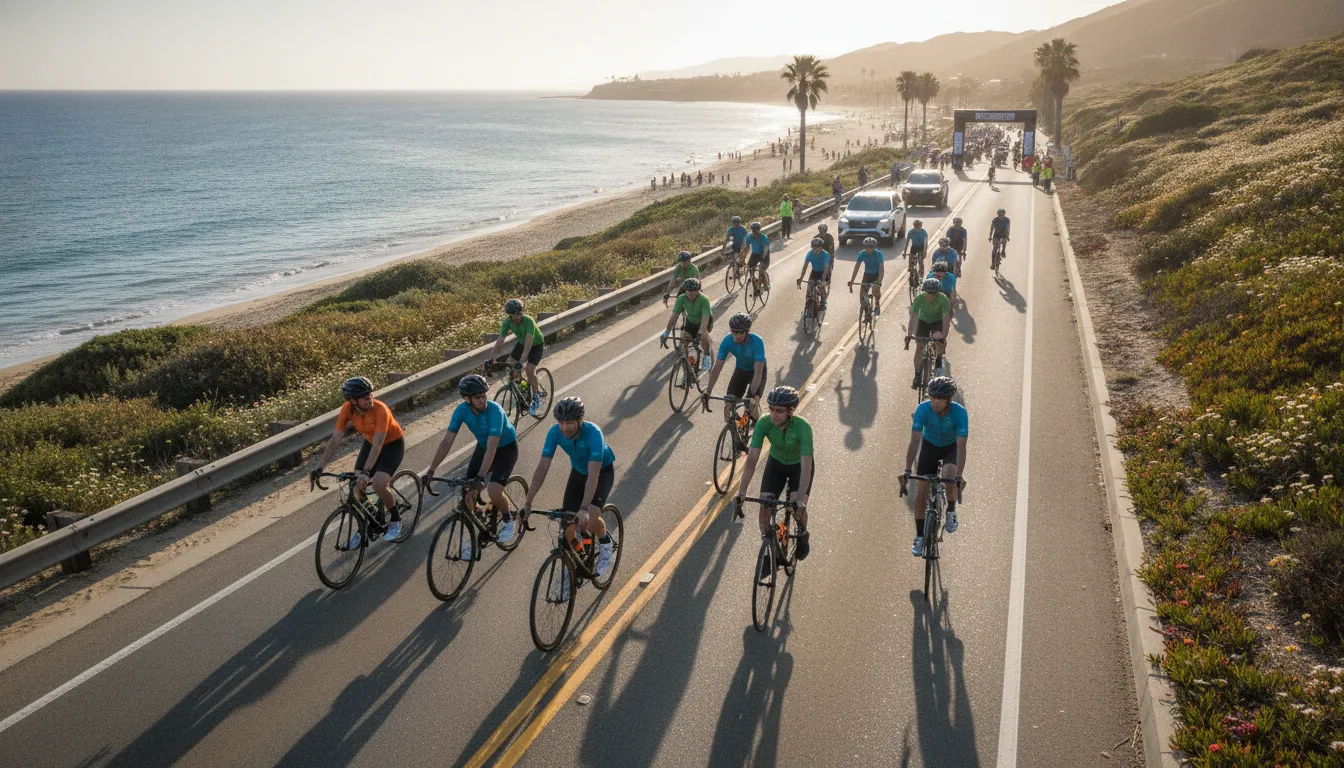
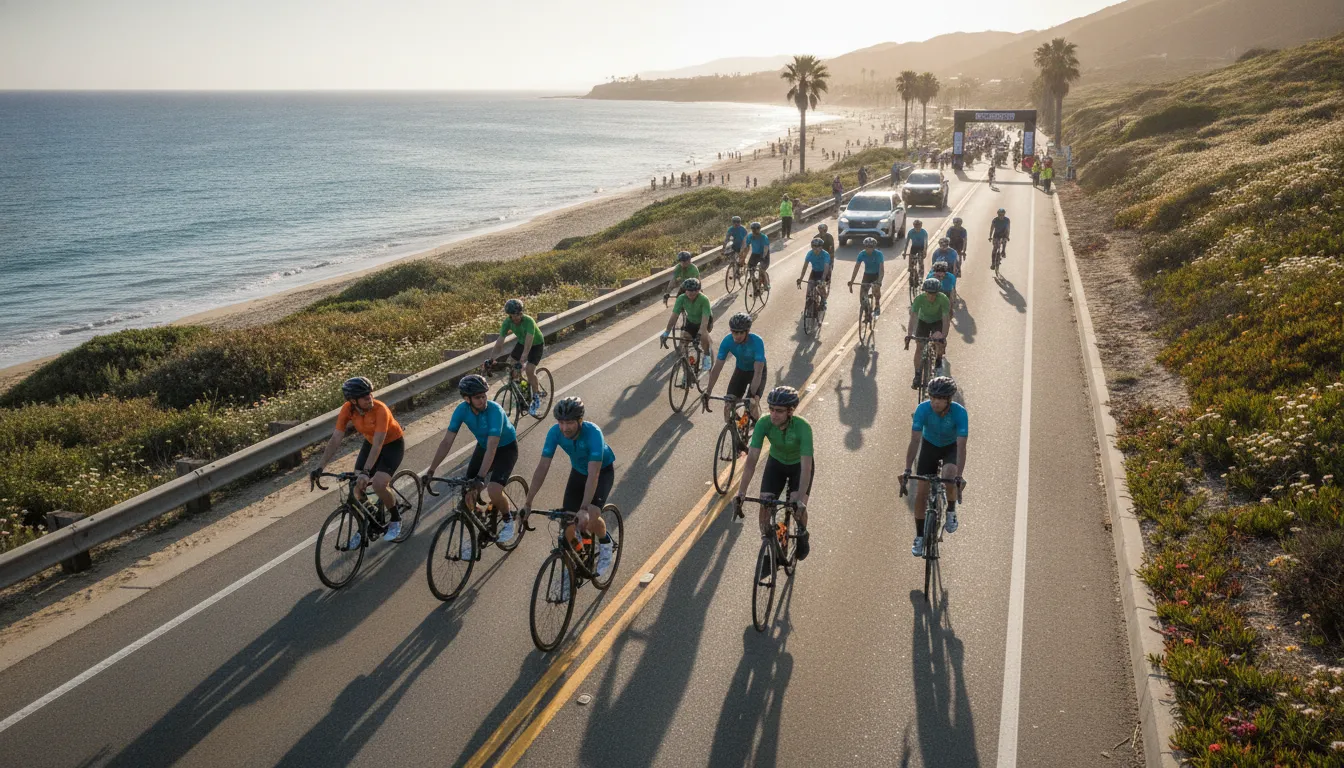
Bike to the Beach brings those elements together through supported rides that combine cycling, fitness, and charitable giving. The organization directs 100% of participant fundraising to local autism and disability organizations, giving ERG leaders a concrete mission to explain and a community outcome to share. The first step is understanding why an ERG can make this kind of campaign especially effective.
Explore a Bike to the Beach ride for your employee resource group
How does employee resource group charity fundraising work?
Employee resource group charity fundraising works because the invitation comes from a community with a clear purpose, not from a one-time corporate campaign. ERGs are voluntary, employee-led groups built around shared experiences, identities, or interests. That structure gives members a meaningful voice in deciding which cause to support, how to participate, and what success should look like. It also creates room for allies and colleagues who want to learn, contribute, or stand with the community.
That employee choice matters. An ERG can connect a charity ride to the concerns its members already care about. Whether that is disability inclusion, family support, community access, or another mission aligned with the group. Instead of asking every employee to join the same activity in the same way. ERG leaders can build a campaign around shared values and invite people to contribute through riding, fundraising, volunteering, cheering, or helping behind the scenes.
Governance turns good intentions into a plan
ERG-led fundraising is strongest when the group treats the effort as part of its charter rather than an informal side project. A charter can define the ERG’s purpose and explain how the campaign supports the organization’s values. Clear roles then make the work manageable: one person may coordinate with the event, another may organize communications, and others may support recruitment, fundraising, or impact updates. An executive sponsor can help the ERG navigate internal processes and advocate for the resources needed to run the campaign.
This approach also protects employee ownership. Leadership can provide support without taking over the cause or turning participation into a requirement. The result is a campaign shaped by the people closest to the community, with practical accountability for decisions, outreach, and follow-through.
Local impact gives the campaign a visible purpose
Bike to the Beach connects cycling, fitness, and charitable giving through supported rides, while directing 100% of participant fundraising to local autism and disability organizations. Those funds can support services such as therapy, specialized education, sensory gyms, recreation, and family support. For an ERG, that local connection makes the campaign easier to explain: employees are not simply completing a challenge. They are joining a community effort with a defined regional purpose.
Bike to the Beach describes itself as a community, not just an event. That distinction gives ERG leaders a foundation for a campaign that can build belonging before the ride. Bring colleagues together during fundraising, and keep the conversation focused on direct community impact afterward. Learn more about Bike to the Beach’s mission and supported rides before choosing the next step for your ERG.
How should an ERG choose a cause and define success?
The strongest campaigns begin with listening, not a calendar date. An ERG should understand what matters to its members, then learn from community organizations already doing the work. Research from Harvard Business School notes that ERGs often emerge from acute needs experienced by employees. That makes member listening a practical starting point: ask what issues employees feel connected to. What local needs they want to understand better, and what forms of participation feel realistic.
Choose a cause through community connection
Turn that listening into a short list of possible causes, then evaluate each one with care. Look for a clear connection to the ERG’s purpose, a local organization or program with relevant expertise. And an opportunity for employees to contribute without speaking for the community they hope to support. Ask potential community partners what support is useful, what language they prefer, and how they would like their work represented. Do not assume that fundraising alone solves the need.
For an ERG considering a Bike to the Beach campaign, the local impact may connect to programs such as therapy. Specialized education, sensory gyms, adaptive recreation, social inclusion, life-skills training, employment preparation, or family support. Bike to the Beach directs 100% of participant fundraising to local autism and disability organizations. So leaders can explain the connection between the ride and regional services without inventing a beneficiary story or promising a specific outcome. Learn more about Bike to the Beach’s local impact model.
Set participation and fundraising measures
Define success in more than dollars raised. Before launch, choose a small set of measures that reflect both campaign activity and ERG experience:
- Participation: Track registrations, active fundraisers, first-time participants, repeat participants, and the number of employees who join through different formats.
- Fundraising: Set a team goal, individual milestones, donor response, and the percentage of participants who reach their personal target.
- Engagement: Measure kickoff attendance, peer-to-peer outreach, volunteer contributions, and a brief post-campaign survey about belonging and connection.
- Learning and impact: Record what the community partner shared, what the ERG learned, and which next steps were requested.
Report with evidence and humility
At the close, report the numbers alongside the context. Share how many people participated, how much was raised, and what the funds support. Use current, verified information and distinguish confirmed results from future goals. A responsible report thanks participants, credits community expertise, acknowledges gaps, and invites feedback before the next employee resource group charity fundraising campaign.
How can an ERG make participation inclusive?
Inclusive participation starts with giving employees more than one meaningful way to join. An ERG does not need every participant to complete the same distance, ride at the same pace, or attend the same kind of event. Build a shared team goal, then offer formats that let people contribute according to their experience, availability, and comfort.
For an in-person ride, employees can ride together as one group or divide the distance through a relay. A relay can make the event feel genuinely collective while allowing participants to take on a manageable portion of the route. Regional rides generally offer options from 25 to 100 miles. So an ERG can invite both newer cyclists and experienced riders without treating one level of fitness as the standard.
Remote employees and people who cannot attend on ride day can still take part through a virtual, seven-day tracked challenge. This format creates a shared participation window while allowing employees to choose when and where they ride. It also gives the ERG a practical way to include colleagues across offices or time zones. For more ideas, use this employee cycling challenge guide when shaping the team experience.
Make the logistics visible before people commit
Clear information reduces uncertainty. Explain the available distances, whether the team will ride together or use a relay, how the virtual challenge will be tracked, and where participants can ask practical questions. Avoid presenting the longest route as the most valuable option. The purpose is shared action and local impact, not a test of who can endure the most.
Supported rides also give participants reassurance on the course. Rest stops are positioned approximately every 15 miles and provide hydration, nutrition, first aid, and basic mechanical support. SAG vehicles can transport riders and bikes, while mechanics and medical personnel support riders on course. Share these documented support details during recruitment, but do not promise accommodations beyond the event information. Encourage employees to review the current ride details and choose the format that fits them.
| Option | Useful for | Planning note |
|---|---|---|
| Ride together | Shared group experience | Set a meeting point and communication plan |
| Relay | Varied experience or availability | Divide the route into assignments |
| Virtual challenge | Remote or unavailable employees | Share the tracking steps |
- Offer a ride-together option for employees who want a shared group experience.
- Use a relay to divide the route among teammates.
- Invite remote or unavailable employees into the seven-day virtual challenge.
- Present the 25-to-100-mile range as a set of choices, not a hierarchy.
- Share rest-stop, SAG, mechanic, and medical support details before registration.
Finally, ask for participation preferences early. A short, voluntary check-in can show whether employees prefer a full route, shorter distance, relay, or virtual challenge. That input helps the ERG plan responsibly and signals that belonging is part of the campaign design, not an afterthought.
Build the campaign around clear ERG ownership
The strongest ERG-led campaigns have a visible owner at every stage. That does not mean one person carries the entire workload. It means the group agrees on who will make decisions, communicate updates, welcome participants, coordinate fundraising, and connect the effort back to the ERG’s purpose. Because many ERGs are voluntary rather than mandatory programs, clarity and invitation matter more than pressure. The campaign should feel like an opportunity to contribute, not another obligation.
- Assign a small campaign team. Name an ERG lead to keep the plan moving, a ride captain to coordinate participation. A fundraising lead to share tools and track progress, and a communications lead to manage invitations and updates. Add an executive sponsor or workplace partner where appropriate for visibility and practical support. Write down each role, its decision-making authority, and the next handoff so volunteers know what they own.
- Build an invitation around purpose and choice. Explain why the ERG selected the campaign, what local community impact it can support, and how employees can take part. Keep the invitation specific: someone might ride, join a relay, fundraise, volunteer, encourage teammates, or share the campaign with their network. Avoid presenting one fitness level or identity as the standard. A clear message makes room for allies and colleagues who want to learn or support the cause.
- Recruit allies without pressure. Invite people through channels they already use, such as an ERG meeting, employee newsletter, team chat, or manager-approved workplace gathering. Make the ask personal and low-pressure, then provide a simple way to respond. The recruit charity ride members resource can help leaders plan inclusive outreach and respectful follow-up. Track questions and barriers, not just headcount, so the team can improve its invitation.
- Run a kickoff that turns interest into action. Hold a short meeting or gathering with the campaign purpose, participation choices, key dates, fundraising expectations, and first steps. Introduce the owners, demonstrate where team members will find their fundraising pages, and leave time for practical questions. Use the charity ride team kickoff guide for a structured approach to role assignment, realistic goals, and follow-up. Close by confirming the next update and the person responsible for it.
After kickoff, keep ownership visible with a simple shared plan. Celebrate actions such as joining the team, making a first ask, or inviting a colleague, not only dollars raised. That rhythm helps the campaign stay welcoming while giving volunteers the structure they need to build momentum.
How should ERGs run fundraising and workplace giving?
Effective employee resource group charity fundraising gives people a clear next step, a simple way to share the mission, and regular reasons to stay involved. Treat the campaign as an organized team effort rather than asking every rider to fundraise alone.
Set the financial expectation clearly
Start by explaining the difference between the registration fee and the fundraising commitment. The standard fundraising minimum is a per-rider commitment, and it is separate from the registration fee. Registration does not count toward that minimum, so include both items in the campaign budget and in every participant-facing message. If event terms change, direct riders to the current event information instead of guessing at costs.
Then translate the individual target into a team goal. A captain can track how many riders have reached the minimum, how much remains, and which participants want help with their next ask. Keep the conversation encouraging. A progress check should identify useful support, not turn the leaderboard into a measure of personal commitment.
Build a repeatable fundraising workflow
Give participants a ready-to-use campaign kit before they make their first appeal. It can include a short explanation of the cause, a personal-story prompt, suggested email and social copy, a donation-page checklist, and a calendar of outreach moments. Bike to the Beach provides templates, webinars, peer-to-peer sharing tools, team pages, and leaderboards. Use those tools to reduce setup time while leaving room for each rider’s authentic voice.
A practical ERG workflow looks like this:
- Launch team pages: Confirm each rider is connected to the ERG team page and knows where donors can give.
- Share a first ask: Provide a concise template, then encourage participants to personalize why they are riding.
- Host a short webinar: Walk through the fundraising platform, demonstrate peer-to-peer sharing, and answer questions.
- Track weekly: Review team progress, celebrate movement, and offer a specific next action to anyone who is stalled.
- Refresh the message: Use milestones, training updates, and local-impact information to give supporters a reason to share again.
For a calendar-based approach, use the 90-day fundraising checklist to organize goals, outreach, progress tracking, and team momentum.
Make workplace matching gifts an extra step
Ask employees to check whether their employer offers a matching-gift program, and point them to the process their company uses to verify eligibility and submit a request. Do not promise that a gift will be matched or assume every employer follows the same rules. The employee should confirm deadlines, eligible organizations, documentation, and any program limits directly with the employer or its matching-gift platform.
Add a matching-gift reminder to the donation confirmation, team newsletter, and final campaign update. The corporate matching gifts guide can help riders understand the next step. This small follow-up may increase the campaign’s impact without asking employees to make another personal donation.
Choose your ERG’s next Bike to the Beach ride
How should ERGs report local impact?
Strong employee resource group charity fundraising reporting connects what the team did with what the community received, without overstating either. ERG leaders can make that connection clear with a simple before, during, and after framework.
Before: define the baseline
Start by documenting the purpose of the campaign and the measures you will track. Record the number of participating employees, teams, relay groups, or virtual participants. Note the fundraising goal, the number of donors, and the communication channels used. You can also capture an initial pulse survey about employees’ sense of connection, motivation, or interest in participating. Keep these measures separate from claims about community outcomes. An ERG can reasonably report its activity and intentions before it can report a beneficiary result.
Be specific about the local connection. Bike to the Beach operates regional events in Florida, DC/Maryland/Virginia, New England, and New York. Its model directs 100% of participant fundraising to local autism and disability organizations. Those organizations can include therapy providers, specialized schools, recreation programs, and disability advocacy groups. Verify the current regional information before publishing a report, and do not invent an allocation or name a beneficiary unless the organization has confirmed it.
During: report progress, not promises
Share updates that readers can verify: dollars raised to date, donor participation, volunteer hours if tracked, and how many employees joined through each participation format. A short progress update can also recognize the people making the campaign accessible, such as ride captains, relay coordinators, and virtual participants. Avoid translating a fundraising total into a specific number of therapies, students, or families served unless the beneficiary organization has supplied that information.
After: separate outputs from outcomes
Outputs are the activities your ERG controlled: participants, donations, outreach, and completed rides. Outcomes are the changes associated with that work, such as funds reaching local services or employees reporting stronger connection. Bike to the Beach describes participation as combining team building and corporate social responsibility, with potential wellness and engagement value. That is a useful reason to measure employee experience, but it is not proof that one ride caused a change in morale or health. Research discussed by Harvard Business School indicates ERGs can boost morale during economic uncertainty, so frame survey results as your team’s observations rather than universal causation.
Close the report with the amount raised, the confirmed recipient or regional impact information, and one next step. Transparent reporting builds trust because it shows both the scale of the ERG’s effort and the limits of what the team can claim.
Frequently Asked Questions
What are some effective fundraising ideas for charities at work?
Build a campaign around a shared challenge rather than a single donation request. Combine team pages, peer-to-peer sharing, a kickoff event, matching-gift outreach, and short updates that connect progress to the cause. Give employees more than one way to participate, including riding, relaying, virtual activity, or helping with fundraising.
How can an ERG make a charity bike ride inclusive?
Offer different ways to contribute and avoid making one level of athletic ability the measure of commitment. Bike to the Beach supports team rides, relay participation, and a virtual seven-day tracked challenge. Regional rides generally include route options from 25 to 100 miles, so leaders can invite serious cyclists and newer riders into the same mission.
How much should an employee resource group raise?
For Bike to the Beach, the standard fundraising minimum is separate from the registration fee. Set a team goal that reflects your headcount, then break it into individual milestones. Templates, webinars, peer-to-peer tools, team pages, and leaderboards can help participants stay engaged.
How should an ERG show where its fundraising went?
Report the region, beneficiary focus, amount raised, participation measures, and a plain-language description of the supported work. Bike to the Beach directs 100% of participant fundraising to local autism and disability organizations, including programs such as therapy, specialized education, adaptive recreation, and family support. Use verified updates and avoid promising outcomes you cannot document.
Ready to Bring Your ERG Together for a Ride?
A Bike to the Beach regional ride can give your employee resource group a practical way to connect shared values with inclusive participation and local community impact. Explore the New England ride to see whether it fits your ERG’s goals, team structure, and campaign plans. Explore and register for a Bike to the Beach regional charity ride that your ERG can support.