

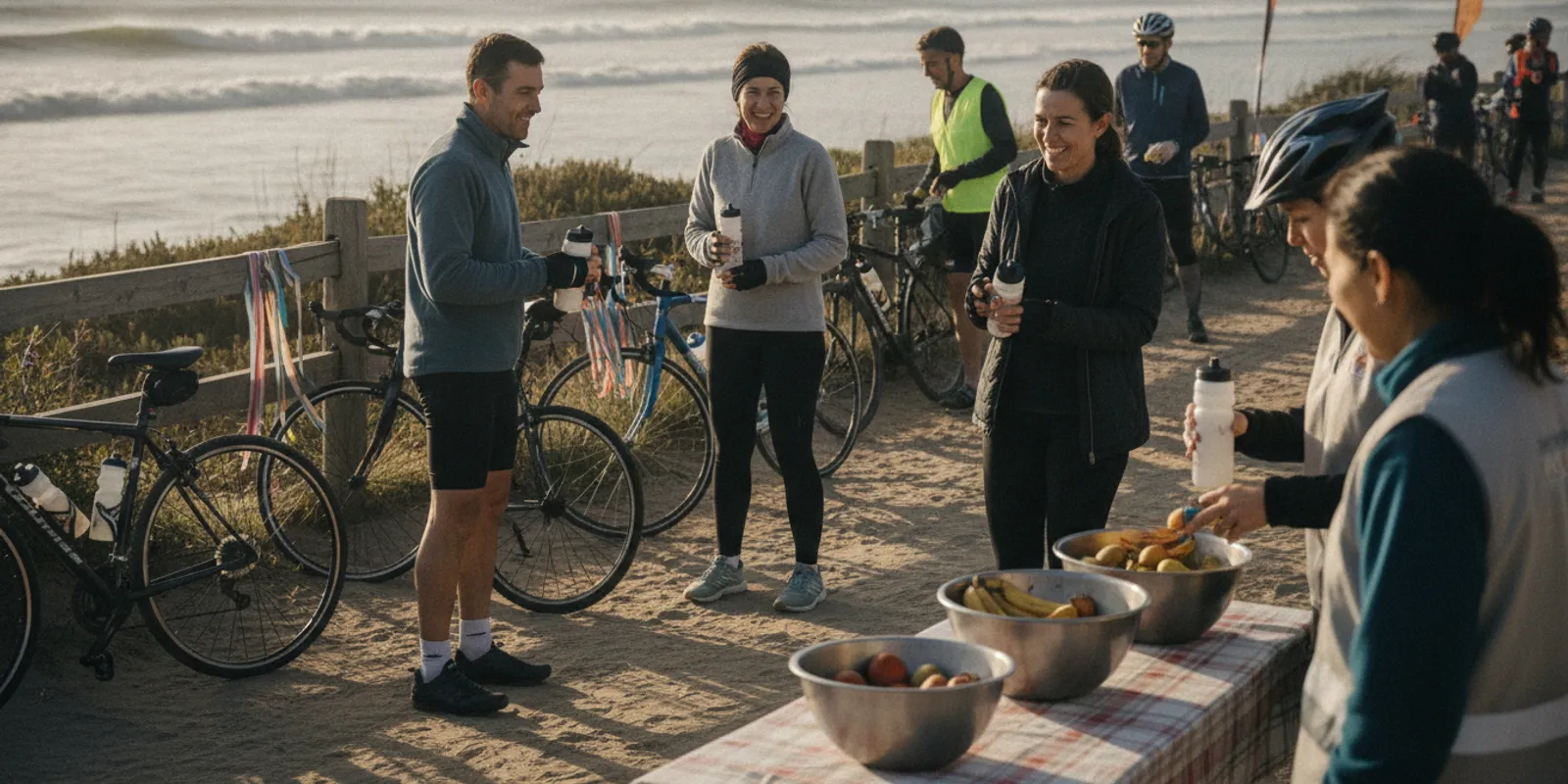
Charity Event Planning: A Community-First Checklist
Plan a charity event that welcomes more people and supports local impact. Use this practical guide to shape goals, partners, volunteer roles, and follow-up.
Good charity event planning starts with a useful question: what should people be able to do, feel, or change because this event happened? A clear answer helps organizers choose a realistic format, invite the right partners, welcome more participants, and follow through after event day.
Explore ways to partner with a local-impact ride
What should your charity event accomplish?
Before choosing a venue, activity, or date, describe the event’s purpose in one or two plain sentences. A purpose such as “bring neighbors together to support local disability services” is more useful than “host a successful fundraiser.” It makes the intended community and outcome visible. It also gives volunteers a consistent explanation to share.
Turn that purpose into a small set of goals. A goal might be to introduce new supporters to a local organization, bring families together for a welcoming activity, raise funds for a defined need, recruit volunteers, or strengthen relationships among community groups. Some events serve several goals, but naming the top one helps prevent every possible idea from becoming a requirement.
- Choose a primary result. Decide what matters most: participation, funds raised, awareness, new relationships, or volunteer involvement.
- Describe who benefits. Name the community or local services the event is intended to support, using language those partners recognize.
- Set a way to review progress. Track a few practical indicators, such as registrations, volunteer coverage, donations, participant feedback, and follow-up conversations.
- Agree on boundaries. Record what the event will not attempt this time. A manageable first event can build confidence for later work.
Be precise when explaining how funds or proceeds will be used. If the distribution, recipient, or timing is not settled, say so and identify who will confirm it. Avoid promising an outcome that depends on a partner decision or a fundraising total that has not been reached. Clear expectations protect trust and make it easier for participants to choose how they want to take part.
Who needs to be involved in planning?
Build the planning group around the work and the people affected by it, not only around who is available for a meeting. Include an event lead, someone responsible for finances and records, volunteer coordination, communications, and day-of logistics. Invite representatives from beneficiary or community partner organizations early enough to shape the event, rather than asking them to approve a finished plan at the end.
Ask each partner what a meaningful and appropriate role looks like. One organization may want to share information with its community; another may be able to advise on accessibility or provide a speaker; another may prefer to receive proceeds without taking on event operations. Do not assume that a partner can supply staff, equipment, or promotion. Confirm capacity, responsibilities, and permission before putting a name or logo in public materials.
A short planning agreement can prevent misunderstandings. It can state the event purpose, intended beneficiary, funds handling, decision-makers, communication approvals, data-sharing limits, and who will respond if plans change. Keep it readable. The aim is not to bury a community event in paperwork; it is to make shared expectations easy to find.
Bike to the Beach describes its work as a community that extends beyond ride day and directs participant fundraising to local partner organizations. Organizers exploring a cycling-based community model can learn more about Bike to the Beach and its mission and its local impact stories.
Which event format fits your people and capacity?
The most appealing format is not always the most workable one. Compare choices against audience needs, volunteer capacity, cost, permissions, weather, and the amount of coordination partners can support. A small event with a clear role for participants may be a better starting point than a large public gathering that strains a new team.
| Format | Good fit when | Planning needs to check | Possible participation routes |
|---|---|---|---|
| Community ride or walk | People want a shared physical challenge and a visible group activity | Route permissions, safety, support points, accessibility, weather plan | Participant, volunteer, team member, donor |
| Family or neighborhood gathering | You want a low-barrier way to meet partners and learn about a cause | Venue access, quiet space, activity choices, food needs, clear schedule | Attendee, activity helper, community partner |
| Online or hybrid activity | Supporters are spread across locations or have different schedules | Simple instructions, technology access, remote support, clear time frame | Remote participant, fundraiser, online volunteer |
| Workplace or team event | An employer, school, or group can bring people together around a shared goal | Approvals, team roles, event timing, partner fit, inclusive participation | Team participant, organizer, sponsor, donor |
Use the comparison to make a decision, not to add every format to one event. For each option, list the essential tasks and the person who would own them. If several essential tasks have no owner, simplify the format or postpone the date. A sound plan has enough capacity for both the visible activity and the less visible work: answering questions, handling money, coordinating volunteers, and closing out records.
For a ride, route details and participant support deserve special attention. A route should be understandable to riders, and people need to know what support is provided and where they can find instructions. Bike to the Beach shares navigation information for its event routes; organizers can use this as an example of making route resources easy to locate, while developing instructions suited to their own event.
How can you make the event welcoming and accessible?
Inclusion is a planning practice, not a last-minute accommodation. Ask who may face a barrier to attending, understanding the event, or taking part in its activities. Think about cost, transportation, physical access, sensory conditions, language, schedule, childcare, equipment, and whether people can participate without fundraising or completing a strenuous activity.
- Offer different ways to participate. Where feasible, provide roles that do not require the same distance, pace, time commitment, or physical activity.
- Explain the environment. Share what the space is like, how long activities last, whether there may be crowds or amplified sound, and where to ask questions.
- Make essential information easy to find. Use plain language, readable formatting, clear directions, and a contact route for access questions.
- Ask instead of assuming. Invite participants and partner organizations to share what would help, and confirm what the team can provide.
- Prepare volunteers to respond respectfully. Give people a clear way to get help without asking them to diagnose a participant’s needs.
Build access questions into registration and planning conversations, but request only information the team needs. Explain who will see any information shared and how it will be used. Do not make a participant disclose private details publicly to receive support. If the team cannot provide a requested accommodation, respond early, be honest, and discuss alternatives instead of leaving someone to discover the limitation on event day.
Plan for more than one kind of meaningful contribution. Someone may be able to welcome guests, share the event with a group, help with set-up, donate, or participate remotely instead of joining the main activity. These options let people connect with the purpose in ways that fit their circumstances.
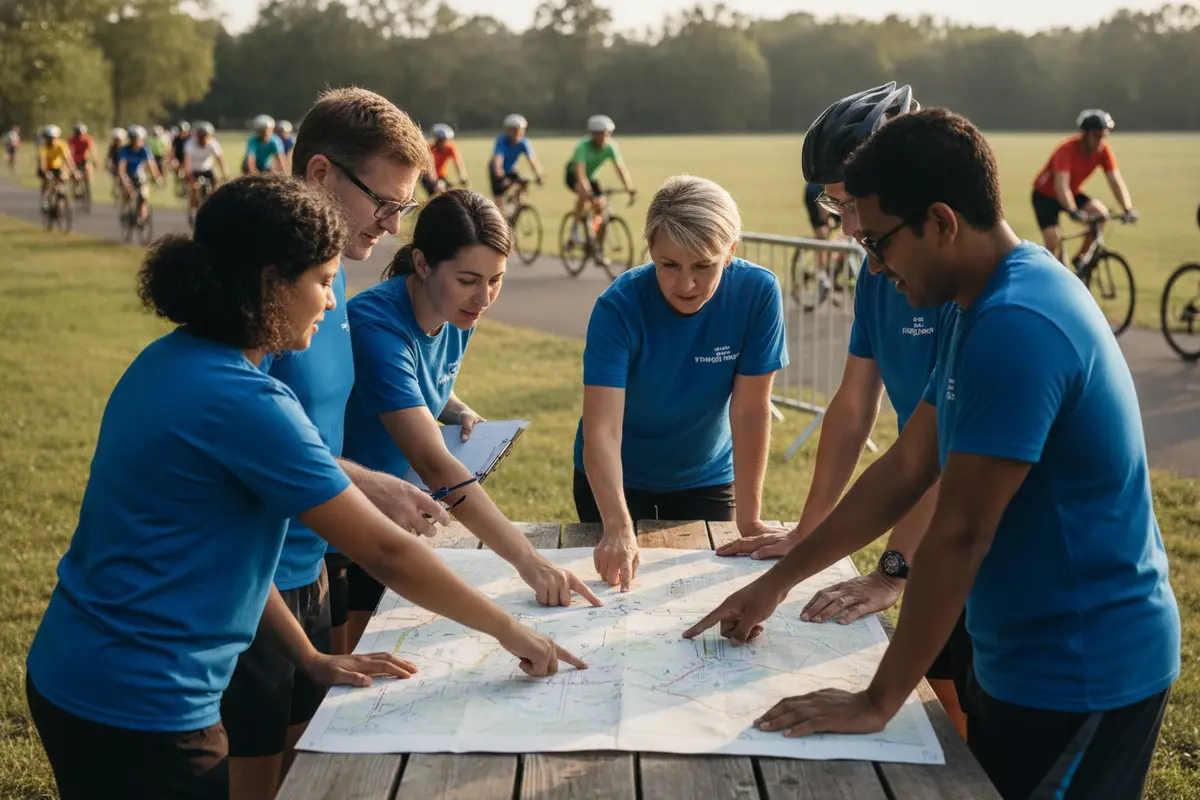
How do you build a realistic budget and timeline?
Start the budget with likely expenses, possible income, and the person responsible for approving each item. Include venue or permit costs, equipment, supplies, accessibility needs, safety support, insurance where applicable, communications, payment processing, and contingency. Check what partners can actually contribute in kind; do not count an unconfirmed donation as guaranteed income.
Write down how money will be received, recorded, safeguarded, and transferred to its intended use. Separate event costs from proceeds, use the organization’s established financial controls, and assign a second person to review totals where possible. Tell supporters what is known about fees or expenses and where to find updates. If the event uses a fundraising platform, check its terms and make sure the public description matches the approved plan.
Work backward from event day. Put key decisions on a calendar: confirm purpose and partners, select format and date, secure permissions, establish budget, open registration or invitations, recruit and brief volunteers, send participant information, and prepare a post-event report. Include time for partner review of public descriptions and for changes if a venue, route, or supplier falls through.
Keep one shared planning document with task, owner, due date, status, and next action. A concise weekly check-in can focus on what is blocked and what decision is needed. This is more effective than relying on memory or a long list where nobody is accountable for the next step.
How should you recruit and coordinate volunteers?
Describe volunteer roles as specific tasks with a time window, location, supervisor, and expected level of effort. “Help at the event” is vague. “Welcome guests at the north entrance from 8:00 to 10:00 a.m.; check in with the volunteer lead” gives someone enough information to decide. Offer a range of tasks, including roles before and after event day.
Match people to work they can safely and confidently do. Clarify which roles involve handling funds, personal information, equipment, traffic, food, or participant questions. Follow applicable organizational policies for screening, training, supervision, and safety. Volunteers should know whom to contact when a situation falls outside their role.
- List the roles and estimate how many people each requires.
- Recruit through partner networks and explain the purpose, time commitment, and support offered.
- Confirm each assignment and share arrival details, clothing or equipment guidance, and a cancellation contact.
- Provide a short briefing with the schedule, site layout, emergency procedure, accessibility information, and escalation contact.
- Check in during the event and thank volunteers with a specific note afterward.
Provide a simple event-day plan to every team lead. It should include arrival and departure times, key contacts, an event schedule, locations, communication method, and what to do if a volunteer is absent. Keep participant information private and share only what a role requires. Good coordination makes it easier for volunteers to help without having to improvise beyond their training.
What should your event communications explain?
Every invitation should answer the practical questions a prospective participant is likely to ask: What is the event for? Who benefits? When and where is it? Who can take part? What does it cost, if anything? What should people bring? Is registration required? What options exist for taking part? Who can answer questions?
Use a consistent description across the event page, partner messages, email, and printed materials. State what is confirmed and update details when they change. Be careful with claims about the beneficiary, tax treatment, or how much money will reach a cause. Only make statements that the responsible organization has approved and can support. For additional guidance on ethical fundraising practice, organizers can consult the Association of Fundraising Professionals.
Plan communications for the full journey, not just recruitment. A useful sequence may include an invitation, registration confirmation, a reminder with arrival details, a day-before update if needed, and a thank-you with next steps. For cycling events, participants also need clear route and support instructions. Review examples of bike fundraising event information and bike rental considerations for a longer ride when deciding what practical questions your own audience may have.
How can you prepare for event day and changes?
Before the event, walk through the participant experience from arrival to departure. Check signage, registration, restrooms, accessible routes, volunteer check-in, first-aid arrangements, supplies, weather decisions, and the location of a quiet or lower-stimulation area if available. For outdoor activities, decide who monitors conditions and who has authority to delay, change, or cancel the event.
Write down the decision tree for likely disruptions: a volunteer no-show, a route or venue issue, a medical concern, poor weather, a technology problem, or a participant complaint. Include the responsible lead, immediate action, and who communicates an update. Do not ask volunteers to make safety decisions beyond their assigned role. Confirm appropriate emergency contacts and follow the relevant local requirements for your event.
Keep the day-of schedule realistic. Allow time for set-up, volunteer briefing, participant arrival, transitions, and breakdown. Have a printed or offline copy of essential information in case a device or connection fails. After the event, return borrowed equipment, reconcile records, and make sure any follow-up commitments have an owner.
What should happen after the event?
Follow-up is part of the event, not an optional extra. Thank participants, volunteers, donors, and partners while the experience is still fresh. Share a factual update: what took place, who contributed, what was raised if totals are confirmed, and what happens next. If a number is still being reconciled, say that an update is coming rather than guessing.
Review a few measures against the original goals. Consider participation, volunteer coverage, funds raised and costs, questions received, access requests addressed, and feedback from partners and attendees. Combine numbers with observations: Which parts felt welcoming? Where did people get confused? What took too much staff or volunteer time? Which partner relationships should be continued?
Schedule a short debrief with the people doing the work and invite feedback from beneficiaries and participants in an appropriate way. Record decisions and recommendations while they are specific. If someone raised an issue, close the loop where possible. A sincere account of what went well and what needs improvement builds more confidence than presenting every event as flawless.
For a cycling event, recovery and continued engagement are also useful follow-up topics. You can point riders toward practical post-ride recovery guidance and share ways to stay connected with Bike to the Beach’s community and rides. Keep future invitations relevant to the person’s interests and avoid treating every attendee as a fundraising contact.
See how to support community-centered rides
Frequently Asked Questions
How far ahead should we start planning a charity event?
Start when you can still make key choices about the date, location, partners, budget, permissions, and participant experience. The time needed depends on the format and local requirements. A public event with a route or venue approvals may need more lead time than a small gathering. Build in time for partner input and contingency rather than setting a date before checking feasibility.
How do we choose a beneficiary or community partner?
Begin with the event’s purpose and the community it is meant to serve. Talk with organizations whose work aligns with that purpose, ask what kind of involvement is useful, and agree on responsibilities and any proceeds-handling details before promoting the relationship. Describe each partner accurately and get permission before using its name or logo.
Can people take part if they cannot attend in person?
Often, organizers can offer another meaningful route, such as sharing event information, donating, helping with preparation, joining a remote activity, or supporting someone who is attending. Choose options the team can support well and explain exactly how each works. Do not advertise a remote option until its instructions and follow-up are ready.
What is the best way to make an event inclusive?
Ask potential participants and community partners about barriers early, then make practical choices about access, cost, activity options, communication, schedule, and support. Explain the environment and available options clearly. Inclusion is an ongoing process, so invite feedback and use it to improve the next event.
How should we report fundraising results?
Verify the totals with the people responsible for financial records before publishing them. Explain what the amount represents, note relevant costs or processing details where appropriate, and state how or when funds will be transferred. If final figures are not ready, share a timing expectation and provide the confirmed update later.
Ready to connect your event with local impact?
Explore partnership opportunities with Bike to the Beach
A thoughtful event does more than fill a schedule: it helps people take part in a clear, welcoming effort and gives partners a dependable way to work together again.