

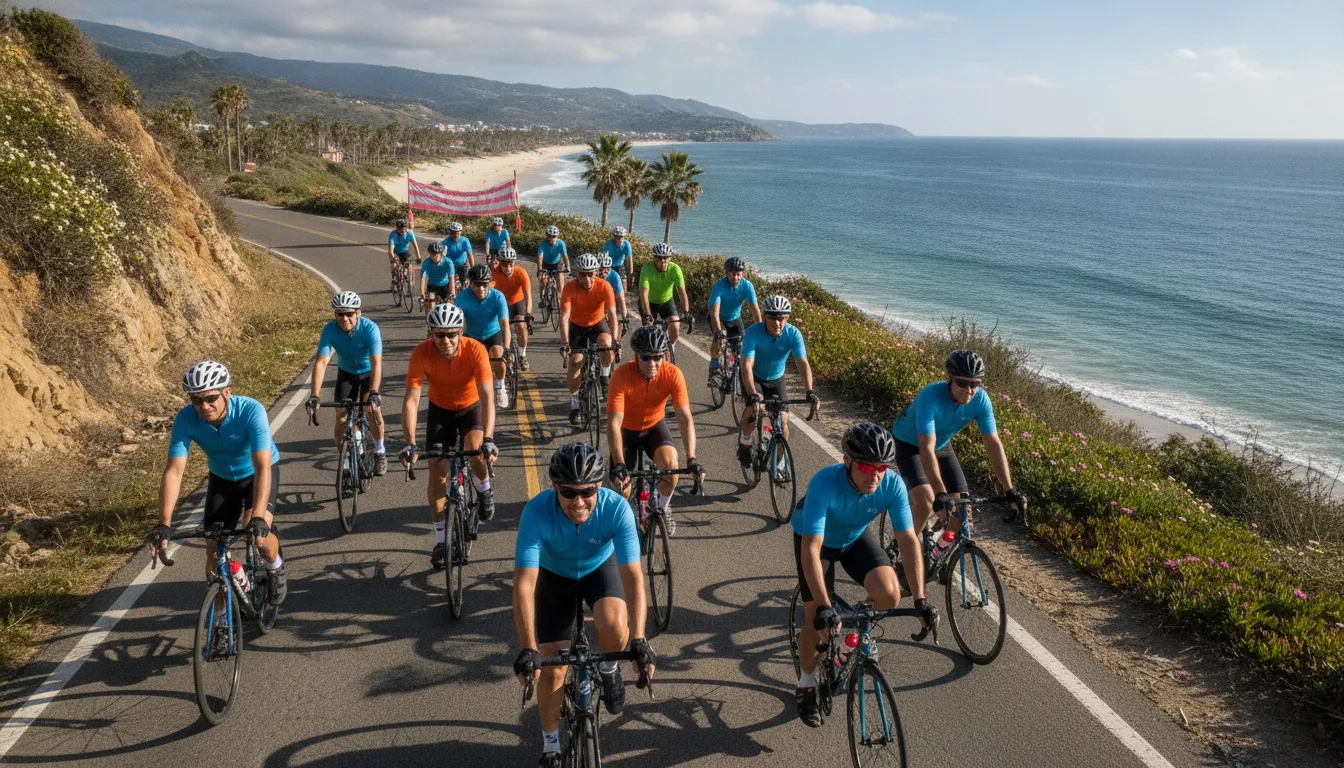
Charity Bike Ride Social Media Calendar: 30 Days
Use this charity bike ride social media calendar for 30 days of fundraising prompts, image ideas, donor CTAs, and ethical impact storytelling.

A charity ride campaign works best when each post has a job: invite someone in, make the next step clear, celebrate progress, or show why the miles matter. A 30-day plan keeps your message moving without asking riders and supporters to invent content every morning.
A charity bike ride social media calendar is a day-by-day plan that pairs fundraising milestones with practical prompts, visual ideas, donor calls to action, and respectful impact stories. Use it as a flexible framework for individual riders, relay groups, corporate teams, or virtual participants, then adjust the timing to your region, event schedule, and audience.
Bike to the Beach brings cycling, fitness, and charitable giving together while raising funds for local organizations serving people with autism and other disabilities. The calendar should welcome newer riders, experienced cyclists, and supporters who may never get on a bike. Match each post to a clear audience and action.
Find a Bike to the Beach ride or team and start your fundraising story
How Do You Use a Charity Bike Ride Social Media Calendar?
Use the calendar as a campaign plan, not a stack of disconnected captions. Choose the ride, team, or fundraising goal first. Then map posts to five stages: introduce the mission, invite participation, make fundraising easy, show progress, and close with gratitude. This sequence gives each request useful context.
List your audiences. Riders may need training and logistics. Friends and family may respond to a personal reason for riding. Coworkers may prefer a team challenge, while local supporters may want to know how funds connect to nearby services. Vary examples and calls to action so each post feels relevant.
Choose platforms based on your audience. Use one primary platform for updates, then adapt the idea for team chat or email. Short video can show preparation. Photos can spotlight riders or support. Add descriptive captions for people who were not present.
Assign simple roles before publishing. One person can maintain the calendar, another can collect approved photos, and a captain or nonprofit contact can review names and impact claims. Keep a tracker with the post, owner, platform, status, link, and result. Record replies, shares, team sign-ups, and donations, but do not treat likes as proof of impact.
Balance the content across the month. Rotate mission stories with rider tips, team updates, behind-the-scenes moments, fundraising asks, and thank-you posts. Use this team fundraising guide and these charity bike ride fundraising ideas for extra structure.
Finally, adapt the sequence to the region and event format. Florida, DC/Maryland/Virginia, New England, and New York may have different milestones, partners, audiences, and registration links. Replace placeholders with confirmed local information. Adjust for individual, corporate, relay, or virtual participation. Review the tracker weekly and respond to community questions.
Days 1-5: Launch the Mission and Make Participation Easy
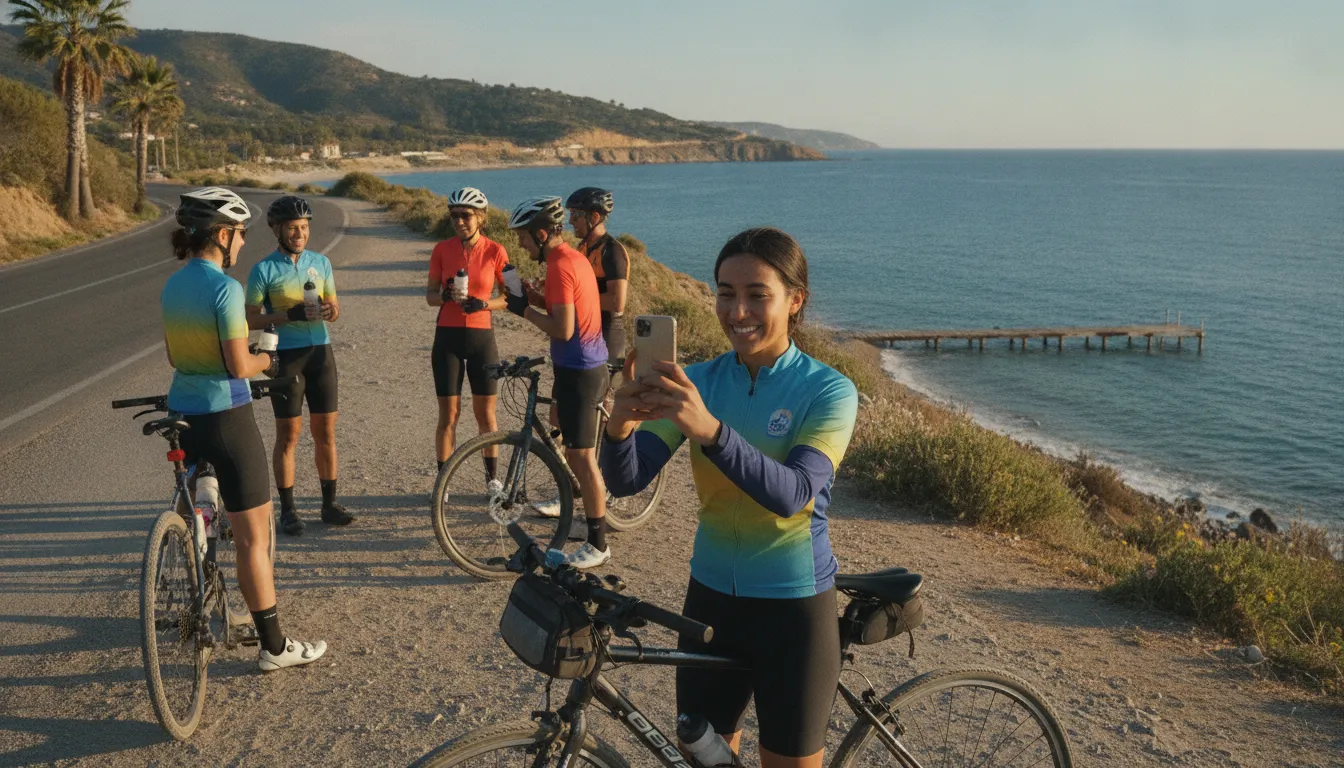
-
Day 1: Introduce the ride and its purpose
Post prompt: Open with a clear invitation: Bike to the Beach brings together cycling, fitness, and charitable giving through supported rides from urban centers to beach destinations. Explain that the campaign is about moving with a community and creating meaningful local impact, not simply completing a route.
Image idea: Use a bright, welcoming group photo with riders of different ages and experience levels preparing to roll. Choose an image that shows connection and anticipation rather than an elite athletic pose.
Participation CTA: Invite followers to explore Bike to the Beach rides and share the post with someone who would enjoy riding for a purpose.
Campaign purpose: Establish the mission and give new followers a reason to keep watching.
-
Day 2: Explain the local impact accurately
Post prompt: Share that riders raise funds for local nonprofit organizations serving people with autism or other disabilities. Keep the language precise: funds stay in the region where they are collected and are distributed to vetted local partners. Avoid assigning one universal outcome to every donation.
Image idea: Feature an approved photo of a local program, community space, or partner activity. Confirm names, permissions, captions, and descriptions before posting, and let the people represented help shape the story.
Donor CTA: Ask supporters to learn about the mission and contribute through a participant or team fundraising page when available.
Campaign purpose: Build trust by connecting the ride to regional service without exaggeration or pity-based appeals.
-
Day 3: Make registration feel approachable
Post prompt: Ask, “What would make joining easier for you?” Explain that participation can take different forms, including individual, corporate, relay, and virtual options. Encourage comments from people who are curious but not yet sure which format fits.
Image idea: Show a rider checking in with teammates, a relay handoff, or a friendly group conversation. Keep the setting candid and welcoming.
Participation CTA: Direct interested readers to discover the right regional Bike to the Beach ride or team, then invite them to tag a potential teammate.
Campaign purpose: Reduce uncertainty and turn passive interest into a practical next step.
-
Day 4: Welcome varied ability levels
Post prompt: Reassure beginners that they belong alongside experienced cyclists. Invite followers to comment with their experience level, preferred distance, or the support they need to participate comfortably. Do not frame shorter or flexible options as lesser achievements.
Image idea: Use a photo of riders encouraging one another, with varied bikes and comfortable, natural expressions.
Participation CTA: Encourage first-time riders to explore the regional options and take one small step, such as asking a question or starting a team conversation.
Campaign purpose: Make inclusion visible and help potential participants see a realistic place for themselves.
-
Day 5: Invite the community to act together
Post prompt: Frame the campaign as a community, not just an event. Ask followers to introduce the person, workplace, club, or family group they would bring into the mission. Encourage comments, shares, and story mentions from people taking their first step.
Image idea: Create a simple collage of approved rider, team, and supporter moments from the opening days.
Donor or participation CTA: Ask supporters to register, form a team, or make a first donation through the relevant official page. Keep the invitation open and pressure-free.
Campaign purpose: Close the launch sequence with belonging, conversation, and a clear action readers can choose today.
Days 6-10: Introduce the Team and Build Momentum
Once the mission is clear, help people see the team behind the campaign. Make participation feel organized, welcoming, and flexible for riders, supporters, and helpers.
Day 6: Invite people onto the team
Prompt: “We are building a team for a ride that connects cycling with local autism and disability services. What would make you want to join us: riding, fundraising, organizing, or cheering us on?”
Image idea: A candid group photo with experienced riders, newer cyclists, and supporters together, rather than a posed performance shot.
CTA: “Tag a friend who would enjoy being part of this community, and message us to learn how to join.”
Purpose: Recruitment works better when the invitation includes more than one way to participate. Bike to the Beach supports traditional, relay, corporate, and virtual formats, so your post can welcome people with different schedules, experience levels, and responsibilities.
Day 7: Clarify roles and choose a captain
Prompt: “Every strong team needs a few dependable roles. Who can serve as captain, fundraiser, training buddy, route communicator, photographer, or donor thank-you lead?”
Image idea: A planning huddle with bikes nearby and one person taking notes, with no readable documents or screens as the focal point.
CTA: “Comment with the role you would enjoy, then share this post with someone who keeps a group moving.”
Purpose: Role clarity turns enthusiasm into action. Direct readers to the team fundraising guide for practical ideas your captain and teammates can adapt.
Day 8: Make beginner participation visible
Prompt: “You do not have to be an experienced cyclist to start. What question would you ask before joining your first charity ride?”
Image idea: A newer rider practicing with a supportive teammate on a quiet path, showing conversation and encouragement instead of speed.
CTA: “Ask your question below, or tag someone who has been thinking about trying a charity ride.”
Purpose: Answering real concerns lowers the barrier to entry. Mention that varied distances can support newer riders as well as experienced cyclists, without promising that every route or format will suit every participant.
Day 9: Highlight flexible formats
Prompt: “Which team format fits your group best: a traditional ride, relay, corporate team, or virtual participation?”
Image idea: A four-panel collage showing teammates riding, handing off, collaborating at work, and participating from separate locations.
CTA: “Share this with your club, workplace, or remote friends and compare the format that feels most realistic.”
Purpose: Flexible options help more people find a meaningful entry point. Confirm the format and regional details on the applicable event page before publishing.
Day 10: Show the preparation
Prompt: “The ride begins long before event day. Here is one thing our team is doing this week to prepare, and one way you can help.”
Image idea: Teammates checking bikes, packing supplies, or welcoming a new participant at a casual meetup.
CTA: “Follow along, share the post, or send our team a note of encouragement.”
Purpose: Show the small actions that keep a team connected, then invite the audience into the next milestone.
Days 11-15: Turn Early Attention Into Fundraising Action
By the second week, your audience has seen the mission and met the people behind the ride. Now give supporters a simple way to participate. Connect each ask to the team’s next milestone. Point people to participant pages and fundraising tools when available.
- Day 11: Make the first direct ask.
Prompt: “I’m riding to support local autism and disability services, and I’m asking my friends and family to join me with a first donation. Any amount helps move this campaign forward.”
Image idea: A relaxed portrait of the rider beside a bike, with a clean background and no private donor information visible.
Donor CTA: “Visit my fundraising page to make a gift or share it with someone who may want to participate.”
Purpose: Replace a vague awareness post with one clear action. A personal, low-pressure invitation gives supporters room to decide without implying a guaranteed result. - Day 12: Share a realistic milestone.
Prompt: “We’ve reached [verified amount or percentage] of our current goal. Thank you to everyone who has helped us get started. Our next step is [specific, verified milestone].”
Image idea: A simple photo of the rider checking a campaign page on a phone, with the screen angled away or out of focus.
Donor CTA: “If you have not contributed yet, you can support the campaign through the fundraising page.”
Purpose: Show progress without inventing results, matching gifts, or urgency. Use the live total from the official donation portal, and update the bracketed details before publishing. - Day 13: Equip the team to ask together.
Prompt: “Team riders: choose one person to contact today, personalize your note, and tell them why this ride matters to you.”
Image idea: Teammates preparing bikes or sharing a conversation before a group ride.
Donor CTA: “Browse our team page, choose a rider to support, or share the team link.”
Purpose: Turn team energy into coordinated peer-to-peer outreach. Bike to the Beach provides templates, webinars, peer-to-peer tools, and team pages to help participants share campaigns. - Day 14: Offer a practical fundraising idea.
Prompt: “What is one small fundraiser your circle would enjoy: a group ride, workplace challenge, or community gathering?”
Image idea: Riders talking together at a casual gathering. Keep the focus on connection, not a staged donation scene.
Donor CTA: “Explore these charity bike ride fundraising ideas and choose one that fits your community.”
Purpose: Give supporters an option beyond a one-time post. A useful idea can prompt both donations and new conversations about joining the ride. - Day 15: Invite a share and explain the resource.
Prompt: “Could you share this campaign with one person who cares about cycling, inclusion, or local community support? One thoughtful share can start a new conversation.”
Image idea: A team member handing a water bottle to another rider during preparation, suggesting practical support and shared momentum.
Donor CTA: “Use our page to donate, share, or learn more about fundraising for charity cycling.”
Purpose: End the five-day sequence with more than a request for money. Make the campaign easy to pass along, and direct people to verified guidance when they need help planning their next fundraising action.
Days 16-20: Share Local Impact With Respect
These posts help donors understand how a charity bike ride connects to community work. Do not turn anyone’s life into a fundraising prop. Use partner descriptions, photographs, names, and quotations only after verification and approval. Bike to the Beach reports that funds stay in the region where collected and go to vetted local partners. Funded work can include sensory gyms, therapy resources, adaptive recreation, social inclusion, and family support.
Day 16: Introduce the local connection
Prompt: Explain that this regional ride supports vetted local organizations, then name the specific partner only after confirming the description and link with that organization. Image idea: A partner-approved photo of a program space, activity, or staff member at work, with no identifying information visible without permission. Donor CTA: “Help keep support in our region by making a gift through our fundraising page.” Purpose: Give supporters a clear, accurate reason to participate without suggesting that one donation guarantees one individual outcome.
Day 17: Show the program, not a stereotype
Prompt: Describe one verified type of work, such as adaptive recreation, therapy resources, or family support. Focus on what the program makes possible and the choices or leadership of the people involved. Image idea: A wide, consented image showing an activity in progress, rather than a close-up designed to provoke pity. Donor CTA: “Donate to help local partners continue the programs our community values.” Purpose: Connect the campaign to tangible services while keeping the story specific, dignified, and agency-centered.
Day 18: Publish an approved voice
Prompt: Share a quote from a partner representative, participant, family member, or staff member only when the wording, name, role, and context have been confirmed. Never create a composite quote or edit it until its meaning changes. Image idea: A portrait or event image approved by the person shown, with an accessible caption that identifies the setting accurately. Donor CTA: “Support this work by donating through our nonprofit fundraising event.” Purpose: Let local voices shape the story instead of speaking over them.
Day 19: Make consent and privacy visible
Prompt: Post a short behind-the-scenes note about your review process: confirm consent, protect private details, check program language, and invite the person represented to request a revision. Image idea: A cyclist, volunteer, or staff member preparing campaign materials, with documents and screens out of focus. Donor CTA: “Share this verified story, or give what feels right for you.” Purpose: Model fundraising that values trust over clicks and protects people from unwanted exposure.
Day 20: Invite a specific next step
Prompt: Tie the week together with one accurate statement about the partner’s work. Invite supporters to donate, join the ride, share the approved post, or ask a friend to participate. Image idea: A community moment with riders and supporters together, photographed from a respectful distance and cleared for use. Donor CTA: “Choose your next step today: make a gift, share the campaign, or invite someone to ride with us.” Purpose: Turn understanding into voluntary action. Avoid pressure and inflated claims.
Days 21-25: Keep the Community Moving Together
By the fourth week, your audience has seen the mission, met the team, and responded to fundraising asks. Now make the campaign feel active and shared. Help riders check in, prepare thoughtfully, and choose a way to participate that fits their experience.
Day 21: Training check-in
Prompt: “What did your training look like this week? Share a ride, walk, stretch, or rest-day win, and encourage someone else on the team.”
Image idea: A rider checking in with teammates after an easy training session, with bikes nearby and no posed finish-line moment.
CTA: “Comment with your next small goal, then tag a teammate who can help you follow through.”
Purpose: Normalize steady progress. Bike to the Beach welcomes mixed experience levels, from newer riders choosing shorter distances to experienced cyclists riding up to 100 miles. Link this post to the beginner training plan for readers who want structure.
Day 22: Prepare for supported riding
Prompt: “What helps you feel ready for a longer ride? Share one preparation habit, from checking your bike to planning hydration and recovery.”
Image idea: A volunteer organizing water, snacks, sunscreen, and basic bike tools at a community support table.
CTA: “Save this post and send your preparation tip to a rider who is joining you.”
Purpose: Show the care behind the experience without inventing event-specific logistics. Supported rides may include rest stops approximately every 15 miles, along with hydration, nutrition, medical support, mechanical assistance, and SAG vehicles.
Day 23: Make room for every distance
Prompt: “Which distance or role feels right for you this season? Tell us whether you are riding, relaying, cheering, volunteering, or supporting from home.”
Image idea: A welcoming group with riders of different ages and abilities preparing together.
CTA: “Share this with someone who wants to participate but is not sure where they fit.”
Purpose: Replace performance pressure with belonging. Invite people to explore the Bike to the Beach rides and identify a regional option that matches their goals.
Day 24: Navigate as a team
Prompt: “What is one way your team can help everyone feel oriented and supported on ride day?”
Image idea: Teammates reviewing a route together outdoors, with the route device or map angled away and not treated as the focal point.
CTA: “Reply with your team’s best navigation or buddy-system idea.”
Purpose: Encourage practical coordination while leaving route details to the official regional event information.
Day 25: Keep virtual connections real
Prompt: “If your relevant event offers virtual participation, share where you are moving today and invite your team to check in.”
Image idea: Participants in different everyday settings sharing a simple movement moment in a collage of user-submitted photos.
CTA: “Use the event’s approved hashtag, celebrate a teammate’s progress, and invite one more person into the conversation.”
Purpose: Extend community beyond one route without presenting virtual options as universal. Where offered, virtual participation can connect people through an event-specific challenge. Keep the focus on shared action, and remember that fundraising supports vetted local partners and programs such as therapy resources, adaptive recreation, family support, and social inclusion.
Days 26-30: Countdown, Thank Donors, and Invite the Next Step
-
Day 26: Make the final fundraising ask
Prompt: “We are in the final stretch. If you have been meaning to support this ride, today is a great day to help.” Keep the request specific, personal, and easy to act on. Invite followers to donate, share the fundraising page, or send the post to someone who wants to support the cause.
Image idea: A rider or team captain holding a bike beside a simple progress update. With the fundraising page linked in the caption rather than placed as tiny text in the image.
CTA: “Make a donation or share this campaign today.” For additional ideas, link to charity bike ride fundraising ideas.
Purpose: Convert late interest into a clear, low-pressure action without promising a specific fundraising result.
-
Day 27: Share a verified logistics reminder
Prompt: “Ride week is here. Before you travel, check your regional event page for the latest participant instructions, timing, route information. And other logistics.” Do not copy old details into the post or assume every region follows the same schedule. A reminder to verify information is more useful than an outdated answer.
Image idea: A bike being prepared in a garage or team members checking gear together. Keep screens, maps, and documents incidental so the image feels like preparation, not a fake event notice.
CTA: “Find your regional information through the Bike to the Beach rides hub.”
Purpose: Reduce confusion while directing riders to the source that can provide current, region-specific guidance.
-
Day 28: Lead with gratitude
Prompt: “Thank you to every donor, teammate, volunteer, family member. And partner who helped us reach this point.” Name people and organizations only when you have permission and the correct spelling. Explain that Bike to the Beach is a community, not just an event, and recognize the many forms of support that make participation possible.
Image idea: A candid team portrait, a group conversation, or hands gathered around bikes. Choose an image that shows connection and agency, not a staged appeal built around pity.
CTA: “Tag someone who helped you keep moving, and invite them to follow the ride.”
Purpose: Strengthen belonging and give supporters a reason to engage before ride day. Community-centered storytelling should give represented people a voice in how they appear and be revised when someone is uncomfortable, consistent with the customer’s ethical storytelling guidance.
-
Day 29: Invite ride-day community content
Prompt: “Tomorrow, share the moments that show what this community feels like.” Ask riders to post team check-ins, encouragement, scenery, and celebrations using the campaign hashtag. Remind participants to respect privacy and ask before posting identifiable photos of others.
Image idea: A wide shot of riders gathering, volunteers preparing a rest stop, or teammates encouraging one another. Supported rides may include rest stops approximately every 15 miles, with hydration, nutrition, medical support. Mechanical assistance, and SAG vehicles, but riders should confirm current details on their regional event page.
CTA: “Share your ride-day story and help others see the community behind the miles.”
Purpose: Generate authentic, inclusive content without turning anyone’s personal experience into a prop.
-
Day 30: Close the loop after the ride
Prompt: “The ride may be over, but your thank-you is not.” Post appreciation for donors and teammates, share only verified campaign or event updates. And tell supporters what they can do next: thank a donor directly, continue following local partner work, or join a future Bike to the Beach effort.
Image idea: A post-ride team photo, a quiet bike-resting moment, or a group celebration that includes different kinds of participation.
CTA: “Send a personal thank-you today. Then invite supporters to stay connected with the Bike to the Beach community.”
Purpose: Turn a one-day interaction into a lasting relationship grounded in gratitude and accuracy.
| Stage | Focus | Action |
|---|---|---|
| Days 1-5 | Mission | Explore a ride |
| Days 6-10 | Team | Choose a role |
| Days 11-15 | Fundraising | Donate or share |
| Days 16-20 | Impact | Support a story |
| Days 21-25 | Preparation | Check in |
| Days 26-30 | Gratitude | Thank supporters |
Choose your regional Bike to the Beach ride or team before publishing your next fundraising post
Frequently Asked Questions
How often should I post during a 30-day campaign?
Use the calendar as a daily planning guide, not a requirement to publish identical content everywhere. Post when your audience is active, then adapt the format for each platform. If daily posting becomes difficult, prioritize the launch, milestone, direct donor ask, final countdown, gratitude, and follow-up posts.
What images work best for a charity bike ride?
Choose real, specific moments that show participation and preparation: riders training together, team check-ins, volunteers working, or support at a rest stop. Ride support may include hydration, nutrition, medical assistance, mechanical help, and SAG vehicles, which can make useful behind-the-scenes subjects when those details apply to your event.
How can I ask for donations without pressuring people?
Make one clear request, explain what the donation supports, and offer an easy next step. Use progress updates and thank-yous alongside direct asks. Avoid guilt, urgency that is not real, or promises of a specific result. A peer-to-peer fundraising page, team directory, or real-time fundraising thermometer can give supporters practical context.
How do I tell impact stories ethically?
Get informed consent before using a person’s name, image, quotation, or personal details. Let the person or community help shape the story, protect privacy, and describe programs accurately. Center agency and partnership rather than portraying people as helpless or using pity as the main appeal. Ethical storytelling guidance identifies dignity, consent, accuracy, privacy, and agency as core principles (ethical storytelling guidelines).
How should I adapt the calendar for my team or region?
Keep the sequence, then replace prompts with your actual event milestones, approved partner information, local route details, and relevant registration link. Individual, corporate, relay, and virtual formats can each use different calls to action. Never assume that a fundraising minimum, date, beneficiary, or program detail applies across every region.
Ready to Join the Ride?
Turn your 30-day content plan into a real community experience. Find a Bike to the Beach charity ride or team that fits your region, then shape your posts around the people, purpose, and milestones that make participation meaningful. You can also explore regional ride options before you publish your first prompt. Get started by finding and registering for a Bike to the Beach ride or team.