
Training Schedule for 50 Mile Bike Ride: 8-Week Plan
Build toward a 50-mile ride with an eight-week schedule, recovery guidance, ride-day preparation, and practical ways to connect training with fundraising.
A training schedule for 50 mile bike ride preparation works best when it adds distance gradually and leaves room for recovery. If you are already comfortable with shorter rides, eight weeks can help you build a routine, practice fueling, and prepare for the day without cramming hard workouts into the final week.
Ask us about preparing for a charity ride
What should an eight-week plan help you do?
The goal is not to ride 50 miles every week. Build a comfortable base, extend one ride gradually, and keep shorter rides easy enough to recover from. Training should fit your current fitness, schedule, and health. If you have concerns about starting exercise, consult a qualified health professional.
Plan for three rides most weeks: one easy ride, one ride with a little purposeful effort, and one longer ride at a relaxed pace. Space them out, with rest or gentle movement between rides. For example, ride Tuesday, Thursday, and Saturday, then use Sunday for rest. A long ride is easier to manage when you have time to take breaks and recover afterward.
Keep the effort conversational for most endurance riding. On a steady ride, include a few short periods of more purposeful pedaling if that feels appropriate, with easy spinning before and after. These are not all-out efforts. If they leave you exhausted for the next ride, reduce the intensity.
How do you structure the eight weeks?
Use these distances as examples, not tests or guarantees. This schedule assumes you can already ride shorter distances comfortably. Start lower if needed, and repeat a week if the workload feels too large. Your pace, terrain, weather, stops, and experience all affect how long a ride takes, so distance is only one way to plan.
| Week | Easy ride | Steady ride | Long ride | Main focus |
|---|---|---|---|---|
| 1 | 5 miles | 6 miles | 12 miles | Comfort and bike fit |
| 2 | 6 miles | 7 miles | 16 miles | Consistent cadence |
| 3 | 6 miles | 8 miles | 20 miles | Practice drinking and snacks |
| 4 | 5 miles | 6 miles | 15 miles | Recovery week |
| 5 | 7 miles | 9 miles | 25 miles | Comfort over longer time |
| 6 | 7 miles | 10 miles | 32 miles | Test event-day gear |
| 7 | 6 miles | 8 miles | 38 miles | Longest practice ride |
| 8 | 5 miles | 4 easy miles | 50 miles on event day | Rest and ride steadily |
Keep at least one full rest day each week. Week four cuts back the long ride so that you can absorb the earlier training instead of adding distance every single week. In week eight, the short rides are optional and should stay easy. If the event is near the end of the week, take several lighter days beforehand. Do not try to compensate for missed training with a demanding ride just before the event.
The Cancer Research UK cycling training guidance discusses adapting a cycling plan around everyday life. Use the outline as a flexible framework, not a medical prescription. Pain, illness, unusual fatigue, or a change in health is a reason to pause and seek appropriate advice.
How should you adapt the schedule to your week?
Consistency matters more than following a perfect calendar. A workable week could put the easy ride on Tuesday, the steady ride on Thursday, and the long ride on Saturday. Leave space between sessions where possible. If your schedule changes, move rides rather than stacking several workouts together.
- Short on time? Protect the long ride and one shorter easy ride. Make the third ride brief and optional rather than squeezing in a hard session.
- Feeling unusually tired? Replace a hard or long session with rest or a shorter easy ride. Do not treat fatigue as a challenge to overcome.
- Missed multiple sessions? Resume with an easy ride, then repeat the last comfortable week instead of jumping ahead.
- Riding hills or into wind? Judge the ride by time and effort as well as miles. A demanding route can make a shorter distance feel like a larger workout.
- Travel or bad weather? Shift the ride if you can do so safely. If you cannot, accept the missed workout and continue with the next planned session.
Keep a brief log after each ride. Record distance or time, how the effort felt, what you ate and drank, and any discomfort or equipment issue. A few notes can reveal useful patterns. For example, if you feel drained after rides where you skipped food, you can practice a more consistent approach on the next long ride. If a saddle or hand position causes discomfort, address it before extending the distance.
For an example of choosing a setup for a longer outing, see this guide to choosing a bike for a long ride. Whatever bike you use, make sure it fits you and works properly. Do not use a new rental, saddle, or unfamiliar component for the first time on event day.
How can you make each training ride useful?
Give each ride one simple purpose. The easy ride builds a repeatable habit without leaving you worn out. The steady ride helps you practice maintaining a controlled effort. The long ride gives you time to learn how your body, bike, food, and clothing behave over a longer period. You do not need to make every ride faster or harder.
Before leaving, check the route, weather, and daylight. Choose roads or paths suitable for your experience and let someone know your plan when appropriate. Begin gently, especially if you are riding early or have not been on the bike for several days. A gradual warm-up can help you settle into a comfortable rhythm.
During longer rides, take breaks before you feel desperate for one. Notice how your hands, shoulders, back, and legs feel. Change position when safe, relax your grip, and stop if something needs attention. A training ride is a good time to discover small problems while you can still adjust your setup or route.
After a ride, give yourself time to cool down and recover. Eat a familiar meal or snack, drink according to your needs, and consider what you would change next time. If soreness is severe, persistent, or concerning, do not simply increase training because the calendar says to.
What should you practice before the 50-mile ride?
Use longer rides to test practical details, not to prove how tough you are. Carry water and familiar snacks, and practice taking small sips and bites at intervals that work for you. Needs vary with conditions, pace, and the individual, so avoid treating one rigid schedule as right for everyone. Do not wait until you feel depleted to think about food or water.
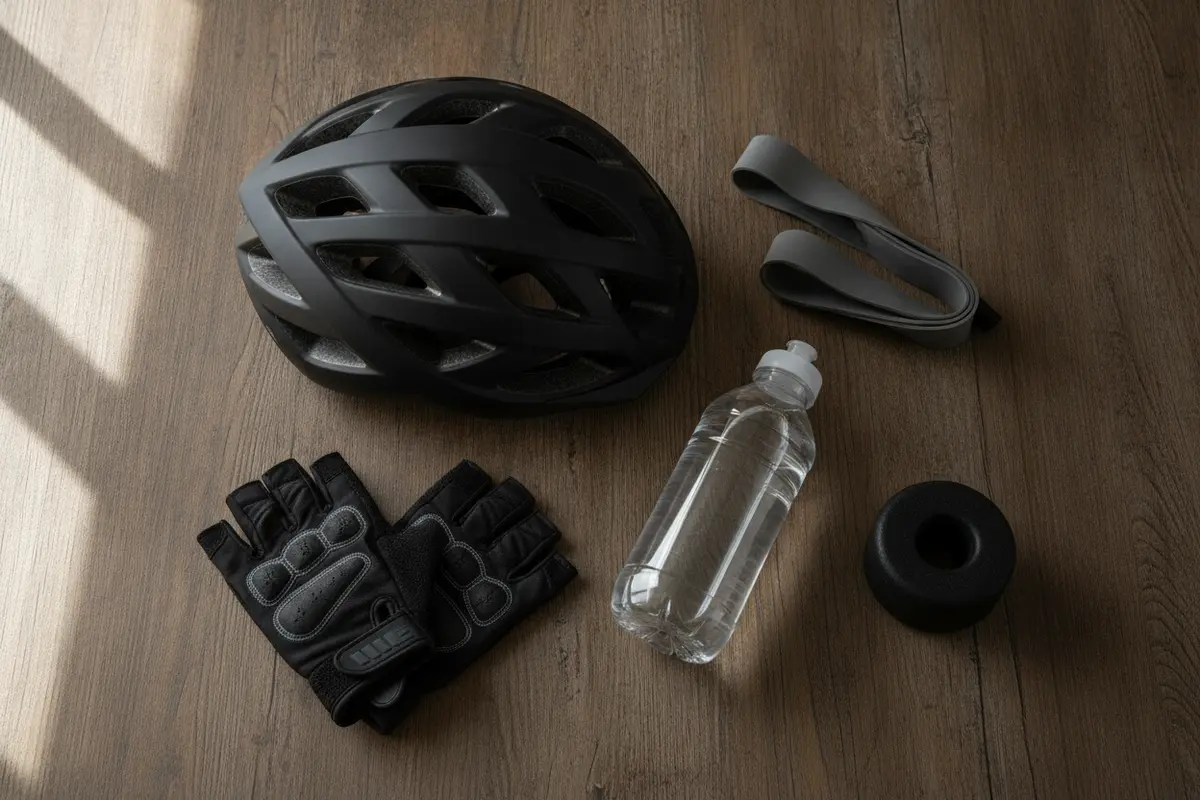
Wear the clothing you expect to use, including layers suited to likely weather. Check for rubbing or pressure points early in the ride, when adjustments are easier. If you use cycling shorts, gloves, a phone mount, or a route app, practice with them during training. Event day is not the time to discover that an item shifts, irritates your skin, or is hard to operate.
Make a checklist and use it on a practice ride:
- Helmet and properly functioning bicycle
- Water and familiar food for the expected ride time
- Weather-appropriate layers and sunscreen
- Charged phone and route information
- Flat-repair supplies, or a plan for mechanical assistance
- Lights if conditions or event guidance call for them
- Any personal items or medication you normally need while away from home
Learn basic bike checks before increasing distance. Confirm that tires are in suitable condition, brakes work, and wheels are secure. If you are not comfortable checking or repairing the bicycle, arrange an inspection or know how to get help. Bike to the Beach provides information about event support in its guide to a fully supported bike ride. Support details differ by event, so review the instructions for the ride you plan to attend instead of assuming every service is available at every location.
How do you choose a route for long training rides?
Route choice changes the demands of a ride. A familiar loop can make it easier to judge effort and locate water or restrooms. A point-to-point route can resemble an event more closely, but it requires more planning for transportation and support. Consider the surface, traffic, hills, turns, shade, weather exposure, and places where you can safely stop.
Build route practice in stages. Early long rides can stay close to home so that you can return if your bike or body needs attention. As the distance grows, add an out-and-back section or a destination that gives you a clear halfway point. Before the longest practice ride, review the route in advance and tell someone where you expect to be. Download or carry the information you need if phone service or battery life may be uncertain.
Do not use a difficult route to make up for a missed workout. If a route includes sustained hills, strong wind, rough pavement, or many stops, reduce the planned distance or allow more time. The useful comparison is total effort and time in the saddle, not the number on the odometer alone. This approach can also help you arrive at an organized ride with a better understanding of how terrain affects your pace.
How can you build pacing confidence?
Start the long ride more slowly than your enthusiasm may suggest. A controlled first hour gives you time to warm up and learn how the conditions feel. Keep your breathing manageable, settle into a cadence that feels repeatable, and resist racing other riders during a group outing. If you have energy late in the ride, you can maintain the same effort or make a small adjustment, but there is no need to chase speed.
Use checkpoints instead of trying to predict the entire ride at once. You might focus on reaching the next stop, completing the next hour, or checking your comfort at regular intervals. At each checkpoint, ask whether you need water, food, a clothing adjustment, or a short break. These simple decisions prevent small issues from becoming urgent ones.
Practice riding at the effort you expect to use on event day. A fast short ride does not automatically prepare you for several hours of steady movement. If you train with friends, agree in advance on a pace and regrouping plan so that no one is pressured to ride beyond their ability. Charity rides are community experiences, and a patient pace can make room for conversation and support.
How can you combine training with charity fundraising?
Training and fundraising can reinforce each other without making every ride a performance. Set aside a small, regular block of time for both. You might send one update, thank a supporter, or explain why you chose the ride after a weekly training session. Sharing a clear, personal reason for riding can make the effort meaningful without overstating what a donation will do.
When you fundraise, be specific and accurate. Explain the event, the cause you are supporting, and how people can learn more. Bike to the Beach describes its community mission and local partner organizations on Why We Bike. Read the current event information before making claims about a particular ride or fundraising destination.
A simple weekly fundraising rhythm might look like this:
- Choose one story or reason. Keep it honest and focused on why the ride matters to you.
- Make a personal invitation. Include the event date, your fundraising page, and a brief explanation of how someone can support you.
- Follow up with thanks. Thank people who respond, whether or not they donate.
- Share a training milestone. Mention a new comfortable distance, a lesson learned, or the next step in your plan.
- Keep the ask clear. Give readers one practical action rather than several competing requests in the same message.
Training updates can also help supporters follow your progress. A short note after a long ride might say what distance you completed, what you learned about pacing, and what remains before the event. Avoid presenting one rider’s experience as a promise about what another rider can achieve. If you are looking for a charity ride to join, this beginner’s guide to riding for a cause explains the basic idea and questions to consider.
How do you prepare for event week and ride day?
In the final week, reduce training volume and prioritize sleep, familiar meals, hydration, and practical preparation. Keep any short rides easy. Check tires, brakes, and shifting, and resolve avoidable equipment issues early. Lay out clothing and supplies the night before. Review event instructions, start location, arrival time, route details, and any organizer guidance about stops or assistance.
Make a simple event-morning plan. Allow time to eat a familiar breakfast, use the restroom, fill bottles, and reach the start without rushing. Bring only what you know how to use. Check the weather again and adjust layers. If the event provides specific directions about helmets, route navigation, or support, follow those instructions.
At the start, resist the urge to match the fastest riders around you. Begin at an effort you can sustain and settle into your own rhythm. Take planned breaks, drink and eat as practiced, and ask event staff for help if you need it. If you feel unwell or unsafe, stop and seek assistance rather than pushing on to meet a distance target.
A supported ride can make logistics easier, but it does not remove the need to prepare. Review the route and what services are offered for that specific event. Know how to contact event support, where to find rest stops, and what to do if you need to shorten or stop your ride. A calm plan gives you more attention for the experience itself.
After finishing, take time to cool down, eat and drink, and arrange your return trip if needed. Notice what went well and what you would change for another ride. A 50-mile finish is a substantial personal milestone, whether you complete it quickly or take a steady pace with breaks.
Bike to the Beach brings together riding and charitable giving through regional events. Explore the Bike to the Beach community to understand ways people can connect with the organization, and check the event information that fits your plans.
Contact Bike to the Beach about your ride plan
Frequently Asked Questions
Can a beginner train for a 50-mile ride in eight weeks?
It depends on your starting point, health, and available time. This example schedule assumes you can already ride shorter distances comfortably. If you are starting with little or no cycling, allow more time and build more gradually. You can also ask a qualified health professional about exercise if you have health concerns.
How many days a week should I ride?
Three rides per week is a useful structure for many recreational riders: two shorter rides and one longer ride. The right number varies. Recovery days matter, and an easy week may include fewer sessions if life, health, or fatigue requires it.
Do I need to ride 50 miles before event day?
No. This example plan peaks at 38 miles before the event. Riders can prepare without completing the full distance in training, but the right longest practice ride depends on fitness, experience, and circumstances. Do not force a particular mileage target if it does not feel manageable.
What if I cannot follow the plan exactly?
Do not cram missed workouts into the next few days. Resume with an easy session, keep recovery in the schedule, and repeat a comfortable week if needed. The purpose of the plan is to help you arrive prepared, not to make every week identical.
How should I know when to take an extra rest day?
If you are unusually tired, sick, in pain, or not recovering between rides, pause or reduce the workload. Persistent or concerning symptoms warrant appropriate professional advice. It is better to adjust a schedule than to ignore a signal that something is wrong.
Ready to put your plan into action?
Talk with Bike to the Beach about joining a charity ride
Choose a realistic weekly routine, build gradually, and keep the reason for your ride in view. A flexible plan, familiar gear, and a steady approach can help make your 50-mile ride feel more manageable.