
Sponsor Activation Ideas for Nonprofit Fundraising Events
Explore sponsor activation ideas that give nonprofit event partners meaningful ways to engage attendees beyond logo placement, with practical planning tips.
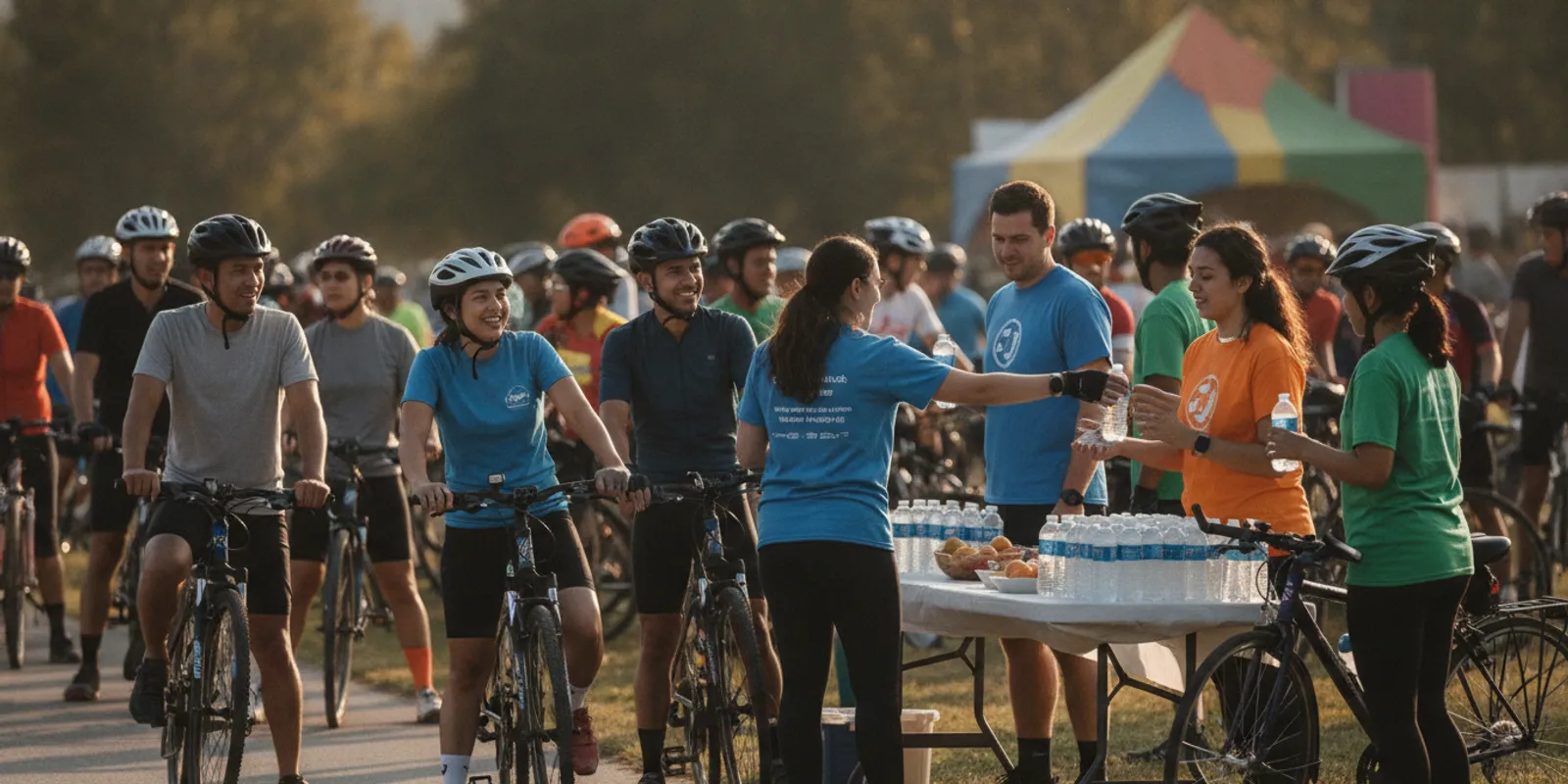
Sponsor activation ideas for nonprofit fundraising events work best when they give people a useful or memorable reason to engage with a sponsor. A logo makes a partner visible; an activation gives attendees something to do, learn, try, or share. For a charity ride, that might mean a welcoming rest stop, a short bike-safety demonstration, or a team challenge that connects the event experience to the cause.
Talk with Bike to the Beach about event partnership
What can sponsors offer beyond logo placement?
Start with the audience’s needs and the event’s purpose. An activation should improve the participant experience, make sense for the sponsor, and respect the nonprofit’s mission. It does not need to be elaborate. A clearly staffed, useful interaction can be more valuable than a large display that people pass without noticing.
For a cycling fundraiser, consider the full event journey: before the ride, at check-in, along the route, at rest stops, and at the finish. Each point offers a different kind of interaction. A pre-event virtual session can help riders prepare. At the event, a partner might host a practical demonstration or provide a comfortable gathering point. At the finish, sponsors can help celebrate milestones and connect participants with the local organizations supported by the ride.
Nonprofit events can also offer formats that invite conversation and participation. The University of California San Diego’s event sponsorship guide describes opportunities such as sponsor-hosted panels, interactive sessions, and branded lounges that provide attendee value: event sponsorship ideas for planners. The useful principle is to make the sponsor presence part of an experience, rather than treating visibility as the whole benefit.
Which activation ideas fit a charity ride?
Choose ideas that match the event’s layout, audience, and staffing capacity. A ride has natural moments for practical support and celebration. Here are options to adapt, not a checklist to copy without considering the event.
| Activation | What attendees experience | Planning needs |
|---|---|---|
| Interactive rest stop | A welcoming place to pause, meet volunteers, and take part in a simple activity | Route approval, clear staffing, supplies, and a safe setup |
| Bike care or safety demonstration | Short, practical guidance that riders can use | Qualified presenter, suitable space, and realistic timing |
| Team or distance challenge | A shared goal that encourages friendly participation | Simple rules, accessible participation options, and a way to recognize completion |
| Community story station | An opportunity to hear about the local organizations connected to the event | Partner input, consent for stories or images, and respectful messaging |
| Finish-line celebration | A moment to recognize effort and thank participants | Space, schedule coordination, and an inclusive plan for different finish times |
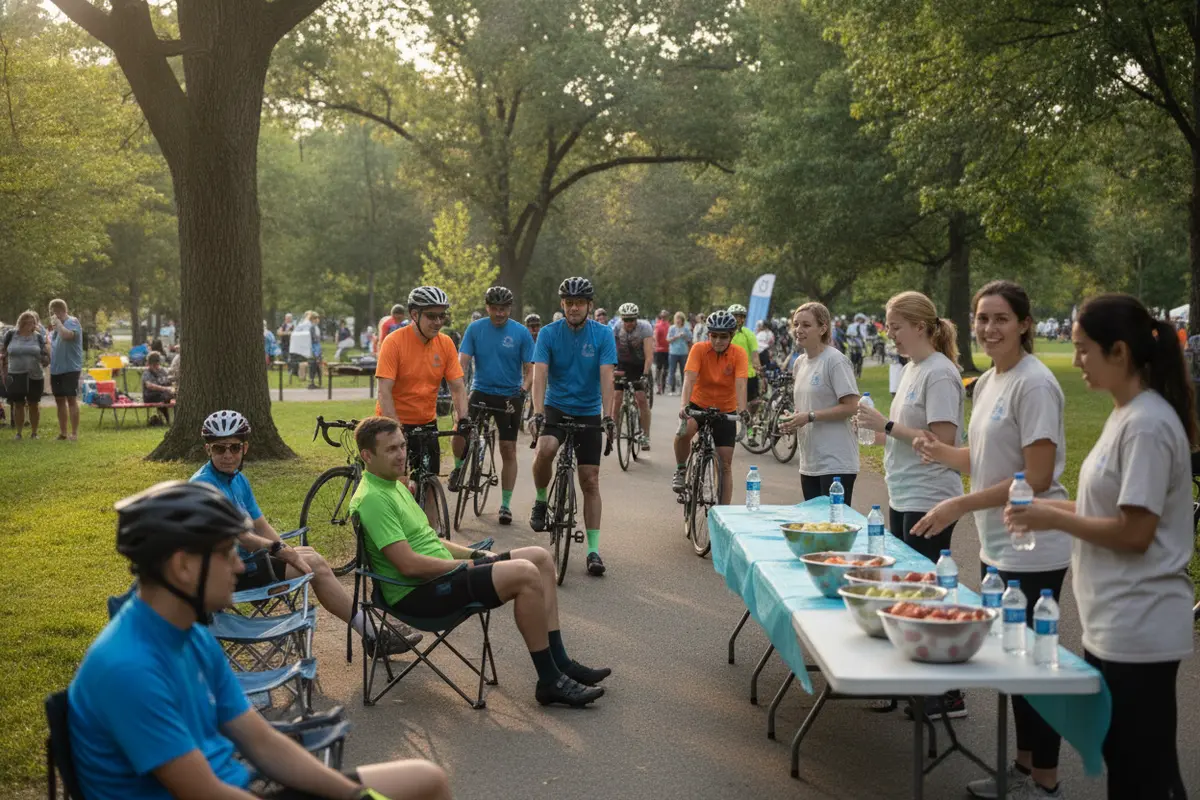
One example is a sponsor-supported rest stop. The partner could help create a shaded place to pause, with volunteers greeting riders and a simple optional activity. Make sure the activity does not obstruct the route or slow riders who want to continue. A sponsor can be acknowledged on a sign or event page, while the direct benefit is the comfortable, useful stop.
How do you choose the right sponsor activation?
Use a short planning process before offering an idea. It helps avoid promising a benefit that the event cannot deliver, and it keeps the activation tied to a real audience need.
- Define the audience moment. Identify when attendees are most likely to welcome an interaction. A check-in line, a long break, and a finish area have different needs.
- Set a useful outcome. Decide what the attendee should gain: information, a chance to participate, comfort, a connection to the cause, or a moment of recognition.
- Match the sponsor naturally. Look for a relevant contribution. A practical demonstration or service can fit better than a sales pitch that interrupts the event.
- Check access and safety. Consider mobility, sensory needs, crowd flow, weather, noise, and whether people can choose to participate without pressure.
- Assign an owner. Name who handles setup, supplies, sponsor communication, and day-of decisions. Confirm backup plans if weather or schedules change.
- Agree on what success means. Choose a few measures in advance, such as participation count, attendee feedback, or completion of a planned activity. Do not promise audience numbers you cannot support.
A useful proposal explains the idea in plain language: who it serves, where it happens, what the sponsor provides, what the nonprofit provides, and how both sides will review the result. Keep the offer specific enough to evaluate, but flexible enough to adjust after the event.
How can activations serve the cause and community?
Cause-centered activations make the connection between the event and its community clear without turning people into props. For example, a story station can explain how local partner organizations support people with autism and disabilities. Ask partners what they want attendees to understand, obtain permission before sharing identifiable stories or images, and use language that reflects people’s dignity and agency.
Bike to the Beach brings riders together through charity rides and directs participant fundraising to local partner organizations. That makes it useful to connect a sponsor experience to local impact in a concrete, accurate way. For more background on the organization’s mission and partners, visit Why We Bike. A sponsor activation should support that story rather than imply that a sponsor’s presence alone creates a particular outcome.
It can also help to provide more than one way to take part. Some people may want an active challenge; others may prefer to listen, rest, or talk with a volunteer. Design for choice. Keep instructions visible and simple, and make sure the activation does not require someone to disclose personal information or make a donation to participate.
How should organizers plan sponsor benefits?
Describe benefits as deliverables, not vague promises. A sponsor and nonprofit can agree on placement, staffing, timing, and any materials before the event. If the partner will lead an activity, confirm who supplies equipment and who is responsible for the content. If an activation includes a giveaway or collection of contact information, check the nonprofit’s policies and applicable requirements in advance.
- Write down the activation’s purpose and audience.
- Confirm location, setup window, staffing, accessibility, and weather alternatives.
- Review signage and messaging for accuracy and consistency with the event’s mission.
- Decide whether photography or attendee information will be collected, and establish permission and privacy practices.
- Set a simple follow-up plan so the sponsor and nonprofit can discuss what worked.
For event formats and other ways to bring people together, see this overview of fundraising event ideas for nonprofits. When a sponsor is considering a deeper relationship, the corporate sponsorship guide can help frame the conversation. Interested companies can also review the service provider partner opportunities where relevant.
How can you evaluate an activation afterward?
Review whether the activation delivered what was agreed and whether attendees found it useful. A quick debrief can cover the number of people who participated, common questions, operational issues, and feedback from staff or community partners. Share a concise recap with the sponsor, including what you learned and what you would change next time.
Do not rely on a single count to tell the whole story. Attendance at a station may be modest while participants still value the experience. Conversely, a busy activation may have caused congestion. Combine simple counts with observations and direct feedback. Use findings to improve the next event, not to make unsupported claims about charitable impact.
For ideas that are specifically about event programming and activities, explore charity event ideas for work and the guide to planning a charity cycle ride. Each event has different constraints, so adapt the approach to the route, venue, community, and partners involved.
How can organizers make the activation work on event day?
A strong concept still needs a reliable operating plan. Draw a simple map showing where the activation sits in relation to registration, the route, restrooms, food, and emergency access. Check whether participants will encounter it naturally or need directions. If the experience is optional, explain that clearly so people do not mistake it for a required step.
Create a one-page run sheet with arrival time, setup tasks, event contacts, supplies, safety checks, and teardown. Include a weather decision point and a backup location or simplified version. Give the sponsor contact and the event lead each other’s day-of phone numbers, then agree who can make a change if conditions shift. If the activation depends on a presenter, equipment, or electricity, identify a fallback that preserves the attendee benefit without that dependency.
Use signage to answer practical questions quickly: what is happening, how long it takes, whether it is optional, and where to go next. Keep pathways clear and avoid placing tables or queues where riders need to move. For activities along a ride route, coordinate with event operations before advertising the location or timing. A sponsor should never independently modify a route or direct riders into an unapproved area.
How can you make participation inclusive and low-pressure?
Accessibility is not a finishing touch. It affects the activity choice, location, instructions, and staffing from the start. Ask whether a person can take part while seated, whether the station has enough room to move through, and whether the activity can be understood without hearing an announcement. Offer clear written directions alongside spoken instructions, and reduce unnecessary noise where possible.
Build in alternatives. A challenge can offer a noncompetitive way to participate; a demonstration can include observation without requiring a hands-on attempt; a story station can provide a short written explanation for people who do not want a conversation. Make breaks and quiet moments acceptable. Avoid language that treats disability as an obstacle to overcome or assumes that every participant wants to share a personal connection to the cause.
Keep commercial interactions transparent. Tell attendees when a sponsor is hosting the experience, and do not make participation contingent on buying something, signing up for marketing, or sharing personal details. If any information is requested, say what it will be used for and provide a genuine choice. These practices protect attendee trust and keep the charitable event’s purpose clear.
What should a sponsor activation brief include?
A short written brief prevents different assumptions from becoming event-day problems. It should make the idea easy to understand for the sponsor, nonprofit staff, volunteers, and community partners. Keep the document practical rather than turning it into a long pitch deck.
- Purpose: State the attendee need and the connection to the event or cause.
- Experience: Describe what attendees see and do, including the expected duration and whether it is optional.
- Roles: Name who supplies materials, manages setup, staffs the activity, approves messaging, and makes operational decisions.
- Location and access: Note space, traffic flow, accessibility considerations, permissions, and any route or venue restrictions.
- Communications: Specify what may appear on signs or event channels, and who approves final copy and visuals.
- Privacy and consent: Explain whether photos or information will be collected and what permissions are needed.
- Evaluation: Agree on a few feasible indicators and a time for the post-event review.
Be explicit about what the activation does not include. For example, a sponsor may be acknowledged but not have permission to make claims on behalf of a beneficiary organization. A station may invite conversation without collecting leads. Naming boundaries early helps both parties protect the relationship and gives volunteers a clear answer when attendees ask questions.
How can the idea change across event stages?
Not every activation needs to happen on ride day. Some sponsors can add value before or after the event, when there is more time to learn, share, or reflect. Use the event timeline to choose the moment that best serves participants.
- Before the event: Offer an optional preparation session, a gear-check guide, or a short introduction to the community partners. Keep advice within the sponsor’s expertise and have event staff review any event-specific guidance.
- At check-in: Provide a clear welcome point or an efficient service that reduces confusion. Do not add a promotional step that slows registration.
- During the ride: Support a planned rest stop or a route-side encouragement point, with operations approval and adequate staffing.
- At the finish: Recognize effort with a simple celebration that includes different arrival times and does not crowd the finish flow.
- Afterward: Share an approved recap of the community connection and thank participants. Use consented photos and accurate descriptions of results.
For example, a sponsor could support a pre-event bike-care demonstration, then provide volunteers at a rest stop, then join a short debrief afterward. The three moments should feel connected rather than like separate promotional demands. One theme, repeated in useful ways, is easier for attendees to understand and easier for organizers to coordinate.
How do you balance visibility with attendee value?
Visibility matters to a sponsor, but the attendee experience should remain the test of the idea. Set a modest, clear recognition plan: perhaps a sign at the activity, a mention in event materials, and thanks in an approved recap. Then design the activity to stand on its own as useful or enjoyable even for someone who does not remember the sponsor name afterward.
Try a simple review before approval. Would this activity still be worthwhile if the sponsor logo were removed? Does it fit the event’s values and audience? Is the sponsor’s role clear without dominating the experience? Can a participant decline without feeling watched or excluded? If the answers are unclear, simplify the activation or change its setting.
Consider the difference between an invitation and an interruption. An invitation offers a choice, makes the benefit clear, and respects the attendee’s time. An interruption blocks movement, demands attention, or pressures someone to respond. A small sign and welcoming volunteer can be more effective than amplified announcements or a crowded booth, especially when riders are tired or focused on reaching the finish.
Frequently Asked Questions
What is a sponsor activation at a nonprofit event?
It is an activity or experience that gives attendees a reason to engage with a sponsor, such as a demonstration, interactive station, or useful event service. It complements basic recognition with direct participation or value.
Does every sponsor activation need to collect data?
No. An activation can focus on a helpful experience without collecting attendee information. If data is collected, explain why, request appropriate permission, and follow the nonprofit’s privacy practices.
How can a small nonprofit keep an activation manageable?
Choose one focused idea, give it a clear owner, and limit the setup to resources the event can reliably support. A well-run simple activity is preferable to an elaborate plan that distracts from participant care.
How can sponsors connect an activation to local impact?
Work with the nonprofit and its local partners to explain the event’s purpose accurately. Use approved information, avoid overstating results, and make participation optional and respectful.
Start a conversation about partnering with Bike to the Beach
Thoughtful sponsor activations help make an event more useful and engaging while keeping the mission at the center. Start with what participants need, plan the details together, and learn from the experience after the event.