

25+ Easy Fundraising Ideas to Rally Your Community
Find 27 easy fundraising ideas for small groups that actually work. Build community, raise funds, and make an impact with these simple, proven strategies.

You have the passion to make a difference, but turning that drive into a successful fundraiser can feel overwhelming. Don’t let that stop you. We believe powerful fundraising isn’t about big budgets or complicated plans—it’s about creativity and connection. That’s why we’ve gathered our favorite easy fundraising ideas specifically for small groups. These simple, low-cost strategies prove that easy fundraising can have a huge impact, empowering you to focus on what truly matters: sharing your mission and bringing your community together.
Key Takeaways
- Focus on connection, not complexity: The most successful fundraisers are simple, low-cost events that build community. Prioritize activities that bring people together naturally, like a neighborhood BBQ or a charity walk, to create a strong base of support.
- Activate your local network: Your greatest assets are the people and businesses in your own backyard. Partner with local shops, empower your supporters to fundraise with you, and build events around your team’s unique skills and passions.
- Make it easy and exciting to give: A clear call to action and a simple donation process are essential. Create urgency with time-sensitive challenges or matching gift opportunities to inspire your community to contribute right away.
What Does an “Easy Fundraiser” Actually Mean?
When we think about fundraising, the word “easy” might not be the first thing that comes to mind. But a successful fundraiser doesn’t have to be complicated or expensive. In fact, the most effective community efforts are often the simplest. An “easy” fundraiser is one that respects your resources, energizes your supporters, and focuses on connection over complexity. It’s about working smarter, not harder, to bring people together for a cause you all believe in. By focusing on a few key principles, you can create an event that not only meets its financial goals but also strengthens your community for the long haul.
Understanding the Modern Fundraising Landscape
To create a fundraiser that works, it helps to know what you’re working with. The way people give has changed, but the core principles of community and connection remain as powerful as ever. Instead of getting bogged down by complex strategies, the most successful groups are leaning into simple, personal, and digital-first approaches that meet people where they are. This means using online tools to make giving easy and sharing stories that resonate on a personal level. Understanding a few key trends can help you focus your energy where it will have the greatest impact, turning potential challenges into opportunities to build a stronger, more engaged network of supporters.
The Challenge of Donor Retention
Let’s be direct: keeping donors engaged is harder than it used to be. Recent reports show that the number of people making small donations has declined, and overall donor retention is a growing challenge for many organizations. For small groups, this can feel intimidating. But it also highlights a massive opportunity. In a world of impersonal asks, a genuine, local connection stands out. When supporters feel like part of a community, see the direct impact of their contribution, and know the people behind the mission, they are far more likely to stay involved. This is where small, community-focused groups have a natural advantage over larger, less personal entities.
The Power of Online Crowdfunding
Online crowdfunding platforms have completely changed the game for community fundraising, making it one of the easiest and most effective ways to rally support. These tools empower you to create a dedicated fundraising page where you can set a goal, share your story, and provide a simple way for people to give. The most effective pages use compelling storytelling and visuals to build a personal connection. Features like goal thermometers keep your community updated on progress and create a sense of shared momentum. This is exactly how our riders share their stories and fundraise for their rides, using personal pages to explain their “why” and inspire their networks to contribute.
Start with a Minimal Budget
You don’t need a huge budget to make a huge impact. Many small groups hesitate to fundraise because they feel they lack the starting capital, but some of the most successful events are built on creativity, not cash. Starting with a low-budget idea lowers the financial risk and makes the entire process more accessible. Instead of worrying about covering high upfront costs, you can focus your energy on what really matters: sharing your story and inviting people to be part of your mission. This approach empowers everyone to contribute, turning a simple idea into a powerful community-wide effort. It’s a great way to build momentum and show that every single person can make a difference.
Simplify Your Planning Process
The best fundraising ideas are often the most straightforward. A simple plan is easier to communicate to your team, volunteers, and supporters. When an event has clear, simple steps and doesn’t require months of preparation, people are more likely to get on board. Think about what your community already enjoys doing and build from there. Does your neighborhood love a good cookout? Host a charity BBQ. Are people in your circle active? A community walk or a charity bike ride could be a perfect fit. The key is to make participation feel natural and fun. You also want to make the act of giving as simple as possible. A single, clear donation link removes friction and helps your supporters follow through on their good intentions.
Set Your Volunteers Up for Success
Your volunteers are your greatest asset, and an “easy” fundraiser is one that honors their time and energy. The goal is to create an experience where people feel valued and effective, not overwhelmed. This means breaking down large tasks into smaller, manageable roles so that everyone can contribute in a way that fits their schedule and skills. When you reduce the manual work and create a clear structure, more people will be willing to raise their hands to help. Remember, fundraising is a team sport. Fostering a collaborative spirit where every person knows their contribution matters is the secret to building a strong, dedicated volunteer base that will show up for your cause again and again. When people feel good about helping, they become your best advocates.
Fundraising Ideas That Strengthen Your Community
The most successful fundraisers do more than just raise money; they build connections and strengthen community bonds. When you bring people together for a shared purpose, you create a powerful network of support that lasts long after the event ends. These ideas are designed to help you tap into your local network, creating fun, engaging experiences that rally people around your cause and make giving feel good. It’s about turning fundraising into a community-building activity where everyone feels welcome and valued.
Think of it as weaving a stronger social fabric. Every conversation, every shared laugh, and every new friendship made at your event contributes to a more resilient and supportive community. This approach shifts the focus from a simple transaction to a collective experience. People are more likely to stay involved and become long-term advocates when they feel a genuine sense of belonging. By prioritizing connection, you’re not just funding a project; you’re investing in the people who make your mission possible. The goal is to create events that people genuinely want to attend, where the fundraising aspect feels like a natural and positive outcome of a great time spent together.
Team Up with Local Businesses
Your local businesses are the heartbeat of your community, and they are often looking for meaningful ways to give back. Think about the places you already love to support, like your favorite coffee shop, pizza place, or bike shop. Start by building a relationship and sharing your group’s story. You can propose a simple partnership, like asking a restaurant to host a fundraising night where a portion of sales goes to your cause. Or, you could ask local shops to donate goods or services for a raffle or silent auction. This approach is a win-win: it provides you with essential support while giving the business positive exposure and connecting them with cause-driven customers. Many companies are eager to become a sponsor when they see a clear community benefit.
Bring the Neighborhood Together
There’s incredible power in simply bringing people together. Hosting a neighborhood event creates a relaxed and welcoming space for people to learn about your mission without the pressure of a formal ask. You could organize a community BBQ in a local park, a fun run or walk, or a simple potluck dinner. The key is to focus on connection over collection. When people feel like they are part of something, they are naturally more inclined to contribute. These events build momentum and a sense of shared ownership over the cause. They are the foundation for larger events, like our charity bike rides, that unite the entire community for a common goal.
Plan Activities for the Whole Family
Making your events accessible to everyone, including kids, is a great way to broaden your reach and impact. When you plan activities that families can enjoy together, you make it easy for busy parents to participate and introduce their children to the importance of community service. Consider hosting an outdoor movie night, a scavenger hunt, or a field day with classic games. You can raise funds by selling tickets, snacks, and drinks. These events create lasting, positive memories associated with your cause. They reinforce that supporting the community is a joyful and inclusive activity, which is a core part of why we bike and build community for individuals with autism and disABILITIES.
Host a Family Photo Day
Everyone loves a great family photo, but scheduling a full session can be tough. A family photo day fundraiser offers a simple solution that provides real value to your supporters. Partner with a local photographer who is willing to volunteer their time or offer discounted mini-sessions for your cause. You can set up in a scenic park or community space and have families book 15-minute slots. The session fee goes directly to your fundraiser, and in return, families get a few professional photos just in time for the holidays or a new season. This idea is a fantastic way to build relationships with local creatives and give your community a cherished keepsake that reminds them of their connection to your mission.
Organize an Easter Egg Hunt
Seasonal events are a perfect excuse to bring people together for a good cause. An Easter egg hunt is a classic, low-cost activity that families adore. All you need is a public space like a park, some plastic eggs, and candy or small toys to fill them with. You can ask local businesses to donate the fillings to keep your costs near zero. Instead of a fixed ticket price, simply have a donation jar available and share a bit about your mission with attendees. This creates a fun, no-pressure environment where families can enjoy a festive day out while learning about your work. It’s a simple and effective way to build goodwill and create positive memories that people will associate with your organization for years to come.
Easy Fundraising Ideas That People Love
You don’t need a massive budget to host a fundraising event that people will love. The most memorable and successful events are often the ones that focus on creating genuine connections and offering a great time. By keeping your initial costs low, you ensure that more of the money raised goes directly to your cause. The key is to get creative and lean into activities that naturally bring people together. Think about what your community enjoys. Is it food, movies, friendly competition, or getting active outdoors?
Building an event around a shared experience is a powerful way to rally support. It gives people a fun reason to show up and an easy way to contribute. From casual potlucks to lively trivia nights, these ideas are designed to be simple to plan and easy for volunteers to help with. They rely on community participation rather than big-ticket sales, making them accessible for everyone to join. Below are five simple, low-cost event ideas that are proven to draw a crowd and build momentum for your cause, all while strengthening the bonds within your community.
Host a Themed Dinner or Potluck
Nothing brings people together quite like sharing a meal. Hosting a themed dinner or potluck is a fantastic, low-budget way to create a festive atmosphere and encourage community connection. Pick a theme that gets people excited, like a chili cook-off, a taco fiesta, or a pasta night. You can sell tickets for a set price or ask for donations at the door. For a potluck, you can provide the main dish and ask guests to sign up to bring sides, salads, or desserts. This approach keeps your food costs minimal and gets everyone involved in the action. Promote it as a fun, casual evening to gather for a great cause, and watch your community show up to support you.
Pancake Breakfast
A pancake breakfast is a timeless classic for a reason. It’s simple, affordable, and brings people together over a meal everyone loves. All you need is a space with a griddle, some pancake mix, and a few volunteers to get flipping. You can host it on a Saturday morning at a local community center or even in a backyard. Invite your network and charge a small donation for a plate of warm pancakes. This low-cost event is a perfect way to gather families and neighbors to learn about your cause in a relaxed setting. It’s about creating a warm, welcoming space where community and purpose can mix, much like the energy you feel at the starting line of a charity ride.
Pizza Party Fundraiser
Transform your community space into a pop-up pizzeria for a night of fun and fundraising. A pizza party is a wonderfully interactive event where everyone can get involved. Set up stations with dough, sauce, cheese, and a variety of toppings, and let your guests become chefs for the evening. You can sell tickets in advance or ask for a donation at the door. The best part is the collaborative spirit it fosters; everyone can help make, serve, and clean up. This kind of hands-on teamwork is at the heart of what makes community efforts successful, turning a simple meal into a shared accomplishment and a powerful way to support a mission together.
Organize an Outdoor Movie or Game Night
Host an event that appeals to all ages with an outdoor movie or game night. This is a perfect family-friendly fundraiser for a warm evening. You can secure a space at a local park, community center, or even a supporter’s backyard. Choose a popular, family-friendly film, but be sure to check on the public performance rights needed to show it legally. Set up a large screen or projector, invite everyone to bring blankets and lawn chairs, and sell popcorn, drinks, and candy to raise extra funds. You could also organize a board game tournament or lawn games like cornhole before the movie starts, adding another layer of fun and friendly competition to the evening.
Get Moving with a Charity Walk or Bike Ride
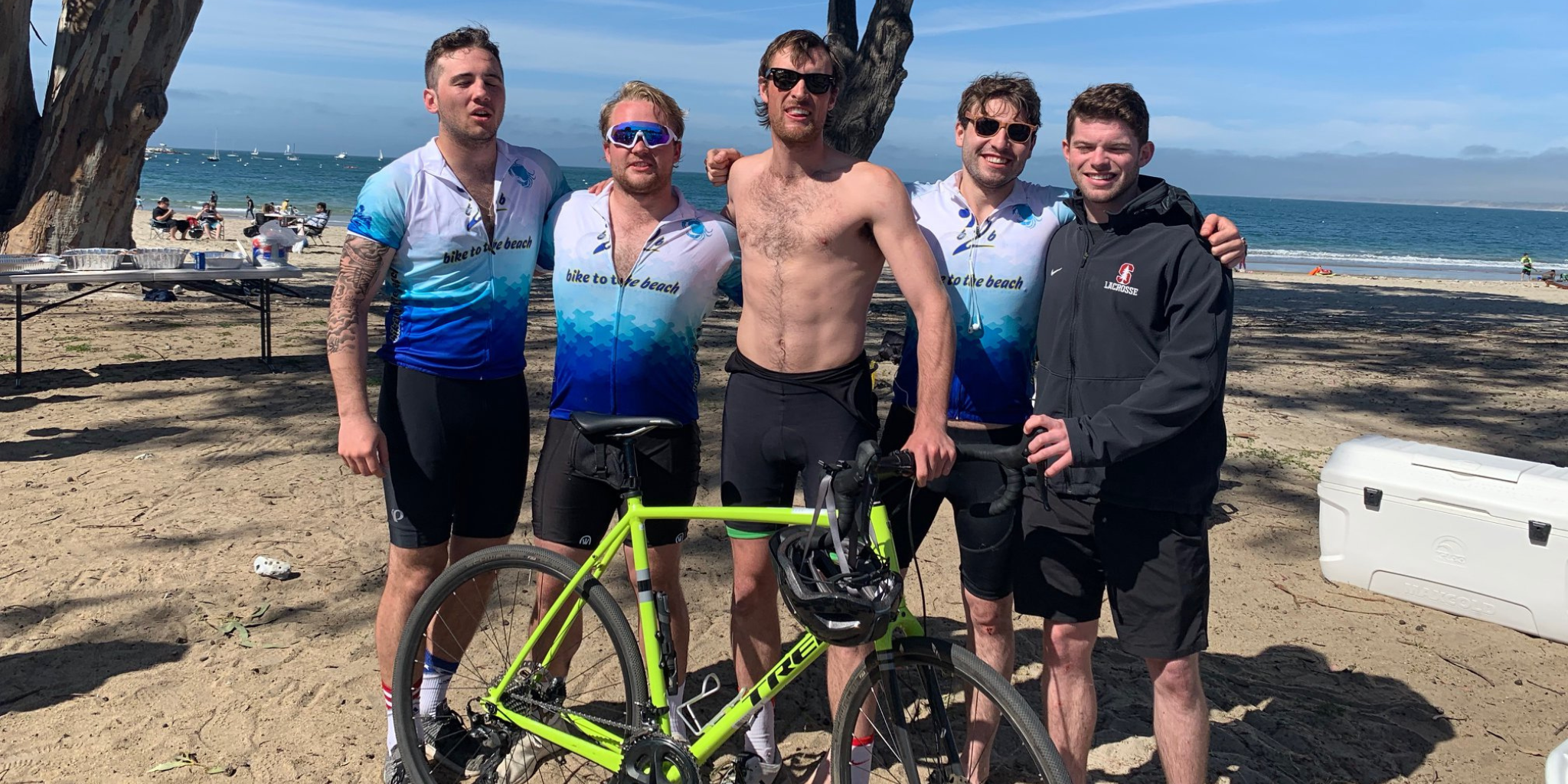
Get your community moving for a cause by organizing a charity walk, run, or bike ride. These events are powerful because they combine health, wellness, and peer-to-peer fundraising. Participants can register for a small fee and are encouraged to ask friends and family to sponsor their efforts. Plan a safe, accessible route through a local park or neighborhood and promote the event well in advance. Here at Bike to the Beach, we’ve seen how a simple bike ride can grow into a powerful movement, which is why we bike every year to unite communities. Your event can start small and still make a huge impact by inspiring people to get active for a cause they believe in.
Charity bike rides are a powerful way to combine fitness, community, and purpose. At Bike to the Beach, our fully supported destination rides bring people together to raise funds and awareness for local autism and disability nonprofits. This model allows cyclists of all levels to participate in a memorable event while making a tangible impact in their own communities, whether they ride in Florida, New York, or our other locations.
Host a Charity Dog Walk
Tap into the passion people have for their furry friends by hosting a charity dog walk. This idea is a guaranteed crowd-pleaser because it combines two things people love: spending time with their pets and supporting a good cause. Plan a scenic, dog-friendly route through a local park and charge a small registration fee per person or per pup. You can encourage participants to fundraise individually, adding a peer-to-peer element. To make the event even more engaging, partner with a local pet supply store for goodie bags or organize a “best trick” or “best-dressed pet” contest. It’s a simple, joyful way to organize a walk-a-thon that brings the whole community—two-legged and four-legged members alike—together for a fun day out.
Organize a Polar Bear Plunge
For a high-energy event that’s sure to make a splash, consider a polar bear plunge. This fundraiser is all about bold action and is perfect for creating buzz. Participants commit to taking a chilly dip into a lake, ocean, or even an unheated pool during the colder months, raising pledges from friends and family who sponsor their bravery. While the concept is simple, safety is paramount. You must have safety personnel, like lifeguards and EMTs, on-site and ensure the location is secure. The spectacle itself draws a crowd, so you can increase your fundraising by selling hot chocolate and snacks to spectators. It’s a memorable and thrilling way to show your community’s commitment and build camaraderie around a shared, wild experience.
Run a Classic Car Wash or Yard Sale
Tap into two classic, effective fundraising strategies: the community car wash and the yard sale. For a car wash, find a busy location with easy water access, like a local business or school parking lot. Gather a team of enthusiastic volunteers, make some bright signs, and wash cars in exchange for donations. For a yard sale, ask your community to donate gently used items they no longer need. This clears out their clutter while providing you with free inventory. Organize the items, price them to sell, and promote the sale on local social media pages and community boards. Both events require minimal upfront cost and rely on teamwork and community contributions to succeed.
Showcase Talent with a Trivia or Show Night
Create a night of entertainment and friendly competition by hosting a trivia night or a community talent show. For a trivia night, you can partner with a local restaurant or brewery that might be willing to host your event on a slower evening. Form teams, charge an entry fee, and offer a fun prize for the winning team. For a talent show, invite local performers of all ages to share their skills, whether it’s singing, dancing, magic, or comedy. You can sell tickets to the show and offer refreshments for an additional donation. These events create a lively, engaging atmosphere that gives your community a chance to shine while supporting your mission.
Karaoke or Lip Sync Battle
Unleash your community’s inner rock stars with a karaoke or lip sync battle. This event is pure, high-energy fun and thrives on friendly competition. Partner with a local bar or restaurant that already has a karaoke setup to keep your costs at zero. You can raise funds by charging a small entry fee for performers or a cover for audience members who just want to watch the show. Encourage participants to go all out with costumes and choreography, and offer a simple prize for the crowd favorite. It’s an amazing way to create an evening of laughter and memorable moments, reminding everyone that supporting a cause can be a joyful celebration. This kind of shared experience is at the heart of why we bike and build community together.
Benefit Concert or Play
Showcase the incredible talent right in your own backyard by hosting a benefit concert or play. Reach out to local bands, choirs, or a high school drama club and invite them to perform for your cause. Many artists and groups are happy to donate their time for a community-focused event. You can secure a low-cost or free venue like a school auditorium, a church hall, or even an outdoor amphitheater in a local park. Your revenue will come from ticket sales, and you can add to it by selling simple concessions like drinks and baked goods. This is a wonderful way to create a special evening that feels bigger than a simple get-together, all while keeping your initial costs low so more funds go directly to your mission.
Bingo or Casino Night
Organize a classic bingo or casino night for an evening of social fun and lighthearted competition. These events are popular because they appeal to a wide audience and are incredibly easy to set up. For bingo, all you need are cards, markers, and a caller with a clear voice. For a casino night, you can rent simple tables for games like blackjack or poker, or even create DIY versions. Charge a flat fee for a set number of bingo cards or a stack of casino chips. The key is to source fun prizes donated by local businesses, which gives them a great shout-out and a chance to become a sponsor. It’s a perfect example of leaning into an activity that naturally brings people together for a good time.
Take Your Fundraiser Online
You don’t need a huge budget or a dedicated marketing team to run a successful fundraiser. Using online tools and technology can make your fundraising efforts much easier and help you connect with more people than ever before. Digital platforms are perfect for sharing your story, collecting donations securely, and keeping your supporters in the loop. By moving your campaign online, you can reach beyond your immediate neighborhood and inspire people from all over to contribute to your cause.
The key is to make giving as simple as possible. When someone feels inspired by your mission, you want to give them a clear and immediate way to act. Online tools remove barriers, allowing people to donate in just a few clicks from their phone or computer. This is especially powerful for small groups, as it levels the playing field and allows you to build momentum quickly. From social media campaigns to simple QR codes, these tools empower you to focus on what really matters: sharing why you bike and making a difference. It’s about turning passion into action, and the right digital strategy ensures that every bit of that energy translates into meaningful support for local autism and disability communities.
Use Social Media for Peer-to-Peer Giving
Social media is one of the most effective ways to get the word out, but you can take it a step further with a peer-to-peer campaign. This strategy empowers your most passionate supporters to fundraise on your behalf. Instead of just one group asking for donations, you have a whole team of advocates sharing the mission with their personal networks.
Provide your volunteers with a toolkit to make it easy for them. This could include sample posts, compelling images or videos, and a direct link to your donation page. Encourage them to personalize the message and share why the cause is important to them. This authentic approach builds trust and social proof, inspiring others to join in.
Launch a Social Media Challenge
Turn passive scrolling into active support by launching a social media challenge. Think of this as a digital rally, where you create a simple, fun, and shareable activity tied to your mission. It could be anything from a physical challenge, like riding a bike for a certain distance, to a creative one, like sharing a story about community. Create a unique, memorable hashtag and a clear call to action: participate, donate, and tag three friends to join. This peer-to-peer approach is incredibly powerful because it empowers your supporters to become active storytellers. They aren’t just asking for money; they are inviting their friends to join a movement and be part of sharing your mission in an authentic, personal way.
Encourage Birthday Fundraisers
Everyone loves to feel special on their birthday, and for many, that includes making a difference. Encouraging supporters to dedicate their birthday to your cause is a simple yet powerful fundraising tool. Many people are already familiar with this idea from platforms like Facebook, which makes it an easy ask. You can make it even simpler by creating a “Birthday Toolkit” with pre-written text, images, and a direct link to your donation page. This empowers your supporters to launch their own mini-campaigns with just a few clicks. It’s a deeply personal way for someone to share their personal connection to your cause, inviting their closest friends and family to celebrate them by supporting a mission they love.
Choose the Right Crowdfunding Platform
Crowdfunding platforms are designed to make online fundraising simple and effective. They give you a central hub where you can tell your story, set a clear fundraising goal, and collect donations securely. The most successful campaigns tell a clear, heartfelt story about their cause. Use powerful photos and videos to show the impact your group is making and help potential donors connect with your mission on a personal level.
These platforms also make it easy for supporters to see how much progress you’ve made, which can create a sense of urgency and encourage more people to give. Many Bike to the Beach riders use our platform to share their journey and collect donations for their New England ride or other events.
Consider Platform Transaction Fees
When you’re exploring different options, it’s important to look at the transaction fees. Most platforms charge a small percentage of each donation to cover their operating costs. While these fees are standard, they can affect how much of the money raised actually reaches your cause. For example, a 5% fee means that for every $100 donated, $95 goes to your mission. Being aware of this helps you set a more accurate fundraising goal. Look for platforms that are transparent about their fee structure. This honesty builds trust with your donors, as they can be confident that their contribution is making the biggest possible impact. Taking a moment to understand the costs is a key part of choosing the right crowdfunding platform for your group.
Make Giving Easy with Email and Mobile Pay
When it comes to collecting donations, convenience is everything. The fewer steps someone has to take, the more likely they are to complete their donation. A targeted email campaign with a clear, can’t-miss “Donate Now” button is a great way to make a direct ask. Make sure the button links to a simple, mobile-friendly donation page that loads quickly and is easy to fill out.
Integrating mobile payment options like PayPal or Venmo can also make a huge difference. Many people prefer these methods because they are fast and secure. By offering a variety of payment choices, you meet your donors where they are and show that you value their time and support.
Use QR Codes and Text-to-Donate for Quick Gifts
Don’t miss out on in-person opportunities to collect donations. QR codes and text-to-donate services are fantastic tools for capturing support at live events, from community fairs to bake sales. You can add a unique QR code to flyers, posters, banners, and even t-shirts. When someone is inspired to give, they can simply scan the code with their phone and be taken directly to your donation page.
This is a perfect way to engage people who may not be carrying cash. It turns a fleeting moment of interest into an immediate action. These tools are simple to set up and provide a seamless way for your community to support your work on the spot.
Host a Virtual-a-Thon
A virtual-a-thon is a fantastic way to rally your community around a shared goal, no matter where they are. This type of fundraiser centers on an activity that participants complete over a set period, like a day, a week, or even a month. It’s incredibly flexible and can be adapted to almost any interest or hobby, from reading to running. Supporters pledge donations based on the participant’s progress, like dollars per page read or per mile walked. This model empowers your supporters to become active fundraisers themselves, turning their personal passions into a powerful force for your cause and creating a sense of collective achievement that energizes everyone involved.
Virtual Read-a-Thon
Turn a love for books into a powerful fundraising tool by hosting a virtual read-a-thon. This idea is simple, accessible, and perfect for all ages. Participants commit to reading a certain number of books or pages within a specific timeframe and ask friends and family to pledge a donation for each milestone they hit. You can easily organize a reading event using online platforms where participants can track their progress and collect pledges digitally. This concept isn’t limited to books; you can adapt it to a walk-a-thon, dance-a-thon, or even a personal cycling challenge, allowing everyone to contribute in a way that feels meaningful and fun to them.
Livestream Donation Challenge
Create real-time excitement and urgency with a livestream donation challenge. This approach uses the power of live video to connect directly with your audience and inspire immediate action. Plan a short, engaging broadcast where you share compelling stories about your mission, interview community members, or even take on a fun challenge once you hit certain donation milestones. The key is to focus on authentic storytelling that helps viewers understand why your cause matters. As you share, you can direct viewers to a simple donation link, creating a dynamic and interactive giving experience that makes everyone feel like they are part of a special moment.
Sell Products and Services Without a Big Investment
You don’t need a big budget or a complex business plan to raise money for a cause you care about. Some of the most effective fundraisers are built on a simple idea: offering a product or service that people are happy to buy. By tapping into the skills and creativity within your own community, you can turn everyday talents into a powerful source of support. These ideas require minimal upfront investment and focus on bringing people together through shared activities, making them a perfect fit for any group looking to make a local impact.
Sell Baked Goods and Handmade Crafts
A classic bake sale is a fantastic, low-cost way to get started. It’s an opportunity for your team members and supporters to share their favorite recipes while raising funds one cookie at a time. You can set up a table at a local community event, a farmers market, or even at the finish line of a charity ride. Expand the idea beyond baked goods to include other homemade items like hand-poured candles, knitted scarves, or custom jewelry. This approach not only raises money but also showcases the diverse talents within your group and gives supporters a tangible item to take home as a reminder of their contribution. For a smooth event, create a simple bake sale plan that outlines volunteer roles and pricing.
Hot Chocolate Stand
This is a classic for a reason. A hot chocolate stand is a simple, low-cost event that brings a little warmth and sweetness to any gathering. You can set it up at a local park, a school sports game, or alongside another community event. The beauty is in its simplicity: all you need is hot chocolate mix, hot water, cups, and maybe some fun toppings like marshmallows or whipped cream. Invite people to enjoy a warm drink for a small donation. This kind of fundraiser is incredibly accessible and perfect for engaging families and kids, turning a simple treat into a great opportunity to build community support and share your mission in a friendly, low-pressure way.
Charity Calendars or Greeting Cards
Tap into your group’s creative side by designing and selling custom calendars or greeting cards. This is a wonderful way to offer a product that people are genuinely happy to buy, especially around the holidays. You don’t need a professional designer; you can feature photos from past events, artwork from your community members, or inspiring quotes that reflect your mission. This turns a simple product into a meaningful keepsake that tells your story. It’s a fantastic way to share your purpose and give your supporters a beautiful reminder of the cause they’ve helped, all while raising funds without a significant upfront investment.
Capitalize on Seasonal and Holiday Themes
Tapping into the spirit of a holiday or season is a great way to generate excitement and sales. People are often looking for unique decorations and gifts, and your fundraiser can provide exactly that. Think about creating DIY wreath-making kits in the winter, selling beautifully painted pumpkins in the fall, or offering flower bouquets for Mother’s Day. You could also assemble themed gift baskets with items donated from local businesses. This strategy works because it aligns with existing buying habits and creates a natural timeline for your campaign. By offering festive and timely products, you give your community a simple way to support your cause while celebrating the season.
March Madness Bracket Challenge
Leverage the nationwide excitement of college basketball season by hosting a March Madness bracket challenge. This is a fantastic example of a simple, low-cost event that builds community through friendly competition. The setup is straightforward: participants pay a small entry fee to join the bracket, with all proceeds going directly to your cause. The shared thrill of the tournament and the friendly rivalries get people invested and talking, creating a natural buzz around your mission without a hard sell. Encourage everyone to invite friends and family, turning a simple bracket into a mini peer-to-peer campaign. To make it even more enticing, you can ask a local business to sponsor a prize for the winner, strengthening community ties. This kind of event proves that fundraising can be a fun, social activity that seamlessly integrates into people’s lives.
Teach a Skill with a Community Workshop
Everyone has a skill to share, so why not turn that knowledge into a fundraising opportunity? Host a workshop where a talented volunteer from your group teaches a class to the community. Participants pay a registration fee, which goes directly to your cause, and they get to learn something new in a fun, social setting. The possibilities are endless: a bike maintenance 101 class, a guided painting session, a yoga class in the park, or a lesson on cooking a new dish. These events build community by bringing people together for a shared experience. They offer genuine value to your supporters, making them feel connected to your mission in a hands-on way.
Organize a Silent Auction or Raffle
A silent auction or raffle can add a layer of fun and friendly competition to any event. The key to keeping costs low is to source items through donations. Reach out to local businesses, artists, and restaurants to ask for contributions like gift certificates, unique experiences, or popular products. Many businesses are happy to support local causes in exchange for some community visibility. You can host the auction online or set it up at a larger event like a dinner or community festival. A raffle is an even simpler alternative, offering a lower price point for participation while still creating excitement. Both options are excellent for engaging your community and raising significant funds without a major initial investment.
Run a 50/50 Raffle
A 50/50 raffle is one of the simplest and most effective ways to add a spark of excitement to any gathering. The concept is straightforward: you sell raffle tickets, and the total money collected is split evenly between one lucky winner and your cause. It requires no donated prizes and has zero upfront cost, making it a pure profit-generator for your mission. This type of raffle works beautifully as a standalone activity or as an add-on to a larger event like a community dinner or sports game. It gives everyone a chance to win while knowing that their participation directly fuels the work you do. It’s a perfect example of how a simple idea can create a big impact, turning a moment of fun into meaningful support for your community.
Guess the Items in a Jar
The best fundraising ideas are often the most straightforward, and this classic game is proof. A “guess the items in a jar” contest is incredibly easy to set up and appeals to all ages. Simply fill a large, clear jar with jellybeans, marbles, coins, or any other small item, and have people pay a dollar or two to write down their guess of how many items are inside. The person with the closest guess wins the jar or another small prize. This is a perfect, low-effort activity to have at your table during a community fair, bake sale, or even at the registration for a larger event. It draws people in, starts conversations, and provides a simple, fun way for anyone to support your cause on the spot.
How to Raise Money Quickly
Sometimes a fundraising deadline sneaks up on you, or you get a burst of inspiration and want to make a big impact quickly. When time is short, you need strategies that create momentum and get results. These ideas are perfect for a final push or a mid-campaign energy injection. They work by creating a sense of urgency and making it incredibly easy for your community to show their support right when you need it most. This isn’t about pressure; it’s about creating a shared moment of excitement and collective action.
Instead of a slow-and-steady approach, these tactics are all about focused, high-energy effort. Think of it as a fundraising sprint. You can rally your network around a short-term goal, making your supporters feel like they are part of an exciting, time-sensitive event. Whether you’re trying to hit a specific milestone or just want to see that progress bar jump, these methods can help you get there. The key is clear communication and a simple call to action that people can respond to immediately. It’s a great way to re-engage people who have been meaning to donate and give them a compelling reason to do it right now.
Create Urgency with a Flash Sale
Urgency is a powerful motivator. A flash sale or a limited-time offer encourages people to give now instead of later. You can create this urgency by running a 24-hour fundraising challenge where every donation is entered into a raffle for a small prize. Or, you could partner with a local business that agrees to donate a percentage of their sales for a single day. Another great option is to offer a limited-edition item, like a special team t-shirt from the Bike to the Beach shop, available only to those who donate within a specific 48-hour window. Announce your promotion clearly across social media and email, count down the hours, and watch the donations come in.
Make a Clear, Direct Ask for Support
Vague requests get vague results. Instead of just asking people to “support my ride,” give them a specific, tangible goal to contribute toward. People are more likely to give when they understand exactly how their money will make a difference. For example, you could frame your ask like this: “I’m $150 away from my goal! Your $25 donation will help me cross the finish line and fund sensory-friendly equipment for a local partner.” This approach connects the donation directly to an outcome, making the reason why we bike feel personal and immediate. Breaking down your total goal into smaller, more concrete milestones makes it easier for donors to see their impact.
Inspire Donors with a Matching Gift Challenge
A matching gift challenge is one of the best ways to double your fundraising power. Many companies offer to match their employees’ charitable donations, so start by asking your donors to check with their HR departments. You can also approach a local business or a generous supporter and ask them to sponsor a match. For example, they could agree to match every dollar raised over a weekend, up to a certain amount like $500. This creates excitement and encourages people to give, knowing their contribution will go twice as far. It’s a fantastic way to engage community-minded businesses and find a sponsor for your cause.
Encourage Employer Matching Gifts
One of the most powerful ways to amplify your fundraising is through employer matching gifts. Many companies offer to match their employees’ charitable donations, effectively doubling the impact of a single gift. Make it a habit to remind your donors to check with their HR department—it’s a simple step that can make a huge difference. You can also create your own matching challenge by partnering with a generous supporter or a local business. For instance, you could ask them to sponsor a match for every dollar raised over a weekend, up to a certain amount. This creates a fun, time-sensitive challenge that motivates people to give, knowing their contribution will go twice as far.
How to Create Winning Business Partnerships
Partnering with local businesses is one of the most effective ways to ground your fundraiser in the community. These collaborations are about more than just financial support; they’re about building a network of allies who are invested in your mission. When you approach businesses as partners, you create a relationship where everyone benefits. They get to connect with a cause their customers care about, and your group gains visibility, resources, and credibility.
Think of it as a team effort. Local businesses are often looking for meaningful ways to give back, and your fundraiser provides a perfect opportunity. By working together, you can amplify each other’s message and create a bigger impact than either of you could alone. The key is to approach these relationships with a clear plan that shows businesses exactly how they can help and what they get in return. From event sponsorships to in-kind donations, strong partnerships can become the backbone of your fundraising success.
Create Sponsorship Tiers with Clear Value
The easiest way to get a business on board is to make their decision simple. Instead of just asking for a donation, present them with clear, tiered sponsorship packages. Each level should offer specific, tangible benefits that show them the value of their contribution. This approach transforms the conversation from a simple request for money into a mutually beneficial marketing and community engagement opportunity.
For example, you could create Bronze, Silver, and Gold tiers. Benefits might include their logo on your event t-shirts, a shoutout in your email newsletter, social media features, or a table at your event. The goal is to help businesses see a direct return on their investment, whether it’s brand exposure or employee engagement. When you clearly outline what they receive, you make it much easier for them to say yes. You can even look at how organizations like ours structure sponsorship opportunities for inspiration.
Suggest Joint Events and Cross-Promotions
A great partnership goes beyond a logo on a banner. Look for businesses whose values align with your cause and propose a joint event or a cross-promotional campaign. This creates a win-win scenario where you both gain exposure to new audiences. A local coffee shop could host a “community day” where a portion of sales goes to your group, or a fitness studio could offer a special class with proceeds benefiting your cause.
These collaborations feel authentic and give customers a simple way to support you while frequenting a business they already love. You can also team up for digital cross-promotions, like sharing each other’s posts on social media or featuring one another in newsletters. It’s a low-cost, high-impact way to build momentum and show that your cause is supported by the wider community. These shared actions are powerful because they show why we bike: to build a stronger, more connected community.
Build Relationships That Last
While one-time donations are helpful, the real power lies in building lasting relationships. Think beyond a single event and consider how you can create a long-term partnership. A business that sponsors your charity bike ride one year might be willing to donate supplies the next or encourage its employees to form a volunteer team. The key is to keep them engaged and show them the impact of their support.
After your fundraiser, send a heartfelt thank you that includes specific details about what their contribution helped you achieve. Share photos, stories, and testimonials. Keep them updated on your progress throughout the year, not just when you need something. By treating your business partners like valued members of your community, you foster a sense of shared purpose that can lead to sustained support for years to come.
How to Get the Word Out About Your Fundraiser
Once you’ve chosen your fundraising idea, the next step is getting the word out. Promotion isn’t just about asking for money; it’s about inviting people to join you in making a difference. The most successful fundraisers build momentum by creating genuine connections and making it easy for others to feel like part of the team. It’s about sharing your passion in a way that inspires others to act.
You don’t need a huge marketing budget or a professional PR team to make a big impact. Your greatest assets are your personal story, your existing network, and the local community around you. By focusing on these three areas, you can create a ripple effect of support that extends far beyond your immediate circle. We’ll walk through how to use your network, tell a compelling story, and partner with community groups to ensure your fundraiser gets the attention it deserves. These strategies are simple, effective, and grounded in the power of community connection, which is what explains why we bike in the first place. It’s about showing up for each other and creating change, one conversation and one connection at a time.
Tap Into Your Network and Word-of-Mouth
Your most powerful promotional tool is the network you already have. Think about it: your friends, family, coworkers, and neighbors trust you. A personal request from you means so much more than a generic ad. Start by making a simple list of people you can reach out to directly. A heartfelt email or a quick text message explaining what you’re doing and why it matters can be incredibly effective.
Don’t be afraid to ask them to spread the word, too. Encourage your first supporters to share your fundraising page on their own social media channels or forward your email to their contacts. Word-of-mouth is driven by authentic enthusiasm, so let your passion for the cause shine through. Every share expands your reach and brings new people into your community of support.
Reach Out to Local Media
Don’t overlook the power of your local news outlets. Reaching out to community newspapers, neighborhood blogs, or even a local radio station can amplify your message and lend your fundraiser a new level of credibility. You don’t need a professional PR team to get their attention; a simple, well-written email can do the trick. Craft a short message that tells a compelling story. Instead of just stating the facts of your event, explain the ‘why’ behind it. Share a personal connection to the cause or highlight the specific local impact your fundraiser will have. Journalists are always looking for positive, community-focused stories, and by sharing your mission, you’re inviting them to be part of something that matters. This approach helps build momentum and shows the community that people are coming together to make a difference. Make sure to include all the essential details—date, time, location, and a link to your donation page—to make it easy for them to share your story with their audience.
Share Your Story with Heart
People are moved by stories, not statistics. Your personal connection to the cause is what will inspire others to donate. Take some time to think about your “why.” Why are you raising money for the autism and disability community? Share a personal experience or explain what this mission means to you. A strong story helps people understand the impact their donation will have.
Use photos and videos to bring your story to life. Post regular updates on your fundraising page and social media to show your progress and thank your donors personally. When you set a clear goal and share how the funds will be used, you give people a tangible vision to support. Your vulnerability and authenticity are your greatest strengths here, and you can find great examples on The Bike to the Beach Blog.
Join Forces with Other Community Groups
Look for ways to team up with others in your community to amplify your message. Local businesses are often eager to support causes that matter to their customers. Ask a neighborhood coffee shop to put up a flyer, or see if a local restaurant will host a fundraising night where a portion of the proceeds goes to your cause. These partnerships are a win-win: they help you reach a new audience, and the business gets positive visibility for its community involvement.
Think about other groups you’re part of, like a running club, a book group, or a faith community. Ask if you can speak at a meeting or include a note in their next newsletter. By collaborating, you build a broader coalition of support and show that when a community comes together, its impact is limitless. If you know a business that might be interested, you can direct them to become a sponsor.
Which Fundraising Idea is Right for Your Small Group?
With so many great ideas, how do you pick the one that’s right for your group? The most successful fundraisers are chosen with intention. The best strategy aligns with your team’s talents, resonates with your local community, and fits realistically into your schedule. It’s about finding the intersection of what you can do, what your supporters want, and what you have the capacity to achieve. A thoughtful approach makes your efforts more effective and fun for everyone involved.
Identify and Use Your Group’s Strengths
Your team’s unique skills and passions are your greatest assets. Small groups are often creative and flexible, so use that to your advantage. Lean into what your members genuinely enjoy. Do you have star bakers? A bake sale is a natural fit. Is your group full of cyclists? A charity ride is perfect. When you build a fundraiser around existing talents, the enthusiasm is contagious. This is a core part of why we bike; we use a shared passion to fuel a larger mission. Inventory your group’s skills and let those strengths guide your choice.
Align with Your Community’s Passions
The most impactful fundraisers are experiences your community is excited to support. You know your neighbors and local supporters best, so think about activities they already love. Is your town family-friendly? A weekend carnival or outdoor movie night could be a huge hit. The goal is to create an event that feels like a can’t-miss community gathering, not just another request for donations. By tailoring your event to local interests, like our community-focused rides, you make it easy for people to show up and contribute.
Tailor Ideas to Your Cause
The most powerful fundraising campaigns are those that feel deeply connected to the mission they serve. While the strategies we’ve discussed are versatile, tailoring them to your specific cause makes your “ask” more compelling and your event more memorable. When supporters can clearly see how their participation translates into real-world impact, they are more motivated to give and get involved. Whether you’re raising money for medical bills, a local school, or an animal shelter, aligning your activity with your purpose creates a stronger emotional connection. This clarity of purpose is what fuels every great fundraiser and is a core part of why we bike for the autism and disability community.
Fundraising for Medical Needs
When fundraising to help an individual or family with medical costs, the need is often urgent and deeply personal. The most effective campaigns make the goal tangible by focusing on specific costs, such as a surgery, treatment, or lost wages. A peer-to-peer campaign on a platform like GoFundMe can be incredibly powerful, as it allows friends and family to rally their networks. You can also organize a community-based event, like a benefit dinner or a local walk, to show collective support. The key is to center the story on the person you’re helping, sharing their journey in a way that builds empathy and inspires people to contribute to a clear, life-changing goal.
Fundraising for Schools
School fundraisers are all about mobilizing the entire community—students, parents, teachers, and local businesses. The goal is to create events that build school spirit while raising essential funds. Classic ideas like selling products (cookies, t-shirts, or calendars) are effective, but you can also think bigger. Consider a walkathon or a read-a-thon where students get pledges from friends and family, turning it into a fun, peer-to-peer challenge. For larger projects, you can offer sponsorship levels to local businesses, giving them a chance to show their support for education while gaining visibility within the community. These activities bring everyone together for a common purpose: investing in their children’s future.
Fundraising for Animal Shelters
Fundraising for animal welfare gives you a wonderful opportunity to create fun, pet-centric events that animal lovers can’t resist. The key is to design activities that people and their furry friends can enjoy together. A charity dog walk or a “Paws in the Park” picnic are perfect examples. You can charge a small registration fee and encourage participants to collect pledges. Another great idea is to host a pet photo day with a local photographer, where a portion of the sitting fee goes to your shelter. These events not only raise money for vet care and shelter operations but also build a strong, supportive community around your cause and may even help a few animals find their forever homes.
Create a Sustainable Fundraising Calendar
A great idea is only as good as your ability to execute it. Be realistic about the time and resources your group can commit. Sometimes, the simplest fundraisers are the most effective. Before you start, set a clear goal with a deadline. Knowing you need to raise a certain amount by a specific date helps focus your efforts and motivates supporters. Instead of one massive event, consider planning a few smaller fundraisers throughout the year. This approach prevents burnout and creates steady support while building long-term sponsorship relationships.
Related Articles
- 21 Creative Autism Fundraising Ideas for Teams
- Peer to Peer Fundraising for Autism: A Starter Guide
CONTACT US
Frequently Asked Questions
How do I approach a local business for support without feeling awkward? The best way to make this feel natural is to start with a genuine relationship. Before you ask for anything, be a customer and get to know the people there. When you’re ready to talk, share your personal story and explain why this cause matters to you. Instead of a vague request for money, present them with a few simple, clear options for how they can partner with you. Framing it as a mutually beneficial collaboration, where they get positive community visibility, makes the conversation feel like a team effort rather than a simple ask.
What’s the best way to get started if I’m fundraising completely on my own? If you’re a team of one, your personal story is your most powerful tool. Start by setting up a simple online fundraising page where you can share why you’re committed to this cause. Then, focus on making a direct, personal ask to your inner circle of friends and family. A heartfelt email or text explaining your goal can be incredibly effective. Their initial support will build momentum and create social proof, which will encourage others in your wider network to contribute.
Is it better to host one big event or several smaller ones? This really depends on your schedule and energy levels. A series of smaller, low-effort fundraisers, like a bake sale or a restaurant night, can be a great way to build steady momentum without getting overwhelmed. On the other hand, one larger, well-planned event can create a big splash and rally the community all at once. Be realistic about the time you can commit, and choose the path that feels more exciting and manageable for you.
How can I get my friends and family to donate without feeling like I’m pestering them? Focus on invitation, not obligation. Share your journey and your passion for the cause on social media and through personal updates. When people see your genuine commitment, they’ll be more inspired to join in. Instead of sending generic group messages, a personal note explaining why their support would mean a lot to you is much more effective. Make it about sharing an important experience with them, not just about hitting a financial target.
What if my event doesn’t raise a lot of money? Is it still a success? Absolutely. Fundraising success isn’t measured only by the final dollar amount. An event that brings people together, starts conversations about your cause, and strengthens community bonds is a huge victory. These efforts build a foundation of awareness and goodwill that has a lasting impact. Every single dollar and every new supporter moves your mission forward, so celebrate the connections you created.