


Online Fundraising for Nonprofits
See how riders can share an authentic fundraising page, invite support, and keep a charity bike ride team connected before and after event day.
Online fundraising for nonprofits can feel more personal when it begins with a rider’s own reason for taking part. For a charity bike ride, supporters should be able to understand who is riding, why the ride matters, and how to learn more or contribute without searching through a long message. A simple page and a few thoughtful updates can connect individual effort with a shared local purpose.
Ask about taking part in a Bike to the Beach ride
What should an online fundraising page make clear?
A fundraising page is one part of a relationship, not a substitute for one. Start by making the reader’s basic questions easy to answer: who is participating, what event they are joining, what the fundraising supports, and what action the reader can take. Put the essential details near the top. A visitor should not need to read several paragraphs before finding the reason for the page or its link.
Personal context helps. A rider might explain that they are preparing for a challenging ride, that they have a connection to the autism or disability community, or that supporting local organizations is important to them. These are examples, not scripts. Use the reason that is true for you. A short, specific explanation usually feels more genuine than a broad claim about changing the world.
For a Bike to the Beach rider, the message can connect cycling with local autism and disability organizations. Keep that connection grounded in current information from the organization. Do not promise a specific service, outcome, or result for a particular contribution unless the organization has confirmed that relationship. A clear explanation of the local purpose is meaningful without adding claims you cannot verify.
How can a rider build a page supporters can use?
- Write a personal opening. In a few sentences, explain why you chose the ride and what makes the effort meaningful to you. Avoid borrowing language that sounds unlike you.
- Identify the event accurately. Use the event’s current name and link to its official information. If you are riding with a team, make it clear which team or participant the page represents.
- Make the invitation clear. Tell readers whether you are inviting them to contribute, share the page, follow your preparation, or learn about the ride. Avoid hiding the ask in the last line.
- Use a reliable destination. Open the link on a phone and check that it works, points to the right event or participant, and gives visitors a clear next step.
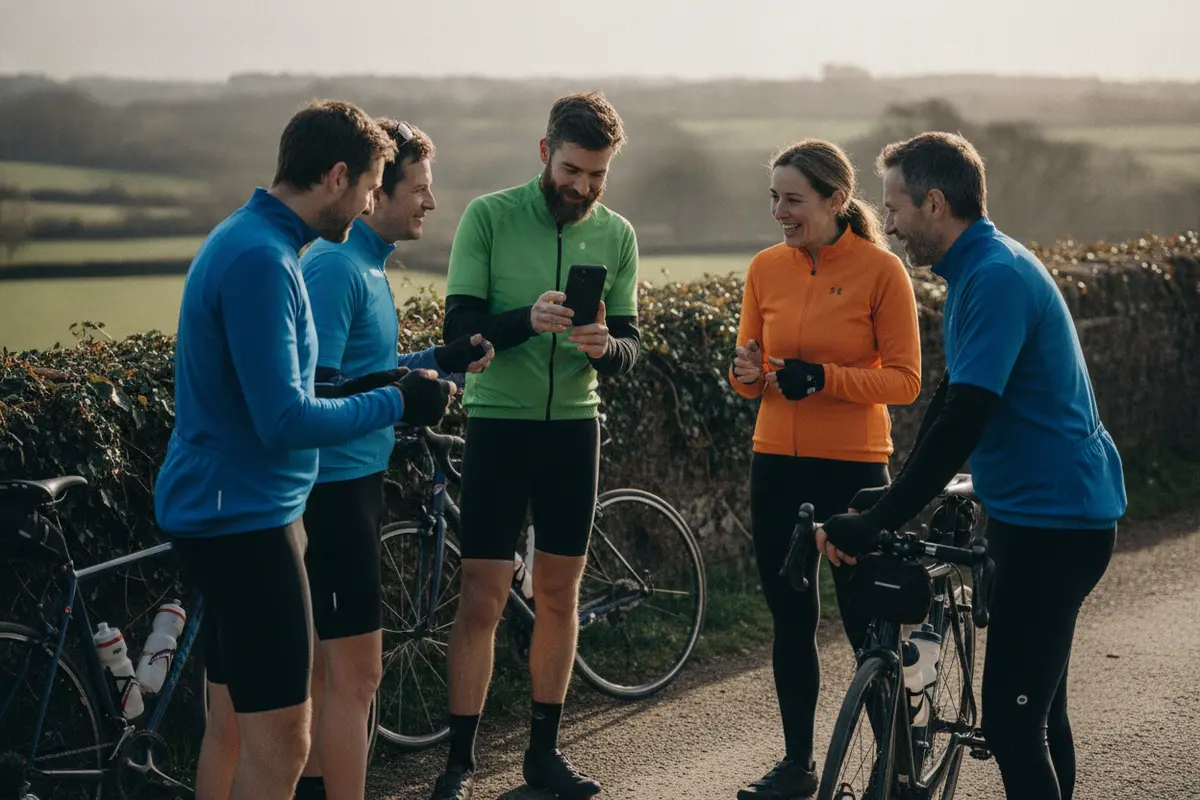
- Add a relevant image if you have permission. A real team or training photo can make the page feel connected to the people doing the work. Do not use another person’s image without permission or imply an affiliation that does not exist.
- Review it as a first-time visitor. Ask someone unfamiliar with the event to tell you what the page says, who it is for, and what they would do next. If they have to guess, revise before sharing.
A quick example of a clear appeal
A rider could write: “I’m riding with my team in a Bike to the Beach event because I want to support local autism and disability organizations. I’m sharing my page for anyone who would like to learn about the ride or contribute to our effort. Thank you for being part of the community in whatever way works for you.” The details should be personalized and checked against the current event information. The point is to name the reason, make a direct invitation, and leave the reader free to decide.
Which channels work for sharing a ride fundraising page?
Choose channels you can use comfortably and maintain. A direct note is useful for a personal connection. Email gives room for a fuller explanation and a clear link. Social media can help a wider circle see training updates, but a post still needs context. A team message can coordinate timing and prevent everyone from sending the same copy at once.
| Channel | Best fit | Useful details to include | Check before sending |
|---|---|---|---|
| One-to-one message | A personal invitation to someone you know | Your reason, a simple request, and the page link | Keep the tone personal; do not assume the person can give |
| A fuller update for friends, family, or colleagues | Event context, what support means to you, and one next step | Test the link and make the subject line specific | |
| Social post | A broader update or milestone | A brief story, current photo if appropriate, and working link | Check privacy settings and get consent for identifiable photos |
| Team update | Keeping riders and supporters in the loop | Shared purpose, genuine progress, and relevant event information | Use each rider’s own page and voice where applicable |
One channel does not need to do every job. A personal message can start a conversation; a public post can share an update; an event page can provide official details. Link to the most relevant destination for each message. If someone wants to understand Bike to the Beach’s community pathways, the community page offers a way to explore participation and other forms of involvement.
How can a team coordinate fundraising without sounding repetitive?
A team can share a common purpose while letting each rider speak in an individual voice. Agree on a few basics: which official event link to share, how to describe the local purpose accurately, when the team plans to send updates, and who will check questions that need an official answer. This small amount of coordination reduces confusion without turning every rider’s message into identical copy.
For instance, one teammate may focus on why they started cycling, while another may describe the team experience or a training milestone. Both can direct readers to accurate event information. If the team has a shared page and individual pages, label them clearly so a supporter knows where their action will go. Never assume that a team link and an individual link are interchangeable; check each one before it is published.
Teams can also share useful material internally. A short note with the event’s official links, approved description, and a point of contact makes it easier for everyone to avoid outdated details. Do not circulate private donor information in a group chat. A thank-you can be shared with the team in general terms, while a person’s name or contribution should remain private unless that person has agreed to public recognition.
What is a practical fundraising message calendar?
A light calendar helps riders communicate without sending a constant stream of identical requests. The right cadence depends on your relationships and the time remaining before the event. Tie each message to a useful moment rather than sending reminders solely because a date has arrived.
- First invitation: Introduce the event, explain why you are taking part, and share the page with a direct ask. Give people enough context to understand the link.
- Preparation update: Share something real, such as a completed training ride, a team practice, or a lesson learned while getting ready. If you include a fundraising link again, connect it naturally to the update.
- Team or mission update: Explain why the local connection matters to you. Use current information from official organization pages rather than making unsupported impact claims.
- Event-week note: Tell supporters what is happening next and where they can find official ride details. Keep any last invitation respectful and concise.
- After the ride: Thank people and share a factual recap of your own experience. If you do not yet have confirmed information about funds or outcomes, do not guess; wait for an official update.
A calendar is a guide, not a quota. If a person has already responded, acknowledge that rather than repeatedly sending the same appeal. Some supporters may be unable to contribute financially but may still share your page, encourage the team, or follow the event. Make clear that their choice is welcome.
How do you connect an online appeal with local impact?
Make the connection concrete but careful. Bike to the Beach describes its rides as raising funds and awareness for local autism and disability organizations. A rider can explain why community-based services and participation matter to them, then direct readers to the organization’s own materials for current details. The stories about why people ride can help readers understand the broader mission, while the charity bike ride guide gives background for someone new to this kind of event.
Be precise about what you know. Avoid describing a contribution as paying for a particular therapy session or resource unless the organization explicitly says so. Do not assign a dollar amount to a specific outcome without a verified source. It is enough to state that the ride supports local partner organizations and explain why you chose to participate.
For readers asking about the charitable status or tax treatment of a gift, do not offer individual tax advice or make a guarantee. The Internal Revenue Service information for charities and nonprofits is an official starting point for general information; donors should consult the organization and a qualified tax professional about their own circumstances. Keep any tax-related statement in a fundraising message appropriately cautious.
What should you verify before sharing a fundraising page?
Use a short review before each campaign launch or major update. Details can change, and an old copied message may include a broken link or last year’s event information.
- Open the page from a phone and, if possible, a different browser.
- Confirm the event, region, participant, and team are correct.
- Check that the page says what support is being invited and how to take the next step.
- Compare descriptions of beneficiaries and impact with current official information.
- Remove personal details that should not be public, and secure permission before posting identifiable photos or naming supporters.
- Ask a teammate to review the final message for clarity, tone, and link accuracy.
If a question is unclear, ask the organization rather than filling in the gap with a guess. The Bike to the Beach contact page is a place to request clarification. For a New York participant, the New York ride information is a useful event reference; check the live page for current details before sharing dates or logistics.
How can supporters participate beyond making a gift?
Fundraising pages can invite more than one kind of engagement, as long as the options are presented clearly. A supporter might share the page, come cheer for a rider where event arrangements allow, join a team, or learn more about the mission. Avoid suggesting that every option is available at every event; direct readers to current event information for specifics.
For people deciding whether the ride itself is a fit, point them to the official event details rather than relying on a rider’s memory. The Bike to the Beach rides site is another way to explore event information. Someone who wants to understand how cycling can support a cause may also find the guide to riding for a cause useful. Use the regional page for current route and participation specifics, because those details are event-dependent.
These pathways make a message more welcoming, not more demanding. Say plainly that readers can learn, share, or participate in the way that suits them. Do not imply that a person’s support is measured only by a donation.
Frequently asked questions
What belongs in a nonprofit fundraising page for a charity ride?
Include who is participating, the event and its purpose, your personal reason for riding, and a clear way to learn more or contribute. Keep impact statements aligned with current information from the organization.
How often should I share my fundraising page?
There is no universal schedule. A few useful updates tied to your preparation and event timing are often more considerate than frequent copies of the same request. Pay attention to how your audience responds.
Can our team use one fundraising message?
A shared outline can help everyone communicate accurate event details, but each rider should add their own reason for taking part. Check whether you are sharing a team page or an individual page before sending the link.
How can I describe local impact responsibly?
Explain that the ride supports local autism and disability organizations when that matches current official information. Do not claim that a particular gift funds a specific service or outcome unless the organization has confirmed it.
What if I am unsure whether a link or event detail is current?
Use the official regional ride page or contact the organization for clarification. Avoid reposting dates, distances, or logistics from an old message without checking them first.
Get in touch about the New York ride
Make your invitation personal and your information accurate
Online fundraising works best for a ride when the page, the story, and the next step all agree. Share why you are riding, make it easy for supporters to understand the local purpose, and keep every detail current. A thoughtful invitation can welcome people into the community whether they contribute, share your story, or simply cheer your team on.