
Online Fundraising for Charity Bike Rides: A Practical Guide for Riders and Nonprofits
Learn how riders and nonprofit partners can plan online fundraising for a charity bike ride, build trust, share the campaign, and follow up with donors.
Online fundraising gives a charity bike ride campaign a home base, a repeatable outreach plan, and a simple way for supporters to act. For riders, the process is more than sharing a donation link. It is a clear story, a useful page, thoughtful follow-up, and a steady connection between each gift and the local community the ride supports. For nonprofit partners, it is a shared system that helps many riders communicate with consistency while still sounding like themselves.
Explore a Bike to the Beach ride and start your fundraising journey with a community of riders, nonprofit partners, and supporters.
What Is Online Fundraising for a Charity Bike Ride?
Online fundraising for a charity bike ride is the coordinated use of a personal fundraising page. Email, social sharing, digital reminders, and donor follow-up to turn a rider’s network into campaign support. The strongest campaigns connect a personal reason for riding with a clear goal, an easy donation path, and regular updates about local impact.
This approach works for two connected audiences:
- Riders need a practical way to introduce the ride, explain why it matters, invite support, and monitor progress.
- Nonprofit partners need a consistent message framework, approved impact language, shareable assets, and a way to thank supporters after the event.
Online fundraising should not replace the human part of a charity ride. It helps more people participate in that human story. A personal email can reach a close friend, a social post can reconnect with a former colleague. And a short impact update can help a donor understand what their support makes possible.
How Does the Online Fundraising Workflow Work?
A reliable online fundraising workflow moves from preparation to launch, follow-up, and stewardship. Riders and nonprofit partners can use these seven steps to keep the campaign focused without making every post feel like a new sales pitch.
- Define the purpose and goal: Confirm the ride, beneficiary, campaign deadline, personal target, and any event rules before asking for support. Use the current information supplied by the event rather than copying old dates or requirements.
- Build or personalize the fundraising page: Add a clear photo, a concise explanation of the ride, and the reason you chose to participate. Make the donation action easy to find on a phone.
- Prepare your message: Write one short explanation of your why, one description of the ride, and one direct invitation to give or share. These become the building blocks for email, social posts, and conversations.
- Start with a warm audience: Contact people who already know you before making a broad public post. Early support creates momentum and gives you a real update to share.
- Share in waves: Use email for personal context, social media for visibility, and direct messages for one-to-one follow-up. Each channel should add a little value instead of repeating the same sentence.
- Track and follow up: Keep a simple record of who received the campaign, who donated, who asked for more information, and who may need a reminder. Respect a person’s answer and avoid sending repeated generic asks.
- Close the loop: Thank donors, share the ride-day experience, report the result when it is available, and explain how the campaign supported the local mission. Stewardship turns one gift into a lasting relationship.
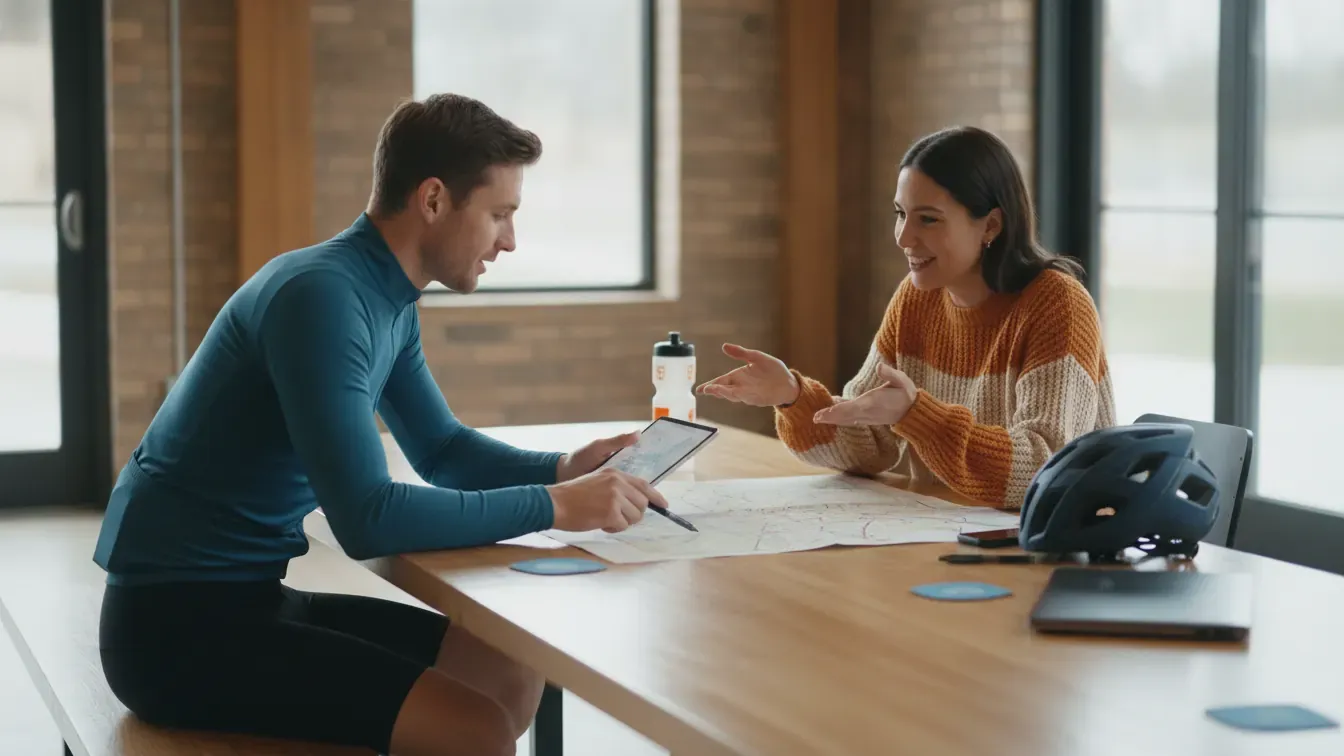
The workflow is flexible. A first-time rider may complete it in a few focused sessions, while a nonprofit partner may use the same structure across an entire team. The important part is sequencing: prepare the message before sharing the page, follow up after the first ask, and report back after the ride.
How Should Riders Build a Fundraising Page That Earns Trust?
A fundraising page earns trust when a visitor can quickly understand who is asking, what the ride supports, why the rider cares, and what action to take next. Personalization matters more than polished language. The page should feel specific enough that a friend recognizes the rider behind the campaign.
Use this page structure:
- Lead with the ride: Name the charity bike ride and explain what you are doing, such as riding a specific route, joining a team, or completing a supported distance.
- Share your personal reason: Describe a connection, value, community, or personal challenge in plain language. You do not need to disclose private details to make the story meaningful.
- Explain the local mission: Tell supporters which community the event serves and why local nonprofit partners matter. Bike to the Beach connects rides with organizations supporting individuals and families impacted by autism and other disABILITIES.
- State the goal: Give the campaign a clear target and explain that any amount helps move the campaign forward. If the event has a current minimum or incentive structure, use the official event language.
- Make the next step obvious: Use one prominent donation action and check the page on a mobile phone before sharing it.
- Update the page: Add a training note, team moment, route milestone, or thank-you as the campaign develops. A living page gives people a reason to return.
For more specific page advice, review these charity donation page tips for bike riders. Use that resource for page-level improvements, while this guide covers the larger workflow around the page.
What should a rider say in the first campaign message?
A strong first message answers four questions: What are you doing? Why did you choose this ride? Who does it support? How can the reader help? For example: “I am riding with Bike to the Beach to support local autism and disability organizations. This cause matters to me because community services make a practical difference for individuals and families. Would you consider making a gift or sharing my page?” Adapt the language to your own voice and connection.
How Can Riders Use Email and Social Sharing Together?
Email and social media work best as a sequence, not as competing channels. Email gives a rider room to explain the purpose and make a personal request. Social sharing keeps the campaign visible and makes it easy for a wider network to discover the page. Together, they create several respectful opportunities to act without requiring one message to do all the work.
| Campaign moment | Best channel | Message focus | Action |
|---|---|---|---|
| Launch | Personal email | Why you are riding and what the campaign supports | Ask for a first gift or share |
| Early momentum | Social post | Progress, training, team, or route detail | Invite a donation or repost |
| Mid-campaign | Follow-up email | Answer a common question and show progress | Make a second, specific ask |
| Final stretch | Direct message or social post | Deadline, milestone, or remaining goal | Help close the gap |
| After the ride | Email and social post | Thank-you, ride-day story, and impact update | Stay connected |
What belongs in a fundraising email?
Keep the email personal and useful. Use a subject line that identifies the ride or the reason for the message. Open with the ask rather than burying it. Share one short story, one clear goal, and one link. If the reader cannot give, invite them to forward the page to someone who may care about the mission.
Follow-up does not need to be a copy of the launch email. Share a training milestone, introduce a nonprofit partner, explain what happens at a supported ride, or thank people who already helped. Bike to the Beach riders can also use the charity bike ride fundraising letter templates as a starting point, then personalize the message before sending it.
How should a rider use social media without overwhelming followers?
Vary the format and the reason for posting. One post can introduce the campaign. Another can show preparation. A short video can explain the personal connection. A progress update can celebrate a milestone without asking for another gift. A final reminder can state the deadline. Use the charity bike ride social media calendar for planning ideas, and write captions that sound like a person rather than an organization.
What Should Nonprofit Partners Do Before and During the Campaign?
Nonprofit partners make online fundraising stronger by giving riders accurate information, a clear mission connection, and easy ways to participate. The partner does not need to write every rider’s page. Instead, it can create a shared foundation that allows individual voices to remain personal while keeping the campaign aligned with the organization’s values.
- Set the message guardrails: Provide a short description of the organization, approved language for the community served, and examples of respectful impact statements. Avoid pity-based framing or promises the organization cannot verify.
- Give riders usable assets: Share a few approved photos, short videos, impact facts, partner quotes, and suggested captions. Every asset should have a clear purpose and permission for the intended use.
- Recruit campaign champions: Identify staff, board members, volunteers, families, and community supporters who can launch early and model the type of story you want riders to tell.
- Coordinate the calendar: Align the partner’s newsletter, website, and social posts with the event’s rider outreach. A shared calendar reduces repetition and helps the campaign reach people at different moments.
- Support questions quickly: Decide who can answer questions about the mission, donation process, accessibility, event details, and impact. Route registration or platform issues to the official event support channel.
- Report back with care: After the event, collect accurate results and stories that show what support makes possible. Protect privacy and obtain permission before identifying individuals or sharing images.
This is the difference between a list of fundraising ideas and an online fundraising system. The system gives many people a common path from story to action to follow-up. Nonprofit partners can also review peer-to-peer fundraising guidance for autism support when they are building a broader ambassador program.
How Can Fundraisers Follow Up Without Sounding Pushy?
Respectful follow-up gives people context, timing, and a clear choice. It does not assume that silence means a person forgot or that every contact should receive the same number of requests. A simple follow-up system can protect relationships while helping interested supporters act.
- Thank early supporters: Acknowledge gifts and shares promptly. Personal thanks should not wait until the campaign ends.
- Separate audiences: Send a progress update to people who already engaged, and a lighter introduction to people who have not seen the campaign.
- Offer more than one role: A supporter may donate, share, join a team, volunteer, ask an employer about matching gifts, or simply learn about the nonprofit partner.
- Use a real update: Share a training milestone, a team story, a partner-approved impact detail, or a specific remaining goal. Do not manufacture urgency.
- Honor a no: Remove people from reminders when they ask, and do not treat a declined request as a relationship failure.
If a donor works for a company with a matching-gift program, point them toward the employer’s own process and explain that eligibility varies. Bike to the Beach also offers matching donation information that can help supporters explore that option.
How Do Online Fundraisers Show Donors Where Support Goes?
Donors stay connected when a fundraiser follows the gift with accurate, specific communication. Start with a personal thank-you, then share the ride experience and the verified impact information provided by the event or nonprofit partner. A useful update does not need to promise a one-to-one result for every gift. It should explain the shared work the campaign helps advance.
For Bike to the Beach, the local model is central to that follow-up. The organization connects regional rides with local autism and disability nonprofit partners, so the story can return to the community where riders and donors live. A rider might share a finish-line moment, a partner-approved program update, or a reflection on how many people worked together to support the event.
When writing an impact update:
- Use the nonprofit partner’s current name and approved description.
- Distinguish fundraising results from registration fees, sponsorships, and other event revenue.
- Use measured language such as “helped support” when the final allocation or outcome is still being determined.
- Protect private information and ask for permission before publishing a person’s story or image.
- Link to the organization’s official impact or mission page when a donor wants more detail.
Donors should also use basic care when giving through any online platform. The Federal Trade Commission’s guidance on crowdfunding and fundraising platforms recommends checking who is behind a campaign and understanding how the platform handles donations. A clear campaign page, a recognizable organizer, and an official event link all help supporters make an informed choice.
Bike to the Beach’s local impact mission gives riders a trustworthy place to continue that conversation after the ride. The goal is not only to reach a fundraising number. It is to help supporters understand the community they joined and the work their participation helps sustain.
Join a Bike to the Beach ride and build an online fundraising campaign around local impact with an event community that brings riders, donors, volunteers, and nonprofit partners together.
Frequently Asked Questions
What is the easiest way to start online fundraising for a charity bike ride?
Start by confirming the official event page and personal fundraising page, then write a short explanation of your reason for riding. Share it first with a small group of people who know you, ask for a gift or share, and use their early support to build campaign momentum.
How often should I share a charity bike ride fundraiser online?
Share at meaningful campaign moments rather than following a rigid daily schedule. A launch post, a progress update, a mid-campaign reminder, a final-stretch message, and a post-ride thank-you can create a useful rhythm. Vary the story and respect people who ask not to receive reminders.
What should a nonprofit give riders to help with online fundraising?
A nonprofit should provide accurate mission language, approved photos or videos, a few impact details, suggested captions, answers to common questions, and a clear contact for support. Riders should still personalize the story so each campaign reflects a real relationship with the cause.
How can donors verify an online charity bike ride fundraiser?
Donors can begin with the event’s official website, confirm the organizer and nonprofit connection, review the campaign details, and use a secure donation page. They can also consult consumer guidance about crowdfunding platforms and ask the rider or nonprofit partner questions before giving.
What should riders do after the charity bike ride?
Riders should thank donors and people who shared the campaign, post a genuine ride-day reflection, and share verified impact information when it is available. A thoughtful close turns a one-time donation request into an ongoing connection with the nonprofit partner and the event community.
Ready to turn a charity bike ride into local impact?
Explore the Bike to the Beach New England ride and take your next step.