
Nonprofit Storytelling: How to Share Local Impact With Respect
Learn how to develop nonprofit stories with consent, community voice and specific local impact, then connect each story to a useful next step.
Nonprofit storytelling shares the people, choices and community work behind a mission. The strongest stories are specific, shaped with consent and told with the people involved rather than about them. For a charity ride community, that can mean showing how riders, volunteers and local autism and disability organizations come together, while being clear about what a story can and cannot claim.
Talk with Bike to the Beach about sharing a local impact story
What makes nonprofit storytelling respectful and useful?
A respectful story does more than describe a good cause. It lets readers understand a person, a community or a local organization in its own context. It gives people room to speak about their lives, work and goals. It does not reduce anyone to a diagnosis, fundraising target or moment of hardship.
Useful storytelling also answers practical questions. Who is involved? What matters to them? What happened, and what can be said accurately about it? Why is this relevant to the reader? What is a suitable next step? Clear answers help a reader connect the story to the mission without asking the story to prove more than it can.
For Bike to the Beach, stories can be rooted in riders and teams, local partner organizations, or the community built around a ride. The Why We Bike stories and impact page is one place to explore how individual experiences connect to the purpose of riding together. A story can be warm and inspiring while staying honest about its scope.
Northwestern University’s Kellogg School of Management notes that narrative can deepen relationships with donors, beneficiaries and internal teams. The point is not that every story must make a dramatic appeal. Clear, human accounts can help people understand one another and the work.
Who should help shape the story?
Start with the person or group whose experience is central. If the story is about a rider, invite the rider to define what feels important. If it is about a local organization, ask its representatives what readers should understand about its mission and work. Do not assume that an organizer or donor knows which details matter most to the people involved.
Give people real choices. They should be able to accept or decline an interview, choose which details they are comfortable sharing, and ask where the story will appear. Explain intended formats, such as a blog article, email or event recap, before collecting material. If the plan changes, check in again rather than treating an earlier yes as permission for every future use.
Participation should not depend on agreeing to be featured. Keep the invitation separate from any service, event role, fundraising request or relationship with an organization. Make it easy to decline without explaining why. When someone speaks on behalf of a team or organization, clarify whose perspective the story represents. One person’s account is not automatically the view of an entire community.
How can you ask for consent throughout the process?
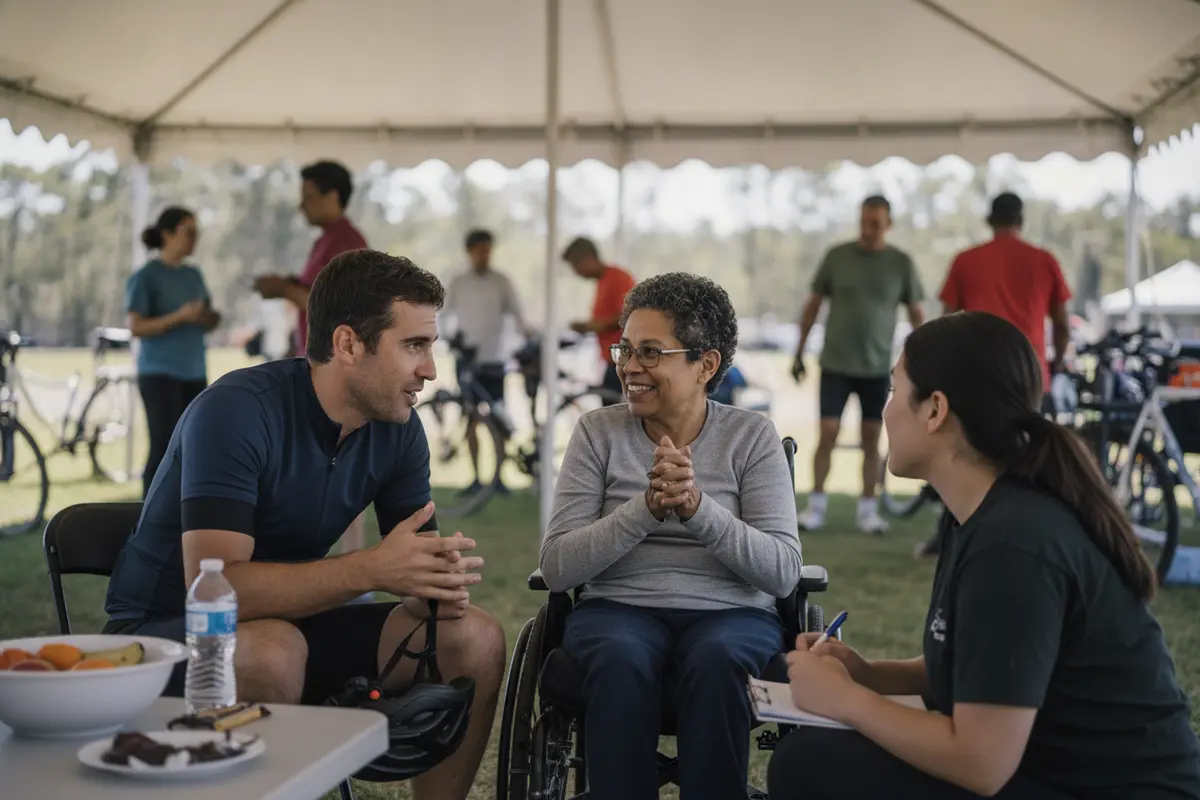
Consent is a conversation, not a signature alone. Before an interview, explain the purpose, audience, possible channels and kinds of details you hope to discuss. Ask whether the person wants their name, image, role or organization included. Offer alternatives, such as using a first name, omitting a photograph or focusing on the work rather than personal history.
Use open questions that let people set their own boundaries:
- What would you like readers to know about your work or experience?
- Is there anything you would prefer not to discuss or include?
- How would you like your name, role or organization described?
- Would you like to review your quotes or identifying details before publication?
Do not press for a more emotional answer after someone sets a limit. A person does not need to disclose private or painful information to make a story meaningful. If a participant is a minor or another person must provide permission, follow the applicable consent process and confirm who can authorize the interview and image use.
Before publication, verify names, titles, quotes and factual details with the people concerned. Review is a practical way to catch errors and make sure their words are represented fairly. If you cannot confirm a detail, leave it out or describe the uncertainty plainly.
How do you build a story from specific details?
Specificity helps readers picture the work without sweeping claims. Choose one central moment or question, then gather a few verified details that illuminate it. These might include why a team chose to ride, what a volunteer does at an event, or what a local partner wants people to understand about its programs.
Before an interview, write down the one thing you want the reader to understand and the facts you still need to confirm. This keeps the conversation focused without forcing it into a predetermined storyline. Ask a broad opening question, then follow the speaker’s lead. If a detail is unclear, ask what they mean rather than filling the gap with your interpretation. Keep interview notes separate from assumptions and background information.
After the conversation, choose details that serve the central point. A scene, a short quote and one or two concrete examples can do more than a long list of claims. Keep context around quotations so a sentence is not made to sound more sweeping than intended. If a person’s words seem to conflict with other information, ask a follow-up before deciding how to present the difference.
Try this drafting test: summarize the story in one sentence, then check each paragraph against it. If a paragraph does not explain the person’s perspective, the event or the local work, it may not belong. A simple structure is to introduce the person or organization in context, explain the moment or action they want to share, show what they did or learned, and connect that experience to the larger mission. Let people provide the meaning; do not assign motives or feelings they did not express.
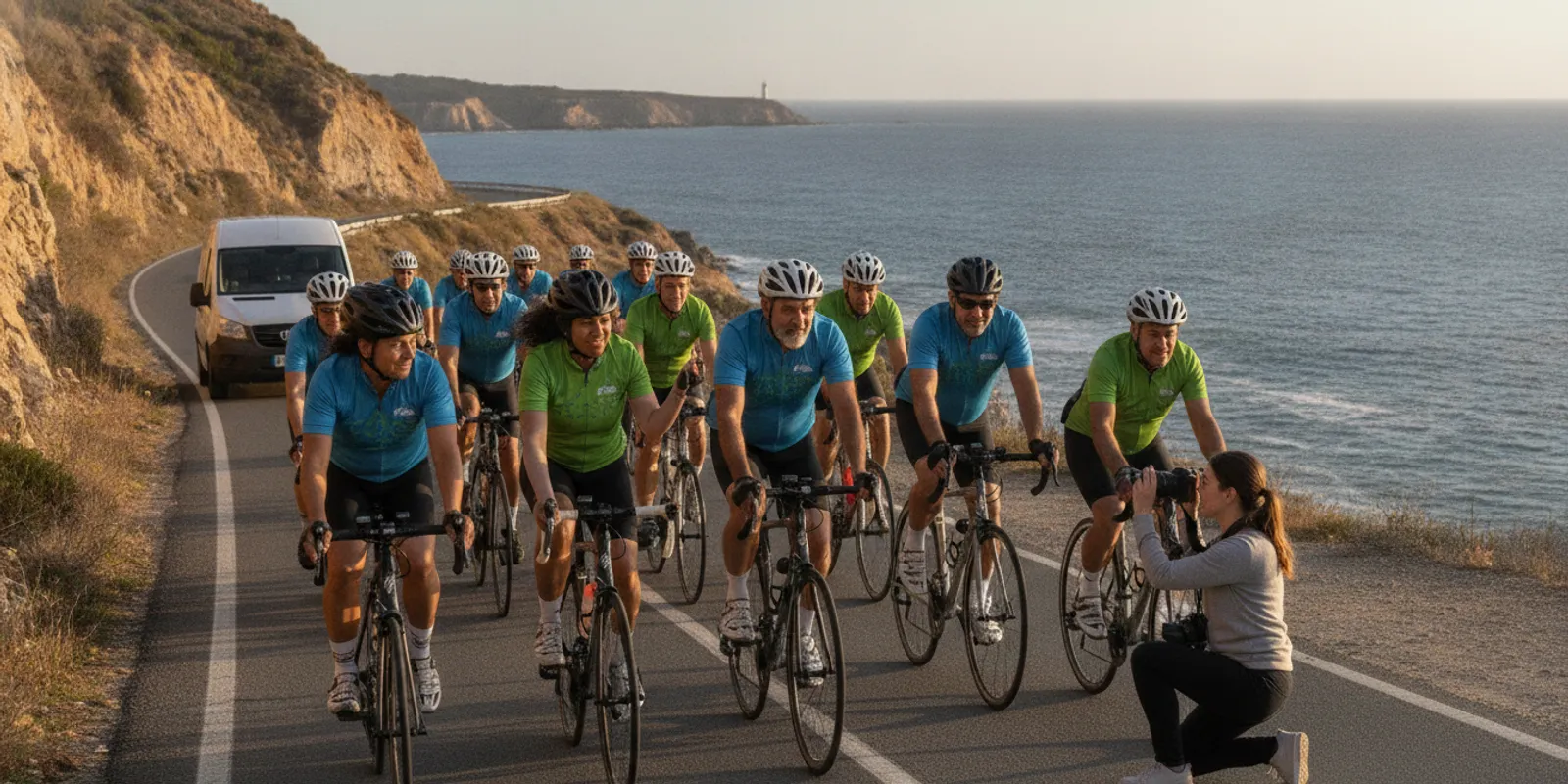
For a charity ride story, the event itself can provide a clear arc. A rider prepares, joins a team, meets others along the route and reaches a shared finish. The story need not suggest that one ride solves a complex issue. It can show why a participant chose to take part and how local organizations connect the event to ongoing community work.
Bike to the Beach’s autism charity ride information and guide to riding for a cause can help readers understand event context. Use background to clarify the story, not replace the voice of the rider or partner whose experience is being shared.
How can a story show local impact without overstating it?
Separate what happened from what you hope it will lead to. A completed event, participant fundraising and a local partner’s work are related, but not interchangeable. Be precise about the connection. If fundraising supports local organizations, say that accurately. Do not imply that a particular contribution paid for a named service unless that link is confirmed.
Use evidence at the right scale. A quote can show what one rider experienced. A partner’s description can explain its work. An impact report may provide broader information about contributions or programs. These sources answer different questions. Avoid turning an individual’s story into a claim about every participant or every person served.
Review every sentence that describes results. Can you point to a person, statement or record that supports it? Does it imply cause and effect that has not been established? Would the person recognize the account as their experience? If unclear, narrow the wording. Replace an absolute claim such as “the ride changed the community” with a precise account of what someone saw, did or hopes to support.
Bike to the Beach describes a model in which participant fundraising goes to local partner organizations. Stories should preserve that focus without suggesting the organization itself delivers every service described by a partner. Learn about the community and participation pathways, and confirm specific impact details with the relevant organization.
Which story approach fits the goal?
Different formats call for different levels of detail and review. Choose one that gives the person room to be understood while respecting their time and comfort. This table is a planning aid, not a substitute for consent or fact-checking.
| Story approach | Best suited to | What to confirm | Common risk |
|---|---|---|---|
| Rider or team profile | A participant’s motivation and ride experience | Preferred name, team details, quotes and image permission | Presenting one rider as representative of all participants |
| Local partner feature | Explaining an organization’s mission and work | Preferred description and approved facts | Confusing fundraising with a specific program result |
| Event moment or recap | Showing how people took part together | Permission for identifiable people and event details | Using a candid moment without asking those featured |
| First-person reflection | Letting a participant speak directly to readers | Quote accuracy, context and comfort with publication | Editing away nuance for a simpler emotional arc |
How do you connect a story to a clear next step?
A story can invite action without turning a person into a tool for persuasion. Choose one next step that fits the subject. A rider profile might invite readers to learn about joining a ride. A local partner feature might point to the partner’s work or the community behind the event. A team story might invite readers to explore taking part with colleagues or friends.
Make the invitation direct and proportionate. Tell readers what they can do, where to go and what they will find. Do not imply that a single click, donation or ride resolves a complex need. When the best next step is learning more, say so. The Bike to the Beach community page offers a starting point for participation, while the autism advocacy resource is relevant for readers exploring advocacy.
Teams can review fundraising training information to understand ride fundraising context before drafting participant communications. For a potential business partner, use sponsorship information rather than placing several competing calls to action in one article.
What should you check before publishing?
Read the story once for the person’s voice and once for accuracy. Then review images, links and the invitation separately. A useful checklist includes:
- Every person featured understands the story’s purpose and where it may appear.
- Names, roles, quotes and organizational descriptions are accurate and checked as agreed.
- The story includes only personal details the person chose to share.
- Images are authorized, and captions do not identify someone in an unapproved way.
- Claims about fundraising, services or outcomes have a clear source and do not overstate cause and effect.
- The piece distinguishes an individual’s experience from broader community experience.
- The invitation to act is relevant, plain and optional.
Keep a record of permissions and the agreed use. If the subject asks for a correction or raises a concern, respond promptly and make a reasonable correction. Listening after publication matters as much as asking good questions at the start.
Talk with Bike to the Beach about sharing a local impact story
Frequently asked questions
Does every nonprofit story need a personal hardship?
No. A story can focus on a person’s choices, skills, relationships, goals or work. Sharing hardship is not a requirement for helping readers understand a mission. Let the person decide what they want to discuss.
Can you edit a participant’s words for length?
You can edit for clarity and length while preserving meaning and context. Do not combine separate comments into a quote that changes the point. Confirm edited quotes when possible, especially if changes affect tone or meaning.
What if the story includes an unconfirmed impact claim?
Leave it out until the relevant person or organization can confirm it. You can still tell a meaningful story about what someone experienced, what an organization says it does or what a participant hopes their effort will support.
Share the work, and keep listening
Good nonprofit storytelling is a practice of listening, checking details and sharing the right context. It can help readers understand how riders, teams and local autism and disability organizations connect through a community event, while keeping the people at the center in control of their own words.
Ready to share a local impact story?
Contact Bike to the Beach to discuss a story
Start with the people involved, make the next step clear and let accuracy guide every claim.