
New York Autism Charity Ride: First-Timer’s Guide
Start your New York autism charity ride with practical fundraising tips, donor messages, team options, ride support details, and local impact.

Your first fundraising goal can feel more intimidating than your first long training ride. The good news is that you do not need a huge social following or years of cycling experience to make a meaningful local difference. You need a clear reason to ride, a practical plan, and the courage to make the first ask.
Explore the New York autism charity ride and choose your route.
The New York autism charity ride connects community members with a fully supported cycling event that funds services for people with autism and other disABILITIES on Long Island. The October journey follows a scenic route from Manhattan to Smith Point Beach, and rider fundraising stays with local nonprofit partners. First-time fundraisers can build momentum by sharing why they ride, making direct asks, posting regular updates, and thanking every donor. Riders can choose between 50-mile and 100-mile options and receive route support, including mechanical help, SAG vehicles, and rest stops about every 15 miles. Confirm current registration details and fundraising requirements on the official ride page before making plans.
This guide breaks the experience into manageable steps, from choosing a route and team to writing donor messages that sound like you. It also explains how your fundraising supports local organizations, so you can invite donors into a clear and credible mission.
What makes the New York autism charity ride different?
The New York autism charity ride is more than just a bike trip. It is a way to help local homes. While many rides send money to far-away places, this event keeps funds in your home area. Every dollar you raise goes to local groups that help people with autism and other disABILITIES. This direct link makes the day feel special for both the riders and the people they help.
Local impact in your backyard
When you join this event, you join a close team. The ride starts in Manhattan and ends at the sea. It shows what people can do when they work as one for a good cause. You are not just a name on a list. You are a key part of a group that cares about its neighbors. This local focus is why so many people return year after year.
The money raised stays right here in the New York area. It funds local plans that give real help. This can include things like social groups or job skills for those with autism. Since the impact is local, you can see the results of your work in your own town. This makes the work of training and raising funds worth it.
Safe and full help for all
You do not have to be a pro to ride. There are paths for many skill levels. You can choose the 50-mile half-century or the full 100-mile century ride. Both options come with full help along the way. There are rest stops about every 15 miles with food and water. If your bike breaks, a team is there to fix it. If you cannot finish, a van can pick you up.
This help makes it a good choice for a first ride. Staying active is a key way to stay healthy. For those with autism, regular movement can be very helpful. One study shows that moving can help improve conduct and social skills for people with ASD. By riding, you help to fund these kinds of good plans for others.
A finish at the shore
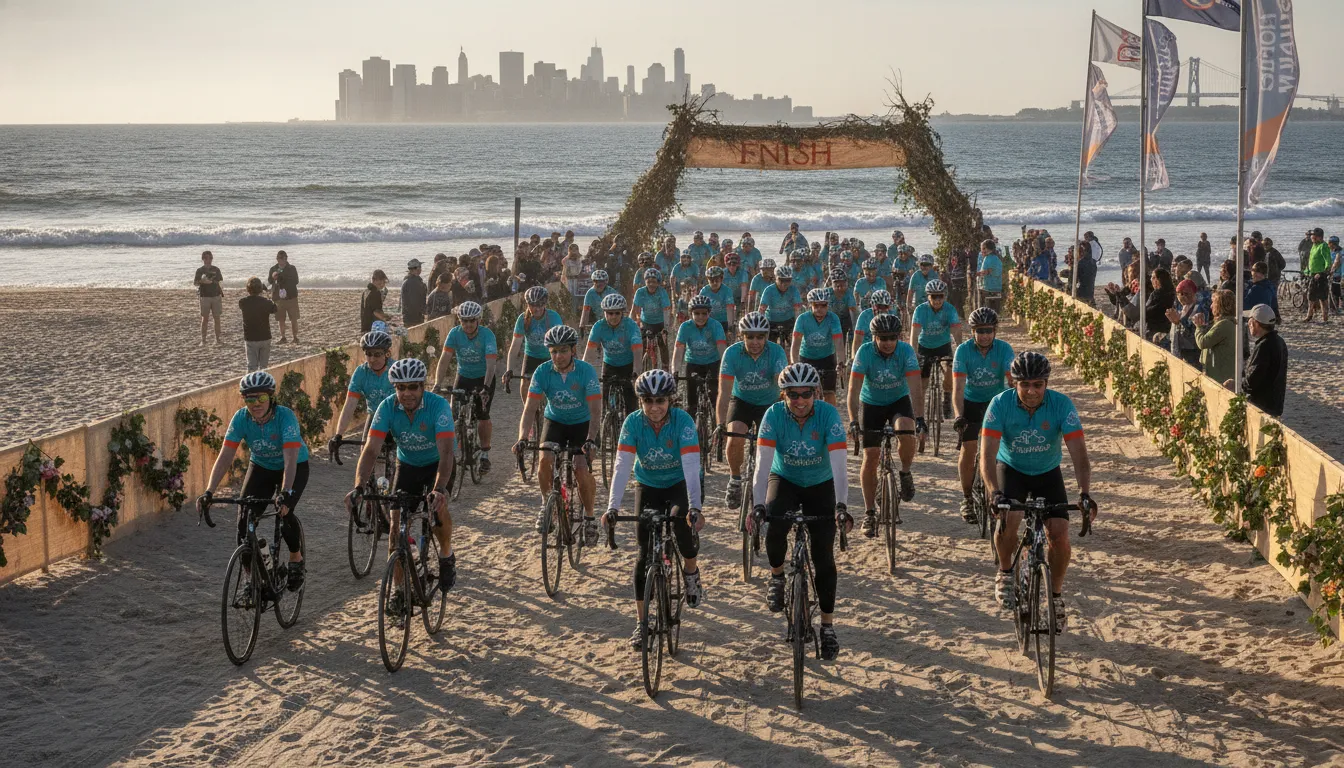
The ride takes place in October when the air is cool. The path leads from the busy city streets to the calm of Smith Point Beach. Crossing the finish line at the beach is a great feeling. You can enjoy your win with friends, family, and other riders. It is a time to rest and look at what you have done for the area.
Many people find that the beach finish is the best part of the day. It is a chance to see the ocean and feel proud of your hard work. Most riders raise about $1,000 to help their neighbors. This large sum shows how much the local group cares. Whether you ride 50 miles or 100 miles, the end is a win for all.
What should first-time riders expect?
Distance and route options
Joining a New York autism charity ride for the first time is a big step. You do not need to be a pro to join us. We offer two main paths for our October event. You can choose the full Century Ride, which covers over 100 miles. If you want a shorter path, the Half-Century Ride is about 50 miles.
The route starts in Manhattan and goes all the way to Smith Point Beach. This path gives you a great mix of city views and fresh beach air. These choices make the ride work for people of all skill levels. Even if you just started biking, you can find a distance that fits your goals. Every mile you ride helps raise funds that stay right here in the local area.
Full support for every mile
You never have to bike alone or without help. We give full support to every rider from start to finish. We place rest stops about every 15 miles along the whole route. These stops have the food and water you need to stay strong. You will find fruit, snacks, and sports drinks to keep your energy up. Volunteers will be there to cheer you on and help you refuel.
If you have a flat tire or a broken chain, our repair team is ready to help. We also have SAG vehicles on the road. These “support and gear” trucks can pick you up if you cannot finish a part of the ride. This care helps new riders feel safe and ready. Research shows that exercise like biking can help kids with autism improve their motor skills. A study from the National Institutes of Health shows that regular movement also helps with focus and behavior.
Planning your ride day details
Good prep is key for a smooth day. You should start planning your charity ride day several weeks early. Think about your bike, your gear, and how you will get to the start line. If you do not have a bike, you can rent one for the day. Many rentals come with a helmet and help with seat adjustments.
Make sure your bike is in good shape before the ride. If you ship your bike, it should arrive at least one week before the event. You can also read our full New York charity cycling event guide for more tips. This guide covers local impact and help services. When you reach the finish line, you will find a big beach party waiting for you. There will be food, music, and a chance to meet other riders who care about this cause. Knowing what to expect makes the day more fun and lets you focus on helping families.
How to build your first fundraising plan
Raising money for your first ride can feel like a big job. But a clear plan makes the work easy and fun. Most people who join a New York autism charity ride raise about $1,000 to help their community. You can reach this goal too by taking small steps each day. A good plan keeps you on track and helps your donors feel part of your journey.
Share your own story
People want to know why you chose to ride. Your story is the best way to get their help. Tell your friends and family why this cause matters to you. Maybe you have a loved one with autism or you just want to support local kids. When you speak from the heart, people are more likely to give.
When you share your story, you also help people learn about health. For instance, research shows that exercise improves motor skills and social skills for children with autism. This fact helps donors see how their gifts make a real difference. Your ride is not just a trip to the beach. It is a way to fund programs that change lives.
Focus on local impact
Tell your donors that their money stays right here in New York. We give 100% of your funds to local charity partners. This means your work helps families in your own city. People love to give when they know the money helps their neighbors. You can mention local groups that you hope to support with your miles.
If you are new to raising money, do not worry. Our team provides planning your charity ride day tips to help you. We want you to feel strong and ready when you start your ride from Manhattan. Your plan is the map that leads to your goal.
Follow a simple plan
A good plan starts with small actions. You do not need to be an expert to do well. Follow these steps to build your campaign and reach your goal fast.
- Set up your page. Log in and pick a photo for your page. A picture of you on your bike helps people feel close to your goal. Make sure your name is clear so friends can find you.
- Write your “why”. Put your own story on your page. Keep it short but make it clear. Tell people what you hope to do for the autism community.
- Email your close circle. Send a note to your five closest friends first. Ask them to help you start with a small gift. Seeing early gifts makes others more likely to give when they visit your page.
- Post on social media. Share your link on sites like Facebook or Instagram. Use a fun photo from your training to show your progress. Tag your friends to help spread the word.
- Follow up and say thanks. Many people forget to give on the first try. Send a kind note after a few days. Always send a thank you note as soon as a gift comes in to show your love.
If you need more detail on setting up your page and writing your story from scratch, read our full guide on how to create a charity bike ride fundraising page.
Keep your group posted with news on your training. Share how many miles you rode each week. When people see you working hard, they feel proud to back you. Your efforts help us build a better world for people with disABILITIES. Every dollar you raise helps us grow our community of support.
What should you say to potential donors?
When you sign up for a New York autism charity ride, the next step is to ask for help. Many people feel shy about asking for money. But most of your friends and family will want to help a good cause. You just need to tell them why this ride matters to you. Your message should be clear and kind. It should show how their gift will change lives in their own town.
Share your own story
The best way to get people to give is to share your own story. Tell them why you chose to join this New York autism charity ride. Maybe you have a child with autism. Or maybe you just want to help people in your local area. When you share your “why,” it helps others feel a link to the cause. You can post your story on social media or send it in an email.
You might also talk about how bike rides help kids. Studies show that exercise helps children with autism improve their social skills and motor skills. When you bike for a cause, you are helping to fund these types of life-changing programs. Your friends will be more likely to give if they see the real good their money can do. Focus on the benefits that these programs bring to families.
Help local families
People love to know where their money goes. When you raise money for Bike to the Beach, you can tell your givers that the funds stay local. The money you raise in New York goes to help nonprofit partners in the New York area. This makes the gift feel more real to them. It shows that they are helping their own neighbors and local families. This local focus helps us support people with autism and other disABILITIES.
You can list a few things the money might pay for. It could help fund sensory gyms or special school programs. It could also help pay for therapy that helps kids learn and grow. Use simple words to explain these goals. You do not need big words to show that you care. Just be honest about the needs in your town. A small gift can make a huge change for a family in need.
Ask for an exact amount
Do not be afraid to ask for a set amount. You can tell people that the New York charity cycling event has a set goal for each rider. Many riders aim to raise about $1,000 to help the cause. If you ask for a set price, like $25 or $50, it makes it easy for people to say yes. They will know exactly what you need to hit your goal. It takes the guesswork out of giving.
Make sure you tell them how to give. Send a link to your personal page so they can pay online. After they give, send a quick note to say thanks. You can also send them a short update on your training. This keeps them involved in your journey. A simple “thank you” goes a long way in building a team of givers who will support you every year. Your givers are part of the team too.
Should you ride solo or join a team?
Picking how to take part in a New York autism charity ride is a key choice. You can sign up on your own or join a group of other riders. Both paths help you reach the beach finish and raise funds for local families. Most riders find that having a plan helps them stay focused on the goal.
The power of a team
Joining a team is a great way to stay on track. Many people form teams with friends or people from work to take part in this New York charity cycling event. Work groups often use the ride as a way for staff to bond while doing good. Teams share a common goal and help each other raise money for local autism partners. This shared work makes the task feel easier and more fun.
Working as a group also helps you stay on task. It is harder to skip a training ride when your friends are waiting for you. Teams often set higher goals together. Since the average rider raises about $1,000, a large team can have a big impact on the area.
Why some choose to ride solo
Riding solo gives you full control over your day. You can set your own pace and stop at rest stops when you want. Some riders use this time for quiet thought on why they bike. They focus on the personal goal of finishing the 50 or 100-mile route from Manhattan to Smith Point Beach.
Solo riders still get full support on the road. You will find rest stops every 15 miles with water, food, and friendly faces. SAG vehicles and bike techs are also there to help if you have a flat tire. You are not alone on the route. You will be riding with many other people who care about the same cause. This choice is best if you like to train and ride at your own speed.
Which path fits you best?
Picking between solo and team riding depends on your goals. Teams are great for social support and big goals. Solo riding works well for those who want a personal challenge. Research shows that exercise interventions improve social skills for people with autism, so any path you take has a real impact.
Think about your past rides and how you like to train. If you love the energy of a group, a team is the right fit. If you want a day of focus and personal pride, solo is a great pick. No matter which you choose, your work helps local groups provide therapy and support to families who need it most.
| Feature | Riding Solo | Joining a Team |
|---|---|---|
| Fundraising | Personal goal focus | Shared goals and group help |
| Training | Free schedule | Set group ride times |
| Social Time | Quiet thought | Team spirit and bonding |
| Pacing | Your own speed | Often ride together |
How does your fundraising create local impact?
Your ride is more than a finish-line goal. Bike to the Beach works with local autism and disability nonprofit partners, helping funds raised in the region support services in the region. That community-first model gives you a clear answer when donors ask where their contribution goes.
Depending on the work of local partners, support may help strengthen programs such as sensory gyms, therapy, education, recreation, family support, and inclusive community activities. Rather than positioning yourself as a rescuer, explain that you are joining neighbors in shared action alongside organizations already serving New York-area families.
Make the impact easy to understand
- Tell donors why local autism and disability inclusion matters to you.
- Explain that the ride connects fundraising with local nonprofit partners.
- Share updates from Bike to the Beach so donors can see the broader community effort.
- Thank every donor for being part of that effort, regardless of gift size.
You can learn more about the people and motivations behind the mission through Why We Bike.
Your first-time fundraiser checklist
A good first campaign is built through consistent, manageable actions. Use this checklist to move from interested rider to confident fundraiser.
- Review the current ride details. Check the official New York ride page for available routes, registration details, current fundraising requirements, and logistics.
- Register and build your fundraising page. Add a clear photo and a short explanation of why you are riding.
- Write down your first donor list. Start with family, friends, colleagues, neighbors, and community groups.
- Make direct asks. Send personal messages before posting broadly on social media.
- Share progress. Connect training milestones and fundraising updates so supporters can follow the journey.
- Prepare for the ride. Follow a realistic training schedule and confirm your bike, helmet, hydration, clothing, transportation, and event-day plan.
- Say thank you. Thank donors quickly, then update them again after the ride.
- Ask for help early. If you have questions about fundraising, teams, or logistics, contact Bike to the Beach.
You do not need to be an experienced fundraiser to begin. You need a meaningful reason, a practical plan, and the willingness to invite people into the effort.
Frequently asked questions
Do I need to be an experienced cyclist?
No. Bike to the Beach welcomes experienced cyclists, casual riders, and first-time charity ride participants. Review the current New York ride options, choose the best fit, and prepare with consistent training.
Do I need fundraising experience?
No. First-time fundraisers can succeed by starting with a personal reason, making direct asks, sharing regular progress, and thanking supporters. A team can also provide encouragement and shared accountability.
Where can I find the current fundraising minimum and ride details?
Use the official New York ride page for current distances, fundraising requirements, registration information, and event logistics. Details can change, so confirm them before making plans.
Can my company participate?
Companies can explore employee teams, volunteering, and sponsorship opportunities. Visit the sponsor page or contact the Bike to the Beach team to discuss the right option.
How can I make donor messages feel personal?
Explain why you chose the ride, what your training and fundraising goal means to you, and why local autism and disability support matters. Make a clear ask, then thank the recipient for considering it.
Ready to ride and fundraise in New York?
Turn your first campaign into a supported ride with a meaningful local purpose. Review the current routes and registration details, then take your first step toward the beach.
Explore the New York ride or contact Bike to the Beach with questions.