

Donor Stewardship: A Community-First Guide for Nonprofit Partners
Build donor stewardship around timely thanks, verified local impact updates, personal relevance, and meaningful ways to stay connected throughout the year.
Donor stewardship is the ongoing work of showing supporters what their generosity makes possible and inviting them into a meaningful relationship with the mission. For autism and disability organizations, that means more than sending a quick thank-you: it means acknowledging support, sharing clear local impact, and creating appropriate ways to stay connected.
Connect with Bike to the Beach about community impact
What does donor stewardship include?
Stewardship is the relationship work that follows and surrounds a gift. It can begin with an immediate acknowledgment, but it continues through updates, conversations, invitations, and dependable follow-through. It is not the same as asking for another contribution every time you communicate. A useful system answers four questions: Was my contribution received and appreciated? What work did it help make possible? Why does that work matter to people here? How can I remain connected in a way that suits me?
For a local autism or disability organization, the answers should reflect actual programs and community priorities. A supporter may care about recreation, therapy, education, access, or family support. Do not assume every donor shares the same motivation. Learn what matters to them, then share relevant information without promising outcomes you cannot verify. Donor stewardship is also distinct from donor retention as a narrow outcome measure: the practice is about responsible communication and relationship, not simply whether a person gives again.
How can you build a practical stewardship system?
A small, repeatable process is more useful than a complicated plan no one can maintain. Assign responsibility for recording gifts, sending acknowledgments, checking impact details, and following up. If several people communicate with supporters, agree on a shared record so that messages are coordinated and preferences are respected. A useful record need not be elaborate. It can note gift date, acknowledgment date, preferred channel, topics the supporter asked about, questions awaiting answers, and who owns the next step.
| Stewardship moment | Useful action | What to verify |
|---|---|---|
| Gift received | Send a prompt, personal acknowledgment | Correct name, gift details, preferred contact channel |
| Program milestone | Share a concise local update | Program facts, permission, accuracy of outcomes described |
| Community event | Offer an invitation or participation option | Access details, date, location, relevance to donor |
| Year-end or anniversary | Reflect on the relationship and next steps | Past communications, preferences, unresolved questions |
Use this as a starting point, not a rigid schedule. A donor who prefers email may not welcome a phone call. Someone who has asked for fewer messages should not receive a high-frequency campaign just because it appears on the calendar. Keep contact information secure and limit access to people who need it.
Set clear ownership and a handoff
Small teams often rely on one person remembering what was promised. Make that promise visible. For example, if a supporter asks how a community activity went, record the question, assign a staff member to confirm the details, and set a realistic reply date. If the person responsible is away, another team member should be able to see what remains open without sending a duplicate or contradictory message.
Before a communication goes out, use a simple review: Is the recipient correct? Is the message relevant? Are facts confirmed? Has the team honored the person’s contact preference? Does the message make a clear distinction between an activity and a demonstrated outcome? A brief checklist reduces avoidable errors while keeping the process manageable.
How should you acknowledge a contribution?
Begin by confirming receipt and expressing gratitude in plain language. Name the contribution when appropriate, but avoid making the acknowledgment feel like an invoice or a second solicitation. A personal note can reference the donor’s stated interest or connection when that information has been shared and it is appropriate to use.
- Send the note promptly using the donor’s preferred channel when known.
- Use the donor’s correct name and accurately record the gift.
- Say what the support means to the organization without exaggeration.
- Provide any required gift documentation through the organization’s established process.
- Make it easy to correct contact details or request a different communication preference.
Keep gratitude distinct from another request. A thank-you should make clear that the contribution was received and valued without immediately pressing for another gift. If a supporter has questions about how a contribution is recorded or used, answer from the organization’s records and established policies. When the answer needs checking, say that you will confirm it and follow up rather than guessing.
Acknowledgment is the beginning, not the entire relationship. A later update can show how the organization is carrying out its work, even when the gift was unrestricted and cannot be tied to one specific activity. Avoid implying that a particular contribution paid for a specific service unless records support that statement.
How can you report local impact responsibly?
Specific, honest updates help supporters understand the work behind a mission. Share what happened, where it happened, and what the organization learned. For example, a local partner might describe a recreational opportunity, an educational support activity, or improvements to an accessible community space if those details are confirmed and approved for sharing. Keep the explanation understandable to someone who has not been involved in the program.
Separate activities from outcomes. Saying that a program session took place is different from claiming that it changed a participant’s life. Use measured language, provide context, and explain limitations when relevant. Never share a person’s story, image, or disability-related information without appropriate permission. Protect dignity and privacy; people are not marketing material.
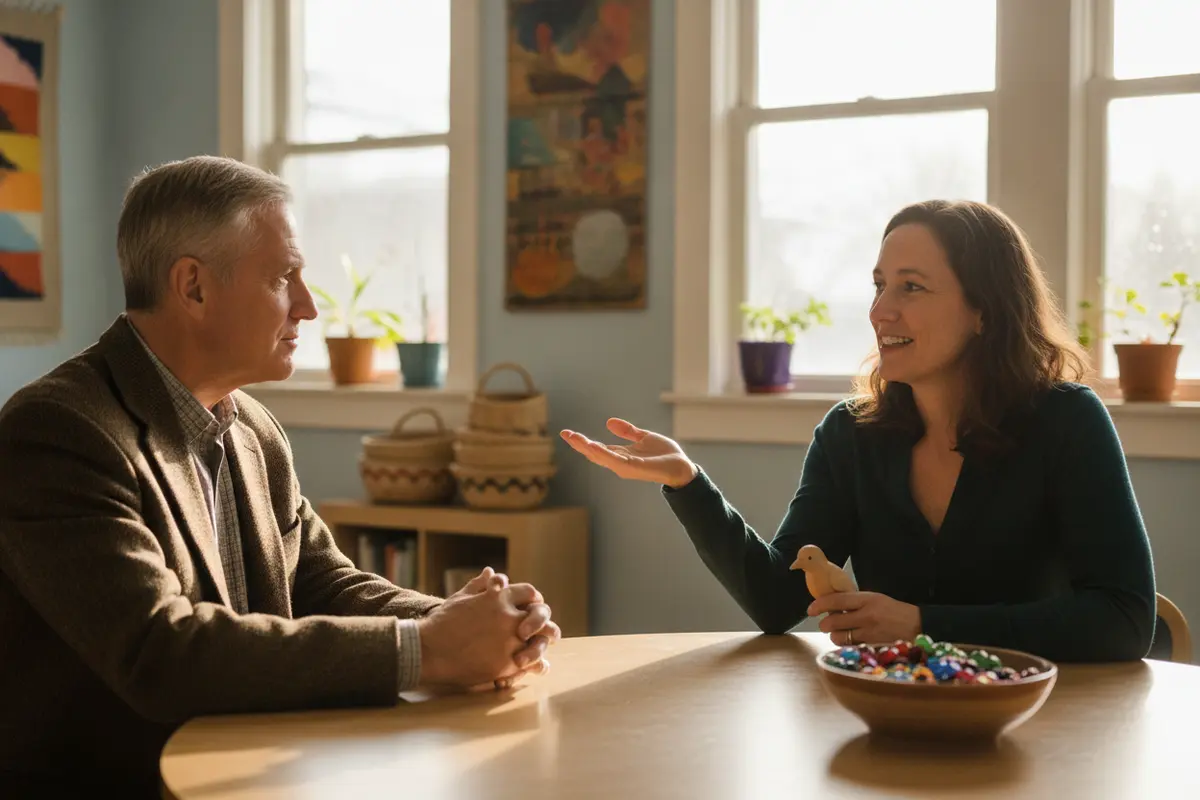
A clear update can follow a simple pattern: what the community needed, what the organization did, what was observed, and what comes next. If you cannot yet measure a result, say so and describe how you will learn more. For additional mission context, supporters can explore Bike to the Beach stories and community impact.
Build a short impact note from verified details
Imagine a partner has hosted an inclusive recreation activity. A responsible note could state the date and type of activity, describe what participants were offered, and share an observation that program staff have confirmed. It should not claim a lasting change in wellbeing unless the organization has evidence for that conclusion. If attendance numbers or feedback are not collected, do not imply that they are. The most useful report is not necessarily the most dramatic one; it is one a reader can trust.
Before publishing or sending a story, ask the program lead to confirm names, dates, descriptions, and permissions. Check whether the person described has approved the specific details and channel, not merely whether they once agreed to take part in a program. Remove details that are not needed to explain the work. Where possible, let people describe their own experiences in their own words and review how those words will be used.
How do you make stewardship personally relevant?
Relevance starts with listening. Ask supporters what kind of information they value, whether they want event invitations, and how often they prefer to hear from you. Record the answer and make it easy to change later. Do not infer personal interests from a donor’s name, age, or presumed relationship to autism or disability.
Then adapt the message, not the facts. A supporter interested in community recreation might receive a program update about that work. A rider may be interested in how event fundraising supports local organizations. Someone who prefers a brief annual summary can receive that instead of frequent messages. Each communication should be truthful and useful to the person receiving it.
Bike to the Beach brings cycling and charitable giving together through regional rides that raise funds and awareness for local autism and disability organizations. The community page offers pathways for people interested in participating, volunteering, sponsorship or team involvement, service-provider participation, and general contact. The charity ride overview explains the ride experience. Organizations working together can also review partnership opportunities when collaboration is relevant.
Use a preference conversation, not a profile guess
A short preference question can prevent irrelevant communication: ‘Would you rather receive occasional program updates, event invitations, or a yearly summary?’ Give the supporter a way to answer without pressure. If they choose several topics, record that choice and still avoid sending every update to everyone. A person can change their preference later, and a quiet response should not be interpreted as permission for more frequent contact.
Personalization also includes accessibility and format. Ask whether a supporter prefers a brief email, a phone conversation, or another available format. Use plain language, explain acronyms, and make event details easy to find. Do not assume a person’s access needs based on disability-related interests or associations; ask and respect the answer.
How can community events deepen connection?
An invitation can help a donor experience the people and purpose behind an organization, provided the event is welcoming and accessible. Share what to expect, practical access information, and whether the event includes participation or volunteer options. Make clear that attendance is optional; support should not be treated as a requirement to join an event.
At a charity ride, a local partner can explain its mission in its own voice. A brief conversation, an approved program display, or a post-event update can make the connection tangible. Ensure that the partner organization has reviewed descriptions of its work and that any personal story has been shared with consent. See how a charity bike ride can support autism-related community work and the fully supported ride guide for further event context.
Make an invitation useful before event day
A useful invitation answers the practical questions a supporter may have: what is happening, where and when it takes place, what participation involves, and whom to contact with access or schedule questions. Include any relevant details about the setting and available options. Do not imply that a person must ride, volunteer, or make another contribution to belong. A welcoming event experience may begin with a clear description and an easy way to ask for help.
Afterward, follow up with a brief account of what happened and any next step you promised. If weather or logistics changed the event, report that plainly rather than presenting the original plan as if it occurred. Share partner voices only with their approval. This makes the invitation part of an ongoing connection instead of a one-off calendar notice.
What does year-round engagement look like?
Year-round stewardship does not require a message every week. It requires dependable points of contact that match the organization’s capacity and the donor’s preferences. A modest annual rhythm might include a prompt acknowledgment, one or two meaningful program updates, an optional invitation, and a yearly summary of activity and next steps. The right cadence depends on real news, team capacity, and what supporters have asked to receive.
- Map the year. Note actual program milestones and event dates before drafting a communication calendar.
- Match updates to evidence. Confirm facts and permissions with program staff before sharing an impact story.
- Offer more than one way to engage. Some supporters may attend a ride, read an update, or simply remain informed.
- Follow through. If you say you will provide an update or answer a question, assign an owner and date.
- Review what is working. Ask for feedback and adjust frequency or format without judging the relationship by one response.
Organizations can learn from professional guidance on donor relationships. The Association of Fundraising Professionals describes donor relations and stewardship practices including personalized outreach, gratitude, impact storytelling, and multichannel engagement in its donor relations and stewardship resources. Use those ideas in a way that fits your mission, capacity, and supporters’ preferences.
Turn the calendar into a manageable sequence
Rather than planning a year of messages in the abstract, start with confirmed moments. Suppose the organization has a community program milestone in spring and a ride later in the year. The team can send a prompt acknowledgment after each gift, a concise program note when details are verified, an optional event invitation with practical information, and a year-end reflection. If no meaningful update is ready, waiting is better than sending a vague note just to keep a schedule.
At the start of each quarter, check the next few commitments. Confirm who will gather program details, who will review them, and who will send the communication. Leave room for changes: events shift, programs adapt, and information may not be ready on a planned date. A calendar should help the team keep promises, not force it to publish claims it cannot substantiate.
How can you tell whether stewardship is useful?
Review the quality and reliability of the process, not just whether a donor gives again. Check whether acknowledgments go out accurately, updates are delivered when promised, contact preferences are followed, and supporters can reach a real person with questions. Invite feedback through a short conversation or an occasional survey, and make changes based on what you hear.
Keep measures proportionate. A simple record of communications, preferences, questions, and follow-up may be more actionable than a complicated score. Respect privacy and retain only information your organization needs. Stewardship should make a supporter feel informed and welcome, not monitored.
| Review question | Simple evidence to check | Possible adjustment |
|---|---|---|
| Are gifts acknowledged reliably? | Compare gift records with sent acknowledgments | Clarify who owns the acknowledgment queue |
| Are promised updates delivered? | Review open questions and due dates | Set a realistic owner and follow-up date |
| Are preferences respected? | Check channel and frequency notes against messages | Update records and suppress unwanted contact |
| Are impact claims supportable? | Confirm sources and approvals for shared details | Revise language or wait for verification |
Do not treat a single response, attendance, or additional gift as a complete measure of trust. People may value a relationship without replying to every update. Look for patterns in service quality, whether questions receive answers, and whether the organization communicates accurately. If feedback shows messages are too frequent or unclear, make a specific change and explain it when appropriate.
For teams interested in developing their fundraising communication skills, the fundraising training resource provides a relevant next step. To understand how local partners and supporters connect through the mission, visit Why We Bike or explore the community pathways. If your organization would like to discuss local partnership or community engagement, contact Bike to the Beach.
Start a conversation about local community impact
Frequently asked questions
Is donor stewardship just sending a thank-you?
No. A thank-you is an important first step, while stewardship continues through accurate updates, listening, invitations, and follow-through over time.
How often should a nonprofit contact donors?
There is no single schedule that suits every supporter. Set a manageable rhythm around genuine program news and events, and honor each person’s communication preferences.
What if a contribution cannot be tied to one program?
Explain how unrestricted support helps the organization carry out its broader work. Do not claim that a particular gift paid for a specific result unless that is accurate and supported by the organization’s records.
How can a small organization manage stewardship?
Start with a shared calendar, a clear acknowledgment process, and a short list of verified updates. Assign an owner for each commitment and expand the process only when the team can sustain it.
Can donors be invited to events without being asked for another gift?
Yes. An event invitation can be a way to learn, connect, or celebrate community work. Make the purpose clear and let supporters decide whether to attend.
Build a relationship that lasts beyond one gift
Strong donor stewardship is consistent, specific, respectful, and rooted in the actual work of the community. Start with one dependable acknowledgment and one clear update, then build a year-round practice that keeps supporters informed and welcomes them to stay connected.