
DC to Dewey Beach Bike Ride: Complete Rider Guide
Start your DC to Dewey Beach bike ride with route options, event-day support, fundraising guidance, and a clear plan to reach the beach.

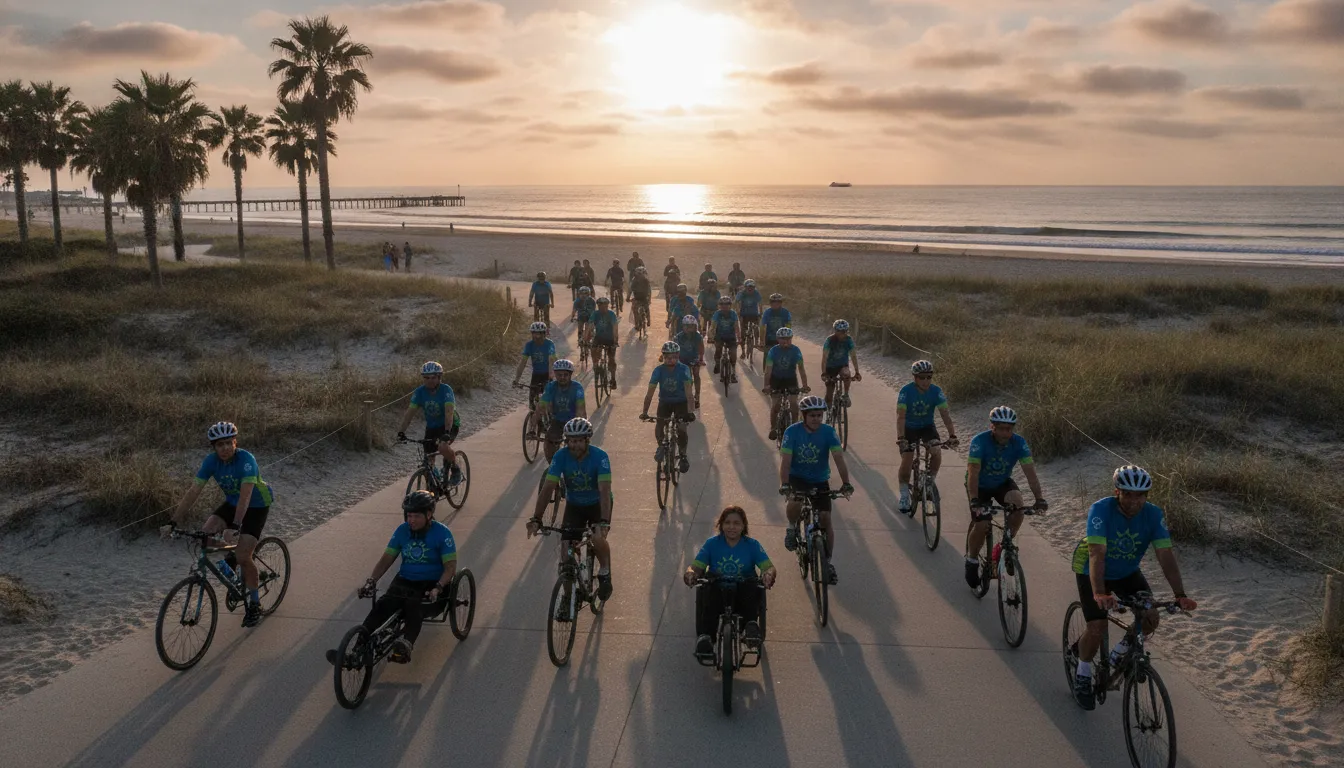
The DC to Dewey Beach bike ride brings cyclists together for a fully supported journey to the Delaware coast while raising funds for local autism and disABILITY partners. Riders can choose a distance that matches their experience, then rely on route support to stay focused on the road and the community impact behind every mile.
Choose your distance and register for the DC/MD/VA ride.
What makes the DC to Dewey Beach bike ride different?
Bike to the Beach combines 25-, 50-, 70-, and 100-mile options with five regional starts, route support, and a shared Dewey Beach finish. Funds raised by riders support local autism and disABILITY nonprofit partners, making the event both an approachable cycling challenge and a practical way to create regional impact.
The ride stands out because it pairs a meaningful physical goal with a clear local purpose. Riders share the road with a community committed to helping regional organizations expand services, recreation, and inclusion.
A fully supported cycling challenge
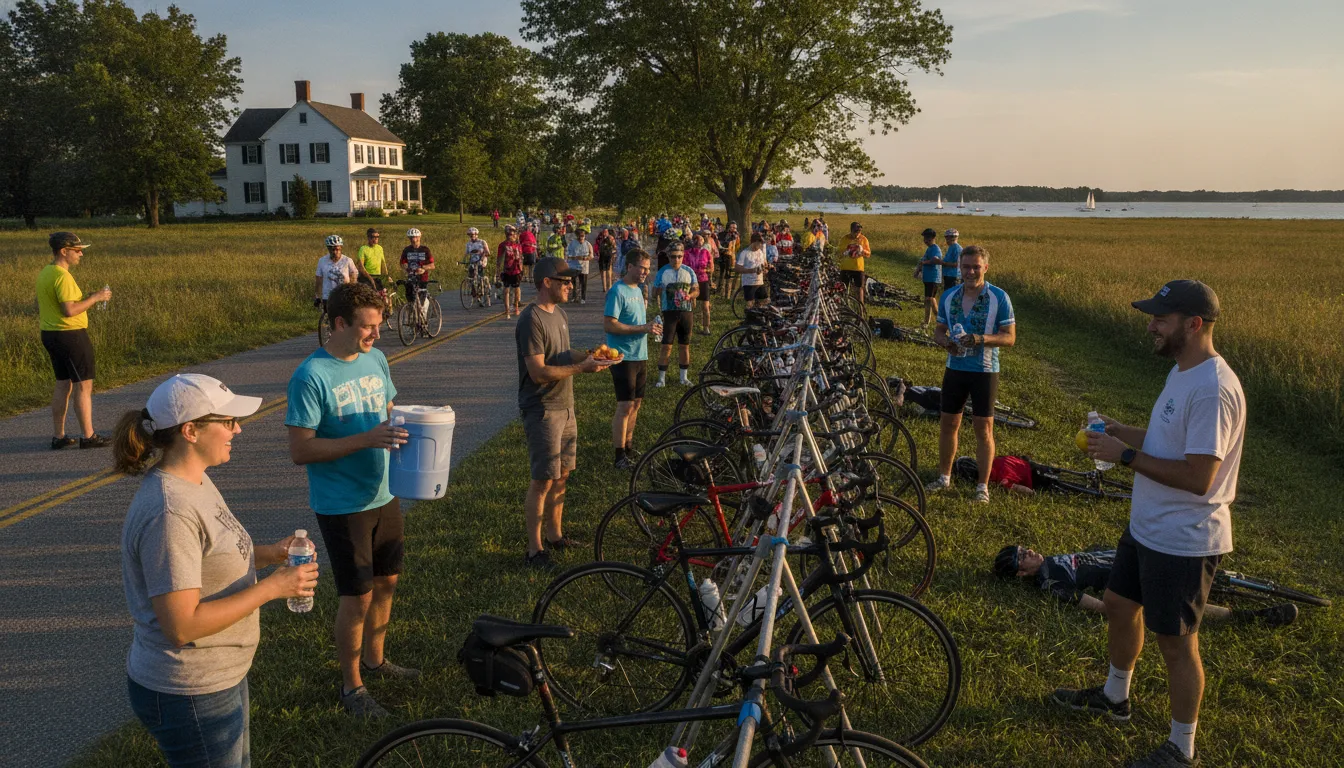
One big change from other rides is the level of care for every rider. You do not have to worry about flat tires or running out of water. The event gives you rest stops every 15 miles to keep you fueled. You also get expert help from SAG cars and bike teams if your gears have issues. For safety, the ride works with Moto Medx to give health aid along the way.
The ride is open to everyone, no matter their skill level. With DMV ride logistics that include five start spots, you can choose a route that fits your goal. These spots are spread across the region to make it easy to join. Choices range from a 25-mile fun ride to a full 100-mile trip. This range makes it a great DC to Dewey Beach bike ride for both new riders and long-time cyclists.
The beach finish
Many rides end in a park, but this one finishes at the ocean. Crossing the finish line at Dewey Beach is a thought that stays with you. It is a place where you can relax with friends and folks after a long day of riding. The breeze and sand are a great prize for your hard work on the road.
This finish is not just about the party. It marks the end of a trip that starts in the city and ends at the coast. Seeing the beach gives you pride that few other events can match. It makes the miles fly by when you know a dip in the ocean is waiting for you at the end. The final miles bring a sense of joy as you reach the shore with your team.
Local-first fundraising impact
The most key part of the ride is where the money goes. Unlike some large groups, Bike to the Beach keeps all funds in the local region. We send 100% of the funds you raise to local partners who help folks now. This means every dollar you raise helps people in the DC, Maryland, and Virginia towns. The funds pay for care and sensory gyms for people with autism and other disABILITIES.
Cycling is a great way to help the local group. Studies show that bike riding can help kids with autism improve how they talk and their body health. By joining this ride, you help local partners give these needed services. You are not just a rider; you are a key part of a team that makes life better for your neighbors. This focus on local impact makes sure that your hard work leads to real change for people you know.
Choose your 25-, 50-, 70-, or 100-mile route
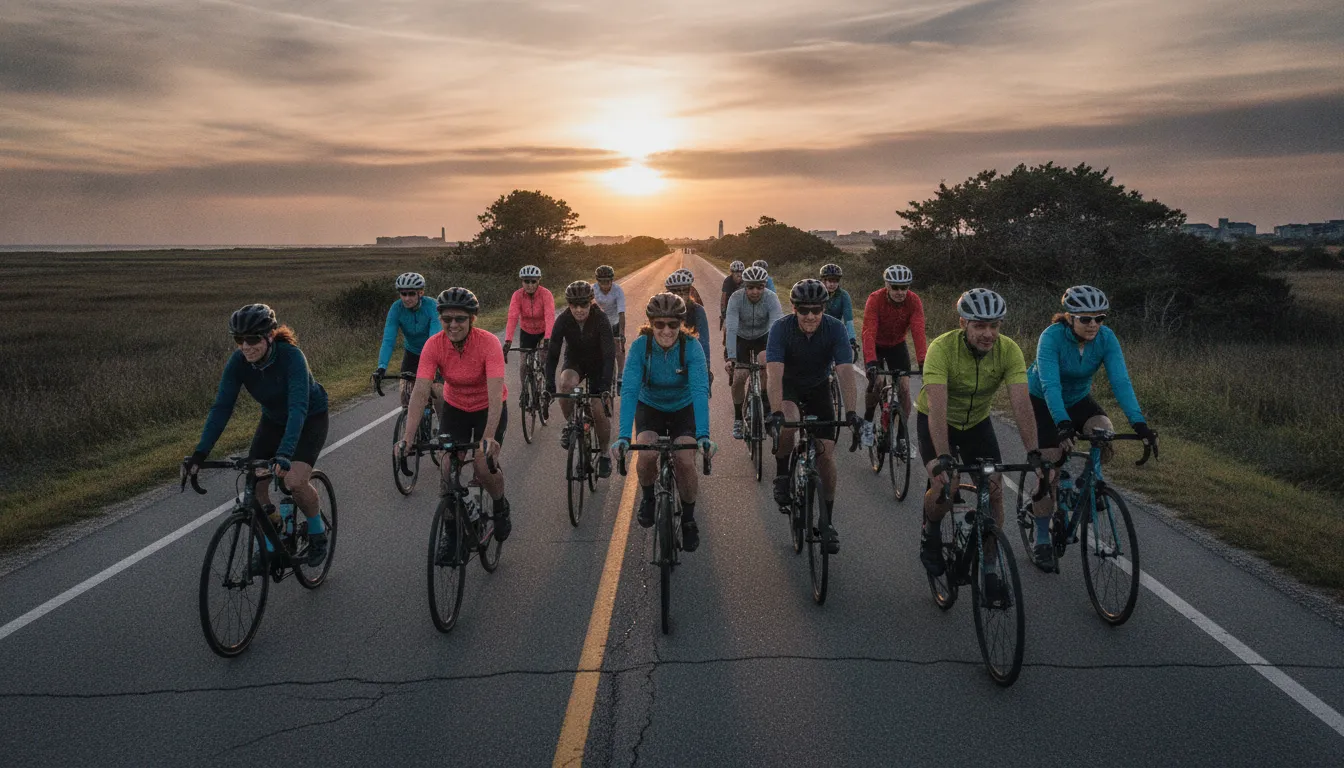
Every rider has a unique goal. Some want a light day on the bike. Others want to push their limits for a full day. The DC to Dewey Beach bike ride offers four main paths. These options make sure that all can join the fun. Whether you are a pro or a new rider, there is a path for you.
Picking the right length is the first step in your trip. You should think about your fitness and your goals for the day. This event is about more than just miles. It is about the community and the impact you make. By joining, you help fund sensory gyms and therapy programs in your local area.
Short paths for new riders
The 25-mile and 50-mile paths are great for new riders. If this is your first charity ride, these lengths are a perfect start. You will still get the full event feel. You will see the same finish line at the beach. These paths let you focus on the joy of the ride without too much stress on your body.
Riding a bike can do more than just help your fitness. For many, it helps the health and quality of life of the rider. Short rides are a low-stress way to gain these perks. You can enjoy the fresh air and meet new people. Many find that 25 miles is just enough to feel a sense of win.
The challenge of longer routes
The 70-mile and 100-mile paths are for those who want a true test. The 100-mile “Century” is a big step for any cyclist. It takes a full day of work and focus. These paths start early and cover a lot of ground across the area. You will see more of the local views as you head toward the coast.
Even on these long paths, you are never alone. The event has five start spots to help riders from all over the area. There are rest stops every 15 miles to keep you moving. You will have food, water, and repair help when you need it. This support makes even the longest miles feel doable.
| Distance | Difficulty | Pace Guide | Best For |
|---|---|---|---|
| 25 Miles | Easy | Relaxed | First-time riders and families |
| 50 Miles | Moderate | Steady | Casual cyclists and hobbyists |
| 70 Miles | Hard | Brisk | Enthusiasts seeking a challenge |
| 100 Miles | Expert | Strong | Experienced riders and pros |
Full support on every mile
Safety is a main goal on every path. The event uses SAG vehicles and a medical team to keep you safe. If you have a flat tire or a broken chain, help is always near. This setup lets you focus on your ride. You do not have to worry about the small things when you have a full team behind you.
Each mile you ride helps local families. The funds you raise stay in the area to help people with disABILITIES. This local focus is what makes the ride special. When you cross the finish line, you know you did something big for your neighbors. It is a win for you and a win for your community.
How to prepare for the DC charity bike ride
Getting ready for the DC to Dewey Beach bike ride is a great goal. This DC charity bike ride helps the local area. It is more than a test of fitness. It is a way to help others. To have a great day, start your plans early. Good prep will help you feel ready on the day of the ride.
Starting spots and lengths
The first step is to choose which path fits your skill level. This charity event offers paths from 25 miles to a full 100-mile ride. There are five start spots in the DC area. Each start point has its own route that leads to the same beach finish. Check the DC to Dewey Beach bike ride page to pick the best spot for you.
Think about how far you want to cycle before you sign up. New riders may like the short 25-mile path. Skilled riders often aim for the 100-mile goal. No matter the length, the finish at Dewey Beach is a fun place to meet with others. All paths are helped with rest stops every 15 miles to keep you going. This support makes the long day much easier for every rider.
Training and funding plans
Once you sign up, it is time to start training. Riding your bike often will help build the strength you need. Regular work on your bike is good for your heart and your mind. Research shows that cycling helps the health and life of many people. For this ride, you do not need to be a pro. Just spending more time on your bike each week will make a big change in your fitness.
Raising funds is a big part of the event as well. Every dollar you raise stays in the local region to help people with autism and other disABILITIES. Your work helps fund things like sensory gyms and therapy programs. Tell your friends and family why you are riding. Sharing your own story can help you reach your goal fast. Most donors love to see their money staying in their own town.
Action steps for ride day
- Sign up and choose your path. Pick one of the five start spots that works for your time and skill level.
- Set up your fund page. Use the online tools to share your goal and tell others about the local impact of their gifts.
- Set a training plan. Aim to ride at least three times a week and slowly add more miles as the ride gets closer.
- Check your bike and gear. Make sure your bike is in good shape and that your helmet fits well before you head out.
- Review the ride plans. Look over the start times and the support plan so you know what to expect on the day of the event.
Final checks are vital for a smooth ride. Make sure to pack items like extra water, a spare tube, and some snacks. While the event has support cars and rest stops, having your own basics is smart. This will help you stay focused on the road and the fun. You will be ready to join a great group that makes a real impact on the local area.
What should riders expect on event day?
Riders can expect coordinated starts, marked routes, rest stops about every 15 miles, mechanical help, medical support, and SAG vehicles. Each distance follows an organized path toward the shared Dewey Beach finish, allowing participants to focus on pacing, fueling, and riding safely with their group.
The morning of the DC to Dewey Beach bike ride starts with energy and purpose. Riders gather at one of five start spots across the DC, Maryland, and Virginia area. This plan lets people from all over the region join the ride with ease. Whether you take on the full 100 miles or a shorter route, the day is safe and fun for all skill levels.
Starting your journey
Each start point offers a clear check-in process. You will get your ride bib and final news there. Since there are many starts, you must check your own spot and time before you leave. These staggered starts help the flow of riders and keep the roads clear for all. You will find plenty of staff and volunteers ready to help you get moving toward the beach.
Safety and route support
A fully supported ride means you are never truly alone on the road. The event has rest stops every 15 miles to help you stay hydrated and fed. Pro bike aid and SAG vans follow the route to help with any bike issues or tiredness. We also work with Moto Medx to give health care if needed. This support net lets you focus on the ride and the help you give to people with disABILITIES.
Crossing the Bay Bridge
One unique part of the route is crossing the Chesapeake Bay Bridge. Since bikes cannot ride across the bridge, the event has a bus for this part. This plan makes sure every rider gets across the water in a safe way. Once you reach the other side, you will keep riding through the pretty roads of Maryland toward the coast.
The Dewey Beach finish
The ride ends with a great finish in Dewey Beach, Delaware. Crossing the line is a moment of pride for every rider who has pushed through the miles. You can celebrate your win with the rest of the group. Every dollar raised through DMV ride logistics stays in the region to support local autism and disability services.
How fundraising creates local impact
Each rider commits to a $250 fundraising minimum that supports local autism and disABILITY nonprofit partners. That local-first model connects every registration, donation, and mile ridden to services and inclusive programs available to families across the DC, Maryland, and Virginia region.
When you join the DC to Dewey Beach bike ride, your hard work stays near you. Our model ensures that every dollar you raise helps people in your town. This local plan aims at direct aid instead of long-term research. We want to see your efforts make a real change in the lives of those around you right now. Riding to the beach is a big task, but the help it brings to your neighbors is even bigger.
Supporting local nonprofit partners
The money from the DC charity bike ride goes to local groups. These partners provide sensory gyms, care sessions, and school help for those who need it. Research shows that skills training, like bike riding, can help reduce stereotyped behaviors in people with autism. By funding these local programs, you give homes the tools they need to thrive in their own towns.
We work with many small groups that know their neighbors best. They can use the funds to start new play programs or grow the ones they have. This way, your ride to the beach helps build a stronger, more fair place for everyone to live. You can even read stories from our riders to see the impact yourself. The funds support many types of local aid:
- New tools for sensory gyms and play areas.
- Job skills and life skills training for young adults.
- Special bikes and gear for riders with disabilities.
- Day camps and social groups that foster new friendships.
Empowering people with disABILITIES
We use kind words because we value the people we serve. Our goal is to provide real help to people with disABILITIES. Cycling can improve the quality of life and health for people with disabilities. Raising money helps make these good things a real part of life for more members of our group. When people have the right support, they can reach new goals and enjoy their community more.
Riders in our events are not heroes. Instead, they are neighbors taking shared action to help one another. Whether you ride 25 or 100 miles, you play a key part in this local work. Each mile you pedal brings more tools to the programs that make a daily change. The finish line at the beach is a great reward, but the lasting change you create is even better.
By keeping funds in the area, we make sure that the impact is clear and stays for a long time. You can see the results of your work in the smiles of people at a local gym. This bond between the rider and the cause is what makes our group so strong and loyal. We want every person to feel they belong and have the support they need to succeed in life.
Training and gear tips for a confident ride
Getting ready for a long ride takes more than just strong legs. Whether you choose the 25-mile loop or the full 100-mile challenge, your prep work matters. Our team provides support along the way, but you should still feel ready for the road. Use these tips to build your skill and pack the right items for a smooth trip.
Building your base and skills
If you plan to join the DC to Dewey Beach bike ride, start your training early. Aim to ride at least three times a week to build your stamina. You do not need to ride 100 miles every day. Instead, slowly add more miles to your longest weekly ride. This helps your body get used to the time in the seat without causing too much stress.
Group riding is another key skill for this event. Riding with others helps you save energy and keeps you safe on busy roads. Practice riding in a line and learn how to signal for turns or road hazards. Training for a ride like this can even help people in the autism community. Research shows that bike riding skills training can improve communication and focus for some people. Use your training time to get comfortable with your bike and your team.
Choosing and checking your gear
Your bike is your most important tool, so keep it in top shape. Before you head to the start line, check your tires, chain, and brakes. We have professional mechanics on the course, but a well-kept bike prevents most issues. Wear padded shorts and a moisture-wicking shirt to stay cool and dry. A light helmet that fits well is a must for every rider on our team.
Pack a small kit for minor fixes on the road. This should include a spare tube, a pump, and a basic tool set. Knowing how to fix a flat tire can save you time and keep your group moving. Review the DMV ride logistics to see what else you might need. Having the right gear helps you stay focused on the fun and the cause.
Fueling for the long road
Eating and drinking the right things will keep your energy high. We provide rest stops every 15 miles with water and snacks to help you refuel. Drink water often, even if you do not feel thirsty yet. Small, frequent snacks like bananas or energy bars are better than one large meal. This keeps your blood sugar steady and prevents you from feeling tired or weak.
Pacing is just as important as fueling. Start at a speed you can keep up for hours, not minutes. If you feel tired, our SAG vehicles and medical partners are there to help you. Studies on cycling interventions show that regular riding can boost both physical and mental health. Take it slow, enjoy the view, and remember that you are riding to support local families.
Frequently Asked Questions
How long is the Bike to the Beach DC century ride?
The century path for the Bike to the Beach DC to Dewey Beach ride is 100 miles long. It starts in the Washington area and ends at the shore. This route is a great fit for riders who want a full day of biking on scenic roads. The ride is fully supported so you can focus on your goal. It is a top choice for people who want a big test for their body while helping a good cause.
What kind of safety and mechanical support is provided during the Bike to the Beach DC ride?
Every rider on the Bike to the Beach DC ride gets full support from start to finish. The event has rest stops every 15 miles so you can eat and drink water. Expert bike teams are on the road to fix bike problems like flat tires. There are also SAG cars to help if you can no longer ride. A medical team from Moto Medx stays close to the path to keep everyone safe during the trip.
How does cycling help reduce repeated behaviors in people with autism?
Research shows that bike riding skills training can help people with autism in many ways. For teens, regular cycling can lead to a drop in repeated behaviors. It also helps improve how they talk and connect with others. According to a study on PubMed, these benefits are most clear when training happens during the teenage years. It helps build both physical health and social skills for a better life.
Where does the money raised from the DC to Dewey Beach ride go?
All of the money raised by riders on the DC to Dewey Beach ride stays in the local region. Bike to the Beach sends all of these funds to local partners in the DC, Maryland, and Virginia areas. This money pays for real help like sensory gyms and therapy programs. These services give aid to folks with autism and other disABILITIES. By keeping the impact local, your hard work on the bike helps your own neighbors in a big way.
How many start locations are there for the DC to Dewey Beach bike ride?
There are five start locations for the Bike to the Beach DC to Dewey Beach ride. These spots are spread across the Washington, Maryland, and Virginia areas. This lets you choose the start point that is closest to you. Whether you want to ride the full 100 miles or a shorter path, there is an easy way to join the event. You can find more details on the official ride website.
Ready to sign up for the DC/MD/VA ride?
Waiting to sign up means you lose time to reach your goals. It also means you have less time to get ready for the miles ahead. By acting now, you secure your place in the ride. You also give yourself the best chance to help local families. Waiting puts you at risk of missing out on your top choice for a start place. Spots fill up fast. Starting today means more time to meet other riders and get ready for a great day on the road. Do not let this chance to help your local community pass by. You can learn more about the DC charity bike ride on our guide page. Your early start helps our partners plan the support and care that families in our area need most.
Ready to register for the DC/MD/VA ride? Sign up for the bike ride to Dewey Beach and begin preparing today.