
Top Fortune 500 Companies with Employee Matching Gifts
Find out which 10 companies donate to nonprofits and learn how to use a "fortune 500" company list employees matching gifts to increase your fundraising.

Let’s talk about the money your nonprofit is leaving on the table. It’s estimated that between $4 and $7 billion in corporate matching gift funds go unclaimed every year. That’s a staggering amount of potential impact just waiting to be unlocked. The reason is simple: most donors don’t know their employer will match their gift. This guide is designed to help you fix that. We’ll give you a practical, step-by-step plan to educate your supporters and claim these funds. Knowing how to use a ‘”fortune 500″ company list employees matching gifts’ is a critical piece of the puzzle, and we’ll show you how to turn that information into a consistent revenue stream for your cause.
Finding the right corporate partners can transform your organization’s ability to make a difference. It’s about more than just securing a check; it’s about building alliances with businesses that are genuinely invested in your cause. Many companies are actively seeking ways to give back, but connecting with them requires a smart and targeted strategy. This guide will walk you through the process, from identifying the right prospects to building lasting relationships. To show you what successful partnerships look like, we’ve created a list of companies that donate to nonprofits, highlighting leaders in corporate giving and what makes their approach so effective.
Key Takeaways
- Build partnerships on shared values, not just asks: Your most successful corporate relationships will come from companies that genuinely connect with your mission. Do your research and tailor every proposal to show a clear alignment of goals.
- Think beyond the check: Corporate support comes in many forms, so create diverse opportunities for companies to get involved. Consider event sponsorships, in-kind donations of products or services, and hands-on employee volunteer programs.
- Don’t leave matching gift funds on the table: Billions in corporate matching funds go unclaimed each year. Make it easy for your donors to double their impact by consistently promoting these programs and showing them how to submit a request.
10 Companies Setting the Standard for Corporate Giving
Corporate partnerships are a powerful way for nonprofits to expand their reach and deepen their impact. More and more, companies are looking for authentic ways to invest in the communities where their employees and customers live and work. This creates incredible opportunities for organizations that know how to build strong, mutually beneficial relationships. From massive global foundations to local businesses focused on grassroots engagement, companies are recognizing that giving back is good for everyone. When a company aligns its resources with a nonprofit’s mission, it can create a ripple effect of positive change.
The companies on this list represent a wide range of industries and giving strategies. Their approaches show that corporate support isn’t one-size-fits-all. It can look like direct funding, employee volunteer days, matching gift programs, or in-kind donations of products and services. Some focus on specific causes that align with their brand, while others empower their employees to direct their philanthropic efforts. Understanding these different models can help you identify the right potential partners for your organization. Use these examples as inspiration to think creatively about the kinds of partnerships that could fuel your mission and help you achieve your goals.
Bike to the Beach: A Model for Purpose-Driven Events
Bike to the Beach offers a unique, hands-on approach to corporate giving that centers on local impact and community building. Instead of a traditional grant, companies partner with us through event sponsorships and employee engagement. This model allows businesses to directly support local autism and disability nonprofits in their own region. As one report notes, Bike to the Beach is committed to “partnering with local nonprofit partners who are advancing acceptance, creating opportunities, and fostering inclusion.” By forming a corporate cycling team or becoming an event sponsor, companies can offer their employees a meaningful team-building experience while making a tangible difference right in their own backyard.
Microsoft: Tech for Good
Microsoft is a powerhouse in corporate philanthropy, largely driven by its commitment to empowering its employees to give back. A key part of their strategy is their matching gift program, a model used by about 65% of Fortune 500 companies to amplify employee generosity. Microsoft matches employee donations to eligible nonprofits and provides grants when employees volunteer their time. This approach multiplies the impact of individual contributions and fosters a strong internal culture of philanthropy, channeling millions of dollars to causes their team members care about most.
Google: Data-Driven Philanthropy
Google supports nonprofits through two major channels: Google.org and Google Ad Grants. While Google.org provides large-scale grants, often in the millions, the Ad Grants program is a game-changer for organizations of all sizes. It provides eligible nonprofits with free advertising on Google Search, helping them attract donors, recruit volunteers, and share their mission with a wider audience. With an estimated 200 million dollars in funding and resources available, Google provides essential tools that help nonprofits connect with the people who need them.
Amazon: Logistics for a Cause
Amazon’s philanthropic efforts are multifaceted, involving donations of funds, products, and employee time to support communities around the world. The company focuses on immediate needs, such as disaster relief, and long-term challenges like housing and food insecurity. Through programs that allow customers to donate items from a nonprofit’s wish list and initiatives that support local organizations, Amazon leverages its massive logistics network to deliver critical supplies. This approach is part of a broader trend of companies that donate in ways that align with their core business strengths.
Walmart Foundation: Focusing on Local Communities
The Walmart Foundation is deeply focused on strengthening local communities. A core part of their strategy involves empowering local stores and distribution centers to support nonprofits in their own neighborhoods through grants and gift cards. This grassroots approach allows them to respond to a wide range of community needs, from hunger relief to local education programs. By providing accessible corporate sponsorships, Walmart ensures that its giving has a direct and immediate impact on the areas it serves, making it a key partner for many community-based organizations.
Bank of America: Investing in Economic Mobility
Through the Bank of America Charitable Foundation, the company directs significant resources toward creating economic opportunity and building vibrant communities. Their strategy combines direct grants with a robust employee matching gift program, allowing them to support a diverse portfolio of nonprofits. The foundation focuses on key areas like workforce development, community revitalization, and basic needs. By offering both grants and matching gifts, Bank of America provides multiple avenues for nonprofits to secure funding and build lasting partnerships.
Johnson & Johnson: A Legacy of Health-Focused Giving
Johnson & Johnson’s approach to corporate giving is deeply integrated with its mission to improve global health and well-being. The company has a long history of social responsibility, which it demonstrates through extensive product donations, public health initiatives, and employee engagement programs. They encourage their team to get involved by offering volunteer grants and a generous matching gift program. These employee-focused initiatives not only provide vital support to nonprofits but also reinforce the company’s commitment to caring for communities worldwide.
Target: Building Stronger Neighborhoods
Target is well-known for its commitment to community support, which has been a cornerstone of its business for decades. The company directs a percentage of its profits to communities, focusing on initiatives that support families and children. Their giving takes many forms, including direct financial donations, in-kind gifts of food and supplies, and volunteerism from their team members. As a leading corporate philanthropist, Target’s local grant programs and community-focused events make it an accessible and impactful partner for nonprofits across the country.
Salesforce: The 1-1-1 Model in Action
Salesforce pioneered the 1-1-1 model of integrated philanthropy, pledging 1% of its equity, 1% of its product, and 1% of its employees’ time to charitable causes. A major component of this is providing nonprofits with free or discounted access to its powerful CRM technology. This in-kind donation helps organizations streamline their operations, manage donor relationships, and measure their impact more effectively. By equipping nonprofits with essential technology and resources, Salesforce helps them build capacity and achieve their missions more efficiently.
Home Depot Foundation: Supporting Veterans and Communities
The Home Depot Foundation focuses its efforts on a clear and specific mission: improving the homes and lives of U.S. veterans, supporting communities affected by natural disasters, and training skilled tradespeople. The foundation provides grants and sends employee volunteers to help nonprofits with critical repairs and construction projects. By donating building materials and expertise, they offer a unique form of support that aligns perfectly with their brand. This targeted approach is a great example of how corporate sponsors can make a deep impact by focusing on what they do best.
What Does Corporate Support Actually Look Like?
When we think of corporate giving, we often picture a giant check. While direct financial support is a huge part of corporate philanthropy, it’s just one piece of the puzzle. Companies have developed a variety of ways to support causes they care about, creating more opportunities for nonprofits to build meaningful partnerships. Understanding these different avenues can help you find the right fit for your organization and build stronger, more creative collaborations with business partners. From product donations to employee-driven giving, let’s look at the most common types of corporate support.
Cash Grants and Direct Funding
This is the most traditional form of corporate giving. Direct funding involves a company giving money straight to a nonprofit, either for its general operating costs or for a specific project. Many companies run formal grant programs with specific focus areas, like education, community health, or environmental sustainability. Securing this type of funding usually requires a well-researched proposal and a formal application process. It’s a competitive space, but a direct grant can provide the flexible funding your organization needs to carry out its mission and plan for the future.
Beyond Cash: In-Kind and Product Donations
Not all donations come in the form of cash. In-kind gifts are contributions of goods or services rather than money, and they can be incredibly valuable. This could look like a tech company donating software, a local restaurant catering a fundraising event, or an office supply store providing materials for an after-school program. These donations help nonprofits direct more of their financial resources toward their core programs. Many companies that donate products have formal request systems, so it’s always worth checking a company’s website to see what they offer.
Leveraging Intermediary Platforms
Many companies streamline their employee giving through platforms like Benevity or YourCause. These services make it simple for employees to donate and request matching gifts, but it’s on you to ensure your nonprofit is registered and easy to find. Many nonprofits and employees are missing out on billions of dollars because they don’t use matching gift programs. Taking the time to get your organization listed on these major corporate giving portals is a simple administrative step. It can unlock a significant new revenue stream by making it seamless for corporate employees to find and support your cause, often doubling their donation with a company match.
Examples of In-Kind Giving Programs
Not all donations come in the form of cash. In-kind gifts are contributions of goods or services rather than money, and they can be incredibly valuable. For an event-based nonprofit like Bike to the Beach, this could mean a local grocery store providing snacks for a rest stop, a printing company producing event banners, or a wellness brand supplying sunscreen for riders. These contributions directly reduce event costs, allowing more funds to go toward our mission. When you approach a potential partner, think creatively about what they can offer beyond a check. Highlighting these opportunities shows you’ve done your homework and makes it easier for them to say yes and become a sponsor.
Community Fundraising Partnerships
Corporate partnerships are a powerful way for nonprofits to expand their reach and deepen their impact. These relationships go beyond a one-time donation and involve a company actively engaging its employees and customers in your cause. This could look like a local business forming a cycling team for a charity ride, a retailer running a point-of-sale donation campaign, or a company using its marketing channels to share your story. When a company aligns its resources with a nonprofit’s mission, it can create a ripple effect of positive change. These partnerships build deep, lasting connections and demonstrate a shared commitment to making a difference, which is at the heart of why we bike.
Engaging Corporate Employees as Volunteers
Many companies actively encourage their employees to give back to the community by offering volunteer support programs. These initiatives often include paid time off for volunteering or company-wide service days. Some businesses even provide volunteer grants, where the company donates money to a nonprofit after an employee volunteers there for a certain number of hours. These programs are a fantastic way for companies to engage their teams while providing nonprofits with dedicated, hands-on help from skilled volunteers. It’s a true win-win that builds community from the inside out.
Volunteer Grant Programs (Dollars for Doers)
Often called “Dollars for Doers,” these programs are a powerful way for employees to multiply their impact. The concept is simple: when an employee volunteers a certain number of hours with an eligible nonprofit, their company donates money to that organization. It’s a direct reward for giving time. For example, if an employee spends their Saturday helping at a Bike to the Beach rest stop, their volunteer hours could translate into a corporate grant for our local autism and disability partners. This is an incredible incentive that turns hands-on support into crucial funding, and it’s a benefit every volunteer should investigate with their employer.
Paid Time Off for Volunteering
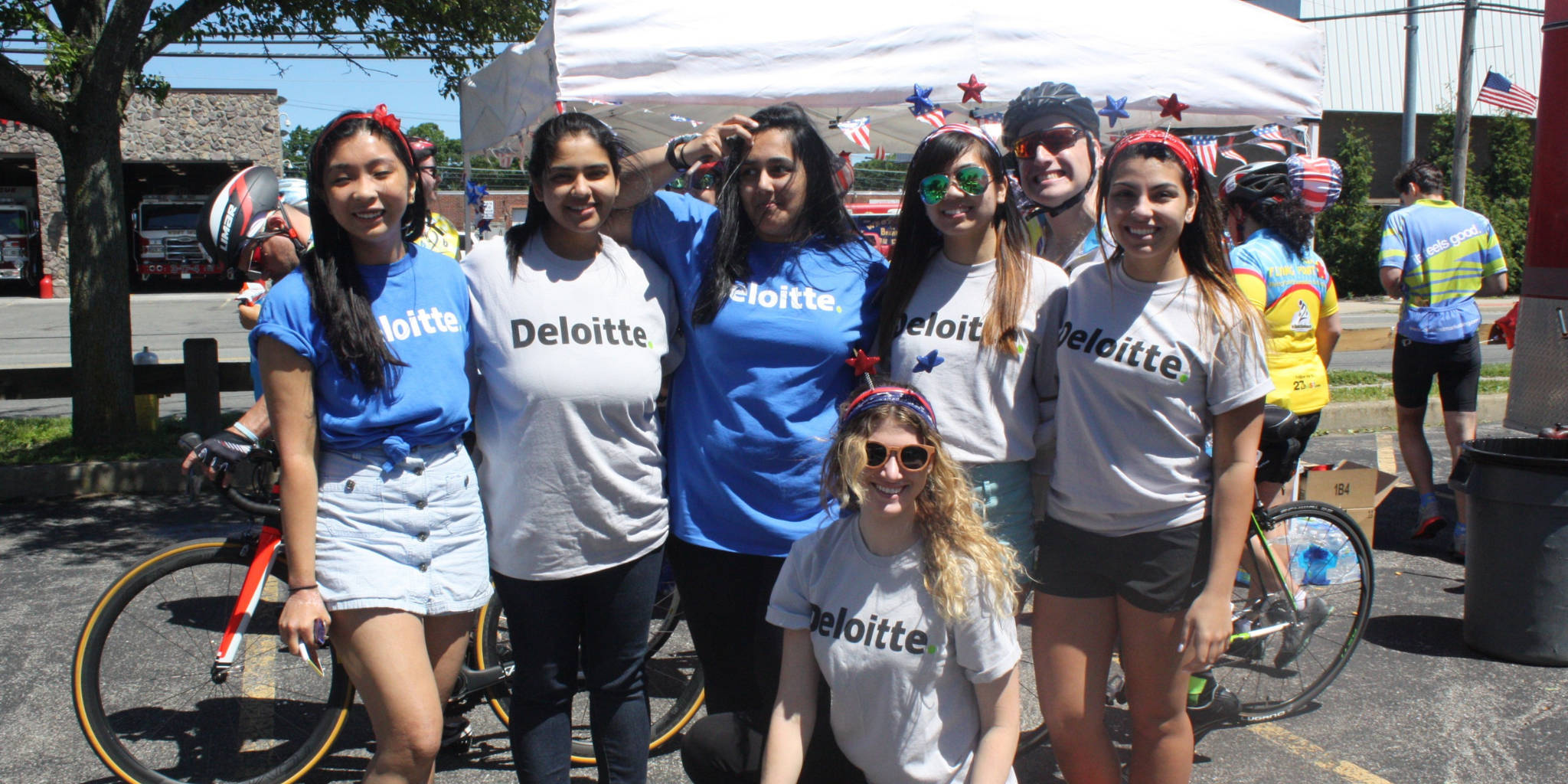
Finding time to volunteer can be a challenge, but many companies make it easier by offering paid time off specifically for this purpose. Known as VTO (Volunteer Time Off), this benefit allows employees to support a cause they care about without dipping into their vacation days. Some companies even organize company-wide service days, creating a built-in opportunity for team building and community engagement. This is a perfect way for a business to form a corporate cycling or volunteer team for a Bike to the Beach event, fostering teamwork while making a tangible local impact. It’s a key feature of many modern corporate partnership programs.
Larger Grants for Board Service
Beyond single-day volunteering, some companies offer even more substantial support when their employees take on leadership roles at a nonprofit. If an employee serves on a board of directors, their company may provide a larger grant to the organization in recognition of that significant, long-term commitment. This acknowledges the strategic value and expertise the employee is contributing. While our local nonprofit partners benefit most directly from these high-level grants, it highlights how deeply companies are willing to invest in organizations where their team members are actively involved in governance and leadership.
How to Maximize Employee Matching Gifts
Matching gift programs are one of the most powerful tools in corporate fundraising. Through these programs, a company matches an employee’s personal donation to an eligible nonprofit, often dollar-for-dollar. This means a $100 donation from an individual can instantly become a $200 gift for your organization. Many donors aren’t even aware their employer offers this benefit, so educating your community about matching gift programs can make a massive difference in your fundraising totals. It’s an easy way for your supporters to double their impact without spending an extra dime.
Common Features of Top Matching Programs
The best corporate matching programs are designed to be simple and impactful. When an employee donates, their company matches it, often dollar-for-dollar. Top companies make this process seamless. They often feature low minimum donation amounts (sometimes as little as $1), so every gift counts. They also have high maximums, allowing for significant contributions. Some even offer generous matching ratios, like 2:1, turning your $100 donation into $300 for a cause you love. Many programs also include features like auto-submission or payroll giving, which make it incredibly easy for employees to participate. These are the kinds of top matching gift programs that make it simple for you to multiply your support for organizations like Bike to the Beach.
What Types of Donations Aren’t Matched?
While most companies are happy to match direct donations made by cash, check, or online, there are a few things that usually don’t qualify. It’s helpful to know the common exclusions so you can structure your giving for maximum impact. For example, the money you spend on event tickets, raffle entries, or auction items typically isn’t matchable. The good news? Many corporate matching gift programs do match funds raised through peer-to-peer campaigns, which is fantastic for supporters of our Bike to the Beach riders. Just remember that your ride registration fee is different from a donation. Always check your company’s specific guidelines, but knowing these general rules can help you navigate the process and ensure your support is doubled.
Examples of Generous Company Programs
It’s estimated that between $4 and $7 billion in matching gift funds go unclaimed every year. That’s a lot of potential impact left on the table! Many leading companies have incredibly generous programs. For instance, Johnson & Johnson matches employee donations 2:1 for current staff and 1:1 for retirees. The Coca-Cola Company also offers a 2:1 match, tripling an employee’s gift. These are just a couple of examples from a long list of companies that match donations. The best way to find out if your employer has a similar program is to ask your HR department or search your company’s intranet. You might be surprised to find you have an easy way to make your support for our riders go twice—or even three times—as far.
Finding Corporate Sponsors for Your Events
Event sponsorships are a popular way for companies to support nonprofits while gaining brand visibility. In this partnership, a business provides funding, products, or services for a fundraising event in exchange for public recognition. For an event like a charity ride, this could mean a local business sponsoring a rest stop or a larger corporation becoming a title sponsor. This type of support is essential for covering event costs, ensuring that more of the money raised can go directly to your cause. Building a strong event sponsorship program creates a mutually beneficial relationship that strengthens community ties.
Which Industries Give the Most?
When you’re looking for corporate partners, it helps to know where to start. While companies of all shapes and sizes contribute to their communities, some industries have a well-established culture of corporate philanthropy. Understanding these trends can help you focus your outreach and find partners whose giving priorities align with your mission. From tech giants to local retailers, different sectors offer unique opportunities for support, whether through direct funding, employee giving programs, or event sponsorships.
Knowing which industries are most active in charitable giving can give your fundraising strategy a powerful head start. It allows you to tailor your proposals and connect with companies that are already looking for ways to make a difference. This isn’t about targeting only the biggest players; it’s about understanding the landscape so you can build authentic relationships with businesses that share your vision for a stronger community. Here are a few sectors known for their significant contributions to nonprofits.
Technology
The tech industry is a major force in corporate giving, contributing billions to nonprofits each year. Many leading tech companies are known for their robust philanthropic programs, which often include generous employee matching gift programs. These programs can double or even triple an individual’s donation, making them an incredible resource for nonprofits. Companies in this sector often prioritize causes related to education, community development, and innovation, but their reach is broad. By tapping into their employee giving platforms, you can connect with a passionate and engaged workforce ready to support your cause.
Financial Services
Companies in the financial services sector have a long history of community investment. A significant majority of Fortune 500 financial companies offer matching gift programs, yet reports show that employee participation rates are often surprisingly low. This gap presents a huge opportunity for nonprofits. By educating your supporters who work in this industry, you can help them take advantage of their employer’s generosity and multiply their impact. These companies often focus their giving on financial literacy, economic opportunity, and local community needs, making them great potential partners for organizations with a strong local footprint.
Healthcare and Pharmaceuticals
It’s no surprise that the healthcare and pharmaceutical industries are deeply invested in community well-being. Major companies in this space are well-known for their philanthropic efforts, which go beyond just writing a check. They often provide support through a combination of financial contributions, volunteer grants, and matching gifts. These companies frequently partner with nonprofits that focus on health, wellness, and patient support services. If your mission aligns with creating healthier communities, this sector is a natural place to look for dedicated and impactful corporate sponsors.
Retail and Consumer Goods
The retail sector is another powerhouse of charitable giving, with many household names leading the charge. Companies like Target and Walmart are famous for their substantial contributions to a wide range of nonprofit organizations, often focusing on local community initiatives. Because these companies have a physical presence in so many communities, they are often interested in supporting the local causes that matter to their customers and employees. This focus on local impact makes them ideal partners for community-based organizations that are making a tangible difference right in their own neighborhoods.
Food and Beverage
The food and beverage industry makes a huge impact, particularly through in-kind donations. Companies like Trader Joe’s and Whole Foods contribute millions of pounds of unsold food to local nonprofits, directly addressing food insecurity. Beyond product donations, many companies in this sector, including Pepsi and Kroger, also offer financial grants and sponsorships. They often support causes related to hunger relief, nutrition, and sustainability. This industry provides a great example of how corporate support can come in many forms, from direct funding to essential goods and services.
How to Secure Corporate Donations for Your Nonprofit
Securing support from companies can feel like a huge challenge, but it’s entirely possible with a thoughtful approach. It’s less about sending out mass emails and more about building genuine relationships with businesses that share your vision. By focusing on alignment, clear communication, and a structured plan, you can find corporate partners who are excited to invest in your mission. These steps will help you create a strategy that gets results and builds lasting connections.
Do Your Homework: Research Their Priorities
Before you write a single sentence of a proposal, your first step is research. Think of it as finding the right teammate. You’re looking for companies whose values and community goals align with your own. Many businesses are eager to support nonprofits through what’s known as corporate philanthropy, but they often focus on specific causes. If your nonprofit supports local families, look for companies that prioritize community development in your region. Check the “Corporate Social Responsibility” or “Community” sections of their websites to see what they care about and who they’ve supported in the past. This initial homework ensures you’re reaching out to the right people from the start.
Write a Proposal That Stands Out
Once you’ve identified a potential partner, it’s time to tell your story. A standout proposal is clear, compelling, and tailored to the company you’re contacting. Instead of sending a generic request, reference their specific giving priorities and explain exactly how a partnership would help you both achieve your goals. Clearly outline your mission, the impact of your work, and what you will do with their donation. Be specific about what you’re asking for, whether it’s funding for a program, an in-kind donation, or an event sponsorship. Make it easy for them to say yes by presenting a professional and passionate case for your cause.
Nail the Application Process
This step is all about details. Every company has its own process for handling donation requests, and following their instructions is critical. Some businesses use online application portals, while others may ask you to contact a local store manager directly. Read their guidelines carefully and provide everything they ask for. Missing a required document or failing to answer a question can quickly move your application to the rejection pile. Taking the time to get the process right shows that you are organized and professional, which builds trust and makes a great first impression.
Create a Smart Outreach and Follow-Up Plan
Your work isn’t over once you hit “submit.” A smart outreach strategy includes a plan for following up and building the relationship. It also means making the most of every opportunity. For example, many companies offer matching gift programs, which can double the donations made by their employees. Make sure your own donors know about these programs by creating a structured plan to promote matching gifts. After you submit a proposal, a polite follow-up can keep your organization top of mind. Whether you secure a donation or not, aim to build a connection for the future.
Finding the Right Person to Contact
Sending your proposal to a generic “info@” email is like dropping it into a black hole. To make a real connection, you need to find the right person. Start by looking for a “Corporate Social Responsibility” or “Community Impact” page on the company’s website, which often lists program managers. If you come up empty, head over to LinkedIn and search for titles like “Community Relations Manager” or “CSR Lead.” These roles exist because many companies actively encourage employee engagement in community causes. Pinpointing the individual responsible for partnerships allows you to tailor your message and start building a genuine relationship. And don’t forget your own network—ask your board and volunteers for personal connections. A warm introduction is always the best way to begin a conversation.
What Do Companies Look for in a Nonprofit Partner?
Securing corporate support is about building a genuine partnership based on shared goals. Companies aren’t just looking for a place to send a check; they’re looking for credible, effective organizations that can help them make a meaningful impact and connect with their communities. Understanding what they value is the first step to creating a proposal that gets noticed. From mission alignment to employee engagement, here are the key things businesses look for when choosing a nonprofit to support.
Show How Your Mission and Values Align
Companies are looking for partners, not just projects. They want to team up with nonprofits whose work reflects their own core values and mission. Think of it like a friendship: you connect with people who share your beliefs. A business focused on health and wellness, for example, will likely gravitate toward organizations that promote active lifestyles. Before you reach out, take time to understand a company’s culture and its corporate social responsibility goals. This ensures your proposal resonates on a deeper level, showing that you’ve done your homework and are serious about building a meaningful relationship. It’s this shared purpose that turns a one-time donation into a lasting alliance.
Proof of a Strong Community Impact
Businesses are deeply rooted in their communities. They want to support causes that make a tangible difference right where their employees and customers live and work. National reach is great, but a strong local impact is often more compelling. When a company can see its contribution helping neighbors and strengthening the local fabric, the partnership becomes much more meaningful. At Bike to the Beach, our model ensures that funds raised in a community stay in that community, supporting local families and service providers. This focus allows corporate partners to connect directly with the outcomes they help create, building goodwill and demonstrating a real commitment to their home base.
The Ability to Show Measurable Results
When a company invests in a nonprofit, they need to see a return on that investment, not in profits, but in impact. They have stakeholders, employees, and customers who want to know that their philanthropic dollars are being used effectively. That’s why clear, measurable results are non-negotiable. Be prepared to share specific data on your programs, outcomes, and financial health. How many people did you serve? What specific changes did your work create? Providing transparent reports and compelling stories backed by data builds trust and proves your organization is a responsible steward of their resources. This accountability is key to securing and retaining corporate support.
Opportunities for Employee Engagement
Today’s best corporate partnerships go beyond financial transactions. Companies are actively seeking ways to get their employees involved in the causes they support. Offering hands-on volunteer opportunities, team-building events, or skills-based projects gives their team a personal connection to the mission. These engagement opportunities are incredible for morale, team cohesion, and creating a positive company culture. Think about how your organization can welcome a corporate team. Can they pack kits, mentor participants, or join a fundraising event together? Providing these meaningful experiences makes the partnership a win for everyone, turning employees into passionate advocates for your cause.
What’s Shaping Corporate Giving Today?
The world of corporate giving is always evolving. Companies are becoming more intentional about where their dollars go, looking for partnerships that reflect their values and create real, measurable change. Understanding these shifts can help your nonprofit connect with the right corporate partners and build relationships that last. Staying aware of these trends helps you align your mission with what companies are actively looking for in a community partner.
A Shift Toward Sustainability and Social Justice
Today, corporate social responsibility (CSR) is about more than just writing a check. Companies are integrating their giving strategies with broader goals around environmental sustainability and social justice. They want to support organizations that are actively working to create more equitable and resilient communities. This means nonprofits that champion causes like disability inclusion, community health, and local empowerment are well-positioned to attract corporate support. This shift shows a deeper understanding that creating lasting social impact comes from addressing root causes and promoting fairness for everyone.
Empowering Employees to Drive Giving
Employees are a powerful force in corporate philanthropy. Programs like matching gifts, where a company matches an employee’s donation, are becoming standard. In fact, 65% of Fortune 500 companies offer them. The challenge? Only a small fraction of employees actually use these programs. This creates a huge opportunity for nonprofits to educate their supporters. By encouraging your community to check for matching gift options, you can double your donations and help employees feel more connected to your cause. Many companies that donate to nonprofits are eager to support the causes their teams care about most.
A Shift Toward Long-Term Partnerships
One-time donations are making way for deeper, long-term collaborations. Companies are looking for strategic partners, not just recipients of a single grant. These ongoing relationships are a win-win. Nonprofits gain a reliable source of funding and operational support, while corporations build brand loyalty and a stronger connection to the communities they serve. This trend favors organizations that can demonstrate a clear, sustained mission and offer ongoing engagement opportunities. It’s about moving from a transactional donation to a truly transformative partnership built on shared goals and mutual respect.
Measuring What Matters: The Focus on Data
Companies want to see the results of their investment. More than ever, they are using data to measure the effectiveness of their philanthropic efforts and make informed decisions. For nonprofits, this means that clear, transparent reporting is essential. Being able to show exactly how a contribution made a difference, backed by real numbers and stories, is key to securing and renewing corporate support. This focus on data-driven impact helps build trust and proves that your work is creating meaningful, tangible outcomes in the community.
How to Build Lasting Corporate Partnerships
Securing a one-time donation is great, but building a long-term corporate partnership creates a ripple effect of support that can sustain your mission for years. These relationships are built on trust, shared values, and mutual benefit. It’s about finding companies that believe in your cause and want to grow with you. By focusing on genuine connection and clear communication, you can turn a corporate sponsor into a dedicated advocate for your community.
Start Small, Think Big
Jumping straight to a five-figure sponsorship request can be intimidating for everyone. Instead, think about starting with a smaller, more focused project. This could be sponsoring a single rest stop at a charity ride, funding a specific piece of equipment, or organizing a company volunteer day. We know that finding companies that donate can be a challenge, so starting small lowers the barrier to entry. It gives both of you a chance to work together, build trust, and prove the value of the partnership before committing to something bigger. It’s a low-risk way to show what you can accomplish together.
Show Your Progress with Consistent Reporting
Companies want to see the real-world impact of their contributions. Strategic partnerships are powerful because they provide you with essential funding while giving the corporation a more positive public image and stronger brand loyalty. To nurture this, share consistent and compelling impact reports. Go beyond simple numbers and tell the stories of the people you serve. Use photos, quotes, and clear data to show exactly how their support is making a difference. Regular updates keep your partners engaged and confident that their investment is changing lives, making them more likely to continue their support year after year.
Offer Meaningful Volunteer Opportunities
Engaging a company’s employees is one of the most powerful ways to deepen a partnership. Offering meaningful volunteer opportunities gives their team a hands-on connection to your mission and fosters a sense of shared purpose. In fact, over 74% of nonprofits agree that workplace volunteering is a key part of fundraising. Plan well-organized, impactful activities where employees can see their efforts pay off. This not only helps you get much-needed support but also strengthens the company’s internal culture and team morale. It makes the partnership personal, transforming employees into passionate ambassadors for your cause.
Give Credit Where It’s Due: Recognition and Visibility
Every company wants to feel appreciated. Providing clear and consistent recognition is essential for retaining a long-term partner. Go beyond a simple logo on your website. Feature them in your newsletters, give them shoutouts on social media, and thank them publicly at events. Tailor the recognition to what matters most to them. Some may value visibility, while others might appreciate private acknowledgments or opportunities to engage directly with your community. When you become a sponsor, you become part of our story, and we make sure everyone knows it. This public appreciation validates their contribution and reinforces the value of your shared mission.
Time Your Matching Gift Reminders
Timing is everything when it comes to unlocking the full potential of matching gifts. These corporate philanthropy programs are a game-changer, but so many supporters are simply unaware this benefit even exists at their company. That’s why strategic reminders are one of the most powerful tools in your fundraising toolkit. By reaching out when generosity is already top-of-mind, you make it incredibly easy for them to multiply their impact without spending another dime. A simple, well-timed message can turn a $100 gift into $200, helping you capture crucial funds that would otherwise be left on the table and bringing you closer to your mission goals.
So, when are the best moments to connect? Start immediately after a donation is made by including a matching gift link right in your thank-you email. You should also send reminders during your biggest fundraising pushes, like the weeks leading up to a Bike to the Beach ride or a giving day campaign. Finally, the end of the year is a critical window as people finalize their charitable giving and corporate deadlines approach. With billions in matching gift funds going unclaimed annually, a consistent and timely follow-up strategy is one of the smartest moves your nonprofit can make.
Common Challenges (And How to Overcome Them)
Securing corporate support can feel like a major challenge, but it’s one that nearly every nonprofit faces. Understanding the common roadblocks is the first step toward building a strategy that works for your organization. From standing out in a crowded field to making the most of every opportunity, these hurdles are real, but they aren’t insurmountable. Knowing what to expect can help you prepare, adapt, and create stronger, more successful partnerships.
Standing Out in a Crowded Field
It’s no secret that many nonprofits are reaching out to the same pool of well-known corporate donors. This creates a highly competitive environment where it’s tough to get noticed. The process of finding companies that donate and crafting a compelling proposal takes significant time and effort. When you’re up against thousands of other worthy causes, it’s essential to have a clear, focused strategy that highlights your unique impact and aligns perfectly with a company’s values. Without one, it’s easy to get lost in the noise.
The Underutilized Power of Matching Gifts
One of the biggest missed opportunities in fundraising is unclaimed matching gift money. An estimated $6 to $10 billion in corporate matching funds goes unclaimed every year, simply because employees don’t know these programs exist. This is a key insight from current nonprofit fundraising statistics, which show that very few companies actively promote their matching gift programs internally. This communication gap means that billions of dollars intended for nonprofits are left on the table. Closing this gap by educating your donors is a powerful way to increase your funding without asking for larger individual donations.
Billions in Unclaimed Funds
It’s a mind-boggling number: somewhere between $6 and $10 billion in corporate matching funds goes unclaimed every single year. This isn’t because companies are holding back; it’s because employees often have no idea these programs even exist. Think about that for a moment. Billions of dollars, already set aside by companies for charitable causes, are just sitting there waiting to be unlocked. For nonprofits, this represents a huge, untapped reservoir of potential funding. These unclaimed funds could translate into more support for local families, expanded programs, and a greater ability to serve the community. It highlights a simple but powerful truth: a little bit of awareness can go a very long way in making a difference.
The Employee Awareness Gap
The main reason all that money sits untouched is a simple information gap. Research shows that a staggering 78% of donors don’t know if their employer offers a matching gift program. This means the vast majority of your supporters who work for companies with these generous policies might never take advantage of them, simply because they haven’t been told it’s an option. It’s a classic case of a missed connection. Companies create these programs to support their communities and employees’ passions, but the message often doesn’t make it to the people who can act on it. This is where nonprofits can step in, bridging that gap by consistently reminding their donors to check for matching gift opportunities and making it easy for them to do so.
When You’re a Small Team with Big Goals
Many nonprofit teams are small but mighty, often juggling multiple roles with limited resources. While most organizations recognize the value of corporate partnerships, they may not have the dedicated staff or budget to fully develop a corporate giving strategy. According to industry data, a lack of staff and low donor awareness are two of the biggest barriers that prevent nonprofits from being able to encourage company giving. This capacity challenge can make it difficult to conduct prospect research, build relationships, and manage partnership logistics effectively.
Getting on Their Radar (and Staying There)
Even when a company offers a fantastic giving program, the message often doesn’t reach the people who need to hear it: your donors. Many individuals simply don’t know their employer is willing to match their donation, and it’s not always intuitive for them to check. As a nonprofit, a key part of your role is to make this process as simple as possible. Integrating information about corporate matching directly into your donation process and follow-up communications can make a huge difference in empowering your supporters to double their impact.
A Quick Guide for Donors and Supporters
How to Double Your Donation with a Matching Gift
What if you could double your donation to Bike to the Beach without spending another dollar? It’s possible through corporate matching gift programs. Many companies will match their employees’ charitable donations—often dollar-for-dollar—which means your $100 gift could instantly become a $200 gift. This simple step amplifies your support for local autism and disability communities, helping us provide more resources and create more opportunities for the families we serve. It’s one of the easiest ways to make your generosity go even further and make a huge difference right here in our community.
Here’s the wild part: an estimated $6 to $10 billion in these matching funds goes unclaimed every year, mostly because employees don’t know the programs exist. In fact, research shows 78% of donors are unsure if their company has a matching gift program. You can help change that. Take a minute to ask your HR department if your company will match your donation. With about 65% of Fortune 500 companies participating, there’s a good chance yours does. This simple action helps unlock critical funds and doubles your impact for our community.
Are You Making These Mistakes When Seeking Support?
Securing corporate support can feel like a big puzzle, but it doesn’t have to be. Often, success comes down to building genuine relationships and having a clear, thoughtful process. By sidestepping a few common mistakes, you can connect with partners who are just as passionate about your mission as you are. Let’s walk through what to watch out for so you can spend less time fundraising and more time making an impact.
Not Doing Your Homework
Before you send a single email, it’s essential to do your homework. Reaching out to every company you can think of is far less effective than connecting with a few that are a great fit. Look for businesses whose values and community goals align with your own. If your nonprofit focuses on local community building, search for companies that prioritize local giving. This targeted approach shows you’ve put in the effort and believe in a true partnership, not just a transaction. A little research helps you find companies that donate to nonprofits and are already looking for organizations like yours.
The “One-Size-Fits-All” Proposal
Once you have your list of potential partners, resist the urge to send a generic, one-size-fits-all proposal. Companies can spot a form letter from a mile away. Personalize your outreach by referencing their specific community initiatives, recent projects, or stated values. Show them you understand what they care about and explain exactly why a partnership makes sense for both of you. Also, be sure to read their application guidelines carefully. Some companies have very specific online portals or submission requirements for corporate sponsorship, and following their process shows respect for their time.
Forgetting to Demonstrate Your Impact
Companies want to know that their contribution will make a real, measurable difference. It’s not enough to say you’re doing good work; you need to show it. Use clear data, compelling stories, and powerful visuals to illustrate your impact. How many people did you serve last year? What specific outcomes did your programs achieve? When you can clearly articulate the return on investment, you help a potential partner understand how their support directly fuels your mission. This builds trust and gives them a compelling story to share with their own employees and customers.
Ignoring Deadlines and the Fine Print
This may seem simple, but logistical slip-ups can quickly take you out of the running. Many companies operate on strict timelines and review donation requests on a quarterly or annual basis. Pay close attention to application deadlines and plan your outreach accordingly. Most organizations need you to submit requests several weeks or even months in advance. Create a calendar to track key dates for your top prospects. Submitting a thoughtful proposal on time demonstrates that your organization is professional, organized, and ready for a successful partnership.
Related Articles
- How to Win Corporate Sponsorship for Charity Events
- How to Plan Corporate Fundraising Events for Autism
- Corporate Volunteer Opportunities Autism: A How-To Guide
CONTACT US
Frequently Asked Questions
My nonprofit is small and new to this. Where should we even begin looking for corporate partners? Start by looking right in your own backyard. Think about the local businesses your board, volunteers, and supporters already frequent. Begin your research by visiting their websites and looking for a “Community” or “Social Responsibility” page. This will give you a clear idea of the causes they care about and help you find companies whose values already align with your mission, making that first conversation feel much more natural.
Is it better to go after big national companies or focus on local businesses? While both have their merits, never underestimate the power of local connections. Local businesses are deeply invested in the community where their employees and customers live, so a partnership with them can feel more personal and lead to stronger engagement. Many large corporations also prioritize local impact, so demonstrating your value at home is a fantastic strategy regardless of the company’s size.
What’s the most overlooked opportunity in corporate fundraising? Without a doubt, it’s matching gift programs. Billions of dollars in corporate matching funds go unclaimed every year, often because employees simply don’t know their company offers this benefit. You can make a huge difference by consistently educating your donors. A simple reminder in your thank you emails to check if their employer will match their gift is one of the easiest ways to potentially double your donations.
Besides money, what other kinds of support can we ask for? Corporate support comes in many valuable forms beyond a check. Think about what your organization truly needs to advance its mission. You can ask for in-kind donations, like a tech company providing software or a local grocer supplying snacks for an event. You can also ask for their team’s time and skills through organized volunteer days, which provides hands-on help while building a deeper connection to your cause.
How can we turn a one-time donation into a long-term partnership? The key is to shift your focus from a single transaction to building a genuine relationship. Keep your corporate partners engaged by sharing consistent updates that show their impact through real stories and clear data. Offer them meaningful ways to get their employees involved, making them feel like a true part of your mission. When you show sincere appreciation and demonstrate shared success, you build the trust needed for a lasting collaboration.