
Charity Ride Training Recovery Week: How To Return Strong
Learn how to use a charity ride training recovery week to rest, check in with your body, and return to cycling gradually after a long event.
A charity ride can leave you proud, tired, and unsure what to do with your training next. A charity ride training recovery week gives you a flexible way to rest after the event, notice how your body feels, and return to cycling without rushing straight into hard sessions. The right week depends on the distance you rode, your preparation, and how you feel now; it is not a test of toughness or a fixed workout plan.
Explore the New England ride and plan your next event
What is a charity ride training recovery week?
A recovery week is a period after a demanding ride when you reduce or pause structured training and give yourself room to recover. It does not have to mean seven days on the couch. For one rider, recovery may mean a few days off the bike and then an easy spin. For another, especially after a long or unusually challenging event, it may mean more time away from training.
Use the word week as a planning frame, not a deadline. The purpose is to respond to your body’s signals, rather than to resume your usual schedule on a particular day. Your ride distance, pace, weather, sleep, fueling, recent training, and any aches all affect how you feel afterward. If you are uncertain, choose the gentler option and ask a qualified health professional about concerns that are personal to you.
A recovery week also gives you a moment to reflect on the ride. You may have completed your first organized event, supported a team, or ridden a distance that once felt out of reach. Let that accomplishment count. You do not need to prove it again immediately.
What should you do during the first days after a long ride?
Start with the basics. Eat regular meals and snacks that feel familiar, drink to thirst, and make sleep a priority. The ride may have changed your normal routine, so returning to steady meals, fluids, and rest can help you feel more settled. There is no single recovery meal or drink that suits every rider.
Check how you feel in ordinary moments: walking up stairs, getting out of a chair, and moving around at home. General tiredness and muscle stiffness can happen after a hard effort, but your own normal is the most useful comparison. Do not use a training target or another rider’s recovery as a reason to ignore pain or unusual symptoms.
Gentle everyday movement is optional if it feels comfortable. A short walk or relaxed mobility can help you avoid sitting still all day, but it is not a workout you have to complete. If movement makes discomfort worse, stop and rest. If you have severe pain, an injury concern, symptoms that feel unusual, or a condition affecting exercise, seek advice from a qualified health professional. For general exercise and activity information, you can also consult the American College of Sports Medicine.
How can you use a flexible seven-day recovery framework?
Think of the outline below as options, not a prescription. Shift the days to suit your event and your response. If you still feel depleted, repeat an easier day or take more rest. If you feel well, that is not a reason to jump straight into intense training; ease back and see how your body responds.
| Recovery period | Possible approach | What to notice |
|---|---|---|
| First 1-2 days | Rest from structured riding. Focus on sleep, regular food, fluids, and comfortable daily movement. | Energy, soreness, sleep, and whether symptoms are improving or worsening. |
| Middle of the week | If you feel ready, try easy daily movement or a short, relaxed spin. Keep effort low and stop if discomfort increases. | How you feel during movement and later that day or the next morning. |
| Later in the week | Continue resting or try another easy ride if the first one felt comfortable. Skip hard intervals and ambitious distance goals. | Whether normal energy and comfortable movement are returning. |
| After the week | Build your usual routine back gradually. Keep the first rides easy and add challenge only when you are recovering well. | Any recurring pain, unusual fatigue, or response to increasing effort. |
This framework deliberately does not assign mileage, heart-rate zones, or a guaranteed return date. Those details depend on the person and event. A shorter ride can still be demanding, and a longer ride can affect two people differently. If you are following a plan from a coach or clinician, ask them how to adapt it after your event.
Use a daily check-in instead of a rigid schedule
Keep the choice small. On a day when you are still tired, your recovery action might simply be to rest and keep your regular routine. On a day when you feel more comfortable, it might be gentle movement rather than a full ride. You can also choose not to ride and check in again tomorrow. That approach gives you room to adjust without treating every change of plan as a setback.
It may help to think about the ride you just completed. Was the challenge mostly the time in the saddle, the distance, the weather, travel, or the excitement and logistics of event day? This reflection is not a way to diagnose why you feel a particular symptom. It is context for planning: next time, you may want a quieter day afterward, more help with travel, or a less ambitious return to training. Make changes based on what you observed, and ask a professional when you need individual health advice.
Each morning, ask yourself a few simple questions: Did I sleep reasonably well? Is my energy moving in the right direction? Are any aches easing, staying the same, or getting worse? Does normal movement feel comfortable? You do not need to score yourself or turn recovery into another assignment. The check-in is a way to notice a trend and make a sensible choice for that day.
If you feel better one day and more tired the next, you have not necessarily done anything wrong. A busy day, disrupted sleep, or ordinary life can affect energy. Make the next choice based on the full picture rather than one good or bad moment. When symptoms are severe, worsening, or worrying, stop training and ask a qualified health professional for individual advice.
Separate recovery from the next training block
Recovery week is not the place to squeeze in missed sessions or begin an ambitious new plan. Its job is to help you transition out of the event. Once you feel ready, you can decide what comes next: maintain comfortable riding, prepare for another event, or take a longer break from structured training. There is no requirement to register for another ride immediately.
If you do have a future goal, use your event notes to choose one or two practical adjustments. Perhaps you want to get comfortable riding with a group, practice eating and drinking on longer outings, or spend more time on the bike before increasing distance. Pick a small focus rather than changing everything at once. A coach can help make a plan that accounts for your experience, schedule, and health.
A recovery week can also be a useful social pause. Check in with teammates, thank people who supported you, and celebrate the work you put in. If you rode for a cause, reflect on the community behind the event as well as your own finish. Staying connected does not require staying in training mode every day.
How do you know when to ride again?
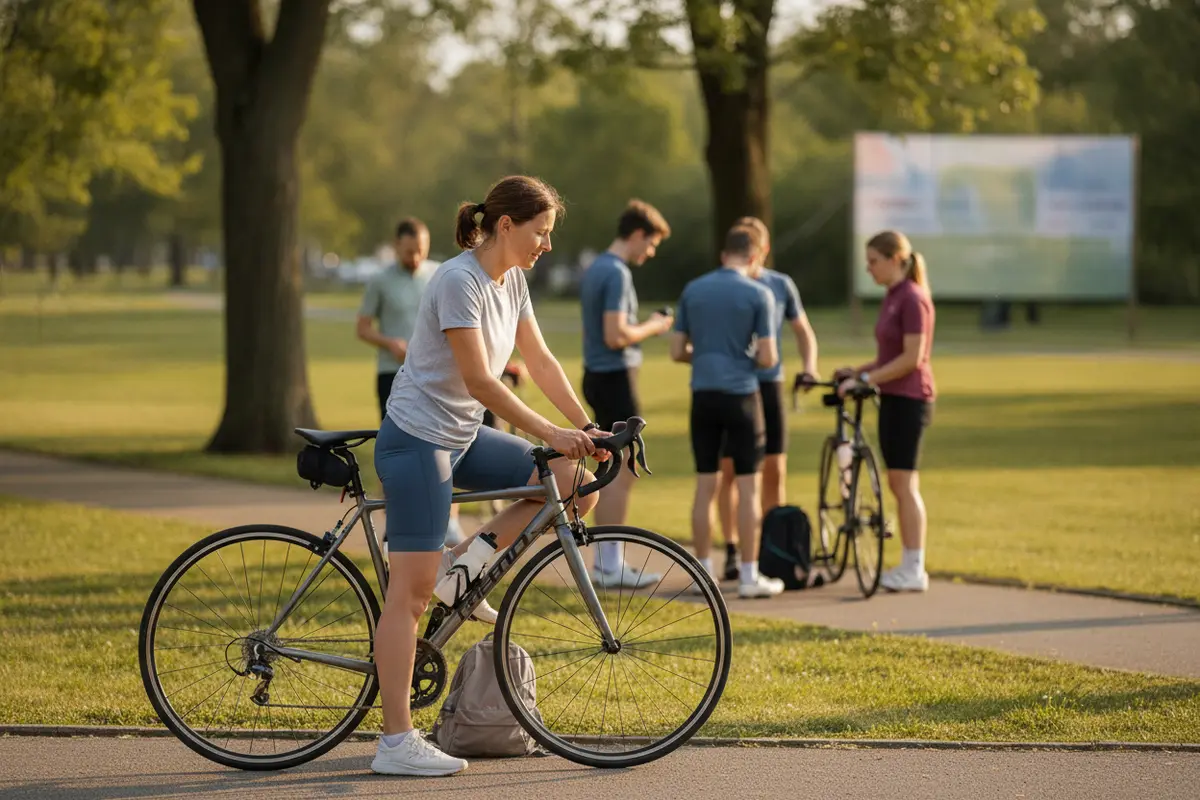
Look for a pattern, not one perfect morning. You may be ready to try an easy ride when everyday movement feels comfortable, your energy is improving, and any ordinary post-ride soreness is settling rather than intensifying. These are general observations, not a medical clearance. If you are unsure whether a symptom is safe to ride through, do not use a blog post to make that decision; contact a health professional.
Make the first ride intentionally easy. Choose a route where you can turn back or shorten the outing, and ride at a conversational effort. Avoid trying to make up for days off by adding speed, hills, and distance at once. Afterward, notice how you feel later and the next day. If the ride leaves you more tired or uncomfortable, take more time before trying again.
Returning to your routine is easier when the ride itself is not another event to conquer. A short local loop, a gentle ride with a friend, or simply waiting another day can all be reasonable choices. The aim is a sustainable return, not a dramatic comeback.
What habits support recovery after a charity ride?
Keep meals and hydration familiar
Make space for regular meals and drink according to thirst and your usual needs. After a long ride, some people feel hungrier or less hungry than normal. Pay attention to how you feel and keep food choices simple and familiar. Avoid relying on a product or supplement as a substitute for rest, and ask a qualified professional if you have specific nutrition or medical needs.
Protect time for sleep
Give yourself a reasonable chance to sleep, especially if event travel, an early start, or a busy schedule disrupted your normal nights. A recovery plan that looks perfect on paper is not useful if it leaves no room for ordinary life. Keep your return to training flexible when sleep has been poor or you still feel unusually tired.
Review your bike and equipment
When you feel ready, check your bike for anything that needs attention before the next outing. Look over tires, brakes, chain, and any gear that caused discomfort or needed adjustment. Do not turn this into a ride if you are still resting. If you have a mechanical question, use an appropriate bike service or support resource rather than riding equipment that may not be safe.
Write down what you learned
Make a few notes while the event is fresh: what helped you feel prepared, what you would pack differently, how the distance felt, and where you would like more practice. Keep the notes neutral. The point is to help with a future ride, not to judge your performance. If you were part of a team, you can also share useful observations with teammates.
What should you avoid during recovery week?
- Do not force a return date. A calendar does not tell you how your body feels.
- Do not turn an easy ride into a fitness test. Leave speed goals and hard efforts for a later stage.
- Do not compare your recovery with someone else’s. Riders have different training histories and event experiences.
- Do not ignore worsening discomfort. Stop activity and seek professional advice when symptoms concern you.
- Do not treat rest as lost progress. Rest is part of a thoughtful training routine, not a failure to stay committed.
It can be tempting to restart immediately because the event was motivating, or because friends are already talking about their next ride. You can stay connected without matching anyone else’s schedule. Share photos, celebrate your team, and take time to decide what challenge sounds enjoyable after you have recovered.
How does recovery fit with a supported charity ride?
An organized ride can include distance, time in the saddle, group riding, weather, and the excitement of a big day. Those demands can feel different from a normal training ride. Bike to the Beach ride distances and routes vary by event, so riders should choose an event and distance that suit their own preparation. If you are planning a future event, explore the century ride guide for a look at longer-ride planning, and review the 50-mile ride guide if that distance is closer to your next goal.
Bike to the Beach organizes charity rides that connect cycling with support for local autism and disability organizations. The ride-day experience includes support such as rest stops and SAG vehicles, according to the organization information. Still, ride support is not a substitute for personal preparation, listening to your body, or getting medical advice when you need it. To see regional ride information, visit the New England ride page or browse the Bike to the Beach ride options.
If you want to build up before your next event, start with the training guide for a 50-mile ride or the beginner’s guide to a 100-mile ride. The fully supported ride guide can help you understand the event format, while the bike ride recovery tips offer related post-ride ideas. Use any training resource as general information, and adjust it to your needs.
Browse New England ride details before your next challenge
Frequently Asked Questions
Should I take the whole week off my bike?
Not necessarily. Some riders prefer several full rest days, while others feel comfortable adding gentle movement later in the week. Let your recovery and any advice from your health professional guide the choice. Taking more rest is reasonable if you feel tired or uncomfortable.
Can I do strength training during recovery week?
There is no single answer for every rider. If you are still sore or tired, keep activity easy and avoid turning the week into a demanding training block. If you already have a routine, consider asking your coach or clinician how to adjust it after the event. Stop any activity that worsens pain.
What if I still feel tired after seven days?
Do not force a return just because the week has ended. Continue resting or keep activity gentle, and seek advice from a health professional if fatigue is unusual, persistent, worsening, or accompanied by other concerning symptoms.
When can I train hard again?
There is no universal day to restart intense training. First see how you respond to easy movement and relaxed rides. Increase effort gradually only when you feel recovered, and consult a qualified professional or coach if you need an individualized plan.
Take time to recover before choosing your next ride
Ready to choose your next ride?
Explore the New England ride and plan ahead
Give yourself the time you need after a big ride, then return in a way that feels steady and sustainable. Your next ride will be there when you are ready.