
Charity Bike Ride Route Preview: Scenic Highlights by Region
Schedule your ride today. Explore a detailed charity bike ride route preview for Florida, DMV, New England, and New York. Compare terrain, distance options,...
Rolling into the Atlantic breeze after a full day of charitable cycling is an unmatched feeling. But before you cross that finish line, you need a route that matches your goals, fitness level, and sense of adventure. A charity bike ride route preview helps you evaluate terrain, distance options, and support services before you register. Bike to the Beach operates fully supported rides across four regions: South Florida, the DC/Maryland/Virginia area, New England, and the New York metro area. Each market offers unique scenery, distinct challenges, and a beachside celebration at the finish.
Register for a Bike to the Beach ride today and start your journey toward a coastal finish that supports local autism and disability programs.
Charity Bike Ride Route Preview: South Florida Coastal Ride
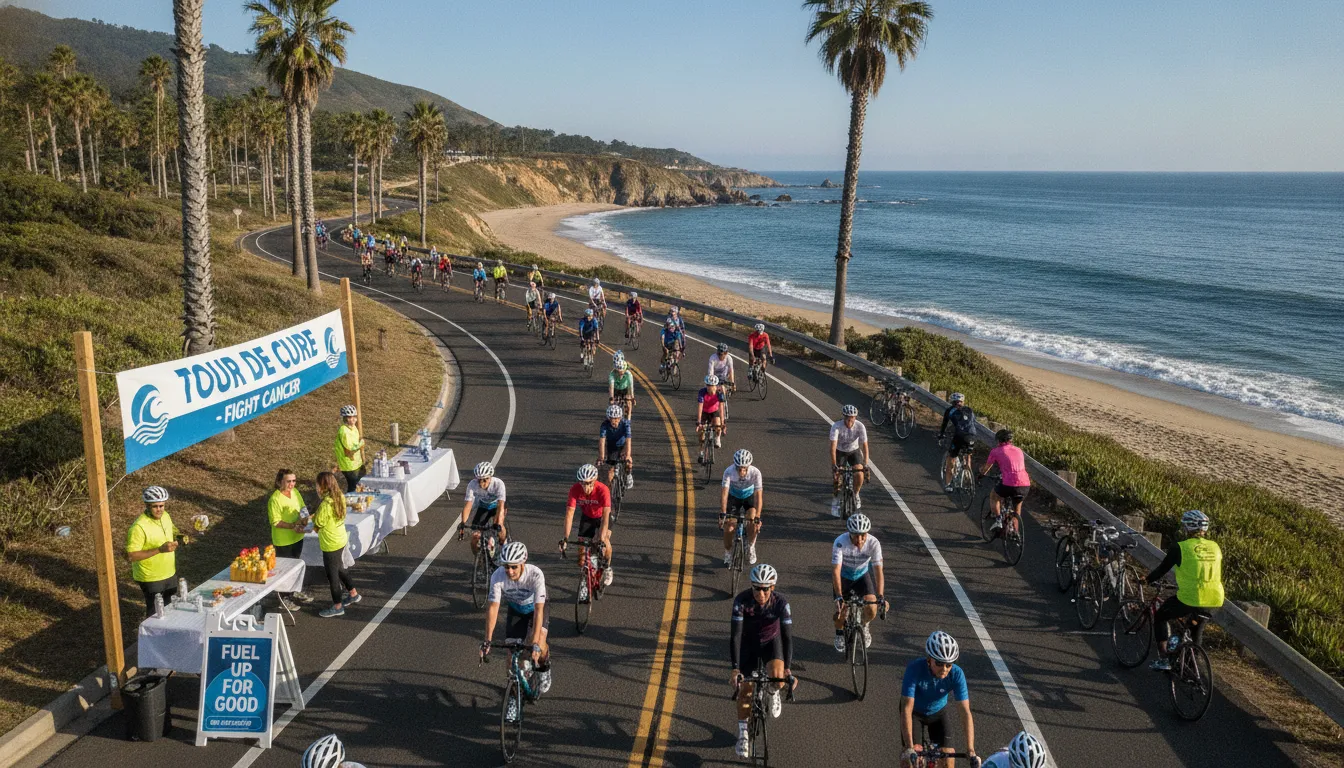
The South Florida route runs from Deerfield Beach to Jupiter along the A1A corridor. This 100-mile course stays mostly flat with steady ocean breezes. Riders pass the Hillsboro Inlet Lighthouse, Juno Beach Pier, and the scenic waterfront homes of Palm Beach County. Three distance options let riders choose their challenge level. It ranks as the most beginner-friendly route in the Bike to the Beach lineup.
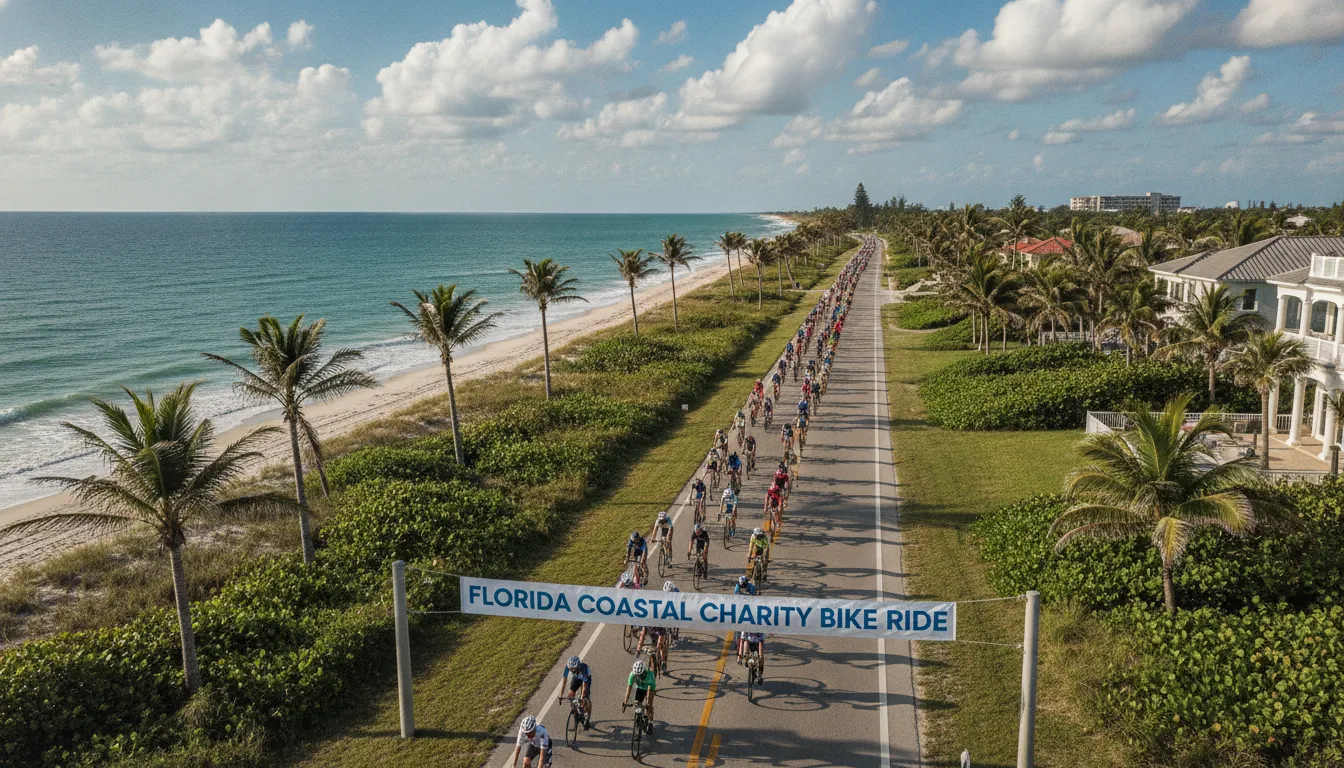
The South Florida ride takes place each March along one of the most scenic coastal corridors in the country. Starting at the Wyndham in Deerfield Beach, riders head north on State Road A1A, a flat, well-paved road that hugs the Atlantic Ocean for most of the journey. The course stays within sight of the water almost the entire way, offering steady views of turquoise surf, palm trees, and beachfront estates.
Three distance options give riders flexibility:
- 100 miles (Century): Full Deerfield Beach to Jupiter route. Suitable for experienced endurance cyclists.
- 62 miles (Metric Century): A middle-distance option that still reaches the Jupiter beach finish.
- 32 miles: A half-day ride ideal for first-time charity participants and casual cyclists.
Key landmarks along the A1A corridor include the Hillsboro Inlet Lighthouse, a working 1907 beacon that marks the midway point. The Juno Beach Pier, where riders catch glimpses of surfers and pelicans; and the string of public beaches between Boca Raton and Jupiter. The terrain is almost entirely flat, with no sustained climbs. The main physical challenge is the constant ocean headwind, which can slow pace on exposed sections.
Rest stops appear every 15 miles with water, fruit, and mechanical support. The ride ends at Carlin Park in Jupiter, where the beach party includes food, music, and awards for top fundraisers.
One hundred percent of funds raised stay in South Florida to support local autism therapy programs, sensory gyms, and family support services.
DMV Ride: From the Nation’s Capital to Dewey Beach
The DMV route starts from multiple locations in DC, Maryland, or Baltimore and converges on Dewey Beach, Delaware. Riders choose from 25, 50, 70, or 100-mile options plus a relay. The course crosses the Chesapeake Bay Bridge and winds through Eastern Shore farmland. Rolling hills appear in the first half, then flatten near the coast. It offers the most distance options of any region.
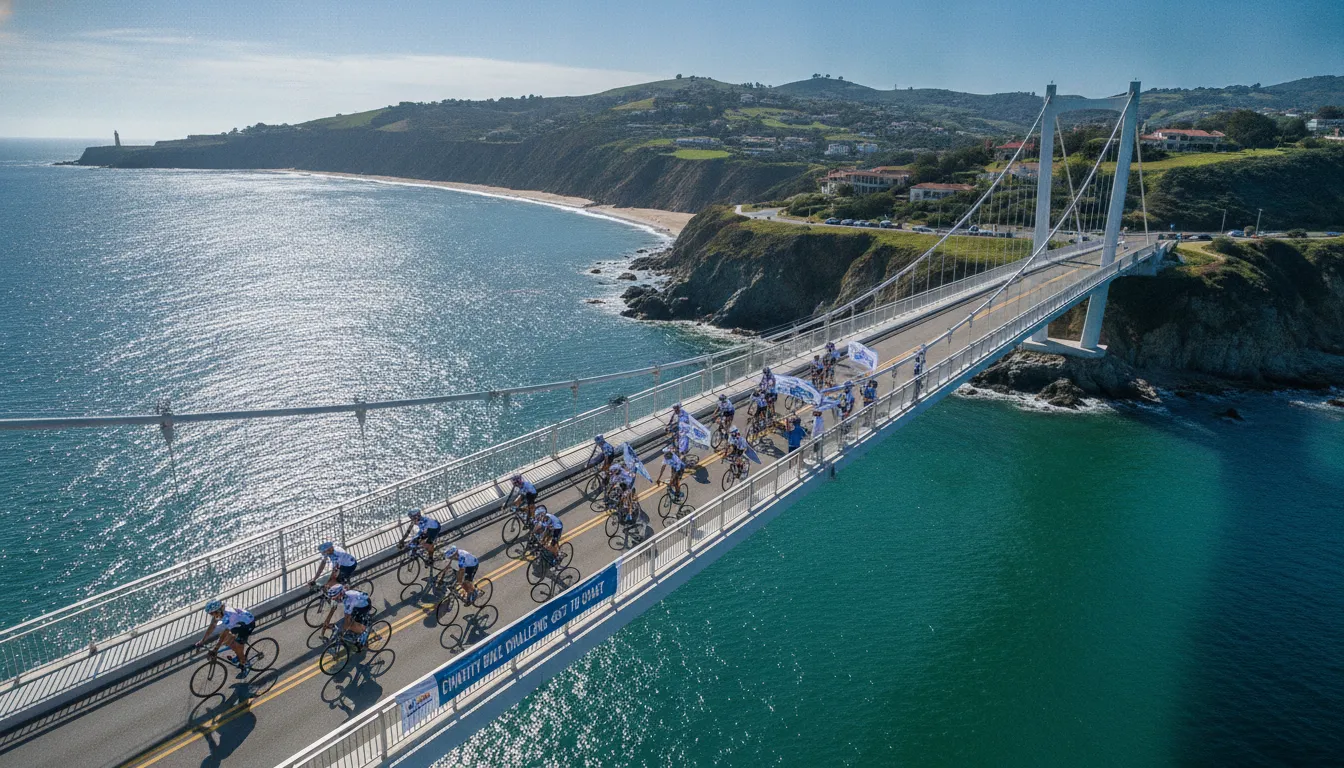
The DC/Maryland/Virginia ride is Bike to the Beach’s flagship event, held each June. Riders depart from five possible starting lines depending on their chosen distance. The DC/Baltimore 100-mile route departs at 5:00 AM and cuts through suburban Maryland before reaching the Chesapeake Bay Bridge. Crossing the Bay Bridge is the emotional high point of the ride: the 4.3-mile span rises 186 feet above the water. Offering panoramic views of the bay on clear days.
Route options by distance:
- 100 miles (DC/Balt start or Bay to Beach start): Full route through Eastern Shore to Dewey Beach.
- 70 miles: Starts further east, bypasses the Bay Bridge crossing, still reaches Dewey.
- 50 miles: Ideal for intermediate riders building toward a century.
- 25 miles: A community ride distance, perfect for families and first-timers.
- Relay option: Teams split the full distance among 2-4 riders.
After crossing the bay, the route descends into Maryland’s Eastern Shore, a landscape of soybean fields, corn farms, and historic small towns like Denton and Cambridge. The terrain here is mostly flat to gently rolling. The final stretch passes through Delaware’s coastal farm country before reaching the finish at Lions Club Dewey Beach.
Across all distances, riders receive mechanical support, stocked rest stops every 15 miles, SAG vans on patrol, and turn-by-turn cue sheets or RideWithGPS navigation. Packet pickup is available the day before at Union Market in Washington, DC. Bus transport returns riders to their cars. An official Bike to the Beach cycling jersey is awarded to every participant who raises $500 or more. All funds support autism and disability programs in the DC, Maryland, and Virginia region. You can find full planning details on the DMV ride details page.
New England Ride: Boston to Newport
The New England route travels from the Boston metro area south to Newport, Rhode Island. This course has the most varied terrain of any region, with rolling hills, salt marshes, rocky shorelines, and seaside villages. Riders face short, punchy climbs through Massachusetts before descending into Rhode Island’s coastal bluffs. The finish at Newport Harbor ranks among the most scenic in the event series.
The New England ride delivers the most diverse terrain of all four Bike to the Beach routes. Departing from the greater Boston area, riders head south along the Massachusetts coast. The early miles pass through suburban roads that quickly give way to quiet two-lane highways bordered by salt marshes and rocky beaches. Unlike the flat Florida course, New England’s terrain rolls consistently, with short 100-to-200-foot climbs every few miles. These climbs demand more gear shifting but reward riders with panoramic views of the Atlantic from each ridge.
Notable sections along the route include:
- South Shore salt marshes: Wide-open tidal flats near Scituate and Marshfield that glow gold in the afternoon light.
- Historic seaside villages: Routes through towns like Marion and Padanaram, where 18th-century homes line narrow lanes.
- Rhode Island coastal bluffs: The final segment hugs the Sakonnet River, with cliffs dropping to the water on one side.
- Newport Harbor finish: The world-famous yachting harbor, with Gilded Age mansions and the Newport Pell Bridge as the backdrop.
Rest stops are spaced every 15 miles and stocked with water, snacks, and basic bike repair gear. SAG vehicles patrol the full route. The finish line celebration takes place at Newport’s waterfront, where riders can dip their wheels in the Atlantic and enjoy a community meal. All funds raised stay in New England and support local disability and autism organizations. For a more detailed overview, read our charity bike ride guide for New England.
New York Charity Ride: Park Paths and Coastal Views
The New York area ride blends urban parkland with coastal scenery. Riders leave the city streets for tree-lined paths through county parks and nature preserves before reaching the ocean shoreline. The terrain is mix of flat paved paths and gentle grades. Making this route suitable for riders of all experience levels who want to experience the metro area from a new perspective.
The New York ride taps into the region’s active cycling community. The course is designed to minimize interaction with heavy traffic by routing riders through connected park systems and bike paths. Participants start in a designated metro-area location and move quickly onto green corridors that wind through preserved woodlands and marshlands. These protected paths offer shade, smooth pavement, and natural scenery that contrasts sharply with the surrounding urban environment.
As the route progresses south toward the ocean, the landscape opens up to coastal views. Riders catch glimpses of salt creeks, tidal estuaries, and finally the open Atlantic. The terrain stays mostly flat with only gentle grades, making this a strong option for riders who prefer distance over climbing. The route is fully marked with signage and GPS support. Rest stops offer hydration, nutrition, and mechanical help at regular intervals.
The finish includes the traditional beach celebration with food, music, and camaraderie. Every dollar raised stays in the New York metro region to fund local programs for individuals with autism and other disABILITIES. You can find specific information about start locations and distances on the New York ride details page.
Comparing the Four Route Options
Each Bike to the Beach region offers a distinct riding experience. Florida delivers flat coastal cruising. DMV provides the most distance options and a signature bridge crossing. New England challenges riders with rolling coastal hills. New York blends park paths with ocean scenery. The best choice depends on your terrain preference, distance goal, and regional connection.
| Feature | South Florida | DMV | New England | New York |
|---|---|---|---|---|
| Terrain | Flat, oceanfront | Rolling hills + flat farmland | Rolling hills, coastal bluffs | Flat park paths, gentle grades |
| Distance options | 32, 62, 100 miles | 25, 50, 70, 100 miles + relay | Multiple distances | Multiple distances |
| Signature feature | A1A ocean corridor | Chesapeake Bay Bridge | Newport Harbor finish | Greenway park connections |
| Best for | Flat-terrain lovers, first-timers | Distance variety seekers | Climbers, scenery chasers | City-to-coast explorers |
| Event month | March | June | Summer | Summer |
How to Choose Your Charity Bike Ride Route
Selecting the right route comes down to three factors: terrain preference, distance goal, and regional ties. Start by asking yourself which landscape appeals to you most. If wide-open ocean views and flat roads sound ideal, the South Florida route along A1A is a natural fit. If you want the most distance options and the excitement of crossing a major bridge, the DMV ride delivers the widest variety.
For riders who enjoy rolling hills and postcard-worthy coastal towns, the New England route through Massachusetts and Rhode Island offers the most dramatic scenery. And if you live in or near the New York metro area and prefer a ride that balances park pathways with coastal views. The New York ride is the most accessible option.
All four routes share the same support model: rest stops every 15 miles, SAG vehicles, mechanical assistance, bike rental options, and a beachside finish celebration. Registration fees vary by region and timing, with early-bird discounts available. Each rider commits to a $250 fundraising minimum, and 100% of funds raised stay in the local region.
If you are ready to commit, visit the main Bike to the Beach site to find upcoming events and registration details for your preferred region. You can also explore additional planning resources on the Bike to the Beach blog for ride tips, training advice, and community stories.
Prepare for Ride Day
A successful charity ride starts with good preparation. Follow this checklist to arrive ready:
- Train for your distance: Gradually build mileage over 8 to 12 weeks. Aim to complete your target distance at least once before event day.
- Pack the essentials: Helmet, cycling shorts, sunscreen, hydration pack or water bottles, spare tube, tire levers, and a pump.
- Check your bike: Inflate tires to proper pressure, test brakes and shifters, and lubricate the chain at least one week before the event.
- Plan your nutrition: Bring energy bars, gels, or chews. Rely on rest stops for water and fruit refills every 15 miles.
- Arrive early: Give yourself at least 45 minutes for check-in, bike setup, and a warm-up before the start.
- Know the route: Download the RideWithGPS file or cue sheet ahead of time. Familiarize yourself with the rest stop locations and the finish area.
Bike to the Beach provides rental bikes, bus transport back to start locations, and hotel deals at the beach finish for riders traveling from out of town. You can read the fully supported bike ride guide for a complete breakdown of what each event provides on ride day.
Frequently Asked Questions
What does a charity bike ride route preview include?
A route preview describes the terrain, distance options, key landmarks, rest stop locations, and support services for each event. It helps riders choose the best region and distance before registering. Bike to the Beach publishes route details on each regional ride page, and this preview compiles the highlights across all four markets.
What is the easiest Bike to the Beach route?
The South Florida route along the A1A corridor is the flattest and most beginner-friendly. It offers a 32-mile option, has no sustained climbs, and benefits from coastal tailwinds on many ride days. The 25-mile DMV option is similarly accessible for families and first-time participants.
How long does it take to complete a 100-mile charity ride?
Most experienced cyclists complete a 100-mile charity ride in 6 to 8 hours of moving time, depending on terrain, wind, and rest stop breaks. Bike to the Beach rest stops are spaced every 15 miles with food, water, and restrooms. Riders should plan for a full-day experience from dawn to early afternoon.
Do I need my own bike to participate?
No. Bike to the Beach offers bike rentals in most regions. Riders can also ship their own bike to the event through the organization’s bike transport service. Rental details and pricing are listed on each regional ride details page.
Where does the fundraising money go?
One hundred percent of rider-raised funds stay in the region where the ride takes place. Money supports local nonprofit organizations that provide therapy services, sensory gyms, educational programs, and family support for individuals with autism and other disABILITIES. Each region partners with its own network of local nonprofits to ensure funds directly benefit the community.
Can I ride with a team?
Yes. Team participation is encouraged. Riders can form teams with coworkers, friends, or family members. The DMV ride also offers a relay option, where teams of 2 to 4 riders divide the full distance. Corporate teams receive additional visibility and sponsorship benefits.
Ready to choose your scenic charity bike ride route?
Now that you have explored the charity bike ride route preview for all four Bike to the Beach regions, the next step is picking your event. Whether you choose the flat oceanfront A1A corridor, the Chesapeake Bay crossing, the rolling coastal hills of New England. Or the park-to-coast New York ride, every mile you pedal funds vital programs for local families. Register today and turn your training miles into lasting impact.
Register for your preferred Bike to the Beach ride now and start fundraising for a cause that matters in your community. For questions about route selection, registration, or fundraising, contact the Bike to the Beach team.