

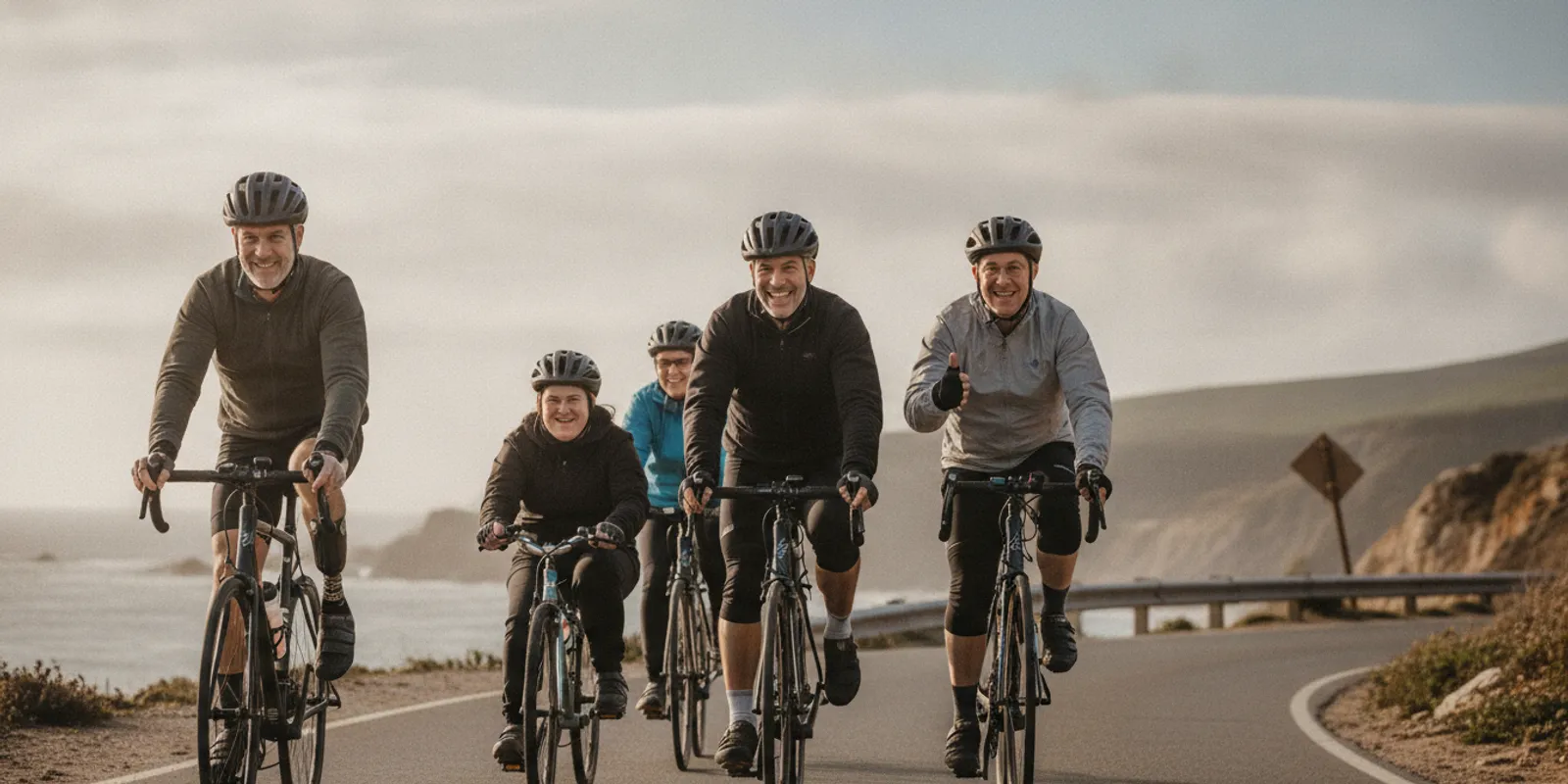
Bike Rides Near Me: Find a Ride That Fits Your Goals
Find bike rides near me by comparing distance, route, support, and format. Explore regional events that pair cycling with local community impact.
Searching for bike rides near me can lead to neighborhood outings, organized group rides, and charity events with longer routes. To choose well, compare more than mileage: check the start and finish, travel needs, support, participation options, and what matters to you about the day. Bike to the Beach brings riders together for supported regional rides that benefit local autism and disability organizations.
Explore Bike to the Beach ride options
What should you look for in bike rides near me?
Begin with your reason for riding. You may want an easy first group outing, a training goal, a way to ride with coworkers, or an event connected to a cause. Your goal helps narrow the search before you compare dates and routes. It also gives you a simple test for every option: does this ride match the experience you want and the time you can give it?
- Distance: Choose a route you can prepare for with your current schedule. A group may prefer an event with multiple distances so riders can take on different challenges.
- Route and setting: Check start and finish points, terrain, road conditions, and how you will get home. A destination ride can make the day feel like a shared journey, but it requires travel planning.
- Support: Look for clear details about rest stops, mechanical help, medical planning, and transportation. Confirm exactly what the organizer provides.
- Purpose: Decide whether you want a recreational outing or a ride that also supports a community mission.
- Format: Consider riding as an individual, joining friends, forming a workplace team, splitting a route as a relay, or participating virtually if offered.
For a closer look at how route choices affect an organized charity ride, read how to choose cycling routes. A good match is one you can prepare for safely and enjoy with the people around you. Before opening event calendars, write down your non-negotiables. For one rider, that may be a Saturday date and an easy return trip. For another, it may be a route long enough to train toward and a cause they can explain to family or coworkers.
How do common ride options compare?
Use this table as a first filter, not as a substitute for current event details. Organizers use different names for formats, and distance or support can vary. If you are comparing two events, fill in the questions column from their current pages rather than assuming that a familiar label means the same thing everywhere.
| Ride option | Typical focus | Questions to check | May suit you if |
|---|---|---|---|
| Community ride | Social participation and a shorter outing | Route length, pace, traffic plans, and whether registration is needed | You want a relaxed introduction or a shared local ride |
| Charity ride | Cycling connected to fundraising or a cause | Beneficiary information, fundraising expectations, route, and support | You want your effort to connect with a mission |
| Long-distance event | An endurance goal with longer route choices | Training time, rest stops, cutoff times, repairs, and return travel | You can build endurance and want an organized challenge |
| Relay format | Several participants share a route or effort | How exchanges work, team rules, and transportation between points | Your group wants to participate together without everyone riding the full distance |
| Virtual challenge | Riding on an individual schedule while sharing progress | Dates, tracking method, submission rules, and group connection | You need flexible timing or cannot reach an event site |
Before choosing, decide which factors are essential and which are preferences. For example, a rider with limited weekend availability may prioritize a clear date and nearby start, while a workplace group may value different distance options and a shared fundraising goal. Writing down your top three criteria prevents a striking destination or attractive event name from distracting you from practical needs.
A useful way to compare event pages is to score each option against those criteria. Give each item a simple mark: must-have, helpful, or not important. If your must-have is a supported route and the event page says little about assistance, send a question to the organizer instead of filling the gap with an assumption. If two rides seem equally appealing, compare the less exciting details, such as parking, the finish location, and the time needed to get home. Those practical factors often decide whether the day will work for you.
Where does Bike to the Beach ride?
Bike to the Beach organizes charity rides in several regions, with routes connecting urban starting areas to beach destinations. Regional events include Florida, DC/Maryland/Virginia, New England, and New York. Routes and distances vary by event and year, so check the current regional ride page for the details that apply.
- Florida ride information for the South Florida event.
- DC, Maryland, and Virginia ride information for the regional event.
- New England ride information for the Boston-to-Newport corridor.
- New York ride information for the NYC-area event.
These are destination rides rather than neighborhood loops. If you search for a ride near you, consider whether the event is practical from your home, workplace, or transit connection, and not only whether its route passes nearby. Check the start point, finish point, and return transportation before committing. If a region is not convenient, local parks, cycling clubs, and municipal recreation calendars may offer shorter rides closer to home.
Map the full trip, not just the ride route. For example, a destination event may require you to arrive at one location early and finish somewhere else. Find out whether event transportation is available for riders and bicycles, then compare that with a friend or family member driving, public transit, or a one-way vehicle arrangement. Add the travel time to the time you expect to spend riding, checking in, and getting ready. A route that looks manageable on a map may be a long day once those pieces are included.
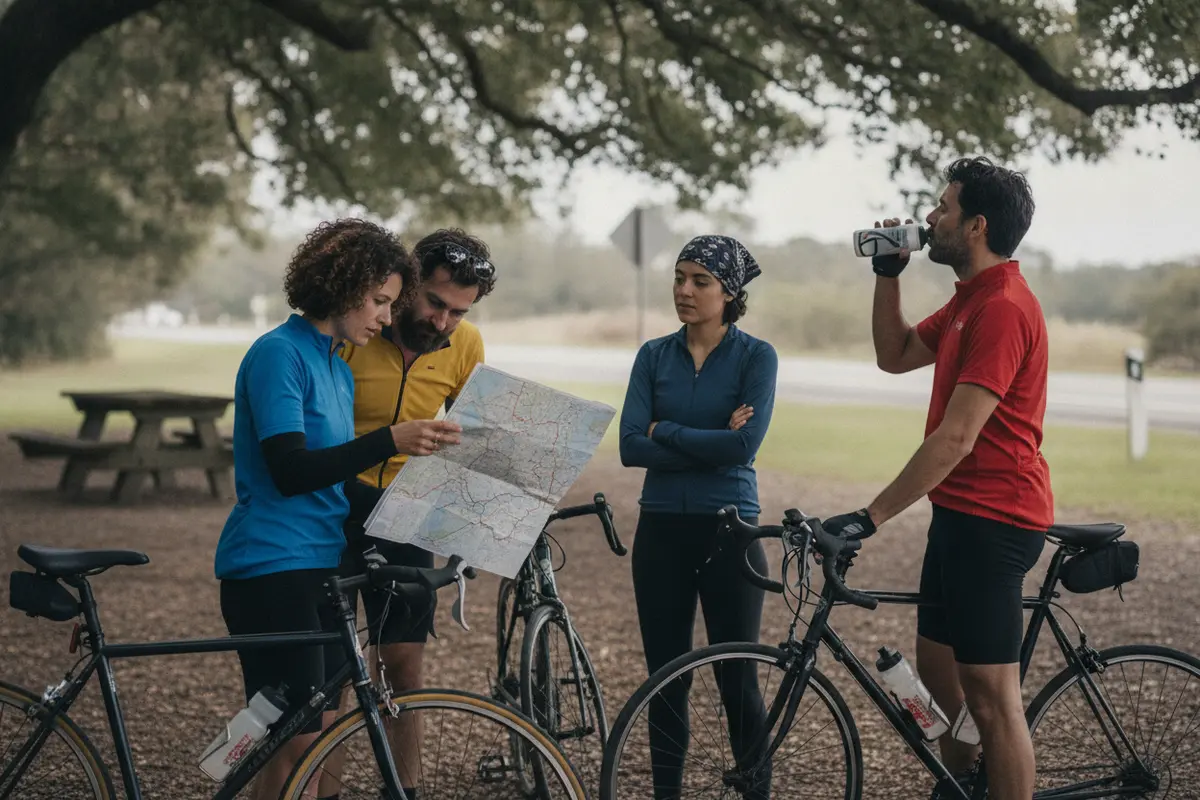
How do you compare distance with your available time?
Distance is only one part of the commitment. A longer event usually calls for more preparation, and even a shorter ride may involve travel, registration, fundraising, or a full day away. Estimate the time you can give the event before you choose a route.
- Look at your current riding: Write down how often you ride now and the longest ride you have completed recently. Use that as a starting point rather than assuming you can jump immediately to the event distance.
- Count the weeks available: Compare the event date with your calendar. Consider work, family plans, weather, and other commitments that could interrupt training.
- Choose a realistic first target: If you are unsure, select a shorter option or a format that lets your group share the effort. You can still make the day meaningful without choosing the longest route.
- Check the organizer’s requirements: Read any stated preparation, registration, fundraising, or age requirements before making plans.
- Reassess as the date approaches: If training is not progressing as expected, contact the organizer to ask whether another distance or participation option is available.
Bike to the Beach offers multiple distance choices at its events, with options described across the program including 25, 50, 62, 70, and 100 miles. The exact menu differs by event. A beginner’s guide to a 50-mile ride and a first 100-mile ride guide can help you think through preparation if you are considering a longer goal.
Try a sample week before you commit to an ambitious route. Put the rides you can realistically fit on a calendar, along with work, family, and rest time. If the plan only works when every week goes perfectly, scale the goal back or choose a later event. A training schedule should fit your actual life, not an ideal week that rarely happens. Beginners can start with consistent shorter rides and extend the time or distance gradually; for individual health concerns, seek advice from a qualified professional who knows your circumstances.
What does support on a ride actually mean?
The word “supported” can cover different services, so look for specifics rather than relying on a label. Bike to the Beach lists rest stops, mechanical support, SAG vehicles, a medical partnership, and return transportation and bike transport services among its event support. Its operations information describes rest stops every 15 miles. Check the current regional page to confirm what is offered on your route and how to use each service.
Before registering, try to answer these questions:
- Where are the rest stops, and what supplies or assistance are available there?
- What counts as mechanical support, and what should you still carry for a basic repair?
- How do riders contact a SAG vehicle or event staff if they cannot continue?
- What medical arrangements are stated, and what should you do in an emergency?
- Where and when does return transportation leave, and how is a bike loaded or transported?
Turn the answers into a small ride-day checklist. Save the event contact information, note the route directions and support locations, and prepare any equipment the organizer says to bring. If your phone is needed for event updates or contact, plan to keep it charged. If the ride uses a navigation app, learn how the route is accessed before event morning rather than trying to set it up at the start line.
Support can reduce the amount of logistics you handle alone, but it does not replace your own preparation. Bring the items the event instructions require, understand the route plan, and keep your phone charged if the organizer relies on it for updates or contact. If an answer is missing from the page, ask before registration rather than making assumptions.
How can a group choose a ride together?
Friends, family, and coworkers often have different riding experience and different definitions of a good challenge. A useful group conversation starts with the shared goal, then makes room for individual limits. Is the main aim to spend a day together, raise funds, train toward a personal milestone, or represent a workplace team?
Once the group agrees on a purpose, discuss distance and format. If the event offers multiple routes, riders can select different distances and meet at a common finish or event gathering when the schedule permits. A relay can help people share a route, but teams need to understand exchange rules and how participants travel between handoff points. A virtual option can work when schedules or geography make an in-person event difficult, provided the event offers one.
Make practical arrangements early. Name one person to share event updates, agree on how the group will travel, and decide whether everyone is registering individually or as a team. Ask what happens if one person changes distance or cannot attend. For a workplace group, clarify who will handle internal communication and fundraising reminders so participation does not depend on last-minute messages.
It also helps to agree on how the group will handle different paces. Some riders may want to stay together throughout; others may prefer to ride at their own speed and reconnect at planned stops. Neither approach should be left vague. Check whether the event sets pace, route, or regrouping instructions, then make a plan that keeps each participant informed without creating pressure to ride beyond their comfort level.
Bike to the Beach provides opportunities for individuals and teams, as well as relay and virtual participation formats. Availability and rules vary by event. Learn about the organization’s community pathways if you are exploring ways to take part beyond riding as an individual.
What should you verify before registering?
Use a simple comparison sheet to keep promising search results from blurring together. Record the same information for each event, then compare like with like. Include a source or note beside anything you cannot confirm so that a guess does not become part of the plan.
- Date and location: Confirm the event date, start address, finish location, and route distance.
- Travel plan: Check parking, public transit, lodging if needed, bike transport, and how you return to the start or get home.
- Participation rules: Read registration deadlines, fundraising requirements, team rules, and any route-specific requirements.
- Ride-day logistics: Review check-in timing, route directions, rest stops, support contacts, and what you need to bring.
- Options for changes: Find out whether a participant can switch distance, transfer a registration, or participate another way if plans change.
- Cause and beneficiaries: Learn which organizations benefit and how the event describes its local impact.
- Questions: Note anything unclear and ask the organizer before paying or making travel arrangements.
For local route-finding, municipal resources can be useful alongside event pages. The Town of Cary’s Bike Cary cycling resource describes maps, events, facilities, and greenways. It is an example of the kind of local information a town may publish; use the equivalent official resource for your own area, and review current conditions and applicable rules before riding. Local resources can help you identify where rides start, but event organizers remain the source for event-specific rules and support.
How can a ride connect with local impact?
Some riders choose an event for the route; others value the chance to contribute to a cause while taking on a physical goal. Bike to the Beach directs participant fundraising to local partner organizations serving people with autism and disabilities. The regional rides connect cycling with community organizations, so the event can offer both a shared challenge and a charitable purpose.
When comparing charity events, read the organizer’s explanation of who benefits and how participation supports them. Ask whether fundraising is required, whether there is a minimum, and what support is provided to help participants communicate their reason for riding. If the cause is personally meaningful, you may want to share that connection with teammates or supporters, while respecting each person’s comfort level.
Bike to the Beach describes itself as a community, not just an event. Readers can learn more about its mission and impact and browse the organization’s rider and community stories. If you are not ready to ride, the community page outlines other ways to connect.
For a group, the mission can help turn an event into a shared experience without requiring every participant to have the same reason for joining. One teammate may be motivated by the route, another by the local organizations supported, and someone else by the chance to ride with friends. Make room for each person’s reason. A clear, authentic explanation is often more useful than a scripted message when you invite others to participate or support your effort.
How can you make a practical plan for your first event?
After identifying a likely ride, turn the decision into a short sequence of actions. This avoids the common problem of registering first and working out the basics later.
- Choose the event and route: Compare current dates, distances, and start locations on the regional ride page.
- Read the details end to end: Save the event information and note deadlines, required steps, and support arrangements.
- Set a preparation routine: Pick recurring times for rides that fit your week. Build duration gradually and include a longer practice ride when suitable.
- Check equipment: Confirm your bicycle fits and works well, and learn what repair supplies the organizer expects you to carry.
- Plan food, water, and rest: Practice the routine you expect to use on the ride, and follow event guidance about aid stations and supplies.
- Arrange transport: Work out how you and your bicycle will reach the start and leave the finish.
- Tell your group: Share the plan, divide responsibilities, and make sure everyone has access to current event updates.
For instance, suppose a group has four riders with different experience levels and a limited number of weekends. First, check whether their chosen event offers more than one route. Next, let each person choose a distance they can prepare for, then identify a common meeting or finish point if the schedule permits. Assign one person to confirm travel and another to keep everyone informed about registration and event instructions. This small amount of coordination can preserve the shared outing without pretending that every rider has the same training needs.
For your first organized ride, keep the plan flexible. Weather, fatigue, and schedules can change. The point is to choose a challenge that motivates you while leaving room to adjust responsibly with the organizer’s guidance.
Keep a record of what you learn during preparation. After a practice ride, note what felt comfortable, what equipment or route information you wished you had, and whether the planned schedule still fits. Use those observations to refine the next week rather than treating one difficult ride as a verdict on the whole goal. If circumstances change, check the event rules and contact the organizer about available options.
Find a regional ride that fits your group
Frequently Asked Questions
How do I find bike rides near me for beginners?
Look for shorter events and check the pace, route conditions, registration details, and available support. If you are considering a longer charity ride, select a distance you can prepare for and use a gradual training plan.
Are charity bike rides only for experienced cyclists?
No. Events may offer several distance choices or group formats. Read the specific event requirements and choose an option that fits your experience and preparation time.
What is included in a supported ride?
Support varies by event. Bike to the Beach lists rest stops, mechanical support, SAG vehicles, a medical partnership, and return transportation and bike transport among its services. Confirm the arrangements on the current regional ride page.
Can a group participate without everyone riding the full route?
Some events may offer relay or other participation formats, and options differ by region and year. Review the specific event page or contact the organizer to confirm what is available.
Ready to choose your ride?
Explore the regional ride options and take your next step
Compare the regional dates, distances, participation options, and travel details, then choose an event that fits your goals and gives you a cause and community you are excited to support.