
Autism Support
Learn how Bike to the Beach connects autism support with its New York charity ride, local impact, and practical ways riders and supporters can take part.
Autism support can take many forms, from sharing reliable resources to showing up for local organizations and community events. A charity bike ride gives riders and supporters a practical way to combine a personal challenge with fundraising for local autism and disability organizations.
Explore the New York Bike to the Beach ride
What does autism support look like through a charity ride?
Support is not one single action or service. For a rider, it may mean training, registering, and inviting friends to contribute. For a teammate, it can mean helping with planning or fundraising. For someone who does not ride, it can mean cheering participants, sharing a fundraising page, or learning about the organizations connected to the event. These are different ways to participate, not a ranking of who cares most.
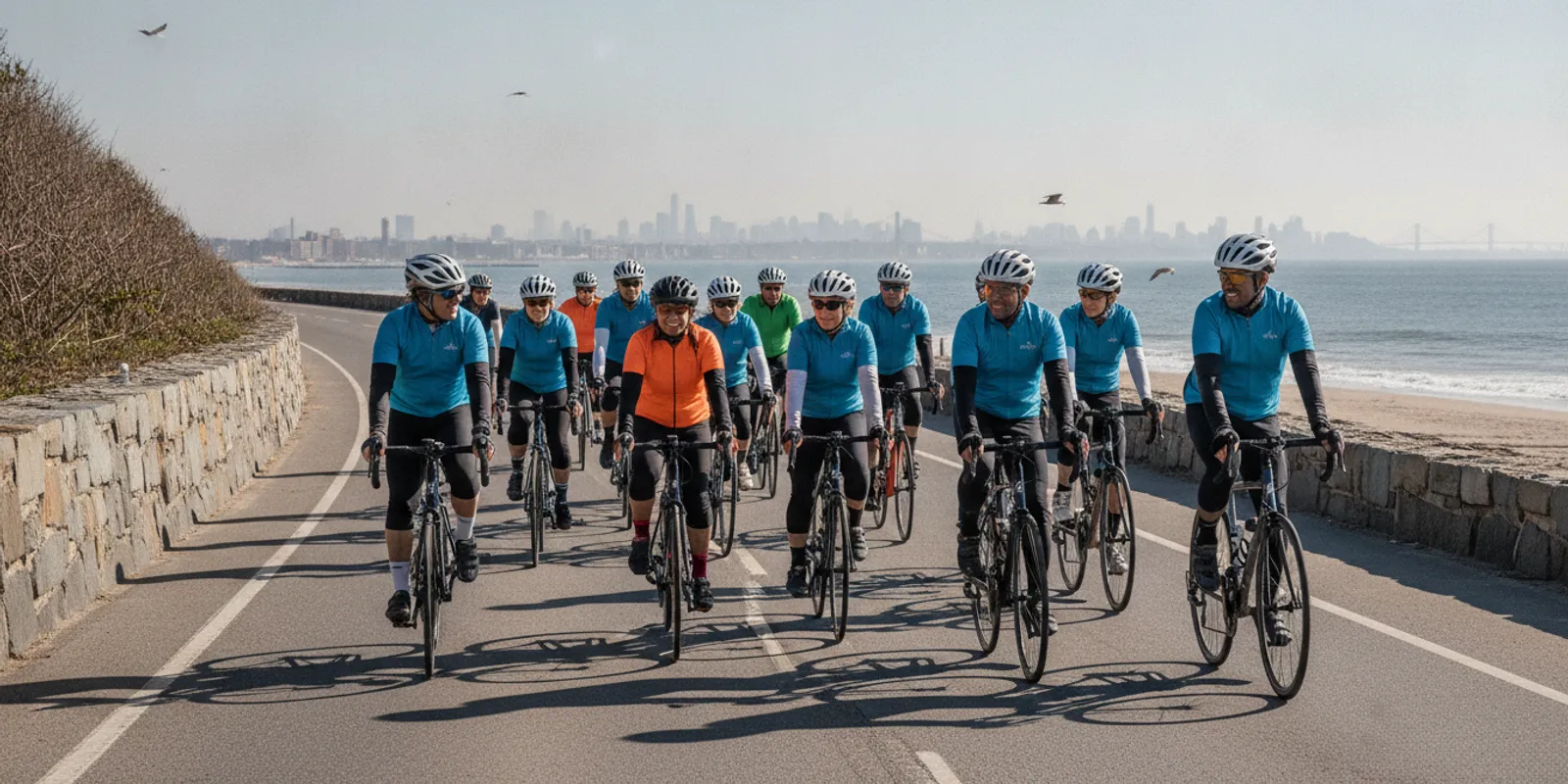
Bike to the Beach organizes charity rides that connect cycling with fundraising for local autism and disability organizations. Its model focuses on local impact: participant fundraising goes to local partner organizations rather than national research institutions. Partners may provide services and opportunities such as sensory gyms, therapy programs, educational support, and recreation. To understand what a particular organization offers, read its own current information rather than assuming all partners provide the same services.
Autism support also includes listening to autistic people and families about what is useful to them. The California Department of Developmental Services Autism Resource Hub offers information and tools for autistic individuals, families, caregivers, professionals, providers, and community partners. A resource hub can help with general information; local organizations can explain what is available in a particular community.
How can a rider connect training with local impact?
Begin with an event and a distance that fit your current riding experience, schedule, and health. A supported charity ride can make a longer day more manageable, but support does not replace preparation. Check the current event details for route choices, timing, and registration requirements before committing. For the New York ride, use the live New York event information to confirm the details for the year you plan to ride.
- Choose a realistic distance. Consider the longest ride you have completed, the time available to prepare, and how you feel after a few hours in the saddle. If you are uncertain, ask the event team about route options and what each entails. A sensible choice gives you room to enjoy the day rather than treating every mile as a test.
- Build a repeatable routine. Put regular rides on your calendar and increase duration gradually. Include easier days and rest, and practice using the equipment you expect to bring. Keep notes on comfort, pacing, hydration, and any fit issues so you can make small changes before event day.
- Practice the ordinary details. On training rides, rehearse carrying water, eating while riding if appropriate for you, checking a tire, and dressing for changing conditions. Test bags, lights, and clothing in advance. Small discoveries on a familiar route are easier to address than surprises during an event.
- Set a fundraising purpose. Explain why local autism and disability organizations matter to you, and state plainly what action you are inviting people to take. A personal reason is enough; avoid promising a particular outcome unless a beneficiary has documented it.
- Plan logistics early. Confirm start location, transport, check-in instructions, bike needs, and how you will get home. Read the event’s current guidance about what to bring and what support is available.
- Follow through afterward. Thank supporters, share a short account of the experience, and point people to accurate information about local organizations. Closing the loop helps supporters understand the purpose behind the ride.
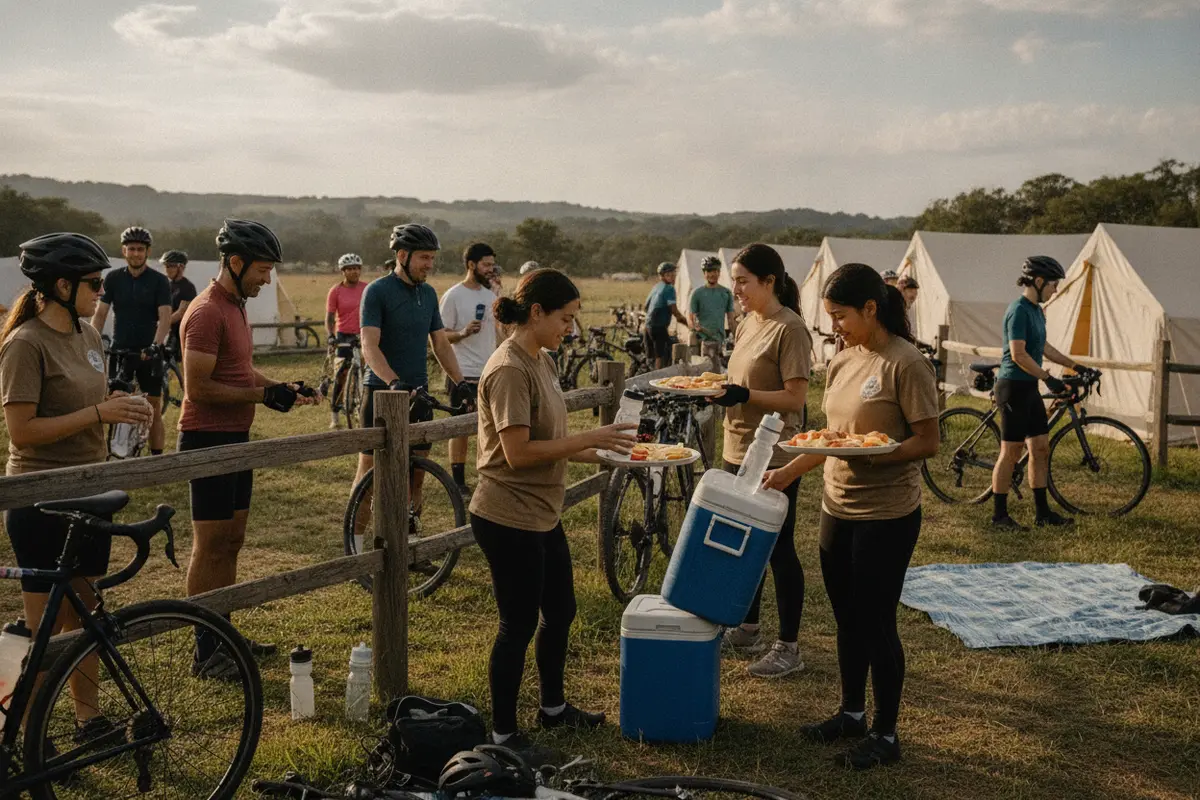
Bike to the Beach events have included rest stops, mechanical assistance, SAG vehicles, a medical partnership, and return transportation. Confirm which services apply to your specific New York event and year instead of assuming every feature is identical across regions or editions. Use the contact page for event or participation questions.
How can you prepare for the day, not just the distance?
A long ride is a sequence of manageable decisions. Think through the morning from leaving home to returning after the finish. If you depend on a ride partner or team, agree on meeting arrangements and how to communicate if plans change. Keep essential event information accessible, and check the event’s instructions rather than relying on last year’s details.
Make an equipment check that is easy to repeat
Before each longer training ride, inspect your bicycle and make sure it is comfortable and functioning as expected. Check tires, brakes, shifting, and any accessories you rely on. If a repair is beyond your skills, arrange professional help before the event. Bring only items you have tested and know how to use. The event may offer mechanical support, but that is not a reason to skip basic preparation.
Set out clothing and personal items the night before. Consider the forecast, the route information, and the event’s advice. Pack a small repair kit if you know how to use it, identification, any personal medication you need, and a charged phone. Use the event’s official checklist as the final authority, since rules and services may vary.
Use checkpoints to keep the ride manageable
Instead of focusing on the finish from the start, divide the day into segments such as the next rest stop, a planned meal, or a scheduled check-in with your team. At each pause, notice how you are feeling, whether your equipment is comfortable, and whether you need to adjust your pace. Follow event directions and seek help from ride staff if you have a concern.
For a first-time participant, a brief written plan can reduce decision fatigue: how you will reach the start, what time you need to arrive, where your group will meet, and what you will do if you become separated. Keep the plan flexible. Routes, weather, and event operations can change, so current event instructions take priority over a personal schedule.
Turn preparation into a simple timeline
A calendar makes the work visible and helps a rider spot practical gaps while there is still time to address them. Several weeks out, confirm your route and make a weekly riding plan that fits your ordinary commitments. As the event approaches, use a longer training ride to test clothing, food, bottles, and any bag you plan to carry. In the final days, avoid adding unfamiliar equipment or trying a major change to your routine. Review the event message, charge devices, and check transport arrangements. The goal is not to control every variable; it is to settle the decisions you can make in advance.
For example, if a rider has only completed shorter neighborhood rides, the next useful step is not automatically the longest available route. They can build duration over time, notice how recovery feels, and ask event staff which route choices are appropriate for their experience. Someone who already rides regularly may instead focus on fueling, pacing, and group communication. A plan should respond to the individual, not a generic idea of what a charity rider ought to do.
What can teammates and supporters do?
A team can share the effort instead of leaving every task to one rider. One person might coordinate training meetups, another can help keep fundraising information current, and another can confirm transport or remind the group to review event updates. Assign clear, modest responsibilities and check that everyone agrees with the plan.
- Help someone prepare: offer to join a training ride, review logistics together, or help them find the current event information.
- Share the purpose accurately: when you repost a fundraising message, add a short explanation of why you support local autism and disability organizations. Link to the rider’s page or an official event resource.
- Offer practical support: ask the participant what would help. They may value a training companion, a reminder, encouragement, or help coordinating transport.
- Show up appropriately: cheering can be meaningful when event rules and access allow. Confirm where spectators may go and avoid creating congestion or interrupting event operations.
- Learn about local resources: explore the organizations connected to the event and share their own public information accurately.
Not every person will participate in the same way. Make room for different abilities, schedules, comfort levels, and interests without pressuring anyone to take on a role that does not fit. Ask before sharing another person’s story or image, especially when it involves personal information. A supportive team lets people choose what they want to disclose and how they want to contribute.
A simple team plan
At the first team conversation, agree on a communication channel and a few dates for check-ins. Keep the plan practical: one training meetup, one fundraising update, and one logistics review may be enough to get started. Name who will check current event instructions and share any changes. On ride week, confirm transport, meeting points, and what each person is responsible for.
Fundraising invitations do not need elaborate language. A useful message says what the participant is doing, why local autism and disability organizations matter to them, and how someone can help. Avoid implying that every contribution produces an identical result or that one person’s experience represents everyone in the autism community. Invite questions and direct readers to reliable sources.
Make the invitation specific and respectful
A short message can connect the personal challenge to the ride’s purpose without making claims about what a donation will pay for. For instance: “I’m riding with Bike to the Beach to support local autism and disability organizations. If you’d like to learn about the ride or support my effort, here’s my event page.” The rider can add a personal reason if comfortable, then point people to the organization’s own information about its programs.
Supporters can also help by asking what kind of encouragement is welcome. Some riders may want a public team photo; others may prefer not to have their name or image shared. A useful offer is concrete and easy to accept or decline, such as reviewing a route plan or joining a training ride. Avoid treating a person’s connection to autism or disability as a story they owe the group.
How does the local impact model work?
Bike to the Beach raises funds and awareness for local autism and disability organizations through regional charity rides. The focus is on partners serving people in their communities. Their work can include programs, recreation, education, therapy, and other forms of support described by the organizations themselves. The ride connects participants with that local purpose, while the specific services and programs are determined by each partner.
When you explain the purpose of a ride, keep it concrete. You can say that the event raises funds for local partners, then direct supporters to the event and partner information. Do not promise an individual service or result unless the beneficiary has documented it. Learn more about Bike to the Beach’s mission and community impact, or explore its community page for ways to connect.
| Participation path | What it involves | Useful first step | How to keep it useful |
|---|---|---|---|
| Ride individually | Choose a distance, prepare, register, and fundraise | Review the current regional event details | Set a realistic training and logistics plan |
| Join a team | Coordinate preparation and share tasks | Agree on roles and a communication plan | Check that responsibilities fit each person |
| Support a rider | Encourage, share a message, or help with practical needs | Ask the rider what would help | Respect privacy and avoid pressure |
| Learn and share | Find reliable information and local organizations | Start with an authoritative resource hub | Share only details confirmed by the organization |
Follow the path from event to community
Readers often ask what “local impact” means in practice. The careful answer begins with the event’s stated fundraising model and the current list of partner organizations. A rider can review those details, choose a partner’s public page to learn more, and share that information with supporters. If a partner describes a sensory gym, educational program, therapy, or recreation opportunity, repeat the description accurately and link to the partner rather than adding assumptions about eligibility or outcomes.
This distinction matters because local organizations are not interchangeable. One may focus on recreation, another on education or family support, and another may offer different services. A community member seeking a specific resource should contact the provider directly to ask about current programs, location, availability, and how to participate. The ride can raise awareness and funds, but it is not a substitute for a provider’s own guidance.
How can you make your support respectful and useful?
Lead with what autistic people, families, and local organizations say they need. Use clear language, respect individual preferences, and avoid speaking as though all autistic people have the same experiences. An event can be a way to support a community, but it does not make one participant a spokesperson for every person or family.
When telling your own story, decide what you are comfortable sharing and keep other people’s information private unless they have agreed. When sharing a partner’s work, use the partner’s own description and current links. That approach helps prevent broad claims from replacing the details that matter to a particular community.
Keep the invitation low-pressure. People can choose whether to ride, fundraise, contribute, encourage a participant, or simply learn more. If you are sharing details about a beneficiary, check the organization’s public information so you do not overstate what it provides. For general context, the DDS Autism Resource Hub provides information for individuals, families, caregivers, professionals, providers, and community partners.
Check your message before you share it
Before posting an appeal or team update, take a moment to check four things: Is the event detail current? Does the wording describe the partner accurately? Have you asked permission before including someone else’s personal story or photograph? Is the requested action clear and optional? These checks help keep the message useful to readers without overstating the event’s role or putting pressure on anyone.
If you are unsure about a claim, leave it out until you can verify it. For example, describe fundraising as support for local partners rather than saying a particular gift will provide a named service, unless the organization has explicitly explained that connection. Accuracy is a meaningful part of community support: it lets people make informed choices and directs questions to the people best placed to answer them.
If you are looking for a next step, browse the charity ride overview and the autism charity bike ride guide. For questions about participation or event logistics, use the Bike to the Beach contact page. These pages can help you find the right route to event details or a conversation with the organization.
See the New York ride details and choose your next step
Frequently asked questions
Does autism support always mean donating money?
No. People may support local organizations by riding, fundraising, sharing reliable information, encouraging participants, or learning what services are available. Choose an action that fits your circumstances and preferences.
How do I find information about autism resources?
Begin with an authoritative resource hub or a local organization that serves your area. Check who the information is for and whether it addresses your question, then contact the provider directly about its services and current availability.
Can I support a charity ride if I do not plan to ride?
Yes. You can encourage a rider, share their fundraising message, or learn about local partner organizations. Check event rules before planning to attend or help at a ride location.
What should I confirm before registering for the New York ride?
Review current event information for the date, route options, start and finish details, event policies, registration steps, and available support. Details can change between event years, so rely on the live event page and ask the event team if anything is unclear.
Ready to connect with the New York ride?
Take a look at the current event information, choose a participation path that fits you, and share the local purpose with your community. A clear, respectful invitation can help more people learn how to support autism and disability organizations close to home.