
Autism Support Services: How Charity Rides Help Families
Learn how charity bike rides connect families with local autism support services, community partners, and practical next steps without replacing clinical care.

For many families, finding the right local help can be as important as finding the right bike route. A community ride can open conversations, introduce people to organizations serving their region, and turn shared effort into practical support for autistic people and their families.
Autism support services can include early intervention, communication and occupational therapy, educational assistance, adaptive recreation, sensory programs, and family resources. Local access matters because needs differ from person to person, and families often need to understand eligibility, availability, and next steps in their own community. The CDC notes that early intervention programs are available in every state and territory for eligible children: learn more about accessing services.
Bike to the Beach is not a clinical provider, and a charity ride does not replace professional care or benefits guidance. It can, however, help connect community members with the local organizations and programs that make support more reachable. Understanding what those services do is the first step.
Explore a Bike to the Beach ride and support local autism organizations
What Are Autism Support Services, and Why Does Local Access Matter?
Autism support services are not one single program or treatment. They can include early intervention, communication and behavior therapies, educational supports, family education, respite, social opportunities. Adaptive recreation, and practical resources that help people participate more fully at home, in school, and in the community. The right combination depends on the person, their goals, their age, and the support their family can access.
Needs can vary widely among autistic people, and there is no single medical test or one-size-fits-all plan for autism. A care team may change its approach as a child or adult’s needs change. Some people may benefit from communication support, while others may need help with daily living, sensory access, social connection, learning, employment preparation, or family navigation. The goal is not to force every person into the same pathway. It is to connect each person with respectful, individualized support.
Early intervention is especially important in early childhood, but support can be helpful at any age. The Centers for Disease Control and Prevention notes that publicly funded early intervention programs are available in every U.S. state and territory for eligible children. Sometimes at no cost or reduced cost. Services for young children may address communication, movement, and interaction skills. Families may also explore school-based support, including an Individualized Education Program or a 504 plan, as children enter the local education system. Learn more about accessing autism services and eligibility through trusted public resources.
Local access matters because a service is only useful when a family can realistically reach it, understand how to apply, and use it consistently. Distance, waitlists, transportation, cost, scheduling, and eligibility requirements can all shape what is practical. Local organizations may also understand the schools, neighborhoods, recreation spaces, and community networks that families already use.
Community connection is another important part of the picture, but it should not be confused with clinical care. A charity ride can raise awareness, strengthen relationships, and help fund local programs. It does not diagnose autism, prescribe treatment, or replace a qualified clinician, educator, or benefits specialist. Bike to the Beach is a community and fundraising organization, not a clinical provider. Its role is to help support the local ecosystem so families can find more opportunities for connection and participation alongside professional services.
How Can a Charity Bike Ride Connect Families With Local Support?
A charity ride can create a practical bridge between community generosity and the organizations families already rely on. It begins with participation, fundraising, and conversations, then continues through local partners that understand the needs of people with autism and disabilities in their own region.
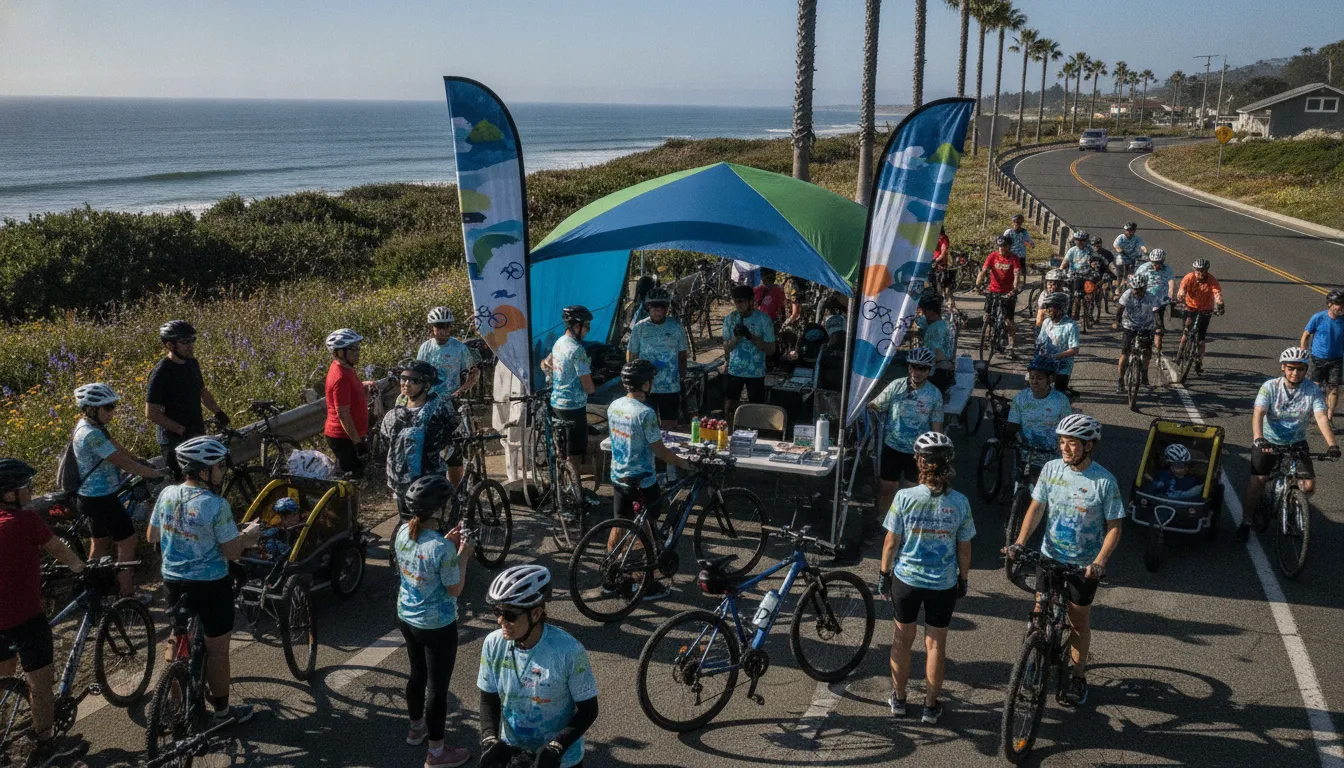
Bike to the Beach raises funds and awareness for local autism and disability organizations through its charity rides. The organization describes itself as a community, not just an event, with year-round engagement focused on local services and tangible impact. That model gives families more than a single day of activity. It creates opportunities to learn who is doing direct-service work nearby, support that work, and stay connected to a broader network.
Fundraising keeps support close to home
Bike to the Beach states that 100% of participant fundraising is directed to local partner organizations rather than national research institutions. It also says that funds raised stay within the region where they are collected and go to vetted local partners. Families can explore how local fundraising creates impact to see how this regional approach works.
That connection matters because local organizations may be positioned to respond to needs that vary from one community to another. Support might involve a sensory space, adaptive recreation, educational resources, family support, or another program designed for the people served in that area. The ride does not decide which service an individual family needs. Instead, fundraising helps strengthen organizations that provide those services and gives the community a way to participate in their mission.
Community relationships open doors to information
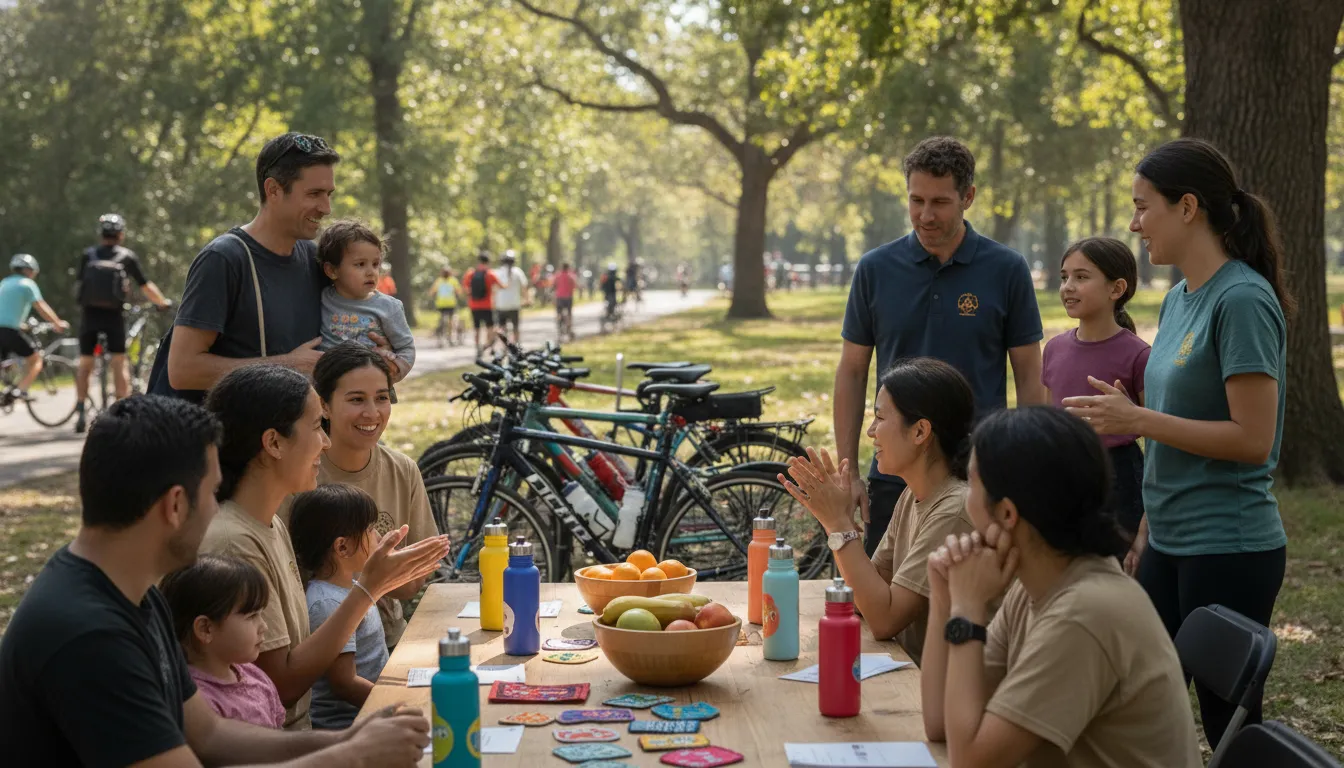
Ride participants may include parents, caregivers, advocates, nonprofits, service providers, friends, and coworkers. Those relationships can make it easier for families to discover questions to ask and organizations to contact. A conversation at a community event might point someone toward a local support group, an adaptive recreation program, or a provider with experience serving autistic children or adults.
Families should still confirm eligibility, availability, costs, and fit directly with each organization. Bike to the Beach is not a clinical provider, does not diagnose or prescribe care, and should not be treated as a clinical referral service. Autism support services are individualized, and a ride or fundraiser cannot replace professional, educational, or benefits guidance.
The strongest connection is therefore a respectful one: riders help local organizations sustain their work. Partners share their missions and resources, and families remain in control of choosing the support that fits their circumstances.
Which Programs Can Local Ride Fundraising Help Sustain?
When fundraising stays close to home, its impact can take several practical forms. Local partner organizations may direct support toward spaces, equipment, training, and programs that help people with autism and disabilities participate, learn, connect, and build everyday skills. The exact use depends on each partner’s needs, eligibility requirements, and current priorities. Bike to the Beach is not a clinical provider, and a charity ride does not replace individualized medical, educational, or therapeutic guidance.
| Program area | Possible local support | Potential family benefit |
|---|---|---|
| Sensory and therapeutic spaces | Sensory gyms, sensory integration spaces, occupational therapy equipment, physical therapy resources, and speech or communication tools. | More appropriate environments and resources for practicing skills, participating in activities, or receiving support. |
| Education and staff development | Adaptive learning environments, staff training, and other educational supports tailored to local program needs. | Stronger day-to-day support in settings where children and adults learn, communicate, and take part. |
| Recreation and inclusion | Adaptive outdoor experiences, specialized bike camps, social skills programs, and peer interaction opportunities. | Accessible ways to build confidence, connection, and participation around shared interests. |
| Family and life planning | Respite services, family education, life-skills training, employment preparation, and related support programs. | Practical resources that can support families and help participants develop skills for daily life and future goals. |
These examples come from Bike to the Beach’s documented descriptions of local impact, including educational, therapeutic, recreation, inclusion, and family-support programs. Partner organizations decide how funds are used, so fundraising should not be presented as a guarantee of a particular service, appointment, result, or amount of access. Local needs can change, and eligibility may vary by program.
One documented sensory gym project reported that students became calmer, more focused, and more engaged after specialized spaces and equipment were provided. That is a project-specific report, not a promise of clinical outcomes for every person or program. The larger point is more straightforward: community fundraising can help local organizations build or sustain the practical supports families use every day.
For families exploring autism support services, the best next step is to ask the organization what it currently offers, who qualifies, and how to begin. A ride can help strengthen the local network, but the partner remains the right source for current program details.
How Can Families Use a Community Event as a Starting Point?
A community event can make the first step toward finding autism support services feel more connected and practical. It is not a medical referral, diagnosis, or substitute for professional care. Instead, it can help families learn what resources exist, hear how other people found support, and identify questions to ask next. Use the event as a starting point, then confirm each service directly with the provider or public agency.
- Identify the immediate need. Before searching for a program, write down what would help your family right now. That might be an evaluation, speech support, school planning, a social skills group, respite, a parent support group, or an inclusive recreation opportunity. Needs can change over time, and autism support is not one-size-fits-all. A short list helps you have a more focused conversation instead of trying to sort through every possible resource at once.
- Ask whether a formal diagnosis or physician referral is required. Requirements vary by program. The CDC notes that parents may self-refer for an early-intervention evaluation and do not always need a physician referral. It also explains that support for a specific concern, such as speech and language delays, may begin before a formal autism diagnosis. Read the provider’s current instructions and ask what documentation, age range, location, and intake steps apply. Review the CDC’s guidance on accessing services for a starting point.
- Confirm eligibility, cost, and access details. Ask who the program serves, whether there is a waitlist, how appointments are delivered, and whether transportation or virtual options are available. Families may also want to ask about public early-intervention programs, which are available in every U.S. state and territory for eligible children. For children beginning at age three, local education systems may provide support through an IEP or a 504 plan. A school team or state program can explain its own process.
- Use community connections to find questions, not promises. At a ride or related gathering, listen for local organizations, family groups, and service providers that match the need you identified. A conversation can help you learn what to ask, but another family’s experience is not a guarantee that the same program will fit your child. If a provider is represented at the event, families can explore autism service provider partners and then contact the organization directly for current information.
- Follow up while the conversation is fresh. Save the provider’s contact information, write down the next action, and ask when to expect a response. If a program is full or not a fit, request another appropriate referral or ask whether a waitlist and interim resource are available. Keep a simple record of calls, applications, school conversations, and questions. That record can help your family and its professional support team revisit needs as circumstances change.
Where Does Bike to the Beach’s Local Model Operate?
Bike to the Beach brings its community-based approach to four regional ride markets: Florida, DC/Maryland/Virginia, New England, and New York. The routes and partner networks differ by region, but the model stays consistent. Riders come together around a demanding, supported cycling experience, and participant fundraising is directed toward vetted local organizations serving people with autism and disabilities.
That local focus matters when families are looking for autism support services. A national mission can raise awareness, but regional partners are closer to the schools, programs, providers, and community spaces families may already know. Bike to the Beach says funds raised remain in the region where they are collected. The organization also reports distributing substantial funds to local organizations over time. That statement describes its overall work, not a guaranteed benefit for every family or partner.
Regional partners reflect local needs
In Florida, named partners include Autism Society of Florida, Camp Open S.E.A.S., local therapy centers, and regional disability support organizations. In the DC/MD/VA market, partners include Autism Society of Maryland, regional service providers, disability advocacy organizations, and therapeutic riding and recreation programs.
New England partners include the Doug Flutie Jr. Foundation for Autism, Amego, community-based therapy providers, and other autism and disability organizations. New York beneficiaries include Celebrate the Children, local autism support organizations, disability service providers, and community inclusion programs. These examples show the range of local work supported through the model. But they are not a directory or a promise that each organization offers the same services in every location.
Participation connects people to a broader community
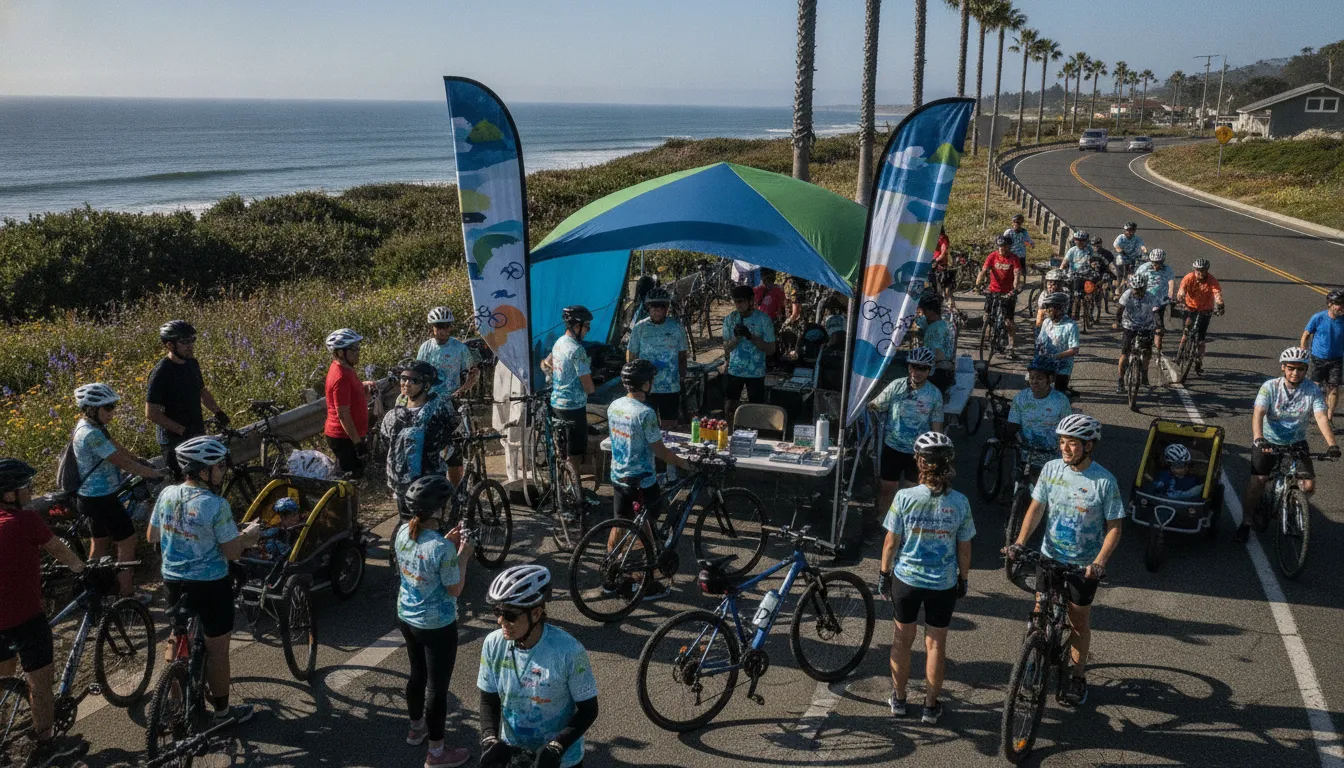
Bike to the Beach is designed as a community, not just a single event. Riders can choose shorter routes as beginners or take on longer challenges, including 100-mile rides, while contributing to a shared local purpose. To learn more about the organization and its regional opportunities, explore the Bike to the Beach charity rides.
A ride does not replace clinical care, educational planning, or benefits guidance. Instead, it helps sustain the local organizations and programs that may provide those services, from adaptive recreation and family support to therapy resources, sensory spaces, and educational tools. Families should contact each organization directly to confirm current programs, eligibility, and access.
What Questions Should Families Ask About a Support Resource?
Finding a support resource is often a process of asking the right questions, gathering information, and deciding what fits your family. Start with the basics, then ask for details in writing when possible. Each child and family has different needs, so a useful resource should be willing to explain its approach and limitations clearly.
- What are the eligibility requirements? Ask about age, location, insurance status, disability criteria, school enrollment, or other requirements. Publicly funded early intervention programs are available in every U.S. state and territory for eligible children, and some may be free or offered at reduced cost. Ask which program determines eligibility and how long that process usually takes. The CDC explains how families can access early intervention services.
- Do we need a referral or a formal diagnosis? Ask whether a physician referral, evaluation, or autism diagnosis is required before an intake appointment. A parent can self-refer for an early intervention evaluation in some circumstances, and support for a specific concern. Such as speech and language delays, may not need to wait for a formal autism diagnosis. Confirm the resource’s own policy rather than assuming every provider follows the same process.
- What does the evaluation involve? Ask what information the team reviews and who participates. An autism evaluation may consider hearing, speech, language, development, and social or behavioral concerns. There is no single medical test for autism, so families may want to know what the evaluation can and cannot determine. If a resource recommends additional assessment, ask who can provide it.
- How accessible is the service? Ask about the location, transportation, scheduling, waitlist, communication options, sensory environment, and accommodations. Also ask whether services are offered at home, at school, in a community setting, or through more than one format. Practical access matters as much as a program’s description.
- What will it cost, and what does coverage include? Request a clear explanation of fees, insurance billing, public funding, sliding-scale options, copays, and services that are not covered. Ask whom to contact if coverage is denied or circumstances change. Do not rely on a general statement that a program is affordable without confirming what your family would actually pay.
- How will the team communicate with us? Ask how progress, concerns, schedule changes, and next steps will be shared. If several professionals are involved, find out who coordinates communication and how the plan can change as your child’s needs change. Autism support is individualized, not one-size-fits-all.
- Is this a good fit right now? Ask what the resource is designed to support, what participation involves, and when a different service might be more appropriate. Bike to the Beach can help raise funds and awareness for local organizations, but it is not a clinical provider and does not diagnose, evaluate, or recommend treatment. Families should use qualified professionals and public agencies for clinical, educational, and benefits guidance.
These questions can turn a broad search for autism support services into a more focused conversation. Take notes, compare answers, and choose the next step that is practical for your family today.
Find a Bike to the Beach ride and join the local autism support community
Frequently Asked Questions
What support is available for people with autism?
Support can include early intervention, communication and behavioral therapies, educational services, social skills programs, adaptive recreation, respite, family education, and other community-based resources. The right mix depends on the person’s age, goals, strengths, and access needs. The CDC notes that publicly funded early intervention programs are available in every U.S. state and territory for eligible children, while support at any age can be helpful: CDC guidance on accessing services.
How can a charity bike ride help families find local resources?
A ride can create a practical connection to local organizations that provide services, advocacy, family support, or inclusive recreation. Fundraising and community conversations can also increase awareness of programs that families may not know about. Bike to the Beach is not a clinical provider, so families should contact each organization directly to confirm services, eligibility, availability, and costs.
Can parents request an autism services evaluation without a physician referral?
In some early intervention systems, yes. The CDC says a parent may self-refer to request an evaluation and does not always need a physician referral. Requirements differ by state, program, and age, so contact your local early intervention or education office to confirm the process: CDC referral guidance.
Can adults with autism use local support services?
Yes. Local programs may offer social connection, life-skills training, employment preparation, advocacy, recreation, and other supports for adults, although availability varies by location. Ask whether the program serves adults, what accommodations are available, how enrollment works, and whether a referral or documentation is required.
Ready to Explore a Bike to the Beach Ride?
Joining a ride offers families a practical way to connect with neighbors, learn about community support, and contribute to organizations serving autistic people and people with disabilities. Bike to the Beach is not a clinical provider, but participation can be one meaningful step toward community-powered support. Explore a New England ride and get started with a community that turns miles into local connection.